



World Series hero Klein fights for Dodgers bullpen spot in new season



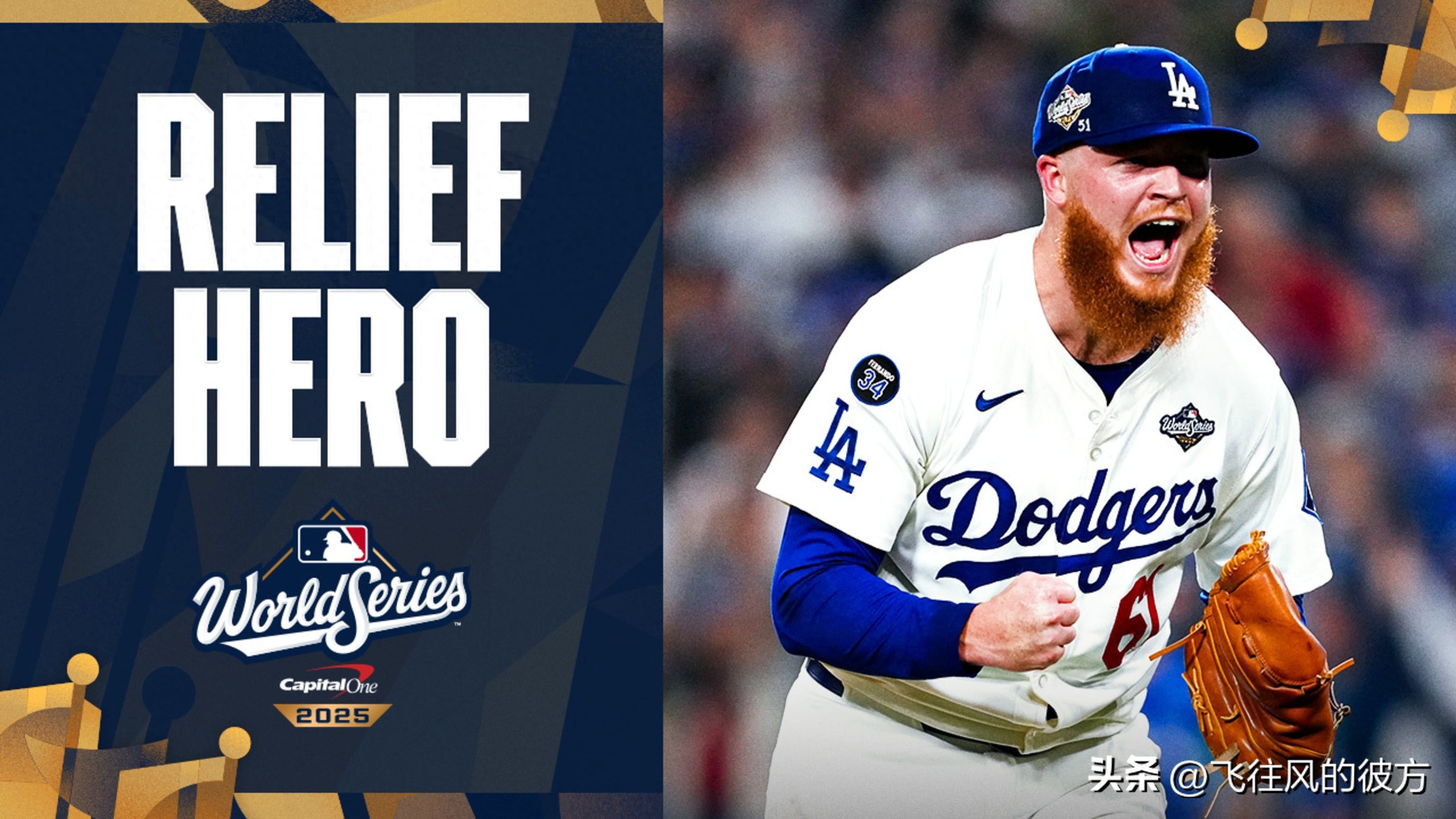
For many viewers who stayed up late watching Game 3 of last year's World Series, as deep night turned toward dawn, Will Klein seemed to emerge suddenly, thrust into the spotlight when the Dodgers bullpen was depleted.
That night, Klein became a hero of the World Series. He pitched four innings using 72 pitches—the heaviest single-game workload of his career and his longest outing since his time at Eastern Illinois University—ultimately becoming the winning pitcher in that marathon 18-inning game that lasted over six hours.
In that game, Freddie Freeman blasted another walk-off home run in the World Series, Clayton Kershaw performed the final dance of his legendary career, and Klein became a hot topic in the locker room and baseball circles. Legendary pitcher Sandy Koufax even came to congratulate him after the game.
“Thank goodness, Will Klein, the MVP of this game, kept pitching scoreless innings,” Freeman said that night, “giving me a chance to bat again.”
Kershaw added, “His performance tonight far exceeded anyone’s expectations for someone who had never experienced such a situation.”
Klein made himself famous in four innings, but what shaped him was the journey leading to that moment. Having played for four teams over the past two years, this 26-year-old right-handed pitcher learned to stay grounded amid life’s uncertainties. That prepared him to shine on baseball’s biggest stage.
“The most important thing I gained from it,” Klein said, “is that after leaving the field each day, for my wife Carson and my cat, I’m no longer just a baseball player. The past year was obviously turbulent, filled with self-doubt and thoughts like ‘Are you good enough?’”
“But most importantly, stay true to yourself and persevere. After I came here, they really helped me a lot.”
Klein debuted in 2024 with the Kansas City Royals, the team that drafted him in the fifth round in 2020. But his journey soon exceeded rookie expectations. Months later he was traded to the Athletics, which wasn’t necessarily a bad move for a young reliever eager to prove himself. But he only pitched three games for the Athletics before being sent down to Triple-A Las Vegas, where he ended the season due to injury.
In January 2025, Klein was designated for assignment by the Athletics and traded to the Seattle Mariners the same week; he was designated again in May. That’s when the Dodgers picked him up and began unlocking his full potential.
The Dodgers’ message to Klein had two parts: throw more strikes, and trust your ability. The former had been said by previous teams he’d been with, but the latter especially helped transform his mindset against batters. The Dodgers also had him abandon his original gyro slider, switch to a slider-cutter, and continue using the cutter he developed in Seattle.
“I feel the Dodgers really allow you to be yourself,” Klein said. “Many other teams might have uniform training methods or fixed expectations for players, but here… you see all kinds of different pitchers, and they let you do what you excel at.”
Klein pitched only 14 games for the Dodgers in the regular season, with 21 strikeouts and 10 walks over 15.1 innings. When the playoffs arrived, the team kept him at Camelback Ranch, conducting live batting practice with other pitchers, ready to reinforce the major league roster if needed.
Eventually, he was indeed needed: Klein flew with the Dodgers to Toronto for the World Series, originally thinking he was a temporary reserve, but learned before Game 1 that he was on the roster. The tedious training of repeatedly facing the same batters throughout October thus became worthwhile. Once under the spotlight, Klein seized the opportunity. He pitched a scoreless inning in his World Series debut in Game 1, then delivered the now-legendary performance in Game 3.
Since then, manager Dave Roberts has seen Klein continue to grow after that key appearance which helped the Dodgers secure a second consecutive championship. Despite his heroic feat, Klein hasn’t locked down a bullpen spot this spring training, but as Opening Day approaches, he has a chance to earn a role in the season aiming for a third straight title.
“I’ve already seen Will more confident than when we traded for him last year,” Roberts said. “He wasn’t confident then; now he’s earned his teammates’ respect and proved himself under the highest pressure. That can’t be manufactured; you have to experience it and do it.”
And Klein did exactly that—through a turbulent year, not only on the mound but in every aspect, finally arriving at that night when he walked into Dodger Stadium as a World Series hero.


Wonderfulshortvideo
she came to say WASSUP 🖤 Todo el mundo ama a Young Miko


I love you Dominican Republic 🇩🇴🙌🏻❤️.
El mejor equipo y el que más se goza 🤣🇩🇴: arriba RD. 🇩🇴
Run it back, YEONJUN!
Venezuela 🇻🇪 vs Italia 🇮🇹…( felicidades Venezuela, Dominicana 🇩🇴 puso todas la Esperanza y fuerza en ustedes ) 🙌🏻🙏.
Venezuela elimina ah Japan 🇯🇵👀🚨.
Venezuela se corona 👑 Campeon del classico mundial 2026 🤯🇻🇪🚨.
 Links
Links
 Contact
Address:UNIT 1804 SOUTH BANK TOWER, 55 UPPER GROUND,LONDON ENGLAND SE1 9E
Number:+85259695367
E-mali:[email protected]
 App
App


