



Recalling the past, how did they lose Brunson?


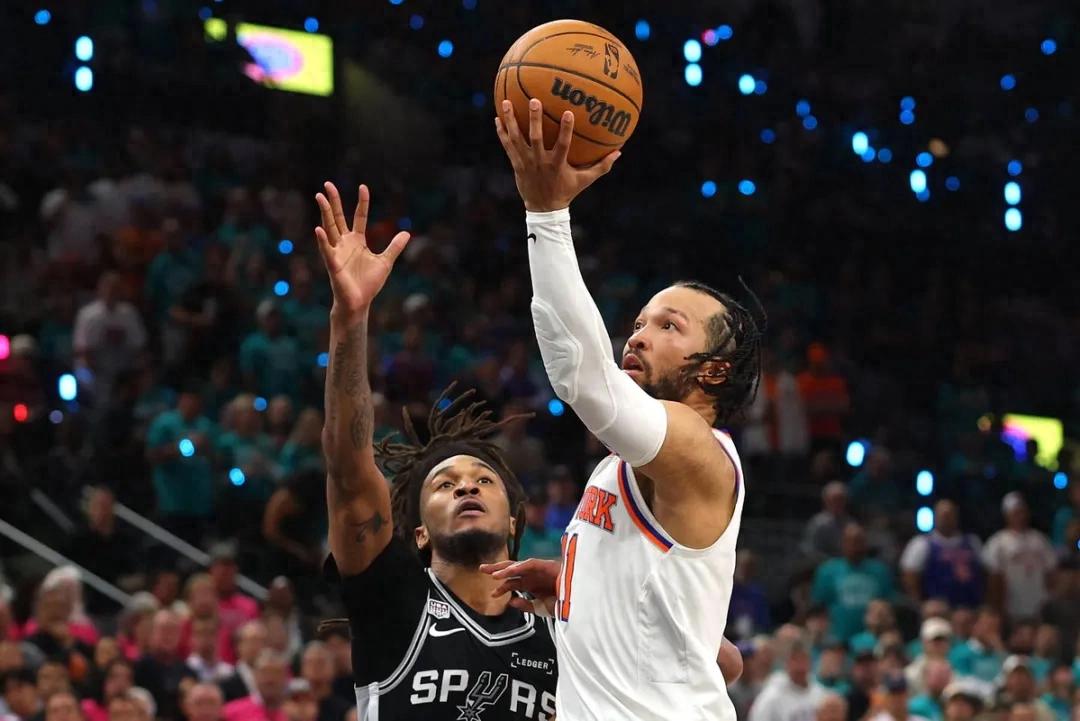
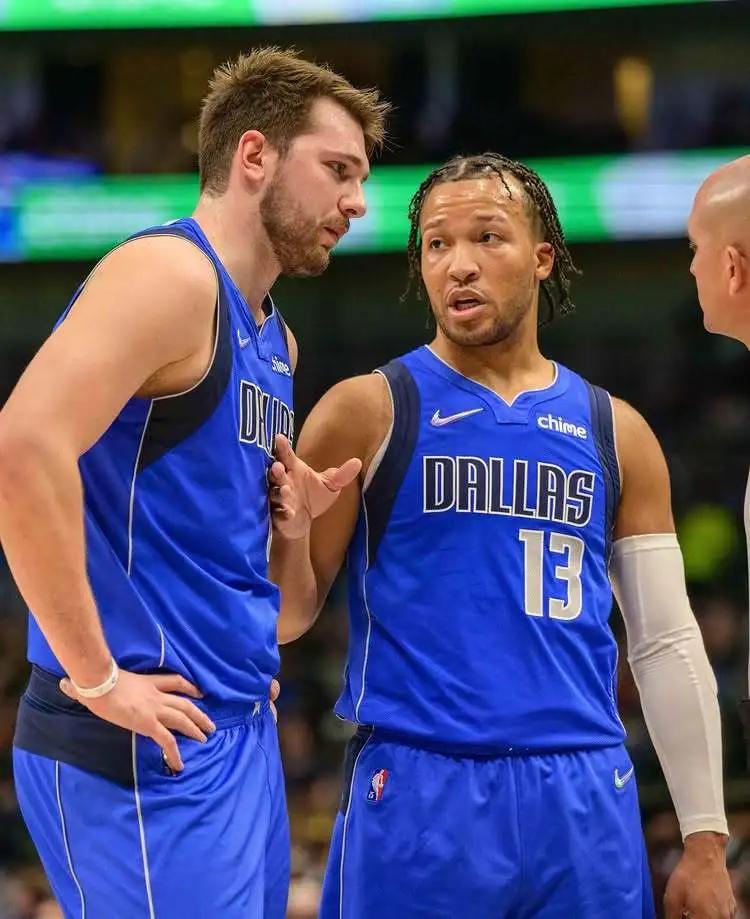
As Brunson reached the Finals and is only two wins from the title, the Mavericks’ choice to let him walk is back in the spotlight. Fans find it particularly puzzling after the subsequent trade of Dončić, making the decision to lose Brunson without compensation even harder to comprehend.
Brunson was the 33rd pick in the second round of the 2018 draft. While he missed first-round status by just three picks, the contractual implications were vastly different. First-round picks can sign a standard four-year rookie contract, and after it ends, the drafting team holds priority to re-sign them, making them restricted free agents with the right to match any offer.
However, because Brunson was a second-round pick, he couldn’t sign a standard rookie contract. He would only become a restricted free agent if he had played for fewer than four years with the same team, giving the Mavericks the right to match offers. This is a loophole in the rules, so second-round picks typically sign three-year deals—enough time to evaluate whether they will develop into productive players.
Alternatively, teams often offer second-round picks a 3+1 or 2+2 contract, with the final year or two being team options. A classic example is Nikola Jokić, who signed a 3+1 deal with the Nuggets. By his third year, Jokić was already showing signs of becoming an elite center.
After Jokić’s third year, the Nuggets voluntarily declined his fourth-year team option, forgoing the chance to keep him on a cheap deal, and immediately offered him a max contract. This was to prevent Jokić from becoming an unrestricted free agent after the fourth year, which would have risked losing him.
However, the Mavericks’ management made a small mistake during Brunson’s rookie contract negotiations: they agreed to make the fourth year non-guaranteed instead of a team option. This prevented the Mavericks from terminating the contract early. At the time, Brunson’s agent was Leon Rose, who later became the president of the New York Knicks. The seeds were planted right there.
This contract structure ultimately allowed Brunson to become an unrestricted free agent in the summer of 2022, stripping the Mavericks of the opportunity to match the Knicks’ offer and leading to his departure.
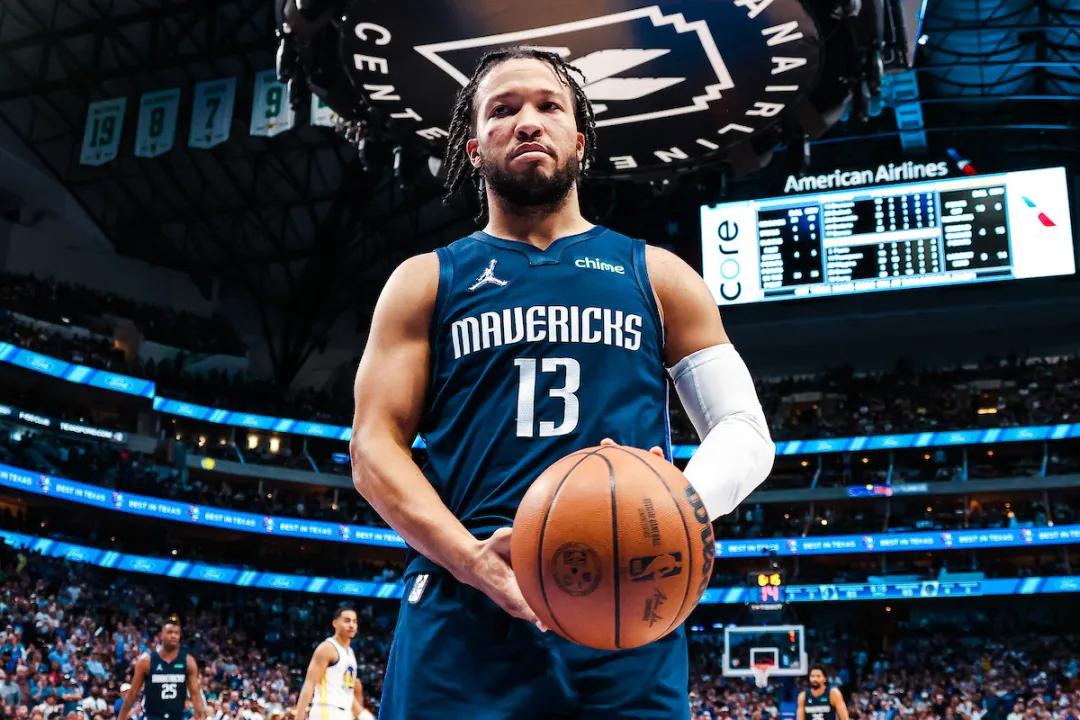
Of course, the Mavericks had numerous chances to correct this small oversight. After the 2020-21 season (Brunson’s third year), they could have negotiated an extension with him. At that time, Brunson could have signed a maximum deal worth 4 years, $55 million. According to his father, “We would have accepted 4 years, $50 million—we gave them a discount.”
But that offer never materialized. The Mavericks hesitated for several reasons: they were considering using Brunson as a trade asset to bring help for Dončić, Dončić’s max contract was about to kick in, and owner Mark Cuban was cautious about every future expense after having signed too many questionable contracts in the past.
Another factor was Brunson’s drop in playoff performance. In the 2020-21 regular season, Brunson averaged 12.6 points, 3.4 rebounds, and 3.5 assists in 25 minutes per game. In the playoffs, those numbers fell to 8 points, 2.6 rebounds, and 1.4 assists in 16.3 minutes. His performance against the Clippers over seven games was inconsistent—he scored only 2 points in Game 7—which caused the Mavericks to hesitate.
Brunson’s father stated that if the season started, they would no longer discuss an extension with the Mavericks. But the family later regretted that stance. In January 2022, after Dončić got injured, Brunson returned to the starting lineup and played brilliantly. At that point, Brunson’s team again requested a 4-year, $55 million contract, but the Mavericks again refused.
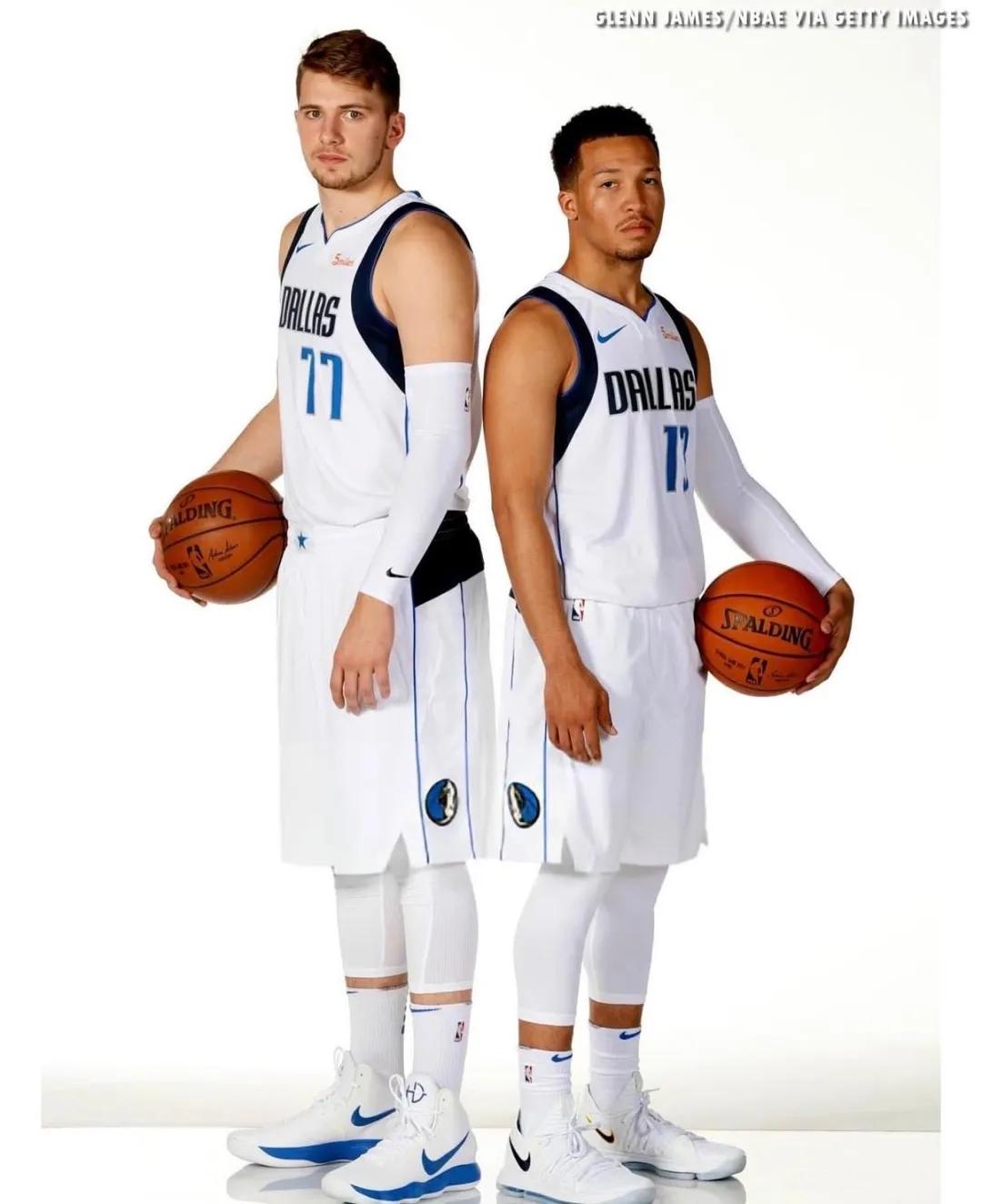
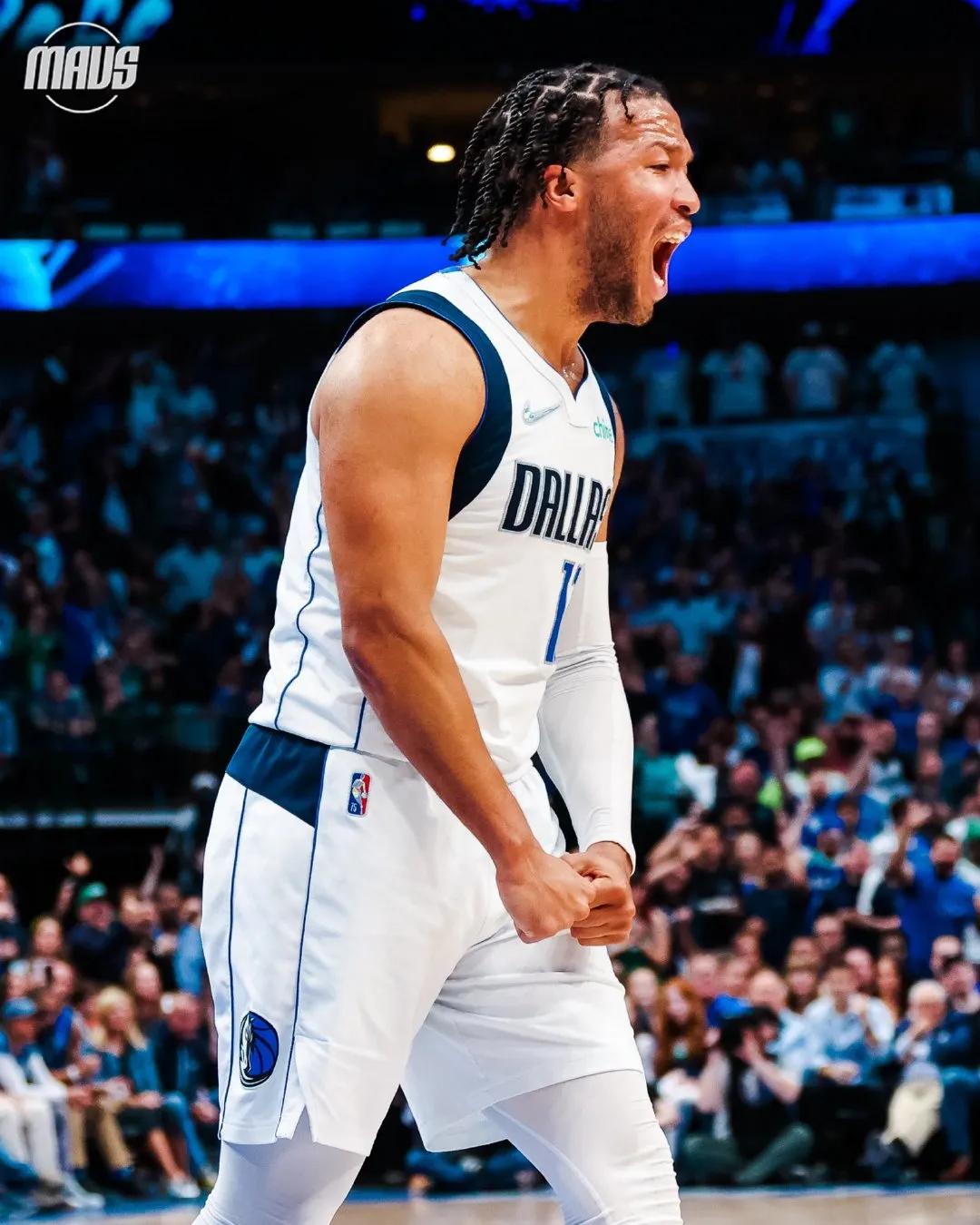
When the playoffs arrived, everything changed. Dončić missed the first three games of the first-round series against the Jazz due to injury, and Brunson stepped up as the starter. He completely dominated the Jazz—this marked the beginning of the connection between Brunson and Mitchell.
In those three games, Brunson scored 24, 41, and 31 points respectively, helping the Mavericks take a 2-1 lead. In Game 4, Dončić returned with 33 points, 10 rebounds, and 9 assists, but the Mavericks lost. Over the next two games, Brunson scored 24 points in each, leading the Mavericks to a 4-2 series win over the Jazz.
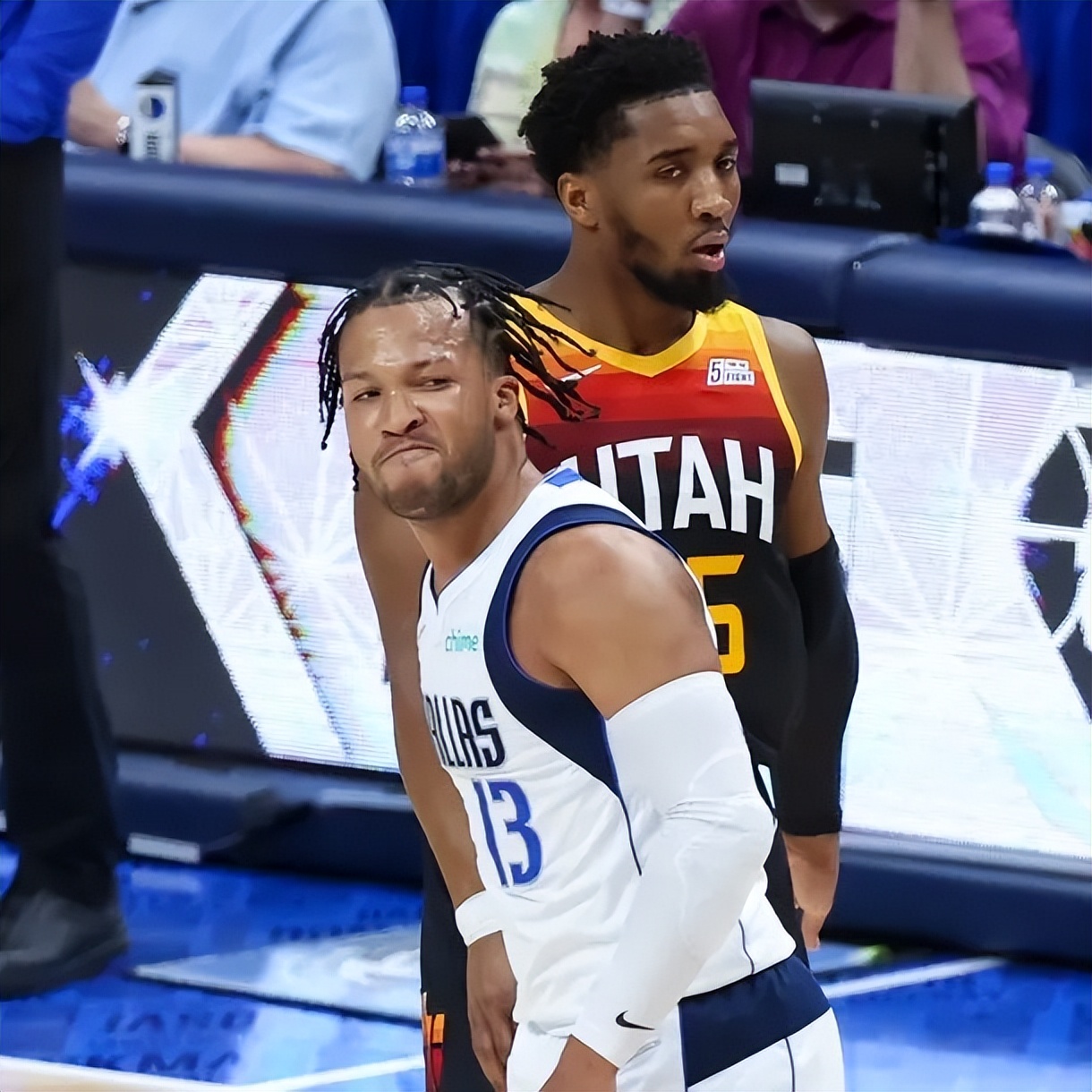
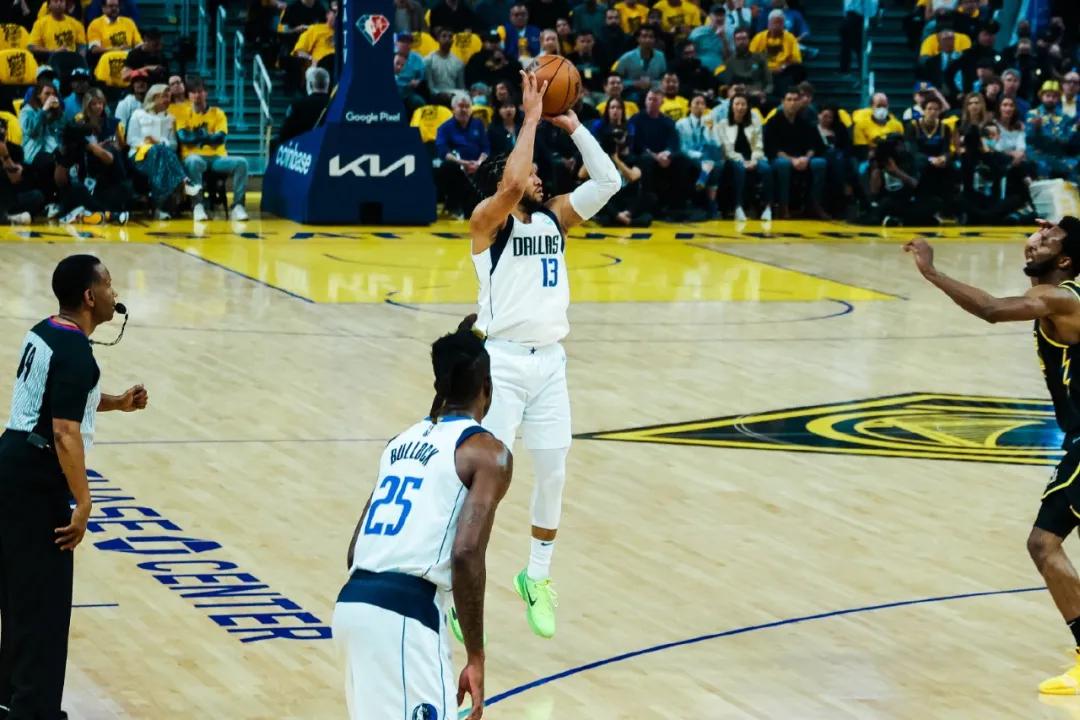
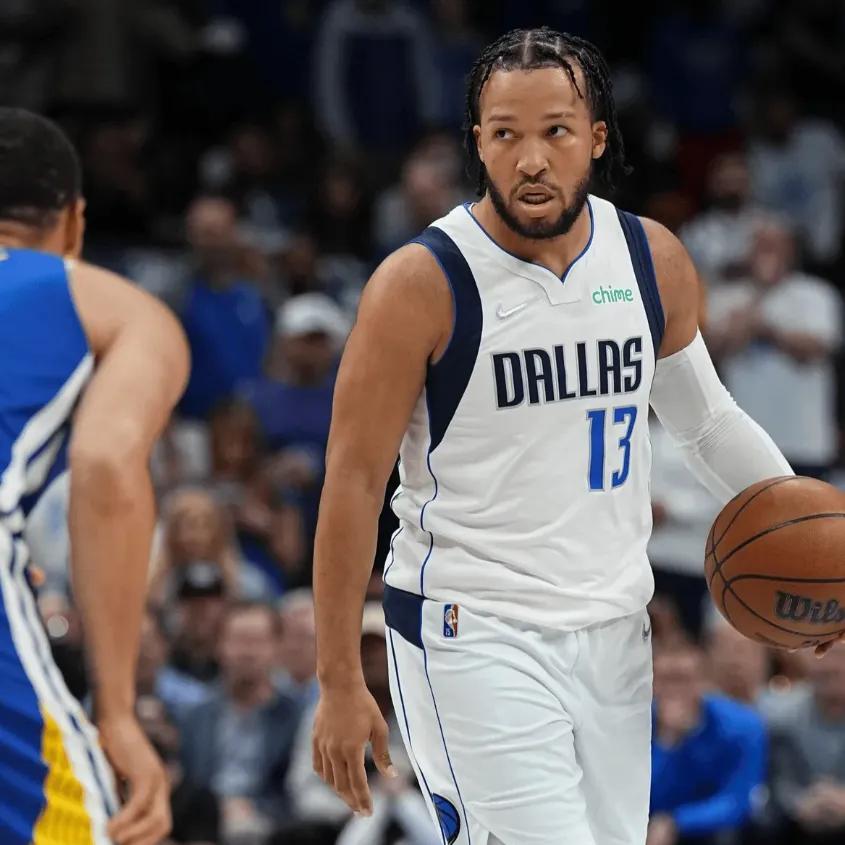
In that series, Brunson averaged 27.8 points, 4.8 rebounds, and 4.2 assists per game. Throughout that year’s playoffs, the Mavericks made it all the way to the Western Conference Finals, and Brunson posted averages of 21.6 points, 4.6 rebounds, and 3.7 assists. Everyone knew Brunson was about to earn a big payday.
Yet at the negotiating table, the Mavericks’ first offer was still 4 years, $55 million. According to reporters, “Brunson’s team basically laughed in response and said, ‘Uh, we’ll take our chances in free agency. You’ve missed your chance.’”
A week after the season ended, Brunson’s father joined the Knicks as an assistant coach. Meanwhile, the Knicks began clearing cap space to sign Brunson. Eventually, they offered him a 4-year, $104 million contract—the maximum they could offer under the rules.
At this point, the Mavericks still had a chance to salvage the situation, as they were the only team that could offer Brunson a 5-year, $150 million deal. The two sides scheduled a meeting on June 30, the night before free agency opened. The Mavericks could even have offered a contract identical to the Knicks’ because Texas has a lower tax rate.
However, the Mavericks unilaterally canceled the meeting, pushing Brunson firmly toward New York. The fundamental reason for the failed extension was that Mark Cuban didn’t believe Brunson was worth that much money—after all, they already had Dončić on the team, and there wasn’t enough ball-handling to go around.
Cuban later said the Mavericks never learned the Knicks’ offer in advance, otherwise they would have matched it to keep Brunson. But several days before free agency began, reports had already surfaced that the Knicks were offering Brunson 4 years, $100 million. If Cuban refused to believe that, there was nothing to be done.
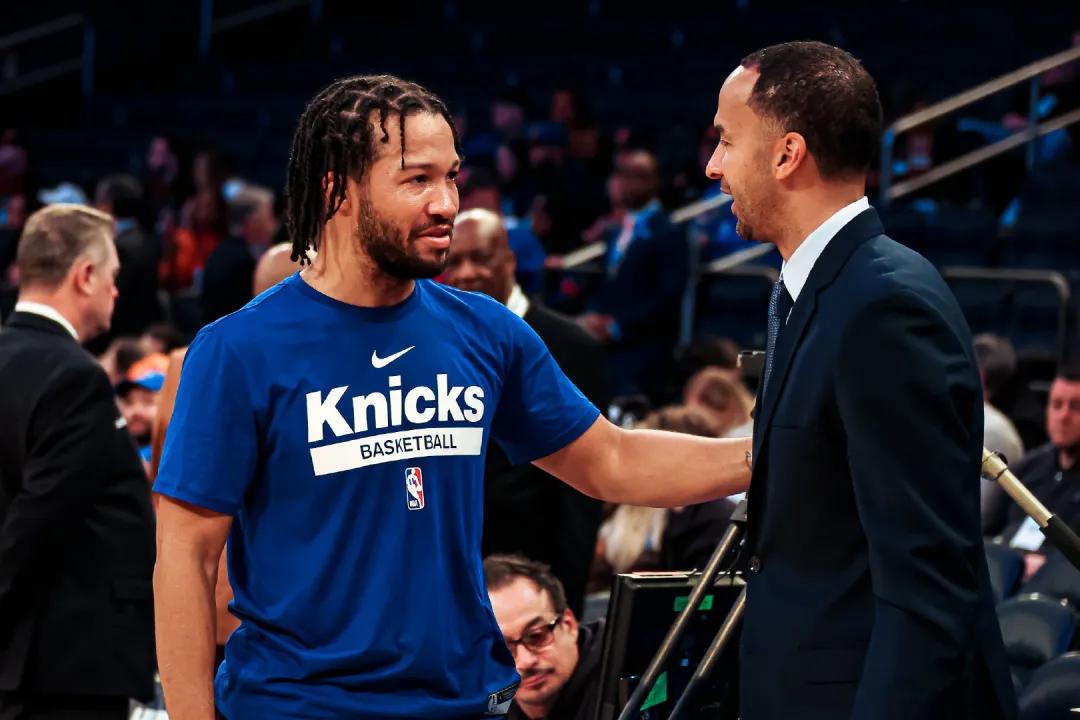
The Knicks were later penalized with a second-round pick for early contact with Brunson’s team, and Brunson’s camp might indeed have already favored New York. Still, the Mavericks had many opportunities to keep Brunson in advance, and they let every one slip away.
When Brunson signed his Knicks contract four years ago, many fans still thought he wasn’t worth the money—which explains the Mavericks’ hesitation. Later, Brunson broke out in New York and even reached this level, exceeding most people’s expectations.
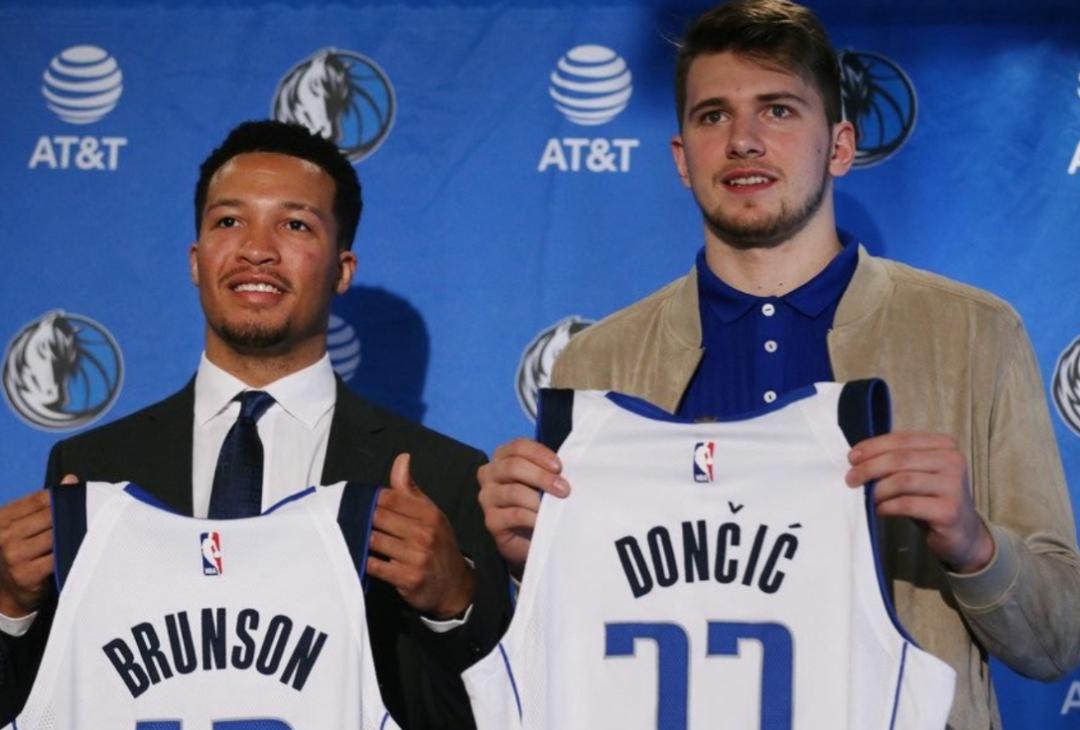
Losing Brunson actually didn’t hurt the Mavericks that much; they even made the Finals in 2024. As for the fact that they later traded away Dončić as well—that’s a story for another time.


Wonderfulshortvideo
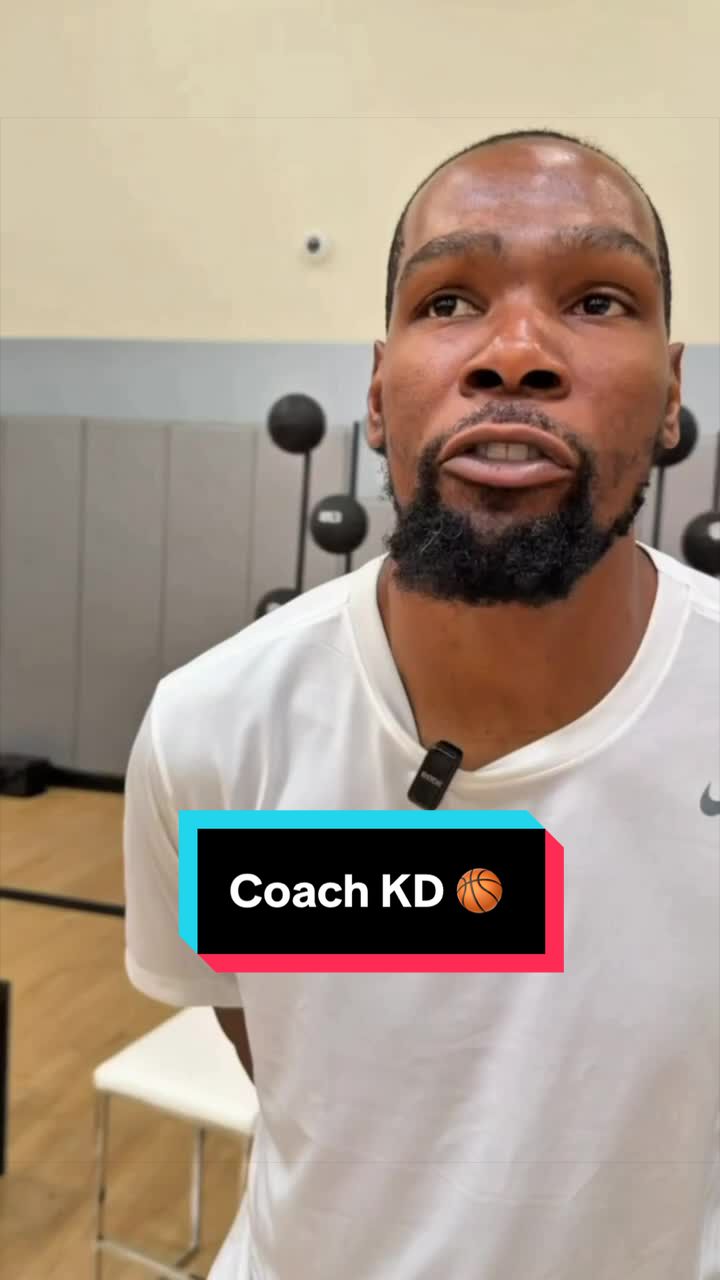
Imagine getting coached by USA Basketball All-Time Leading Scorer and 4 time gold medalist Kevin Durant? 🤯🤩


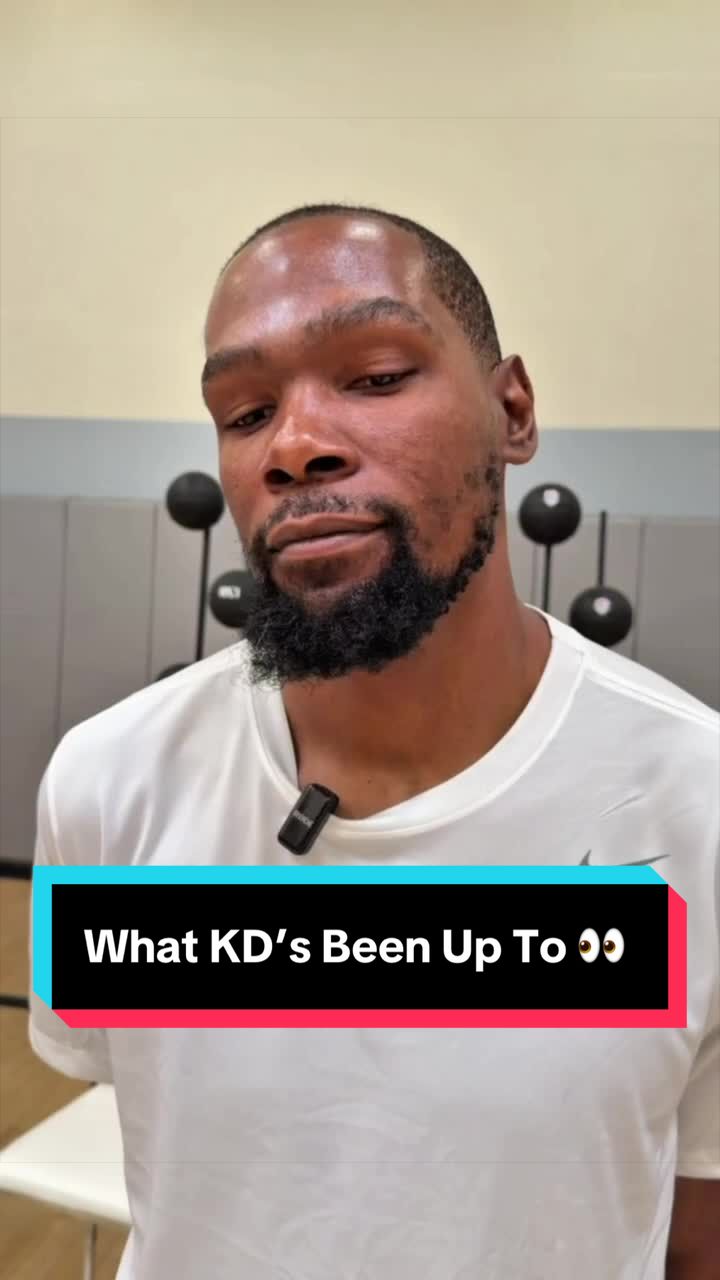
Checking in with KD 🎙️ on how his off season is going 👀
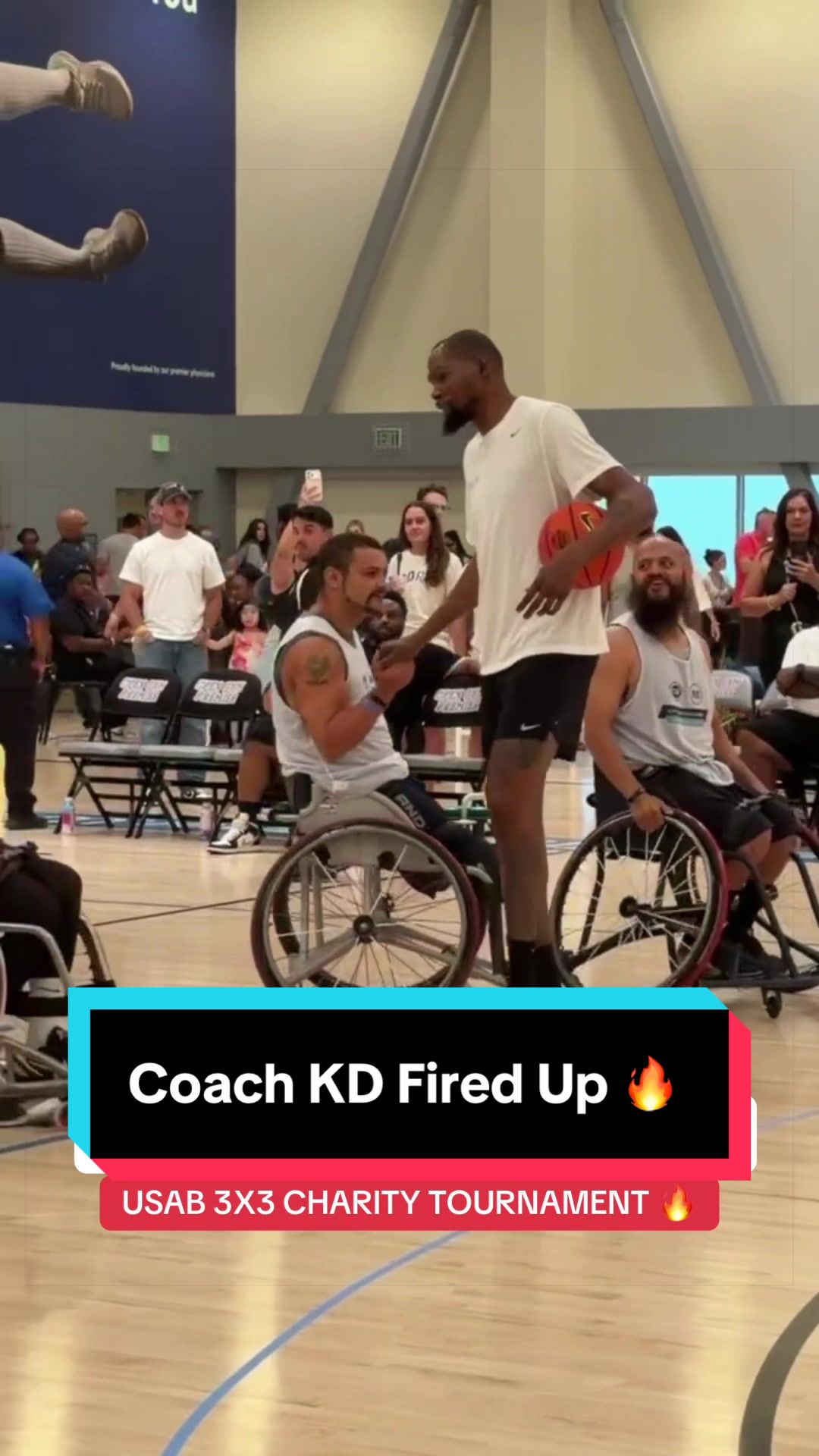
Coach KD celebrating and spreading the love of basketball 🏀
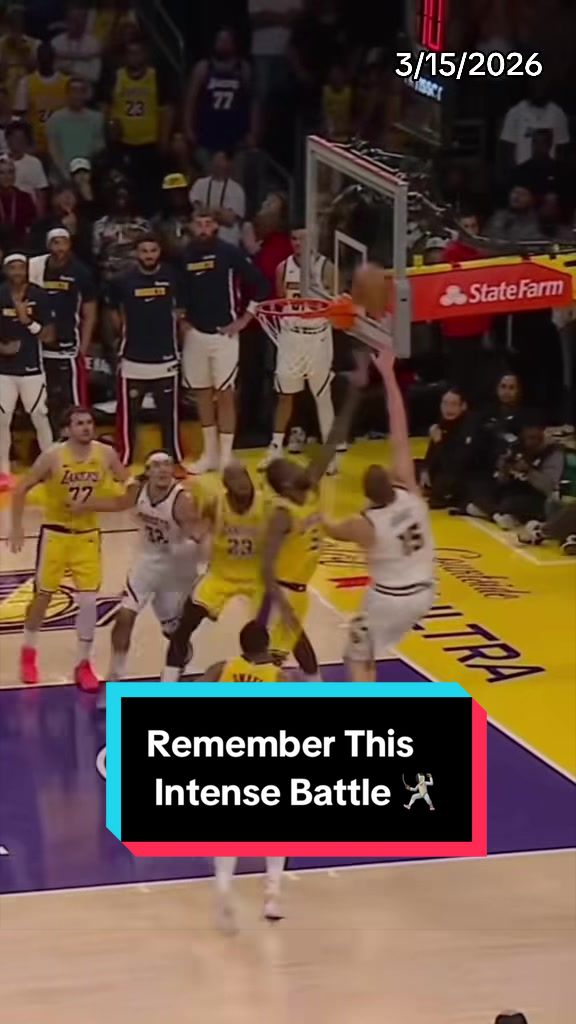
Everybody was on the edge of their seats when this game happened! 💺
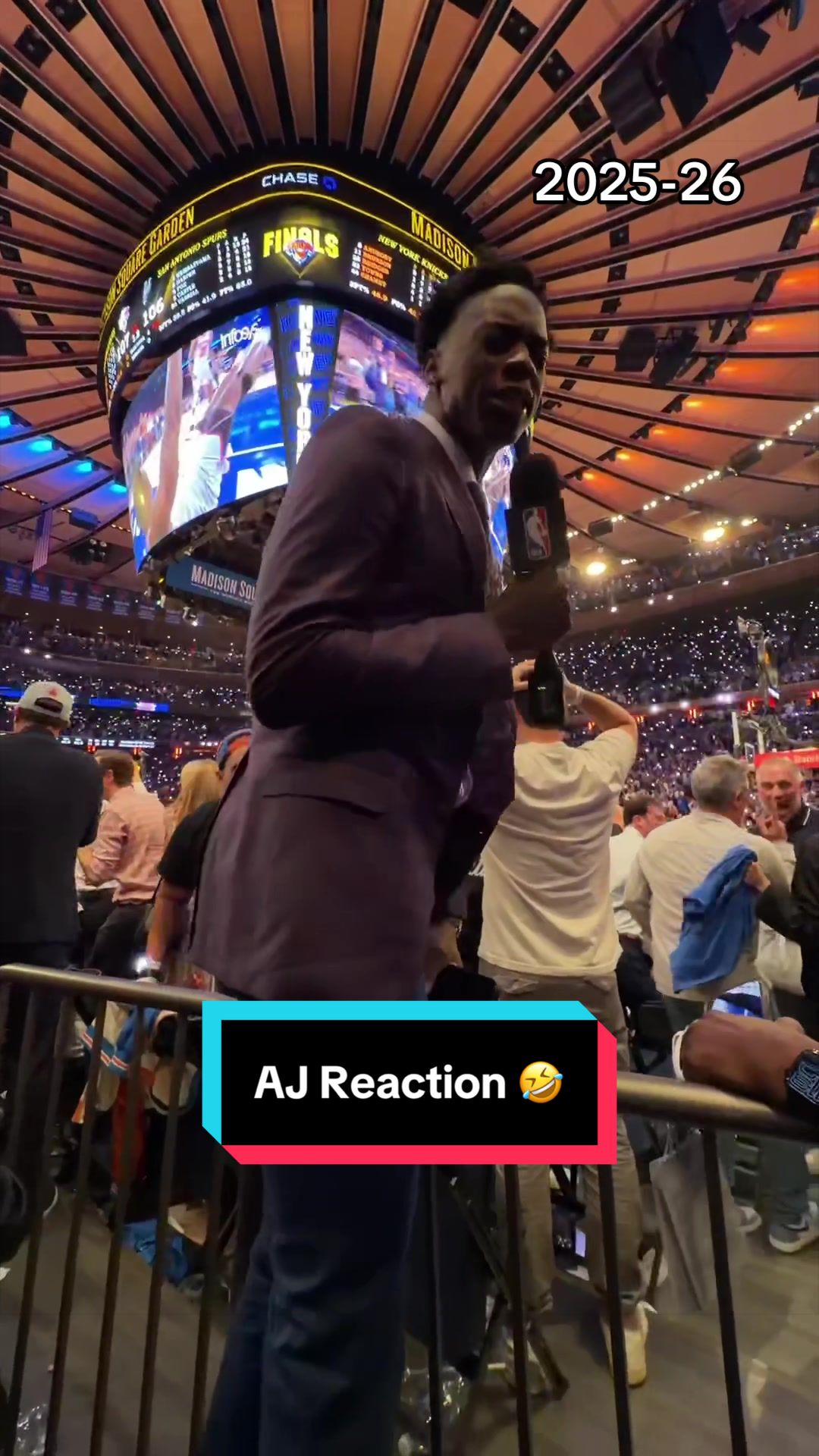
AJ was speechless 😭
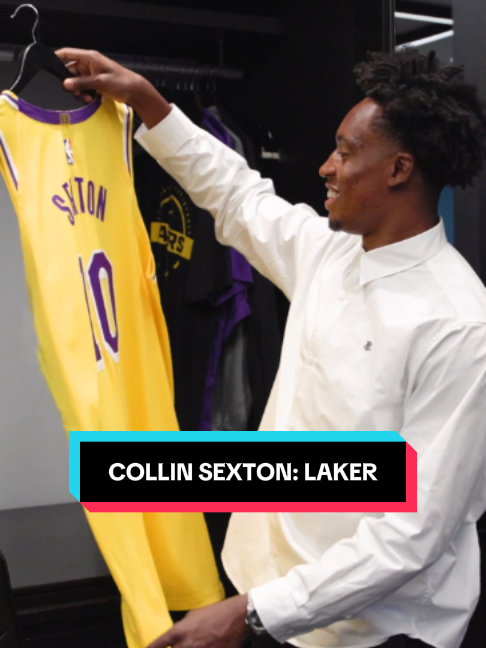
Collin's ready to bring the energy ⚡️
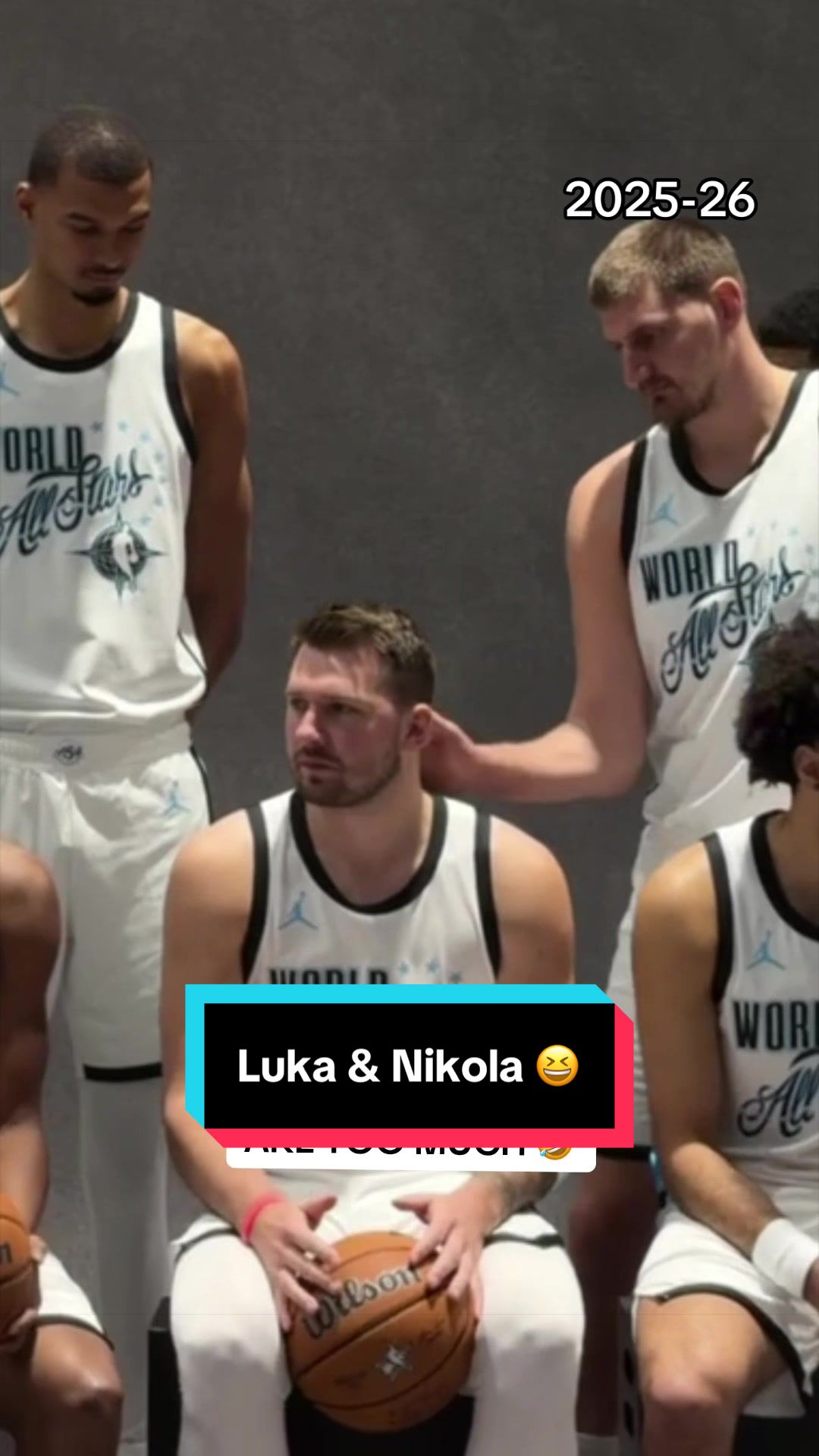
Tomfoolery content of Luka and Nikola at NBA All-Star 😂
 Links
Links
 Contact
 App
App


