



ESPN Awards for Summer League: Boozer Named MVP, Lakers' Kaluma Named Best Undrafted Player



The NBA Summer League wrapped up on July 21, Beijing time, and ESPN released its list of individual honors. To be eligible, players needed to play in at least two games, with bonus points for those who finished the full slate. Here are ESPN's selections—
Summer League MVP: Boozer, Memphis Grizzlies
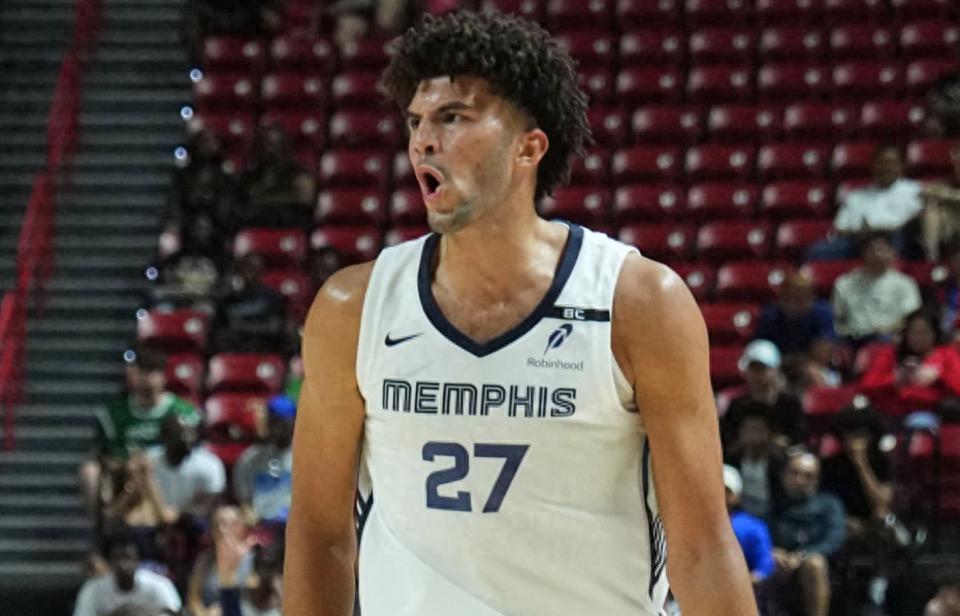
Boozer didn't draw as much live crowd buzz as Dybansa, nor did he face the defensive intensity that Peterson endured, and his highlight reel wasn't as viral as Wilson's. However, the Duke product stood out through his greatest strength: consistent production and winning basketball.
Dybansa's Wizards, Peterson's Jazz, and Wilson's Bulls combined for just 6 wins and 9 losses in Las Vegas. Boozer led the Grizzlies to a 4-2 record and a trip to the Summer League finals. The sturdy forward adapted seamlessly to pro-level physicality, averaging 18.5 points, 8 rebounds, and 3.7 assists over six games. Per-minute stats mirrored his sensational freshman season at Duke.
Boozer's interior scoring efficiency varied based on his defender: he consistently exploited size mismatches against smaller opponents, but struggled when surrounded by multiple defenders in the paint. Fortunately, his mature game and high basketball IQ allowed him to adjust, frequently cutting off the ball on the perimeter.
The rebuilding Grizzlies surrounded Boozer with several NBA-caliber teammates—Cedric Coward, Olivier-Maxence Prosper, Taylor Hendricks, and Javon Small. He balanced personal scoring with playmaking effectively. At a young age, Boozer displays rare instincts for reading defenses, delivering cross-court passes from the wing and drop-off passes from the free-throw line to find open teammates.
"We can take a lot of experience into the regular season," Boozer said. "Our core identity is to overwhelm opponents with speed and effort. I believe this roster is fully capable of competing."
Many critics argue that compared to other top rookies, Boozer's style is plain and his athleticism average. But his steady play, on-court control, and basketball IQ are huge advantages, and his team-first mentality is rare. After losing the final, Boozer downplayed personal honors: "We lost. What MVP? Only winning the championship makes this award meaningful."
Most Explosive Rookie: Wilson, Chicago Bulls
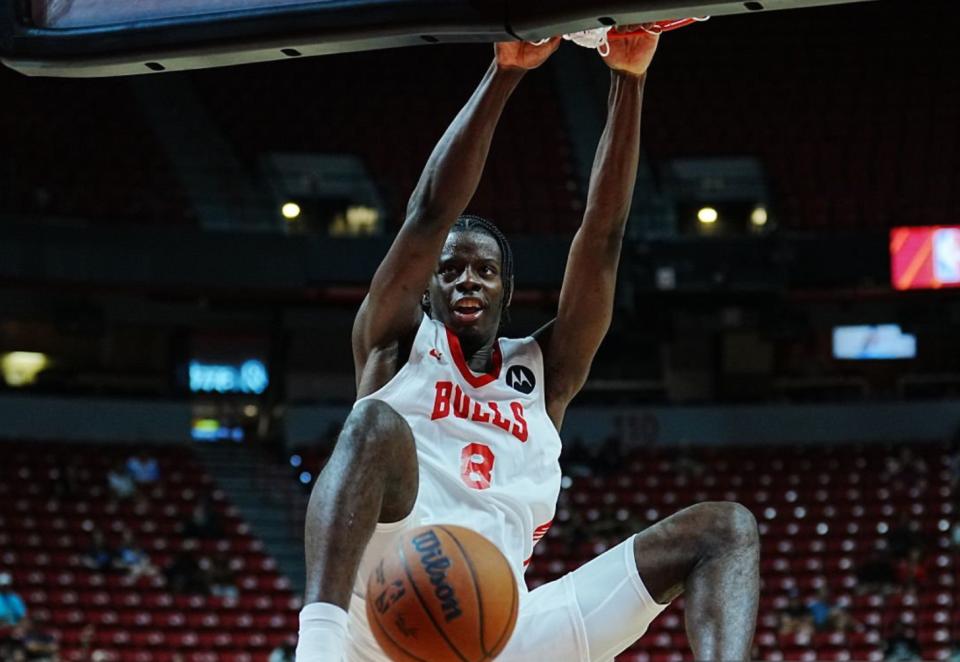
No player generated more buzz in the entire Las Vegas Summer League than Wilson. After his freshman season at North Carolina ended early due to a right thumb injury, he entered the Summer League with a massive competitive urge.
The 20-year-old played like a beast unleashed after five months of pent-up energy: two-handed violent dunks, blocked shots, pushing the ball in transition, threading long outlet passes on the move, and improved three-point shooting compared to his college days. At 6'9", he seems tailor-made for power forward, but his speed and skill set allow him to double as a tall wing.
Wilson's most jaw-dropping talent is his leaping ability: quicker takeoffs, higher elevation, and longer hang time than any opponent. No wonder Hall of Famer Kevin Garnett made a special trip last Thursday to watch him up close.
Dybansa and Peterson both ended their Summer League campaigns early, while Wilson played all four games, averaging 23.5 points, 7.3 rebounds, 1.3 steals, and 2.5 blocks. In his final game, he showed fierce competitiveness: battling the Lakers, he played with blood on his jersey and engaged in a heated exchange with a defender, requiring staff to separate them.
But his hyper-aggressive style also has flaws: he often dribbles into turnovers against double-teams and makes impulsive decisions on one-man fast breaks. He needs to add muscle and improve his finishing in traffic. This high-risk, high-reward game will require years of refinement.
Even after just one week in Las Vegas, Wilson has become the Bulls' most entertaining player since Derrick Rose.
Most Talked-About Rookie: Peterson, Utah Jazz
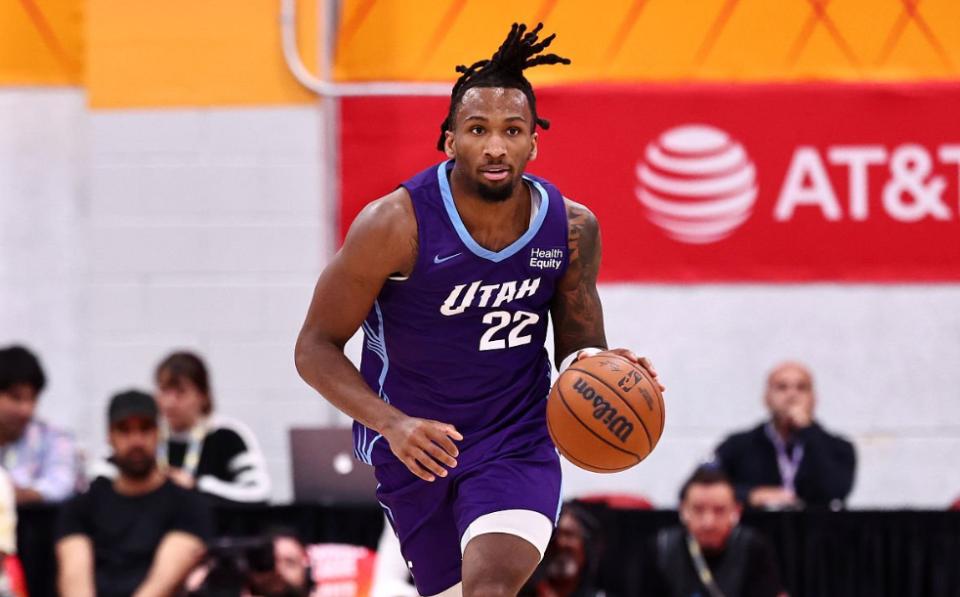
Peterson's freshman season at Kansas left fans wanting more: he produced countless dazzling moments, drawing comparisons to Kobe Bryant, but injuries and limited minutes kept observers from seeing his full potential. This Summer League did little to silence the doubts surrounding him.
The No. 2 pick appeared in three games, averaging 20.7 points and 4 assists, showcasing his polished ball-handling and diverse scoring options. However, he still failed to address fans' biggest concerns.
Before the draft, he called himself a point guard, but in Summer League, his turnovers outnumbered his assists. He struggled with decision-making against double-teams and zone traps. If his scoring efficiency were elite, that might be acceptable, but he shot poorly: 31% FG, 23% 3PT, and 76% FT.
The 6'5" guard has outstanding physical tools and a calm demeanor, with potential to become a perennial All-Star. But this Vegas trip did not produce a dominant performance—his breakout moment is still to come.
Most Inconsistent Rookie: Johnson, Dallas Mavericks
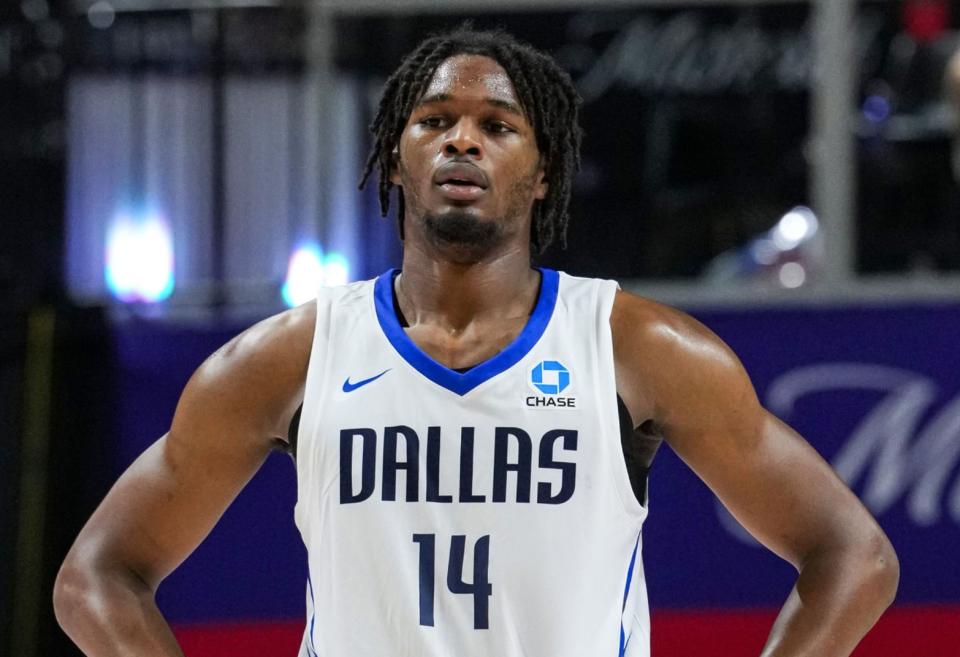
Johnson's debut was spectacular: 27 points, 8 rebounds, 3 assists, 3 steals, and 2 blocks against the Warriors. The stats show the No. 9 pick's explosive two-way impact, with thunderous dunks and three-pointers. He displayed everything the Mavericks wanted: physicality, energy, versatility, and stretch-five capability.
Unfortunately, his second game against the Lakers was a complete reversal. In just 28 minutes, he committed 7 fouls, looked slow reacting inside, and managed only 10 points and 5 rebounds. During his 28 minutes on the floor, Dallas was outscored by 22 points.
Johnson's true level lies somewhere between those two games. With Cooper Flagg and Kyrie Irving on the roster next season, he will transition to a complementary offensive role. If he can consistently bring the energy from his first game, Johnson's hustle alone could help the Mavericks win games.
Most Disappointing Rookie: Mara, Oklahoma City Thunder
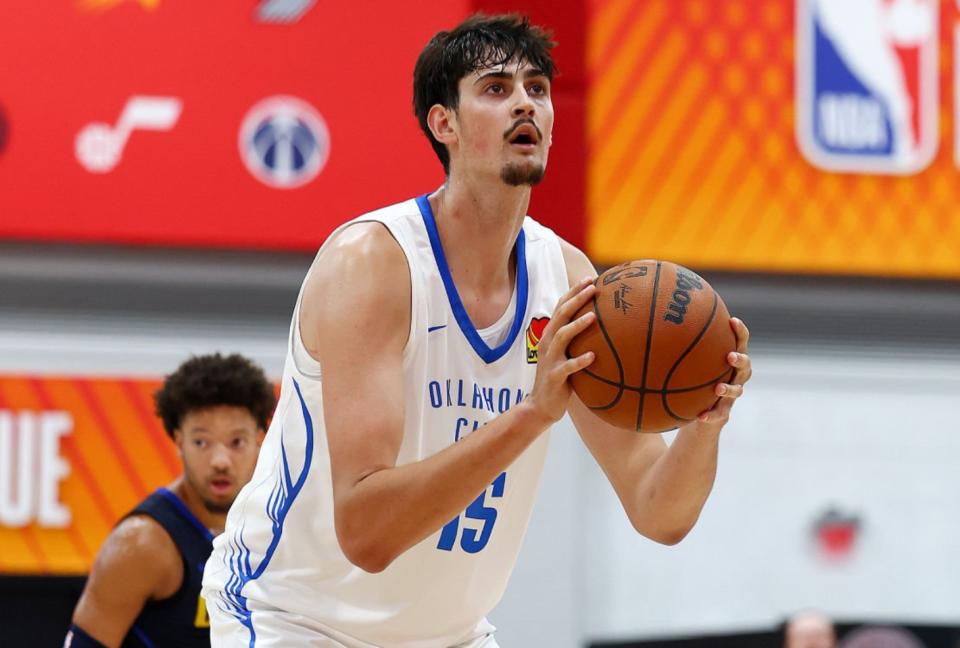
Summer League's loose offensive structure often funnels the ball to guards, and the 7'3" Mara struggled to keep up with the pace, which was understandable.
The big man has excellent passing instincts. His few bright moments in Vegas came from quick feeds to cutters for easy baskets. Beyond that, he struggled to create his own offense. Despite his height and wingspan, he failed to dominate the paint on either end.
The Thunder were the only winless team in Summer League, and the No. 11 pick averaged just 8.7 points and 7.7 rebounds over three games. It's too early to judge: at Michigan, he thrived alongside NBA-caliber teammates, and next season he joins the most talent-rich roster in the league.
Best Second-Round Rookie: Thomas, Cleveland Cavaliers
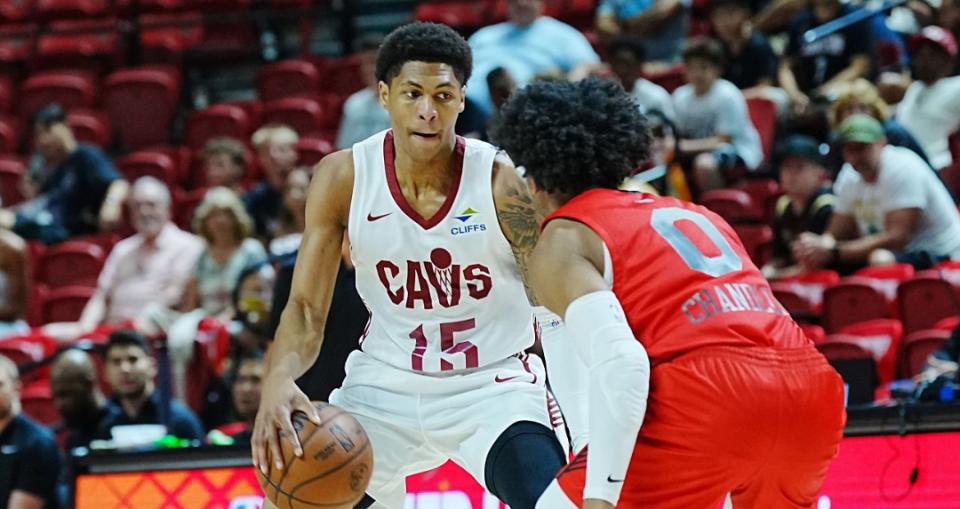
Thomas, the 34th pick from Arkansas, was scorching hot all week. The 6'3" guard averaged 27.3 points over four games, leading the Summer League, with shooting splits of 50% FG, 44% 3PT, and 100% FT. Despite a field full of scorers, his scoring average was nearly four points higher than any player with at least three games, an enormous gap.
Of course, having unlimited offensive freedom helped—he led the tournament with 20.5 shots per game. His signature performance was a 35-point outburst against Miami, hitting six three-pointers with smooth off-the-dribble scoring.
Whether or not the Cavaliers sign LeBron in free agency, a team that ranked fifth-worst in bench scoring last season will welcome Thomas's perimeter firepower.
Best Second-Year Player: Jemin, Brooklyn Nets
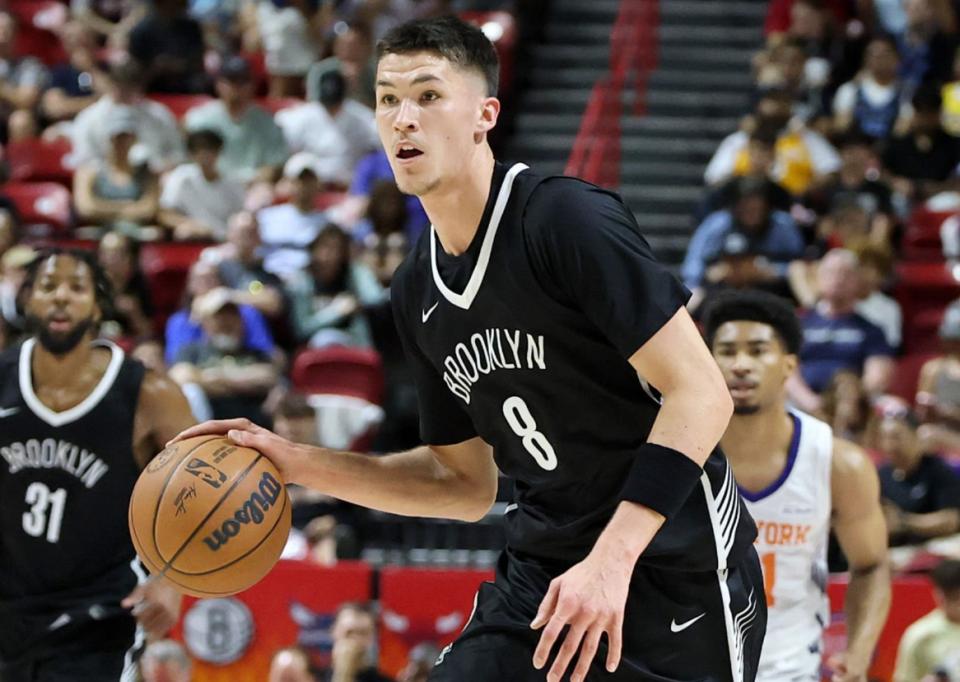
Jemin underwent a transformation this season. As a rookie on a rebuilding Nets team, he played timidly and had almost no presence on the court. The Russian guard wasted his 6'8" frame, camping beyond the arc and rarely attacking the rim.
The 20-year-old Jemin looked like a completely different player this summer, with a more mature and complete game: frequent drives, strong finishes through contact, and decisive playmaking. The Nets desperately need their recent draft picks to develop and change the game's trajectory. Jemin took a big step forward, averaging 21 points and 4.3 assists over three Las Vegas tune-up games.
Most Improved Second-Year Player: Marouach, Phoenix Suns
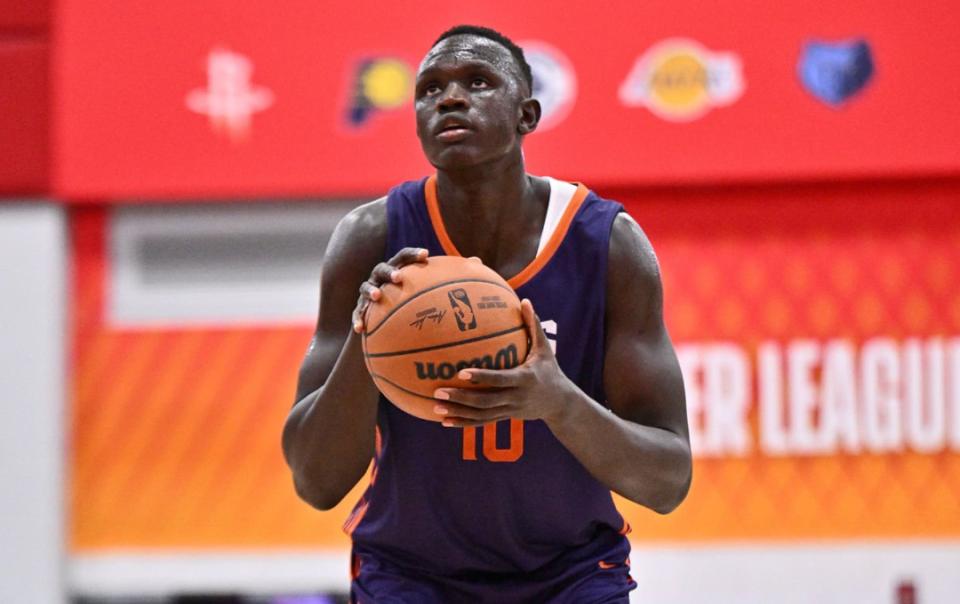
In the 2025-26 season, Marouach had the fewest minutes among top-10 picks, making Summer League a critical opportunity to prove himself to the Suns' coaching staff. The South Sudanese center seized the moment, averaging 19.5 points, 12.8 rebounds, and 2 blocks over four games, establishing himself as the most dominant big man in the tournament.
The Duke product can handle any defensive assignment: protecting the rim, contesting drivers, and switching onto perimeter players. He led the Summer League in rebounding while displaying diverse offensive skills—scoring inside and knocking down corner threes, shooting 8-for-20 (40%) from deep over the tournament.
Overall, Marouach proved he deserves more playing time next season.
Best Second-Year Second-Round Pick: Lanier, Detroit Pistons
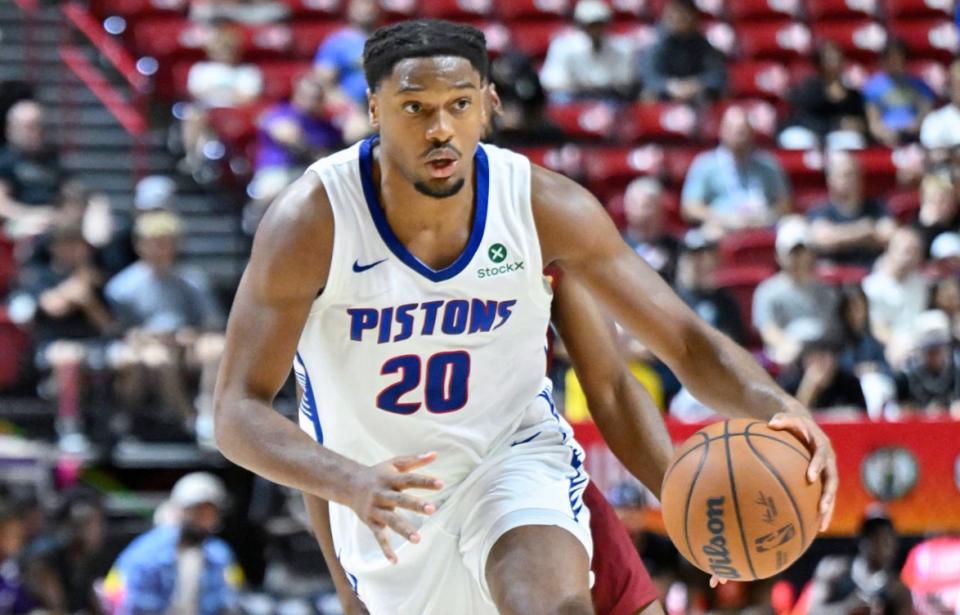
Lanier barely registered as a rookie: he spent far more time in the G League than with the Pistons, and sat on the bench for most of the playoffs. That's often the fate of second-rounders on championship-contending teams.
The 24-year-old Lanier showed no restraint in Las Vegas. The 6'3" guard averaged 17.4 points over four games, taking nine three-pointers per game and shooting 51.1% from deep. In a blowout win over the Knicks, he scored 17 of his game-high 24 points in the first quarter.
The Pistons ranked fourth-worst in three-point attempts last season, and Lanier's high-volume, high-efficiency three-point shooting in Summer League will surely catch the team's attention. A stunning detail: he made 23 three-pointers in Summer League, surpassing his total of 19 in his entire rookie season. Of course, the sample size is small, so take the numbers with a grain of salt.
Best Undrafted Player: Kaluma, Los Angeles Lakers
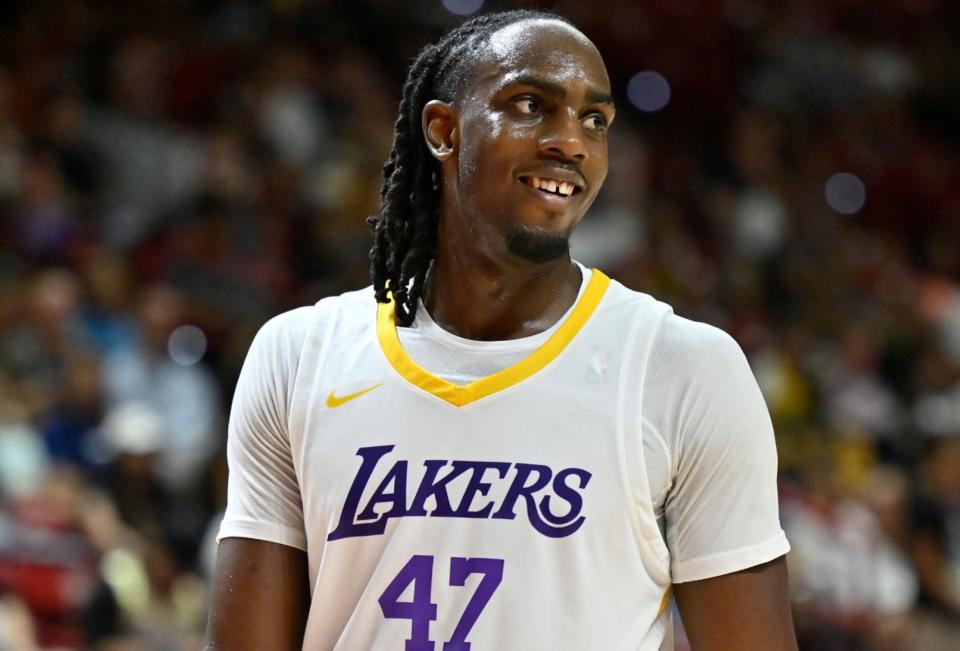
Kaluma's elite Summer League performance came at the perfect time: the Lakers lost several forwards (James, Hachimura) and urgently need tall, physical, two-way frontcourt players to fill the void.
The 24-year-old forward, who played for the Lakers' G League affiliate last season, stands 6'7" with a strong frame and was already known as a quality perimeter defender. After going undrafted in 2025, the four-year college veteran surprised everyone this summer with his offensive contributions, helping the Lakers reach the Summer League semifinals.
Over five games, he averaged 18.6 points, attempted over five three-pointers per game, and shot 50% from deep. His 34-point outburst against the Mavericks was a signature performance. The scoring explosion didn't diminish his defensive intensity—in a blowout win over the Bulls, he locked down Wilson with physical pressure throughout.
The Lakers are also high on 2025 second-round pick Tiero's Summer League performance, and reportedly have interest in signing Kuminga. With the team building around Luka Dončić, athletic forwards are a scarce resource. Kaluma's impressive Summer League showing could earn him a two-way contract.


Wonderfulshortvideo
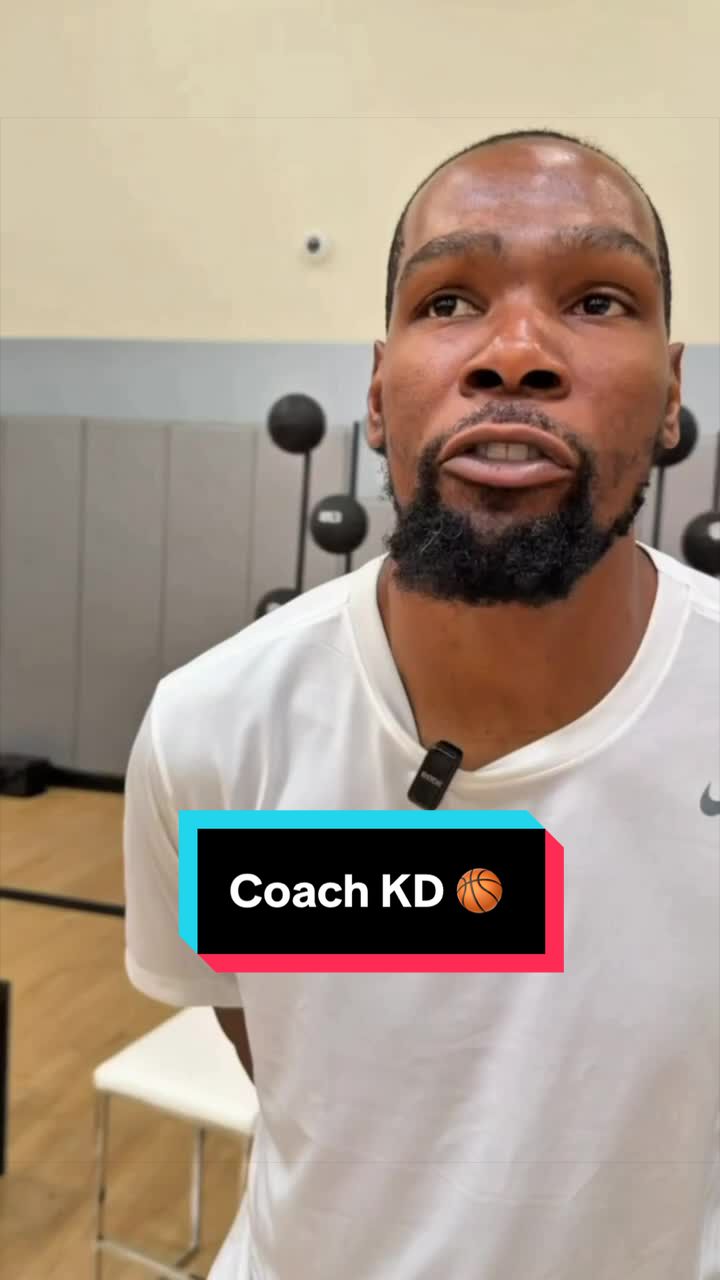
Imagine getting coached by USA Basketball All-Time Leading Scorer and 4 time gold medalist Kevin Durant? 🤯🤩


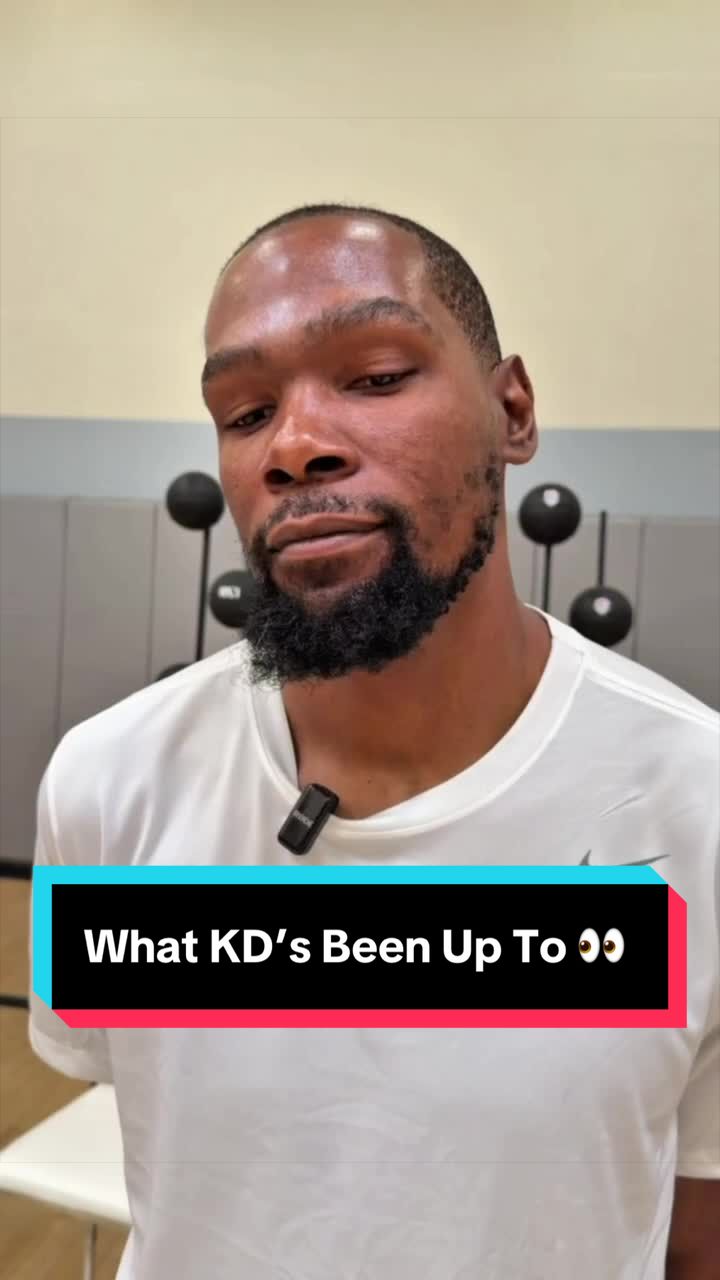
Checking in with KD 🎙️ on how his off season is going 👀
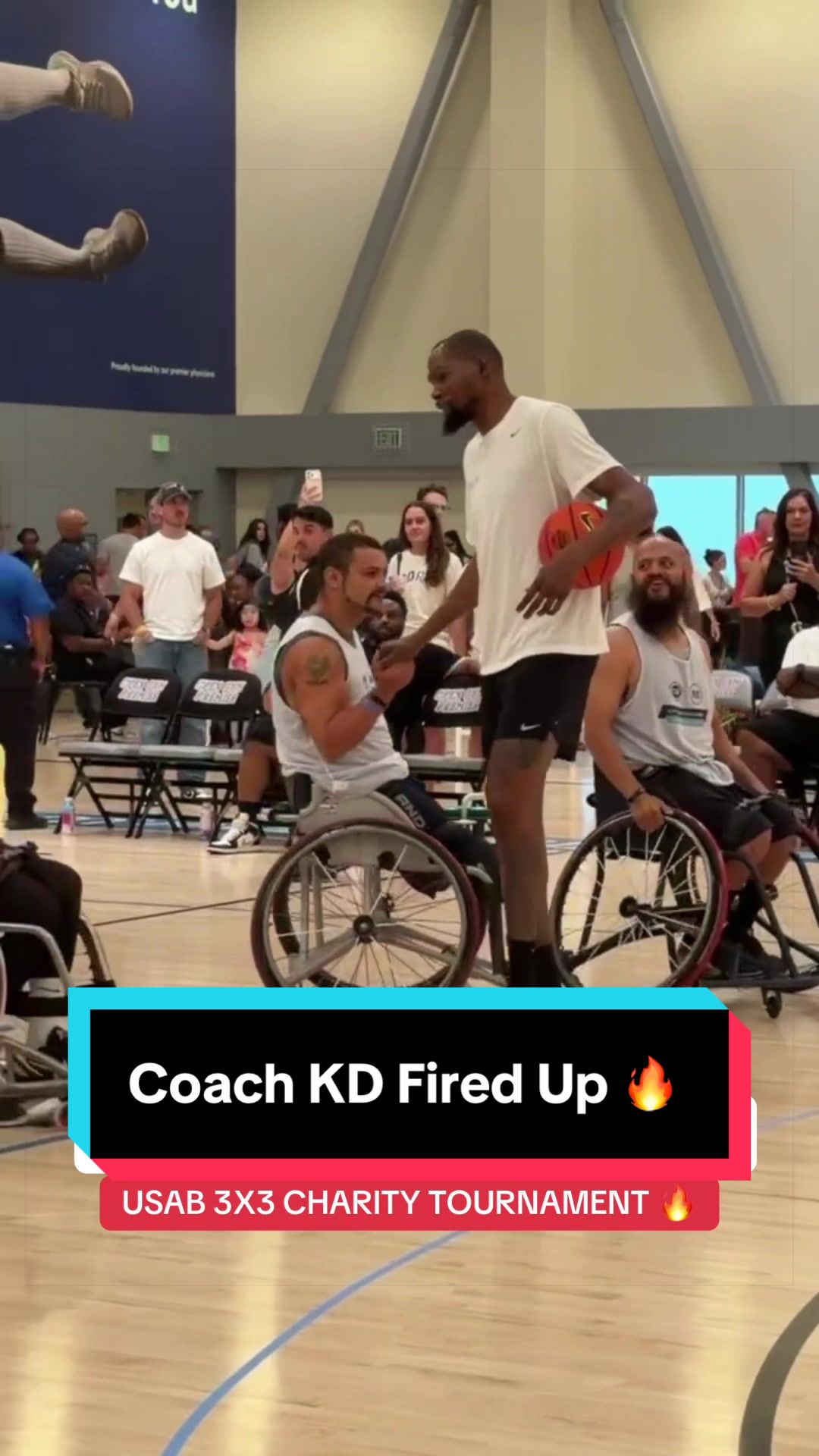
Coach KD celebrating and spreading the love of basketball 🏀
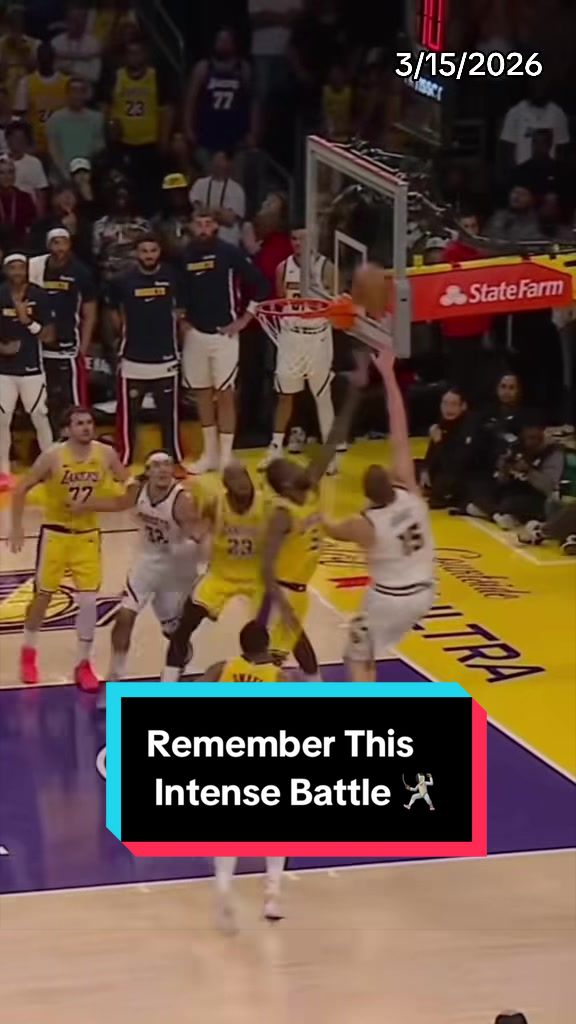
Everybody was on the edge of their seats when this game happened! 💺
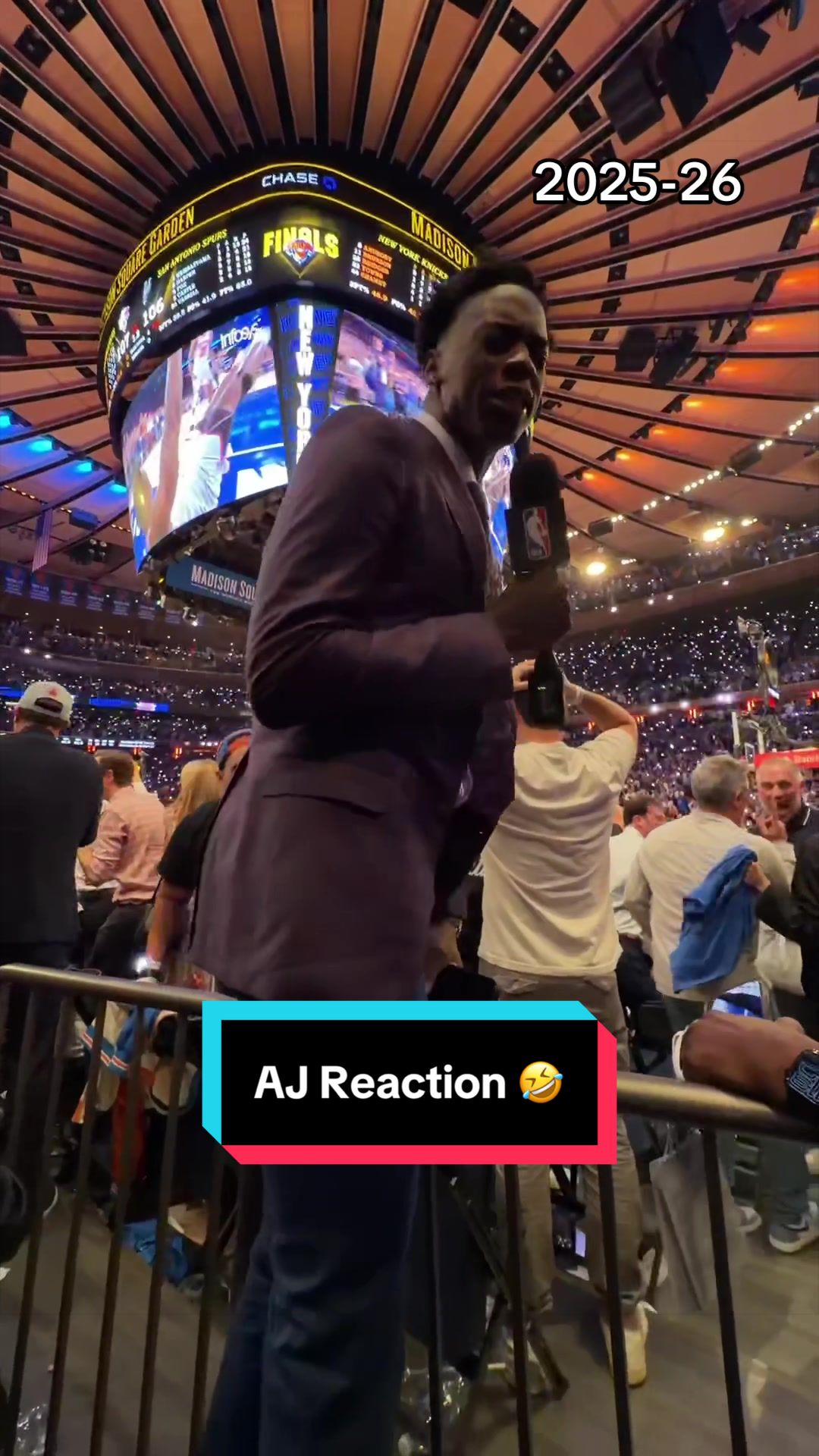
AJ was speechless 😭
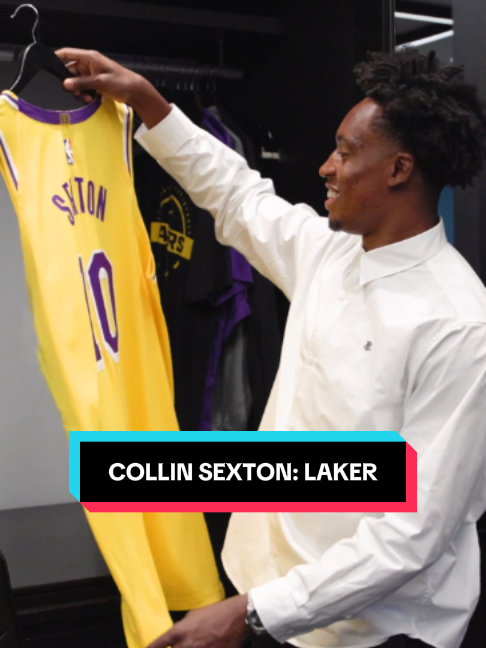
Collin's ready to bring the energy ⚡️
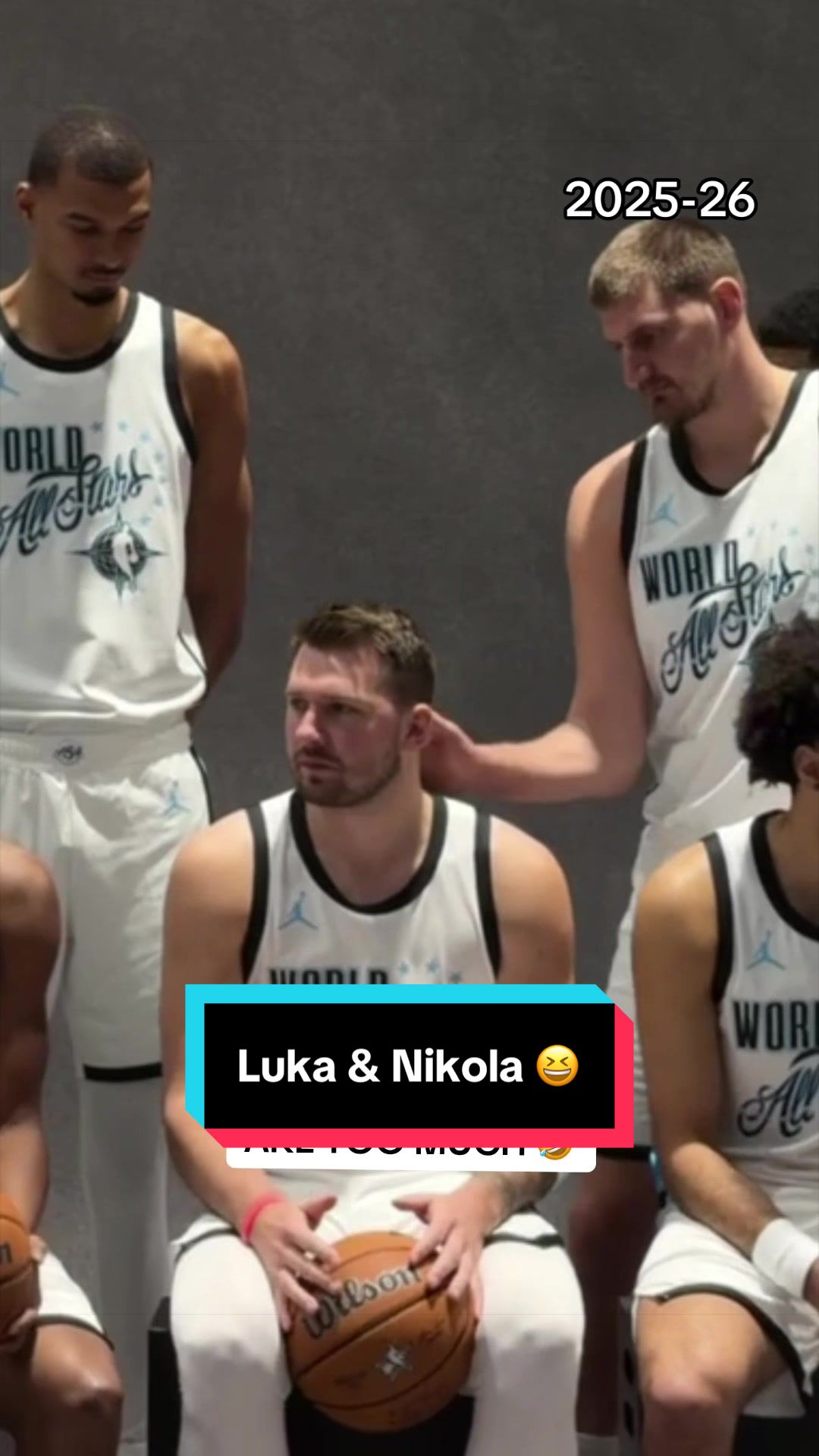
Tomfoolery content of Luka and Nikola at NBA All-Star 😂
 Links
Links
 Contact
 App
App


