



James leaving California to avoid taxes? US media analyzes the situation as extremely complex: it may ultimately be futile


On July 28, Beijing time, according to Fortune magazine, LeBron James moved from the Lakers to Philadelphia this summer. This transfer has drawn the NBA's first active billionaire into one of America's most prominent tax disputes: California's Proposition 40. The initiative aims to impose a one-time 5% wealth tax on about 200 billionaires in the state, and it will be decided by popular vote in November 2026.
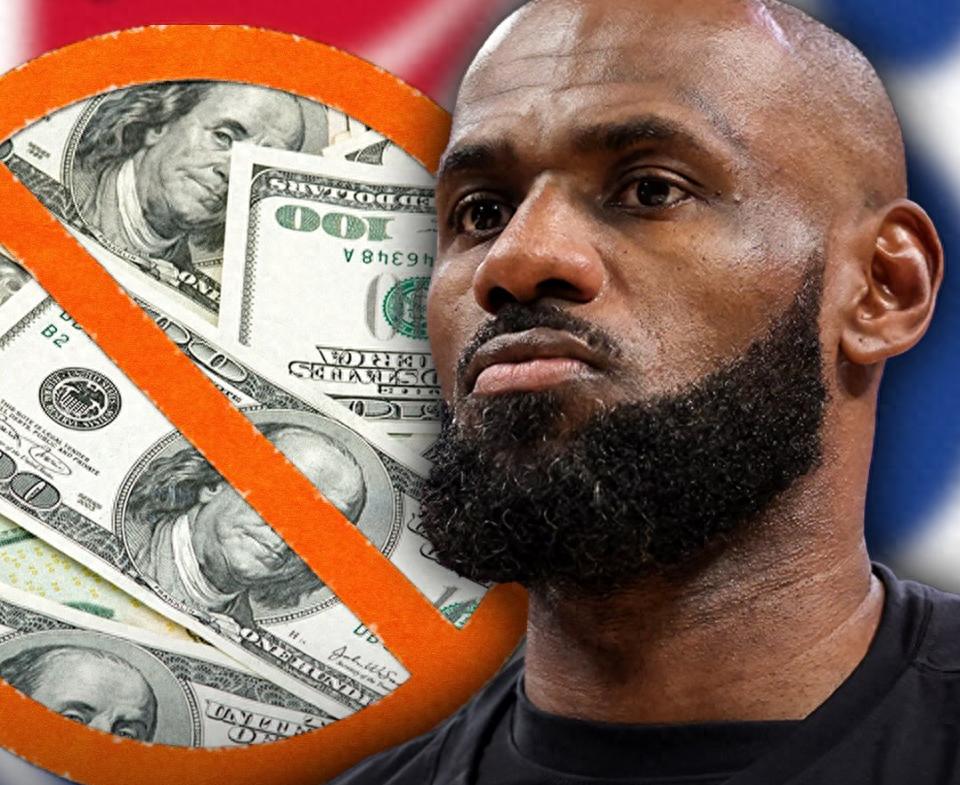
A closer look at James's situation reveals that for super-rich individuals, trying to leave California to avoid taxes this year has become extremely complicated and may even be futile.
Tax rules not bound by current residence
The collection mechanism of Proposition 40 is very strict. The bill adopts an all-or-nothing residency determination deadline: anyone who resides in California on January 1, 2026, must pay the tax, with no proportional reduction for moving out mid-year. The net worth assessment date is set for December 31, 2026.
This means that even if James moves to Philadelphia this summer, he cannot retroactively revoke his California residency status on the key determination date.
This provision has already been challenged in a constitutional lawsuit. U.S. Representative Kevin Kiley introduced a federal bill opposing the proposal, arguing that taxing people who no longer live in the state is fundamentally unfair. Tax lawyers have also raised legal arguments under the "dormant Commerce Clause"; industry insiders predict that regardless of the vote outcome, the bill will still face a lengthy legal battle after the November vote.
In James's case, the whole matter cannot be simply summed up as "a billionaire fleeing to avoid taxes." If Proposition 40 passes, regardless of whether James later plays in Philadelphia, his California residency status in early 2026 could still make him liable for the wealth tax.
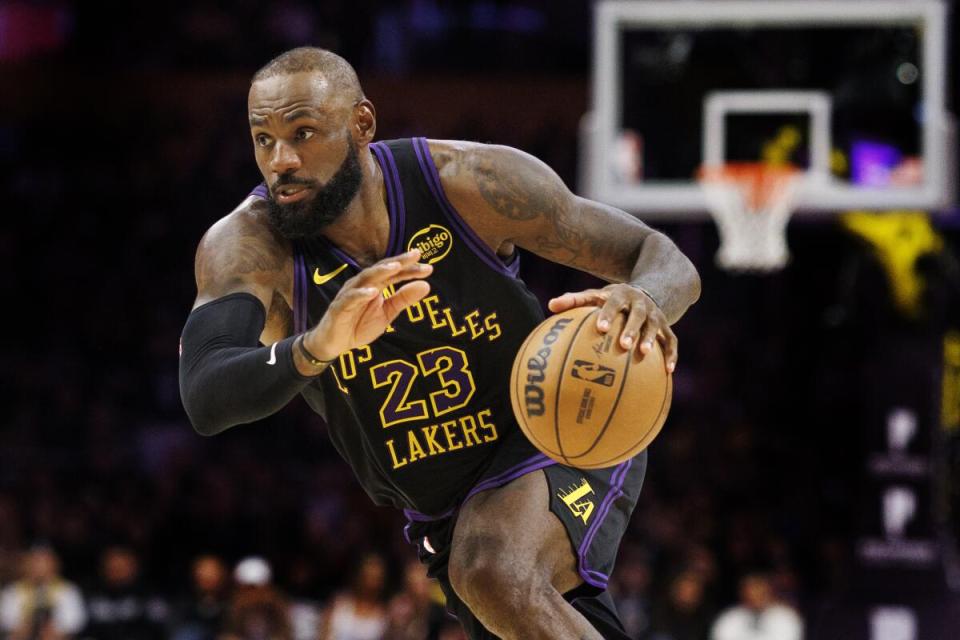
Two strategies for billionaires
Even so, James's departure still aligns with the general trend among California's wealthy over the past year. Multiple authoritative media outlets report that at least six of California's 214 billionaires completed their relocation before the January 1 deadline, including Google co-founders Larry Page and Sergey Brin, investor Peter Thiel, and Amazon founder Jeff Bezos.
A Miami real estate agent said there is a "residency war" happening locally. Lawyers report that many wealthy Californians are rushing to conduct secret real estate deals to establish legal residences in other states before the tax determination deadline.
However, not all billionaires choose to leave. Another group opts to stay and fight directly. Capital & Main released a survey this week: California's top 15 billionaires have already poured over $336 million in political contributions for the 2026 federal and state elections. Just four individuals—Sergey Brin, Marc Andreessen, Ben Horowitz, and Chris Larsen—account for $331 million of that total. The report notes that this round of billionaire political engagement represents an "exponential increase" compared to California's past.
Facing the same tax threat, billionaires have split into two parallel paths: moving out before the determination date, or staying in California and investing money to defeat the bill in the referendum.
The term "mass billionaire exodus" itself is controversial. SEIU-UHW, the service workers union that initiated the proposal, publicly refutes the exodus narrative, saying that among California's more than 200 billionaires, only a very few have actually moved out, calling warnings of a large-scale relocation "alarmist rhetoric."
Macroeconomic data further weaken the billionaire exodus narrative. Despite several high-profile billionaires leaving, California still attracted about $335 billion in venture capital this year, roughly ten times that of any other state, with nearly 90% of that flowing into AI companies. This data shows that the simple view that billionaires moving out will drain the state's capital is not valid.

James's position in this game
James himself has always downplayed the "billionaire" label. A past interview video has resurfaced in which he denies the media's estimates of his personal wealth, joking that "the information about my finances on Google search is all fake." Respected NBA reporter Shams also reported that tax factors were not a primary consideration in James's free agency decision.
But public perception can hardly ignore this connection. As a recent Forbes tax analysis article stated: the mere act of moving out of California this year has made James "appear to have found a solution"; however, under the bill's residency determination rules, this move may not save him a single dollar in taxes. Whether by coincidence or deliberate planning, James has now become a landmark case in this dispute. The conflict has split California's top wealthy individuals into two camps: those who stay and fight, and those who choose to leave. The future direction of California's finances, as well as a portion of James's own wealth, are now riding on the November vote.


Wonderfulshortvideo

Imagine getting coached by USA Basketball All-Time Leading Scorer and 4 time gold medalist Kevin Durant? 🤯🤩



Checking in with KD 🎙️ on how his off season is going 👀

Coach KD celebrating and spreading the love of basketball 🏀

Everybody was on the edge of their seats when this game happened! 💺
AJ was speechless 😭

Collin's ready to bring the energy ⚡️

Tomfoolery content of Luka and Nikola at NBA All-Star 😂
 Links
Links
 Contact
 App
App


