



The CBA Draft doesn't necessarily have to mimic the NBA.



Something I said last year.
The CBA Draft should just be a single round—there's no need to copy the NBA by having two rounds. Teams that don't pick in the first round should give their picks to others.
Selecting 20 players a year is plenty.
And what happened? This year, they still went with two rounds.
The result was that the draft turned into a "Thanks" ceremony...
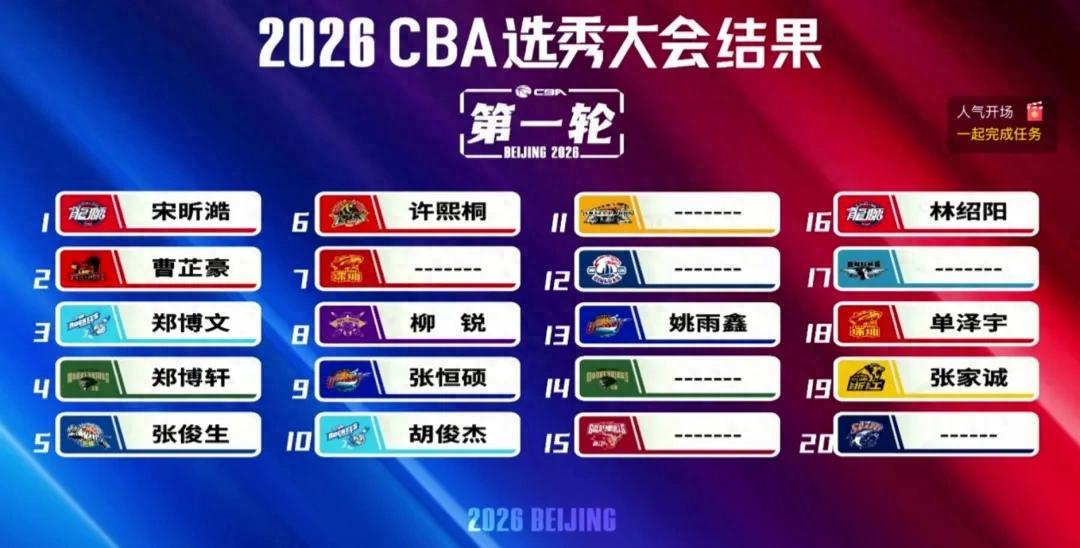
Out of 20 first-round picks, 7 were passed, 13 players were selected, and only 5 were chosen in the second round.
All in all, it took less than an hour, and then they clocked out.
Last year, 64 candidates applied, and 21 were selected.
This year, 69 people signed up, 18 had their names called, and 4 of them belong to Sichuan.
Even with this situation, they still insist on two rounds. I just can't understand it... Isn't it awkward?
Another thing: if a team doesn't select anyone for two consecutive years, shouldn't their draft pick for the next year be taken away?
That way, they could save some money on airfare...
The NBA drafts from all over the world, so they can afford to have two rounds.
We...
I'm not trying to be a downer, but among the 18 players selected this year, if 6 or 7 manage to get a contract extension after their rookie deals expire, that would already exceed my expectations.
There might really be only two who are truly valuable.
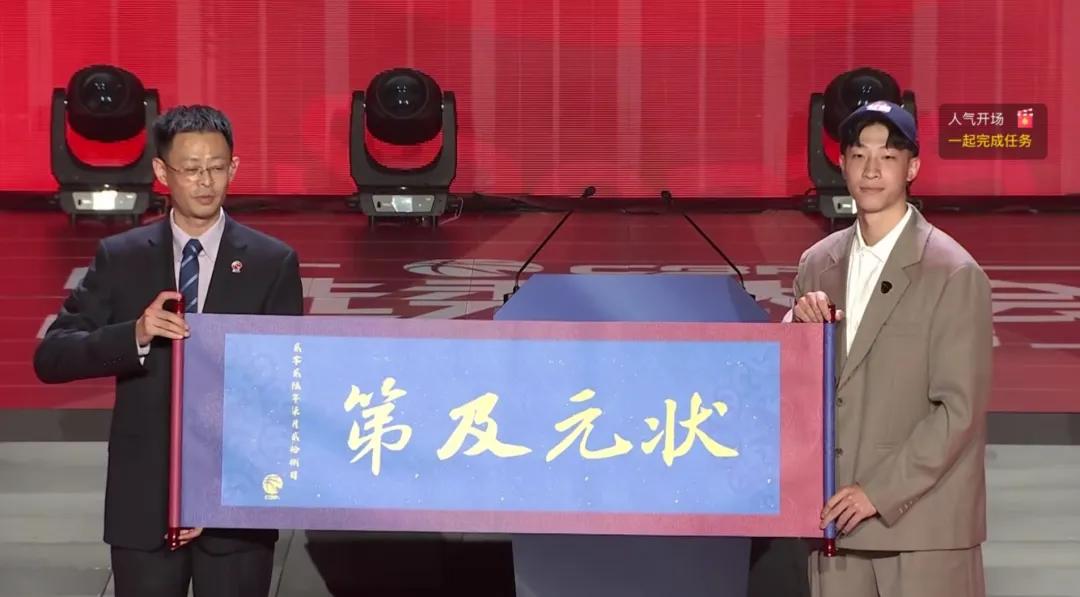
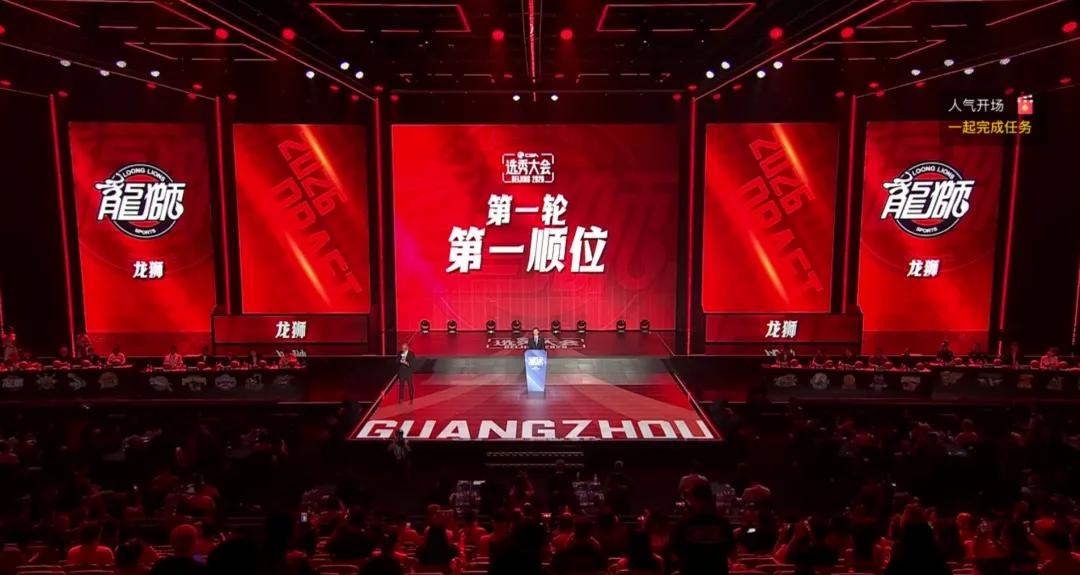
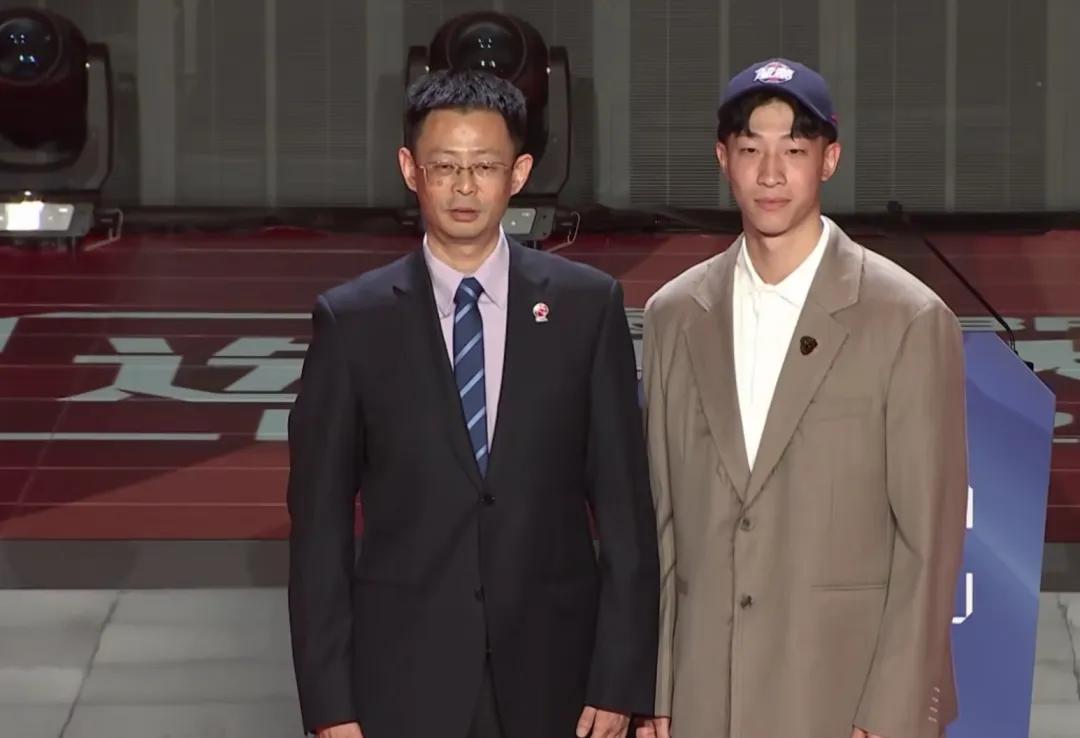
Guangzhou Loong Lions picked the provincial team guard Song Xinhao, and Jiangsu Kendia took the CUBAL MVP of the year, Cao Zhihao from Taiyuan University of Technology, with the second overall pick.
As for the rest of the players, they'll likely have to start from the bottom.
Besides the criticism, I'd also like to share a thought today.
Song Xinhao, a 23-year-old, 1.85m guard from Taiwan, is the third top pick Guangzhou has ever selected, following Guo Kai and Chen Yingjun, and he's being looked at as the next Chen Yingjun.
In last year's AUBL final, he exploded for 29 points, 12 rebounds, and 6 assists against Tsinghua, leading National Chengchi University to an 82-79 victory, and he thoroughly dominated Shi Kui.
In the inaugural AUBL tournament, he averaged 21.8 points, 5.5 rebounds, 5.6 assists, and 1.8 steals per game.
In terms of skill set, the new top pick has a wide range of scoring options, consistent drives and pull-up jumpers, and the ability to deliver in clutch moments.
One thing he shares with his senior, "Handsome Brother" (Chen Yingjun), is his outstanding ability to read pick-and-roll situations. It's clearly a tradition.
The weaknesses are also quite clear: he started as a shooting guard and only recently switched to being a full-time point guard. At his height, playing the two-guard position in the CBA would be very tough. So, he needs to improve his consistency on outside shots and his physical strength.
This makes you have to admire how well the provincial teams develop guards.
Almost all of those who have made a name for themselves in the CBA have high basketball IQ, handle the ball with finesse, make flexible decisions on the court, and control the tempo of offense and defense precisely.
What's the biggest difference between them and players developed through mainland China's traditional youth training and campus systems?
I believe it's the mindset.
But the difference in mindset ultimately comes from the different underlying logic of the talent development systems.
Taiwanese players are generally shorter and lack physical advantages, so grassroots talent selection has completely given up on the obsession with height.
As long as a player has good ball feel, a sharp mind, the courage to make decisions, and solid fundamentals, even if he's around 1.7m, he can become the core of his school team and get the main ball-handling responsibilities.
The lack of height is somewhat of a helpless situation for provincial teams, which is why they need naturalized players like Gao Baikai.
They don't have explosive physical talent, but they rely on their brains and details to win. This is also why Taiwanese guards handle the ball more
intelligently, commit fewer turnovers, and have a deeper understanding of tactics.
Another important point: the guards produced by provincial teams are not afraid to take responsibility.
Remember the two wins over South Korea in the World Cup Asian Qualifiers? You saw the duo of Chen Yingjun and Lin Tingqian shine, right?
In short, the common logic of Taiwanese teams is the absolute core system of guards .
This is also the core reason why players from Taiwan can not only survive in the CBA but also become key players.
Finally, every year during the draft, whether it's the CBA or NBA, when you look at the promising young talents, you'll find:
Beyond talent, a player's cognition and mindset determine their ceiling and speed of growth...


Wonderfulshortvideo
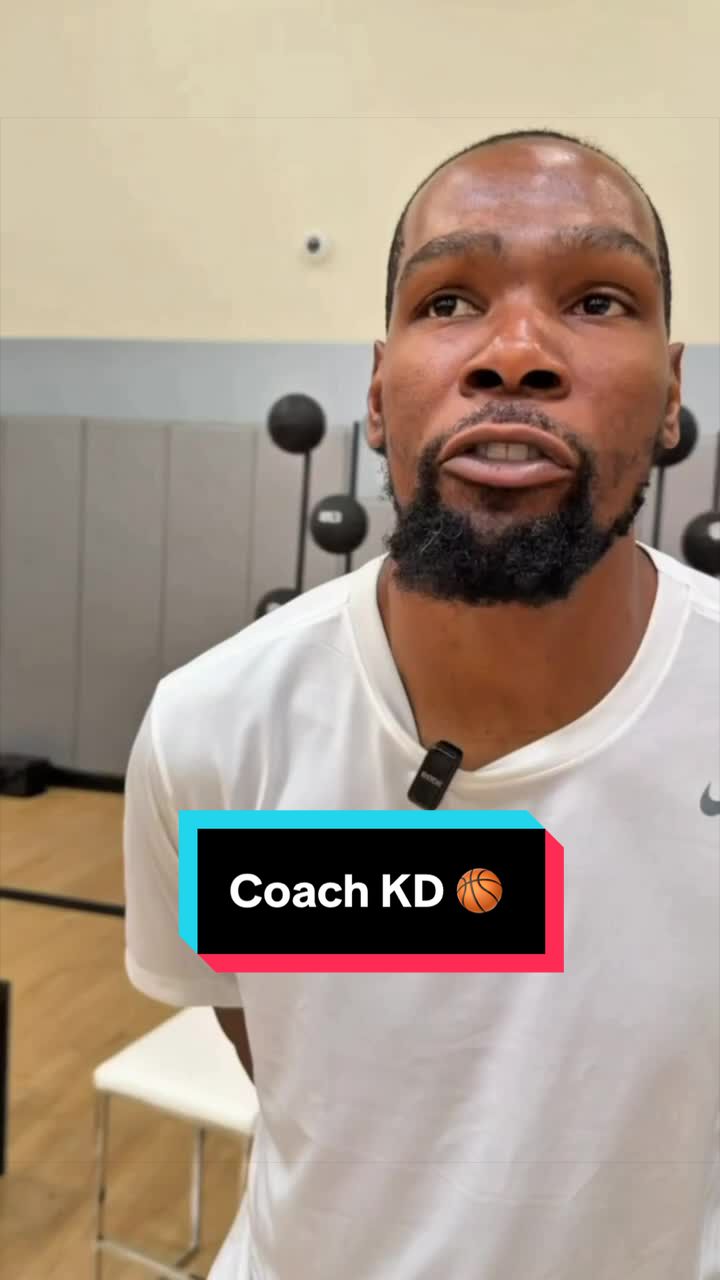
Imagine getting coached by USA Basketball All-Time Leading Scorer and 4 time gold medalist Kevin Durant? 🤯🤩



Checking in with KD 🎙️ on how his off season is going 👀
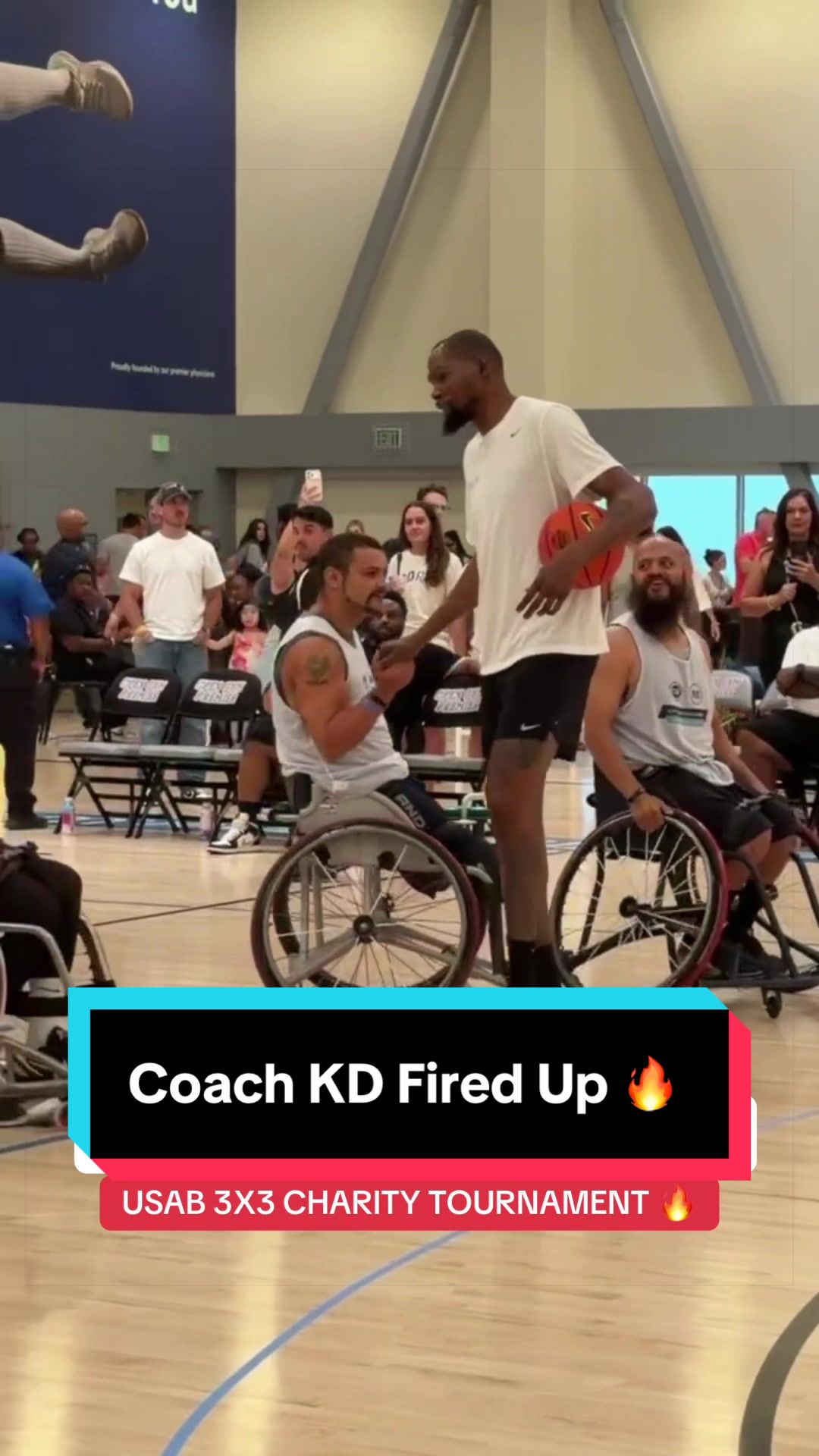
Coach KD celebrating and spreading the love of basketball 🏀
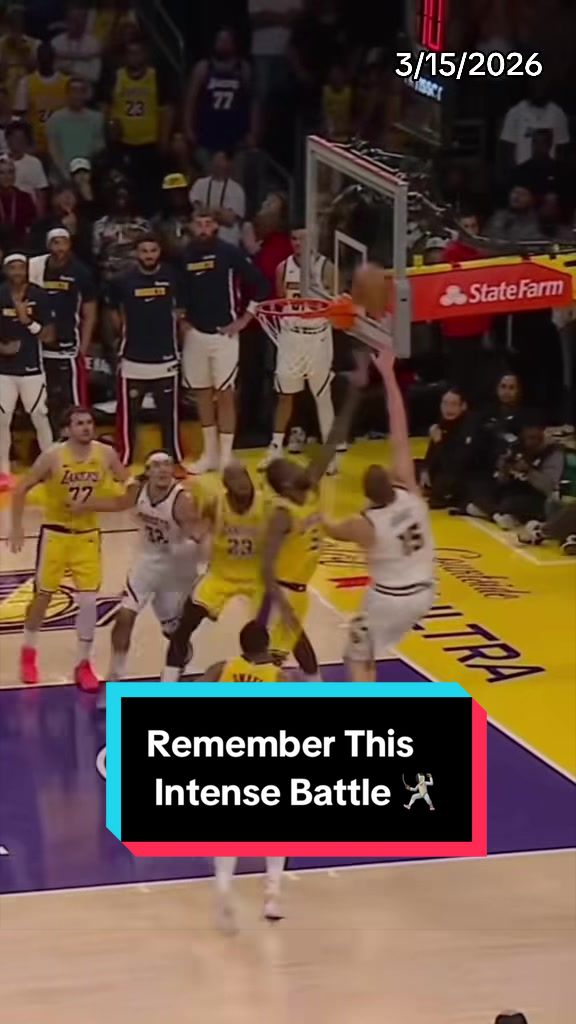
Everybody was on the edge of their seats when this game happened! 💺
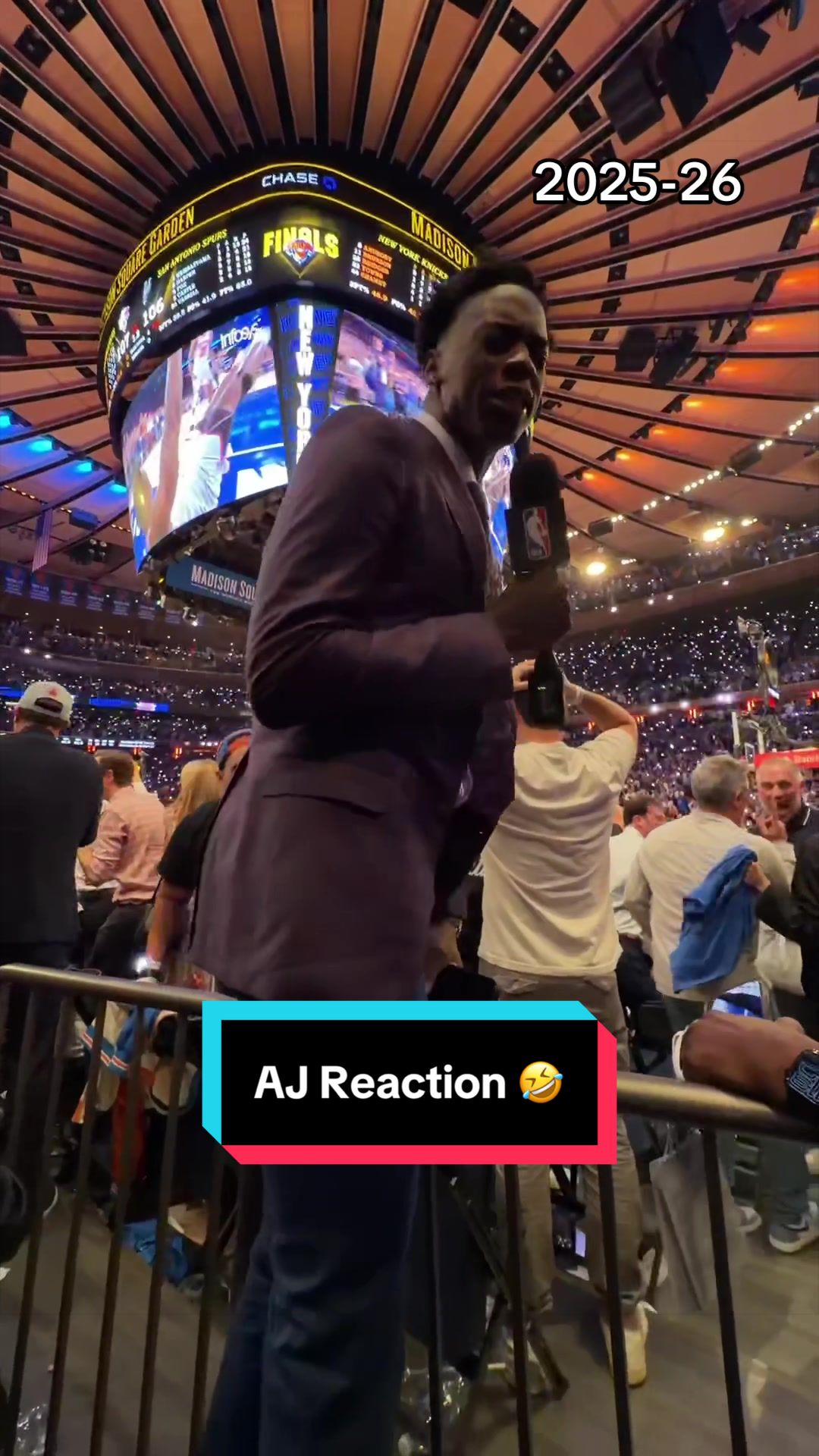
AJ was speechless 😭
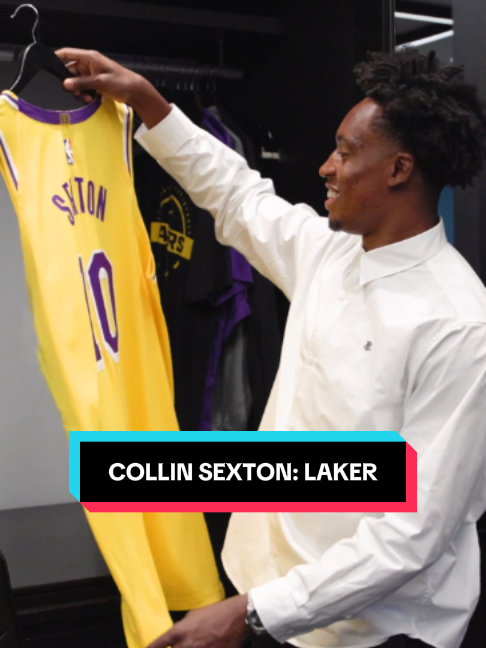
Collin's ready to bring the energy ⚡️
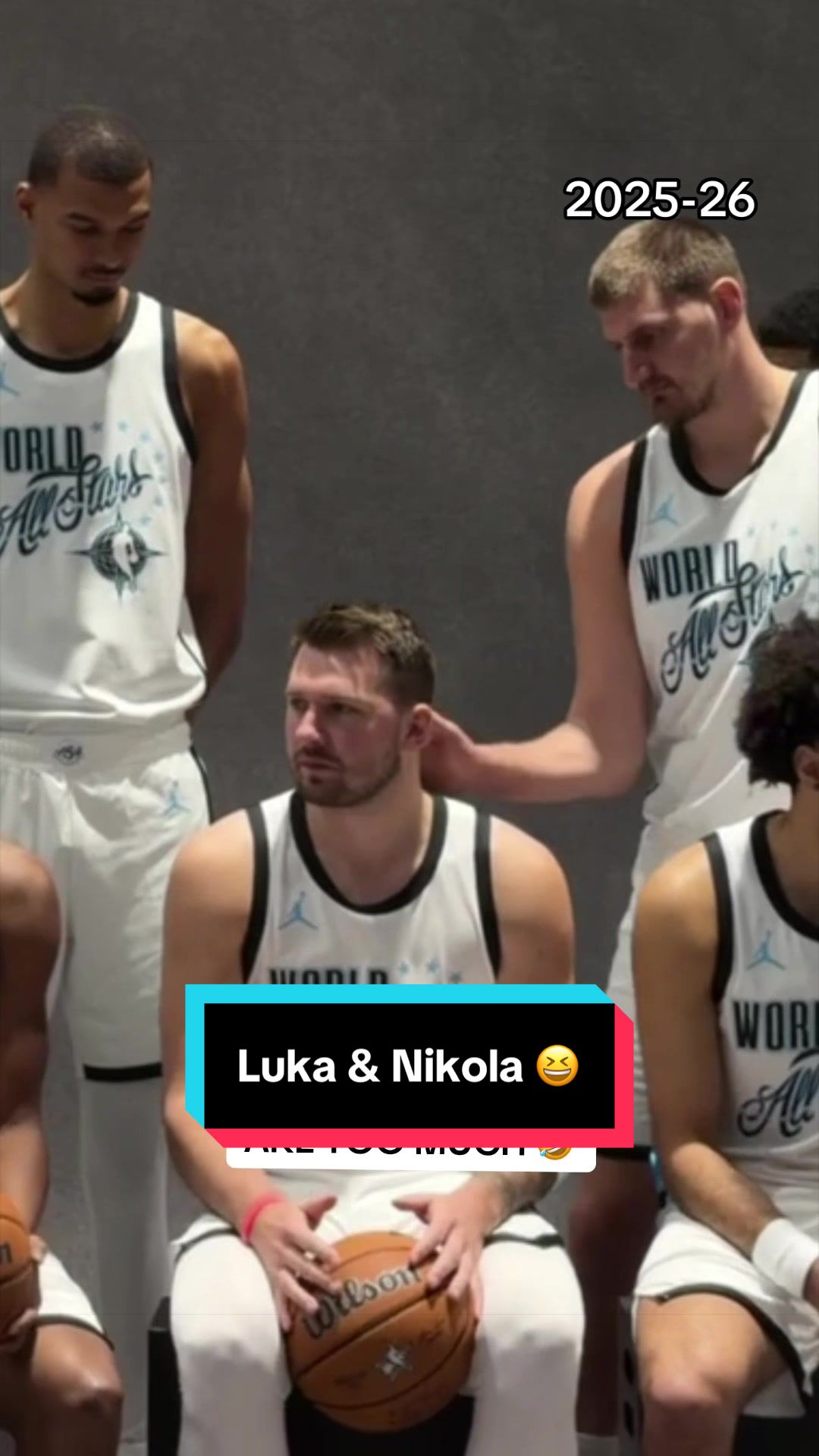
Tomfoolery content of Luka and Nikola at NBA All-Star 😂
 Links
Links
 Contact
 App
App


