



TA: James plans to commute between New York and Philadelphia? Taking a helicopter from New York is no small feat.


An unexpected factor could potentially affect James's schedule if he plays for the Philadelphia 76ers: windy weather.
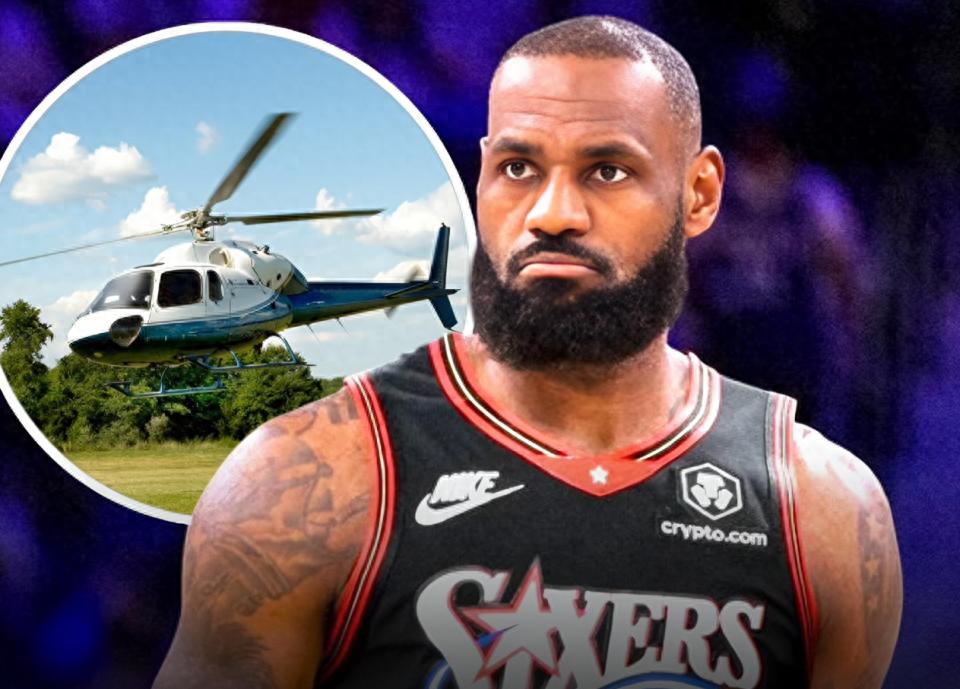

If LeBron James decides to live in New York, traveling back and forth to Philadelphia for games might be more challenging than expected. On July 31, Beijing time, the renowned media outlet The Athletic (TA) covered this topic in detail, as follows—
According to multiple sources, James, who officially agreed to sign with the 76ers last week, may not reside in the team's home city of Philadelphia. Instead, he plans to live in New York City and commute 100 miles to the Comcast Mobile Arena in Philadelphia or the 76ers' training facility in Camden, New Jersey (which overlooks Philadelphia across the Delaware River). Reports suggest that he could take a helicopter to shorten the trip, with a one-way flight of about 45 minutes.
James has not publicly discussed his living arrangements. A league source who spoke on condition of anonymity (not authorized to speak publicly) said his plan has not yet been finalized.
James is not the first NBA player to live in New York while playing for the 76ers. J.J. Redick commuted from Brooklyn, New York, by car during his time with the 76ers from 2017 to 2019. Decades earlier, Wilt Chamberlain, the Hall of Fame center who led the league in scoring for years, also lived in New York while playing in Philadelphia, and even operated a popular nightclub in Harlem.
But such a commuting pattern is still quite rare, for obvious reasons. Moreover, New York City has strict regulations on helicopter flights, partly due to noise ordinances and partly for safety concerns.
The four-time MVP's commuting route would roughly look like this: to fly from Manhattan to Philadelphia by helicopter, the one-way cost is about $4,000, with takeoff limited to three heliports in Manhattan: one in Lower Manhattan, one on West 34th Street, and one on West 30th Street.
In 1977, a helicopter crashed while attempting to land on the roof of the MetLife Building in Midtown Manhattan, leading to a long-standing conservative approach to approving rooftop helipads in New York. The few remaining rooftop helipads are not allowed for commercial flights and are only available for hospitals and police use. Current New York Mayor Zoran Mamdani has not yet amended the relevant city regulations, but he advocated for stricter aviation controls during his campaign. Last April, he stated, "We must immediately stop non-essential helicopter flights."
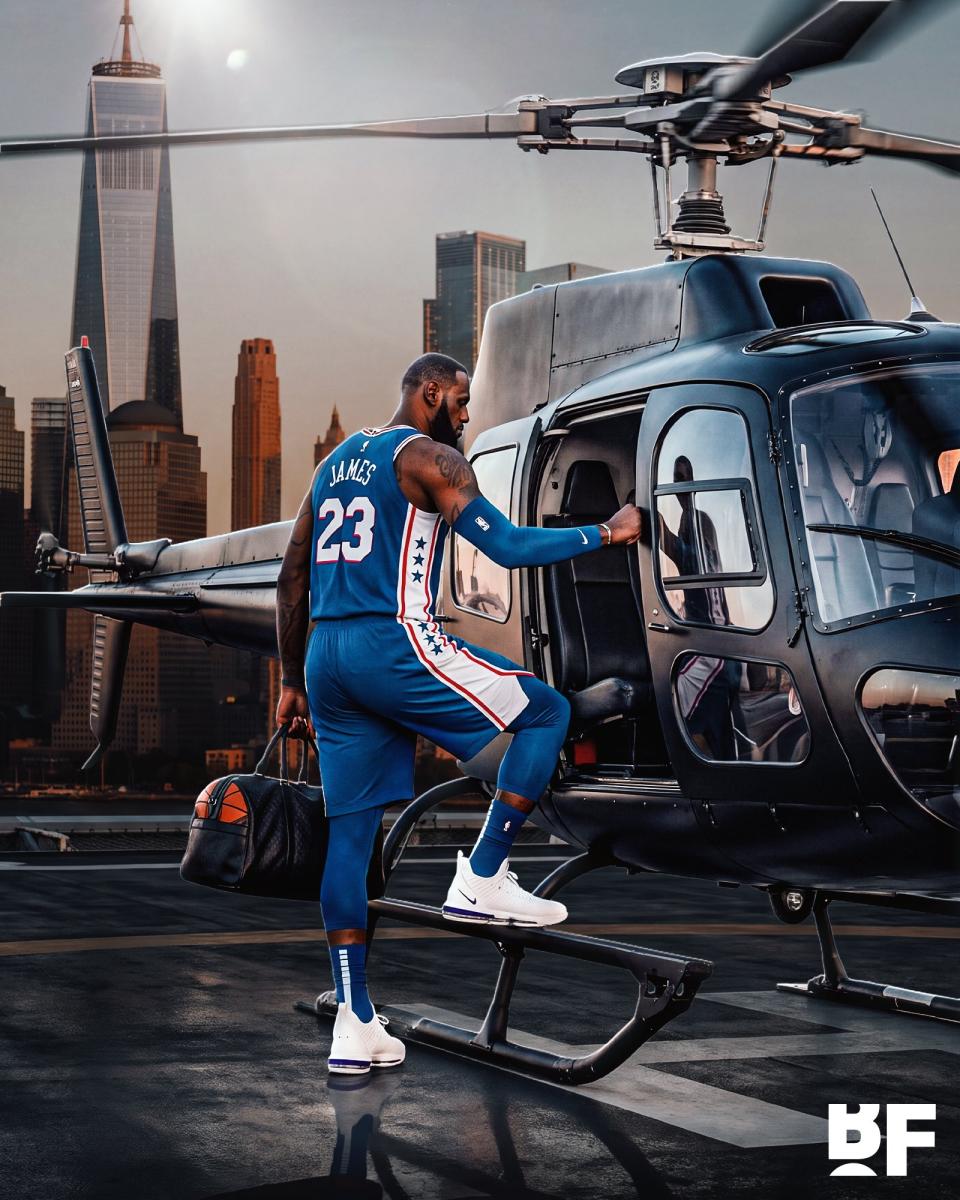
Helicopter flights are highly dependent on weather conditions, with low visibility being the most common cause of delays and cancellations. For comparison: Clippers forward Kawhi Leonard used to commute by helicopter from San Diego, and Kobe Bryant also flew from Orange County, California, to the Lakers' home games. However, both are in Southern California, where the weather is much more stable than in the Northeast. The New York-to-Philadelphia corridor is prone to fog, especially in the morning.
The Federal Aviation Administration (FAA) requires that pilots have at least 3 miles of visibility and a cloud ceiling no lower than 1,000 feet to fly. If the cloud ceiling is too low, the helicopter cannot take off; strong winds can also ground flights. Gusts and crosswinds have a much greater impact on helicopters than steady headwinds. When wind gusts exceed 40 mph, the risk of flying increases sharply.
Such severe weather is not an everyday occurrence, but it is quite common in winter. According to local climate data from the National Weather Service, between October 2025 and April 2026 (roughly covering a full NBA season), New York had 11 days with wind gusts over 40 mph; Philadelphia had even more, with 33 days reaching that threshold. On such days, James's helicopter would be unable to fly. Thunderstorms, blizzards, and the risk of rotor icing would also ground the commuting plan.
If these situations arise, James's high profile would make it inconvenient to take an Amtrak train from Penn Station, so he would have to drive. Redick used to drive between Brooklyn and Philadelphia via Interstate 95, which took less than two hours in good traffic. But I-95 is the main artery of the most densely populated corridor in the US, and traffic jams are common.
An NBA player's game day routine starts well before tip-off. Teams hold morning shootarounds to finalize that night's game plan. James himself has a rigorous pre-game preparation process, typically arriving at the arena earlier than most players.
Let's do a rough calculation (though it's hard to achieve such ideal conditions in reality): for 41 home games, with a one-way helicopter cost of $4,000, the total commuting expense would reach $328,000.This amount does not include flights to the training facility, nor extra accommodation costs due to last-minute cancellations. Of course, James might also get a discounted rate if he books a long-term charter.
Over his 24-year career, James has earned a total of $584 million in on-court salary alone, so this commuting cost is likely negligible for him. For back-to-back games or unexpected situations, he could also arrange temporary accommodation near the 76ers' base.
However, the logistical challenges posed by this commuting plan add another layer of uncertainty to the new season, which is already attracting the attention of the entire league.


Wonderfulshortvideo

Imagine getting coached by USA Basketball All-Time Leading Scorer and 4 time gold medalist Kevin Durant? 🤯🤩


Checking in with KD 🎙️ on how his off season is going 👀
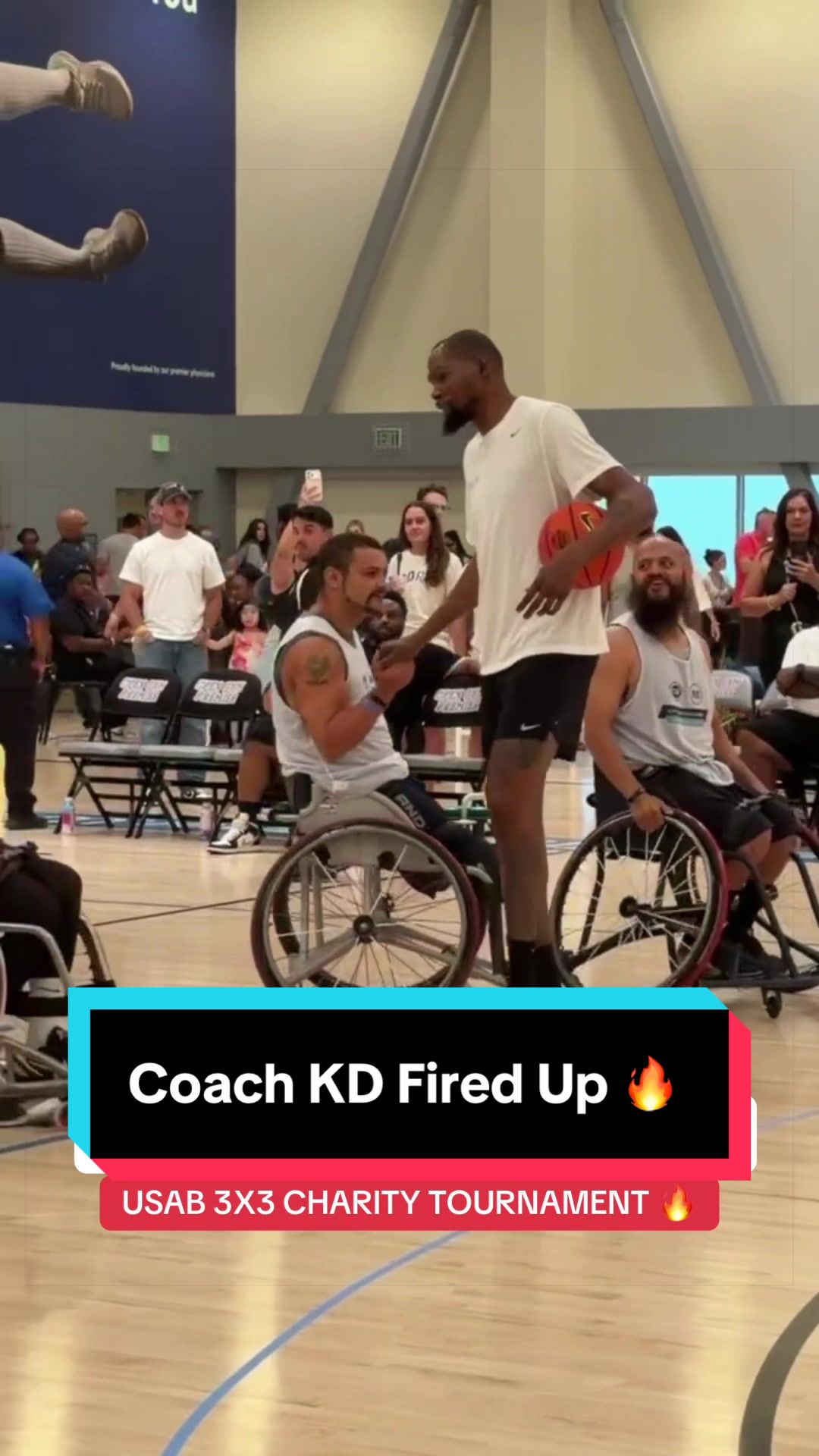
Coach KD celebrating and spreading the love of basketball 🏀
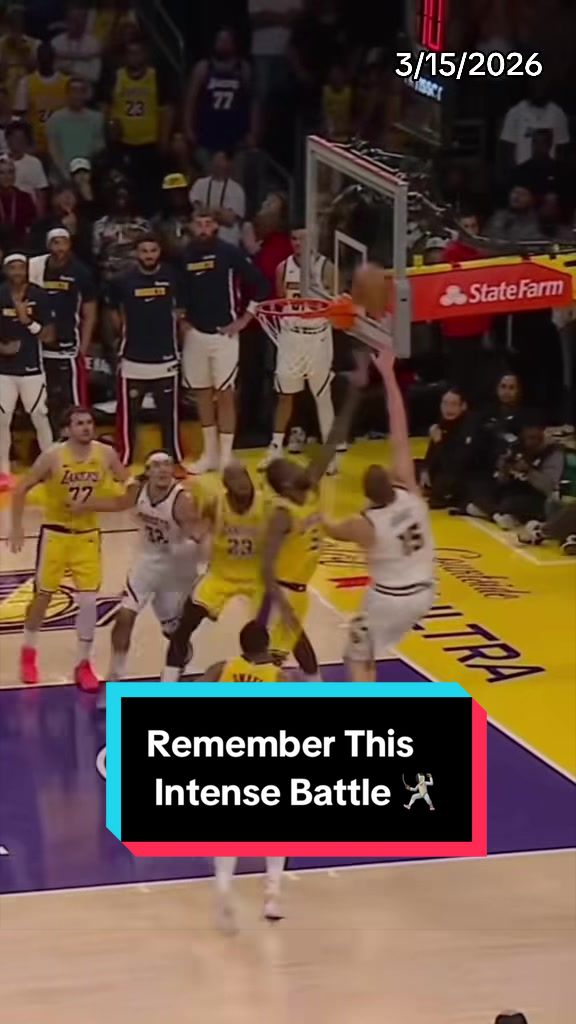
Everybody was on the edge of their seats when this game happened! 💺
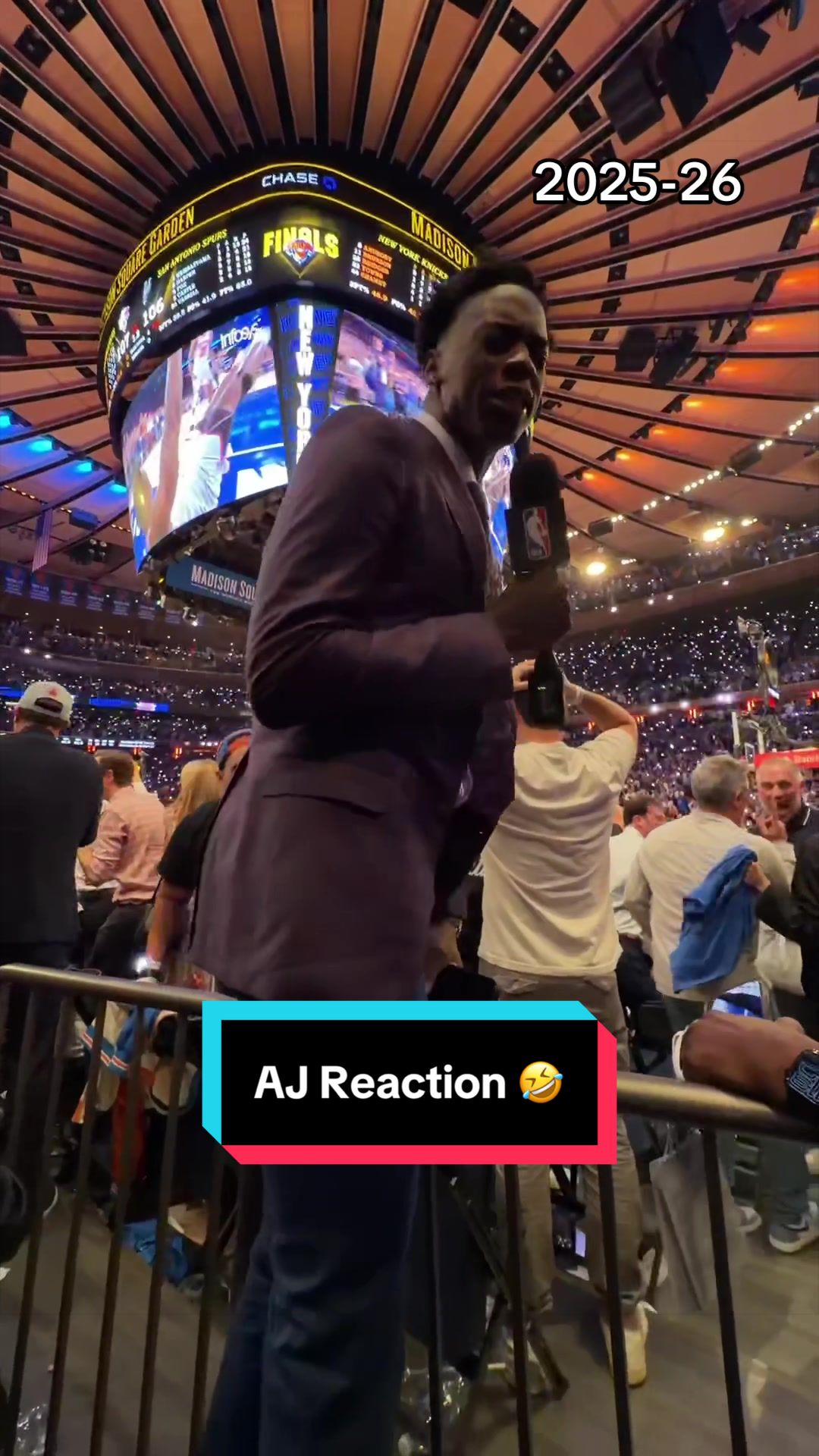
AJ was speechless 😭

Collin's ready to bring the energy ⚡️
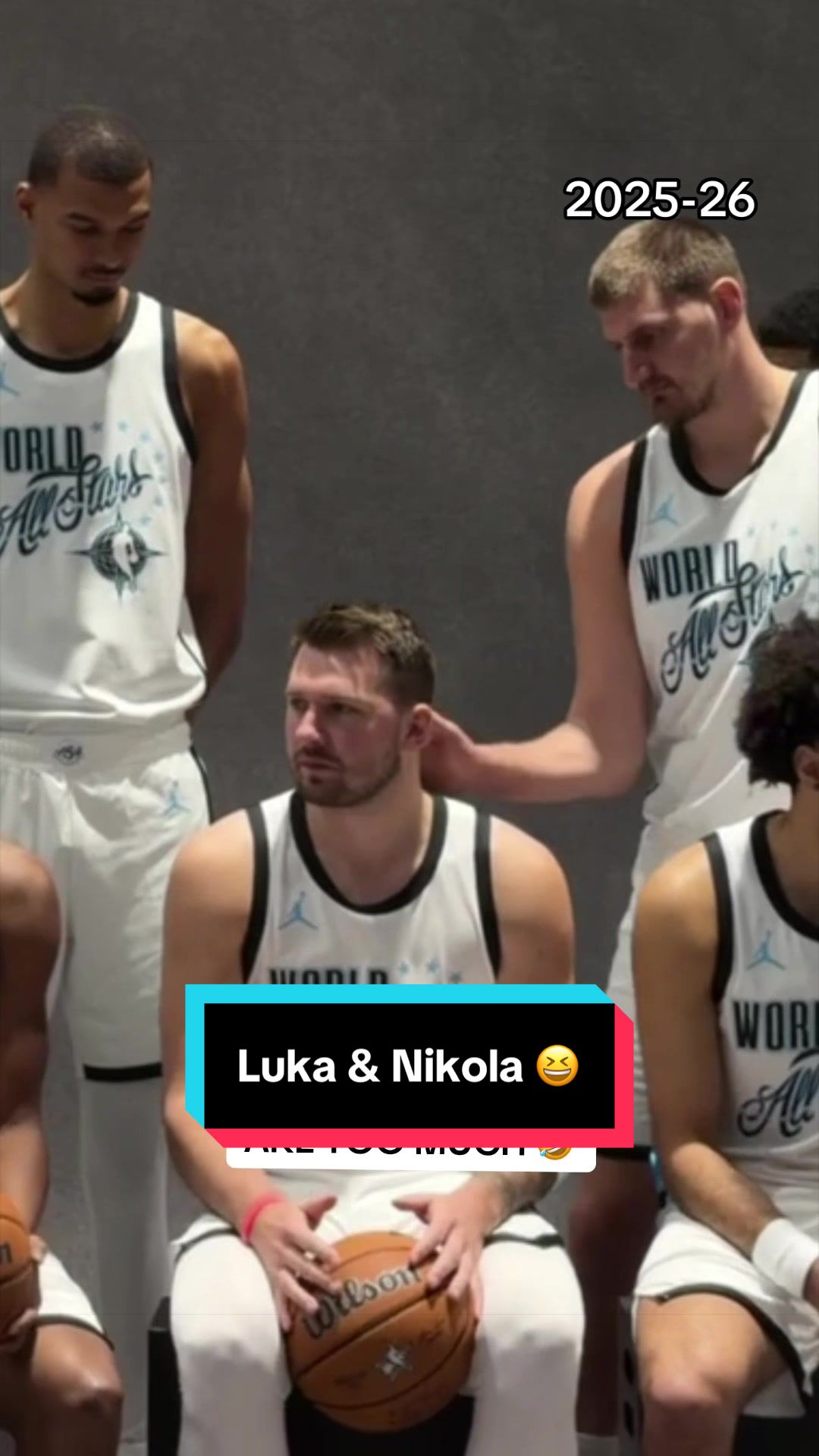
Tomfoolery content of Luka and Nikola at NBA All-Star 😂
 Links
Links
 Contact
 App
App


