



How big a contract can these two caveman brothers sign?



Speaking of which, as of now, only Wemby from the 2023 draft class has reached an early extension with his team, and he even voluntarily gave up the chance to get a supermax contract. Among the rest, there are many who could also reach early extensions, but no substantial news has emerged.
What I'm most curious about is how big an extension contract the Amen and Ausar brothers can get this summer? Because these two brothers are really special: both have poor offense but elite defense, both are future cores of their respective teams, but they're not the type like Wemby where you give a max contract without hesitation.
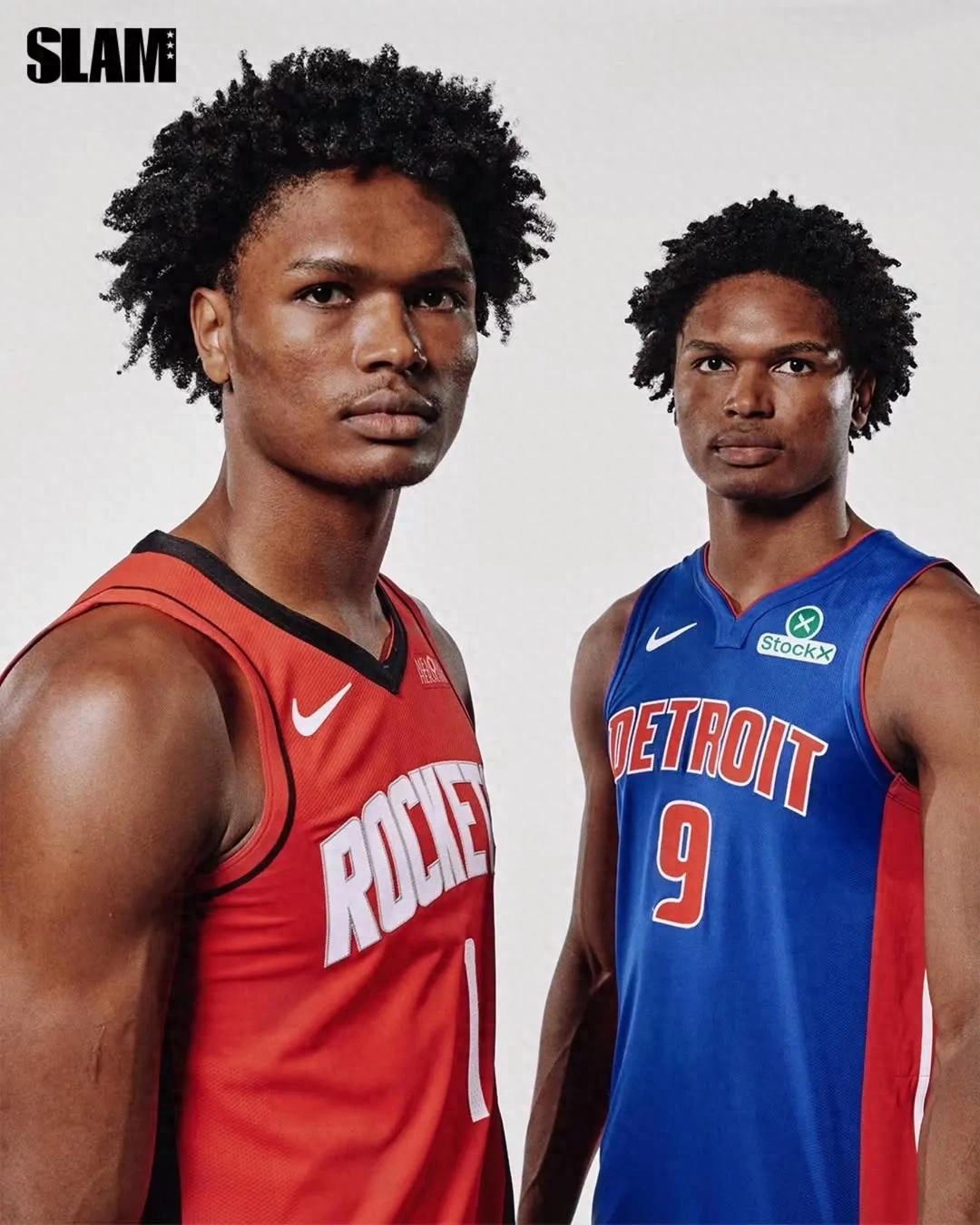
It was well known before the draft that these two brothers had poor offense, yet they were selected with the 4th and 5th picks consecutively. Amen quickly showed his talent, even showing signs of developing a mid-range shot for a while, and was selected to the All-Defensive First Team in his second year. His younger brother Ausar was relatively quiet in his first two years but exploded last season.
Ausar also made the All-Defensive First Team last season, ranking third in the league with 72 first-place votes. Combined with his playoff performance, Ausar was actually the second-best defender last season, second only to Wemby. Or rather, he was the best perimeter defender last season.
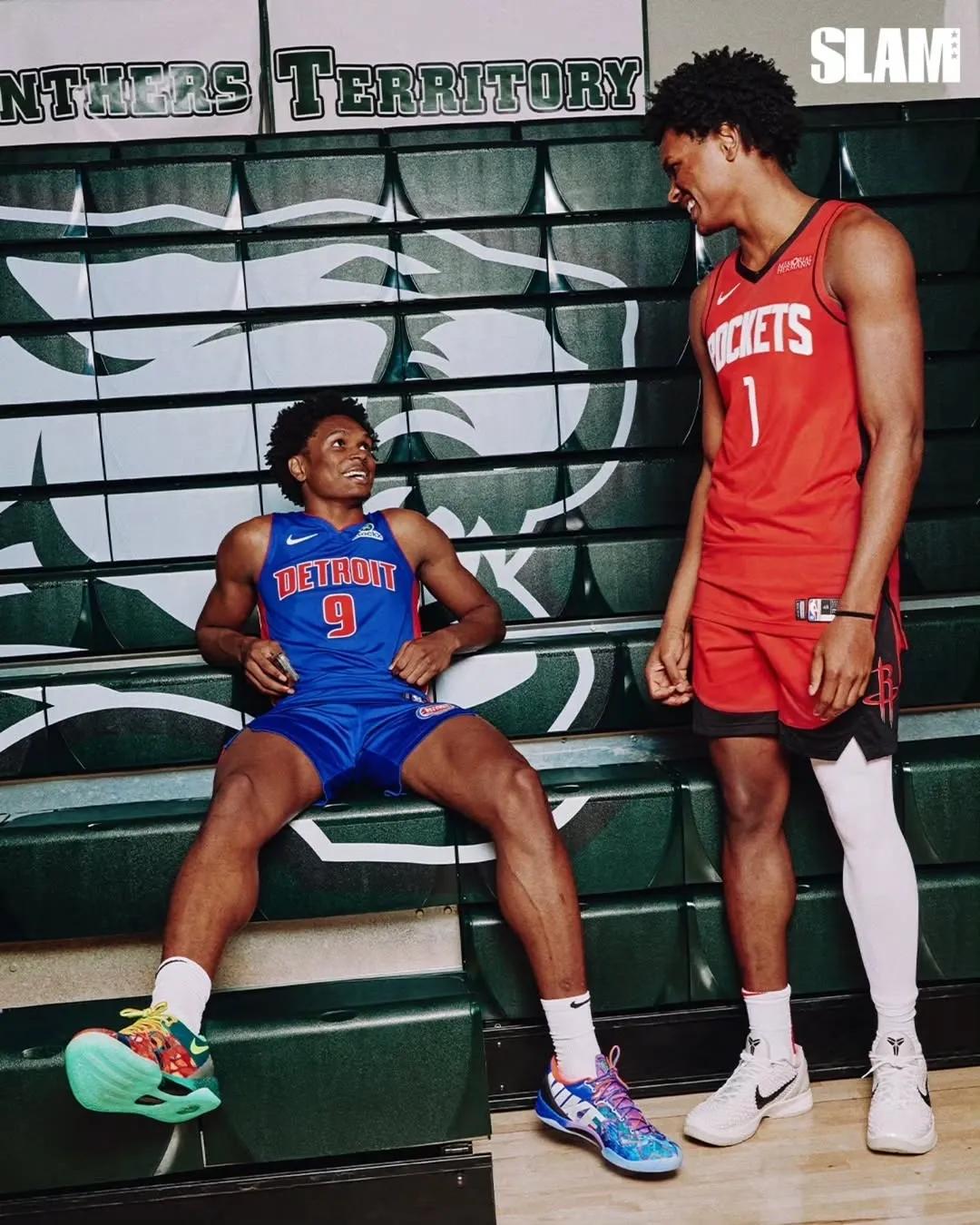
Although Amen didn't make an All-Defensive team last season, he was only 4 points away from the Second Team and absolutely played at an All-Defensive level. In the playoffs, although the Rockets were eliminated by the Lakers, Amen's overall performance should be seen as a positive.
He became a point that the Lakers couldn't solve. His athleticism was his strongest weapon, allowing him to dominate in the paint. Over the six-game series, he averaged a staggering 44 minutes per game. In fact, given his ability and stamina, he was fully capable of playing every minute of every game.
In six games, Amen averaged 19.2 points, 7 rebounds, 5.7 assists, 2 steals, and 1.2 blocks, with a field goal percentage of 48.8% and a true shooting percentage of 55.3%. The reason his true shooting percentage wasn't higher was entirely due to his 25% three-point shooting. In fact, over the six games, he only made two three-pointers in Game 5 and virtually didn't attempt any in the other five games.
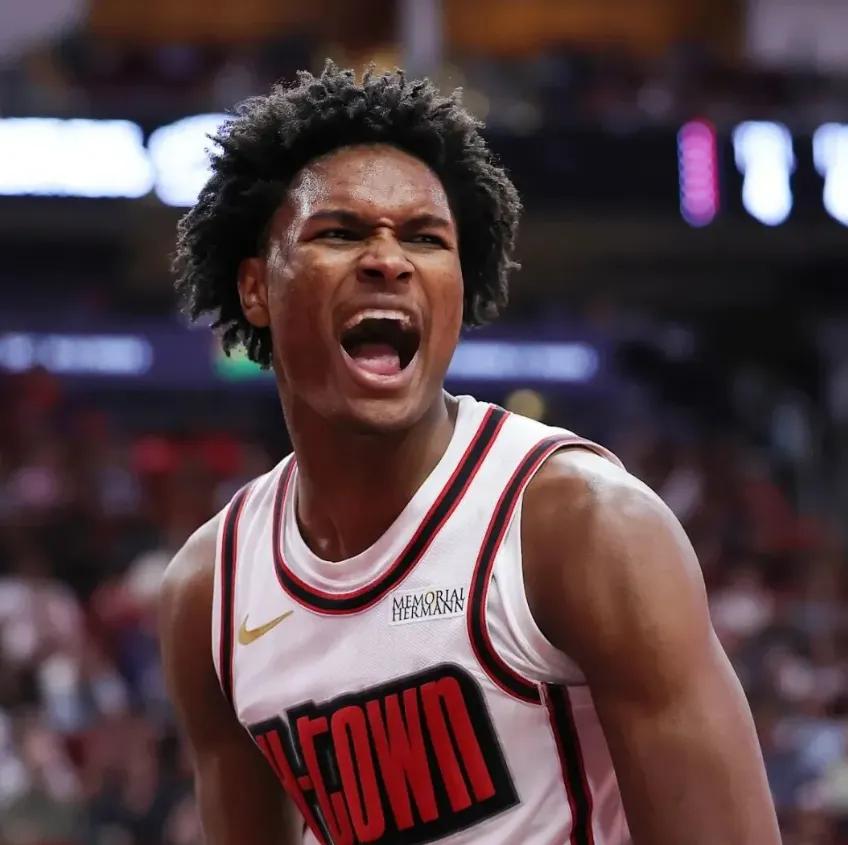
Because he had almost no scoring ability outside the paint, the Lakers always collapsed the paint against Amen, yet he still dominated inside, which shows how astonishing his athleticism is.
He was arguably the Rockets' best player in the playoffs, but the problem is that Amen's role is not that of a primary ball-handler. He is the ultimate second or third option, making it difficult for him to lead the team. Amen's outstanding performance also poses a dilemma for the Rockets: how big of an extension should they offer him?
Amen is good at everything, and there are signs he's developing ball-handling, but the problem is that he has no scoring ability except in the paint and at the free-throw line. His mid-range shooting percentage last season was only 27.8%, ranking last among all players in the league who attempted at least 100 mid-range shots, and he was the only one with a percentage below 30%.
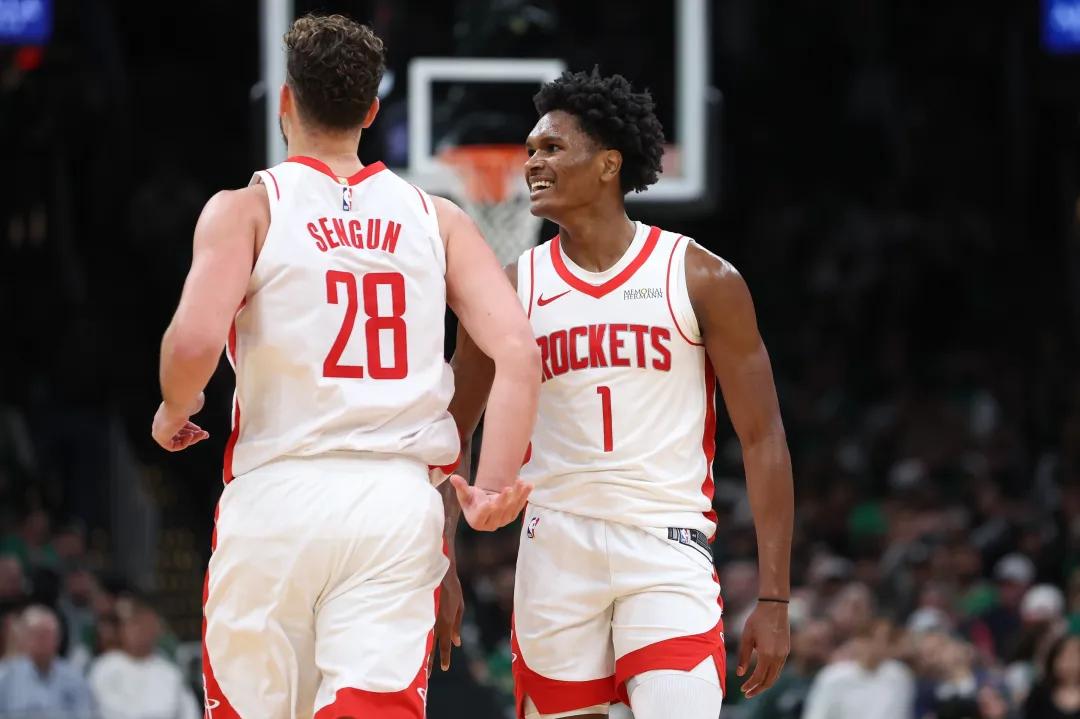
Like Wemby, Amen is eligible for a five-year, $250 million max contract, but an annual salary of over $50 million is too extravagant. Of course, Amen would want it, but the Rockets will certainly not offer such a large contract. However, a five-year contract is probably necessary. I estimate Amen's annual salary should be around $40 million, meaning a five-year deal worth about $200 million. If the Rockets can negotiate it down to $35 million per year, then it doesn't matter if Amen never develops a jump shot.
This summer, the Rockets hired the famous shooting coach Chip Engelland as an assistant coach, primarily responsible for player development and shooting training. Chip was a shooting coach for the Spurs for 17 years, and his most famous example is significantly improving Kawhi Leonard's shooting. Later, he worked with the Thunder, helping to improve their shooting as well.
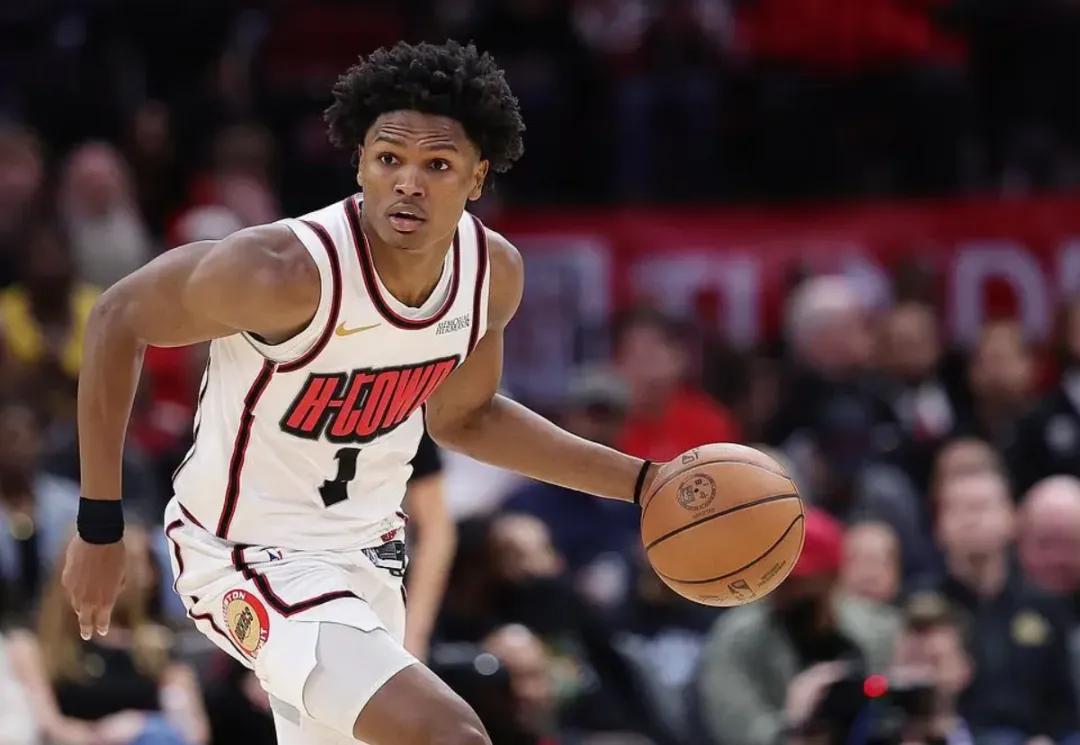
Let's put it this way: if Amen can't develop a jump shot under his guidance, then he'll never be able to shoot in his entire life. Of course, if Chip can teach Amen to shoot, his career would be legendary.
Compared to Amen, his younger brother Ausar is even more extreme. With the Pistons, Ausar doesn't have as much ball-handling as Amen; he's a pure 3-and-D player, but of the highest caliber. His brother made two three-pointers in six playoff games, while Ausar made only one in 14 games, and that was in the final Game 7 against the Cavaliers; he didn't make any in the first 13 games.
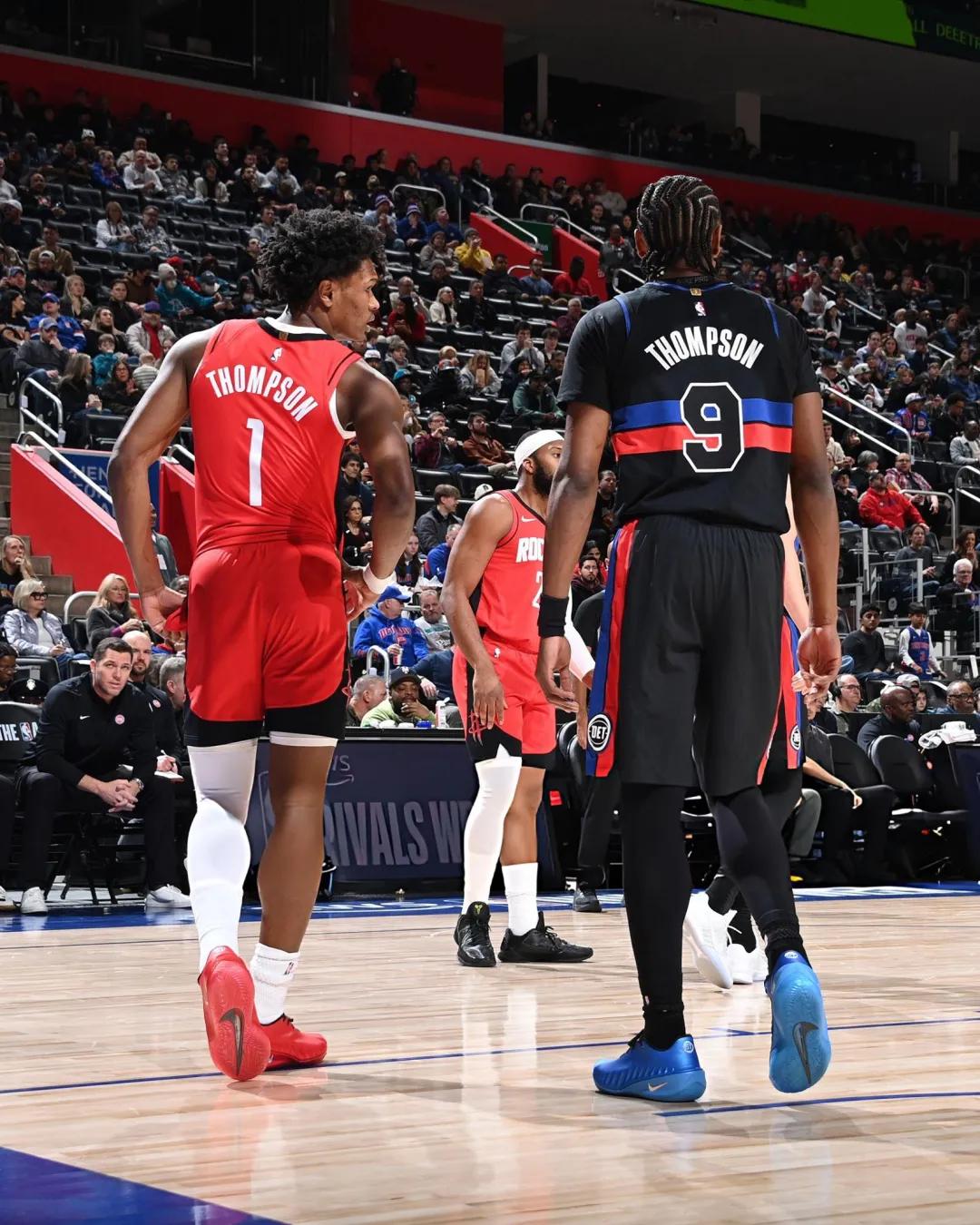
Amen can at least do something in the mid-range, but Ausar is the type who simply doesn't take shots outside the paint. In the playoffs, he had a total of 97 field goal attempts, with 75 coming at the rim, and his 7 "forced" three-point attempts all came from the corners.
Such a player with no offensive game is nevertheless the Pistons' absolute starting forward, because his defense is so outstanding. He can guard positions 1 through 4, with excellent switchability, and can help his teammates cover any position. He is a one-man lockdown.
In the playoffs, opponents matched up with Ausar shot only 26.2% from three-point range, which ranked first among all players in the league. Ausar has become an indispensable part of the Pistons' lineup. His presence can greatly relieve Cade Cunningham's defensive burden, allowing him to focus on offense.
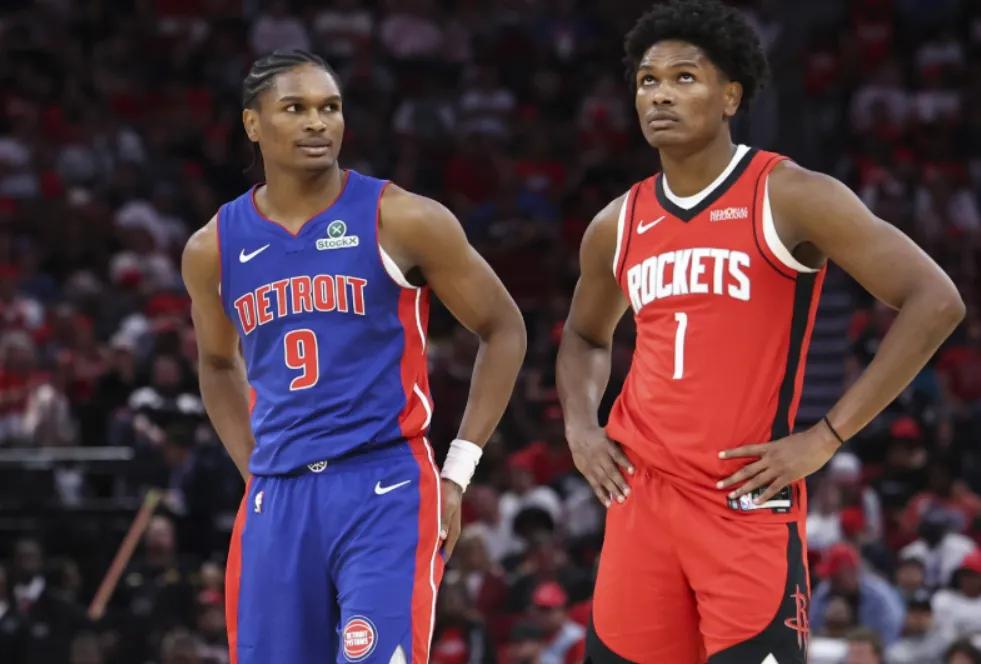
Of course, Ausar's offensive level is even worse than his brother's. For such a player, the contract naturally can't be too large, but it also won't be too low. I think a five-year, $150 million deal is a reasonable price for both sides. His defense is worth $40 million, and deducting $10 million for his offense, an annual salary of $30 million seems fair.
These two caveman brothers, although they never developed their offense, have already lived up to their draft positions by becoming what they are now.


Wonderfulshortvideo
Imagine getting coached by USA Basketball All-Time Leading Scorer and 4 time gold medalist Kevin Durant? 🤯🤩


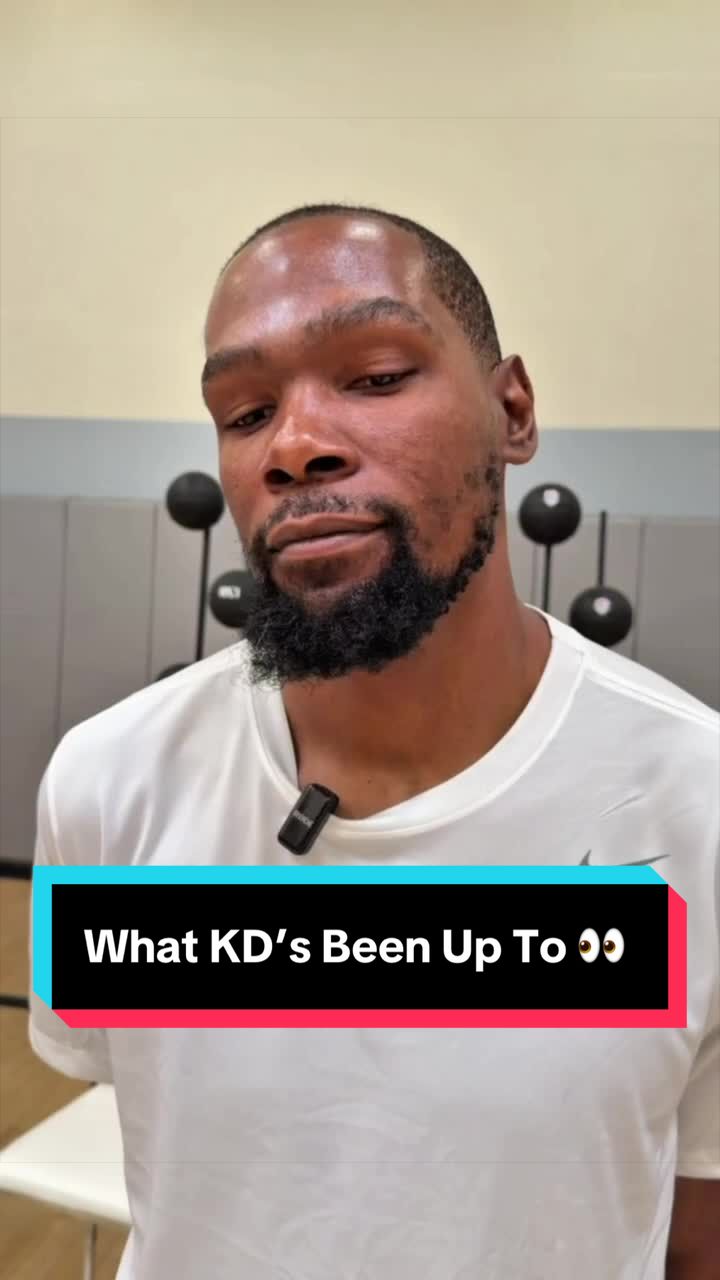
Checking in with KD 🎙️ on how his off season is going 👀
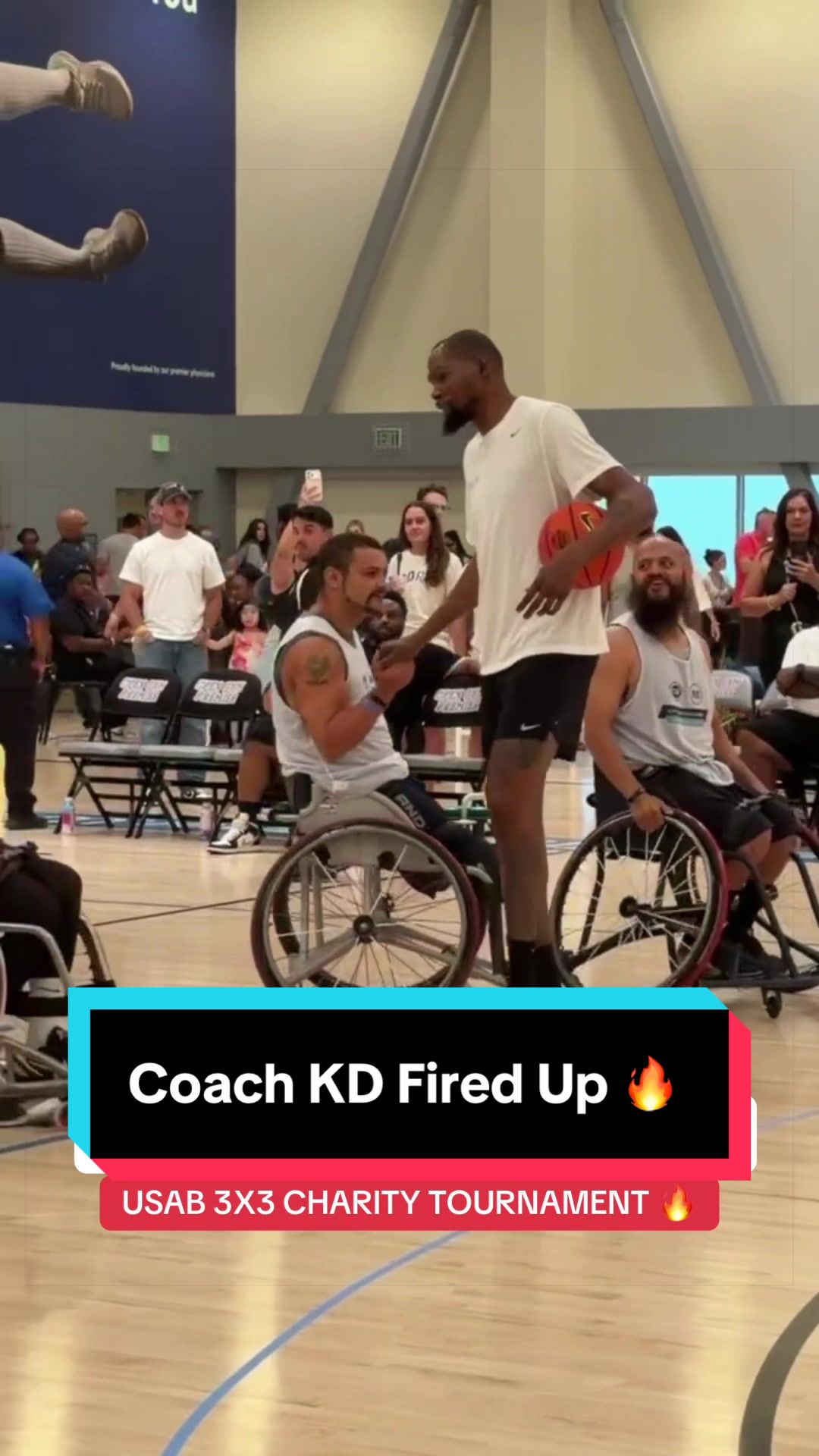
Coach KD celebrating and spreading the love of basketball 🏀
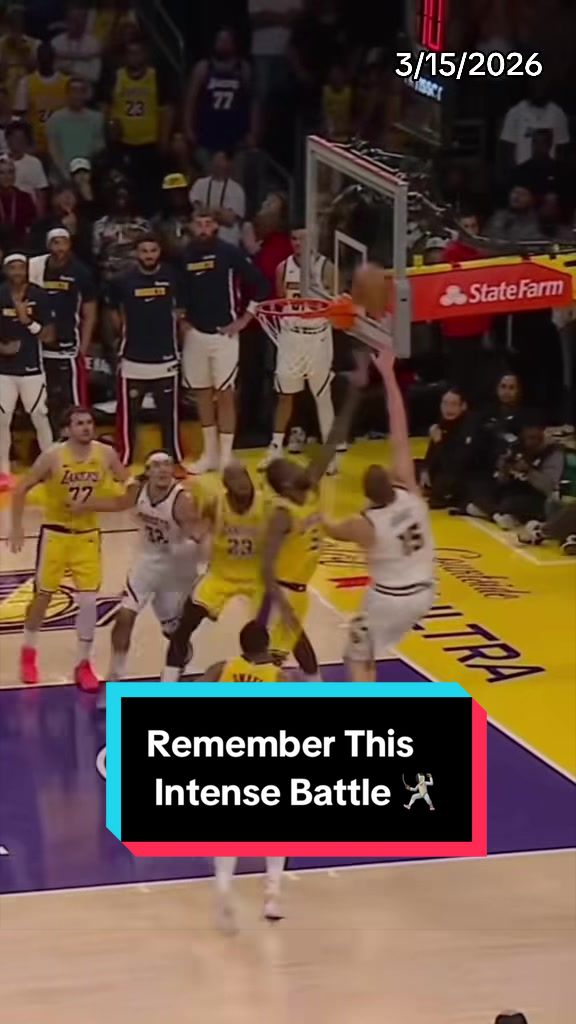
Everybody was on the edge of their seats when this game happened! 💺
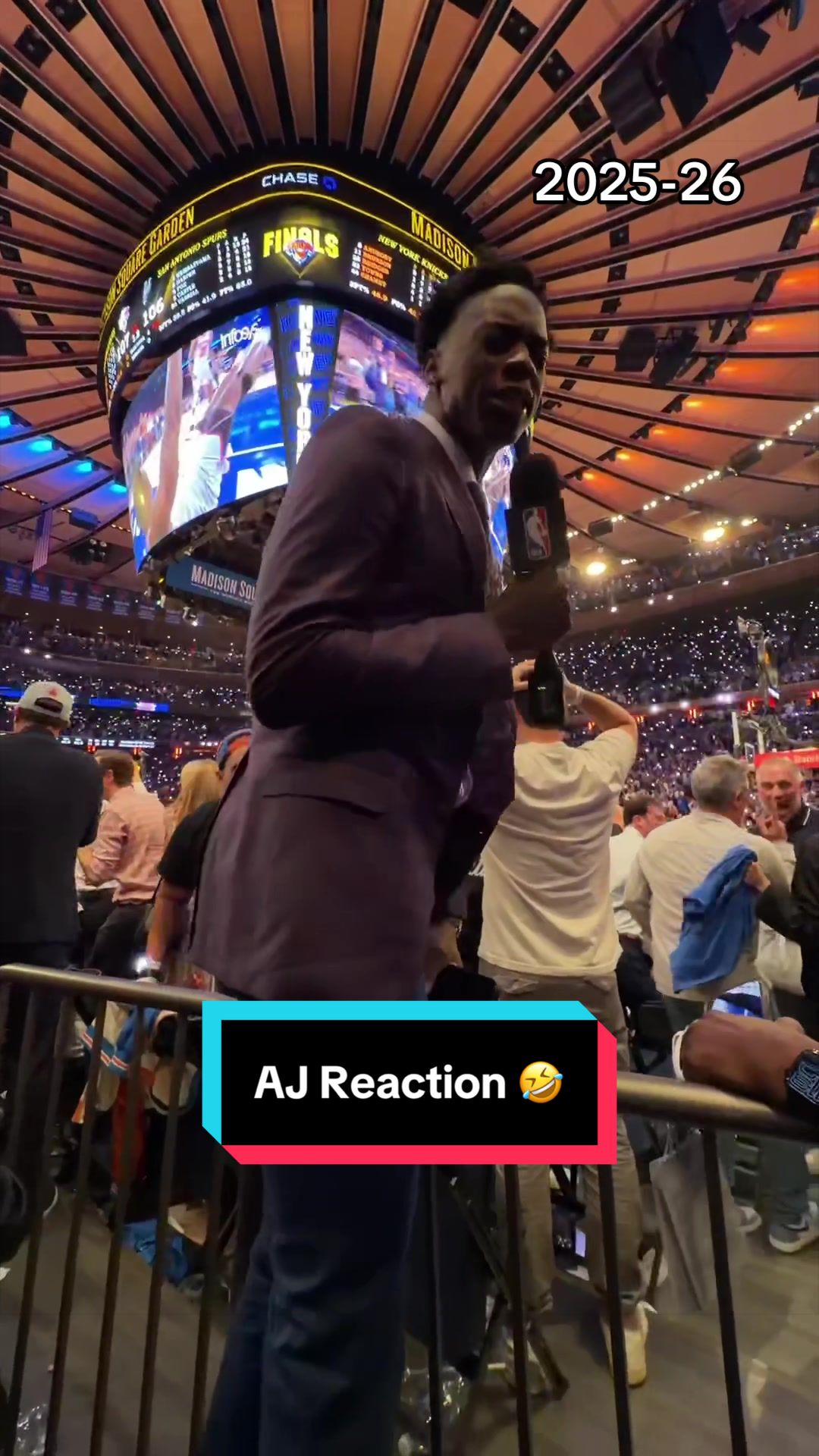
AJ was speechless 😭
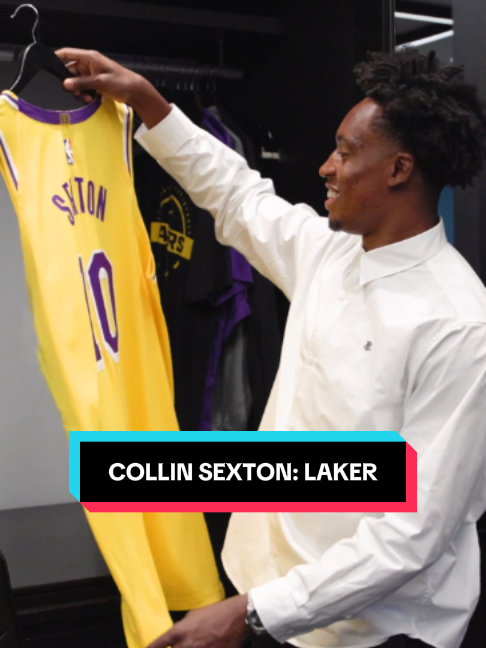
Collin's ready to bring the energy ⚡️
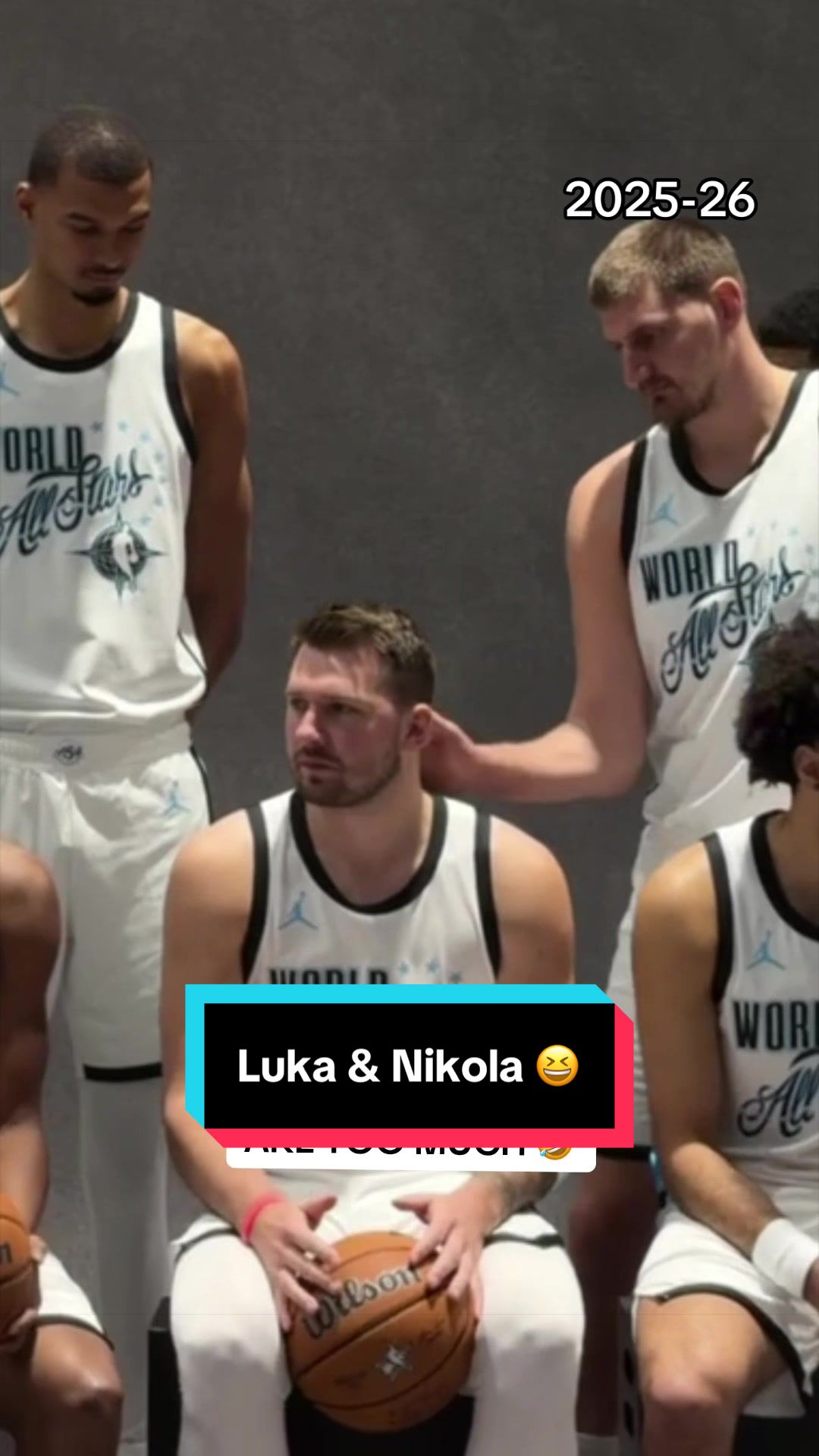
Tomfoolery content of Luka and Nikola at NBA All-Star 😂
 Links
Links
 Contact
 App
App


