



Taiwanese basketball star turns down 6 million max salary! CBA must face reality



I mentioned a few days ago the topic of top foreign players "fleeing" the CBA.
Today, I continue with the fact that top Taiwanese players are also returning to play in the provincial league.
First, Lin Bingsheng from Guangsha, then Lin Tingqian, Tianjin's local star.
Lin Bingsheng was just a substitute in the CBA, so it's understandable he went back to Taiwan.
However, Tianjin... lost the veteran who was selected for the All-Star game many times.
With the league possibly introducing a promotion and relegation system, Tianjin's foreign player David James went to the Korean KBL; Lin Tingqian, who averaged nearly 20 points per game, returned to Taiwan.
With the loss of both an inside and outside core, the former "Tianjin Warriors" could become a bottom-tier team next season without surprise...
What is the reason behind players returning to the provincial league?
More money, less work, closer to home—that sums it up.
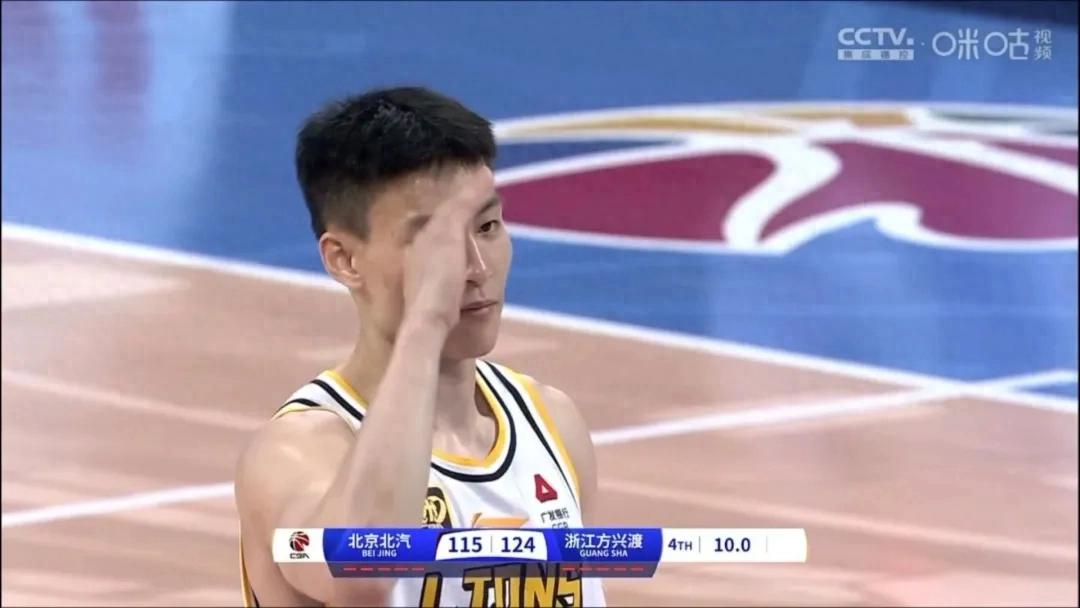
The most realistic factor is money.
Despite Tianjin offering a max salary to keep him, they still couldn't resist the better conditions offered by the home league.
Older fans remember that more than a decade ago, the Taiwanese provincial league was called SBL, a semi-professional league where some players were teachers or office workers.
At that time, the CBA's salary was far higher than the Taiwan league, making it the top choice for Taiwanese players seeking better pay.
There was a player named Chen Xin'an, known as the "Asian Flyer."
His annual salary in the SBL was about 300,000 RMB, but when he came to Dongguan New Century (now Shenzhen), his salary was around 2.3 million RMB.
Now on the internet, you can still find reports about "Chen Xin'an joins CBA, creating the highest salary for Taiwanese players."
After retiring, this player expressed multiple times on shows that his Taiwanese teammates at the time were shocked that he could
earn so much money in the CBA...
So in that era, top Taiwanese players like Lin Zhijie, Zeng Wending, and Li Xuelin regarded the CBA as a higher stage for their careers.
Among this group, the "Taiwan Beast" was the most skilled and had the most exciting playing style.
The one with the highest personal honor was Li Xuelin, who won the FMVP with Beijing Shougang...
After this generation, excellent Taiwanese players like Chen Yingjun, Liu Zheng, and Lin Tingqian came to the CBA one after another.
The style they displayed has been praised by Digo more than once.
The duo of "Handsome Brother" (Chen Yingjun) and Lin Tingqian is the strongest backcourt firepower for the provincial team now.
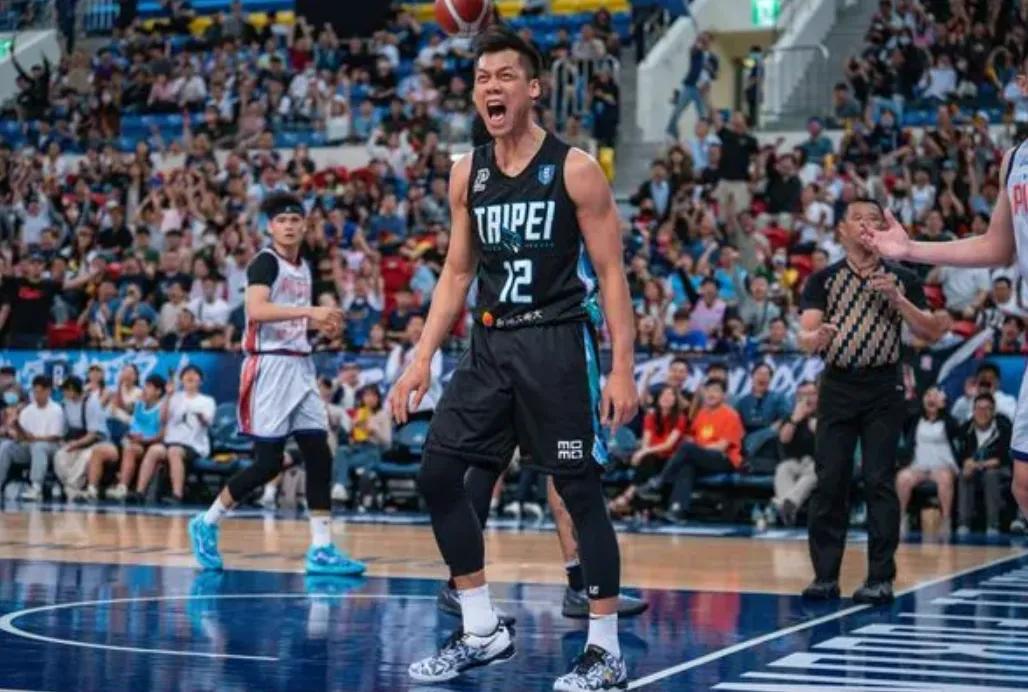
In the past, Taiwanese players were eager to enter the CBA, but now it has become a two-way consideration.
Many star players, tempted by high salaries, core status, and family companionship, decisively choose to return to the home league. Talent return has become a trend that cannot be ignored.
After the CBA implemented the salary cap, the D-type max salary was locked at 6 million (pre-tax), with each team only having three max salary slots. Club salary expenses are strictly constrained, and the era of throwing out huge contracts without counting the cost is gone.
In contrast, in Taiwan, the PLG and TPBL leagues have seen a massive influx of capital, commercial sponsorship is growing rapidly, and teams are willing to invest in lo
cal stars.
In addition to salaries, endorsement deals, commercial activities, and local promotional contracts are bundled together, so the total income can now match or even in some cases exceed what the CBA can offer.
I have to say, the packaging and promotion of the provincial league are quite well done.
A decade ago, this scenario was completely unimaginable...
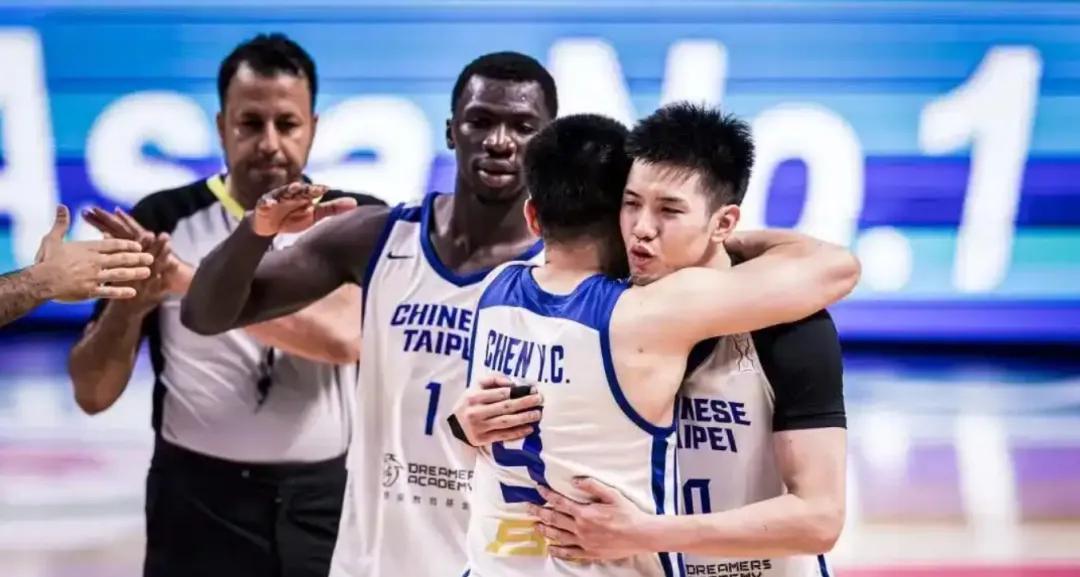
Finally, I want to say one more thing.
Not being able to retain players does not mean that the CBA has lost all its appeal.
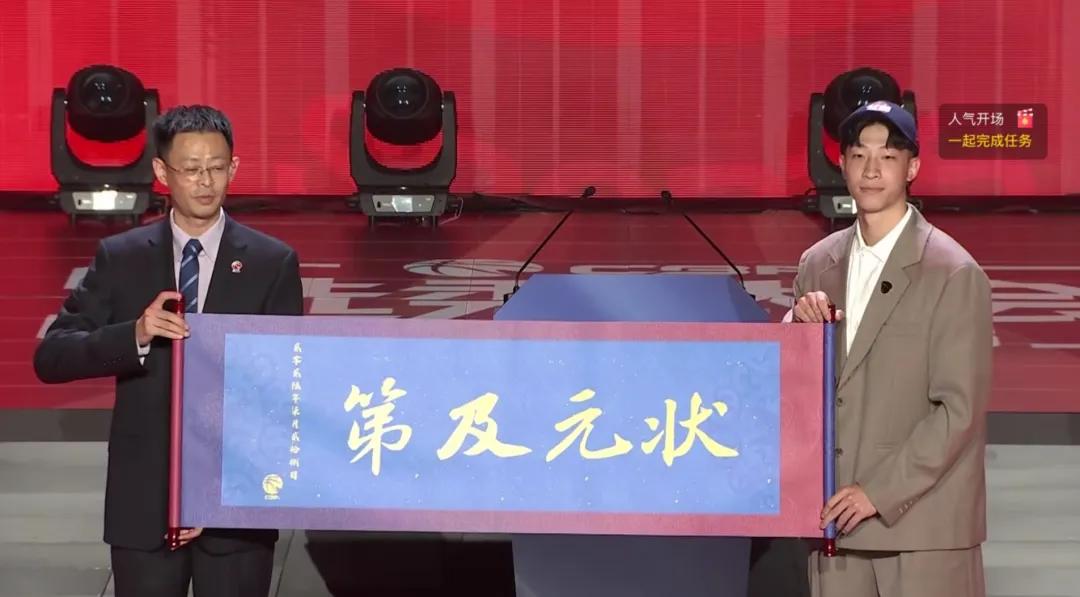
Song Xinhao, the top pick in this year's CBA draft, isn't he also from Taiwan?
For players who pursue competitive excellence and crave tough training, the CBA is still the highest-level professional league in China, which the provincial league cannot match.
For young rookies who have not yet become famous or started a family, the CBA is still a springboard to improve themselves.
After making a name for themselves in the CBA, whether they stay or return home, their personal value will skyrocket.
However, this series of phenomena is definitely a wake-up call for the CBA league, and the reality that needs to be faced is:
Right now, they might just be doing a better job with operations, but what if in 15 years, the Taiwanese provincial league surpasses the CBA in competitive level?
In the end:
A commercial league that cannot make money for its teams is definitely unhealthy.


Wonderfulshortvideo

Imagine getting coached by USA Basketball All-Time Leading Scorer and 4 time gold medalist Kevin Durant? 🤯🤩



Checking in with KD 🎙️ on how his off season is going 👀
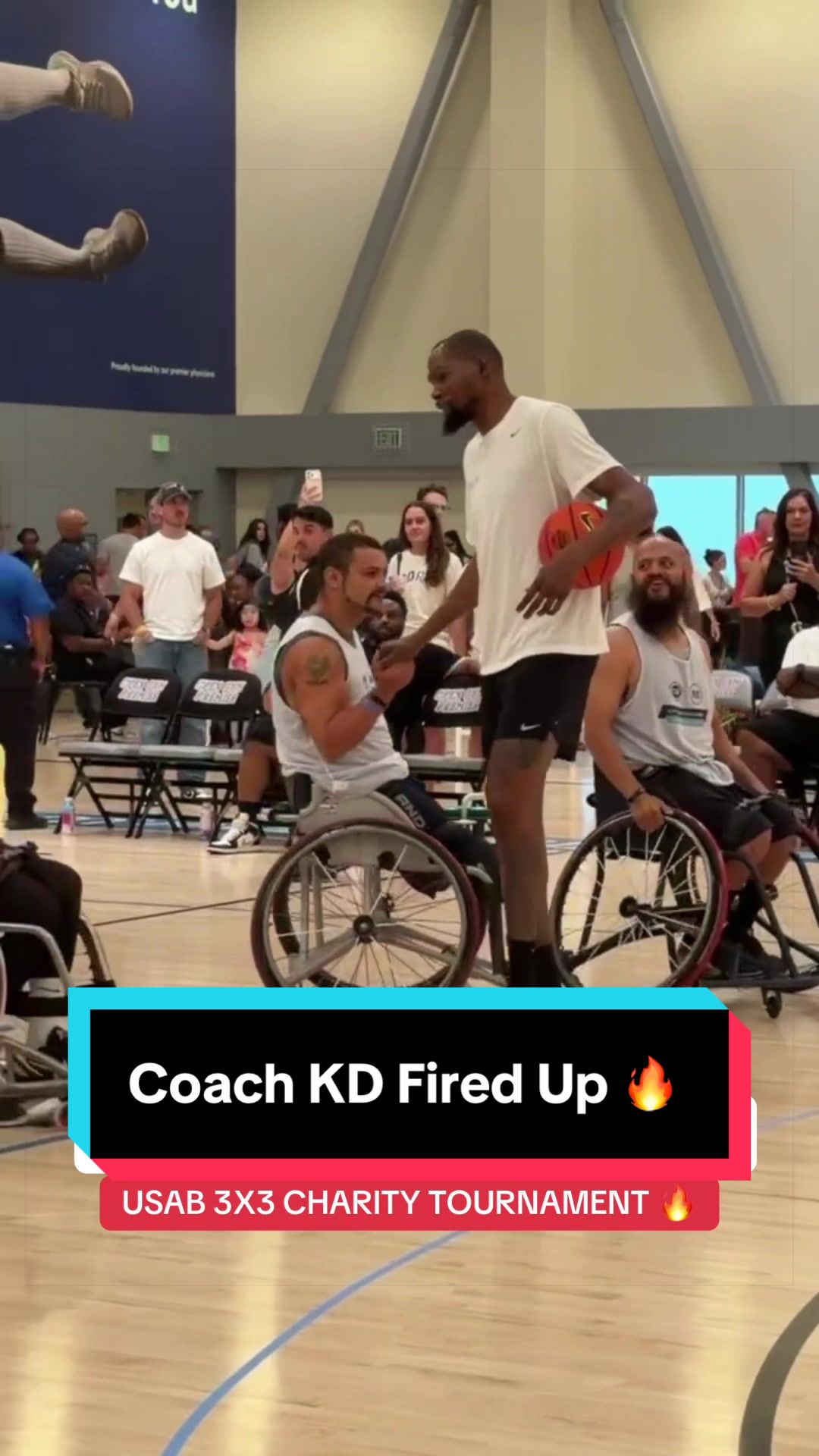
Coach KD celebrating and spreading the love of basketball 🏀
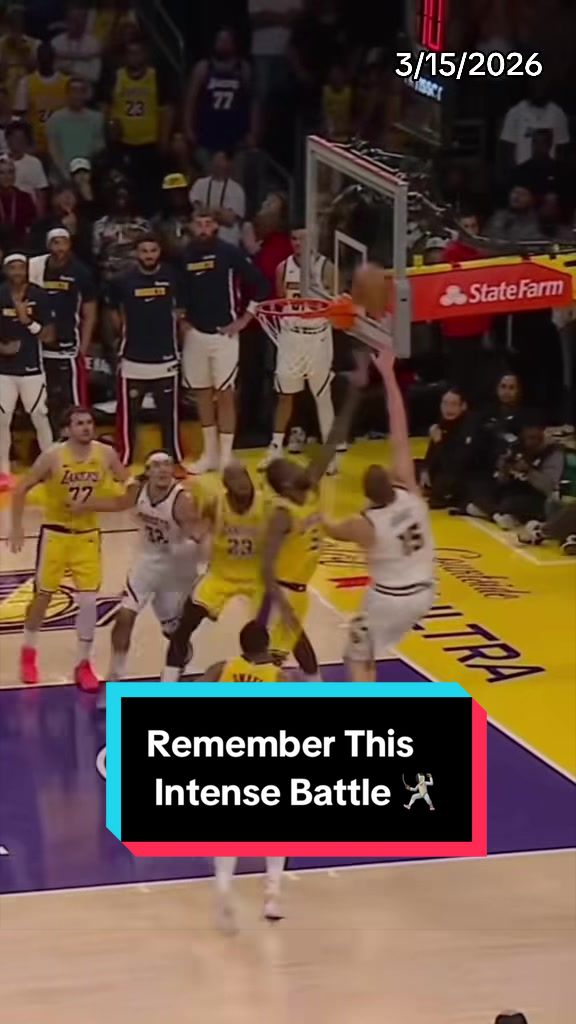
Everybody was on the edge of their seats when this game happened! 💺
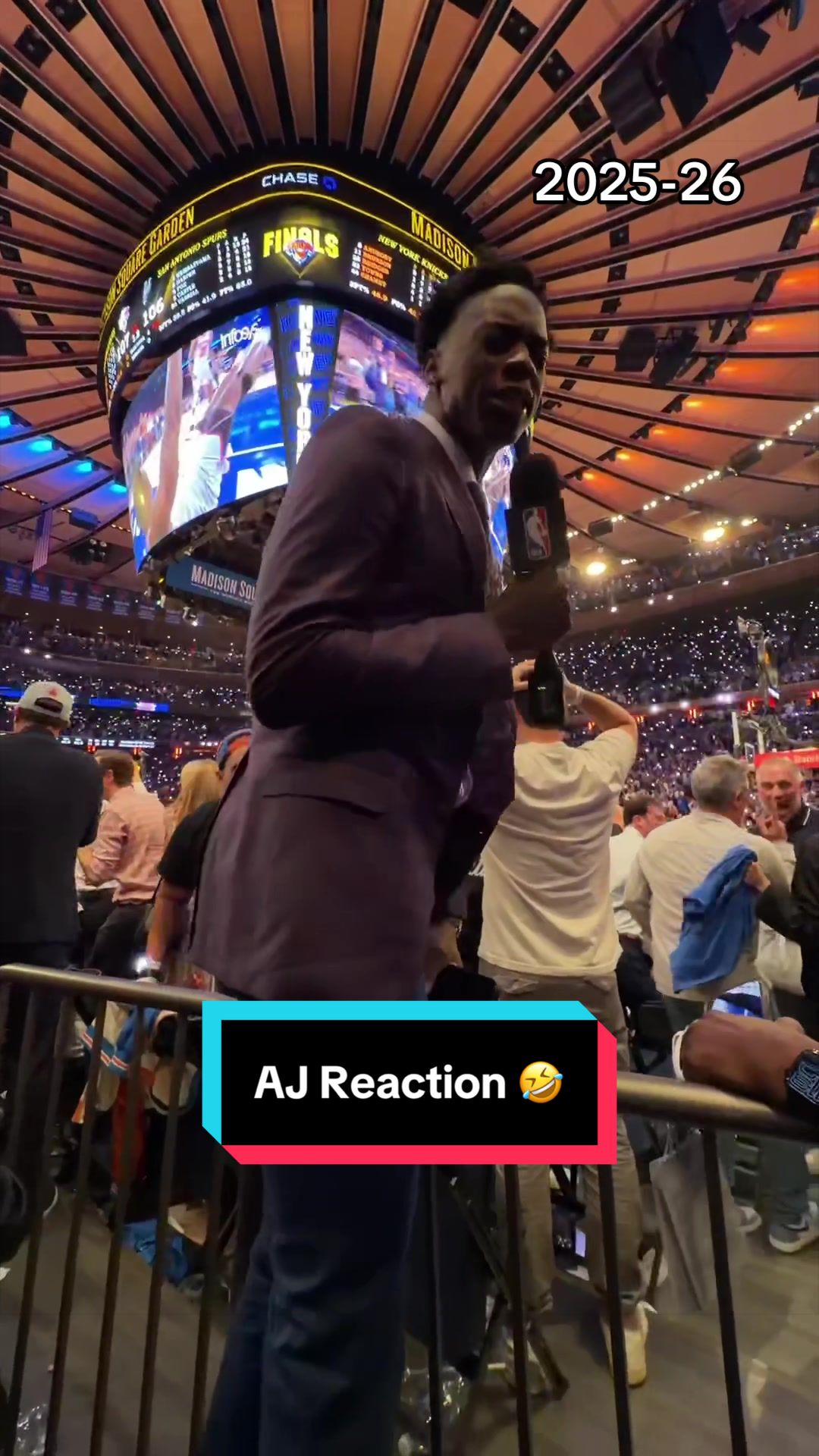
AJ was speechless 😭

Collin's ready to bring the energy ⚡️
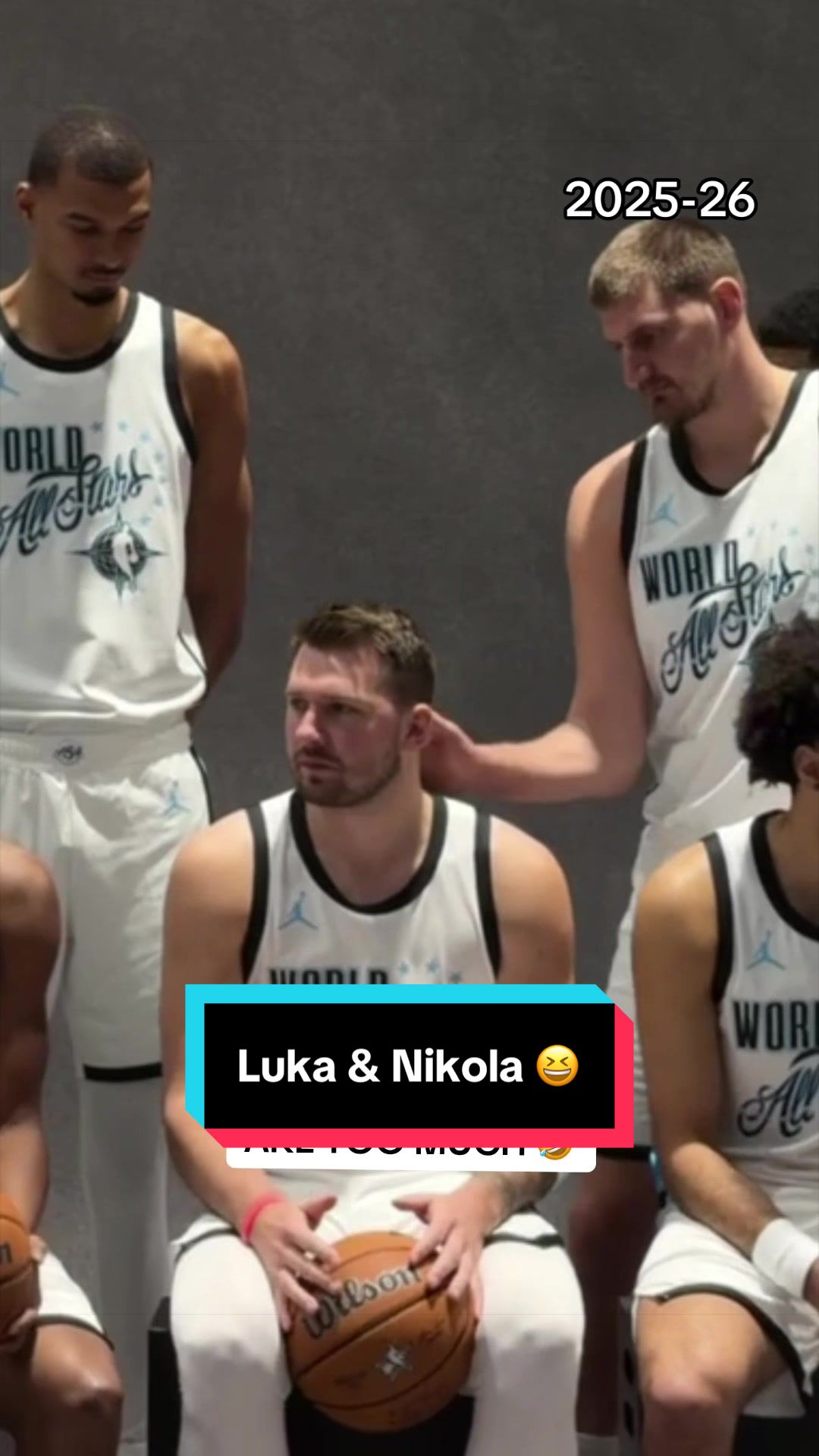
Tomfoolery content of Luka and Nikola at NBA All-Star 😂
 Links
Links
 Contact
 App
App


