



Curry on the Warriors' situation: Injuries to Butler and Moody have disrupted all plans, we can only take it step by step



For a long time, Stephen Curry has expressed his desire to play for only one team throughout his career. Now entering his 18th season, he remains committed to that promise, and he himself embodies the Golden State Warriors.
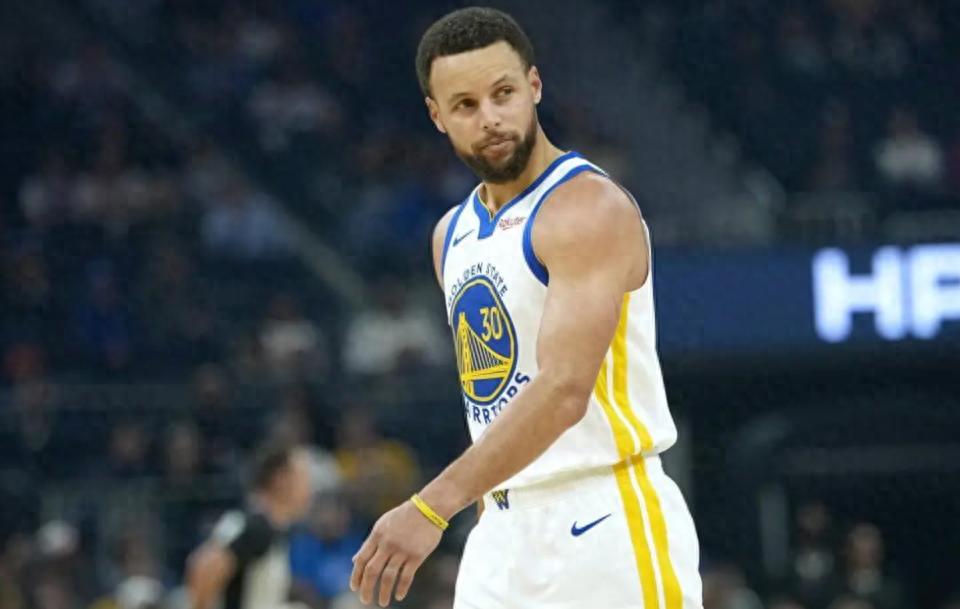

But LeBron James signing with the Philadelphia 76ers, coupled with the Warriors' 37-45 record last season and the lack of meaningful roster improvements, has raised growing doubts about Curry's future. People can't help but ask: It is loyalty that has shaped Curry's legendary career, but in the final stage of his illustrious journey, can that loyalty endure? It was he who elevated this Bay Area team to unprecedented heights.
Recently, at teammate Moses Moody's charity event in North Little Rock, Arkansas, Curry spoke with The Athletic about his future, maintaining his usual cautious and rational demeanor—a style that has defined his nearly 20-year NBA career.
"There's a clear thread here," Curry said. "It's hard for anyone in this situation, especially when we want to keep the current core. You know, after Jimmy (Butler) got hurt and Moses got hurt, all the overall plans changed. How do we maintain the team's level without them? And that carries over into the new season. The situation is the same now. So I'm being realistic about it."
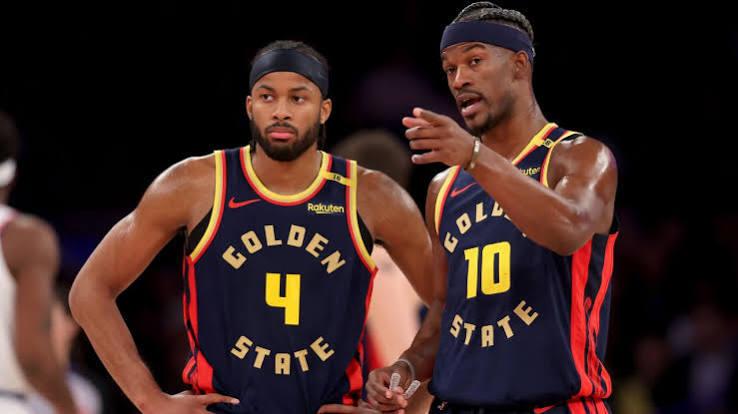
Curry is extremely eager to win, and his competitive drive is as strong as ever, but his response also offers a glimpse into his current mindset. He is not actively seeking a trade; rather, he hopes the Warriors can find a way out of their current predicament. Unlike some superstars, Curry has never pressured the front office to make specific trades. The Warriors have always had a symbiotic relationship with Curry, and this mutual respect between player and team is the core foundation of their four championships.
To find clues about his future direction from his public comments, looking back at Curry's statements before the trade deadline in February this year helps understand his perspective on the team's outlook. At that time, he talked about balancing the need to compete now with protecting the team's long-term future. He made it clear that he also doesn't want the team to "tank right now," but emphasized that he would discuss the team's direction with management and make decisions together.
"Honestly, we can only take it one step at a time," Curry told The Athletic. "We've gotten to where we are without a crystal ball to predict what opportunities will arise, or to foresee the injuries and other changes that come one after another in an NBA season, and how to remain competitive. But I know that any signings, options, or trade opportunities must be handled with a reasonable balance: help the team maintain its current competitiveness without locking up the team's flexibility for the next five to seven years. So far, all decisions made by the team have followed this approach."
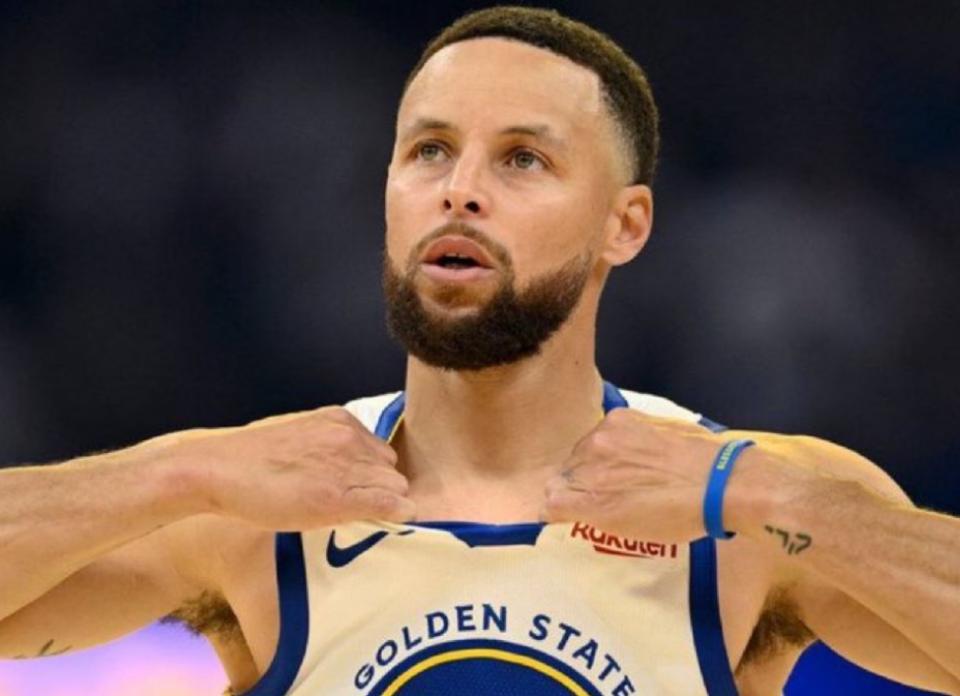
Months later, with the roster barely improved, the entire league is speculating whether Curry's mindset might shift. Fans and media are wondering if Curry, in the final one or two years of his career, might request a trade out of frustration. But judging from his consistent statements and his feelings for the Bay Area, such a scenario remains hard to imagine, as he has repeatedly stated publicly that he is willing to stay with the Warriors.
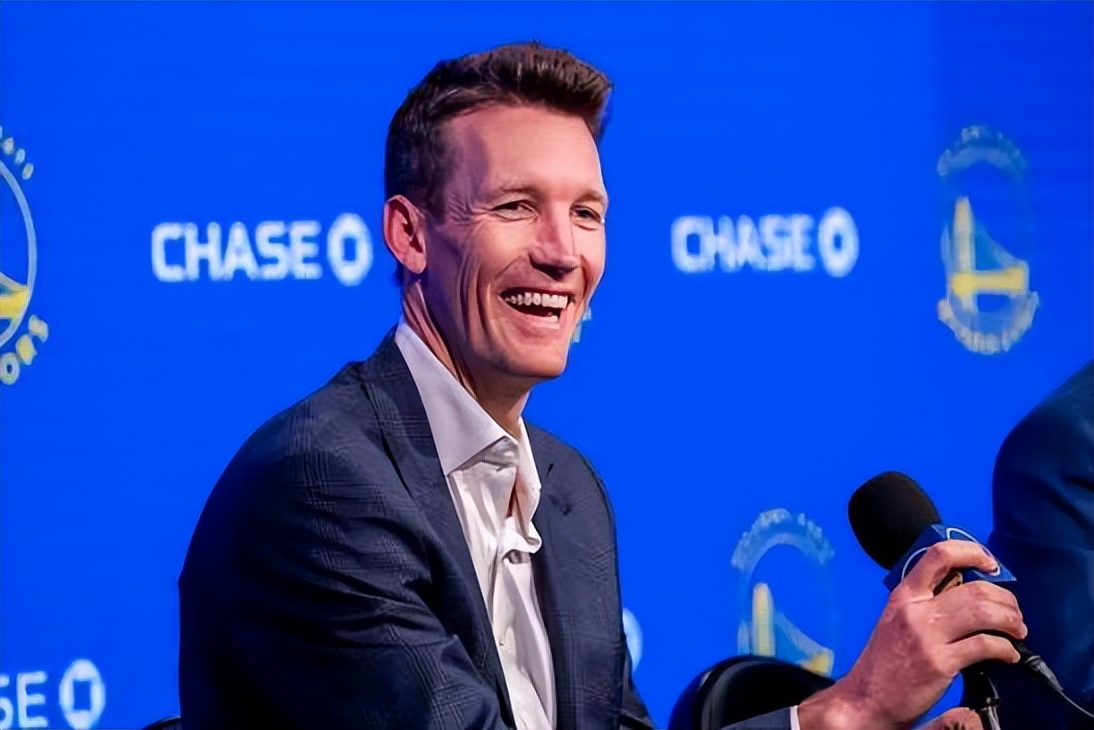
An anonymous team insider revealed that Curry is fully aware of the goals that Warriors general manager Mike Dunleavy and the entire front office are working to achieve. Communication between the superstar and the team has been ongoing for years.
The Warriors have been relentlessly pursuing big-name trade targets, and although recent attempts have often fallen short (the acquisition of Butler before the 2025 trade deadline being one of the few successes), they won't stop chasing. The failure to bring in more stars has frustrated the fan base. But across the league, the Warriors' operating model and spending philosophy are still widely praised. Curry remains a huge draw, but when it comes to finding a second star to pair with this future Hall of Famer, the Warriors have often been second-best, repeatedly missing out on their targets.
Last season, the Warriors won fewer than half their games, and aside from rookie Lundberg, the roster remained essentially unchanged, angering many fans. However, Dunleavy and owner Joe Lacob made the right decision not to mortgage multiple future first-round picks for a marginal boost in the short term. This summer, the only player worth such a high price—one who could directly close the talent gap—was Giannis Antetokounmpo. He has been the Warriors' dream franchise-altering star for years, but they lacked the trade assets to make that acquisition happen.
If fans want to express dissatisfaction with management, this is the root of the conflict. The Warriors' selections of James Wiseman in 2020 and Jonathan Kuminga in 2021 directly prevented them from acquiring Giannis. The failure of those two players to develop also made other blockbuster trades difficult. As Curry enters the later stages of his career, he has to shoulder a heavier load every night. After Butler's injury, Dunleavy made it clear: only a certain caliber of star is worth using future draft picks in a trade. It's important to remember this statement as everyone watches how the Warriors will operate in the twilight of the Curry era.
"My thinking is, if we're going to give up draft picks that won't convey until after Curry is gone, then the player we get in return must still be on our team when those picks are actually sent," Dunleavy said at the time. "That player has to have a huge impact... If there is truly a top-tier star available for trade, we are willing to use all the assets we have."
This principle hasn't changed going into this offseason. The Warriors, with limited salary cap flexibility, made no major moves aside from drafting Lundberg. This is also a key signal for the new season: no big trade this summer doesn't mean they won't make a move before the February trade deadline next year.
The upcoming 2026-27 season feels eerily similar to the start of the 2019-20 season, and that is not a good sign.
Both Curry and Dunleavy have publicly stated that a contract extension could be completed later this month. Whether Curry signs a new deal before the season starts will be a major indicator of how he views the team's direction and his own thoughts entering his 18th season.
Besides Curry's extension, another major issue for the Warriors is whether they can complete a rookie extension for fourth-year guard Brandin Podziemski before the new season begins. Dunleavy has consistently insisted that he doesn't want the team's future burdened by large, long-term contracts. The current situation confirms this: the only players under contract beyond next season are Moody, Al Horford, De'Anthony Melton, Gui Santos, Will Richardson, and Lundberg.
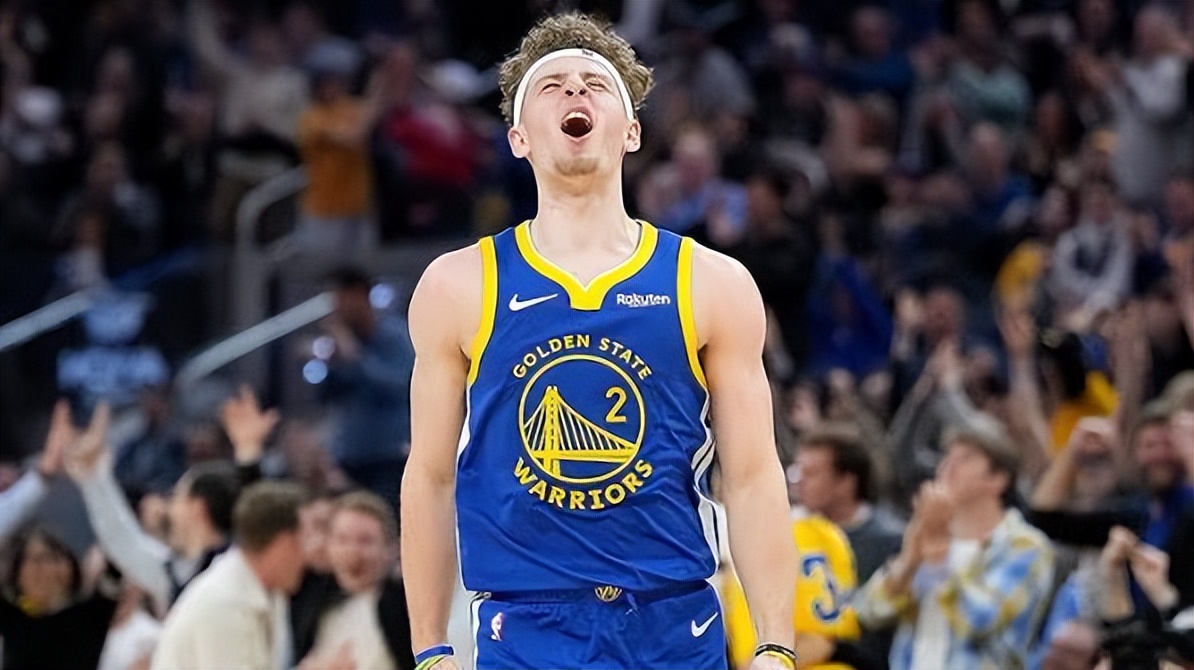
After the extensions for Curry and Podziemski are settled, a thorny issue will persist throughout the new season, directly affecting Curry's present and future.Both Jimmy Butler and Draymond Green have expressed their desire to finish their careers with the Warriors, and negotiations for both will be filled with uncertainty.
Green has long been a Warriors icon, but his on-court value no longer matches his nearly $28 million salary for this season. Butler holds a maximum contract worth nearly $57 million this season, and after suffering a career-altering ACL injury, he is expected to return mid-season, but whether he can regain his pre-injury form remains unknown. Are these two future Hall of Famers willing to take significant pay cuts to stay with the Warriors? Are they still suitable for the team's future blueprint?
As always, Curry's opinion will carry significant weight in these decisions. He has defined the team's past and present. Now, the focus is on how much he will continue to shape the Warriors' future.


Wonderfulshortvideo
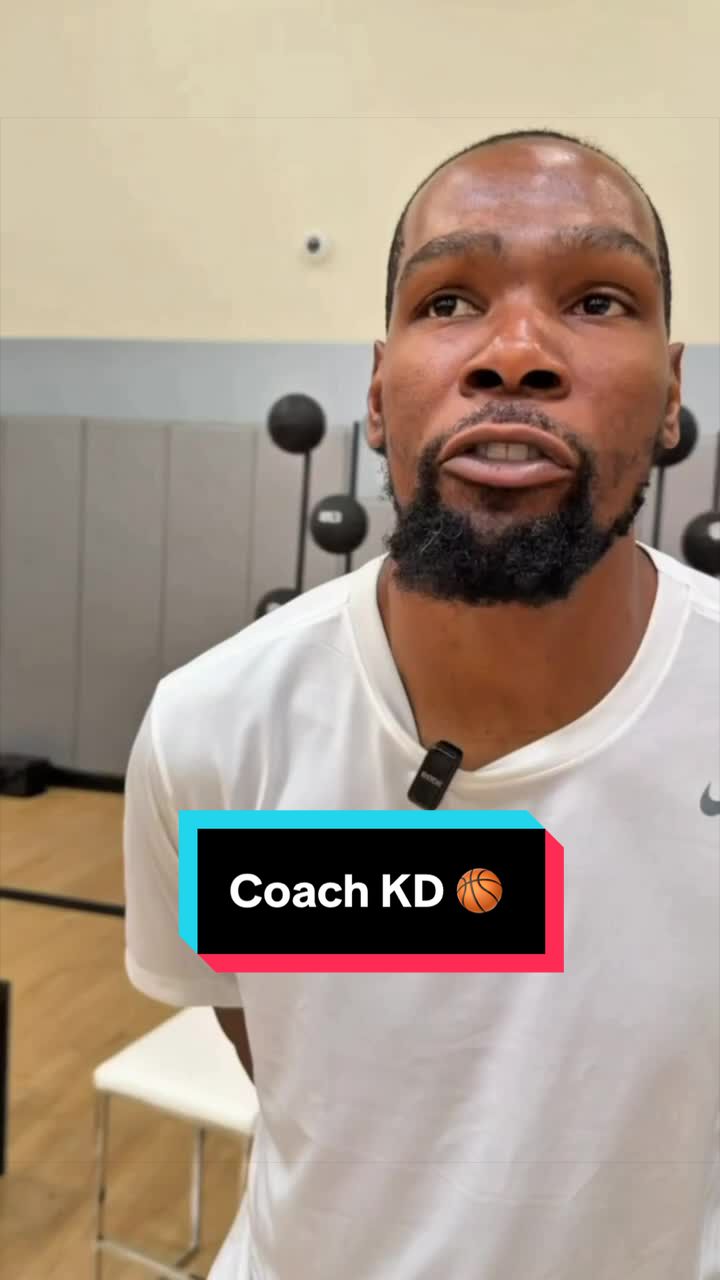
Imagine getting coached by USA Basketball All-Time Leading Scorer and 4 time gold medalist Kevin Durant? 🤯🤩


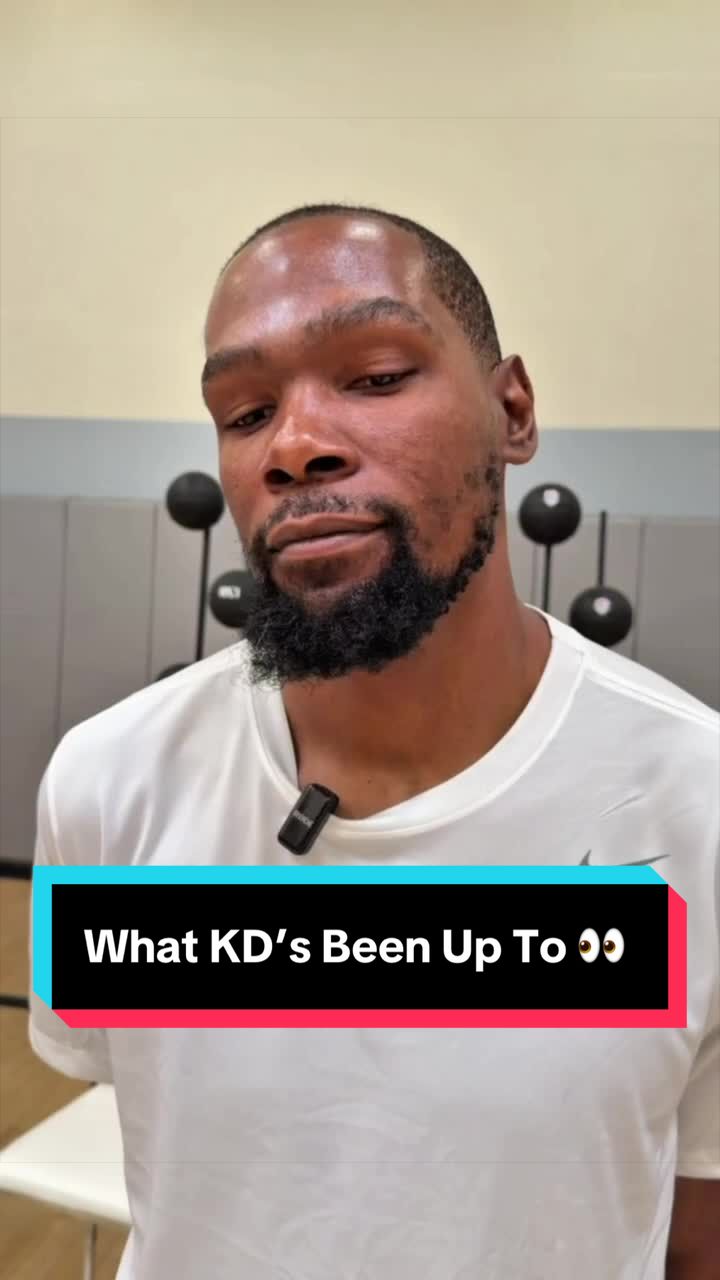
Checking in with KD 🎙️ on how his off season is going 👀
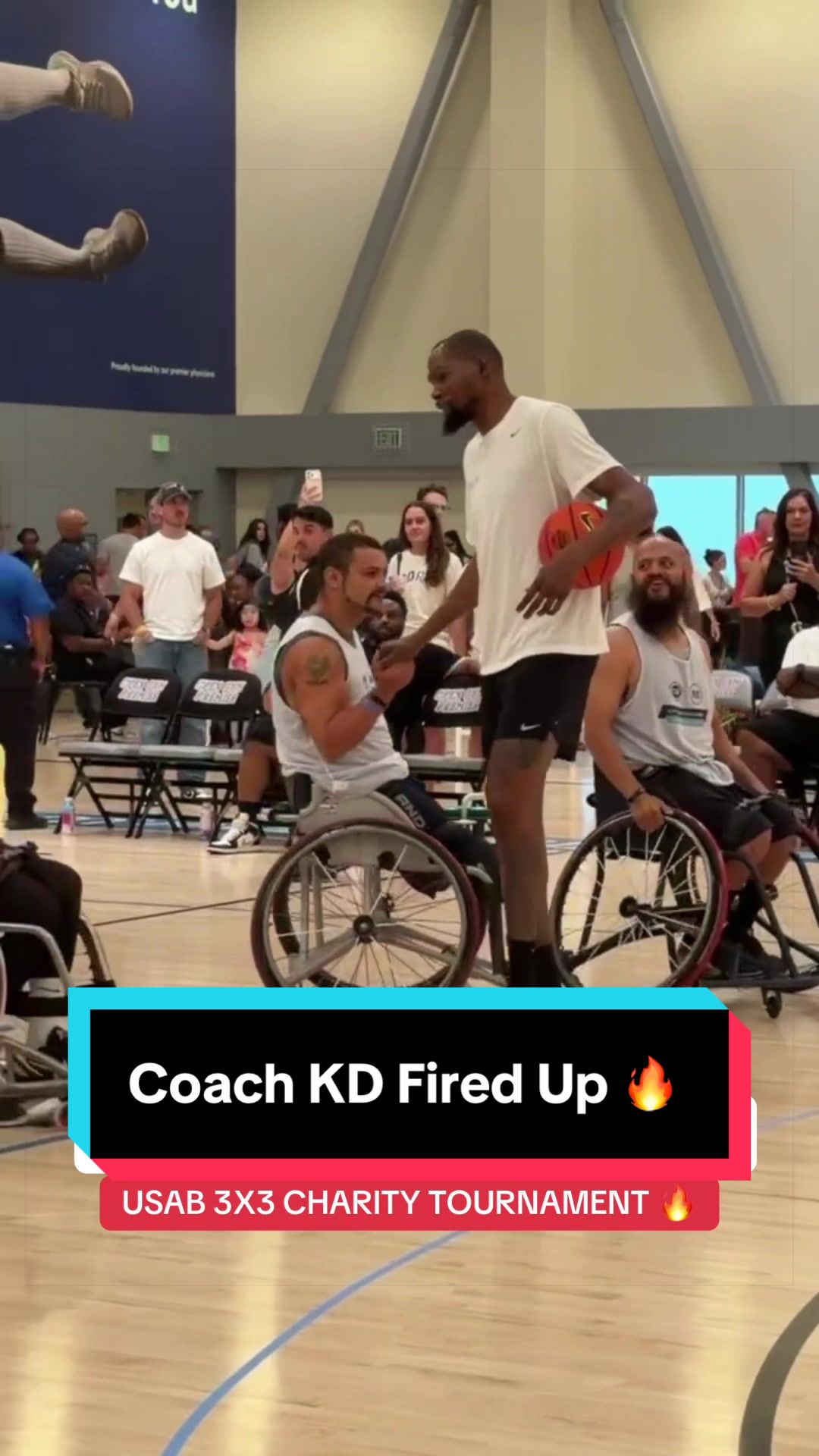
Coach KD celebrating and spreading the love of basketball 🏀
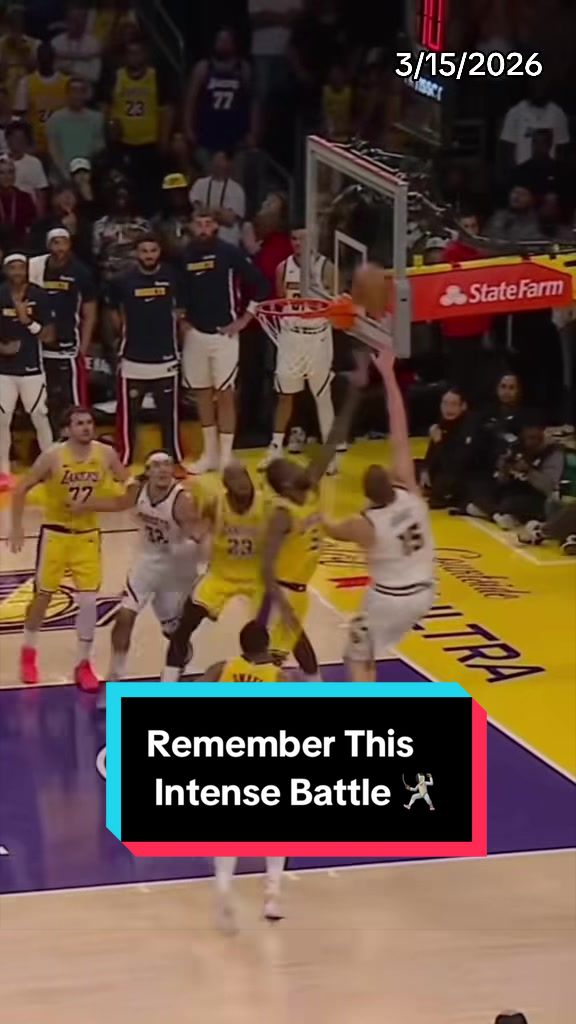
Everybody was on the edge of their seats when this game happened! 💺
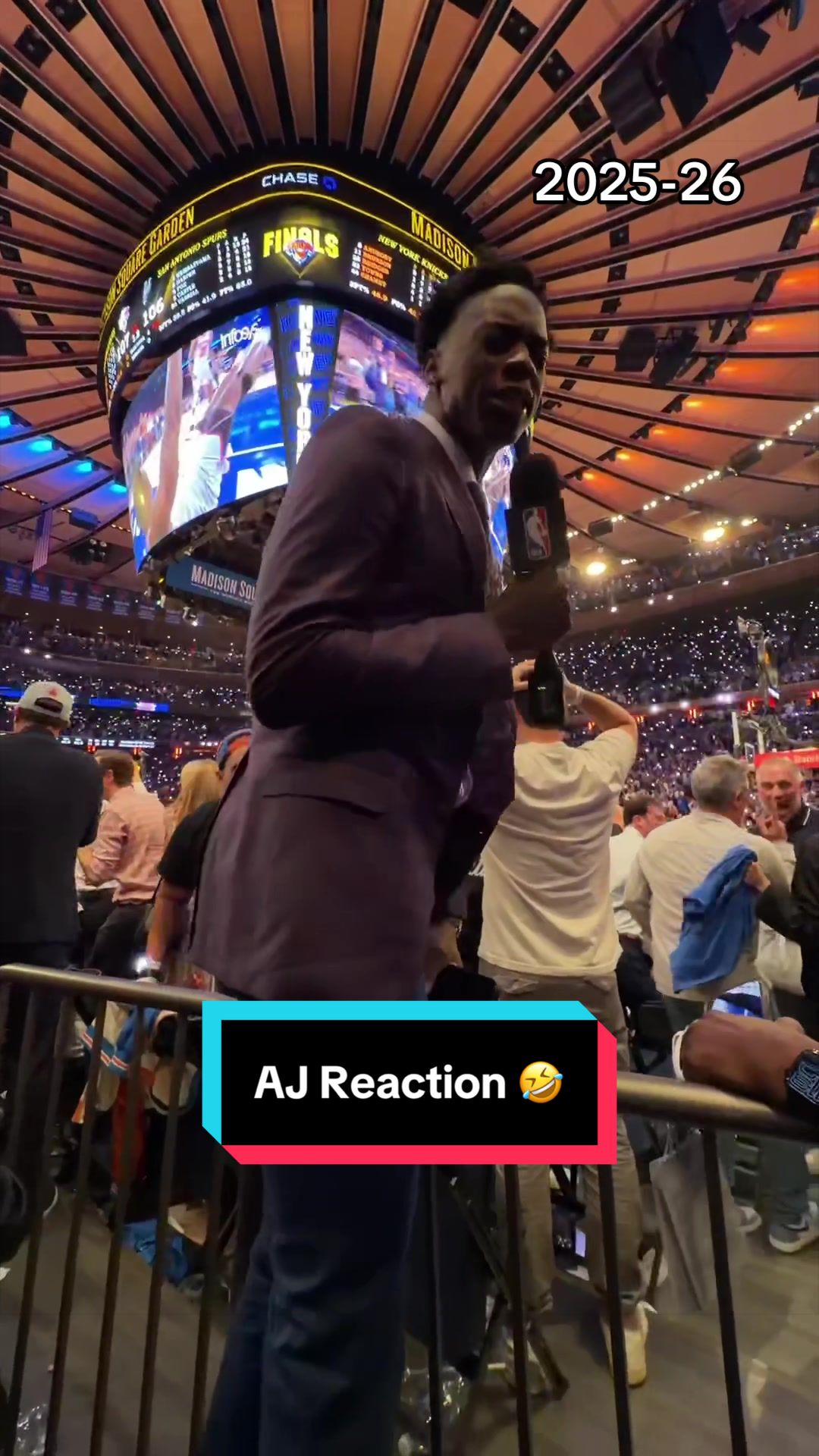
AJ was speechless 😭
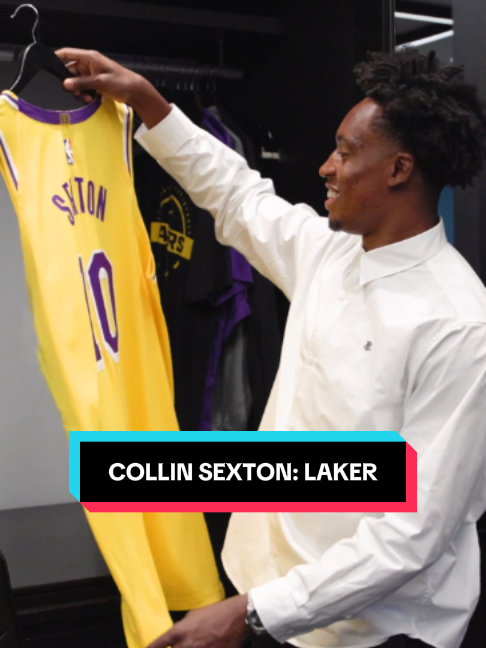
Collin's ready to bring the energy ⚡️
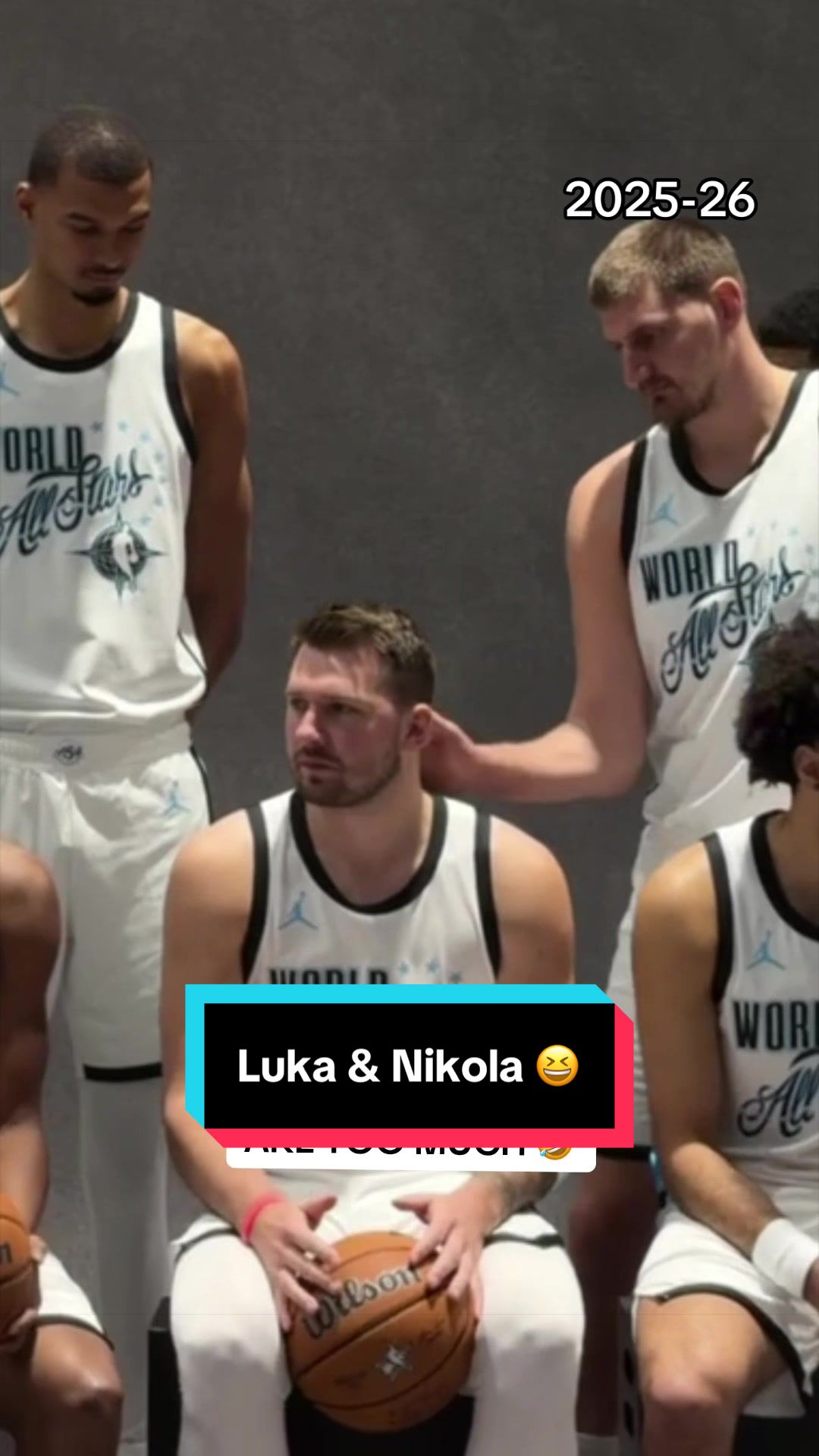
Tomfoolery content of Luka and Nikola at NBA All-Star 😂
 Links
Links
 Contact
 App
App


