



CBA teams exhibit extreme wealth disparity


This post may only resonate deeply with those who are already working and have some life experience.
The state-owned enterprise-backed CBA teams include: Beijing Ducks, Beijing Royal Fighters, Shanghai Sharks, Shandong Heroes, Qingdao Eagles, and Shanxi Loongs.
Most are under local state-owned assets supervision commissions, state-owned cultural tourism groups, urban investment companies, or state-owned industry platforms.
The biggest characteristic of such teams is that profit is not their performance target.
Professional basketball in this context is not a business; it's a city's sports名片, public cultural infrastructure, cultural tourism showcase, and a livelihood sports project...
The remaining private enterprise teams, such as Sichuan, Jiangsu, Tongxi...
Private owners operate purely on a market-based, self-funded model, following the harshest business logic: stop losses if not profitable, cut investment if running at a loss.
The teams have no independent ability to generate revenue; all investment relies entirely on the profits of the parent company's main business.
As the real economy declines, corporate revenues fall, and industries cool down, basketball clubs are the first non-core assets to be cut, because many of these team owners are in real estate.
I won't elaborate on the current situation.
Once the owner faces cash flow issues, the team immediately faces budget cuts, player sales, and salary arrears.
The most typical example is Sichuan.
A team that once won the CBA championship has now fallen to this state.
Another case is Zhejiang Guangsha.
It can disband just like that...
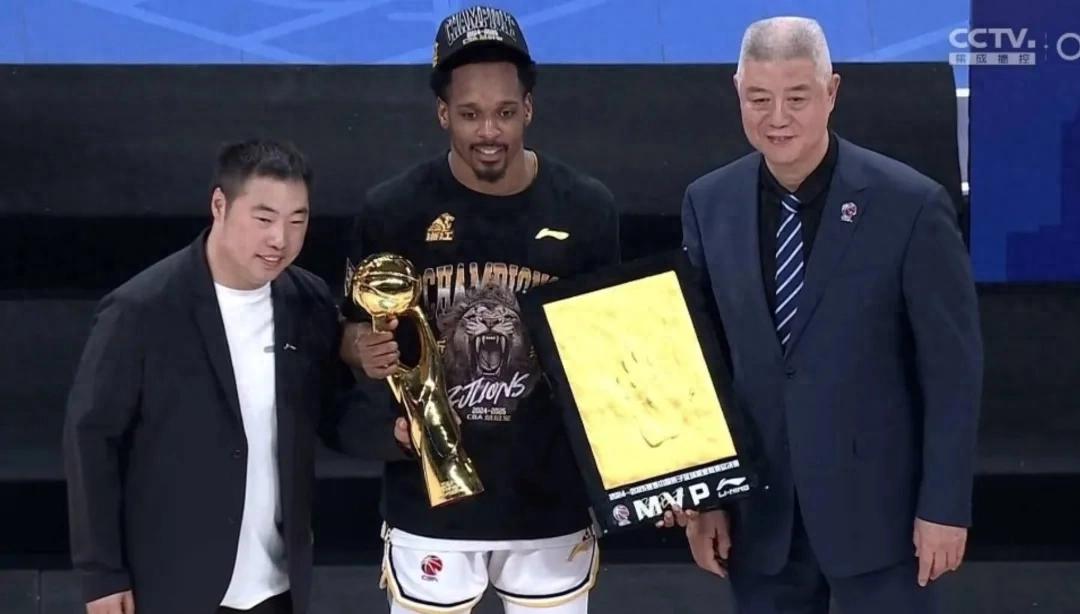
The fundamental difference in capital directly creates two extreme operational models in the CBA.
Teams with deep pockets, represented by Beijing Shougang and Shanghai Jiushi, have entered a full-scale luxury arms race.
Top domestic national team players, rising young stars, and quality role players – as long as they are willing to transfer, state-owned giants can poach them with high training compensation, stable contracts, top platforms, and city resources.
You might ask: Isn't there a salary cap?
Where there's a policy, there's a loophole.
Solving a child's school district housing issue can easily bypass the rules, let alone the high training compensation fees.
The NBA has its loopholes, so ours are even more...
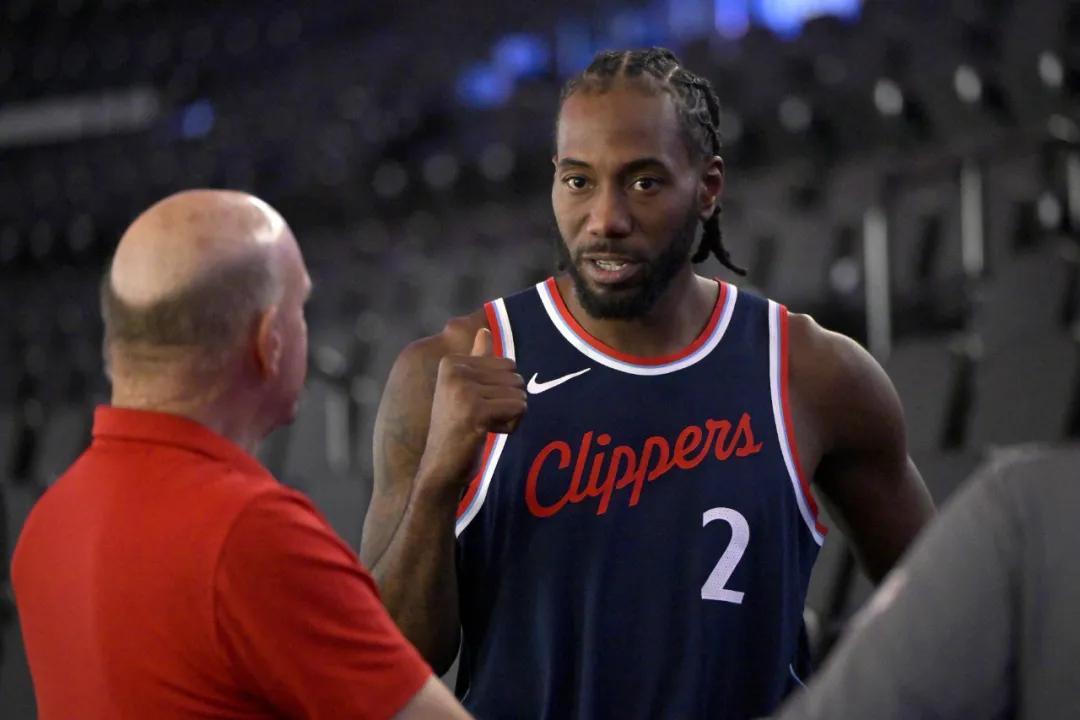
The wealth gap between state-owned and private CBA teams ultimately leads to an extreme one-way flow of talent, completely destroying the competitive fairness of the league.
You might also say: Over the past 10 years, the teams that won the most championships were Liaoning and Guangdong. Why?
My answer is:
1. Let's see the next 10 years.
2. Try putting Liaoning and Guangdong without government support...
The ultimate charm of competitive sports is always fair competition, comeback wins, and diverse schools of thought.
Why is the NBA successful? Not just because of how much money they make, but because through various systems, the past 8 years have seen different champions.
Every team sees hope.
Whether for ordinary people or professional teams, one word is crucial for survival: "hope."
Back to CBA private teams: their hope doesn't have to be the championship.
Under the extreme wealth disparity in the CBA, the championship will ultimately be a feast for very few teams, and for many years to come, it may belong to state-owned-backed teams.
In the short term, this problem has no solution.
Yang Ming once expressed his frustration...
What he meant was that it's very difficult for Liaoning to buy star players like Chen Yingjun.
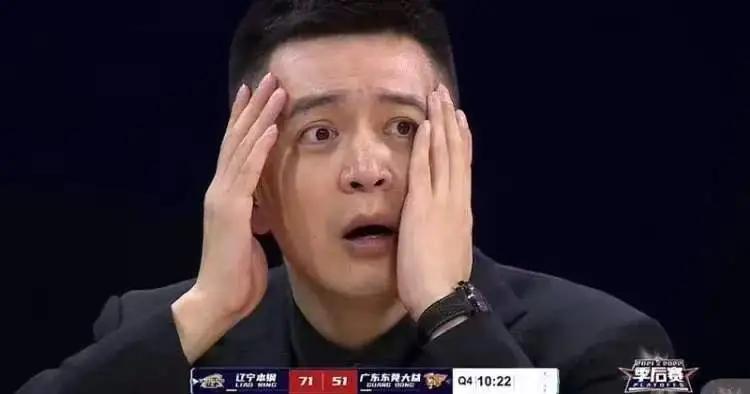
Why have I praised the "supermarket opening" of Guangzhou Loong Lions multiple times over the past two years?
Simply surviving, operating healthily, and continuously supplying talent to the league is also a form of success.
Many people, when seeing the Loong Lions lose a large number of key players during the offseason, mock the team for selling players.
But peel back the surface: this is not a desperate fire sale to cut losses; it's a complete, closed-loop survival model.
Finding your own way to live is more important than anything.
What's impressive about them is that they don't simply kill the goose that lays the golden eggs.
If you only sell players without developing new ones, the shelves will soon be empty. Currently, the Loong Lions still have talented players.
Sichuan also wants to sell players, but apart from Duan Ruiqi, what else?
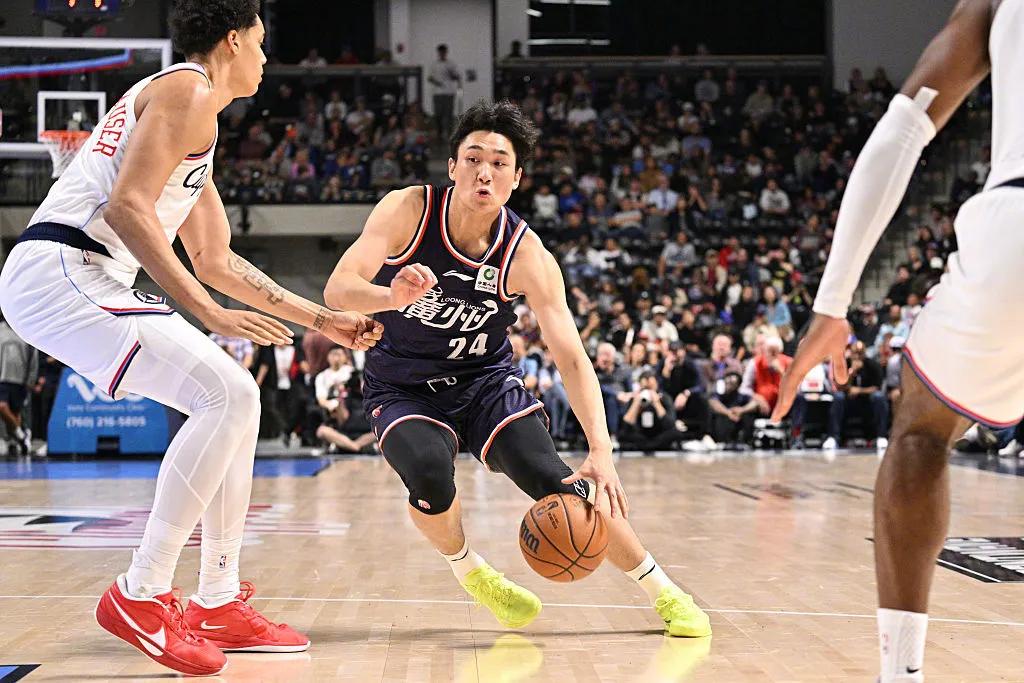
As fans, we are used to measuring a team's success by championships.
But we often overlook a basic premise: the club must survive before any lofty ideals can be discussed.
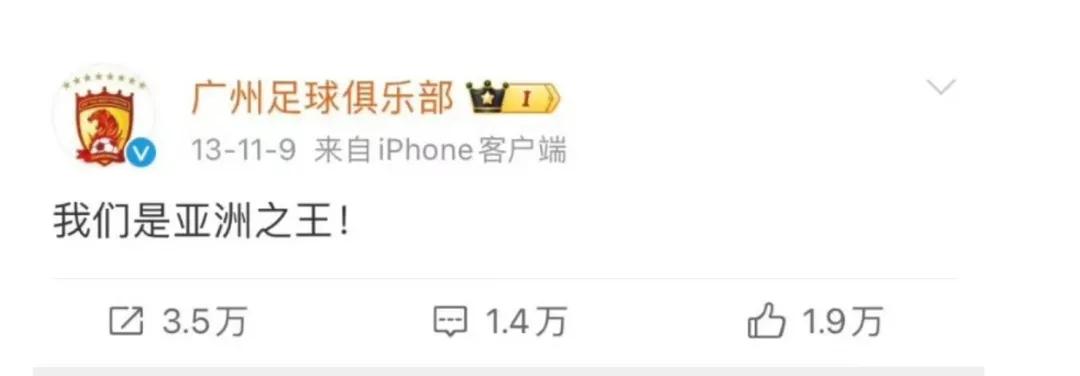
Football fans in Guangzhou will surely understand this sentiment.


Wonderfulshortvideo
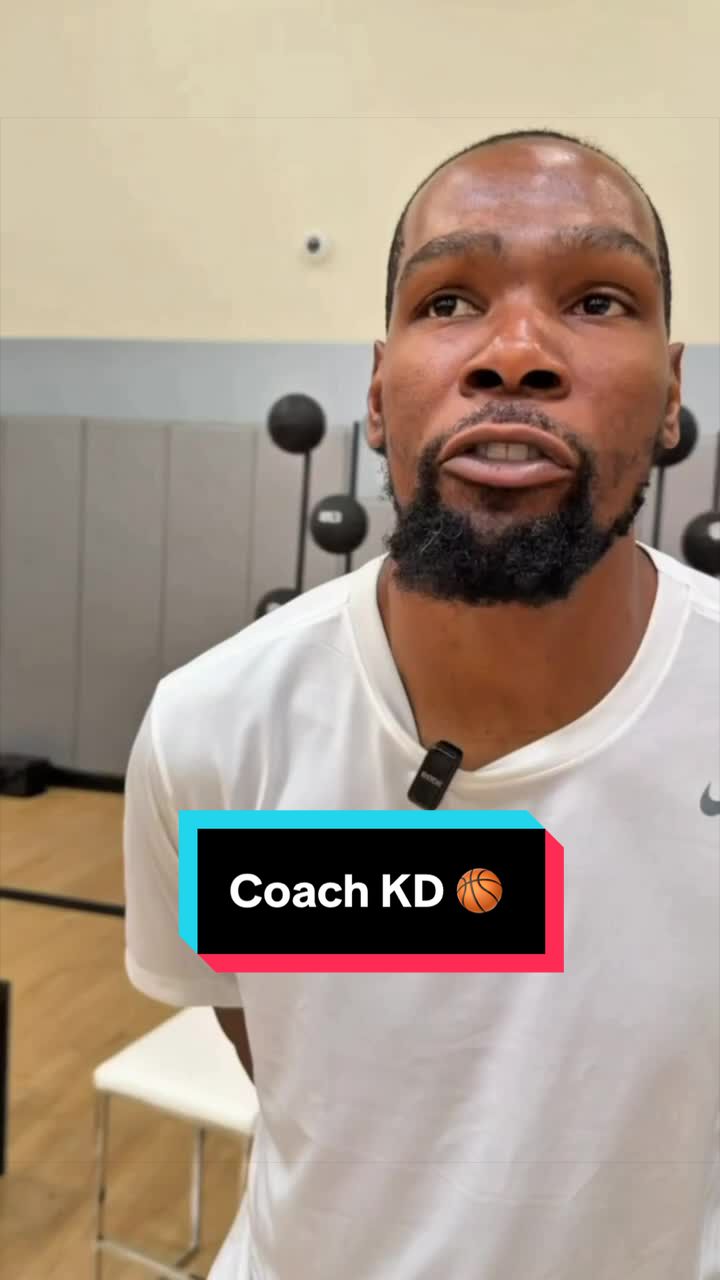
Imagine getting coached by USA Basketball All-Time Leading Scorer and 4 time gold medalist Kevin Durant? 🤯🤩


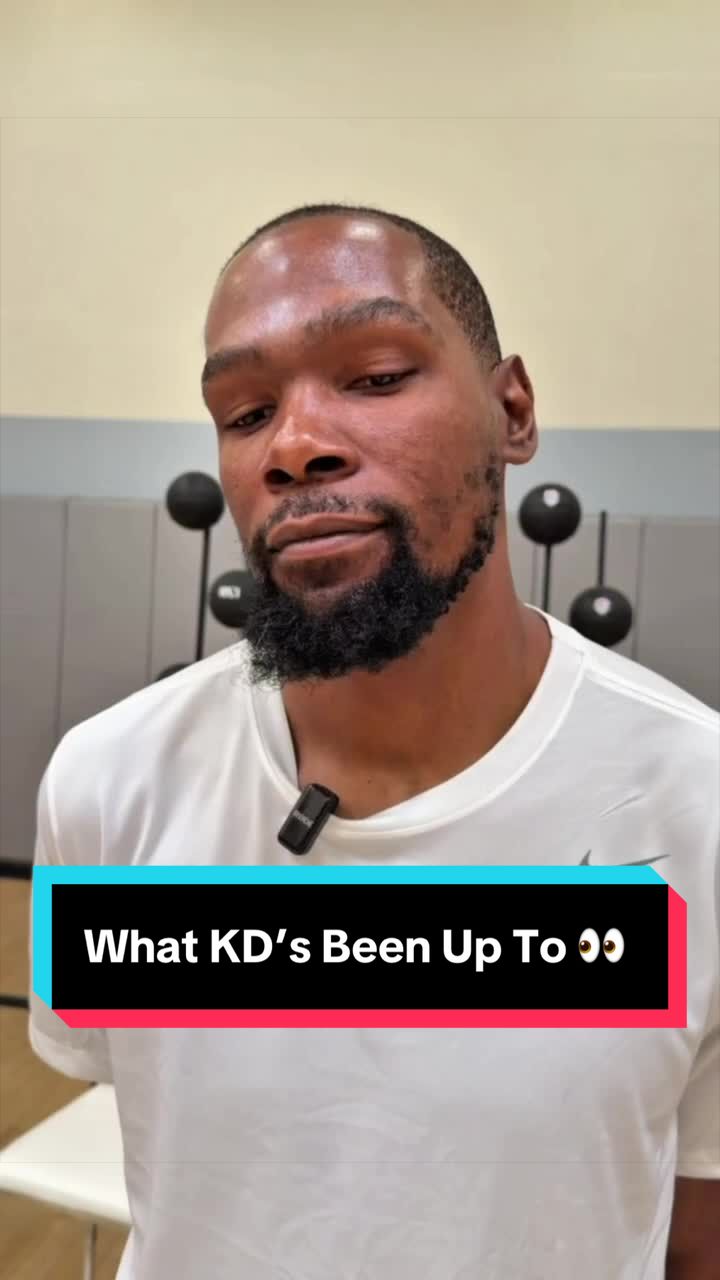
Checking in with KD 🎙️ on how his off season is going 👀
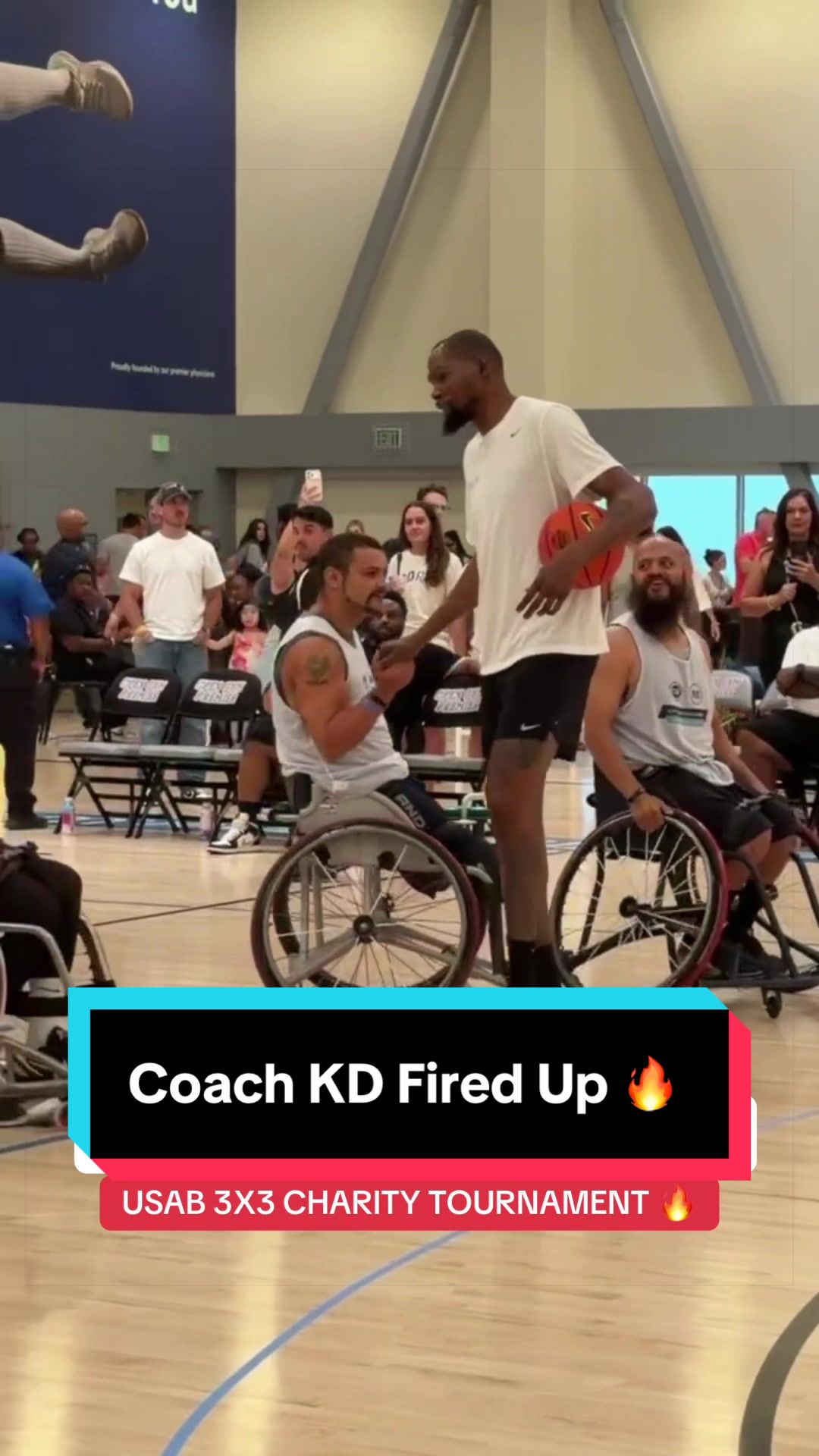
Coach KD celebrating and spreading the love of basketball 🏀
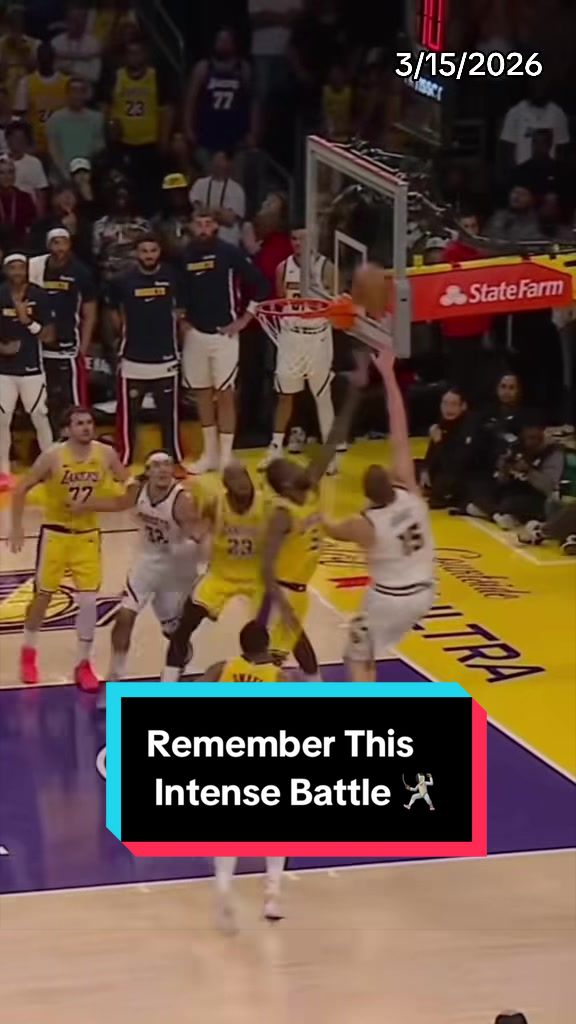
Everybody was on the edge of their seats when this game happened! 💺
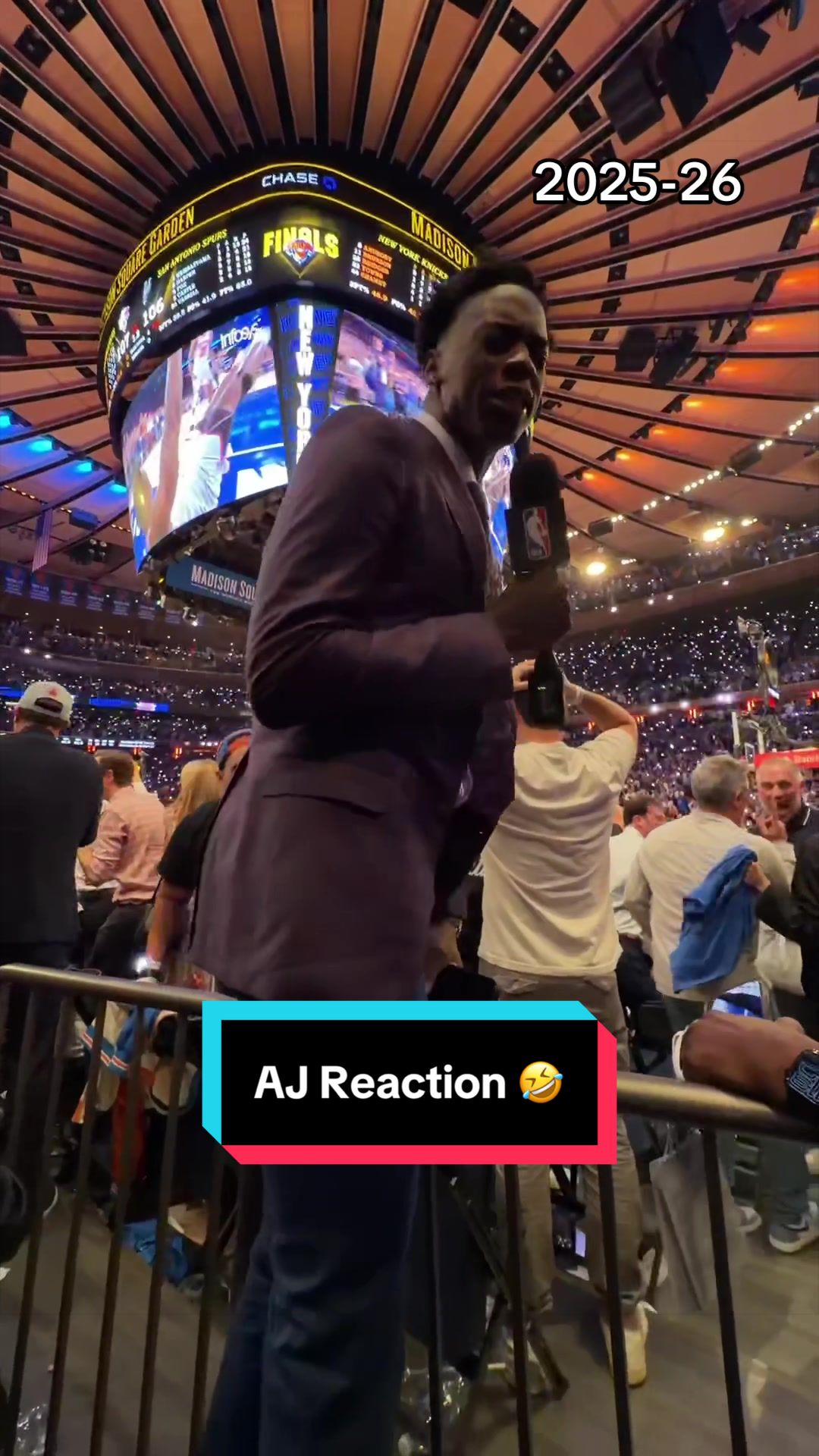
AJ was speechless 😭
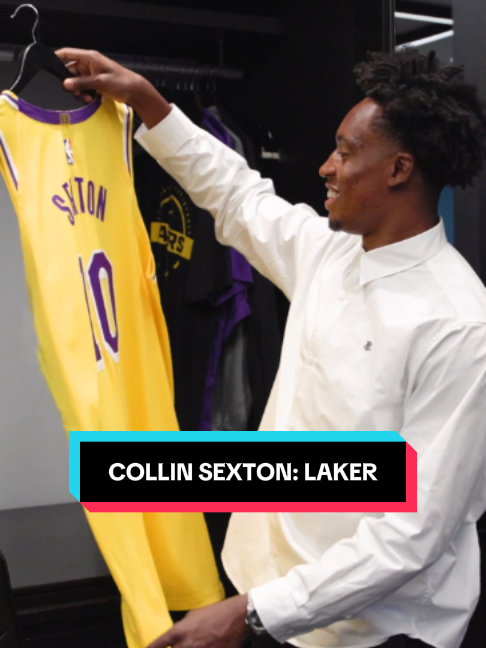
Collin's ready to bring the energy ⚡️
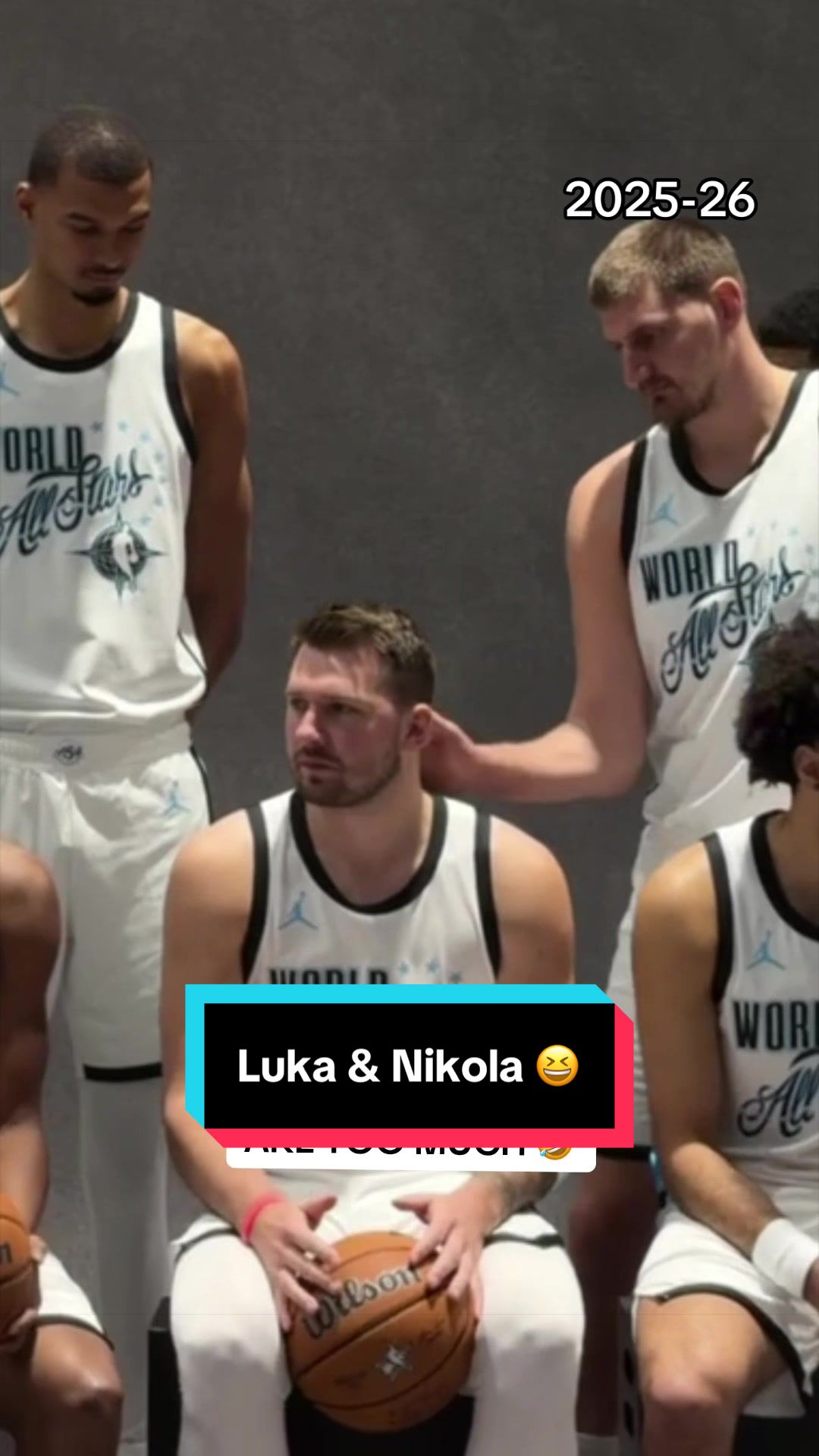
Tomfoolery content of Luka and Nikola at NBA All-Star 😂
 Links
Links
 Contact
 App
App


