



Things have turned upside down—how dare Duren ask for a contract bigger than Wembanyama's?


In my opinion, the most jaw-dropping news of the NBA offseason so far is Duren demanding a five-year, $287 million supermax extension from the Pistons. Even if Duren is deliberately aiming high to leave room for negotiation, this number is still ridiculously exaggerated.
For a clear comparison, the current league superstar Victor Wembanyama only signed a five-year, $252 million early extension with the Spurs this offseason. He could have gotten a five-year, $300 million deal from the Spurs, and he would have definitely received it, but Wembanyama chose to take a pay cut on his first big contract, which is truly admirable.
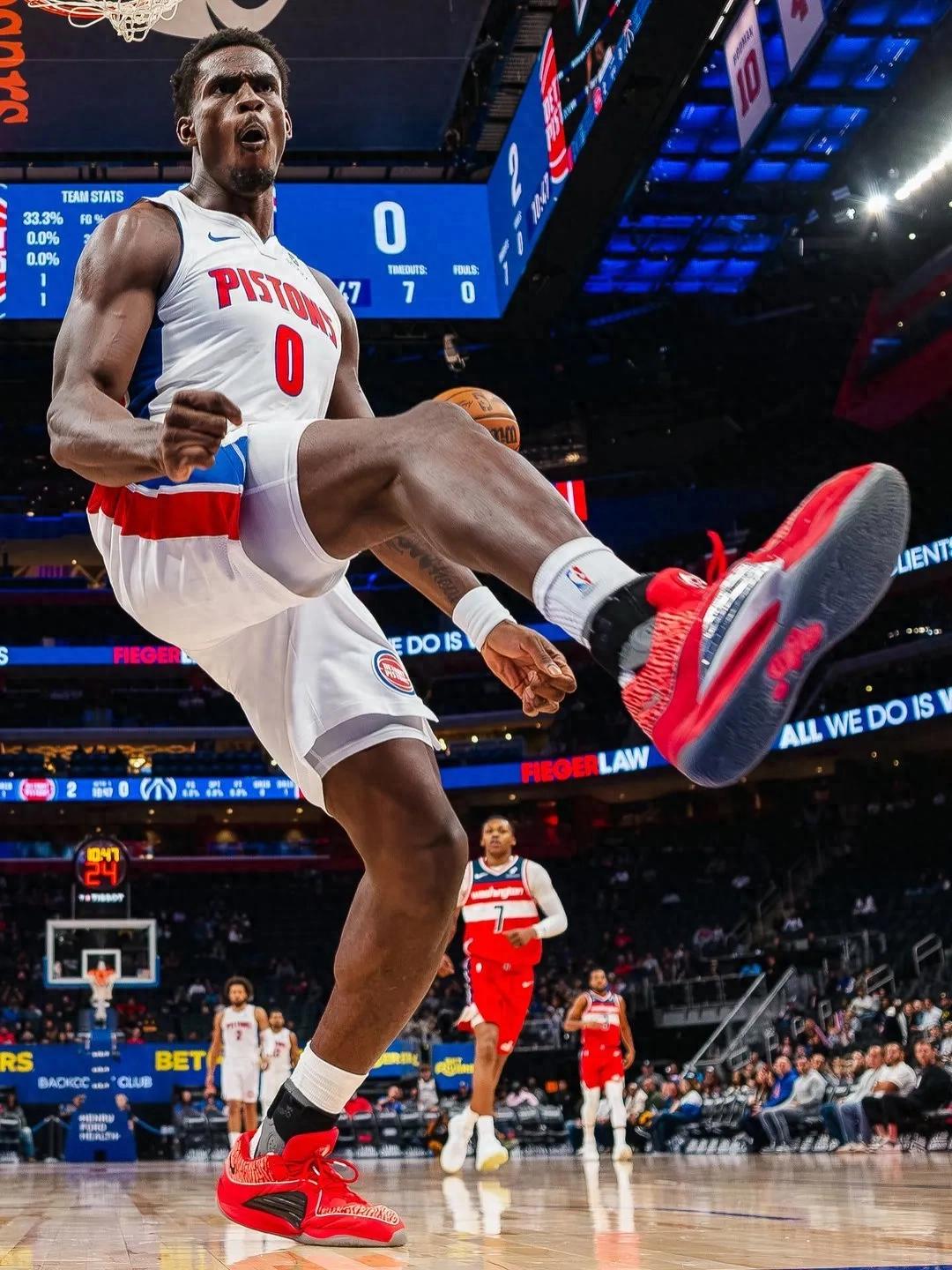
Even if the whole world collectively forgets Duren's terrible playoff performance, his regular-season stats are still far from deserving this max contract. Last regular season, Duren played 70 games, all starts, averaging under 30 minutes with 19.5 points and 10.5 rebounds, shooting 65.0% from the field. He made the All-Star game riding the Pistons' hot streak and also earned a spot on the All-NBA Third Team.
How can a center who barely averages 20+10, is only average defensively, has no mid-range or three-point shooting ability, relies solely on close-range dunks, and basically has no self-created offense dare to ask for a supermax right off the bat? In my view, only two and a half centers in the league today deserve a supermax: Wembanyama, Jokić, and a fully healthy Embiid.
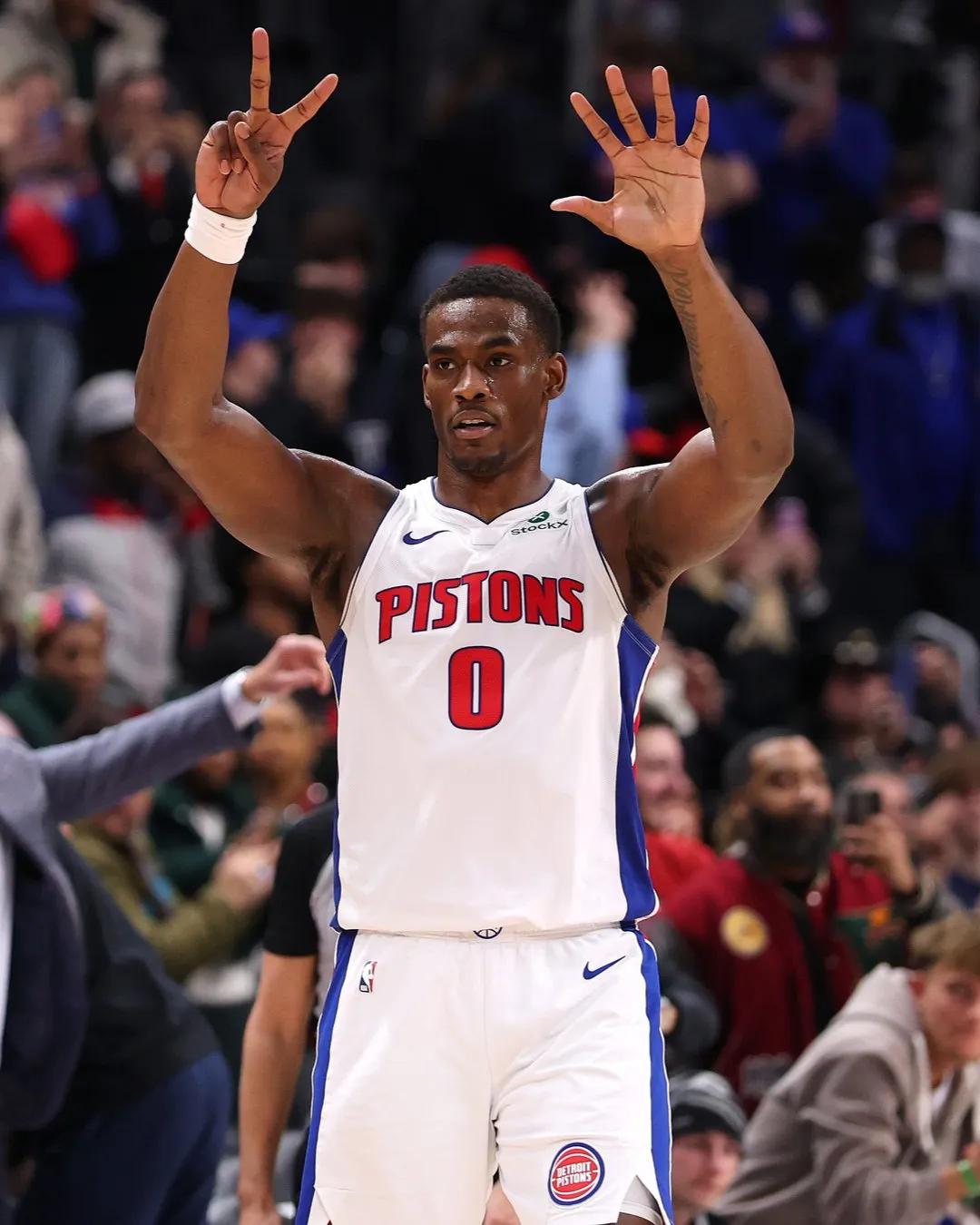
If we factor in Duren's playoff impression, he downgrades from an All-Star center to a barely adequate starting center. In the playoffs, he averaged 10.2 points and 8.5 rebounds, with a true shooting percentage of 55.2%, showing a significant drop in both scoring and efficiency.
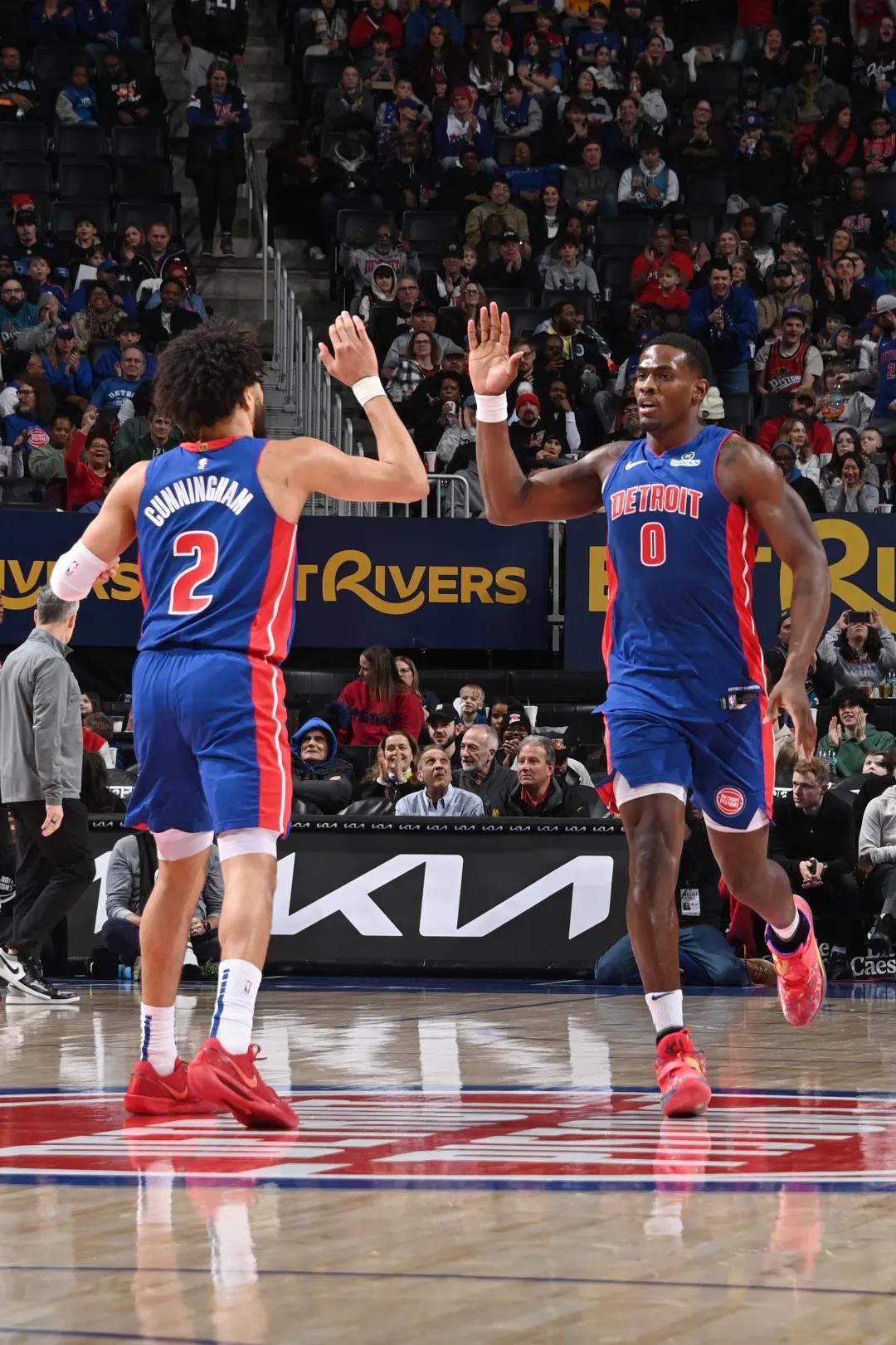
In the first round against the Magic, he was outplayed by Wendell Carter Jr. Orlando packed the paint, cutting off the connection between Duren and Cunningham, effectively neutralizing him. On defense, Duren's rim protection was constantly challenged by the Magic. The fact that the Magic pushed the Pistons to seven games in the first round, even leading 3-1 at one point, was largely thanks to Duren. If Duren had played at his regular-season level, Cunningham wouldn't have been exhausted to death.
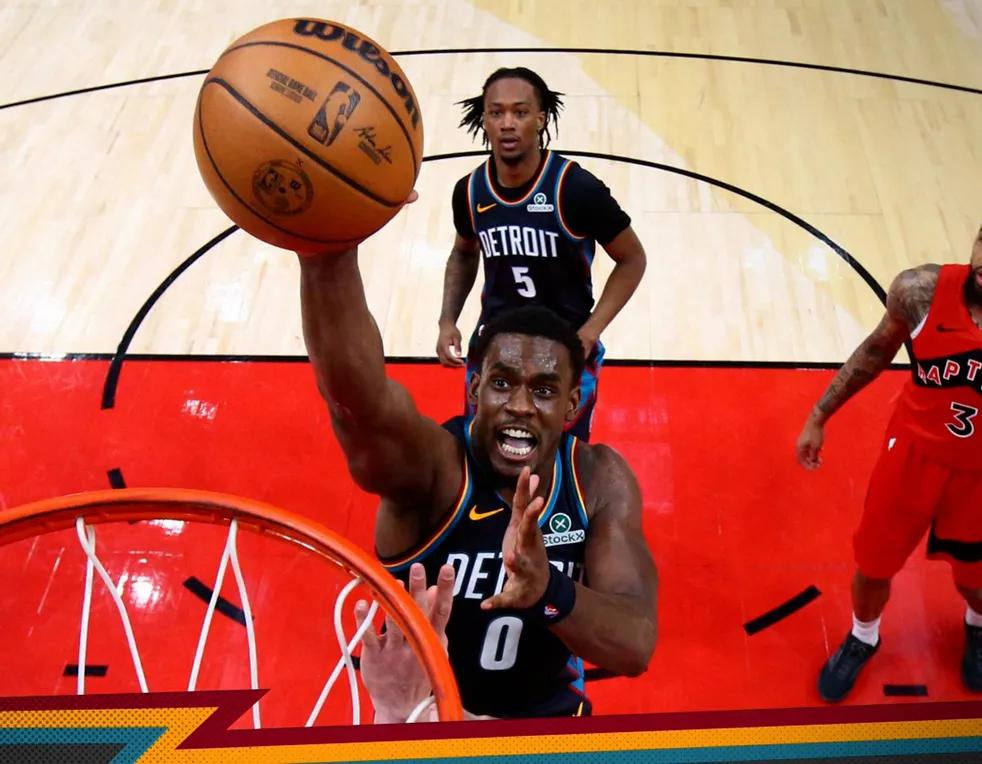
In the second round against the bigger Cavaliers, Duren was also a non-factor. Throughout the entire playoff run, his single-game high was just 15 points. In 14 games, he made only three shots from outside the paint, showing absolutely no shooting ability and no post-up game. So how on earth does Duren have the confidence to demand a max contract?
The Pistons' current offer to Duren is around five years, $170-180 million, with an annual salary of about $35 million. Even that contract, in my opinion, is an overpay. A center with such a limited skill set is highly replaceable. For example, Paul Reed has played better than Duren in some games, and Reed only makes $5 million.
In your opinion, who is the better center between Duren and Kessler, who signed with the Lakers? Kessler's defensive ability is clearly far beyond what Duren can achieve. Moreover, Kessler has already shown some shooting potential. He signed a four-year, $130 million deal with the Lakers this year, earning $30 million next season. The Pistons offering Duren a $35 million annual salary is already a friendly price.
Negotiations between the Pistons and Duren have been dragging on for a long time, and it doesn't seem like a resolution will come soon. There have also been rumors that Duren might play the upcoming season on the qualifying offer and become a free agent in 2027. The Pistons would be perfectly fine with that outcome. Again, Duren is too replaceable.
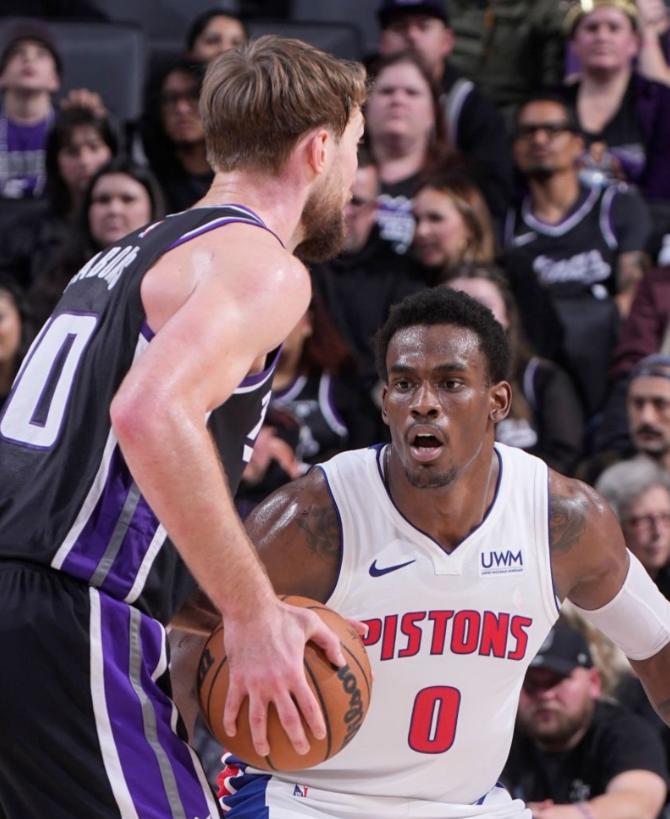
The current free-agent market has almost no teams that can offer Duren a big contract, let alone surpass the Pistons' original offer of around five years, $180 million. The only team reportedly interested in Duren is the Kings (no surprise there). The Kings wanted to sign-and-trade Sabonis for Duren, but the Pistons flatly rejected it—Sabonis's $45.5 million salary next season is too high.
Every offseason, similar stories emerge. When players go head-to-head with their teams, usually the players end up losing more. If Duren dares to take the qualifying offer, the Pistons would dare to start Paul Reed, completely depleting Duren's value. Last year, Cam Thomas played on the qualifying offer and has since become a nobody.
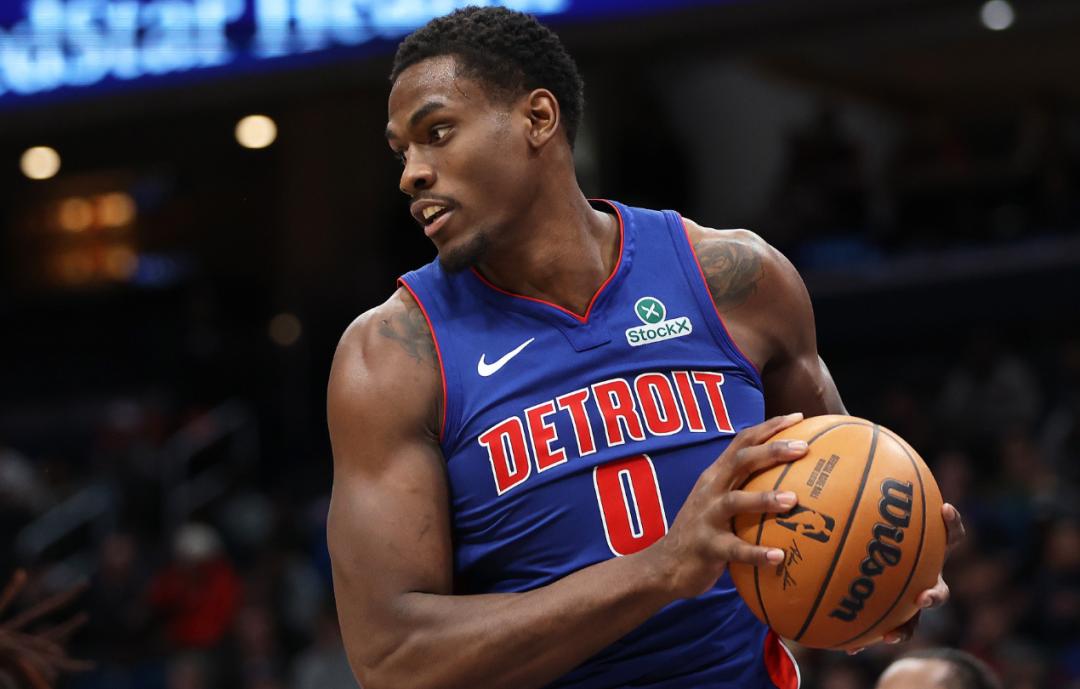
Countless examples prove that "knowing when to take what you're offered" is an absolutely correct approach. But the only lesson humans can learn from history is that humans never learn from history.


Wonderfulshortvideo

Imagine getting coached by USA Basketball All-Time Leading Scorer and 4 time gold medalist Kevin Durant? 🤯🤩



Checking in with KD 🎙️ on how his off season is going 👀

Coach KD celebrating and spreading the love of basketball 🏀
Everybody was on the edge of their seats when this game happened! 💺

AJ was speechless 😭

Collin's ready to bring the energy ⚡️

Tomfoolery content of Luka and Nikola at NBA All-Star 😂
 Links
Links
 Contact
 App
App


