



Making History! Mongolian Men's Basketball Team Buzzer-Beats Japan



Seeing this headline, many of you might be shocked.
But this isn't fiction, an April Fools' joke, or AI-generated—it's a real event that happened yesterday.
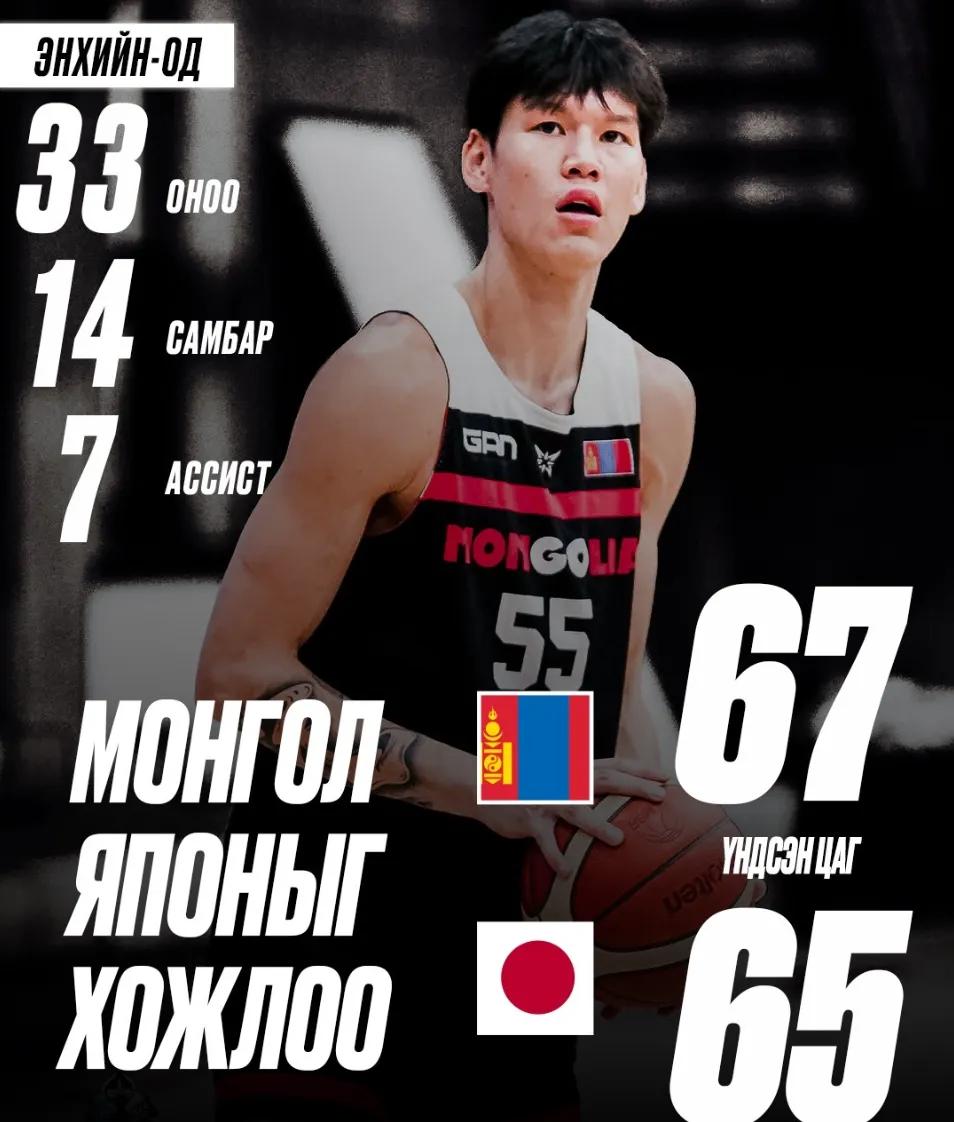
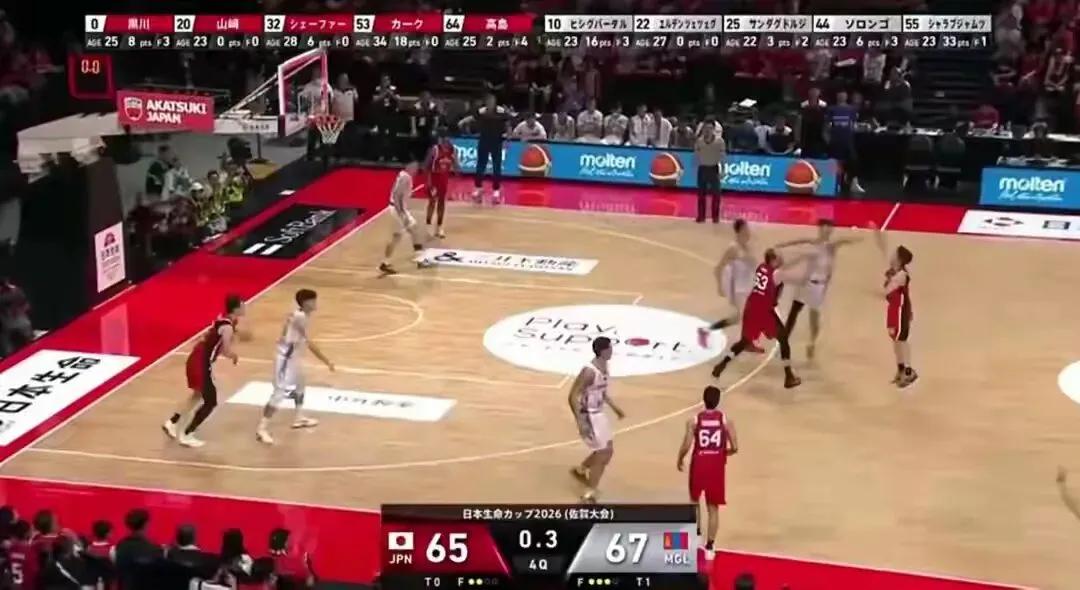
An astonishing upset rocked Asian basketball: the Mongolian men's team, ranked 108th in the world, hit a buzzer-beater to defeat Japan, ranked 22nd, 67-65 in a warm-up match, securing their first-ever victory over Japan in team history.
At this point, some friends might habitually start cursing.
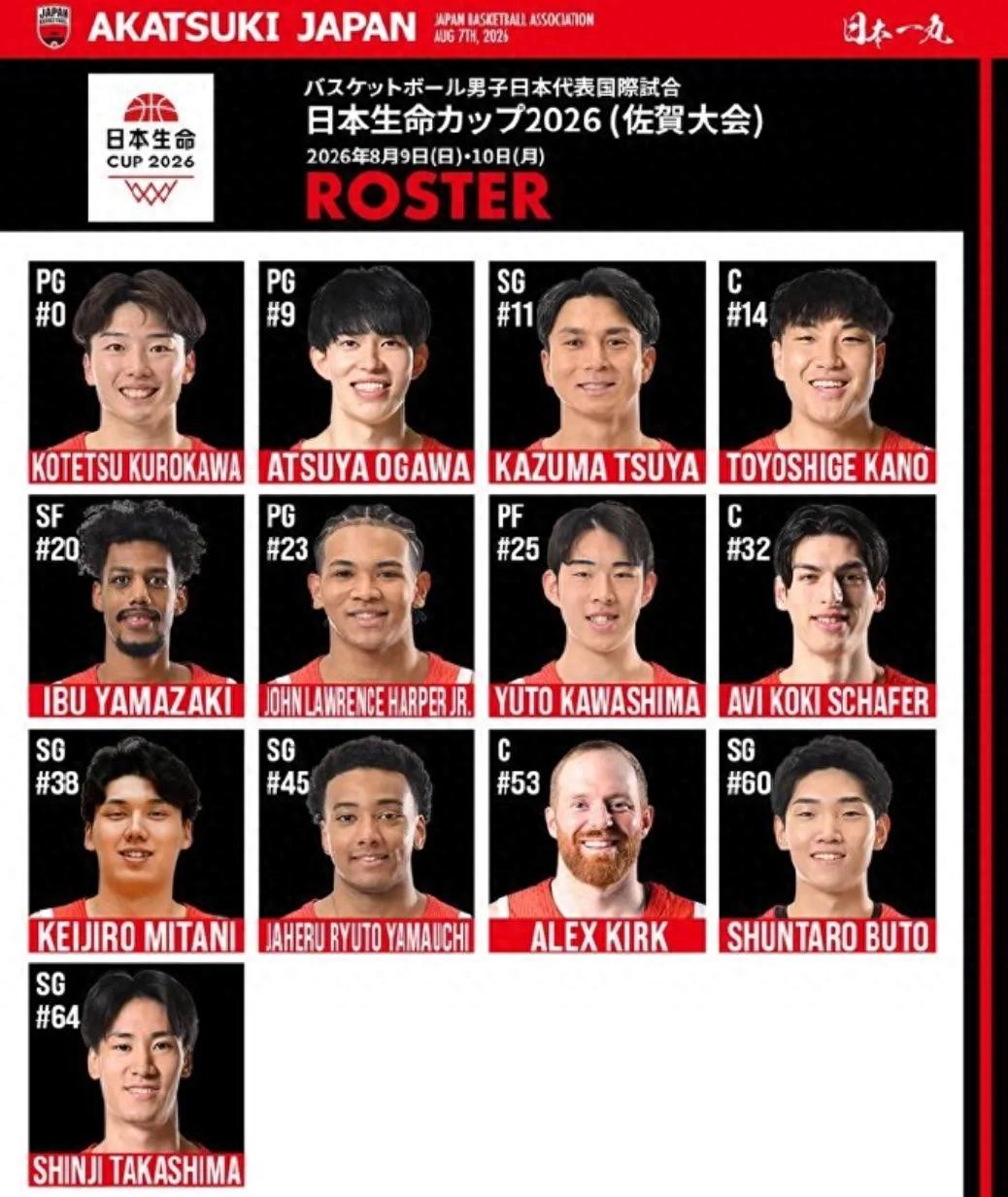
What needs to be clear is that Japan did not field their World Cup core lineup featuring Rui Hachimura or Yuki Kawamura, nor did they include Josh Hawkinson or Yuta Watanabe. Instead, they played a second-string team preparing for the Asian Games.
Even so, they still had a familiar face: 34-year-old naturalized big man Alex Kirk.
They also had future prospects born in the 2000s, like Yuki Kawashima.
Even with a second-string lineup, the gap in paper strength between the two teams was still huge. Before the game, almost no one expected Mongolia to walk away with the win.
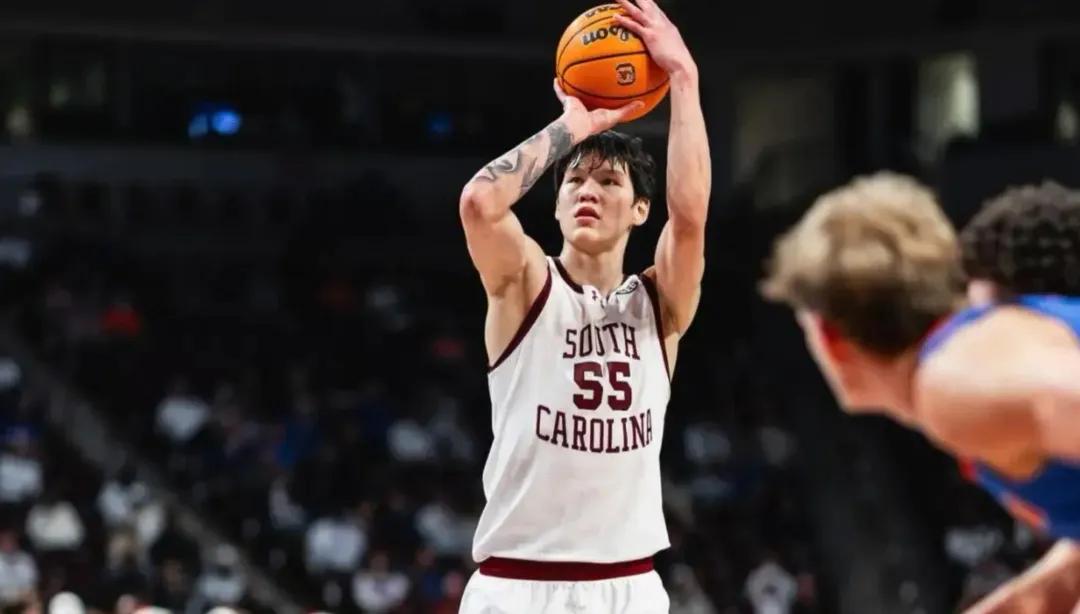
In this game, Mongolian core player Mike Sharavjamts, who plays in the NCAA, made his five-on-five national team debut in spectacular fashion, dropping 33 points, 14 rebounds, 7 assists, and 2 blocks, including the game-winning buzzer-beating layup.
Regardless of whether Japan fielded their B-team or not, when will our forwards ever put up numbers like Sharavjamts?
Brother Di is not using Mongolia's historic victory to belittle Chinese basketball today—that's completely unnecessary.
But what I want to share is that if you understand Mongolia's basketball development over the years, you'll realize this win is no accident.
Can we find some lessons in how others have improved? As fans, can we gain some valuable insights?
I believe we can.
Mongolia has a population of about 3.5 million—fewer people than Shenzhen's Longgang District.
Their economy is limited, sports infrastructure weak, and their traditional sports have long been nomadic herding, wrestling, and horse racing.
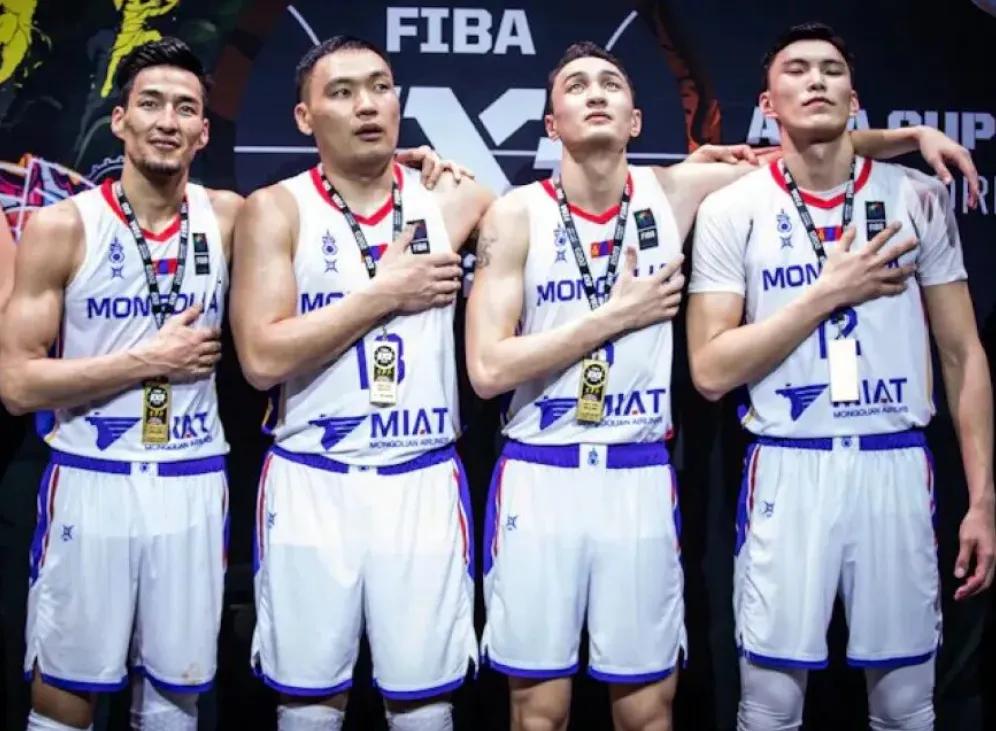
With limited family resources, their basketball association formulated a differentiated strategy to overtake opponents by prioritizing 3x3 basketball and using it to feed back into 5x5 basketball—a fast-track approach.
Thus, over the years, Mongolia's 3x3 national team has consistently ranked among the world's best, winning multiple Asian Cups and tour championships, becoming a benchmark for Asian 3x3 basketball.
The smaller court and faster pace of 3x3 basketball fully unleash the Mongols' strengths: fierce physicality, agile movement, and tenacious rebounding.
Once results are achieved, the logic becomes clear: increased social attention, funding, and policy support follow, and the previously lagging 5x5 basketball also gets development opportunities.
What path did Mongolian basketball take?
In summary, it's about elite training and internationalization.
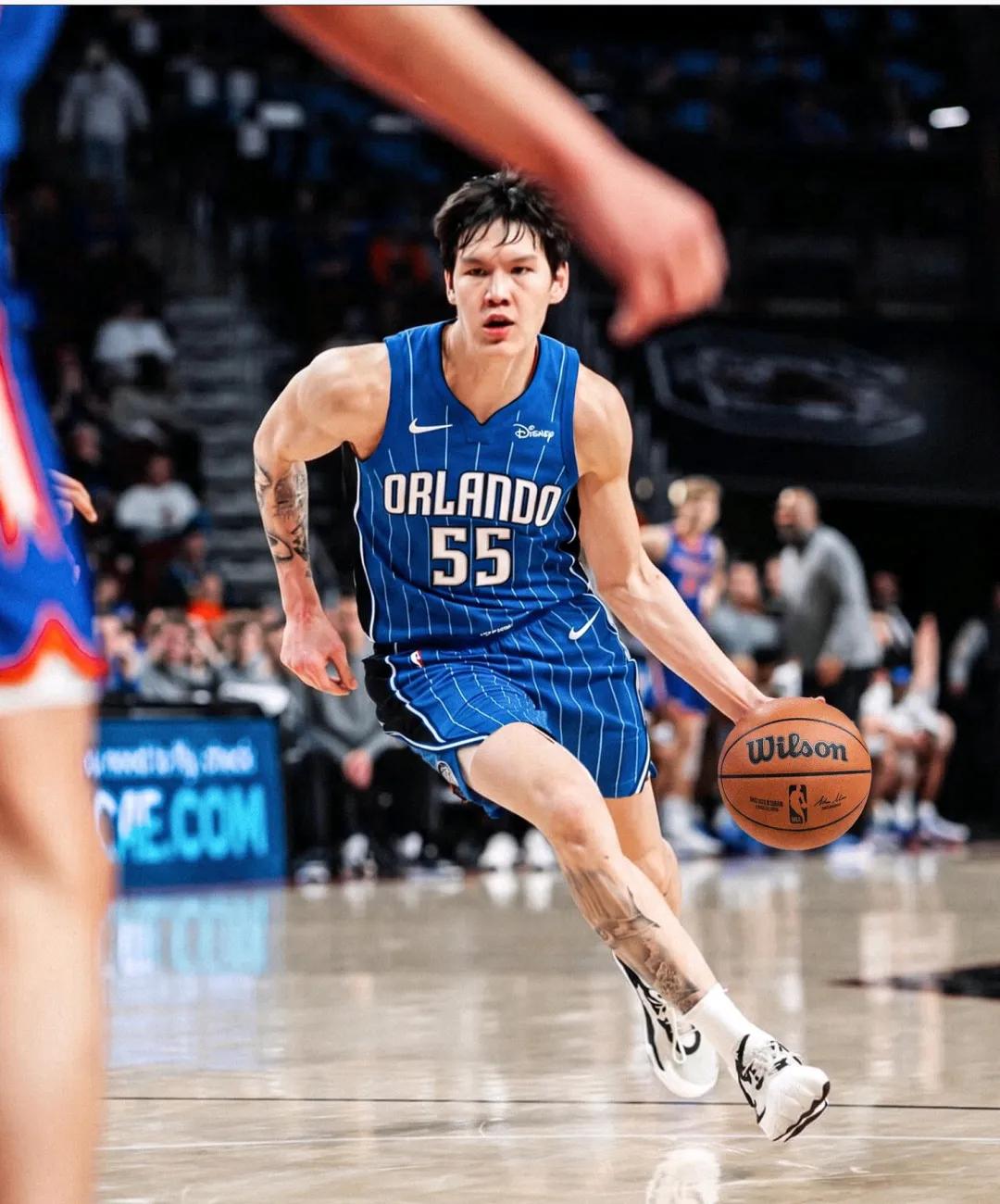
Take their star player Mike Sharavjamts as an example: he is the first Mongolian to receive a full-ride scholarship to a Division I NCAA program and the first to play in the NBA Summer League.
He was born in the United States to Mongolian parents and returned to Ulaanbaatar, Mongolia with his family at age two.
His father is currently the president of the Mongolian Basketball Association.
At age 16, Sharavjamts captained Mongolia's U18 national youth team at the Ulaanbaatar 3x3 Basketball World Cup, leading them to a sixth-place finish worldwide.
After making a name for himself, he embarked on his American high school and NCAA career.
Last season, as a senior, Sharavjamts secured a starting role at the University of South Carolina, averaging a career-best 10.9 points and 5.6 rebounds per game.
Let's be honest: currently, no player on the Chinese men's national team has achieved that level in the NCAA.
So Sharavjamts's return at age 23 directly filled the biggest gap for the Mongolian national team: a star player.
If a Chinese player put up those numbers, wouldn't our domestic media and experts hype him all the way to the NBA?
He did play for the Magic in the Summer League.
His personal experience validates the feasibility of a small nation's differentiated basketball breakthrough.
A small sports country with a low population and weak foundation doesn't need to copy the domestic development model of traditional powerhouses.
Throughidentifying talent locally, refining it overseas at a high level, and honing it through international competitionsa model that can produce good players and elevate the overall strength of the national team.
In simple terms, it's borrowing resources to hatch eggs.
Do you expect Mongolia's domestic league to produce a player of Sharavjamts's caliber?
Forget it!
Now, defeating Japan confirms the rise of Mongolian five-on-five basketball and also validates the success of the overseas talent development model...
One last thing: if you know football, you'll understand that if the Chinese national team ever loses to Laos, don't be surprised.
Their U12 age group currently has a very strong team that recently came to China to participate in Dong Lu's 2034 Cup primary school football tournament.
What's Laos's development model? Once again, it's elite training and internationalization.
Select the best young talents, send them to Europe, let them play high-level matches—they will definitely improve.


Wonderfulshortvideo

Imagine getting coached by USA Basketball All-Time Leading Scorer and 4 time gold medalist Kevin Durant? 🤯🤩



Checking in with KD 🎙️ on how his off season is going 👀
Coach KD celebrating and spreading the love of basketball 🏀
Everybody was on the edge of their seats when this game happened! 💺

AJ was speechless 😭

Collin's ready to bring the energy ⚡️
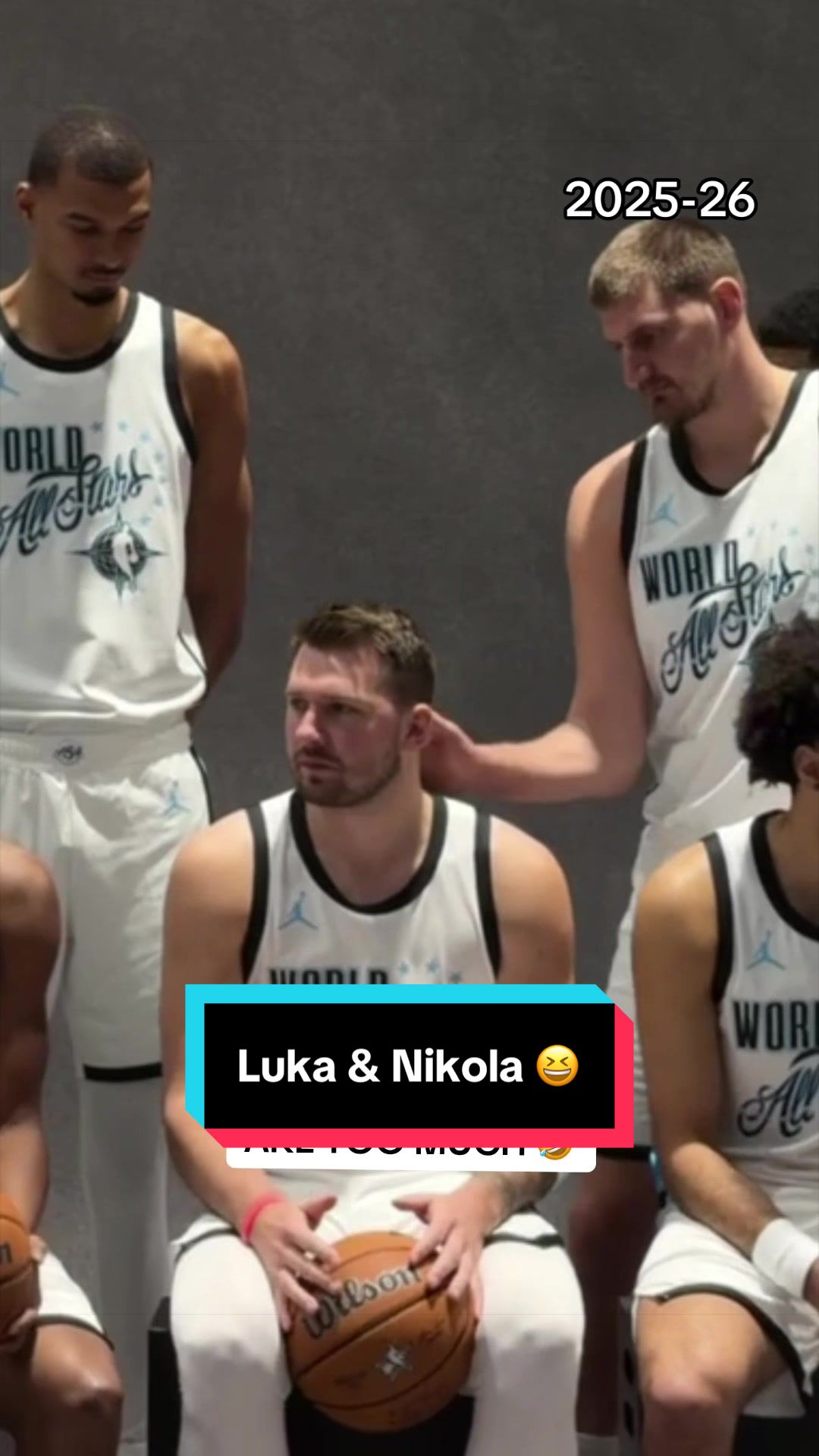
Tomfoolery content of Luka and Nikola at NBA All-Star 😂
 Links
Links
 Contact
 App
App


