



From the dual-platform finals convergence to the EWC five-team campaign, CF's internationalization has set a new milestone in Jinan.



The BaiSha and KZ teams met in the finals on both platforms with a probability of about 2.22%. AK evolved from a classic weapon into an IP-themed content. Five teams—Chengdu AG, BaiSha, KZ, EP, and Q9—gathered in the Spring City to set out for the EWC. The 2026 CrossFire IP Carnival presented not only domestic champions, but also an upgrade path from the PC and mobile ecosystem to the world stage.
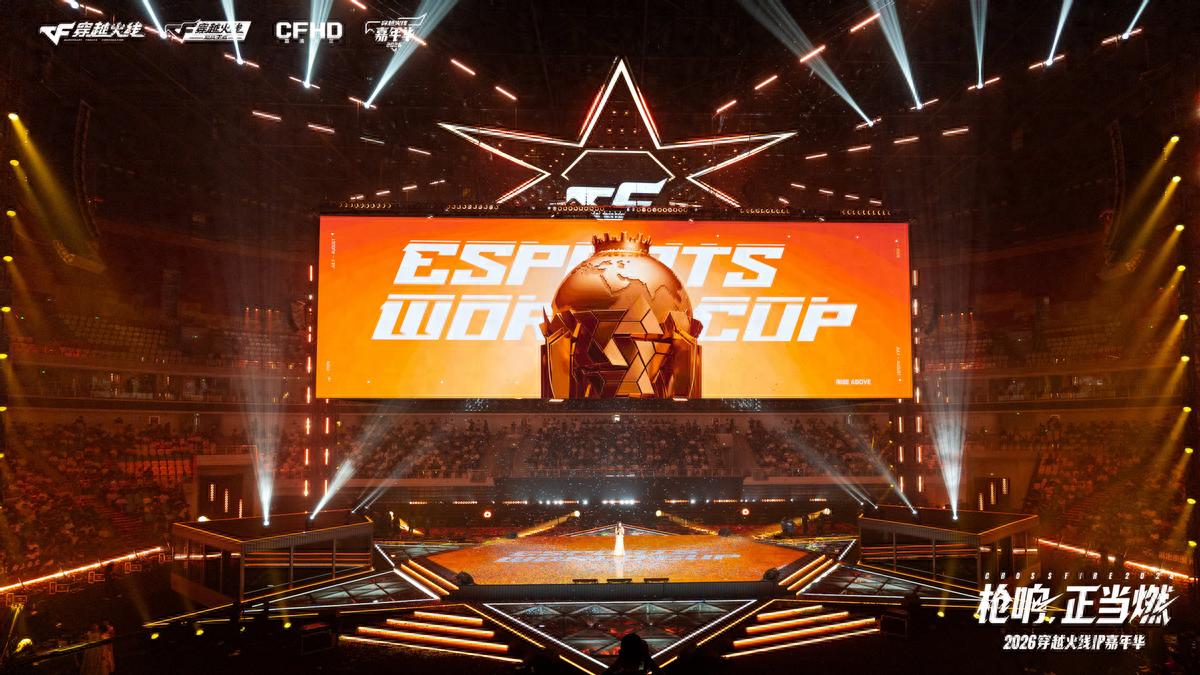
On August 8 and 9, the top-tier professional league finals for both CrossFire PC and mobile versions were held consecutively in Jinan. Within two days, different projects from two esports clubs reached the final stage twice. Beyond those two days, five CNCF teams received their banners here and departed for the EWC international arena. The conclusion of the domestic league and the beginning of the world event intersected in a rare moment in the Spring City.
This also gave the 2026 CrossFire IP Carnival an observation value beyond the "Double Championship Night." The PC and mobile versions were organized into a unified competitive narrative. Classic assets like AK were transformed into cross-domain content. The Chinese region entered the global competition system as a collective expedition. CF's internationalization is moving from "sending teams to participate" to a systematic expression that involves events, content, players, and cities together.
A 2.22% dual-platform convergence, enabling the PC and mobile versions to share a competitive narrative.
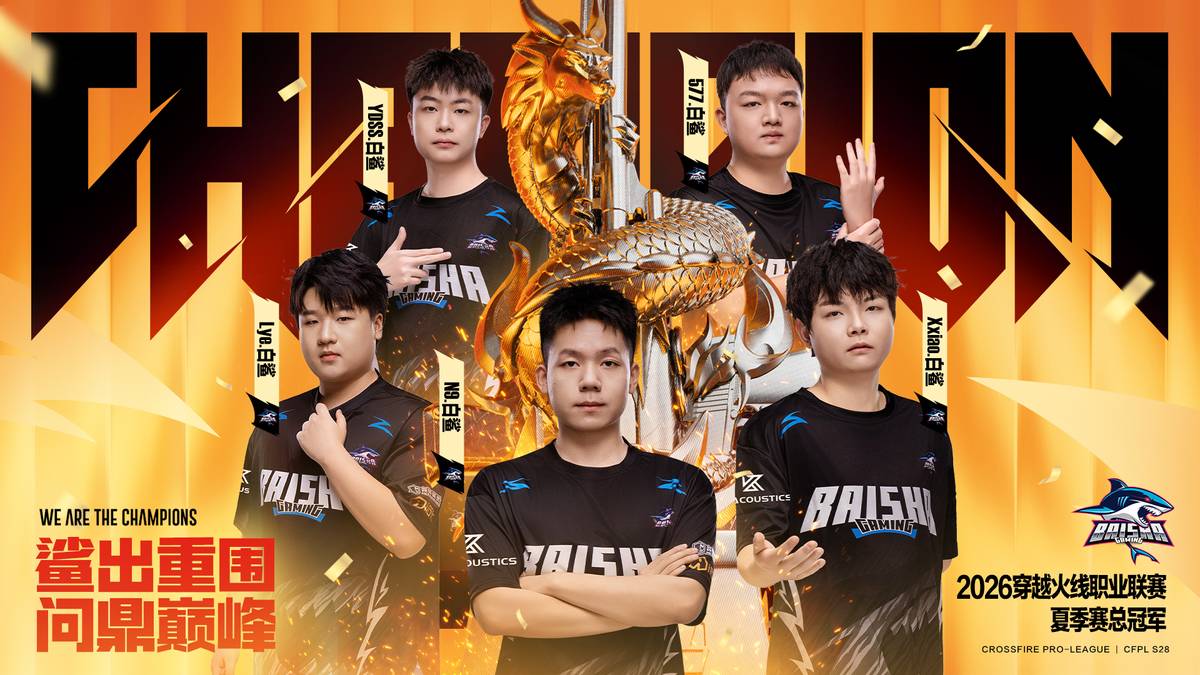
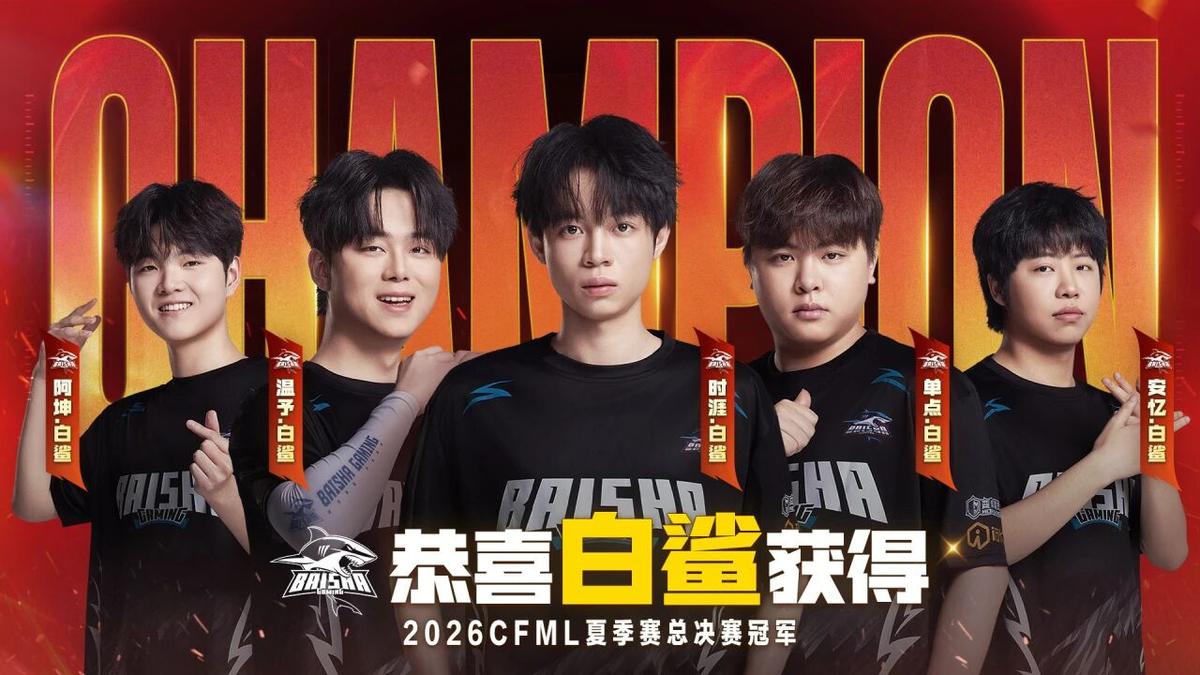
On August 8, the CFPL S28 Summer Finals began first. BaiSha defeated KZ 3:1, and Xxiao.BaiSha won the Finals MVP. The next day, the mobile divisions of the two clubs met again in the CFML S19 Finals. BaiSha went through seven games and defeated KZ.Douyu 4:3, with Shiya.BaiSha winning the MVP, and the team lifted its first CFML league championship trophy.
According to the event organizer's statistics, the probability of the same club camp simultaneously entering both the PC and mobile finals was about 2.22%. This rare "dual-platform convergence" proved the competitiveness of the two clubs in CrossFire.
The outcome of the previous night became the foreshadowing for the next. The rivalry from the PC version continued on the mobile platform, and players' identification with the teams crossed terminal boundaries.
This cross-platform narrative is also an important foundation for CF's internationalization. A global game IP needs stable and clear competitive rules, as well as teams, players, and rivalries that players in different regions can recognize. The parallel presentation of two professional leagues on PC and mobile in the same carnival allows CF to no longer rely on a single event to generate buzz, but to form a multi-product, long-cycle, and continuously watchable content supply.
The mechanism change in CFML S19 also provided a more specific signal: driven by the global weapon ban/pick mechanism, professional players' usage of new weapons increased by 20.9% compared to before. Actively promoting weapon ecosystem updates through the tournament format means that matches are not just a display of version results, but also shape players' perceptions in reverse. For global operations, a competition system that can continuously generate new tactics, new weapons, and new topics has the ability to maintain vitality across regions and languages.
In the Name of AK: Turning a Classic Weapon into a Common Language for Global Players
If the 2.22% reflects the depth of the competitive system, then the "In the Name of AK" celebrity show match shows CF's redevelopment of its own content assets. Guests from sports, professional esports, and content fields—Zhang Guowei, Ma Zhe, BaiSha, etc.—were brought onto the same map to perform and interact around the most recognizable weapon.
AK is not just a piece of game equipment. Over the years, it has become an iconic symbol in the collective memory of CrossFire players: veteran players can quickly find an emotional entry point from the sound of gunfire and operations, while new players can understand its competitive charm through straightforward confrontation. Elevating AK from a weapon name to an independent theme is equivalent to finding an IP language for CF that requires no complex translation. It can carry professional competition, and also connect star performances, derivative content, offline interactions, and the global player community.
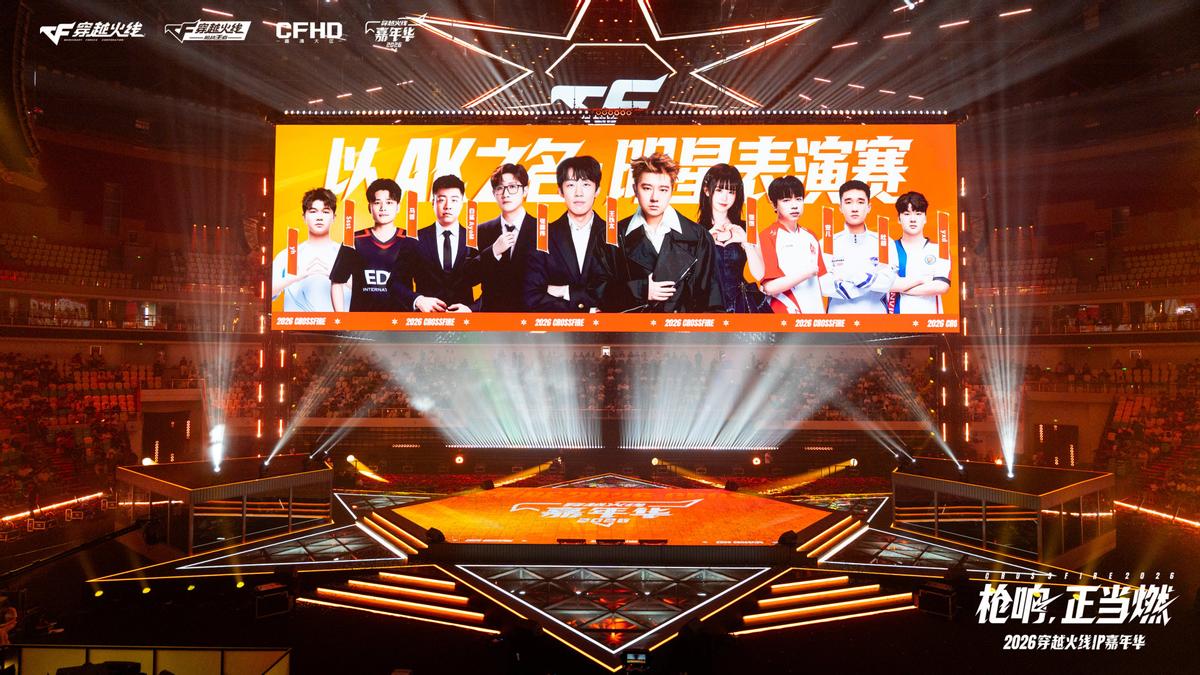
This is also a necessary step for a mature game IP to internationalize: not only exporting competitions, but also exporting cultural symbols that can be repeatedly recognized and re-created. Events determine the height of competition, while classic weapons, character memories, and player stories determine how far the IP can go. The launch of the AK theme shows that CF is rearranging its most consensus-based assets, turning them from arena props into content interfaces connecting different circles and markets.
Departing from the Spring City: CNCF's Top Five Teams Push the Chinese Region onto the World Stage
On the evening of August 8, five clubs—Chengdu AG, BaiSha, KZ, EP, and Q9—held the CNCF EWC departure ceremony in Jinan. At the same time, 10 cities across the country formed a linkage through viewing events, bringing more players who couldn't be present into the departure narrative.
The ceremony design was not limited to group photos and slogans. Badges with French cultural elements, limited-edition departure uniforms, and offline tokens will continue to be exchanged and interacted with in Paris; the content that started from Jinan thus has a clear overseas sequel. For the five teams, they represent not just their own clubs, but participate in international competition as the overall CNCF identity; for domestic players, the support has changed from watching an overseas match to following the region on a collective expedition.
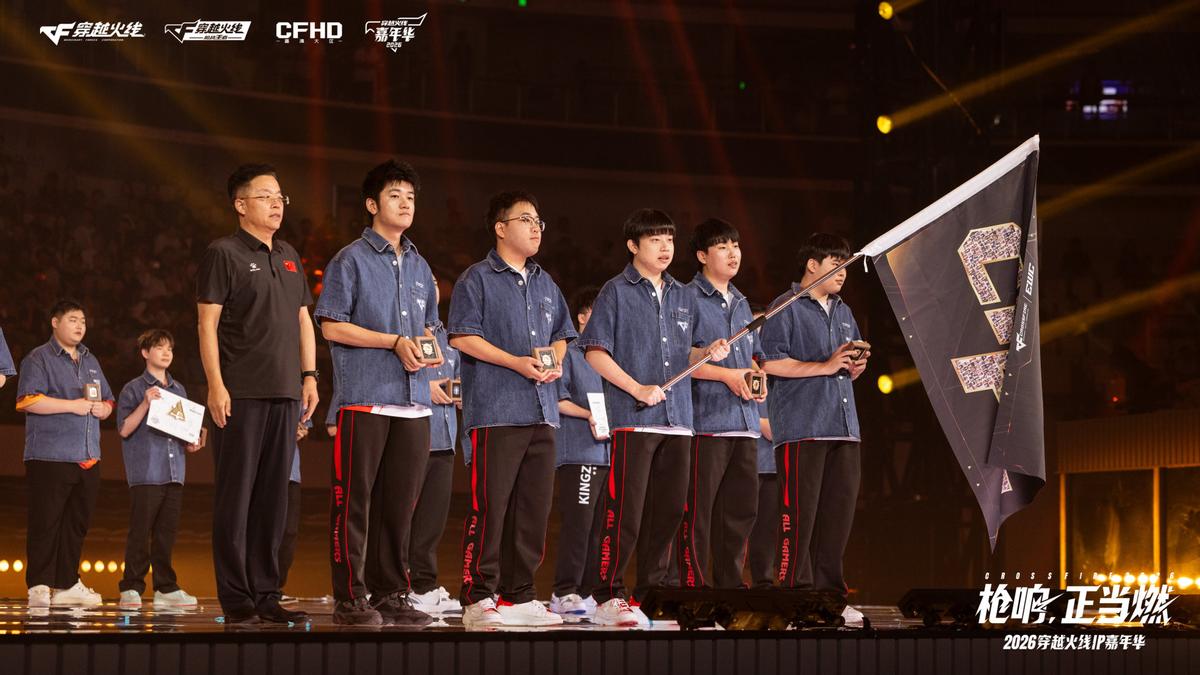
Internationalization is therefore no longer just "having Chinese teams participate in world competitions." From domestic league selection, regional brand building, to departure ceremonies, city linkages, and overseas token exchanges, CF is establishing a complete international event expression. Competitive results are still the hardest answer, but the ceremonies, content, and community participation formed around the results determine whether international events can become long-term brand assets.
This ceremony also pushed Jinan from the host city of domestic finals to the starting point of the Chinese region's journey to the world stage. The flag was raised in the Spring City, the teams continue the story in Paris, and the city's name enters a longer content cycle along with the players' journey, fan support, and global communication. For a professional esports event, this is an upgrade of the home concept; for a city, it is a new coordinate for young, digital, and international brand expression.
CF and Jinan: Long-term City Partnership Behind the International Narrative
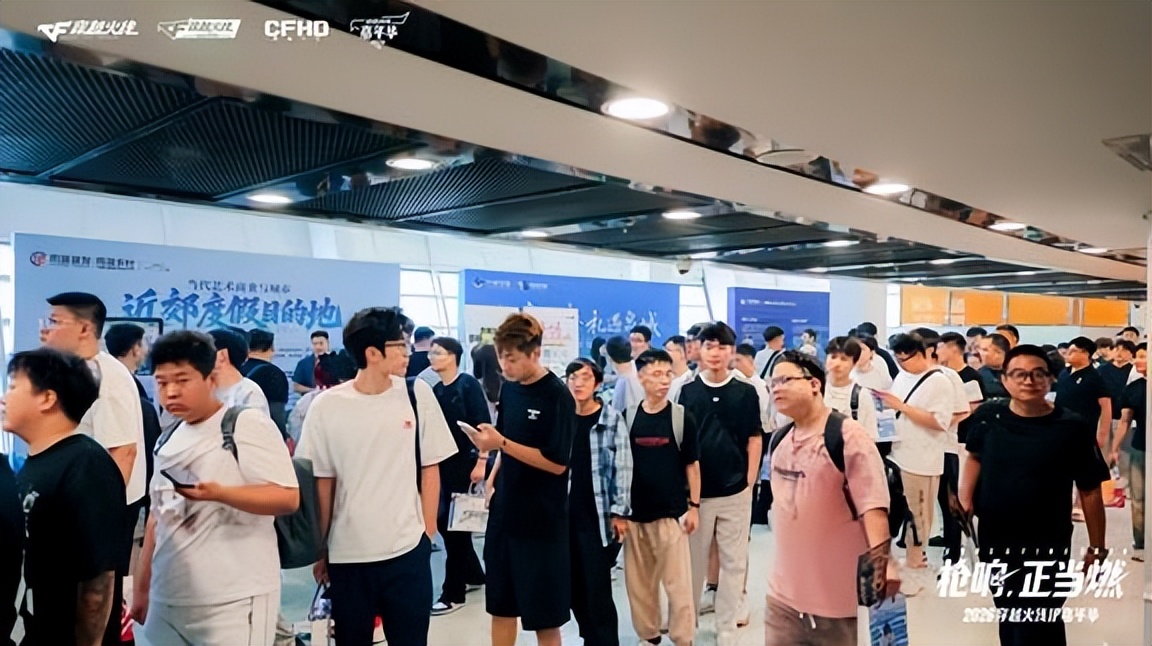
CF's choice of Jinan is not an isolated event landing. In 2024, the CFPL Spring Finals attracted over 5,000 on-site spectators and over 30 million online viewers in Jinan, directly driving consumption of over 35 million yuan. By 2026, the event further expanded into a two-day dual-platform carnival, concentrating the AK theme release, EWC departure, brand interactions, and offline experiences in the same city. The continuous upgrade in event scale shows that the cooperation between the two sides is moving from venue usage to content co-creation.
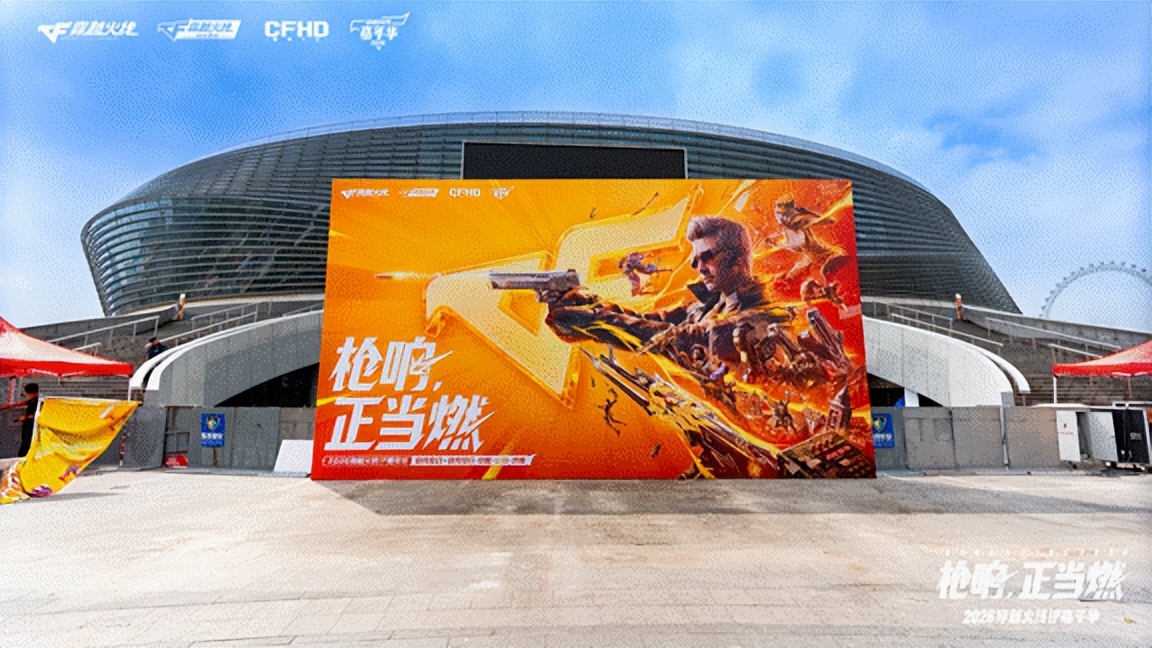
This partnership is first reflected in the city brand. Jinan is not only the birthplace of domestic champions, but also the departure point for CNCF's top five teams to the world stage; the "Spring City" is thus written into the complete narrative from domestic league to global competition. The traditional spring culture provides a distinct city identity, while CF supplements the expression of youth, digitization, and internationalization, both targeting cross-city viewing audiences and global players.
From the 2.22% dual-platform convergence, to AK becoming theme content, to the five teams collectively departing from Jinan, the 2026 CrossFire IP Carnival outlines a clear path: first, consolidate the competitive foundation with a mature dual-platform professional system; then, expand content boundaries with classic IP symbols; finally, use global events to bring the Chinese region, player community, and city home to the world together. The significance of CF's international upgrade lies in that it not only lets competitions go out, but also lets the content, emotions, and city coordinates of Chinese esports be seen by the world.

 Links
Links
 Contact
 App
App


