



Senegal was "stripped" of the championship! Regardless of the appeal outcome, it is a slap in the face for African football.



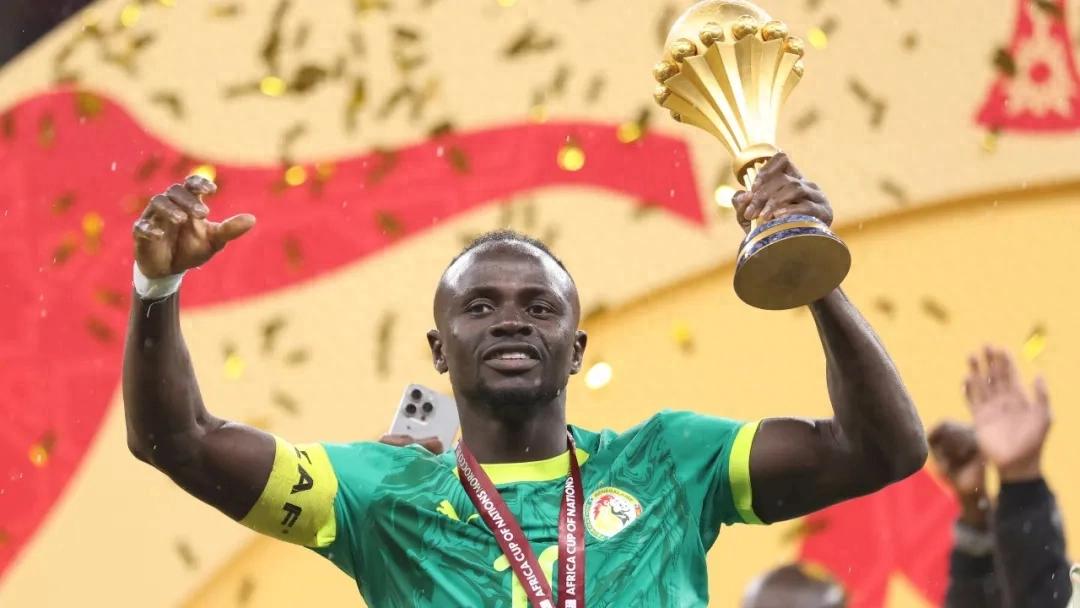
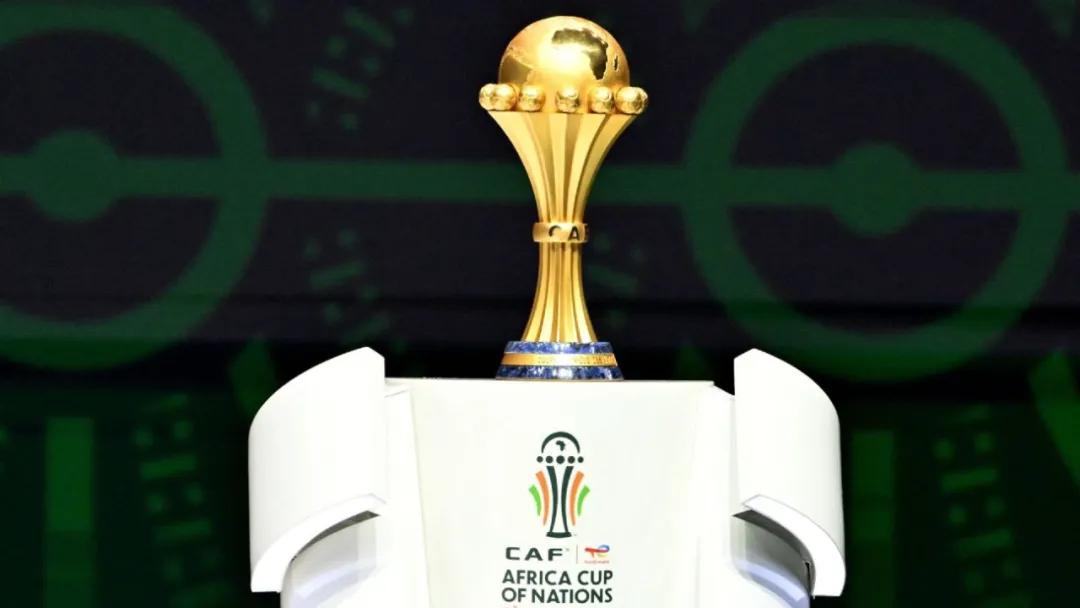
Written by Han Bing After 58 days, the African Cup title secured by Senegal on the field was handed over to Morocco by CAF in the office. Following CAF's announcement on March 17 that the African Cup champion had changed, the global football world was stunned. After all, Senegal was not stripped of the championship due to violations requiring lengthy evidence collection, such as "match manipulation" or "use of ineligible players"—the team completed the final match and was recognized by the referee as the winner. The "walk-off" behavior that led to the loss of the title could have been judged by the referee and CAF officials during the match, yet the penalty was imposed after a long 58-day delay.
Major European football media were astonished. The Milan-based sports newspaper stated bluntly: "Quickly check the calendar—no, today is not April Fool's Day." BBC highlighted that African football is embroiled in a new scandal: "The match in Rabat turned into a 'legal battle'." The Daily Mail emphasized that the decision to change the champion after 58 days is unprecedented. Spanish newspapers Marca and AS both headline their reports with "Scandal". French media such as L'Équipe and Le Parisien also believe the ruling severely damages CAF's credibility.
Ironically, during the first disciplinary hearing, CAF imposed fines exceeding one million dollars and suspensions on Senegal's players and coaches, but kept the match result unchanged. However, a subsequent statement confirmed that Senegal was stripped of the championship title.
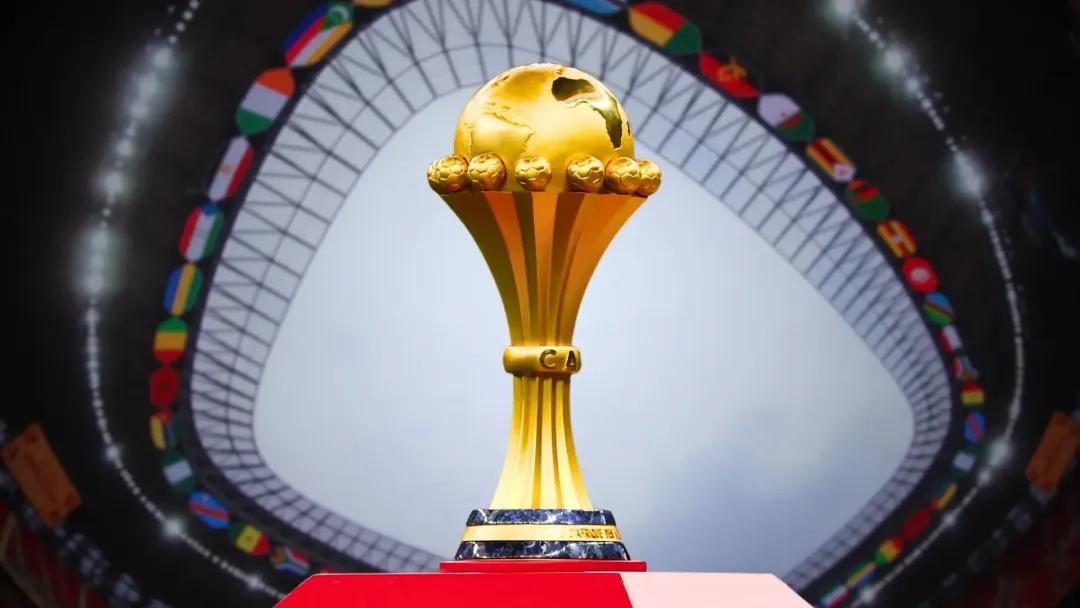
Morocco, the beneficiary of the reversal, pointed out the biggest issue in African football: "For years, African football has been plagued by structural problems, notably the double standards in rule enforcement. Some decisions are driven more by political considerations than by the rules themselves."
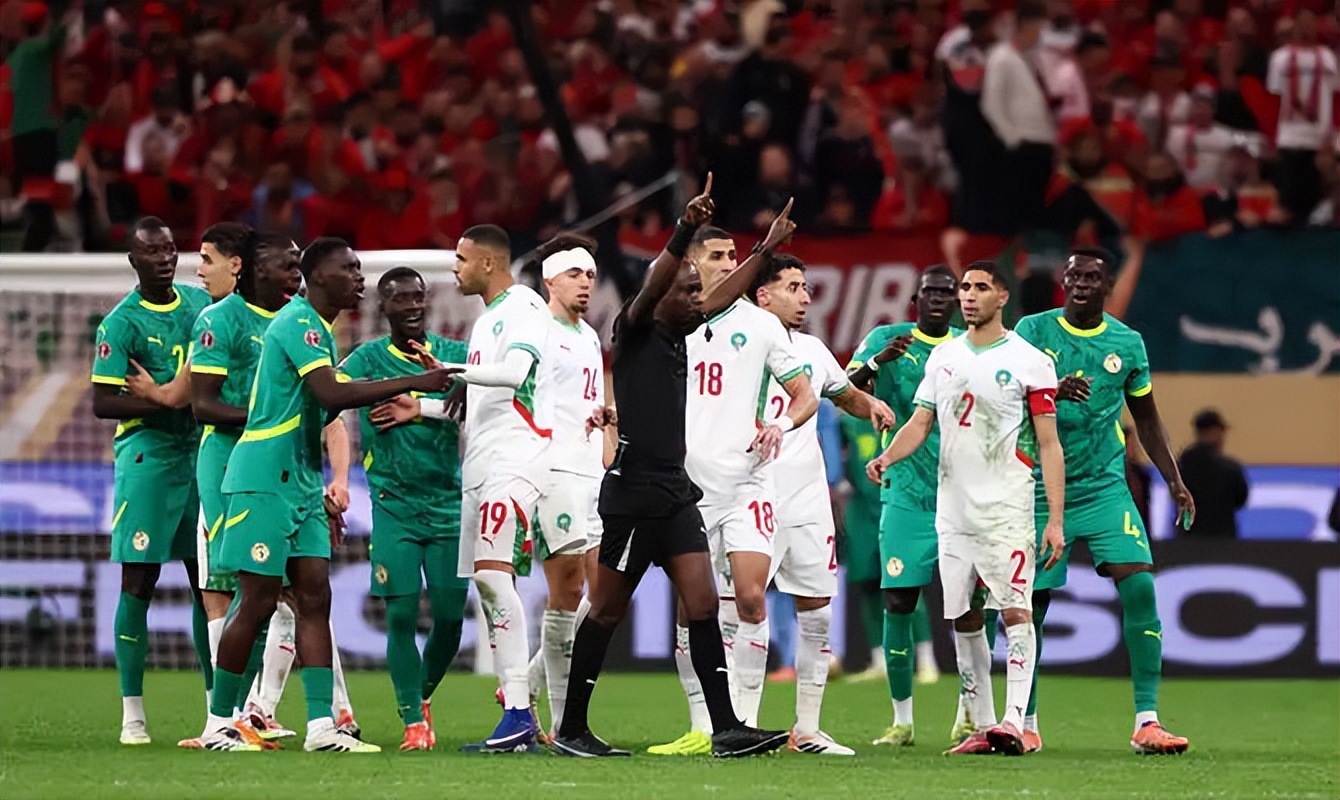
On January 18, during the eighth minute of added time in the African Cup final, Senegal players walked off the pitch protesting a missed penalty call. The match was halted for 17 minutes; only after persuasion by Mané did the Senegal players leave the locker room and resume play.
CAF's penalty was based on Article 82 of the African Cup Regulations: Any team leaving the field before the scheduled end of the match without the referee's permission, for any reason, shall be considered the loser and be completely eliminated from the tournament.
However, at that time, the Democratic Congo referee Ndara recognized Senegal's eligibility to continue the match, and Senegal later defeated host Morocco via a penalty shootout to win the title. The Moroccan Football Association appealed on the night of the final, demanding that Senegal's walk-off be recognized and a 0-3 defeat be awarded. CAF's decision two months later inevitably caused chaos.
At that time, Senegal's president had declared a nationwide paid holiday to celebrate the victory. Each Senegal player received a bonus of 115,000 euros and a 1,500-square-meter plot of land near the Dakar coast. Each federation staff member accompanying the team got 75,000 euros and a 1,000-square-meter coastal plot. All government personnel who traveled to Morocco with the team shared a bonus of 465,000 euros and other land rewards. How these rewards will be handled now remains unknown. Burkina Faso media suggested Morocco should relinquish this "victory without a fight" trophy, as "such a method is not honorable."
The Senegal Football Federation refused to return the African Cup trophy. Federation President Sow stated bluntly that the ruling proves CAF's corruption. Senegal players also protested the decision: Diallo (Sunderland) and Siss (Rayo Vallecano) both posted photos with the trophy on social media. West Ham defender Diouf said plainly: "The trophy was won on the pitch, not via email." Tunisian international sports lawyer Abbas believes the referee is the only person authorized to decide whether to continue or end a match during play; CAF's penalty undermines the referee's authority and has an excessively negative impact on African football.
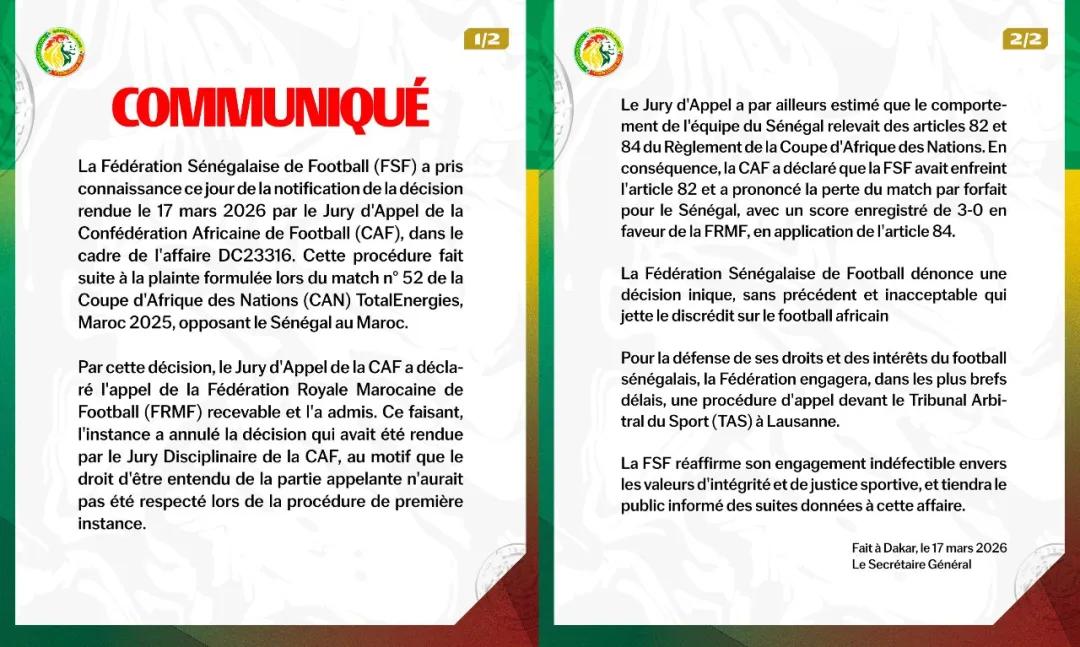
The Senegal Football Federation announced it will appeal to the Court of Arbitration for Sport, but hopes for success are slim. A precedent from the 2019 African Champions League final second leg is similar: Tunisian club Esperance was leading, Casablanca's Wydad protested a goal ruled offside, players walked off and never returned. CAF initially decided on a neutral-site replay, but Esperance appealed to CAS, and Wydad was judged to have walked off and awarded a 0-3 defeat.
Regardless of whether Senegal's appeal succeeds, CAF loses. If the appeal succeeds, it undermines CAF's authority; if it fails, it solidifies CAF's override of the referee's decision, thereby eroding the authority of African referees entirely.


Wonderfulshortvideo
Kvaratskhelia and Ronaldo 🫶


🇪🇸 Spain 🆚 Argentina 🇦🇷
Arsenal goal today arsenal 2-1 chelsea arteta interview arteta press conference
When Diogo Costa saved EVERY penalty he faced in the shoot-out 🤯🤯🤯
The movement is electric ⚡️
Mbappe injury mbappe surgery real madrid 0-1 getafe mbappe return date mbappe edit
ronaldo almeria ronaldo buying new club ronaldo owner ronaldo manchester united owner
 Links
Links
 Contact
Address:UNIT 1804 SOUTH BANK TOWER, 55 UPPER GROUND,LONDON ENGLAND SE1 9E
Number:+85259695367
E-mali:[email protected]
 App
App


