



Beyond the Field! The Beijing-Shanghai Showdown from the Perspective of "Event Economy"



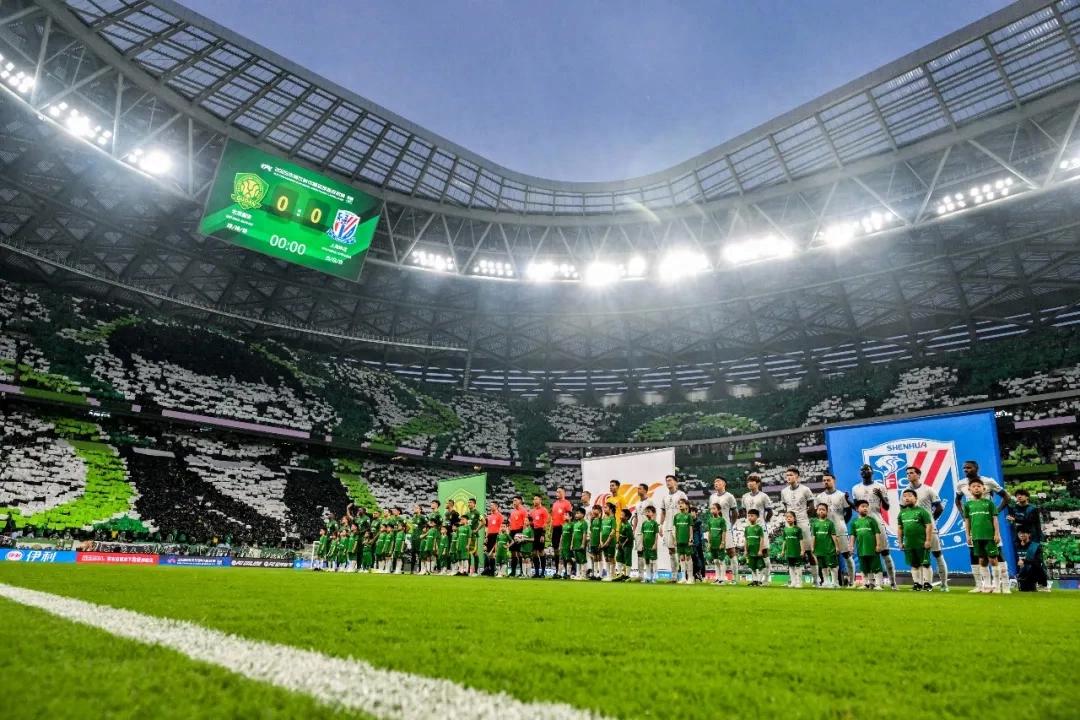
Written by Han Bing Entering March, the "highlight" news in China's event economy continues: the first round of the Chinese Super League attracted over 250,000 spectators, setting a new record for the opening round in its 23-year history; the total attendance for the first two rounds reached 482,000, a 12% increase compared to last year; last weekend, the F1 Chinese Grand Prix concluded in Shanghai, drawing over 230,000 spectators, with ticket revenue (1.19 billion yuan) surging 35% year-on-year; hotel bookings within a 3-kilometer radius around the venue during the event period saw an average surge of 125%, driving comprehensive growth in local accommodation, dining, and cultural tourism consumption; promotions for events like the Su Super League, Northeast Super League, and Guangdong Super League have been launched; on March 18, the 2026 Beijing Event Calendar was released at a press conference, announcing that Beijing will host 206 premium events in 2026; on March 19, the 2026 Premier League Youth Cup was officially announced to be held in Beijing, with U15 teams from Arsenal, Aston Villa, and Wolverhampton Wanderers competing against five Chinese teams...
Even before the end of the Lunar New Year celebrations, China's event economy is already bustling with vibrant activity.
In resonance with these market-driven events, there is also top-level promotion of the event economy. In late February, the "International Event City Influence Index Report 2025" and the "2025 Shanghai Sports Event Impact Assessment Report" were released successively; in early March, the 2026 "Government Work Report" for the first time included the event economy, proposing its active development and elevating it to a national strategic level.

The alignment from top to bottom has resulted in one clear fact: the event economy formed by hosting sports events is becoming a "new engine" for high-quality development in China's sports industry, driving consumption and enriching integrated sectors like culture, tourism, sports, and commerce.
The systematic hosting of events is now a primary goal meticulously planned and managed by many major and first-tier cities in China. After all, the development of the event economy has, to some extent, become a symbolic "parameter" of a city's economy and international influence.
On February 25, the "International Event City Influence Index Report 2025" was first released in Lausanne. The report categorizes global event cities into a tiered structure of "leading" and "growth" types: Beijing and Shanghai, along with London, Paris, Doha, Los Angeles, New York, Tokyo, Berlin, etc., are included as "leading event cities"; Chengdu, Guangzhou, Hangzhou, along with Milan, Abu Dhabi, etc., are included as "growth event cities," demonstrating strong development potential and upward momentum.
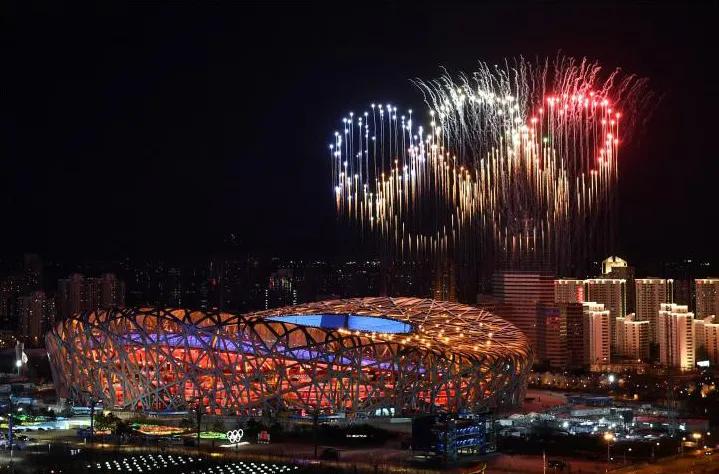
Taking Shanghai as an example, the "2025 Shanghai Sports Event Impact Assessment Report" released on February 28 shows: in 2025, Shanghai hosted 182 domestic and international sports events, a historical high, generating a direct economic impact of 135 billion yuan and a拉动效应 of 358 billion yuan. Led by events like the Shanghai ATP1000 Masters, F1 Chinese Grand Prix, Shanghai Marathon, and the Chinese Super League, all events attracted a total现场受众规模 of 2.99 million人次, with现场观众 reaching 2.69 million人次. In 2025, Shanghai Shenhua's home matches attracted 700,000 spectators, with average餐饮销售额 in surrounding商业圈 on match days increasing by 32%. The events generated a direct economic impact of 13.34 billion yuan and a拉动效应 of 34.89 billion yuan.
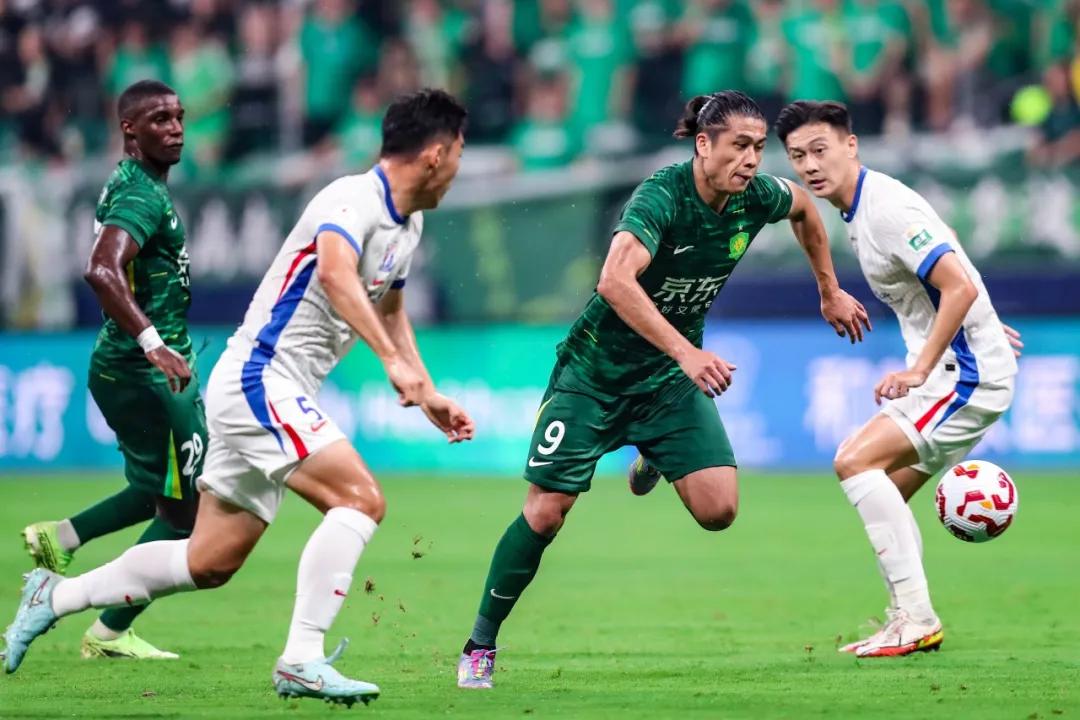
Looking at Beijing, in 2025 they hosted 198 premium domestic and international events, including the China Open, WTT China Grand Slam, World Short Track Speed Skating Championships,王者荣耀KPL年终总决赛, and the Chinese Super League. The China Open achieved a record high direct revenue of 3.54 billion yuan, the WTT China Grand Slam generated direct revenue of 1.54 billion yuan, and Beijing Guoan's home matches in the Chinese Super League attracted over 670,000 spectators with ticket revenue exceeding 1 billion yuan.
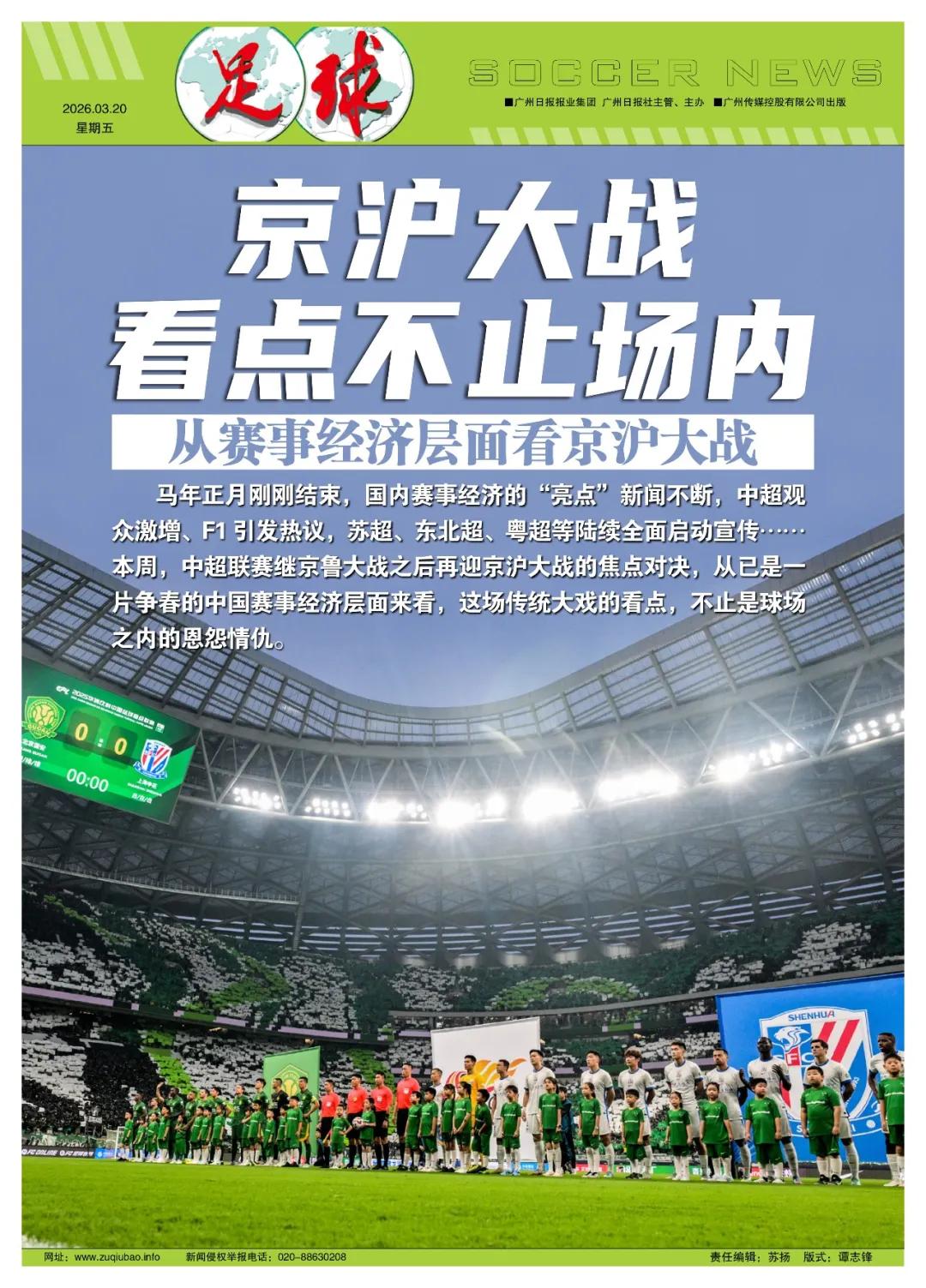
For Beijing and Shanghai, their unique urban characteristics and scale have led them to choose international professional高端赛事 + the Chinese Super League as the支柱骨架 of their event economies. International professional高端赛事触及的是影响力和营收的天花板, while professional football leagues支撑起 the daily operations of the city's event economy. Coincidentally, Beijing Guoan's first home match of the new season was against visiting Shanghai Shenhua. Regardless of whether the rivalry between the two teams reaches the so-called "national derby" level in Chinese football, this time the two cities jointly became the主角 of the火爆开春 of the 2026 event economy. A football match has a winner and loser, but the development of the event economy in both cities is a win-win situation.
For China, Beijing and Shanghai have truly become two major international event cities. The significant development of their event economies has also spurred other "追赶者" to strive forward. Chengdu's sports industry规模 grew from 805 billion yuan in 2020 to 1500 billion yuan in 2025. Besides hosting over 120 international events in recent years, mainly centered around the University Games and World Games, the Chengdu主场 for the Chinese Super League is also a top-tier "matchday economy" domestically, attracting over 610,000 spectators in 2025 with ticket revenue potentially突破 1 billion yuan. In 2026, Guangzhou will also host over 140 elite events. Building on the successful hosting of the "十五运" in 2025, the events will be more diverse and comprehensive, and the consumption driven by the event economy will undergo全面升级.
More encouragingly, China's event economy has初步形成 a pyramid structure comprising the hosting of international events, professional leagues, and amateur city leagues. There is still significant growth potential both向上 in hosting更多更高级别国际赛事 and向下 in深入社区 to form更广泛, community events that benefit more citizens.
It can be said that the event economy has already become an economic "new engine" at the national strategic level. Its value in赋能城市文旅,商业, infrastructure, and the entire产业链发展 is日益凸显. In other words, hosting sports events has transformed from单一的城市体育事件 into one of the主动能 driving the entire city's economic development, capable of having a深远影响 on the city's产业结构,公共服务, and生活方式. 2026 is the开局之年 of the "十五五"规划, and to some extent, it can also be seen as the启动之年 for the全面发展 of China's event economy.


Wonderfulshortvideo
Kvaratskhelia and Ronaldo 🫶


🇪🇸 Spain 🆚 Argentina 🇦🇷
Arsenal goal today arsenal 2-1 chelsea arteta interview arteta press conference
When Diogo Costa saved EVERY penalty he faced in the shoot-out 🤯🤯🤯
The movement is electric ⚡️
Mbappe injury mbappe surgery real madrid 0-1 getafe mbappe return date mbappe edit
ronaldo almeria ronaldo buying new club ronaldo owner ronaldo manchester united owner
 Links
Links
 Contact
Address:UNIT 1804 SOUTH BANK TOWER, 55 UPPER GROUND,LONDON ENGLAND SE1 9E
Number:+85259695367
E-mali:[email protected]
 App
App


