



Is the Champions League becoming "Super League-ized"?



UEFA once vehemently opposed the Super League, arguing it excessively favored elite clubs and diminished the diversity of European football. However, now, the core foundations of the Super League are infiltrating the Champions League itself.
In the last three seasons, five names including Real Madrid, Barcelona, Bayern Munich, PSG, and Arsenal have all featured in the quarter-finals. This is no longer merely stability, but a clear sign of dominance. While each season still sees new names like Atletico Madrid, Liverpool, or Sporting Lisbon, these appearances are insufficient to disrupt the established order.
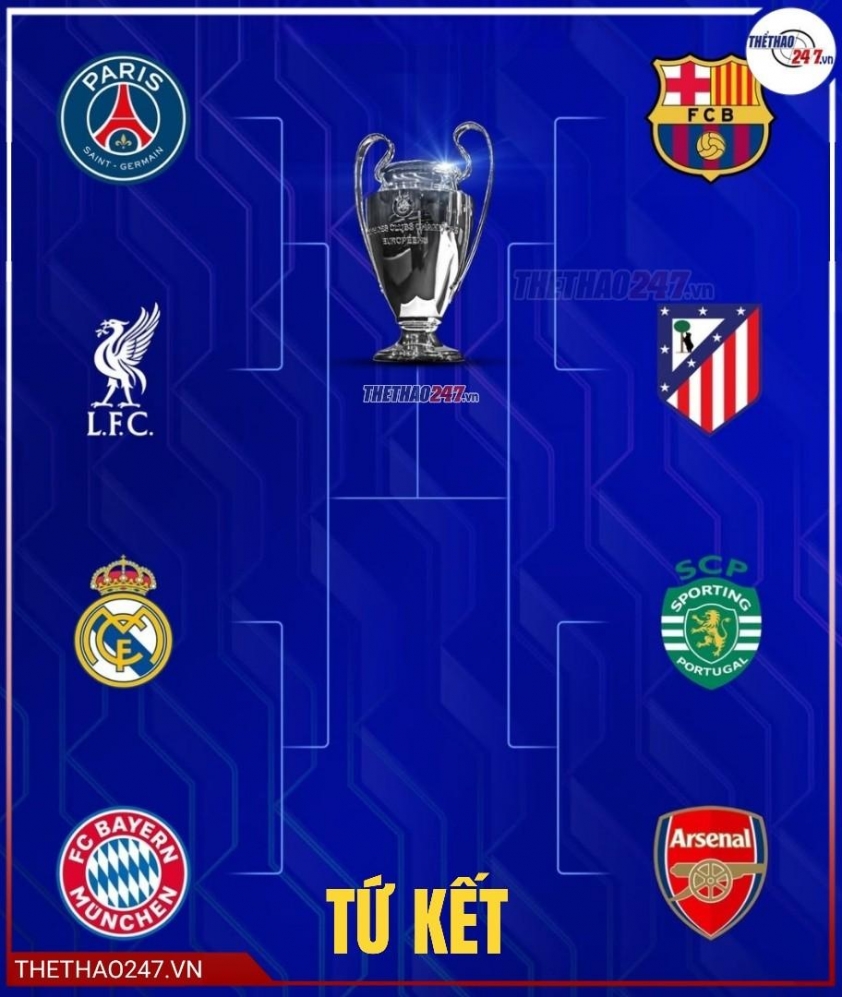
Statistical figures further reinforce this trend. Bayern Munich has reached the quarter-finals for seven consecutive seasons, Real Madrid for six, while Arsenal and Barcelona maintain stable presence. This is not random; it reflects the growing gap in finances, squad depth, and experience between clubs.
Theoretically, the Champions League remains an open competition where any team can create surprises. But in practice, the door to advancing deep is gradually closing for the rest. Clubs outside the "elite" group typically only make an impact in the group stage or early rounds. When entering the knockout phase, the difference in class is almost immediately exposed.
The new format of the Champions League in recent seasons makes this disparity even more pronounced. More matches, higher intensity, and greater pressure all benefit clubs with substantial resources. They have deep enough squads to rotate, experience to handle crucial moments, and financial foundations to sustain long-term competitiveness.
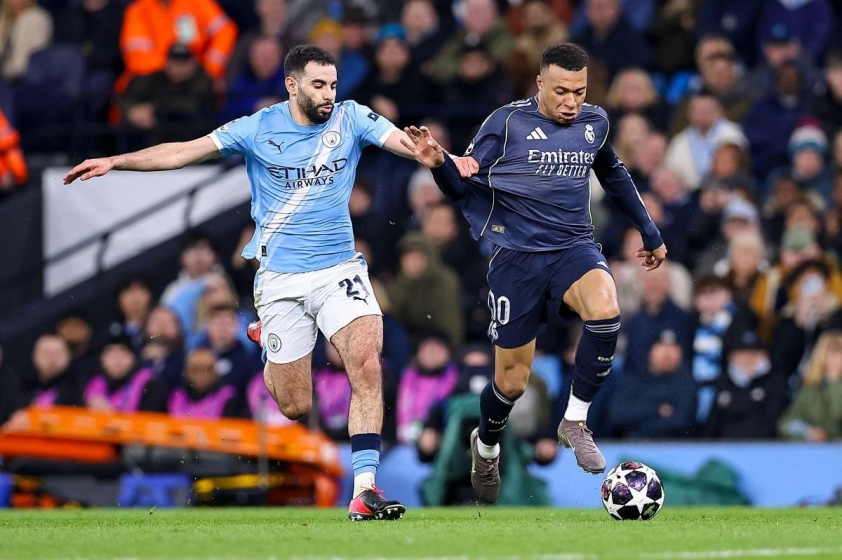
Conversely, smaller clubs struggle to keep up. Although over the past five years, 17 different teams have reached the quarter-finals, very few can repeat that achievement. This shows "diversity" exists only superficially, while the essence of the game remains in the hands of a small group.
Therefore, many are beginning to ask: Is the Champions League following the path of the Super League, albeit unofficially?
The Super League project once faced fierce opposition for its idea of creating a closed arena for the giants. But in the current Champions League, a "soft Super League" seems to be forming. Rich and traditional clubs continuously advance deep, sharing enormous revenue from broadcasting rights and commercial deals, while the rest increasingly struggle to rise.
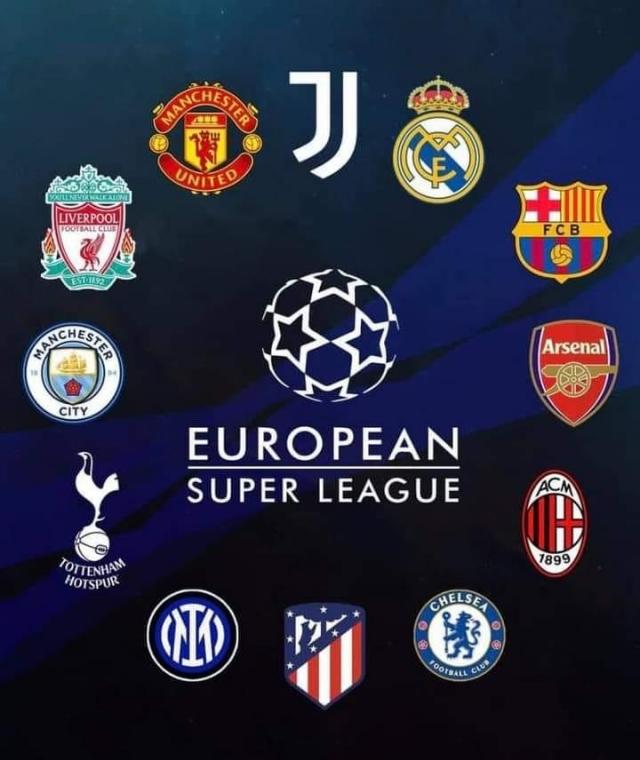
This does not reduce the professional quality. On the contrary, the epic battles between giants still offer special appeal. But it raises a larger issue: the concentration of power in European football is increasing.
The Champions League is growing bigger and richer. But simultaneously, it is also becoming more familiar than ever, with recurring faces each season. And perhaps, that is the clearest sign showing the boundary between the Champions League and the Super League is gradually blurring.


Wonderfulshortvideo
Kvaratskhelia and Ronaldo 🫶


🇪🇸 Spain 🆚 Argentina 🇦🇷
Arsenal goal today arsenal 2-1 chelsea arteta interview arteta press conference
When Diogo Costa saved EVERY penalty he faced in the shoot-out 🤯🤯🤯
The movement is electric ⚡️
Mbappe injury mbappe surgery real madrid 0-1 getafe mbappe return date mbappe edit
ronaldo almeria ronaldo buying new club ronaldo owner ronaldo manchester united owner
 Links
Links
 Contact
Address:UNIT 1804 SOUTH BANK TOWER, 55 UPPER GROUND,LONDON ENGLAND SE1 9E
Number:+85259695367
E-mali:[email protected]
 App
App


