



Development Direction of Five-Level Youth Training Centers: Restructuring Provincial and Municipal Administrative Division Competition Systems



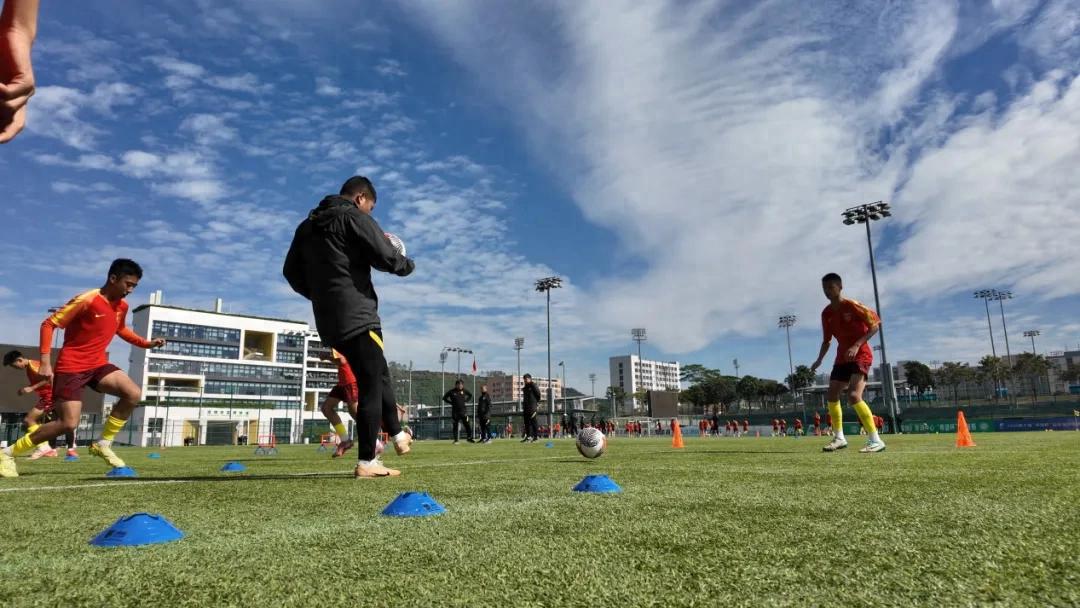
Chief Reporter Chen Yong reports Regardless of how we emphasize, track, or supervise the construction of five-level youth training centers, without intrinsic motivation, efforts may become superficial. Therefore, enhancing the intrinsic motivation of these centers is the key direction. This intrinsic motivation, or core driving force, lies in establishing corresponding competition systems—more precisely, youth competition systems based on provincial, municipal, and county-level administrative divisions, corresponding to national, provincial, and municipal administrative division competitions.
One challenge is that various youth competition systems—such as school football, professional youth training, key city programs, or events like the National Games and Youth Three-Sports Games—often believe they alone can be the core of China's youth football development. This leads to diverse approaches and potential chaos in competition systems, making systematic organization crucial. In 2024 and 2025, one of the key tasks for Chinese youth football is to streamline these competition systems.
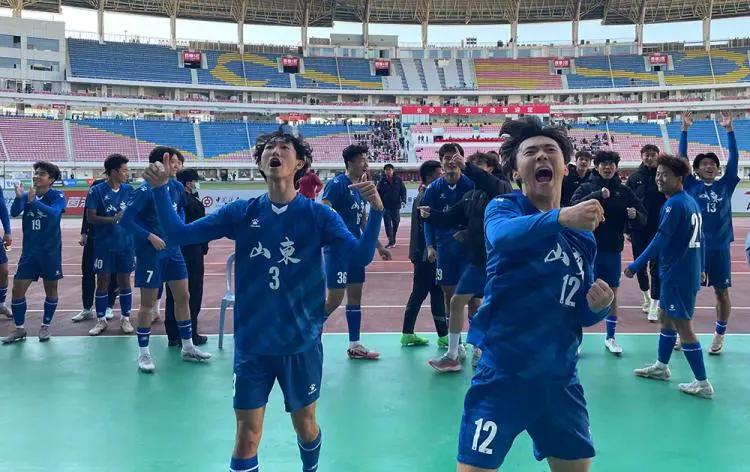
Regarding the competition system for five-level youth training centers, we first propose clear recommendations: (1) Continue to coordinate nationwide administrative division competitions, integrating them all into the National Youth Three-Sports Games system (hereinafter referred to as the Three-Sports Games) to strengthen provincial youth training centers; (2) Based on the Three-Sports Games, improve provincial-level Three-Sports Games, standardize age groups, and thereby drive municipal youth training center development. Similarly, municipal-level Three-Sports Games should promote county-level youth training center construction.

On December 31, 2024, the General Office of the State Sports Administration, the General Office of the Ministry of Education, and the Chinese Football Association jointly released the 2025 National Youth Football Competition Calendar. This marks the first time a unified national competition calendar has been issued for Chinese youth football, and it was released a year ahead.
This task was one of the priorities in Chinese youth football work for 2024. Moving into 2025, the focus of the State Sports Administration and the Chinese Football Association shifts to streamlining and integrating competition systems.
Based on the nature of participating units, current official youth competitions in China mainly include the following systems: (1) Sports system competitions, i.e., administrative division competitions, including the National Games, Student Games, Three-Sports Games, Chinese Football Association Youth Football Championship (member association group and key city group); (2) Club-based competitions, primarily the U-series leagues; (3) School-based competitions under school football programs, besides local "Mayor's Cup" events, currently focusing on the National High School League and National University League; (4) The China Youth Football League, open to all youth training institutions regardless of participant type; (5) Other events like the Sports School Cup and Western Youth Training Cup.
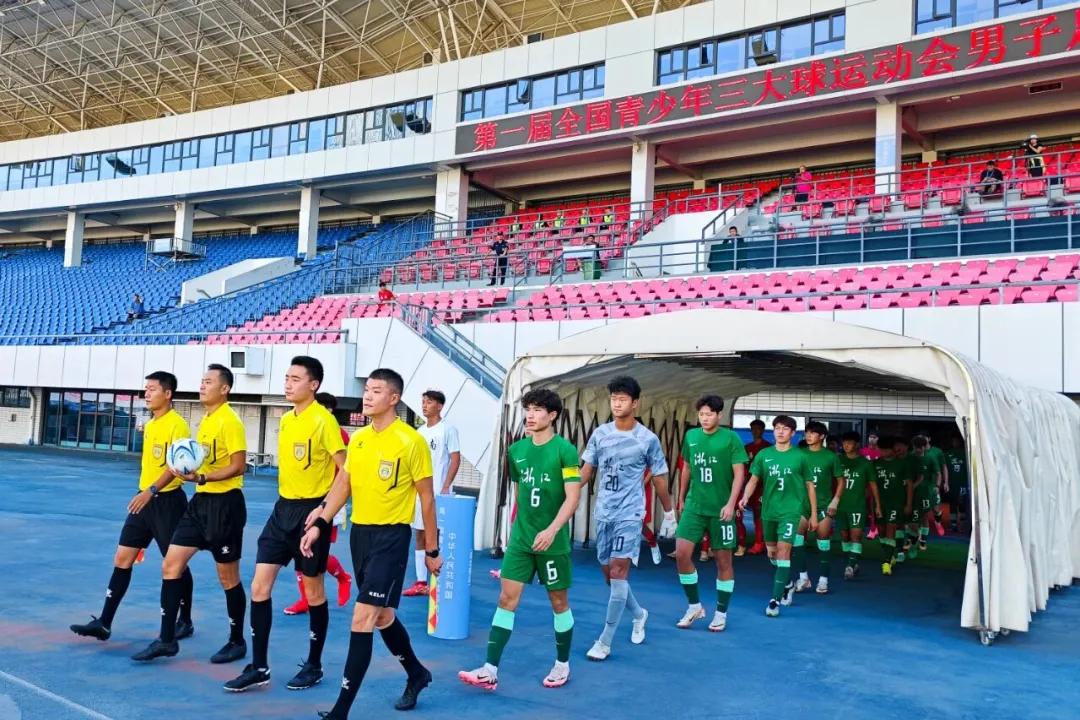
The focus of competition integration in 2025 is on sports system competitions, aiming to fully integrate all administrative division competitions into the Three-Sports Games. Initially, besides the existing single U18 group, a U16 group will be added. Meanwhile, the National Games will still include a U20 group. Thus, youth players can participate in national administrative division competitions at ages 16 and 18 (Three-Sports Games and National Games U18/U16 groups), and Olympic-age players at age 20 (National Games U20 group). Additionally, member association group competitions will be integrated into the Three-Sports Games, serving as preliminary rounds, though they remain relatively independent and determine final rankings.
Furthermore, the U21 League and U19 Youth Championship will merge into a U20 League, creating a high-quality, home-and-away top youth competition. The Youth Championship has established a three-tier system of "local preliminaries—regional tournaments—national finals." Current priorities include creating more high-quality matches and strengthening local preliminaries. Overall, youth training institution competition systems focus on odd age groups (e.g., Youth Championship U13, U15, U17), while administrative division competition systems focus on even age groups (e.g., Three-Sports Games U16, U18), complementing each other.
The coordination by the State Sports Administration and Chinese Football Association is crucial. The youth competition systems now develop synergistically, preventing players from being overburdened, and various competitions complement each other. The National Games and Three-Sports Games support provincial youth training center development: based on current competitions and national team standards, theoretically, provincial youth training centers (or collaborating key municipal centers) should conduct training camps at ages 13 and 14, form U15 provincial teams at age 15, and then progressively participate in the Three-Sports Games and National Games.
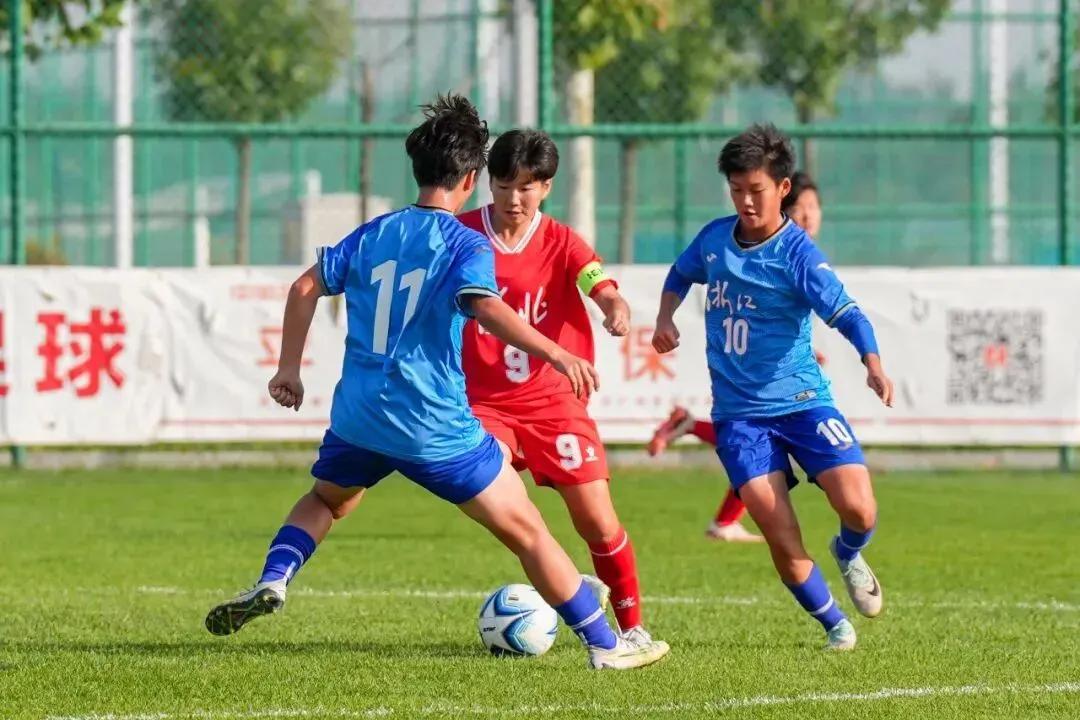
Currently, areas needing further improvement in the national competition system include:
(1) Clarifying the football competition system for the Student Games, which uses municipal administrative divisions as participating units. It is necessary to discuss whether the Three-Sports Games should add a U14 group for municipal teams. This relates to municipal youth training center development, especially for municipal centers that are members of the Chinese Football Association;
(2) Professional club competitions currently only include the U20 League, open not only to professional clubs. Consider restoring U17 and U15 leagues, using the Youth Championship as preliminary rounds, and conducting shorter but high-quality club competitions in the latter half of the year;
(3) Attention needed for U14 and U12 competition systems. U14 players currently only participate in the U15 Youth Championship. During puberty, physical changes are significant; research shows many U14 players either serve as substitutes in U15 Youth Championship or have no matches, hindering development. U12 is the preparatory age for national competitions. If the Three-Sports Games adds a U14 group corresponding to the Student Games, and key cities focus on U12 competitions, this gap could be effectively filled. Especially since key cities cover about half of China's football resources, setting U12 competitions could provide a review and assessment of Chinese youth football before national events;
(4) Given current requirements for advancement certificates and the overall expansion of youth football scale, consider increasing the issuance of level certificates.
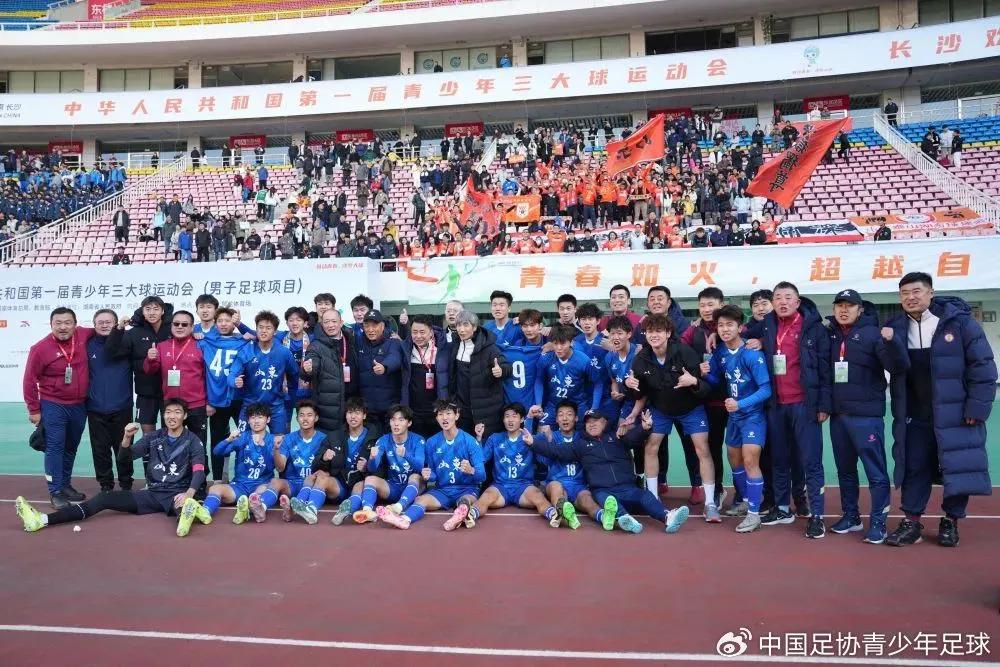

Returning to the administrative division competition system for youth football, with the national system largely streamlined, future priorities and directions involve local competition organization: (1) Provincial youth competitions fully align with national ones, promoting provincial Three-Sports Games construction with municipal units as participants, suggested age groups being U14 and U12; (2) Municipal youth competitions are relatively easier to organize; consider hosting Three-Sports Games for younger age groups.
Current provincial football competitions mainly rely on Provincial Games, typically held the year after the National Games to prepare talent for the next National Games. In the original framework, Provincial Games age groups should theoretically be U17, U15, and U13, corresponding to the National Games U20, U18, and U16 groups three years later. However, actual Provincial Games age groups vary across provinces.
Now, with national competitions streamlined, national administrative division competitions are held annually and have fully shifted to single-age-group teams, meaning any age group must participate at least once in the Three-Sports Games U16 and U18 groups. In this context, the current Provincial Games football competition system is completely mismatched with China's football system, making reorganization inevitable and urgent.
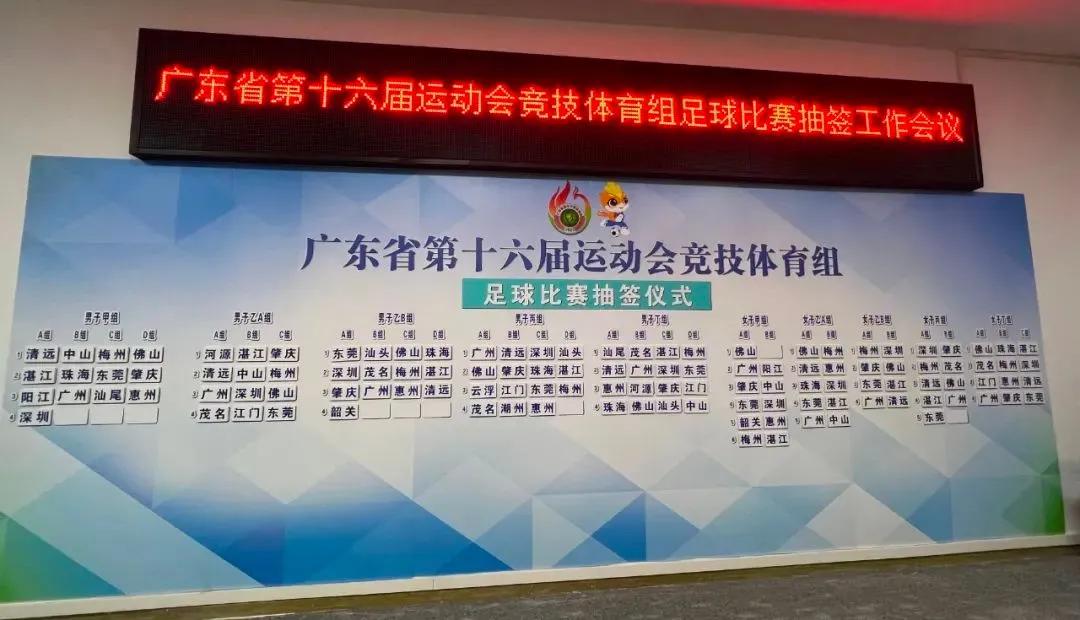
Under these circumstances, following the principle of gradual progression and orderly linkage by age groups, it is recommended to fully transition Provincial Games football competitions to provincial Three-Sports Games, held annually, with suggested age groups U14 and U12. These age groups have fewer national competitions, allowing more focused preparation and participation in provincial Three-Sports Games. Not setting a U13 group ensures smooth operation of Youth Championship local preliminaries.
Another crucial point: besides streamlining provincial competition systems, provincial and national competitions must align in timing. Provincial and municipal Three-Sports Games should not only have unified age groups but also unified schedules, held in corresponding months.
Municipal football competitions, due to easier participation, can overlap with provincial age groups or extend to younger ages. Younger age groups lack national competitions, allowing more flexible formats and easier regular scheduling. One suggestion is to implement home-and-away formats in municipal Three-Sports Games.
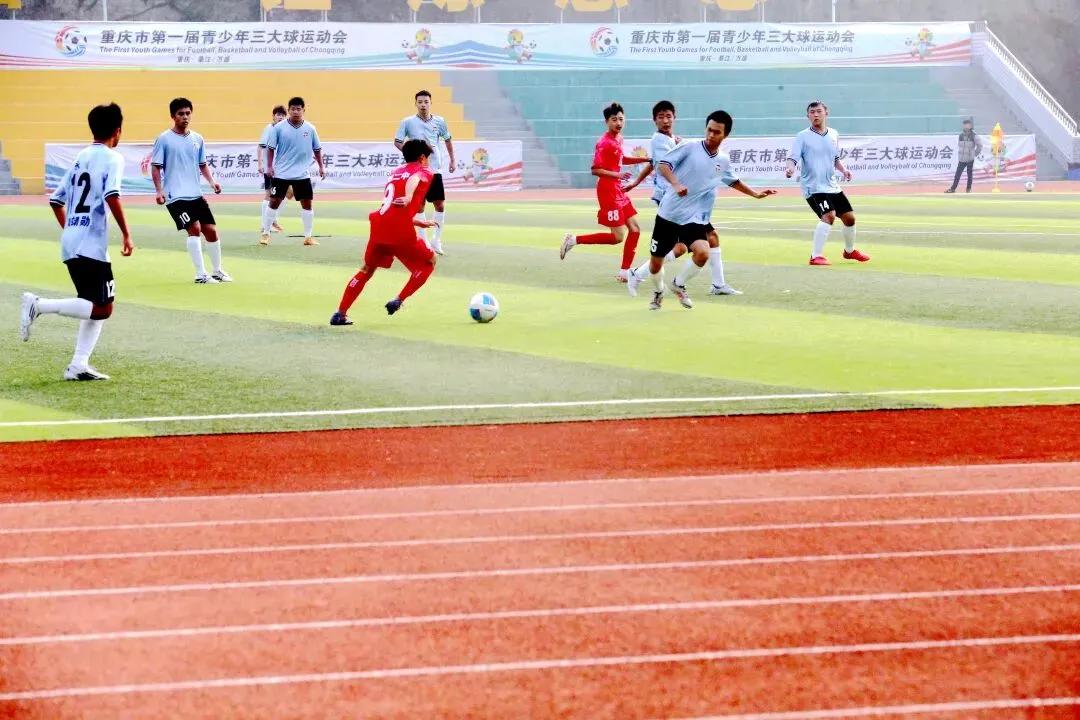
Overall, in constructing five-level youth training centers, besides unifying construction standards and ensuring implementation, it is more important to comprehensively streamline national, provincial, and municipal administrative division competition systems to fully align with the five-level centers. Through overall coordination of competition formats, everything can proceed orderly.
One vision for Chinese youth football development is: a youth player experiences football atmosphere in school, receives guidance from professional youth training institutions outside school, and in the coming year, coaches, parents, and the player clearly know when, where, and in what capacity they will participate in which competitions, whether they will join training camps afterward, and pathways to provincial and national teams.
On this basis, coaches, parents, and players also have clear understanding of advancement pathways. This is another key aspect of youth training system construction. Current priorities include ensuring smooth transitions between high school and university pathways and exploring football development in top universities.


Wonderfulshortvideo
Kvaratskhelia and Ronaldo 🫶


🇪🇸 Spain 🆚 Argentina 🇦🇷
Arsenal goal today arsenal 2-1 chelsea arteta interview arteta press conference
When Diogo Costa saved EVERY penalty he faced in the shoot-out 🤯🤯🤯
The movement is electric ⚡️
Mbappe injury mbappe surgery real madrid 0-1 getafe mbappe return date mbappe edit
ronaldo almeria ronaldo buying new club ronaldo owner ronaldo manchester united owner
 Links
Links
 Contact
Address:UNIT 1804 SOUTH BANK TOWER, 55 UPPER GROUND,LONDON ENGLAND SE1 9E
Number:+85259695367
E-mali:[email protected]
 App
App


