



What is the "new" aspect of the new football schools?



Journalist Chen Yong reports The five-level youth training centers are the core project of China's youth football development. Under this framework, there are more complex supporting projects to consider, such as how to improve professional youth training, how to expand social youth training organizations, how to comprehensively promote school football, and how to adapt specialized systems like sports schools to the new situation. These are all issues that need to be addressed in youth football work.
Additionally, how to ensure parents and players choose football without worries, how to advance into professional football, or how to complete the integrated "primary-secondary-high school" system and enter undergraduate programs while providing more options for parents and players—all of these are closely related to the high-quality development of China's youth football.
The construction system of "new football schools" in China's youth football corresponds to the transformation of sports schools and the improvement of support systems, aiming to alleviate parents' concerns. Through our relatively in-depth interviews, the general framework of the new football schools and their system should be as follows: (1) The basic reform idea is to achieve deeper integration of sports and education through comprehensive reforms of the youth football development system in sports schools or other vocational schools under the new youth football development landscape, allowing both specialization and education to work together; (2) The reform goal is the deep integration of elite youth training and systemic support, aiming not only to produce excellent football players but also to provide comprehensive support and safety nets for more athletes; (3) New football schools have both narrow construction plans and broader systemic extensions.
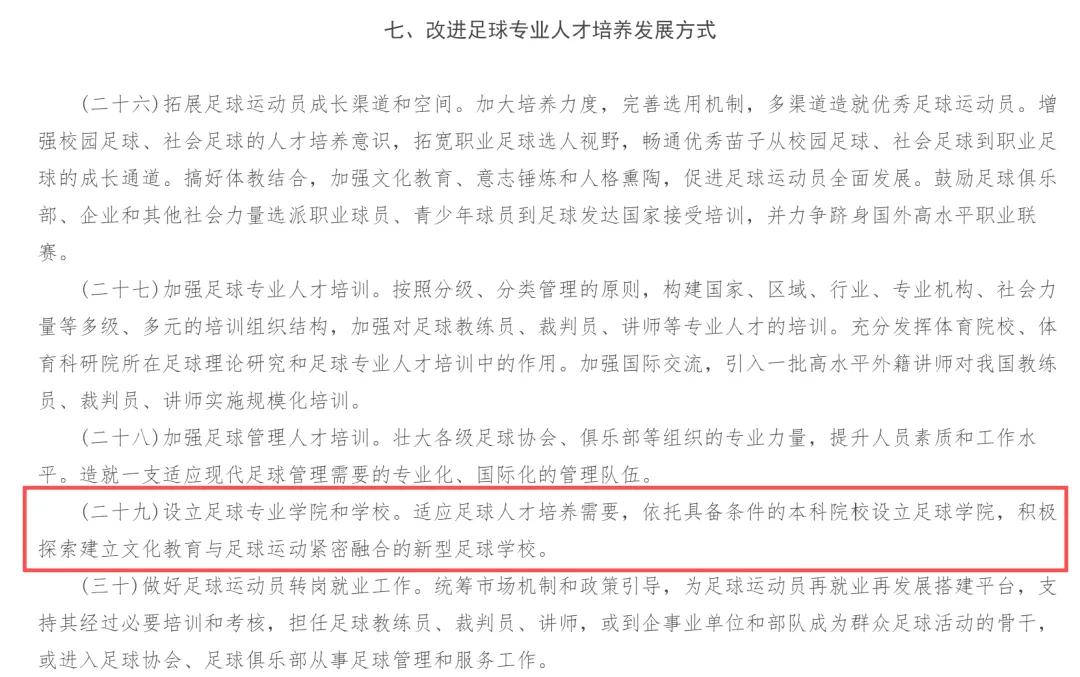

In 2015, Article 29 of the "Overall Plan for Chinese Football Reform and Development" first proposed: reforming the development methods of professional football talent training, and actively exploring the establishment of new football schools that closely integrate cultural education with football. However, this policy lacked detailed implementation plans and progressed slowly over the years. In June 2021, the first new football school in China was inaugurated in Kaifeng City, Henan Province. Although a nationwide construction plan has not been fully clarified, this exploration remains significant.
Since 2022, with the launch of a new round of reforms in Chinese football, the construction of new football schools has entered a new phase.
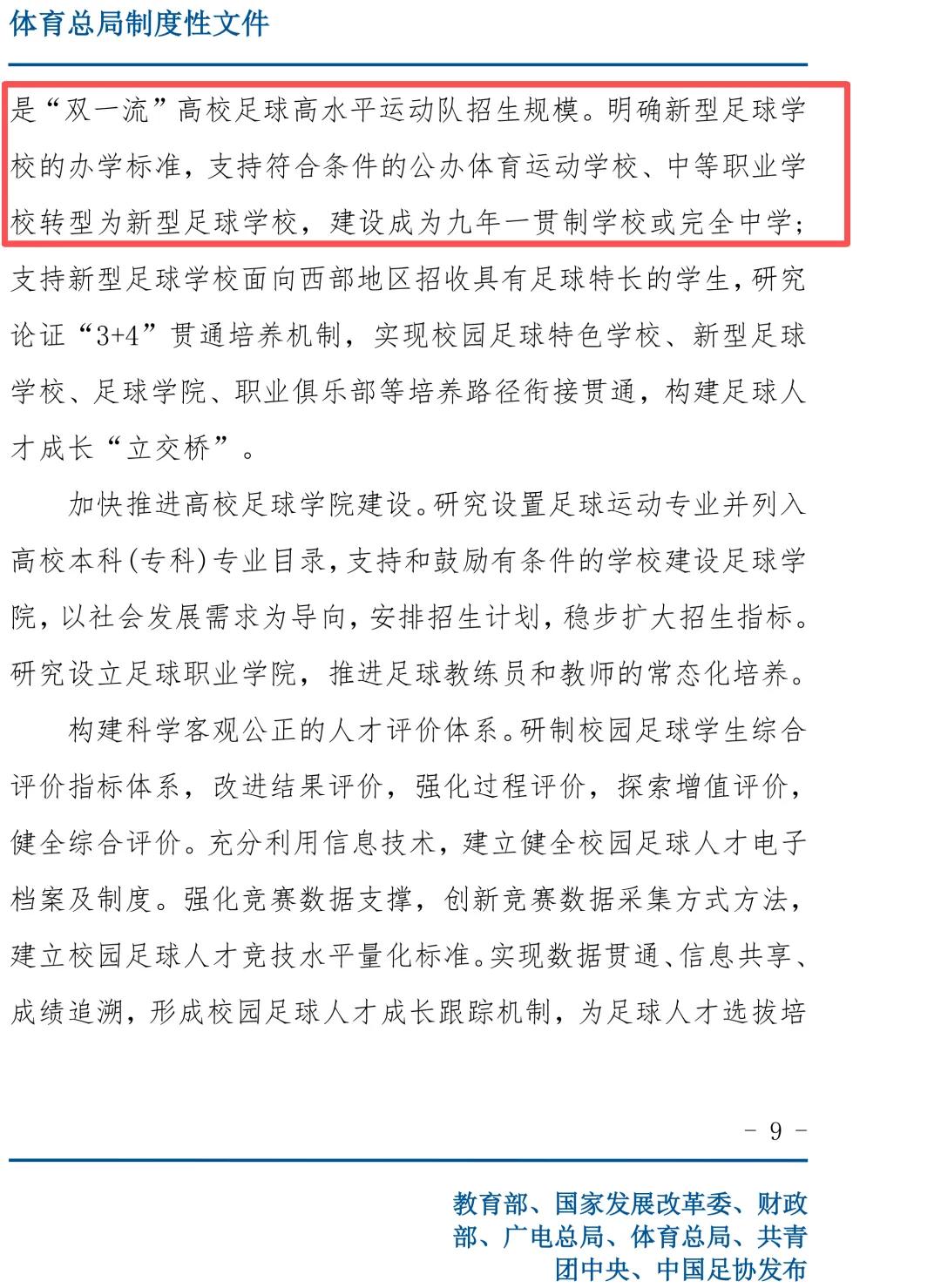
In February 2024, seven departments including the Ministry of Education issued the "Implementation Opinions on Strengthening and Improving Youth School Football Work in the New Era," explicitly supporting the transformation of eligible public sports schools and secondary vocational schools into new football schools.
In November 2024, the Ministry of Education approved the establishment of the first batch of pilot units for new football school construction nationwide, with two schools selected, including the Hebei Provincial Sports School.
By the end of 2025, the Ministry of Education, the General Administration of Sport of China, and the Chinese Football Association jointly issued the "Notice on Piloting the Construction of New Football Schools." Through self-application, provincial recommendations, and joint verification by national departments, 18 institutions were finally selected nationwide for the pilot. Among the 18 pilot institutions for new football schools, sports schools include the Hebei Provincial Sports School, Suzhou Sports School, Harbin Sport University Affiliated Competitive Sports School, Anhui Provincial Sports School, Datong Sports School, Yanbian Sports School, etc.; ordinary secondary vocational schools include Neijiang Zizhong County Vocational Technical School and Hohhot Modern Information Technology School.
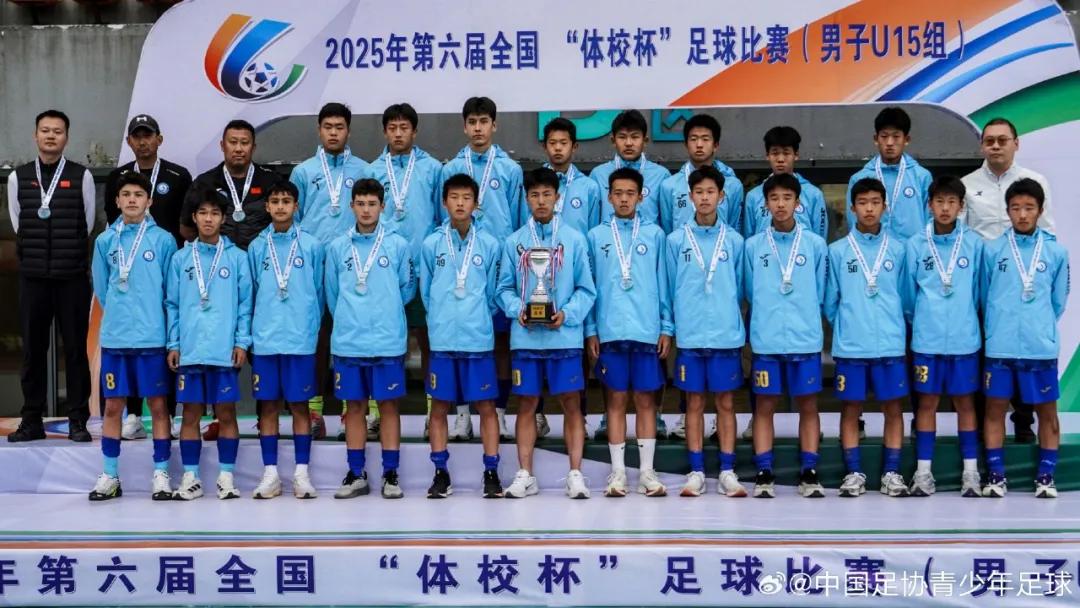

Before discussing the positioning and goals of new football schools, let's first examine what is "new" about them?
From the introduction in the first part, we can relatively clearly see that the narrow concept of new football schools is straightforward: they are transformed from eligible public sports schools and secondary vocational schools. The "transformation" and "new" aspect lie in the core of new football schools being the integration of sports and education, and joint training. Specifically, it involves the deep integration of professional training resources from the sports system (represented by sports schools) and high-quality educational resources from the education system (the primary-secondary-high school system).
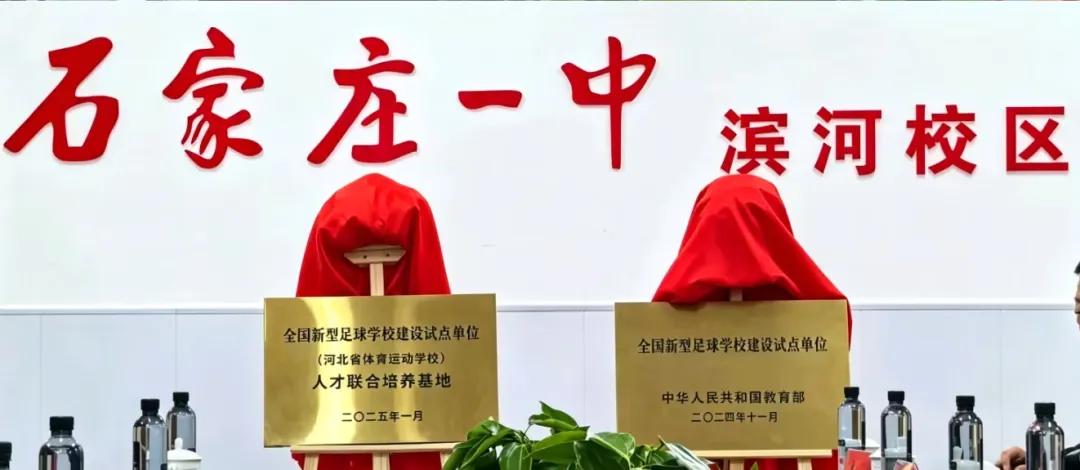
For example, the construction of the new football school at the Hebei Provincial Sports School is a joint effort by the Hebei Provincial Sports Bureau's Big Ball Sports Center (sports system), the Hebei Provincial Sports School (sports school), and Shijiazhuang No.1 Middle School. The new football school at the Suzhou Sports School integrates with the Suzhou Football Sports Management Center, while also collaborating with Suzhou Taihu National Tourism Resort Xiangshan Experimental Primary School and Suzhou Middle School Taihu Bay Experimental School for women's football, and with Suzhou High-tech Zone Experimental Middle School and Wu County Middle School for men's football, including joint梯队 construction with Suzhou Dongwu Football Club (professional club).
Apart from some continuing projects, sports schools face severe inadequacy in competitiveness under the new development landscape of football and other sports. Their inherent advantages in organization are no longer present, and new upward pathways are narrow. Especially since parents nowadays generally emphasize the comprehensive quality development of their children, schools need to provide, among other things, better cultural education and a better learning and交流 atmosphere. New football schools, through joint construction between sports schools and ordinary primary-secondary-high schools, allow daily study and accommodation at the schools, even fully分散 across various classes, with training and matches at the sports schools on weekends or other定期 times. This can reassure parents and address their concerns.


The narrow concept of new football schools is simple; the key lies in this being a more systematic体系建设, which is its true significance.
The well-known "3+4" secondary vocational-undergraduate integrated system relies on new football schools. The "4" naturally refers to undergraduate institutions, while the "3" refers to secondary vocational institutions, and sports schools are mostly secondary vocational institutions. This "3+4" secondary vocational-undergraduate integrated system directly addresses the "retirement phenomenon at age 12."
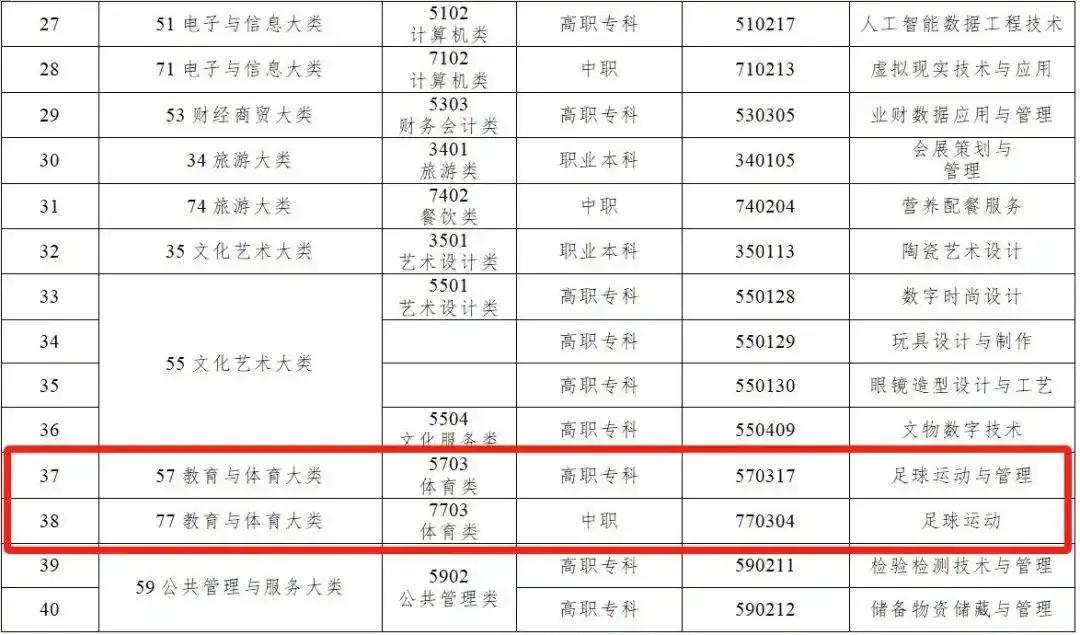
Actually, beyond this integrated system, more integrated systems are being piloted. In December 2024, the Ministry of Education updated and released the "Vocational Education专业目录," formally adding the "Football Sports"专业 to secondary vocational institutions and the "Football Sports and Management"专业 to higher vocational institutions. In August 2025, the Ministry of Education held a national调研座谈会 on the pilot construction and development of football vocational colleges at Qingdao Preschool Education College. The first batch of six pilot construction units for football vocational colleges nationwide included four higher vocational sports schools and two ordinary higher vocational institutions, among which Qingdao Preschool Education College was the drafting unit for the两大 football专业 standards for secondary and higher vocational education.
Additionally, the "3+2" integrated system between secondary and higher vocational education is relatively feasible. Meanwhile, several higher vocational institutions are actively applying for the "3+2" higher vocational-undergraduate integrated system. Thus, a全新 integrated system for China's youth football is gradually taking shape:
【Main Pathway】The integrated "primary-secondary-high school" system and its connection to undergraduate institutions. The current focus is on the "primary-secondary-high school" integrated system, mainly based on the county-level "631 system," while the transition from high school to university requires channels like sports exams and college entrance exams.
【Core Branch (1)】The "3+4" secondary vocational-undergraduate integrated system, which only requires a transition exam. This integrated system is highly attractive because it provides direct access to undergraduate education.
【Core Branch (2)】The "3+2" secondary vocational-higher vocational integrated system, for children who cannot enter high school or the "3+4" secondary vocational-undergraduate integrated system. This also includes methods like the college entrance exam or vocational education college entrance exam.
【Core Branch (3)】The "3+2" higher vocational-undergraduate integrated system, meaning youth football players who cannot enter undergraduate institutions from high school can enter this system.理论上, since the "3+4" secondary vocational-undergraduate integrated system is畅通, the "3+2" higher vocational-undergraduate integration should be a natural extension. Other upward channels include the专升本 system.
【Other Branches】Such as undergraduate-postgraduate integration, or higher vocational-undergraduate-postgraduate integration, and corresponding upward pathways.
The above systems constitute the core support system for the development of China's youth football. Currently, there are two focal directions in China's youth education integrated system: first, whether the transition from high school to undergraduate needs reform, as the quantity or methods of athlete skill等级 certificates no longer适应 the new situation; second, top institutions like 985 universities and "double一流" universities establishing football colleges and football sports专业s, thereby forming high-level football teams, which can generate greater interest in football among parents and youth.
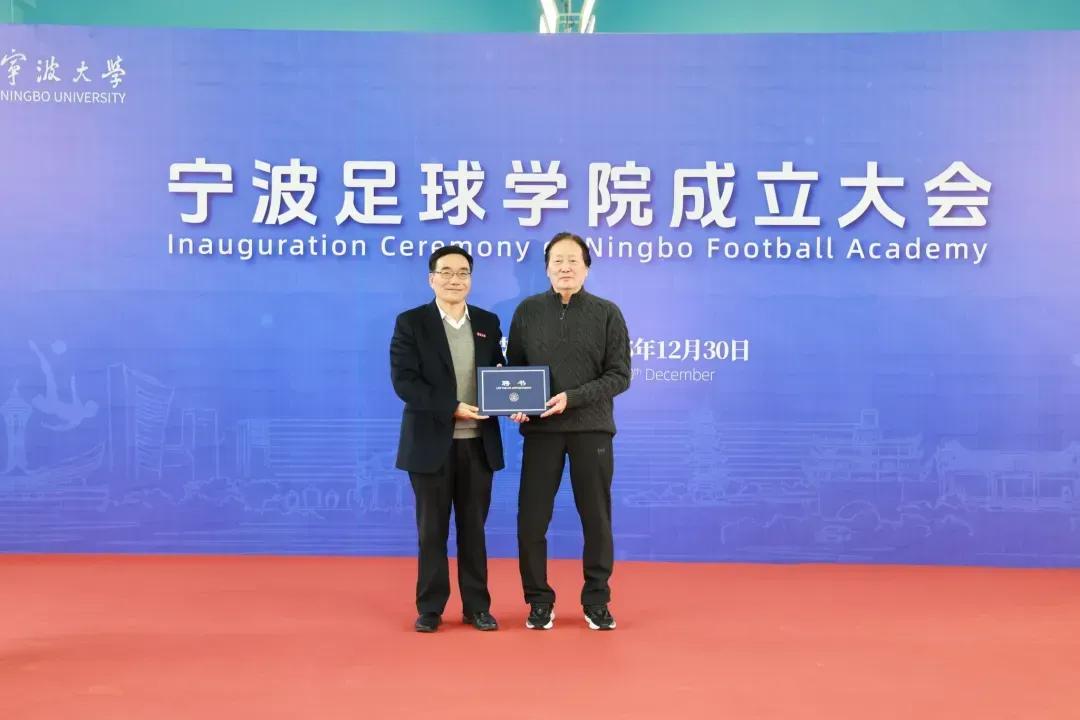

After understanding the new football schools and their corresponding system construction, the positioning and direction of new football schools become clear. On one hand, they continue to培养 excellent football players, i.e., the elite youth training direction; on the other hand, relying on the new football schools and their extended systems, they demonstrate support functions, including systems like the "3+4" secondary vocational-undergraduate integrated system and other systems designed as safety nets.
For the new football schools themselves, their work direction is also clear. First, they must focus on办学, i.e.,全力培养 excellent elite football players while also enhancing their cultural素养 and comprehensive素质 during the training process. Second, while pursuing high-quality办学, they should actively explore and even lead more宏大,全体系,全链条的 system construction.
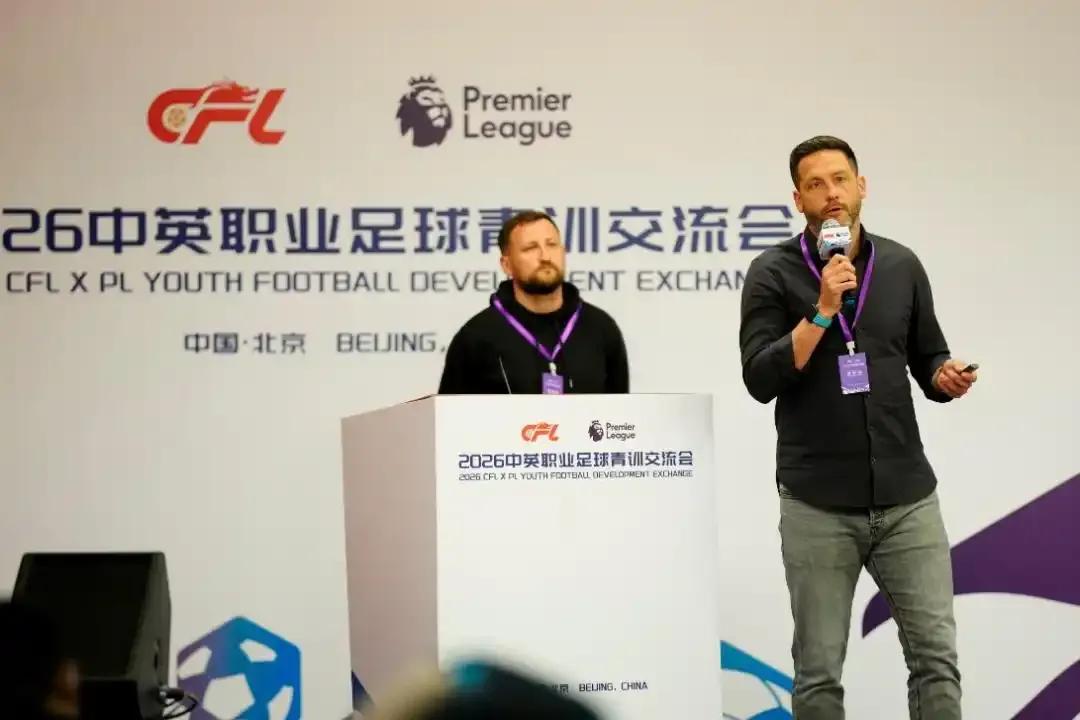
During the Sino-English Professional Football Youth Training Exchange Conference on April 10, multiple英超 youth training experts, including英超 League Football Director Neil Saunders, Wolves Youth Training Phase负责人 Karl Broadhurst, and Aston Villa Coach Development主管 Tom Evans, discussed the "elite player退出机制," referring to players leaving youth training teams aimed at professional leagues.
In Europe, only a very small number become professional players, and even in the oldest age groups of top youth training leagues, the success rate is not high. However, they have完善的 systems to接收 "exiting" players. China's current various systems also aim to provide保障 for more youth engaged in football who do not become professional players.
This professional path should have support at every stage.



Wonderfulshortvideo
Ganglion cyst removed


Ganglion cyst removed
User SportScoop has posted a video.
User SportScoop has posted a video.
Replying to @Computer says no.
Replying to @Computer says no.
User SportScoop has posted a video.
 Links
Links
 Contact
 App
App


