



Continuous improvement in youth training, U20 league set to commence



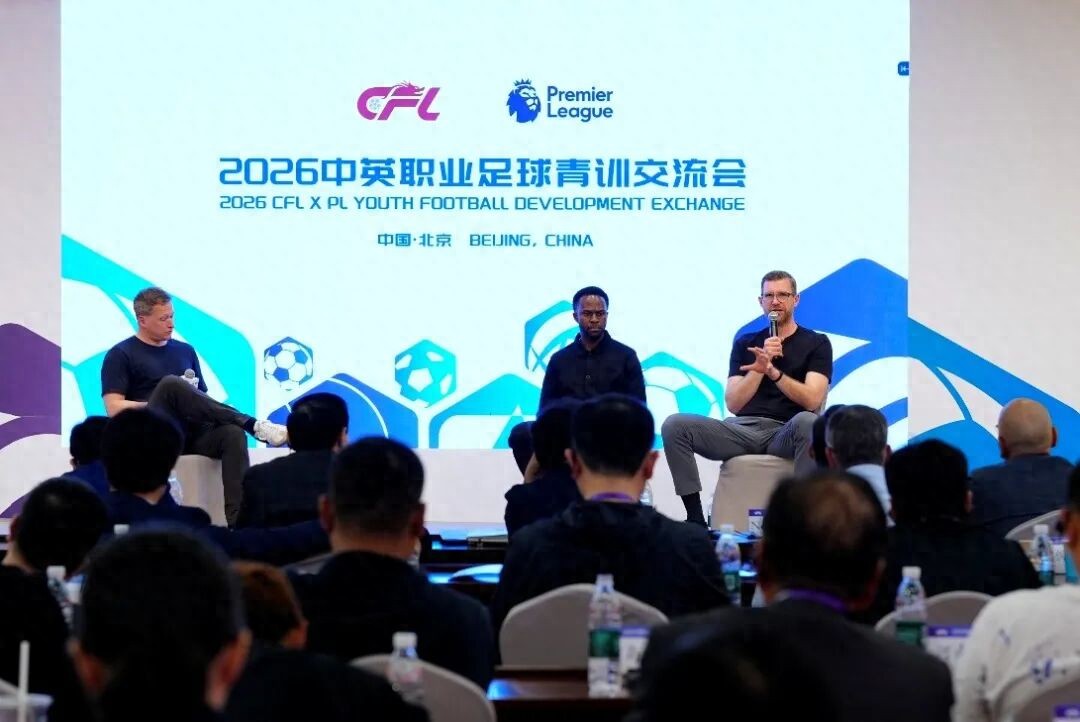
Journalist Chen Yong reports The 2026 Chinese Super League market is more vibrant, with game pace and competition intensity fully elevated, but the Chinese Football Association League has not neglected professional youth development. On April 10, the Chinese Football Association League and the Premier League jointly hosted the "2026 Sino-British Professional Football Youth Training Exchange Conference." Following the inaugural conference in Haikou in 2025, Premier League youth training experts once again gathered with representatives from various levels of Chinese professional clubs to share practical experience on core topics such as the growth environment for young players, the construction of youth training systems in professional clubs, and the development path for U15 players transitioning to professional careers.
Twelve days after the exchange conference, the new U20 league, centered on a home-and-away format and high-quality competition, will officially launch.

This youth training exchange conference consisted of three parts: first, the competition, the "2026 Premier League Youth Cup" jointly organized by the Premier League and the Beijing Football Association, with support from Migu Video Technology Co., Ltd., held in Beijing from April 6 to 11, featuring eight youth training teams from the Premier League and Chinese football; second, training, during the event, the Premier League launched the "Youth Cup Coach Development Program," where 40 grassroots Chinese coaches received four days of targeted training under guidance from Premier League officials and youth experts from Burnley and Chelsea; third, the exchange conference itself.
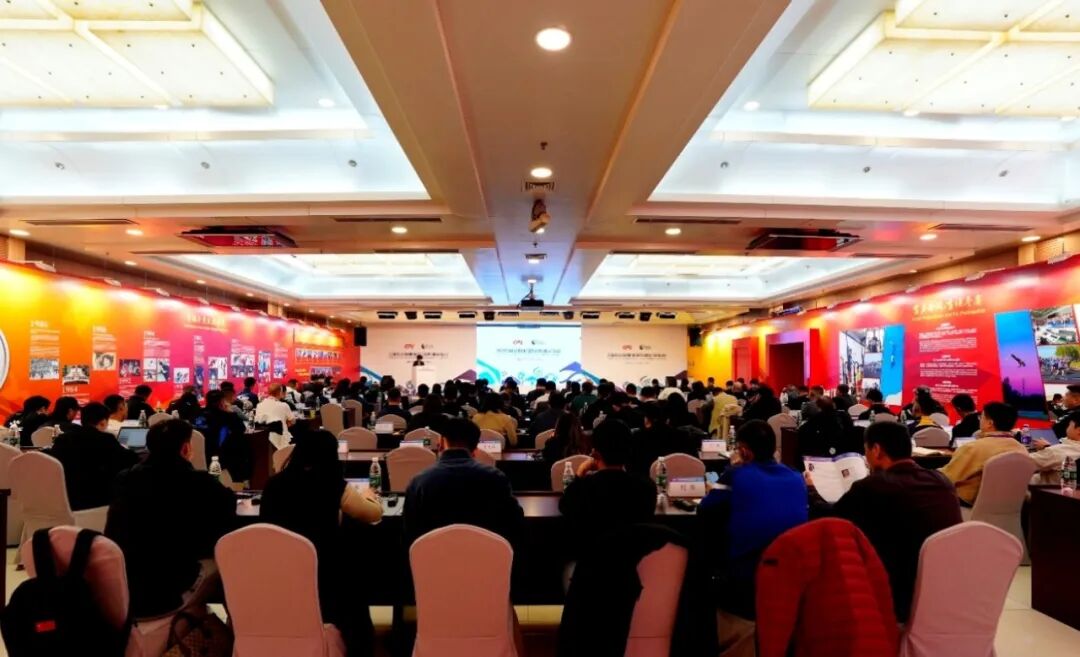
Attending the exchange conference were Li Kemin, Chairman of the Chinese Football Association League, Yang Xu, Vice Chairman, Shen Rui, Secretary-General, Li Jiaming, Managing Director of the Premier League China, among others. Representatives including investors, general managers, youth training heads, technical directors, and first-team coaches from 49 clubs across the Chinese Super League, China League One, and China League Two gathered with Premier League experts and specially invited experts from the Chinese Football Association League.
Neil Saunders, Football Director of the Premier League, presented on "Personal Growth in an Excellent Development Environment," outlining the Premier League's professional youth training development. He revealed that 4% of the Premier League's commercial revenue is reinvested into youth training, with cumulative investment of £32 billion into the youth system by the Premier League and its clubs. Additionally, the Premier League introduced the Elite Player Performance Plan as early as 2012, which has been ongoing for 15 years.
Youth training expert Steven Smet from Belgium, in "Red Map Plan 2.0 Youth Training Work Approach," discussed communication between coaches and players and tactical thinking from a coach's perspective; Karl Broadhurst, Head of Youth Phase at Wolverhampton Wanderers, and youth coach Ashley Lovell, in "Insights into Wolves U15 Youth Training Project," shared Wolves' offensive and defensive training models; Tom Evans, Coach Development Head at Aston Villa, provided similar recommendations for U15 player development; Wang Weisheng, Director of Greentown Football School, delivered a specialized youth training presentation.
At the conclusion of the seminar, Steven Smet joined Per Mertesacker, Arsenal's Youth Director, and Jonathan Hunter-Barrett, Wolves' Youth Director, focusing on player development from ages 18 to 23, conducting a panel discussion titled "Path to the Senior Team." Topics included when to start predicting a player's future, key points in transitioning to a professional player, linkage and communication between first-team and youth teams, how youth competitions provide support, the significance and methods of player loans, and the conversion rate of youth players into professionals.
Li Kemin stated that youth training is the foundation of football development. The Chinese Football Association League persists in advancing quality enhancement actions for professional youth training, improving club梯队 construction, incentive mechanisms, and competition reforms. Both China and Britain will deepen cooperation in理念, coach cultivation, and player development pathways to support the construction of China's professional football youth training system and the growth of young players.

Three days prior to the exchange conference, the Chinese Football Association League issued the registration notice for the U20 league. On April 24, the new U20 league will commence.
The U20 league is formed by merging the China Youth Competition Men's U19 league and the U21 league, primarily consisting of professional club梯队. The competition focuses on two aspects: first, the home-and-away format; second, high-quality赛事.
The U20 league is divided into three stages: the first stage involves 10 rounds of tournament-style matches, also serving as the第二阶段预选赛. After this stage, teams are placed into corresponding groups such as A, B, C, D. In the second stage, groups A and B play double-round home-and-away matches, while other groups play tournament-style matches, ensuring a higher number of home-and-away games for优秀青训队伍. After this stage, promotion and relegation occur. In the third stage, the promoted and relegated groups A and B continue with home-and-away matches, while other groups play tournament-style matches. According to the current format, top U20 teams will play 10 rounds of tournament-style matches and 20 rounds of home-and-away matches, with all matches concluding on November 12.
The inaugural competition aligns with the current realities of Chinese youth football. Future plans aim to implement tiered competitions such as the U20 Super League and U20 League One, with top-tier赛事 adopting a home-and-away system.


Wonderfulshortvideo
Ganglion cyst removed


Ganglion cyst removed
User SportScoop has posted a video.
User SportScoop has posted a video.
Replying to @Computer says no.
Replying to @Computer says no.
User SportScoop has posted a video.
 Links
Links
 Contact
 App
App


