



World Cup 2026: The Warrior Spirit of the 'Lions of Mesopotamia'



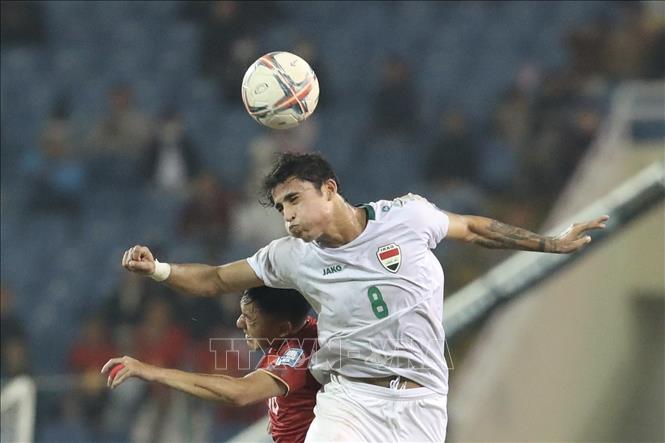
The West Asian team became the final name to secure a spot in this summer's global football festival after a qualifying campaign spanning over two years and a total of 21 matches. The path to the World Cup for the 'Lions of Mesopotamia' was made even more difficult as military tensions in the Middle East severely disrupted regional air travel.
Before the decisive intercontinental playoff against Bolivia in Mexico, many Iraqi players had to travel by road to Jordan, then wait for dozens of hours to board a charter flight. Coach Graham Arnold revealed that he even gave the players three days off after arriving in Mexico to recover physically.
However, no difficulty could stop Iraq's ambition. A 2-1 victory over Bolivia in Monterrey secured the team's first World Cup berth since 1986.
One of the heroes of the match was striker Ali Al-Hamadi. The 24-year-old, currently on loan at Luton Town, scored the opening goal and became a symbol of a generation of Iraqi players who grew up abroad but always remain connected to their homeland.
Al-Hamadi's family left Iraq after the political upheavals of the early 2000s and settled in Liverpool, England. Although raised in Europe, he maintains Arabic at home, enjoys traditional dishes, and watches Iraqi television daily. Al-Hamadi shared: 'The moment I scored to take the team to the World Cup will stay with me for the rest of my life.'
For the Iraqi people, football is more than just a sport. For decades, it has been a rare source of spiritual encouragement amidst life's hardships.
Since their last World Cup appearance in 1986, Iraq has experienced war, economic sanctions, political instability, and numerous social upheavals. The national team has often had to play home matches in other countries due to security concerns.
One of the finest memories in Iraqi football is winning the 2007 Asian Cup after defeating Saudi Arabia. However, the World Cup dream remained unfulfilled until this summer. Al-Hamadi said: 'The Iraq national team shirt carries immense weight. You always feel the expectations of millions of people.'
Immediately after securing the World Cup spot, Iraq began an intensive preparation process. Coach Graham Arnold's team held a training camp in Spain with friendlies against Andorra and, notably, the Spanish national team.
In a notable friendly match held in early June, Iraq impressively held Spain to a 1-1 draw. This result gave Iraq a major confidence boost as they face very strong opponents in the World Cup group stage.
According to the draw, Iraq landed in Group I alongside France, Norway, and Senegal—a group many experts consider one of the tournament's 'groups of death'. Nevertheless, coach Graham Arnold still believes his team can spring a surprise. The Australian tactician emphasized: 'We must step onto the pitch with a steady mindset. The key is having the belief that we can do something special and make the world take notice.'
Iraq's opening match will be against Norway, a team boasting superstar Erling Haaland. Midfielder Aimar Sher—a player currently active in the Norwegian league—said this is the match the entire team is most looking forward to. Sher is also a typical representative of the generation of Iraqi players raised abroad. He moved to Sweden at age four, once played for Swedish youth teams, but ultimately decided to commit to his homeland.
On June 16th in Boston (USA), Iraq will officially begin their 2026 World Cup journey. It is not just a sporting milestone but also an opportunity for the country to show a different image to the world: one of resilience, ambition, and national pride. Not many expect Iraq to go far. However, that very fact makes them a dangerous unknown quantity.
'Fighting is part of the Iraqi nature. At the World Cup, people will see a team that never gives up. If any team is capable of causing a shock or spoiling the party of the big sides, it will be Iraq,' Al-Hamadi asserted.
The 2026 World Cup may have only just begun for Iraq, but the story they are writing is already one of the most inspiring journeys in modern world football.


Wonderfulshortvideo
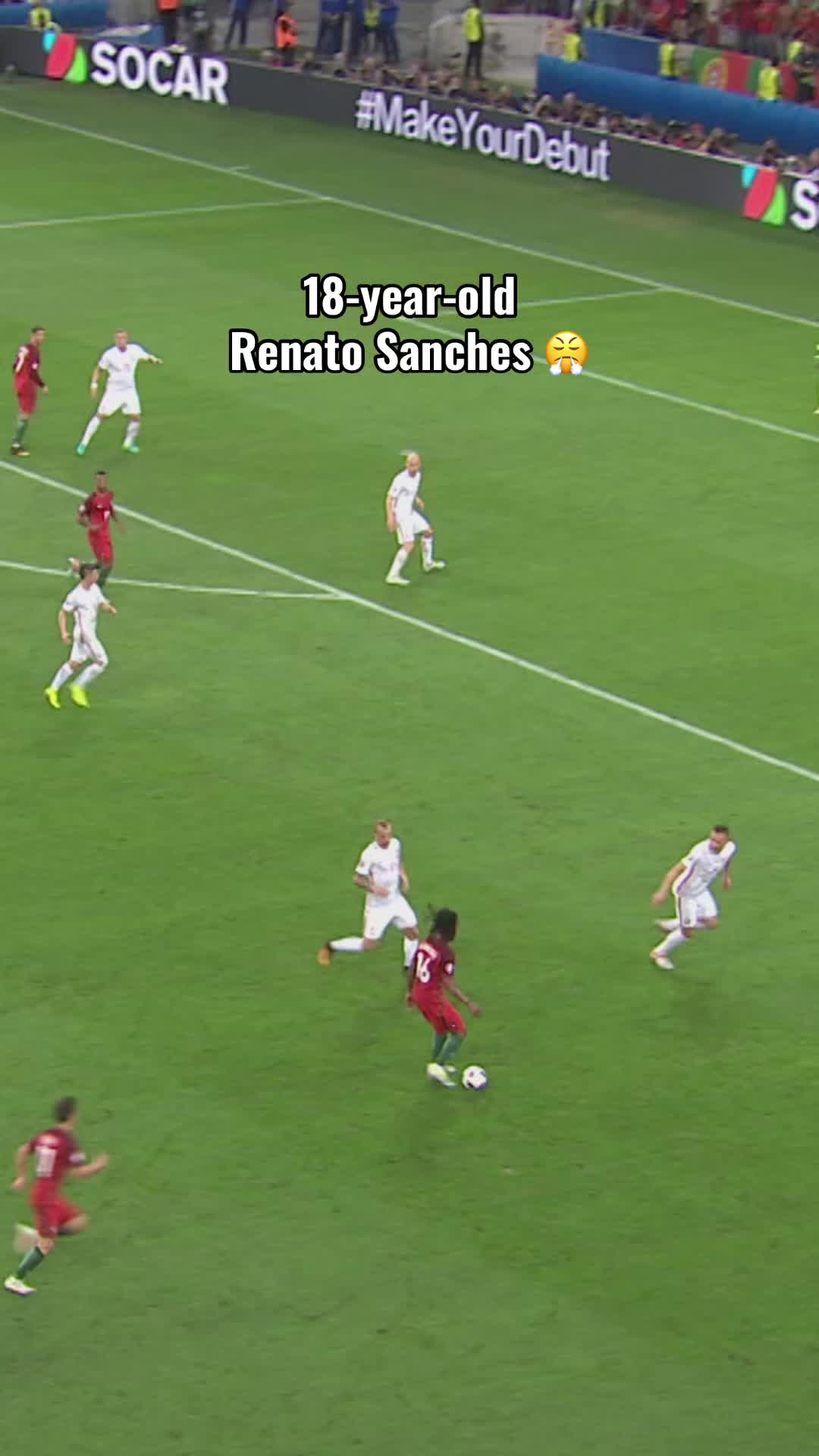
Unforgettable EURO moment 🙌


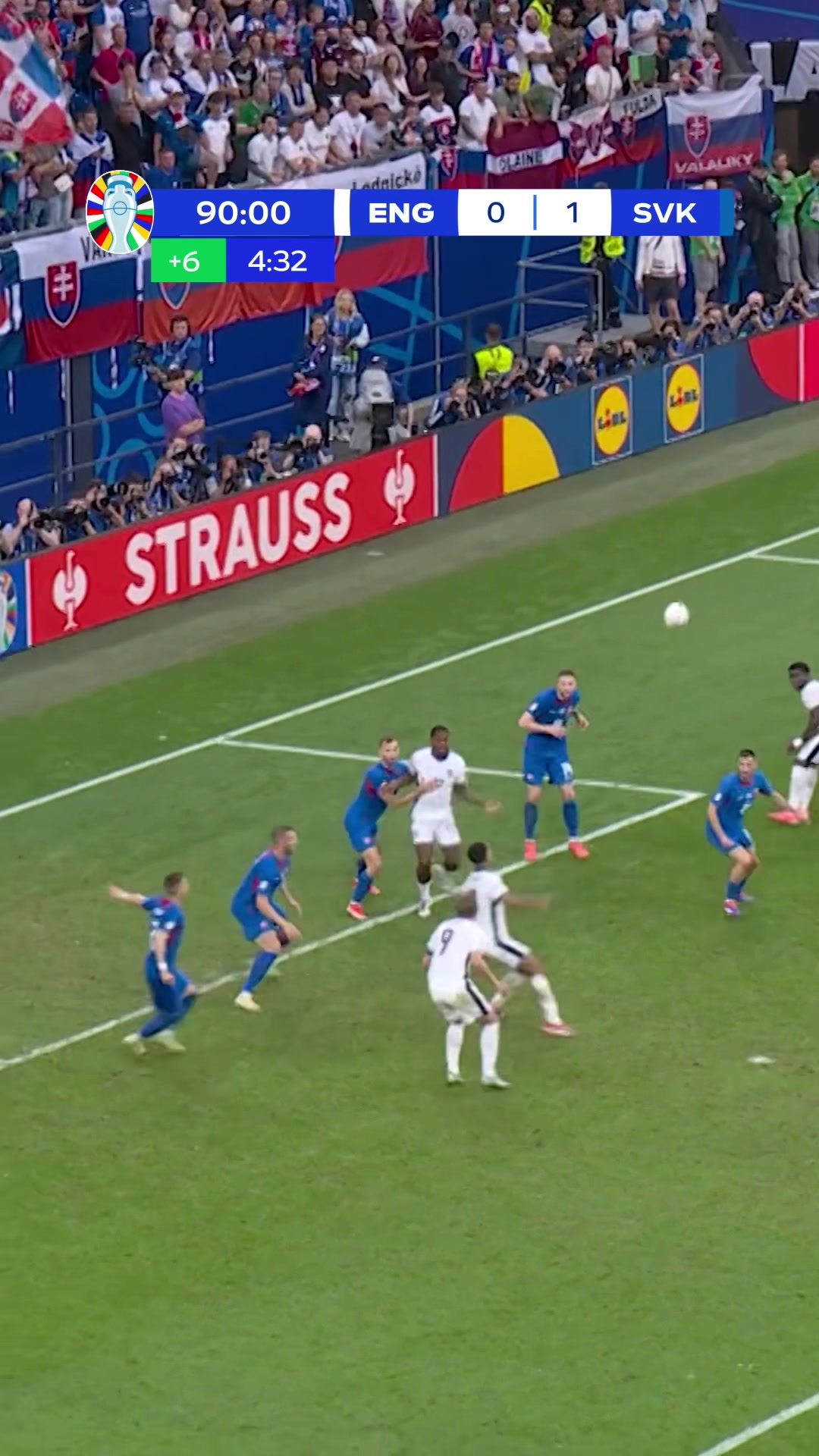
Jude Bellingham. Who else? 🌟

Cristiano and Mateo training
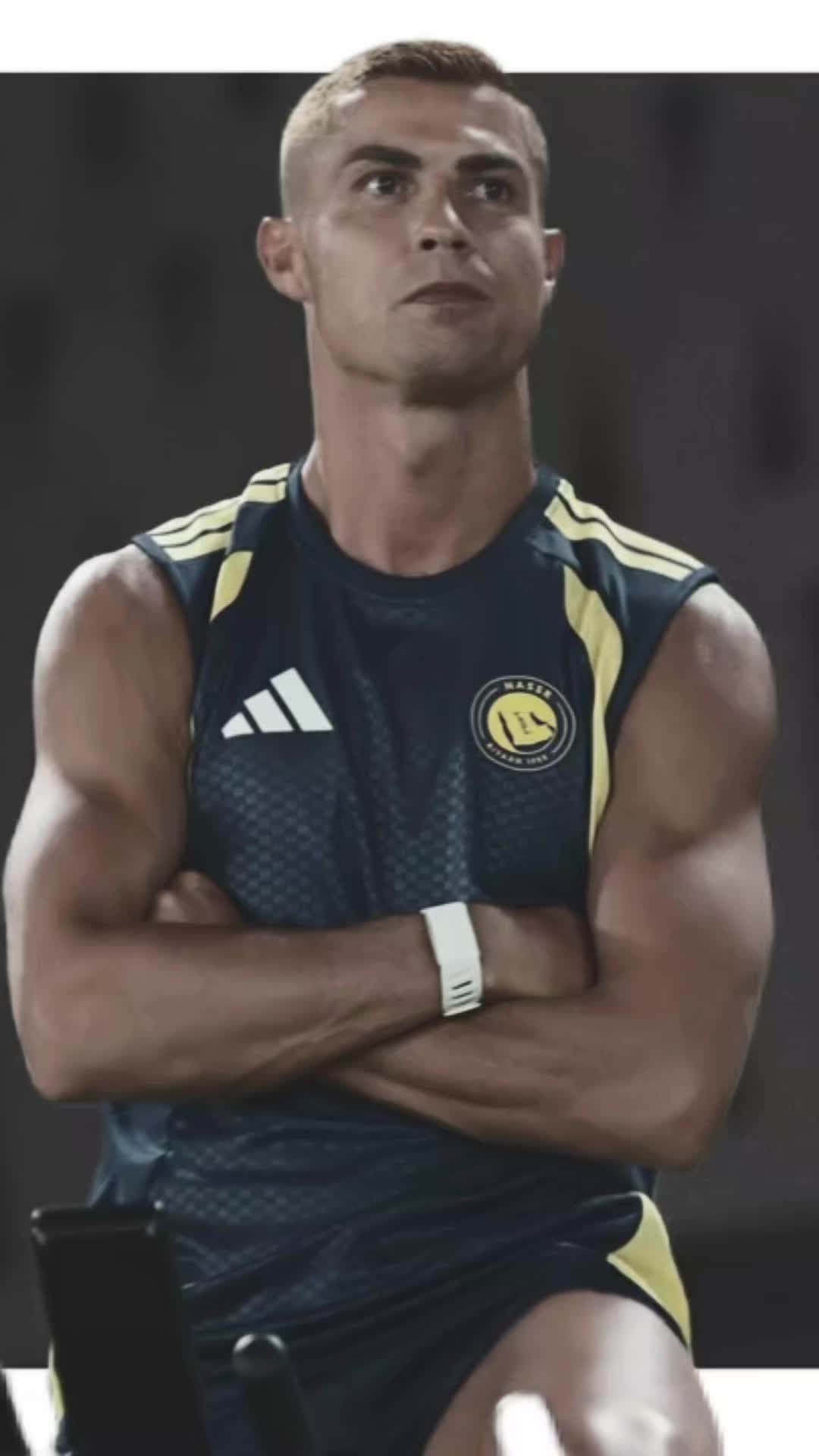
Cristiano's training
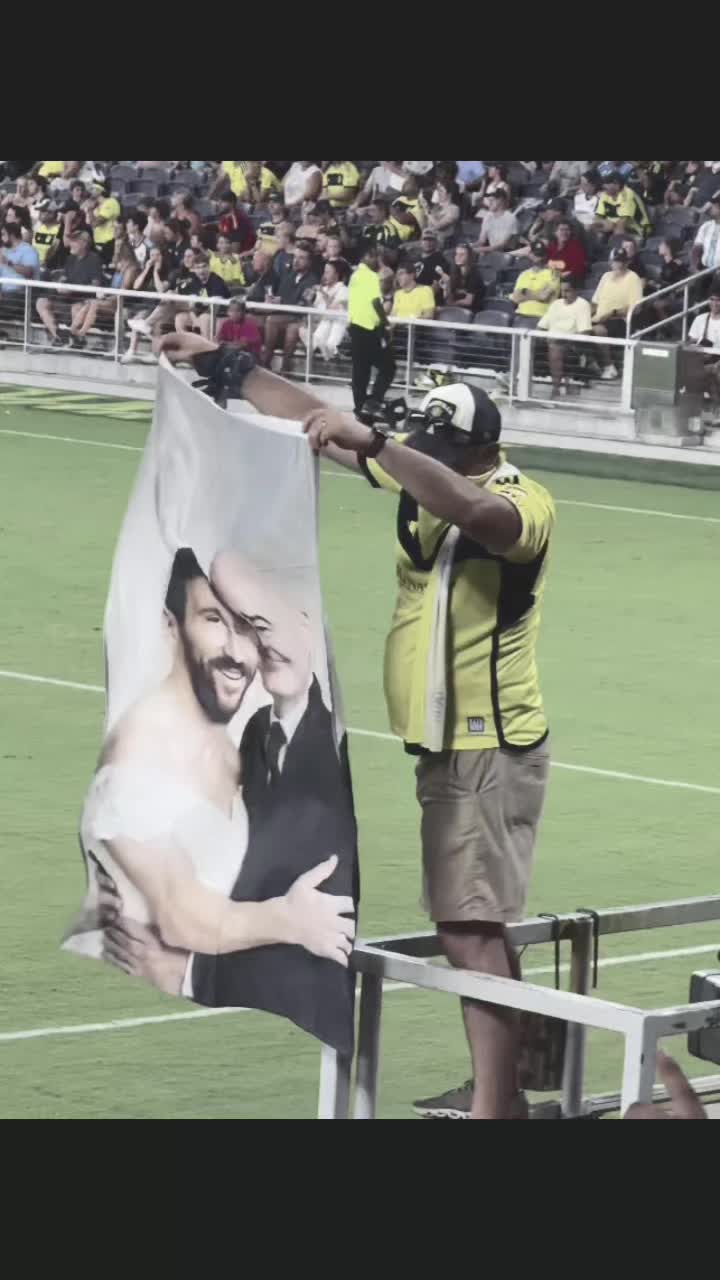
an unusual banner
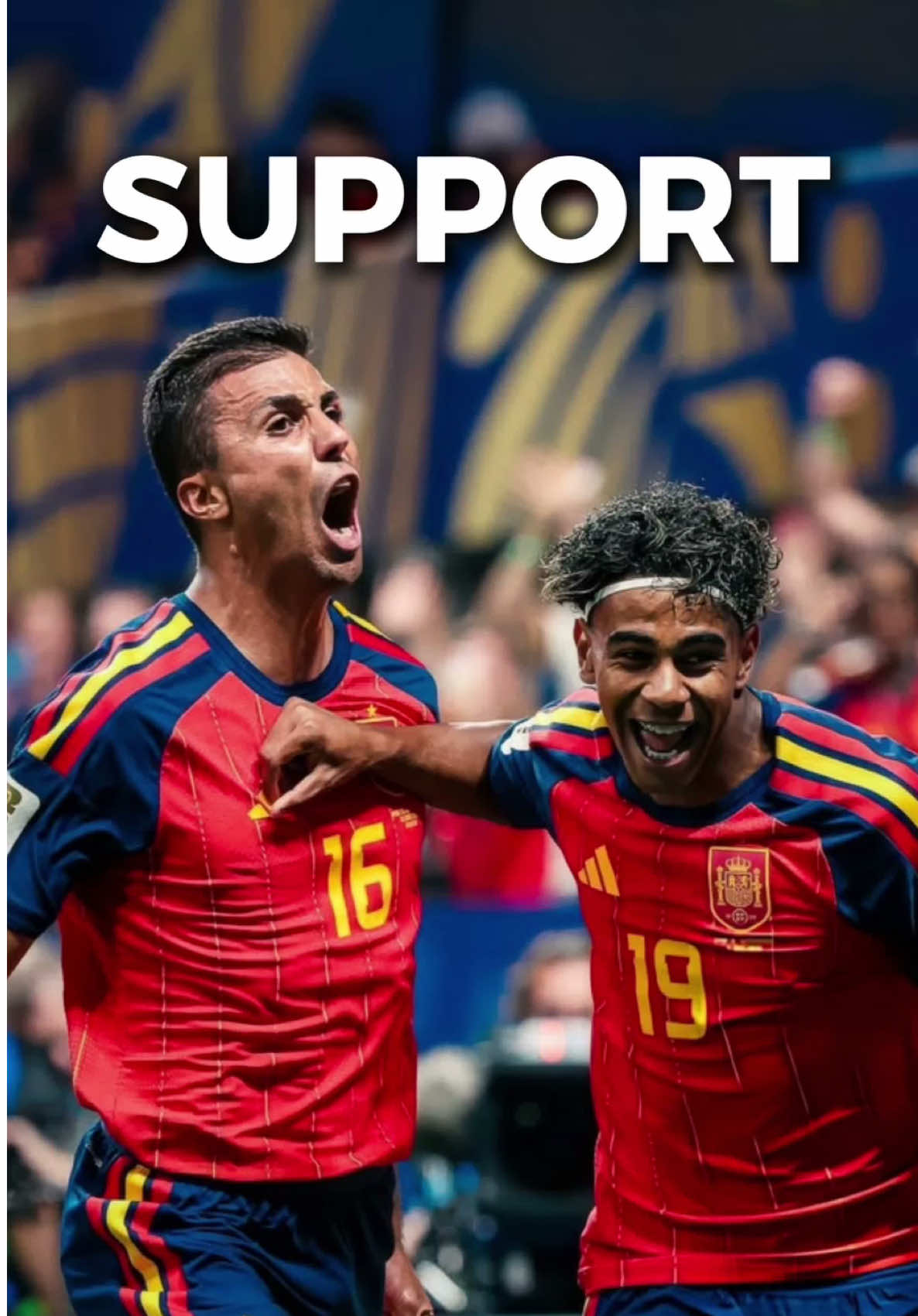
rodri barcelona news rodri barcelona reveal interview
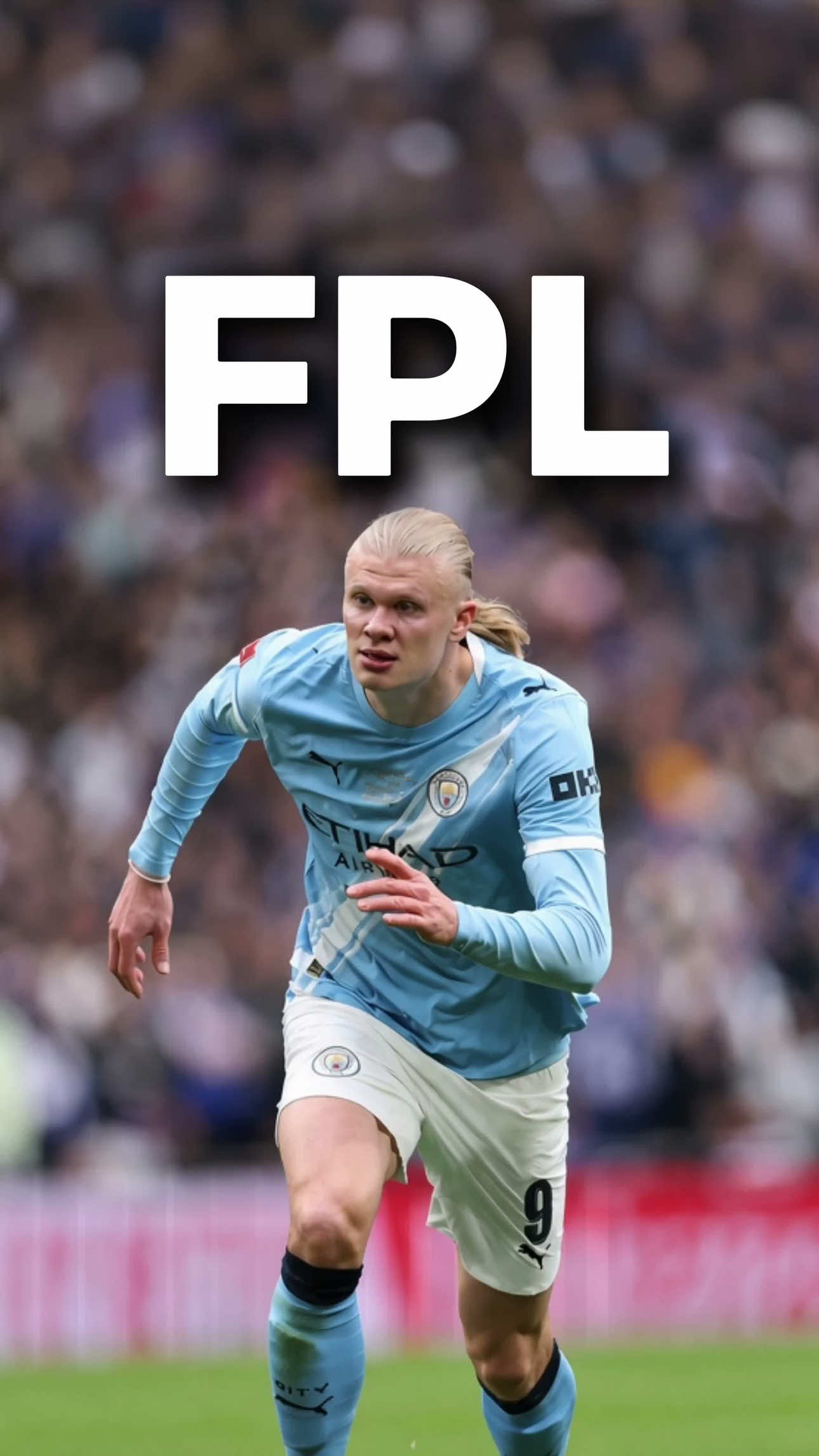
here are the controversial FPL picks that will win you your mini league this season
 Links
Links
 Contact
 App
App


