



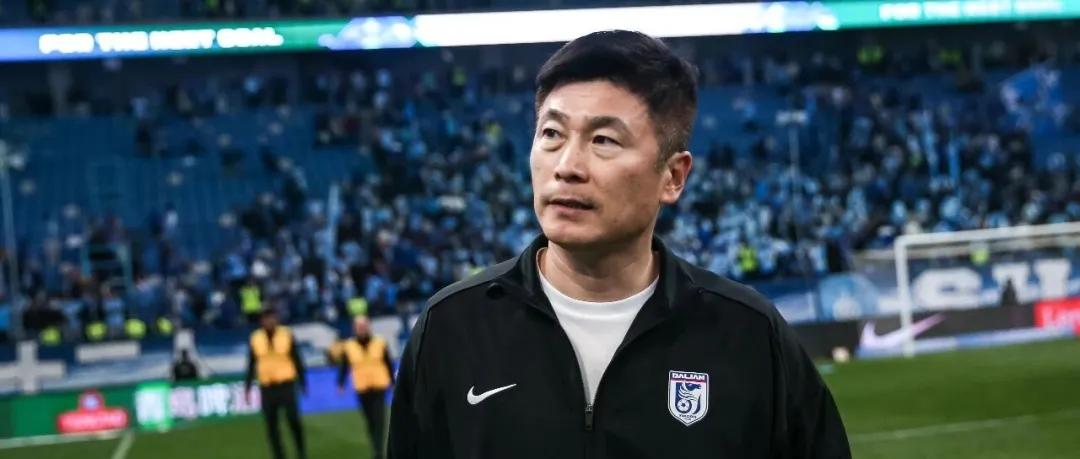
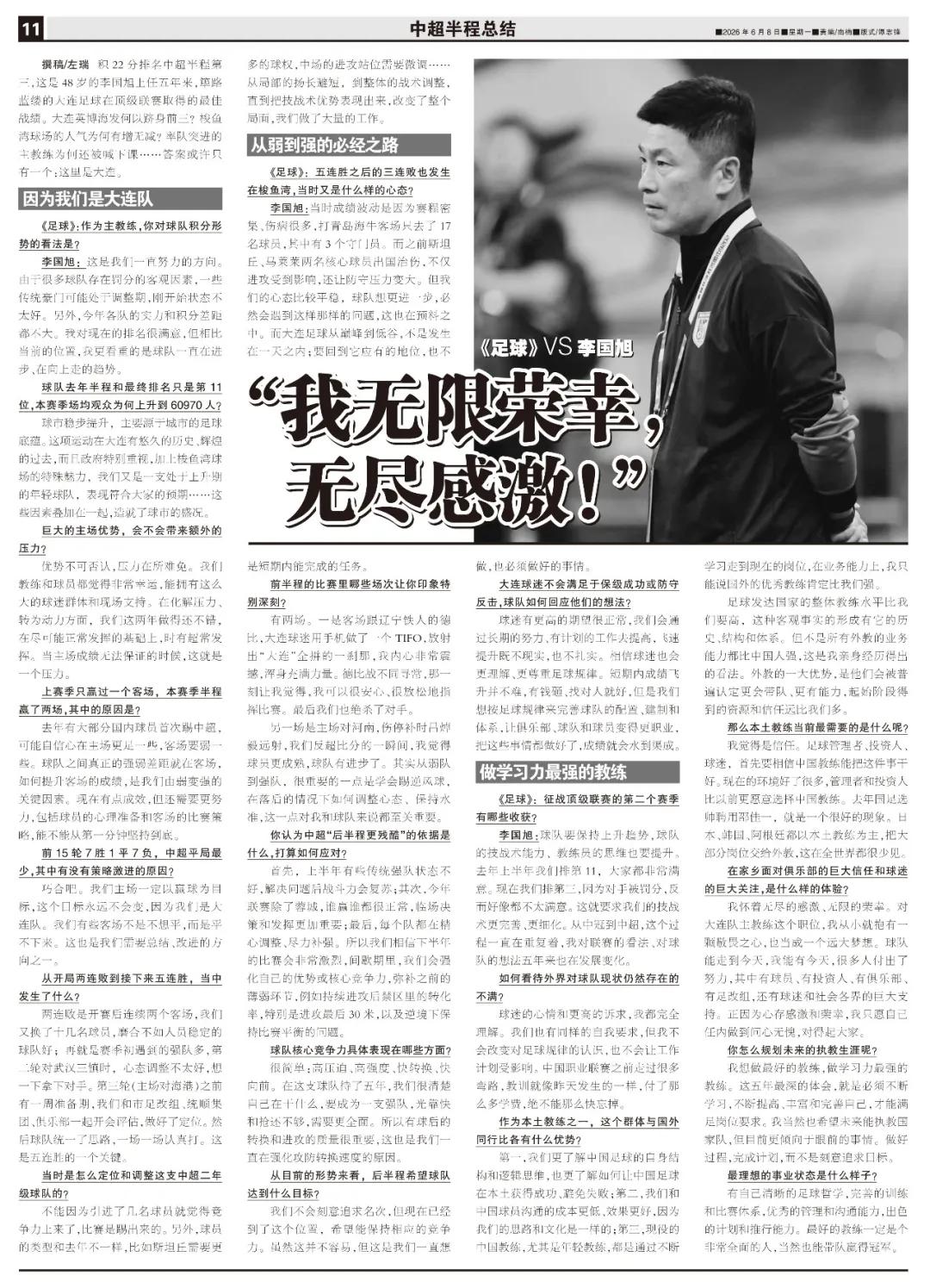
Li Guoxu: It is my infinite honor and endless gratitude to become the head coach of Dalian.


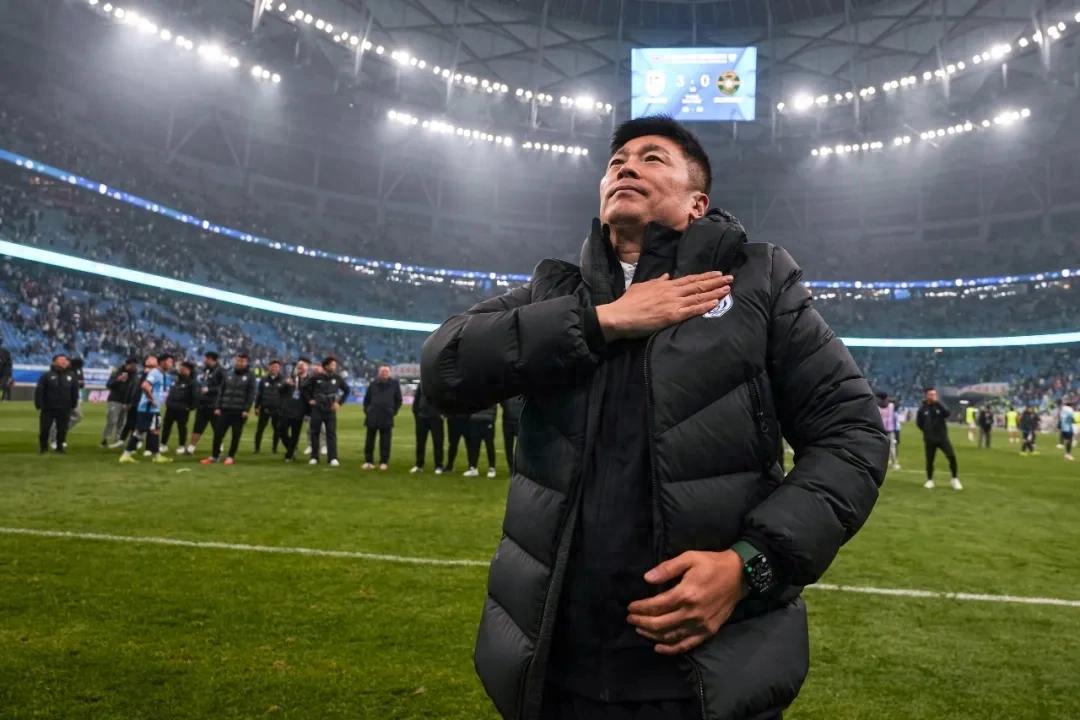
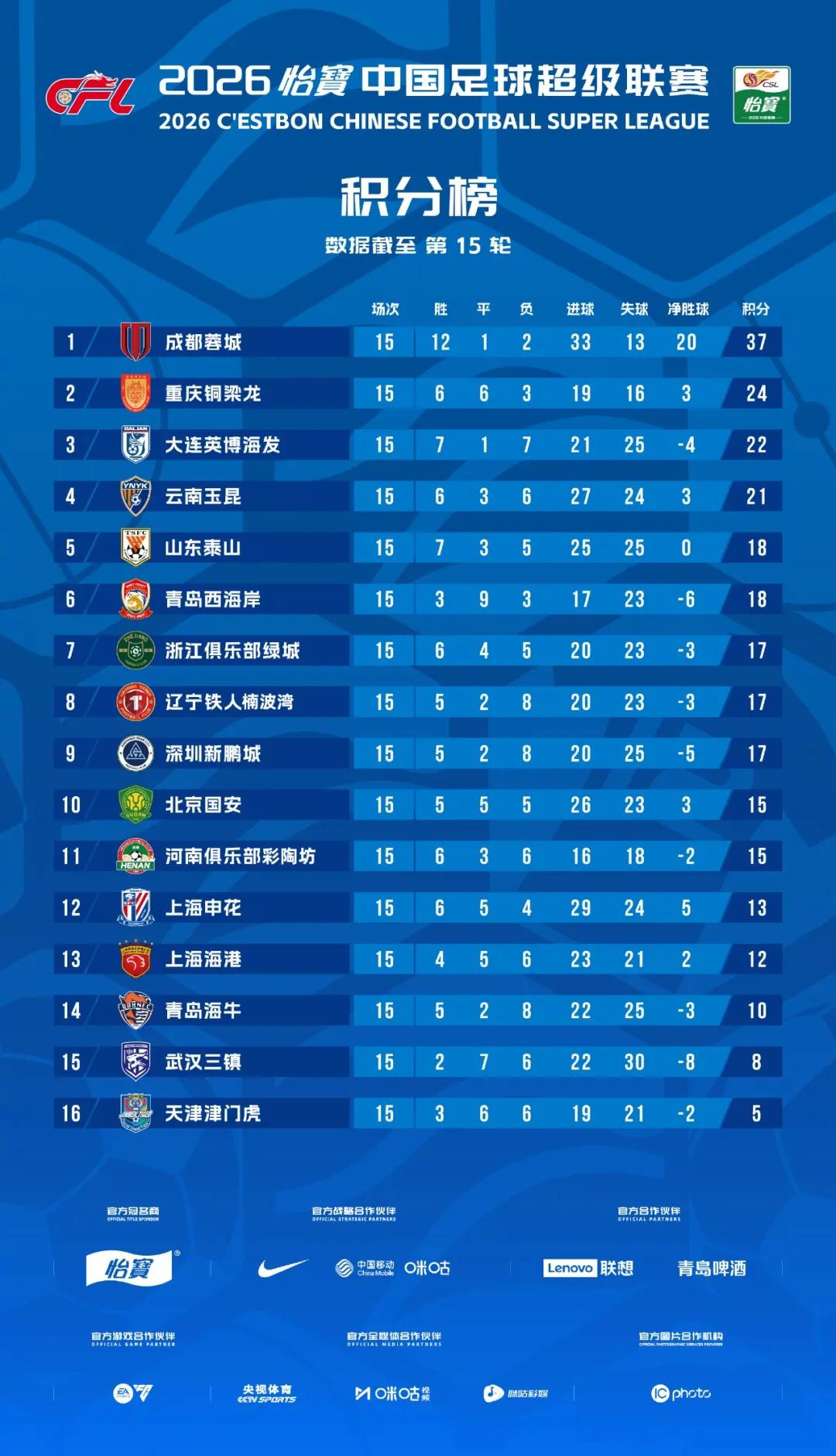
Written by Zuo Rui Ranking third at the halfway point of the CSL with 22 points, the 48-year-old Li Guoxu has overseen five years of hard work, and this represents Dalian football's best-ever result in the top league. How did Dalian Yingbo Haifa break into the top three? Why has the crowd at Suoyu Bay Stadium continued to grow? And why is the coach who drives the team forward still facing calls to be sacked? There might be only one answer: This is Dalian.

◆ Soccer News: As head coach, what is your assessment of the team's points situation?
Li Guoxu: This is the direction we have been working toward. Because many teams have been deducted points due to objective factors, some traditional powerhouses may be in an adjustment period and started with poor form. Additionally, the gap in strength and points among teams this year is small. I am very satisfied with our current ranking, but more than the position itself, what I value is the trend that the team is continuously improving and moving upward.
◆ Last season, the team ranked only 11th at both the halfway point and the end. Why has the average home attendance risen to 60,970 this season?
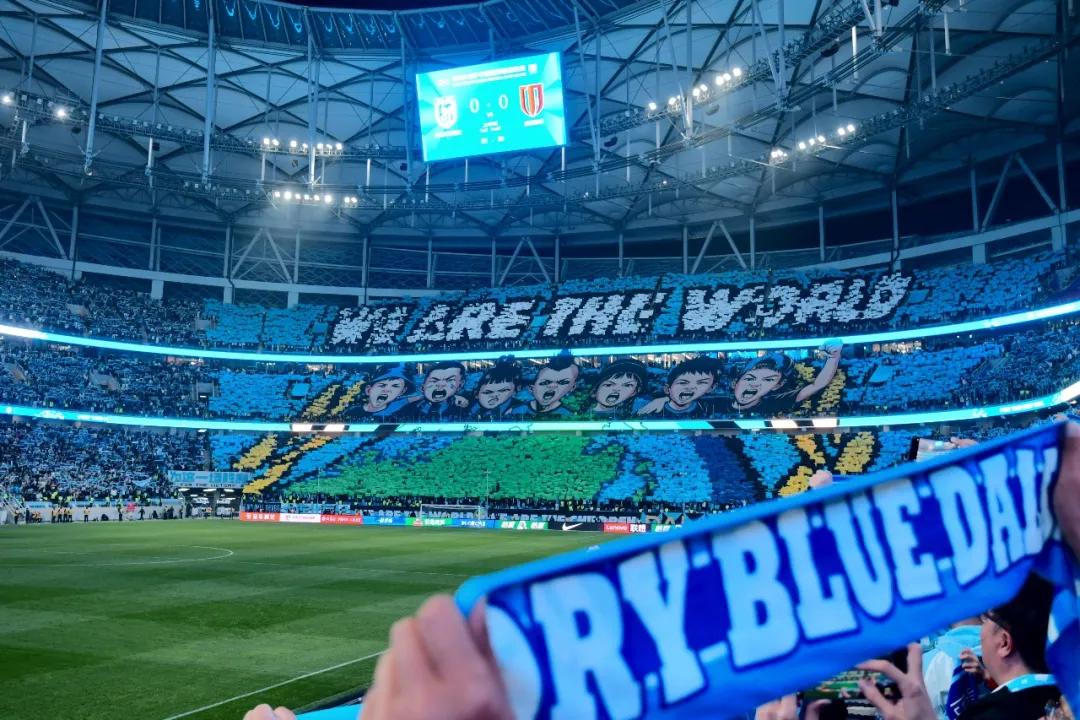
The steady rise in the market is mainly due to the city's football heritage. This sport has a long history and a glorious past in Dalian, and the government places great importance on it. Combined with the special charm of Suoyu Bay Stadium, and the fact that we are a young team on the rise whose performance meets expectations, these factors together have created the current boom in the football market.
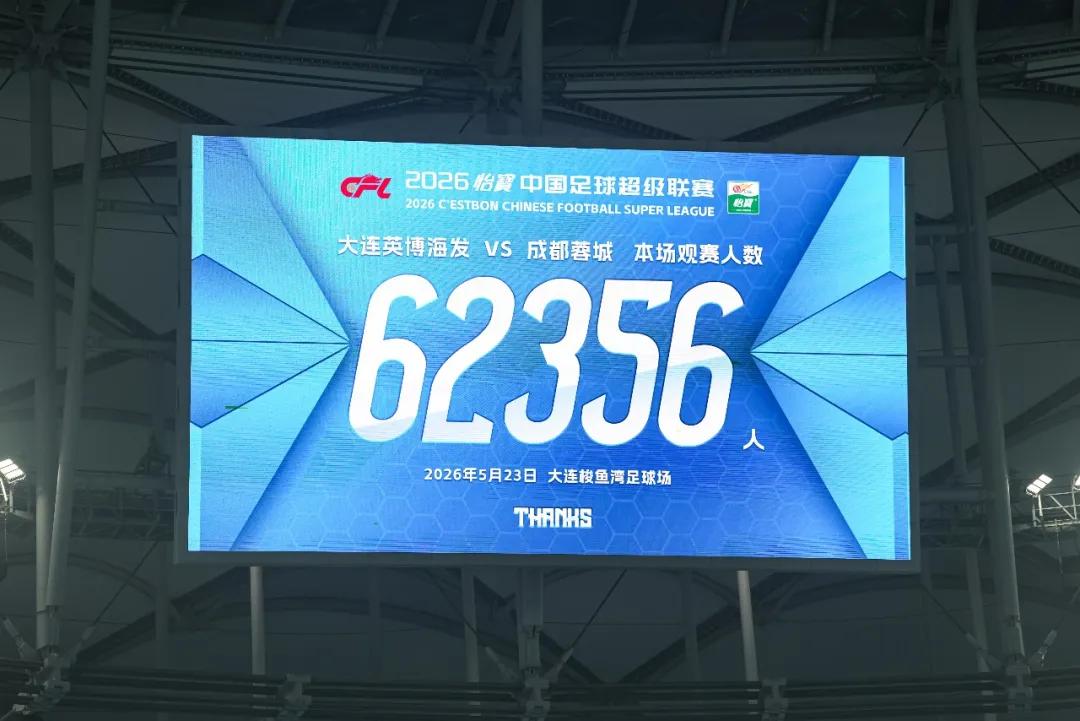
◆ Does this huge home advantage bring extra pressure?
The advantage is undeniable, and pressure is inevitable. Both the coaching staff and the players feel very lucky to have such a large fan base and live support. In terms of turning pressure into motivation, we have done fairly well over the past two years—often performing at a normal level and sometimes exceeding it. When home results cannot be guaranteed, that itself becomes a source of pressure.
◆ Last season you won only one away game, but this season you have won two away matches at the halfway point. What is the reason?
Last year, most of the domestic players were playing in the CSL for the first time. They might have been more confident at home and weaker away. The real gap between strong and weak teams lies in away performances. Improving away results is a key factor in our transition from a weak to a strong team. We have seen some progress, but more effort is needed—including players' psychological preparation and away game tactics, as well as maintaining intensity from the first minute to the last.
◆ In the first 15 rounds, you have a record of 7 wins, 1 draw, and 7 losses—the fewest draws in the CSL. Is this due to an aggressive strategy?
It's a coincidence. At home, we always aim to win—that goal will never change because we are Dalian. In some away games, it's not that we didn't want a draw, but we couldn't hold on to one. This is also an area we need to review and improve.
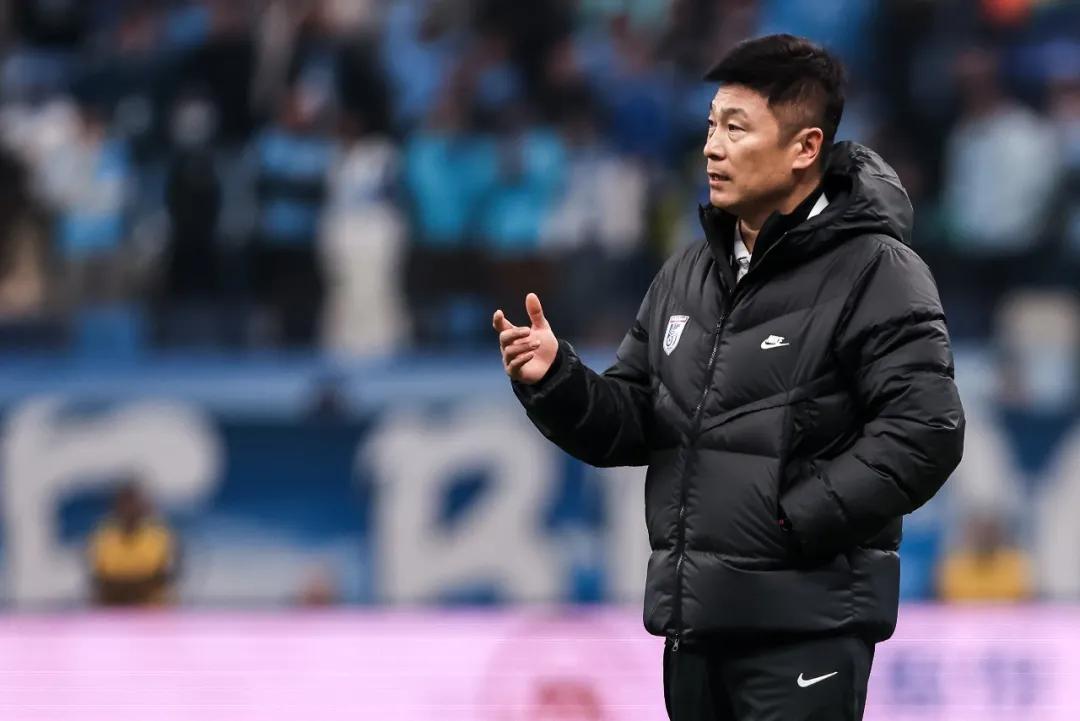
◆ From two consecutive losses at the start to five consecutive wins, what happened in between?
The two losses came from the first two away games. We had replaced more than ten players, so our cohesion was not as good as that of teams with stable rosters. Also, we faced many strong teams early on. In the second round against Wuhan Three Towns, we struggled with mentality and wanted to overpower them too quickly. Before the third round (home against Port), we had a week to prepare. We held a meeting with the city football reformation group, Tongsun Group, and the club to assess and set our positioning. Then the team unified its mindset and played each game seriously. That was a key factor in the five-game winning streak.
◆ How did you position and adjust this second-year CSL team at that time?
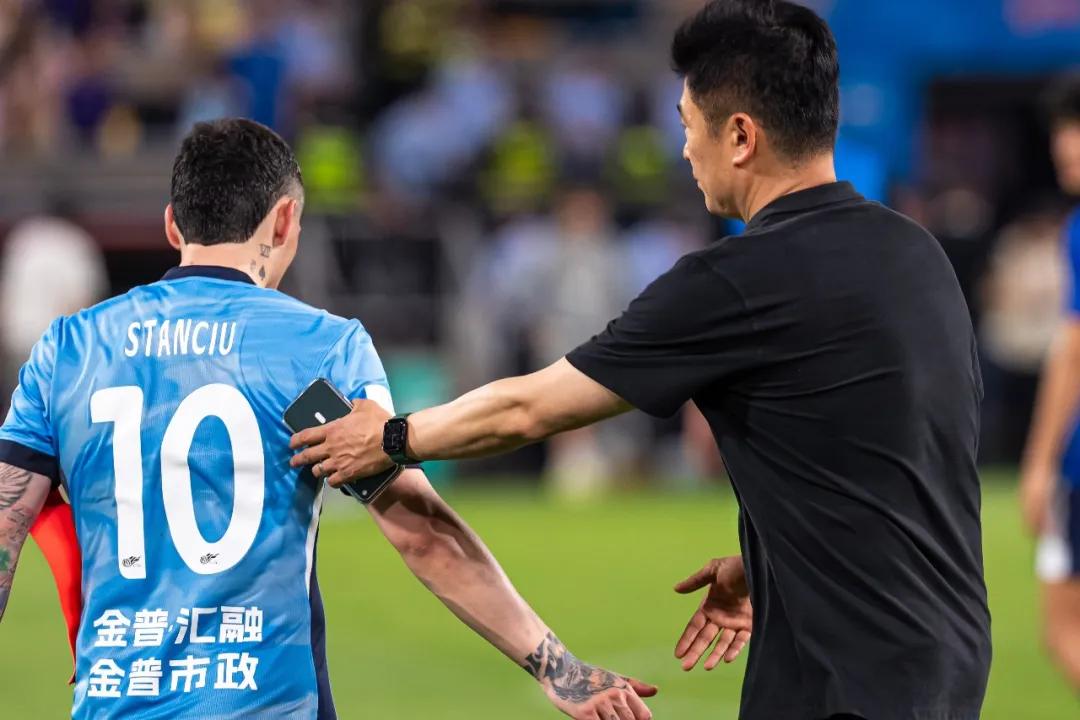
We couldn't assume that just because we brought in a few players, our competitiveness had improved. Games are played on the pitch. Also, the types of players were different from last year—for example, Stanciu needed more possession, and the midfield attacking positions needed slight adjustments. From local adjustments to overall tactical changes, we did a lot of work to showcase our technical and tactical strengths and turn the situation around.
◆ What changes has Stanciu brought to the team?
Stanciu's impact has two aspects. Purely in terms of technique and tactics, he is an excellent player. His ability to initiate attacks, hold the ball in midfield, deliver the final pass, and his long-range shooting have greatly benefited the team. More importantly, I believe his influence comes from his competitive spirit and professionalism. His sense of responsibility in defense, his cohesion in the dressing room, and his encouragement to younger teammates have been even more significant than his technical contributions.
◆ What role has Agyemang, who was a CSL opponent last season, played?
Agyemang's role is obvious. He is a foreign import who needs no testing; he can immediately adapt and is a very professional player. His playing style fits well with our team—for instance, his threat in transitions and his ability to handle the ball in front of goal have significantly improved our offense.
◆ Besides the foreign players and national team members, is there any player on the team who has played a great role and progressed quickly but been overlooked by the outside world?
Goalkeeper Huang Zihao is exactly such a case. He actually became a starter gradually last year. In the first half of this season, he has kept at least four clean sheets, and he had many last season as well. His performances may easily be overlooked because when a goalkeeper does well, it seems expected; when he does poorly, the attention is much higher.
Dalian's twin stars make their national team debut; Li Guoxu's message: Be more confident, be bolder

◆ Soccer News: After the five-game winning streak, you suffered a three-game losing streak, also at Suoyu Bay. What was your mindset at that time?
Li Guoxu: The fluctuation was due to a dense schedule and many injuries. In the away game against Qingdao Hainiu, we only brought 17 players, including three goalkeepers. Before that, two key players—Stanciu and Malele—went abroad to treat injuries, which not only affected our attack but also increased defensive pressure. However, our mentality was relatively calm. If a team wants to take the next step, it will inevitably encounter such problems. This was expected. And Dalian football's decline from its peak did not happen in a single day; returning to its rightful place cannot be accomplished in a short time either.
◆ Which matches in the first half left a particularly deep impression on you?
Two matches. One was the away derby against Liaoning Tieren. Dalian fans used their phones to create a TIFO, and when the full spelling of "DALIAN" lit up, I was deeply shaken and felt full of energy. Derby matches are unusual, and at that moment I felt I could calmly and confidently command the game. We also scored a last-minute winner against them.
The other was the home game against Henan. In stoppage time, Lü Zhuoyi scored a long-range shot to overturn the score. At that instant, I felt the players had matured and the team had improved. In fact, an important part of going from a weak to a strong team is learning to play under adverse conditions—how to adjust your mindset and maintain your level when behind. This is crucial for both me and the team.
◆ You said "the second half of the CSL is more brutal." What is the basis for that, and how do you plan to deal with it?
First, some traditional strong teams had poor form in the first half; after solving their problems, their fighting power will recover. Second, this season, apart from Rongcheng, any team beating any other is normal, making on-the-spot decisions and performance more important. Finally, every team is making careful adjustments and trying to strengthen. So I believe the second half will be very intense. During the break, we will reinforce our strengths or core competitiveness, and make up for previous weak links—such as the conversion rate in the box after sustained attacks, especially in the final 30 meters, and maintaining game balance under adversity.
◆ What are the specific aspects of the team's core competitiveness?
Simple: high pressure, high intensity, fast transitions, fast forward movement. Having been with this team for five years, we know exactly what we are doing. To become a strong team, being fast and aggressive is not enough; we need to be more comprehensive. Therefore, the quality of transitions and attacks after possession is very important, which is why we have been constantly emphasizing the speed of transition between attack and defense.
◆ Given the current situation, what goals do you hope the team can achieve in the second half?
We will not deliberately pursue rankings, but now that we are in this position, we hope to maintain corresponding competitiveness. Although it is not easy, that is what we have always wanted to do and must do well.
◆ Dalian fans will not be satisfied with just survival or counter-attacking football. How does the team respond to their expectations?
It is normal for fans to have higher expectations. We will improve through long-term efforts and planned work. Rapid improvement is neither realistic nor solid. I believe fans will also come to better understand and respect the laws of football. Short-term success is not difficult—just spend money and find the right people—but we want to follow football's laws to perfect the team's configuration, structure, and system, making the club, team, and players more professional. Once these things are done, results will come naturally.

◆ Soccer News: What have you gained in your second season in the top league?
Li Guoxu: The team must maintain an upward trend, so the team's technical and tactical ability, as well as the coach's thinking, must also improve. Last year at the halfway point we ranked 11th, and everyone was very satisfied. Now we rank third, but because opponents have been deducted points, it seems people are not entirely satisfied. This requires our tactics to be more refined and detailed. From the third-tier league to the CSL, this process has been repeating itself. My views on the league and my thoughts on the team have also evolved over the past five years.
◆ How do you view the existing dissatisfaction among the outside world regarding the team's current situation?
I fully understand the fans' feelings and their higher demands. We have the same self-requirements, but I will not change my understanding of football's laws or let my work plan be affected. The Chinese professional league has taken many detours in the past, and the lessons are as fresh as yesterday. We paid such a high tuition that we must never forget them quickly.
◆ As one of the local coaches, what are the respective advantages of this group compared to their foreign counterparts?
First, we have a better understanding of Chinese football's own structure and logical thinking, and we know better how to make Chinese football succeed at home and avoid failure. Second, the cost of communication between us and Chinese players is lower and the effect is better, because our thinking and culture are the same. Third, current Chinese coaches, especially young ones, have reached their positions through continuous learning. In terms of professional ability, I can only say that excellent foreign coaches are certainly better than us.
The overall coaching level in football-developed countries is higher than ours. This objective fact has its historical, structural, and systemic reasons. But not all foreign coaches are better than Chinese in professional ability—this is a view I have formed from my own experience. One major advantage of foreign coaches is that they are generally perceived as more capable and more qualified to lead teams, so they receive far more resources and trust from the start than we do.
◆ So what do local coaches need most at present?
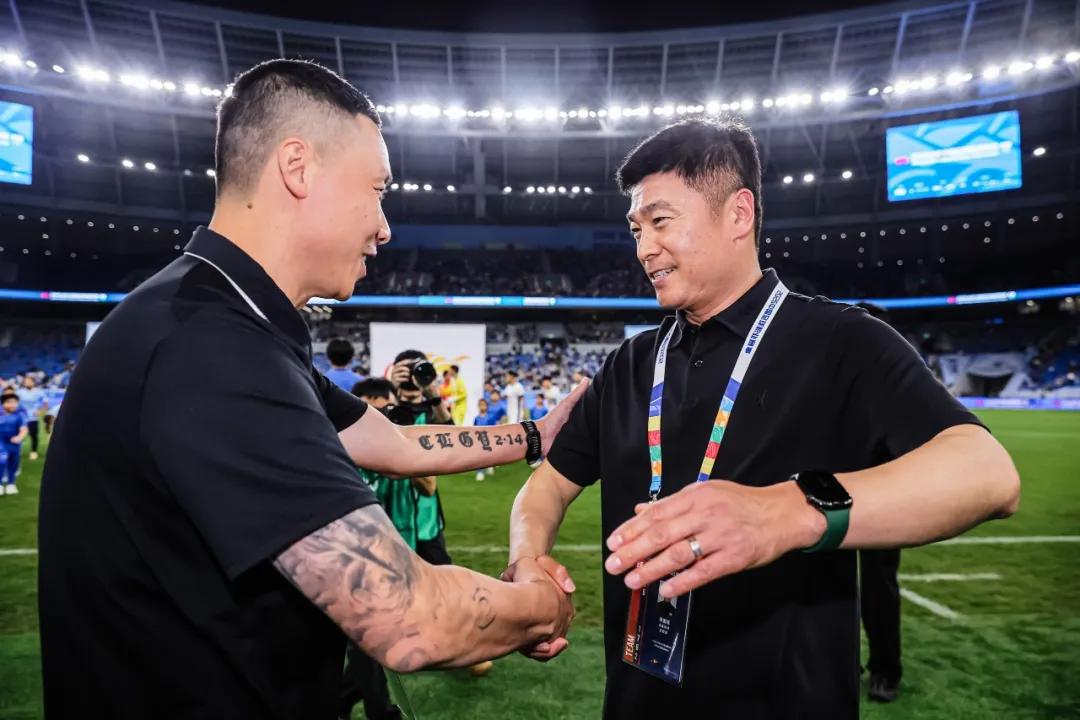
I think it is trust. Football administrators, investors, and fans must first believe that Chinese coaches can do the job well. The environment has improved a lot now; administrators and investors are more willing to choose Chinese coaches than before. The national team's appointment of Shao Jiayi last year was a good sign. Japan, South Korea, and Argentina primarily rely on local coaches. Entrusting most positions to foreign coaches is rare worldwide.
◆ How do you experience the club's immense trust and the fans' tremendous attention in your hometown?
I feel endless gratitude and infinite honor. I have held a reverent attitude toward the position of Dalian head coach since childhood, and have regarded it as a grand dream. The team has come this far, and I am where I am today, thanks to the efforts of many people—players, investors, the club, the football reformation group, as well as the fans and all sectors of society. Because I am so grateful and honored, I only hope that during my tenure I can have a clear conscience and live up to everyone's expectations.
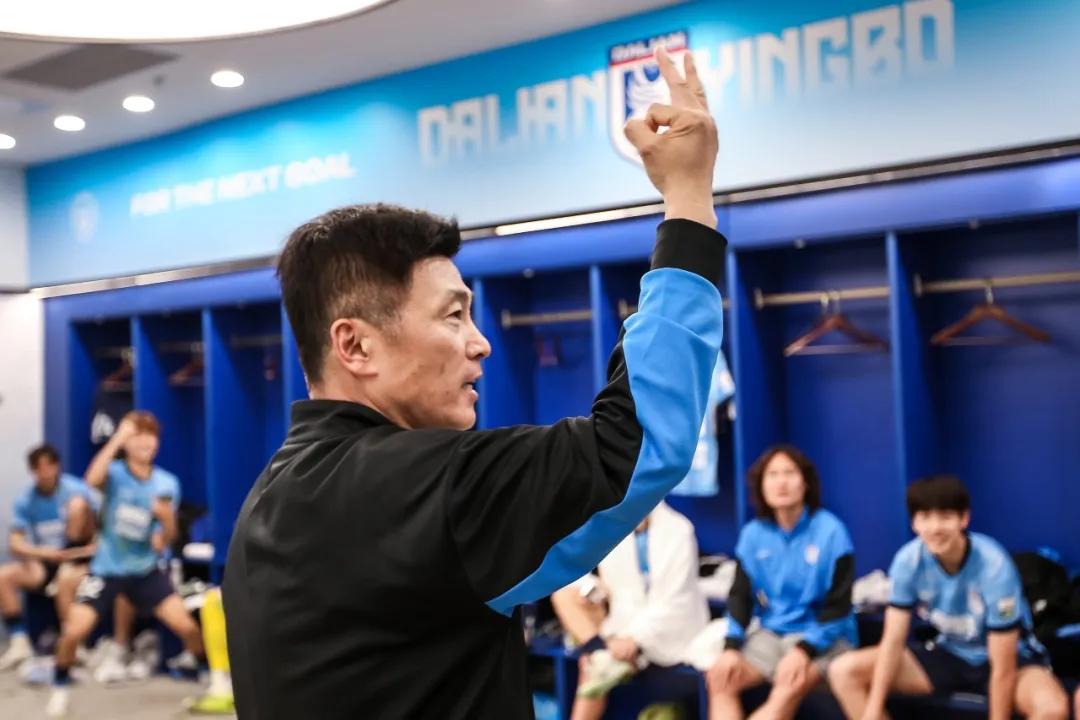
◆ How do you plan your future coaching career?
I want to be the best coach, the coach with the strongest learning ability. The deepest lesson from these five years is that I must continuously learn, improve, enrich, and perfect myself to meet the demands of the position. Of course, I also hope to coach the national team in the future, but for now I am more inclined to focus on the present. Do the process well, fulfill the plans, and not deliberately chase goals.
◆ What would be the ideal state of your career?
Having a clear football philosophy, a complete training and match system, excellent management and communication skills, and outstanding planning and implementation abilities. The best coach must be a very well-rounded person, and of course, able to lead the team to win championships.


Wonderfulshortvideo
Unforgettable EURO moment 🙌


Jude Bellingham. Who else? 🌟

Cristiano and Mateo training

Cristiano's training
an unusual banner
rodri barcelona news rodri barcelona reveal interview
here are the controversial FPL picks that will win you your mini league this season
 Links
Links
 Contact
 App
App


