



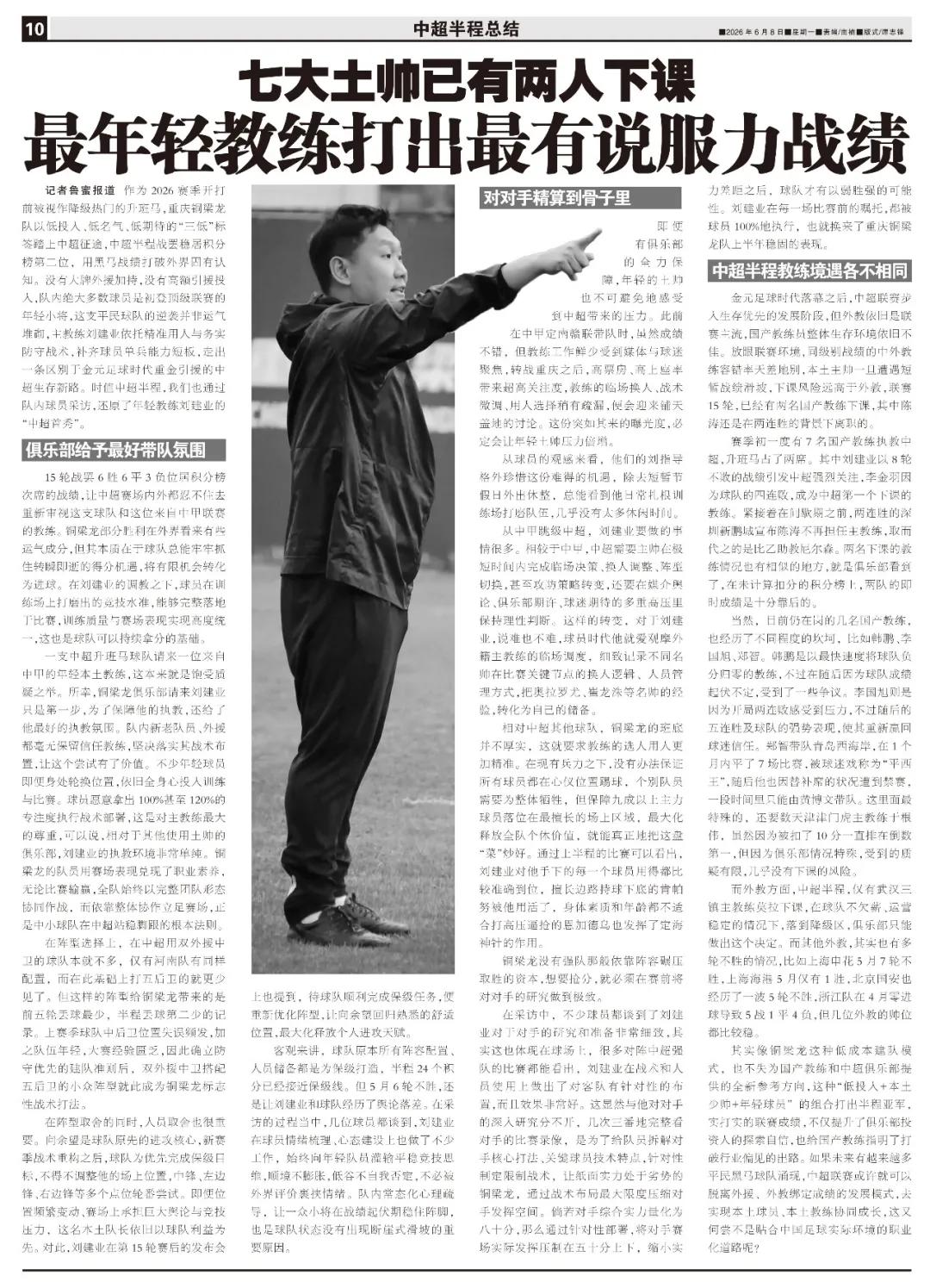
Among the seven Chinese head coaches, two have already left their posts, yet the youngest coach has produced the most convincing results.



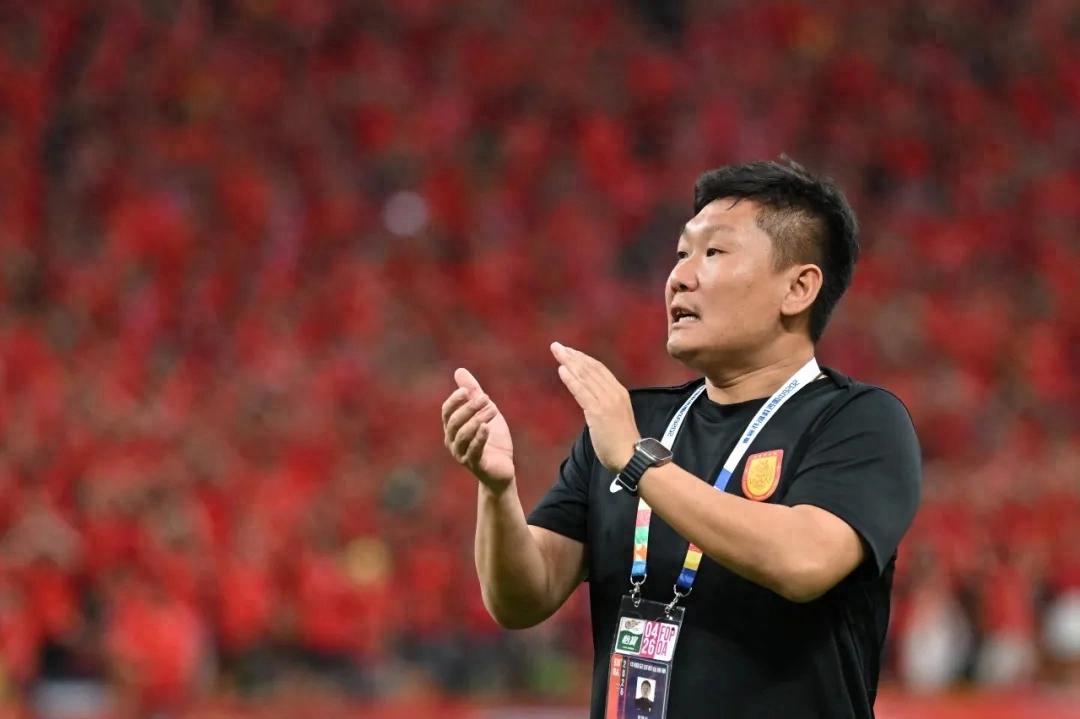
Reporter Lu Mi reports As a promoted team considered a relegation candidate before the 2026 season, Chongqing Tonglianglong embarked on their CSL journey with the "three lows" label of low investment, low fame, and low expectations. Halfway through the CSL season, they have secured second place in the standings, breaking conventional views with their dark horse record. Without star foreign players or high transfer spending, and with most of their squad being young players making their top-flight debuts, this grassroots team's rise is no mere luck. Head coach Liu Jianye has relied on precise personnel management and pragmatic defensive tactics to compensate for individual weaknesses, carving out a new path for CSL survival distinct from the big-spending era. At the halfway point, we also spoke with players to reveal the "CSL debut" of the young coach Liu Jianye.

With a record of 6 wins, 6 draws, and 3 losses after 15 rounds, sitting second in the standings, the team and its coach from the China League One have drawn renewed attention both on and off the pitch. Some of Tonglianglong's victories may seem lucky to outsiders, but the essence lies in their ability to seize fleeting scoring opportunities and convert limited chances into goals. Under Liu Jianye's guidance, the competitive level honed during training has been fully translated into match performance, achieving a high degree of consistency between training quality and on-field execution—a foundation for sustained point accumulation.
A CSL promoted team hiring a young local coach from the second division was always bound to be questioned. Fortunately, Tonglianglong club's move to bring in Liu Jianye was only the first step; to support his coaching, they also created the best possible environment for him. Both veteran and new players, as well as foreign signings, trust the coach unconditionally and fully implement his tactical instructions, making this experiment worthwhile. Many young players, even those in rotation roles, devote themselves entirely to training and matches. The players' willingness to give 100% or even 120% focus to executing tactical plans is the greatest respect for the head coach. Compared to other clubs employing local coaches, Liu Jianye's coaching environment is remarkably straightforward. Tonglianglong's players have demonstrated professionalism through their on-field performances; regardless of wins or losses, the team always operates as a cohesive unit. Relying on collective teamwork to stand firm is the fundamental principle for small and medium-sized clubs to survive in the CSL.
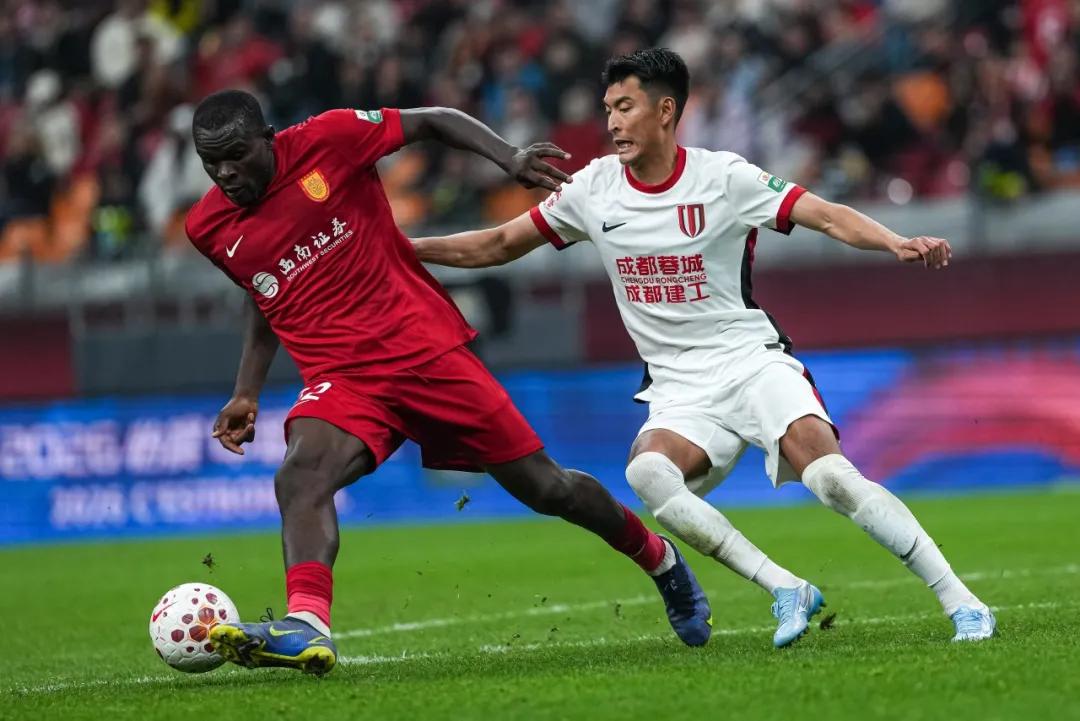
In terms of formation, few CSL teams use two foreign center-backs—only Henan FC has a similar setup—and even fewer adopt a five-defender system on top of that. However, this formation helped Tonglianglong concede the fewest goals in the first five rounds and the second fewest by the halfway point. Last season, the team suffered frequent errors at center-back, compounded by youth and lack of experience. So after establishing defense as the priority, the unconventional combination of two foreign center-backs and a five-man defense became Tonglianglong's trademark tactical approach.
Alongside formation choices, personnel decisions were equally important. Xiang Yuwang was the team's former attacking core. Under the new tactical restructuring, the team prioritized survival and had to adjust his on-field role, trying him at center forward, left winger, right winger, and other positions. Despite frequent position changes and immense media and competitive pressure, the local captain always put the team's interests first. Liu Jianye mentioned in the post-match press conference after Round 15 that once the team secures survival, the formation will be optimized again, allowing Xiang Yuwang to return to his familiar comfort zone and maximize his attacking potential.
Objectively, the team's entire squad composition and personnel depth were built for survival, and 24 points by the halfway mark is close to the relegation safety line. However, a six-match winless run in May subjected Liu Jianye and the team to a shift in public opinion. During interviews, several players noted that Liu Jianye also put significant effort into managing players' emotions and building mental resilience, consistently instilling in young players a calm competitive mindset—neither inflated by success nor self-deprecating in low moments, and not letting external judgments sway their emotions. This routine psychological guidance helped the young squad steady themselves during turbulent periods and prevented a sharp decline in form.
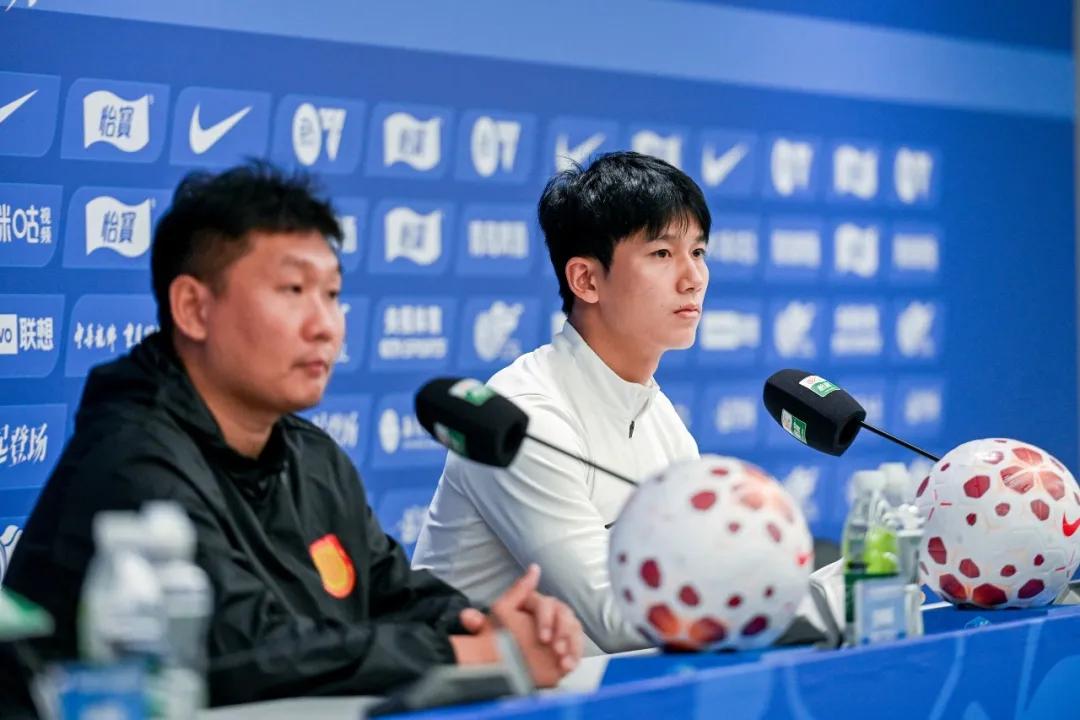

Even with full club support, the young local coach inevitably feels the pressure of the CSL. Previously, while coaching Dingnan Gannan Lian in the China League One, despite good results, his work rarely drew media or fan attention. After moving to Chongqing, high ticket sales and attendance brought enormous visibility, and any minor flaw in substitutions, tactical adjustments, or personnel choices would trigger widespread discussion. This sudden exposure undoubtedly intensified the pressure on the young local coach.
From the players' perspective, their Coach Liu cherishes this rare opportunity deeply. Apart from occasional short holidays, he can always be seen on the training ground honing the squad, with little leisure time.
Jumping from the China League One to the CSL, Liu Jianye has many tasks ahead. Compared to the second division, the CSL requires a head coach to make quick on-field decisions, substitutions, formation changes, and even shifts in attacking and defensive strategies, all while maintaining rational judgment under the multiple pressures of media, club expectations, and fan demands. For Liu Jianye, this transition is both difficult and not so difficult—during his playing days, he loved observing foreign head coaches' in-game management, meticulously recording different famous coaches' substitution logic and personnel management at key match moments, absorbing the experience of coaches like Olăroiu and Choi Yong-soo into his own repertoire.
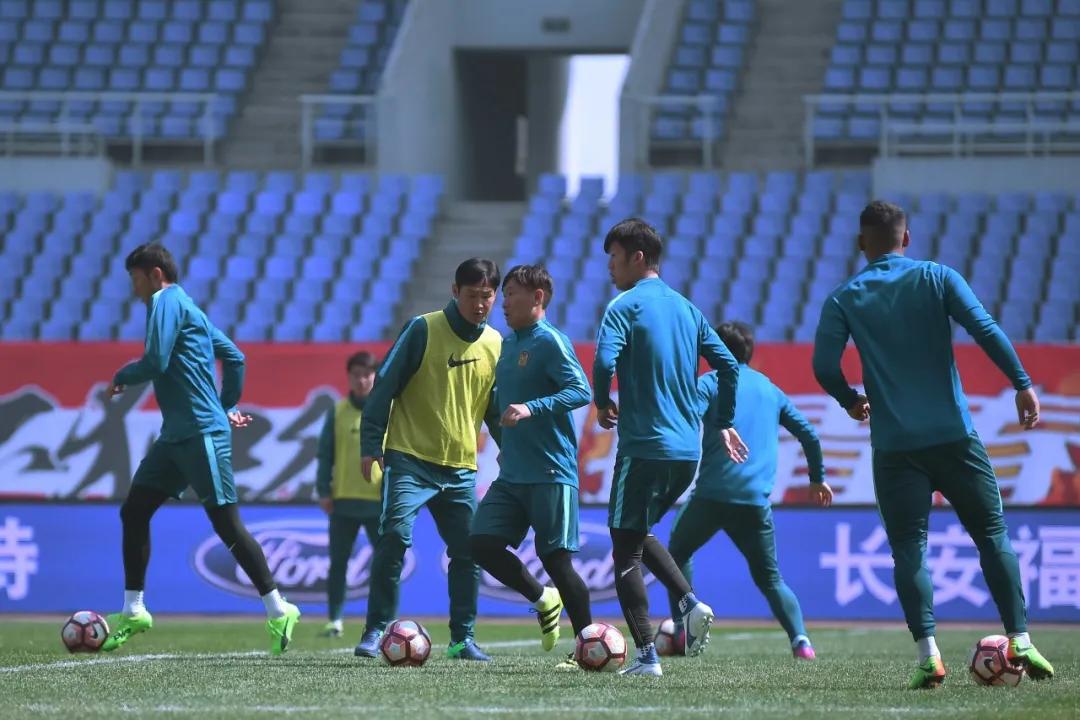
Compared to other CSL teams, Tonglianglong's squad depth is not strong, requiring the coach to be more precise in selecting and deploying players. With the current roster, it's impossible to ensure every player plays in their preferred position; some must sacrifice for the team. But ensuring that over 90% of key players are placed in their most effective areas on the pitch maximizes the team's individual value and truly makes the best of the available resources. From the first half of the season, it's clear that Liu Jianye has used each of his players accurately and effectively—Kempano, who excels at wing breakthroughs, has been revitalized, and N'Gadeu, whose physique and age make him unsuitable for high-pressure pressing, has played a stabilizing role.
Tonglianglong lacks the capital to overpower opponents with squad depth alone. To secure points, they must study opponents thoroughly before each match. During interviews, many players mentioned Liu Jianye's meticulous preparation and research on opponents, which is also evident on the pitch. In many matches against strong CSL teams, Liu Jianye's tactical and personnel choices showed targeted adjustments for visiting teams, with excellent results. This clearly stems from his deep research into opponents—watching full match replays multiple times to break down core tactics and key players' technical traits, then designing specific containment strategies, limiting the opponent's space to perform despite Tonglianglong's inferior lineup on paper.
If an opponent's overall strength is quantified as 80 points, then through targeted deployment, suppressing their actual on-field performance to around 50 points narrows the gap, giving the team a chance to beat a stronger foe. Liu Jianye's pre-game instructions have been executed 100% by the players, resulting in Chongqing Tonglianglong's solid performance in the first half of the year.
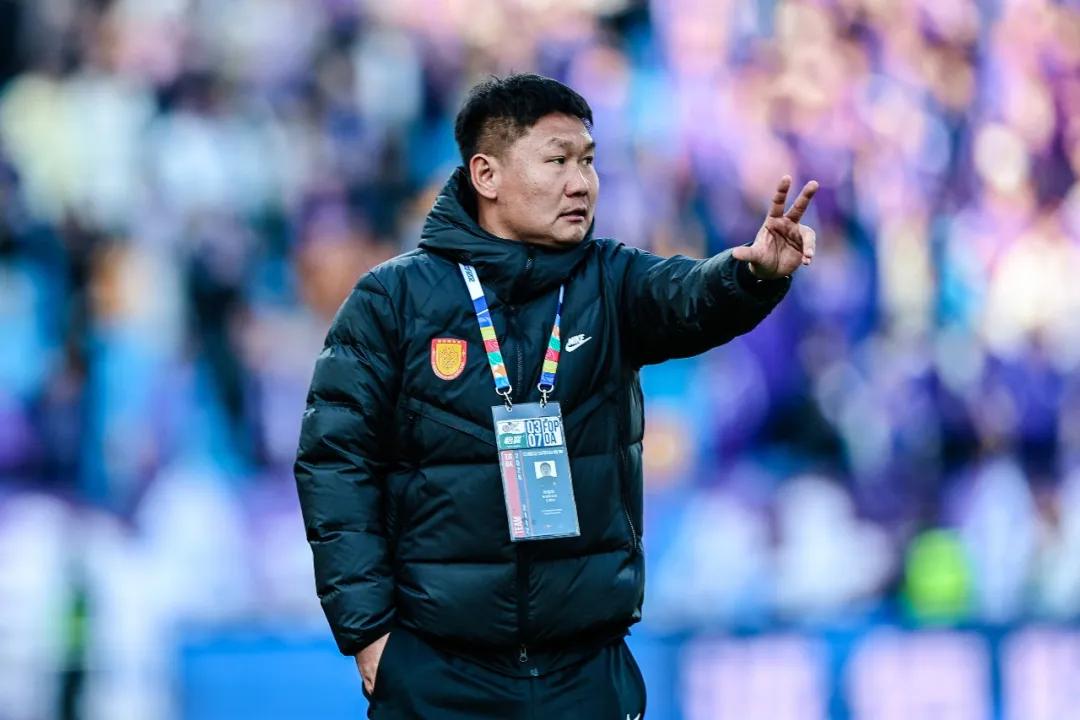

After the end of the gold rush era, the CSL has entered a development phase prioritizing survival, but foreign coaches remain the mainstream, and the overall environment for domestic coaches is still poor. Looking across the league, the margin for error between Chinese and foreign coaches at similar levels of performance is vastly different. Once a local head coach suffers a temporary downturn, the risk of dismissal is far higher than for foreign coaches. In 15 rounds, two local coaches have already been sacked, with Chen Tao leaving even after two consecutive wins.
At the start of the season, seven domestic coaches were in charge of CSL teams, with the two promoted teams accounting for two of them. Liu Jianye drew strong league-wide attention with an eight-match unbeaten run, while Li Jinyu became the first coach to be dismissed following his team's four-match losing streak. Then, just before the break, Shenzhen Xinpengcheng announced that Chen Tao would no longer serve as head coach, replaced by Belgian second-division assistant coach Nielson, despite two straight wins. Both dismissed coaches had something in common: their teams were near the bottom of the standings (excluding point deductions).
Of course, the remaining domestic coaches have also faced varying degrees of difficulty, such as Han Peng, Li Guoxu, and Zheng Zhi. Han Peng was the fastest to erase his team's negative points balance, but later faced controversy due to inconsistent results. Li Guoxu felt pressure after two opening losses, but a subsequent five-match winning streak and strong performances regained fan trust. Zheng Zhi, leading Qingdao West Coast, drew seven matches in one month—earning the nickname "King of Draws"—and later received a suspension due to a bench incident, with Huang Bowen taking over temporarily. The most unique case is Tianjin Jinmen Tigers' head coach Yu Genwei, who, despite a 10-point deduction keeping the team at the bottom, faces limited criticism due to the club's special circumstances, with almost no risk of dismissal.
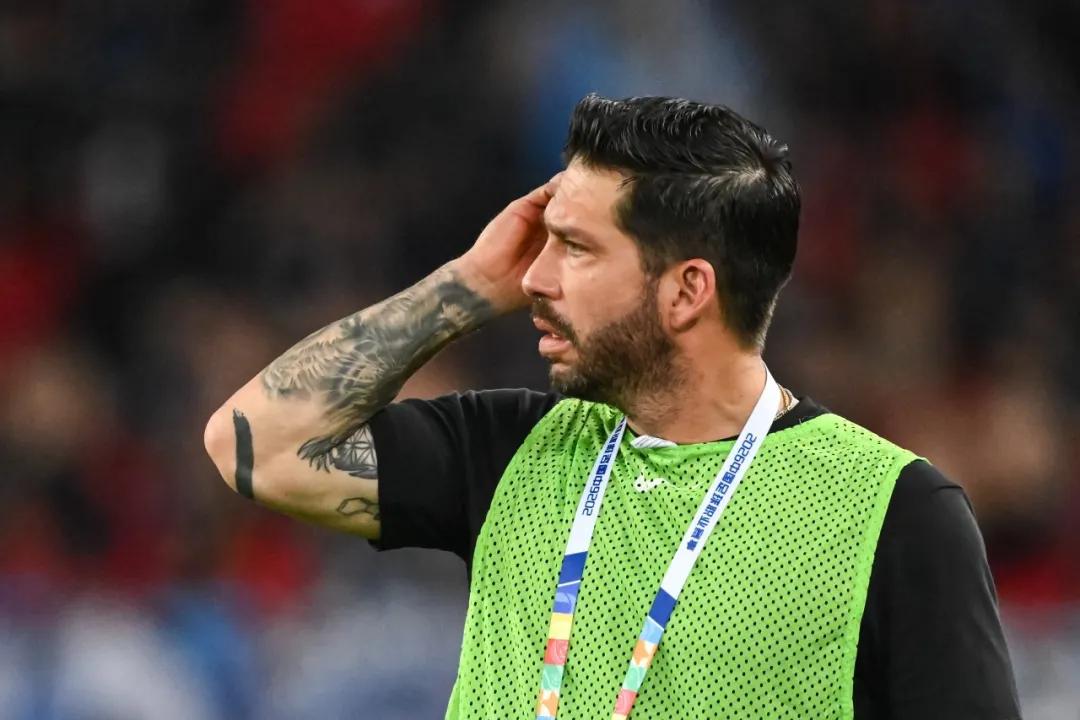
Among foreign coaches, only Wuhan Three Towns' head coach Mora was dismissed at the halfway point. With no salary arrears and stable operations, the team's slide into the relegation zone forced the club to make that decision. Other foreign coaches have also gone winless for multiple rounds—for example, Shanghai Shenhua had a seven-match winless streak in May, Shanghai Port only one win in May, Beijing Guo'an experienced a five-match winless run, and Zhejiang FC went scoreless in April with one draw and four losses in five matches—yet their positions remained relatively secure.
In fact, Chongqing Tonglianglong's low-cost model offers a new reference direction for both domestic coaches and CSL clubs. This combination of "low investment + young local coach + young players" achieving a second-place finish at the halfway point provides real league results. It not only boosts the investor's confidence in exploration but also points the way for domestic coaches to break industry biases. If more underdog dark horse teams emerge in the future, the CSL might break free from the development model where success is tied to foreign players and foreign coaches, allowing local players and coaches to grow together. Isn't that a professional path more suited to the actual conditions of Chinese football?


Wonderfulshortvideo
Unforgettable EURO moment 🙌


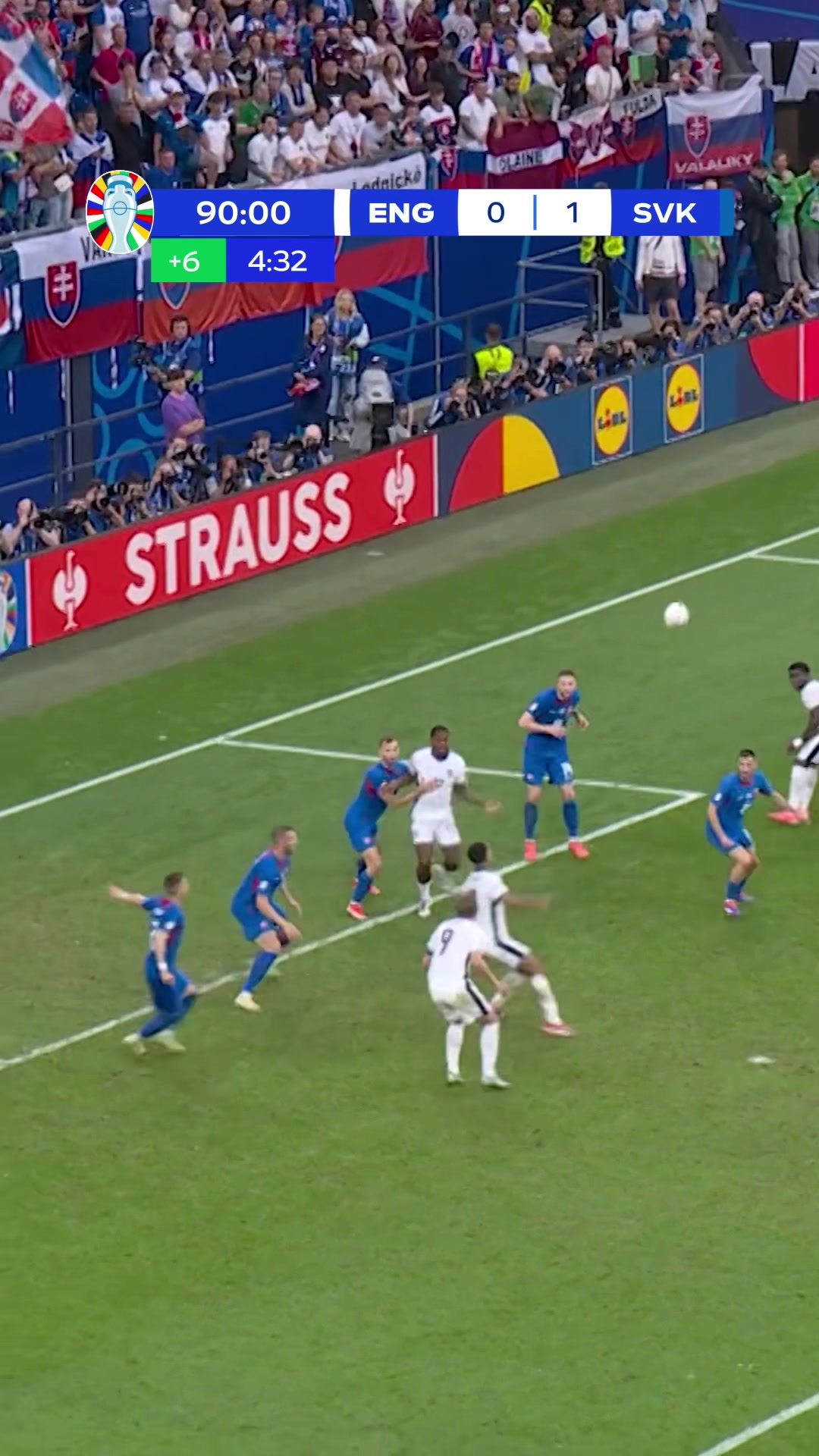
Jude Bellingham. Who else? 🌟
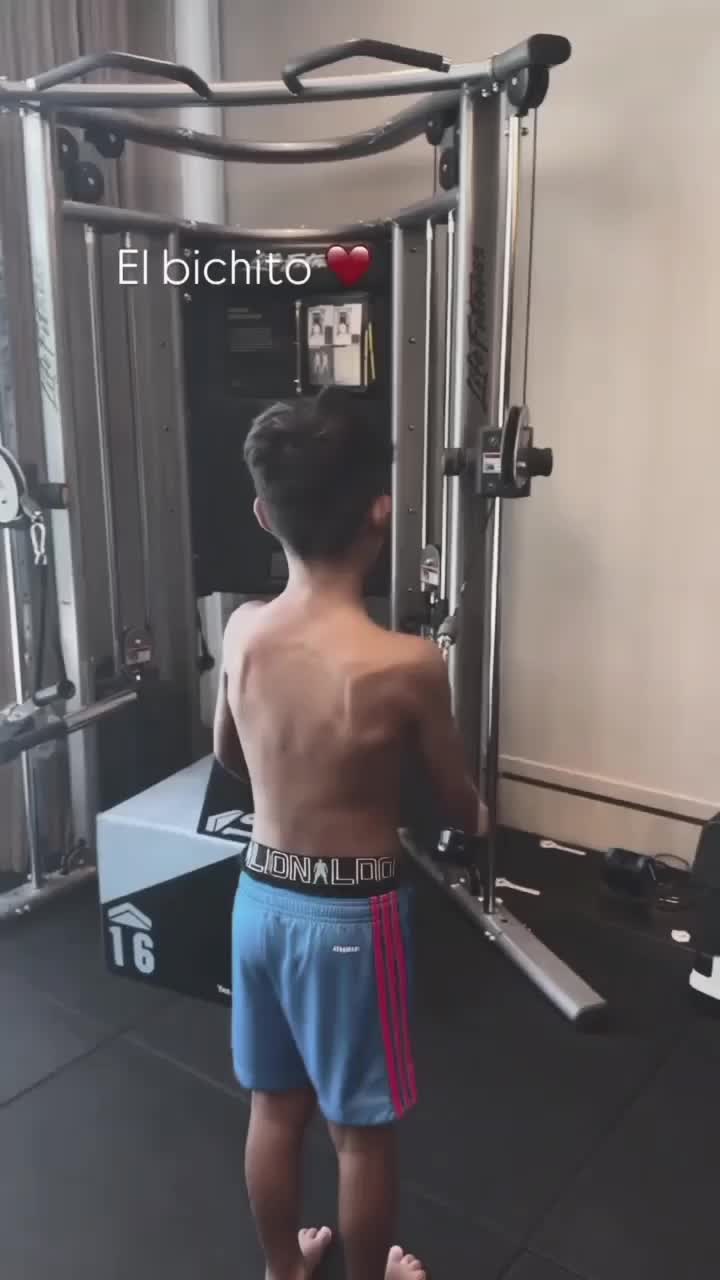
Cristiano and Mateo training

Cristiano's training
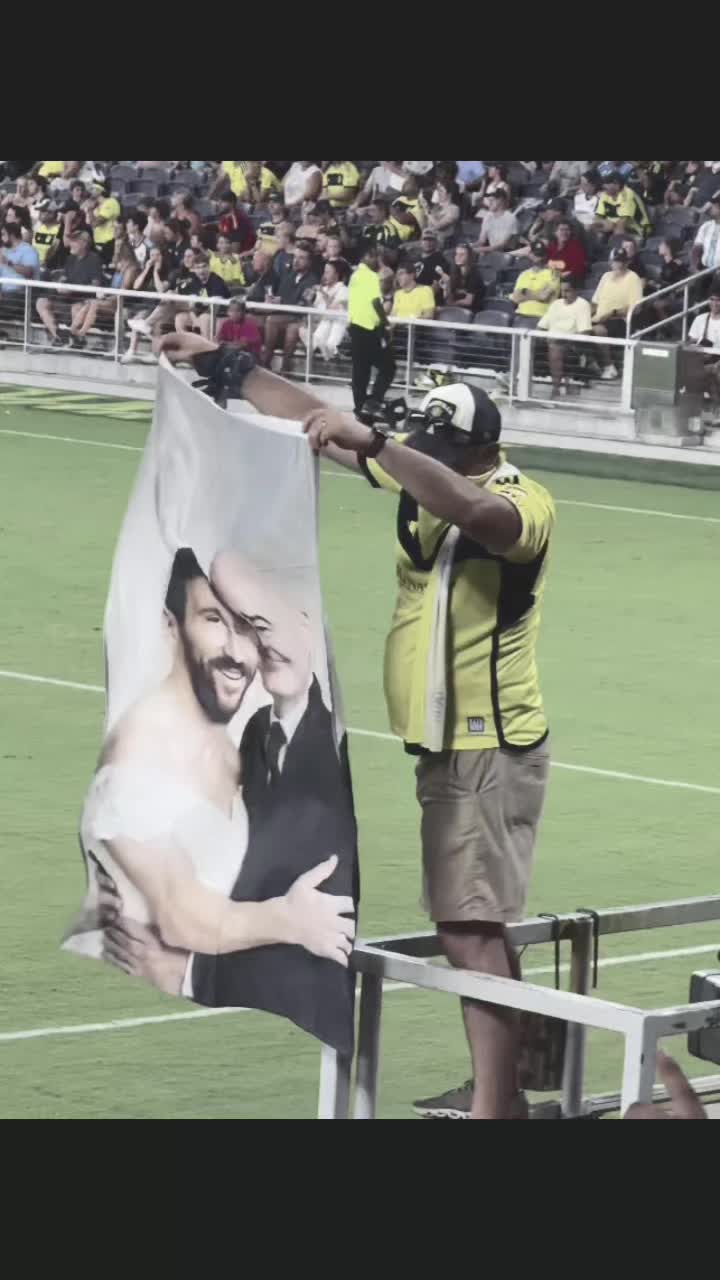
an unusual banner
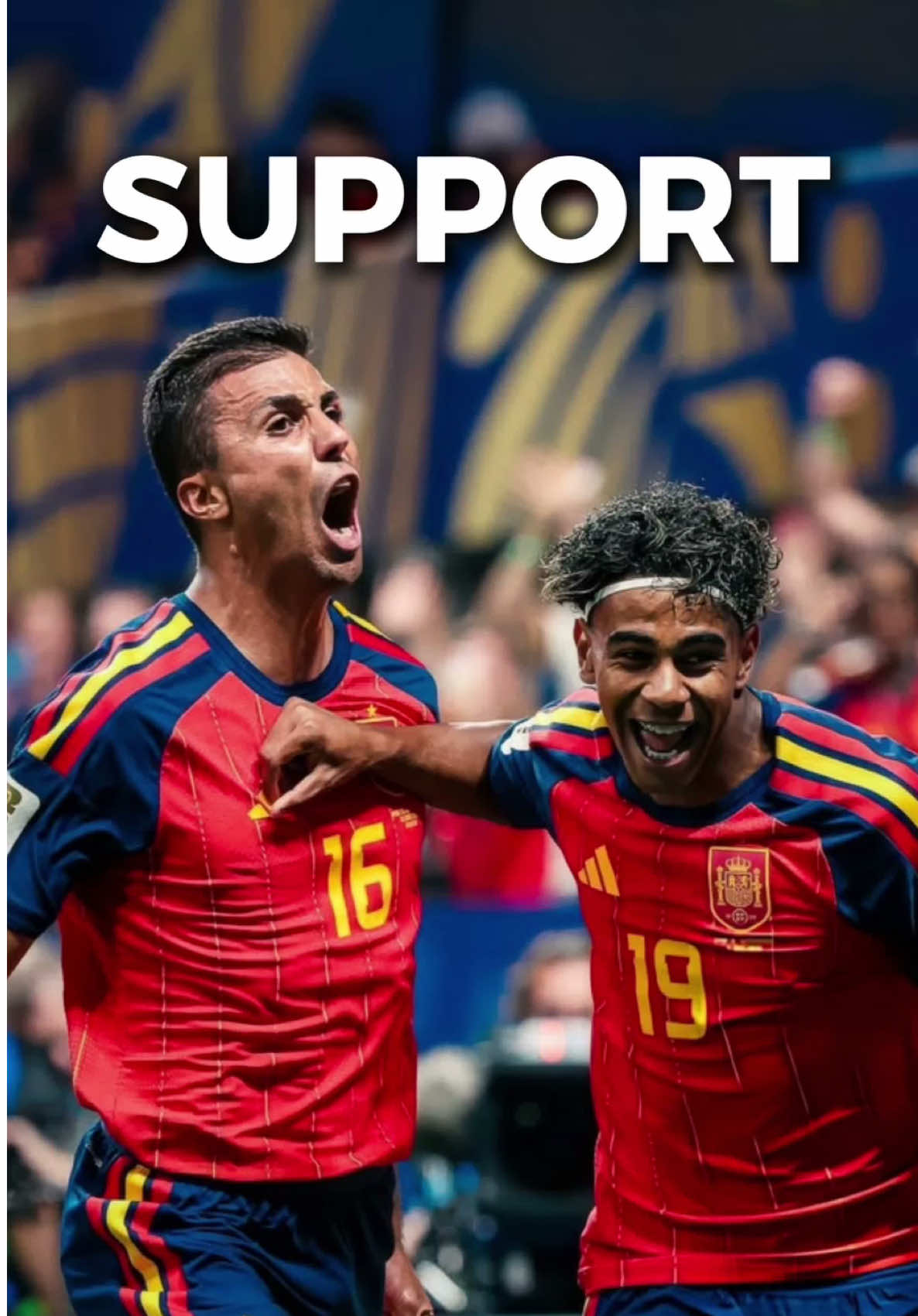
rodri barcelona news rodri barcelona reveal interview
here are the controversial FPL picks that will win you your mini league this season
 Links
Links
 Contact
 App
App


