



The national football team moves to Jinhua, marking Shao Jiayi's domestic debut



Reporter Chen Yong reports Following the game against Singapore on the evening of June 5th, the entire national team squad went to the away fans' stand, where Chinese supporters were located, and posed for a commemorative photo. This touching moment was reassuring, as the national team's away matches have always had the unwavering support of fans over the years.
This match was Shao Jiayi's third since taking charge of the national team, and it was also his third straight "away" game. On June 9th at 19:35 (Tuesday), the national team will return to home turf to face old rivals Thailand. "This match will be new coach Shao Jiayi's first home game in China. We sincerely invite fans across the country to fight alongside us! Let us also witness the glorious moment of Wu Lei's 100th appearance ceremony! See you in Jinhua!" stated the Chinese Football Association.

The scheduling of the national team's two matches during this June international window carries a certain symbolism, as if learning from past mistakes: In the 2026 World Cup Asian qualifiers for the 36-team stage in 2024, the national team drew 2-2 away against Singapore in the third round, casting a shadow over their advancement hopes. Then, in the fifth round, they drew 1-1 at home against Thailand, making the situation even more precarious. Of course, the team ultimately scraped through to the 18-team stage, but those two matches left a deep impression on fans.
This time, the national team chose to play away against Singapore and at home against Thailand, which is somewhat related to those previous matches. In the game against Singapore, the team once again faced the same dangers as in the 36-team stage. The match followed a similar pattern: the national team led 2-0 at halftime, then struggled in the second half, conceding one goal to Singapore, but fortunately held on for the win.
The national team's friendly schedule is not limited to Asian opponents. In March's international window, they faced Curaçao and Cameroon, which served as an important way for the team to adapt to mainstream international playing styles. Within Asia, it is difficult to experience the world's top physical intensity and transition speed through friendlies, as valuable opponents are limited to a few teams like Japan, South Korea, Australia, and Iran.
The national team played three consecutive "away" matches, which was crucial for adapting to travel, away venues, match atmospheres, and refereeing standards. Among these, the matches against Curaçao and Cameroon were held in Sydney and Melbourne, Australia, effectively neutral-ground games, while the match against Singapore was a standard away fixture. After the Singapore game, Shao Jiayi said: "Singapore is a very strong team at home. This match was very difficult for us, but it was a mission we had to accomplish. It is also something our national team players must go through. The value of away games is immense." The attendance at this match was relatively low, with only 4,688 spectators, including several hundred Chinese fans.

After completing the "three away games," Shao Jiayi led the national team back home for the first time to face Thailand. In terms of FIFA rankings, China and Thailand are very close. This is a reality we must face: Chinese football has been on a downward trend for many years, dropping from a top-10 Asian ranking to around 15th in Asia. After the 2019 Asian Cup, this reporter predicted that the national team's ranking would continue to slide to around 15th, and the facts have proven this correct.
In the match against Thailand, the national team needs to quickly regain their rhythm. After all, against Singapore, the team experienced a degree of chaos in the second half due to using as many as 10 substitutions. Such a high number of changes was based on several considerations: First, the team's physical condition in the second half showed some issues. It must be said that the dense Chinese Super League schedule in April and May significantly affected players' fitness and form. The CSL played 12 rounds in two months, including three double-game weeks, leading to widespread injuries and fatigue across clubs, which naturally impacted the national team's preparations. Second, Shao Jiayi, having just taken over, needed to evaluate players from multiple angles, so he naturally gave opportunities to called-up players in friendlies. The resulting lack of tactical cohesion and rotation was a necessary cost.
With increased matches and growing磨合 (integration), the national team needs to quickly return to a normal match rhythm and strive to simulate official game conditions as much as possible—using a substitution pattern of around five changes per game or slightly higher. In Shao Jiayi's tactical system, pressing is a key element. Only under normal match conditions can the quality and duration of pressing—including technical and tactical responses under fatigue—be truly tested.

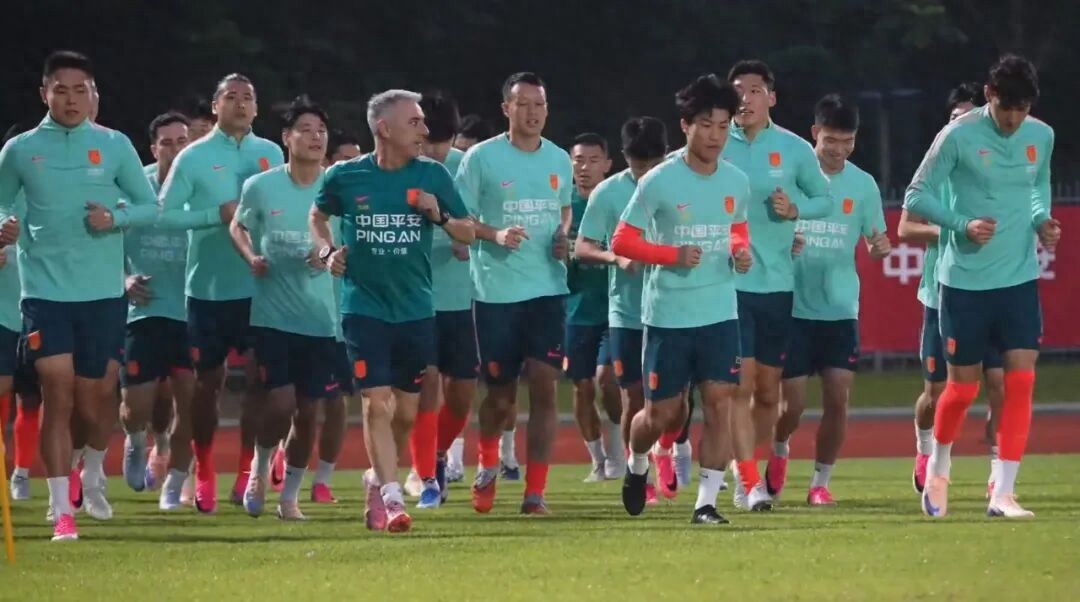
On the evening of the 7th, the national team conducted a recovery session at the outdoor field of Jinhua Sports Center. They arrived in Jinhua, Zhejiang, late on the 6th.
Before the training session, Wu Lei gave an interview. He said this was his first time being selected for the national team under Coach Shao's leadership. The squad includes many young players, and Shao has a lot of experience in adjusting the mentality of young players. The youngsters have also shown the vitality expected of their age.
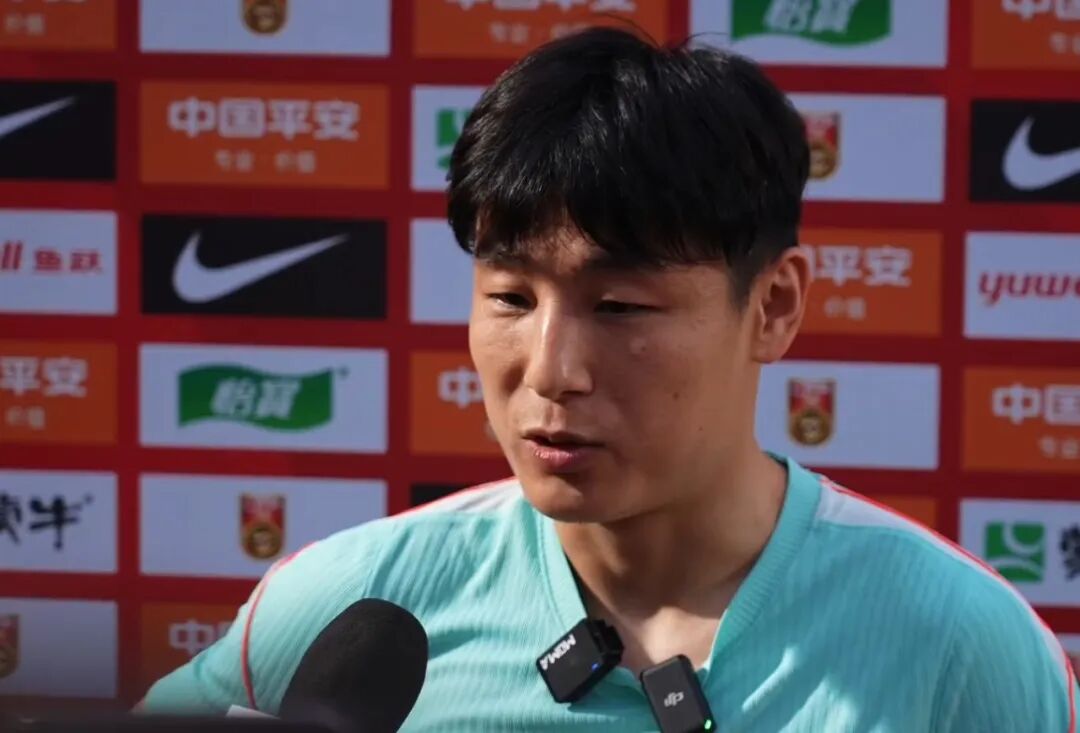
Wu Lei reflected on his career: "My biggest regret in my career is that I have not yet played in a World Cup. In this era, including technological advancements, I don't consider myself an especially old veteran. I am always ready. Whenever the team needs me, I will give it my all without hesitation."
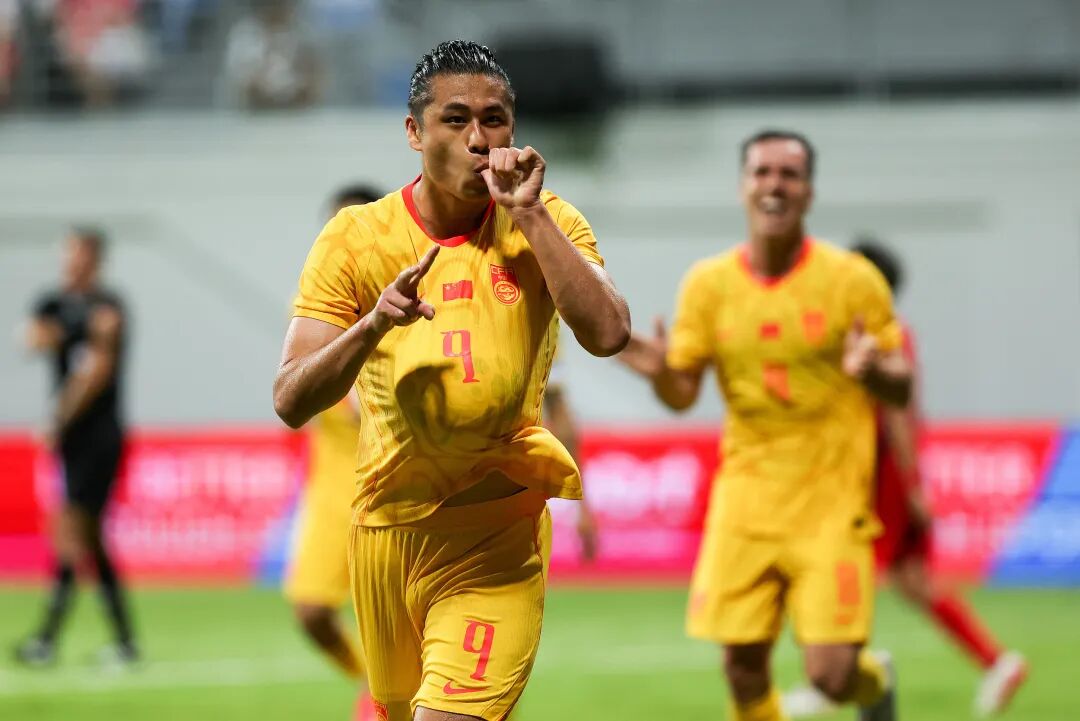
After returning to China, a familiar face appeared in the national team camp: striker Baihelamu. Baihelamu missed the away match against Singapore due to injury but has recovered well in recent days and rejoined the squad. He participated normally in yesterday's warm-up training instead of running alone, and he is expected to play in the match against Thailand.
The current national team roster is back to 25 players. After the chaos caused by large-scale substitutions in the second half against Singapore, Shao Jiayi may make more precise in-game adjustments for this match.


Wonderfulshortvideo
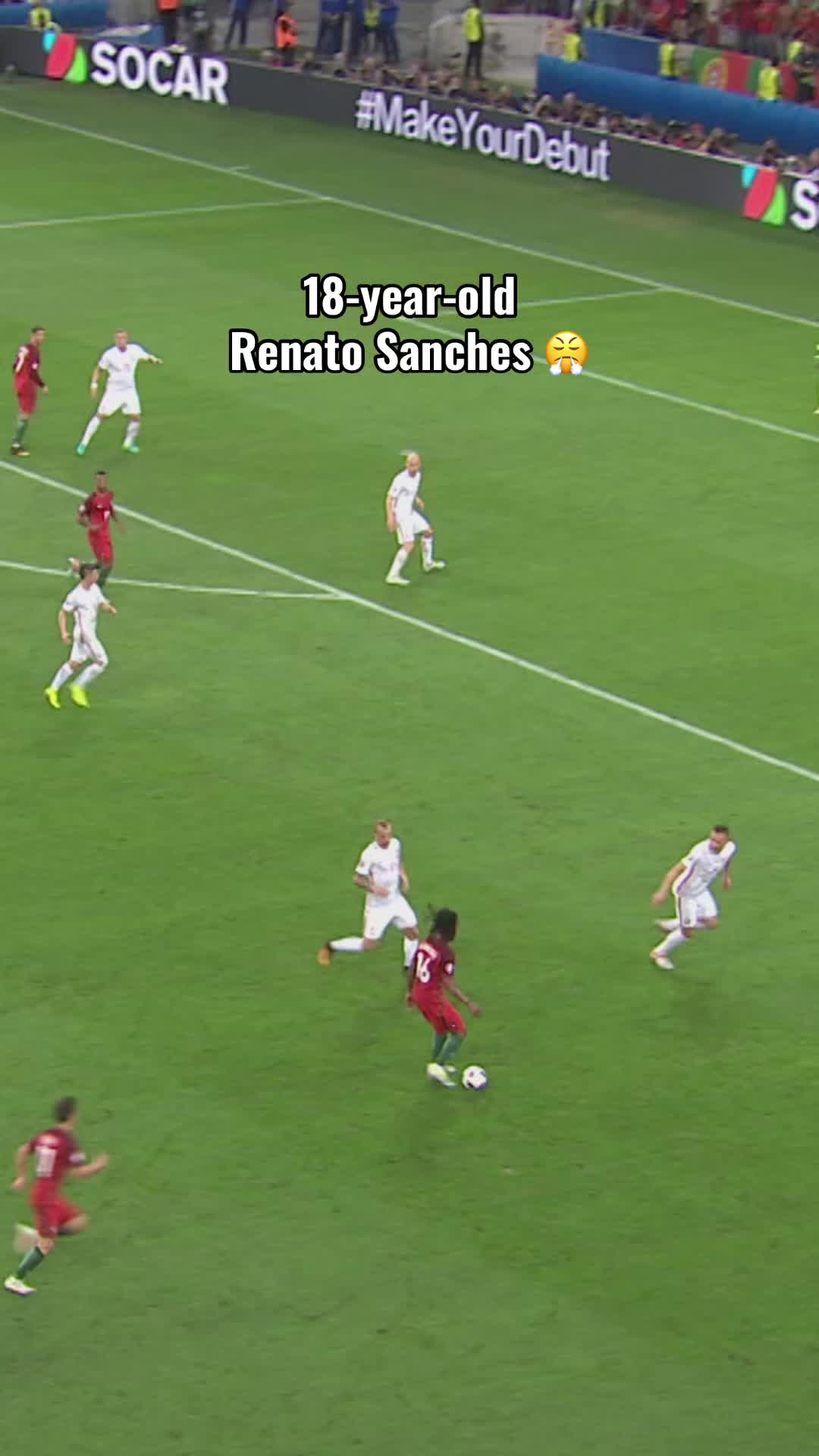
Unforgettable EURO moment 🙌


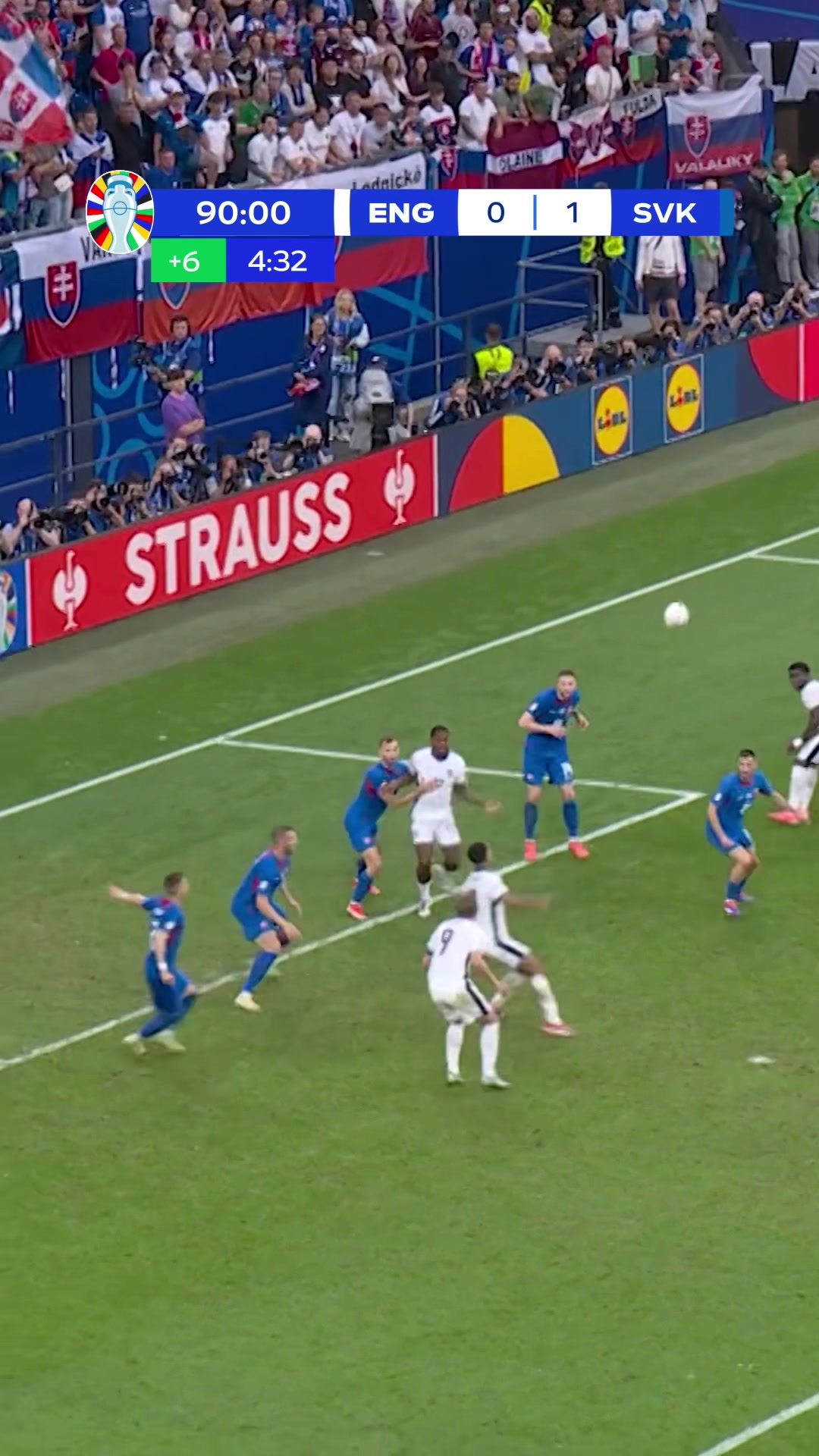
Jude Bellingham. Who else? 🌟

Cristiano and Mateo training

Cristiano's training

an unusual banner
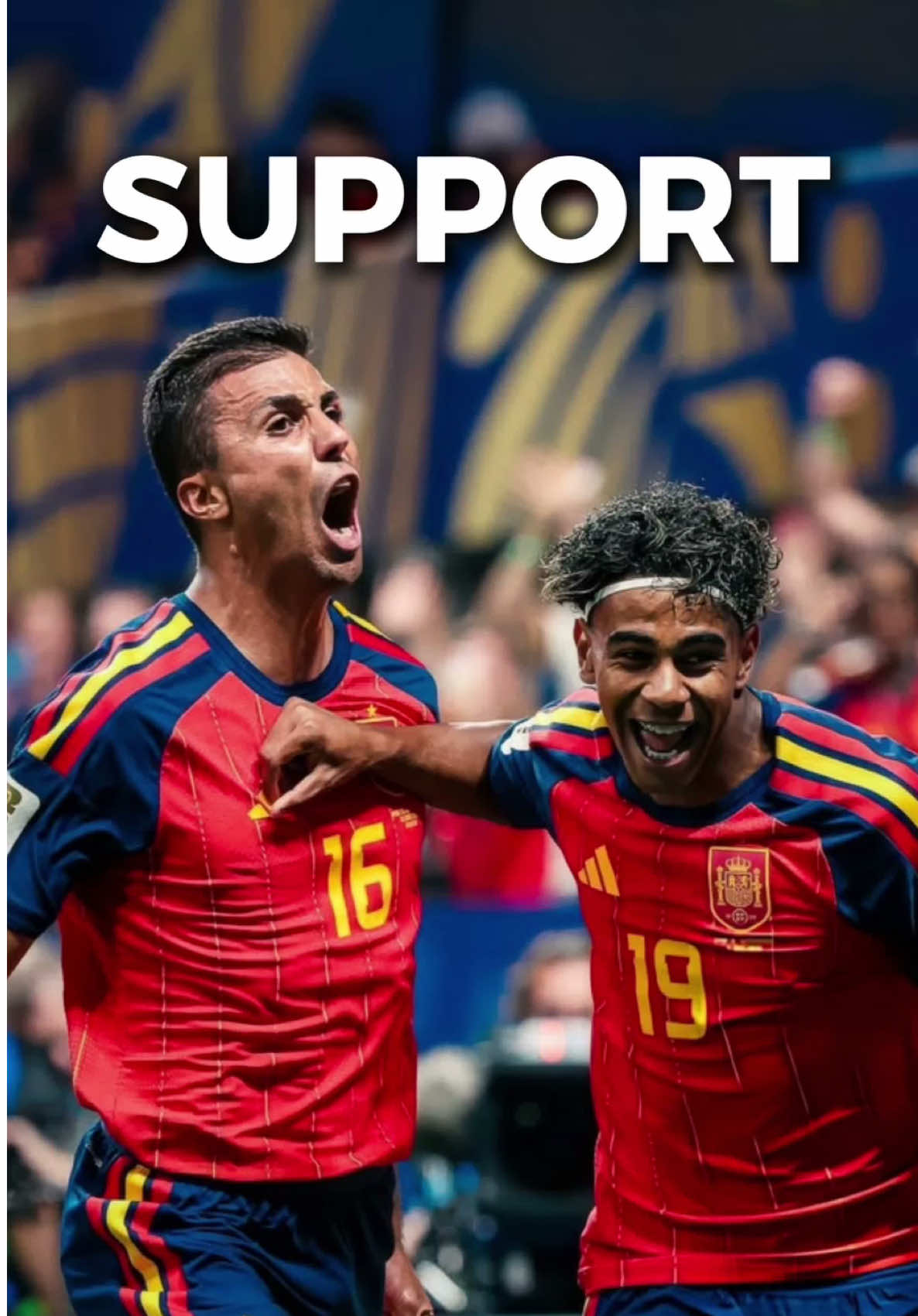
rodri barcelona news rodri barcelona reveal interview

here are the controversial FPL picks that will win you your mini league this season
 Links
Links
 Contact
 App
App


