



World Cup 2026: From the Olympic Springboard



For many French players, the home Olympics were not only a memorable tournament but also a crucial turning point on their path to the 2026 World Cup.
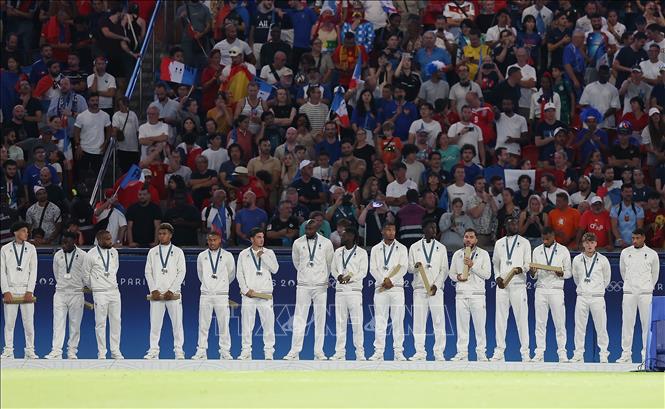
According to a reporter from Vietnam News Agency in France, the French national team roster for this year's tournament includes six players who were members of the Olympic squad that won silver in Paris: Maghnes Akliouche, Rayan Cherki, Désiré Doué, Manu Koné, Jean-Philippe Mateta, and Michael Olise.
The achievements of the French Olympic team at Paris 2024 were sometimes overshadowed by other successes of the host nation that summer. France won gold in men's volleyball and men's rugby sevens, as well as silver in men's basketball, women's basketball, women's handball, and men's football. However, according to many observers, the impact the Olympic football team left on the future of French football may be even greater than the value of a silver medal.
The status of men's football in the Olympics has always been quite unique. Unlike the World Cup or the Euros, this tournament is mainly for players under 23, with each team allowed only three overage players. Additionally, clubs are not obligated to release players for the Olympic team as they are for official FIFA-sanctioned tournaments. Therefore, assembling a squad has always been a challenge for participating teams.
Before the Paris 2024 Olympics, coach Thierry Henry admitted he faced many rejections from clubs when trying to call up players. Some highly anticipated talents like Lucas Chevalier and Khephren Thuram could not participate, while Bradley Barcola and Warren Zaïre-Emery had just returned from Euro 2024 with the national team.
Nevertheless, the French Olympic team became a breeding ground for many faces who will appear at the 2026 World Cup. Out of the 22 players who took part in the Olympics, ten have either already played for or are currently playing for the national team. In addition to the six players in this year's World Cup squad, the list includes Castello Lukeba, Adrien Truffert, Loïc Badé, and Alexandre Lacazette.
Each player has their own story. For Rayan Cherki, the Paris Olympics was a challenging experience. Despite being regarded as one of the most promising talents in French football, he was hardly utilized by coach Thierry Henry. Cherki started only one match and played a total of 77 minutes throughout the tournament.
However, that difficult period is now seen as the beginning of his growth. By late 2024, Cherki acknowledged that his Olympic summer experiences helped him find stability and a clearer direction in his career. Coach Thierry Henry also believed that Cherki's talent was never in question; what he lacked was the ability to maintain intensity and contribute throughout an entire match.
If Cherki matured through adversity, Michael Olise and Manu Koné truly shone at the Olympics. As the creative force behind the attack, Olise impressed with his individual technique, tactical vision, and creativity—qualities that were previously known only to Crystal Palace fans but are now more recognized by French football circles.
Coach Thierry Henry once remarked about Olise that he is a player with exceptional qualities, and fans have only seen the beginning of his potential. This assessment proved accurate as Olise quickly became one of the standout figures of the new generation of the French team.
Meanwhile, Manu Koné impressed with his strength, tackling ability, and energy in midfield. Despite missing the semifinal due to suspension, the midfielder made enough of an impact to be called up to the national team by coach Didier Deschamps just weeks after the Olympics.
For Désiré Doué, who was then 19 and in a crucial transfer phase of his career, the Paris Olympics was not a stage for him to shine brightly. However, the tournament helped the young player gain international experience before continuing to develop strongly in subsequent seasons.
Perhaps the biggest beneficiary of the Paris 2024 Olympics was Jean-Philippe Mateta. Before the tournament, the striker was not a name that attracted much attention. But with five goals in the final four matches of the competition, Mateta became one of the most important contributors to the host nation's silver medal campaign.
Beyond scoring, Mateta was highly praised for his ability to bond the team. Coach Thierry Henry once described his student as humorous, hardworking, and always able to create a positive atmosphere within the squad. Alexandre Lacazette, Mateta's teammate at the Olympics, also believed that the tournament helped the French public truly recognize the striker's talent.
According to L'Equipe, two years after that memorable summer on home soil, many faces who played under coach Thierry Henry have now become key pieces in Didier Deschamps' plans for the 2026 World Cup. The Olympic silver medal may not be the greatest honor in French football history, but for a generation of young players, it has become an important springboard to the highest stage in world football.


Wonderfulshortvideo
Unforgettable EURO moment 🙌


Jude Bellingham. Who else? 🌟
Cristiano and Mateo training
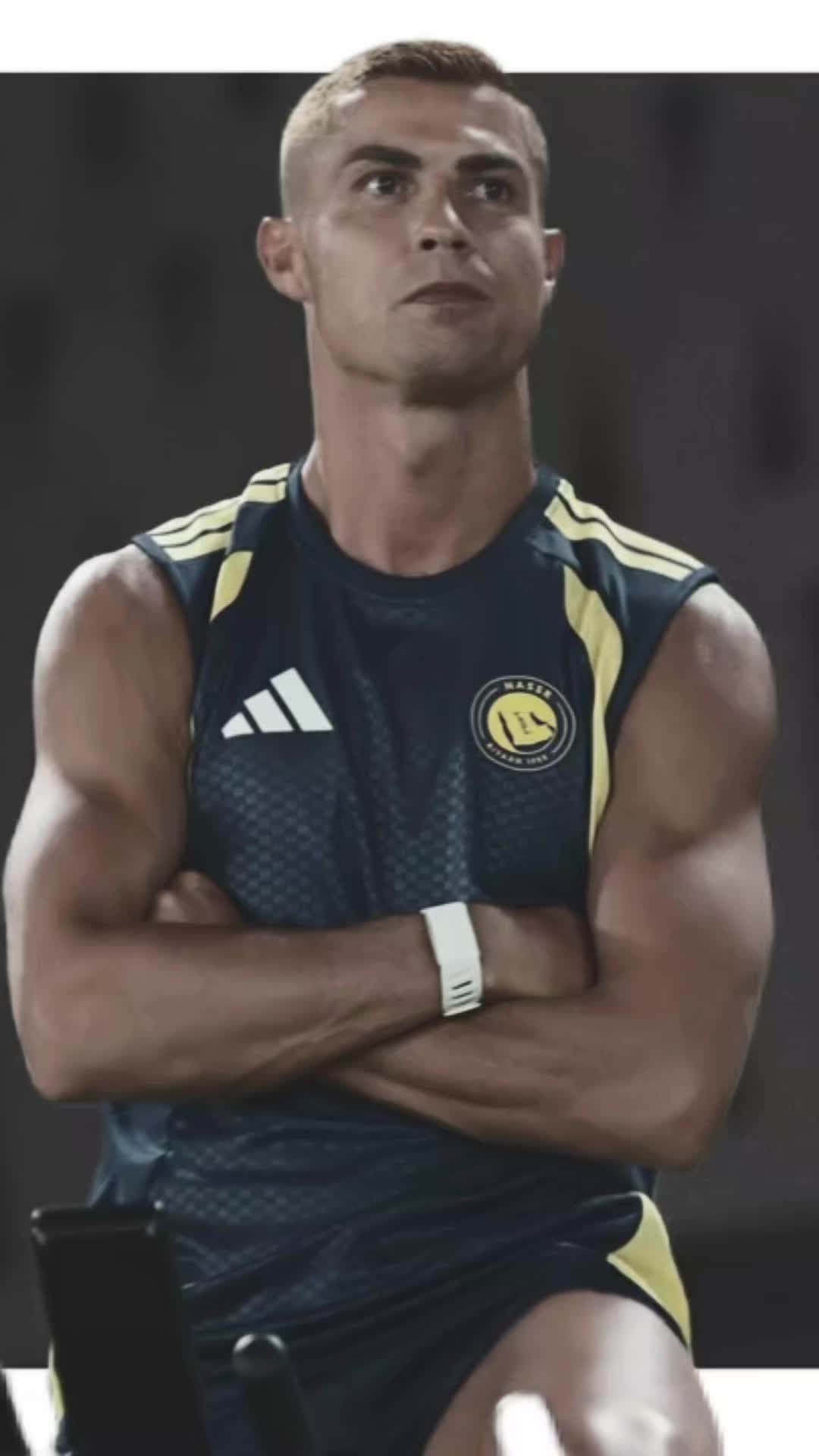
Cristiano's training
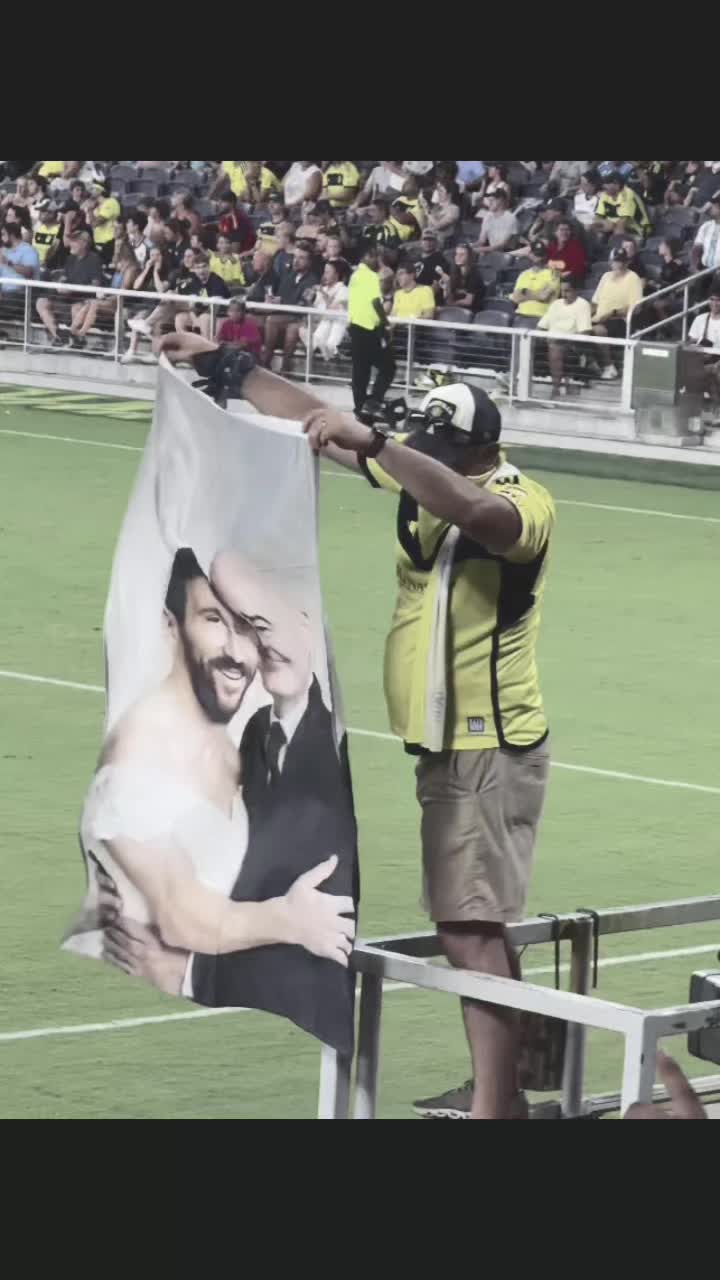
an unusual banner
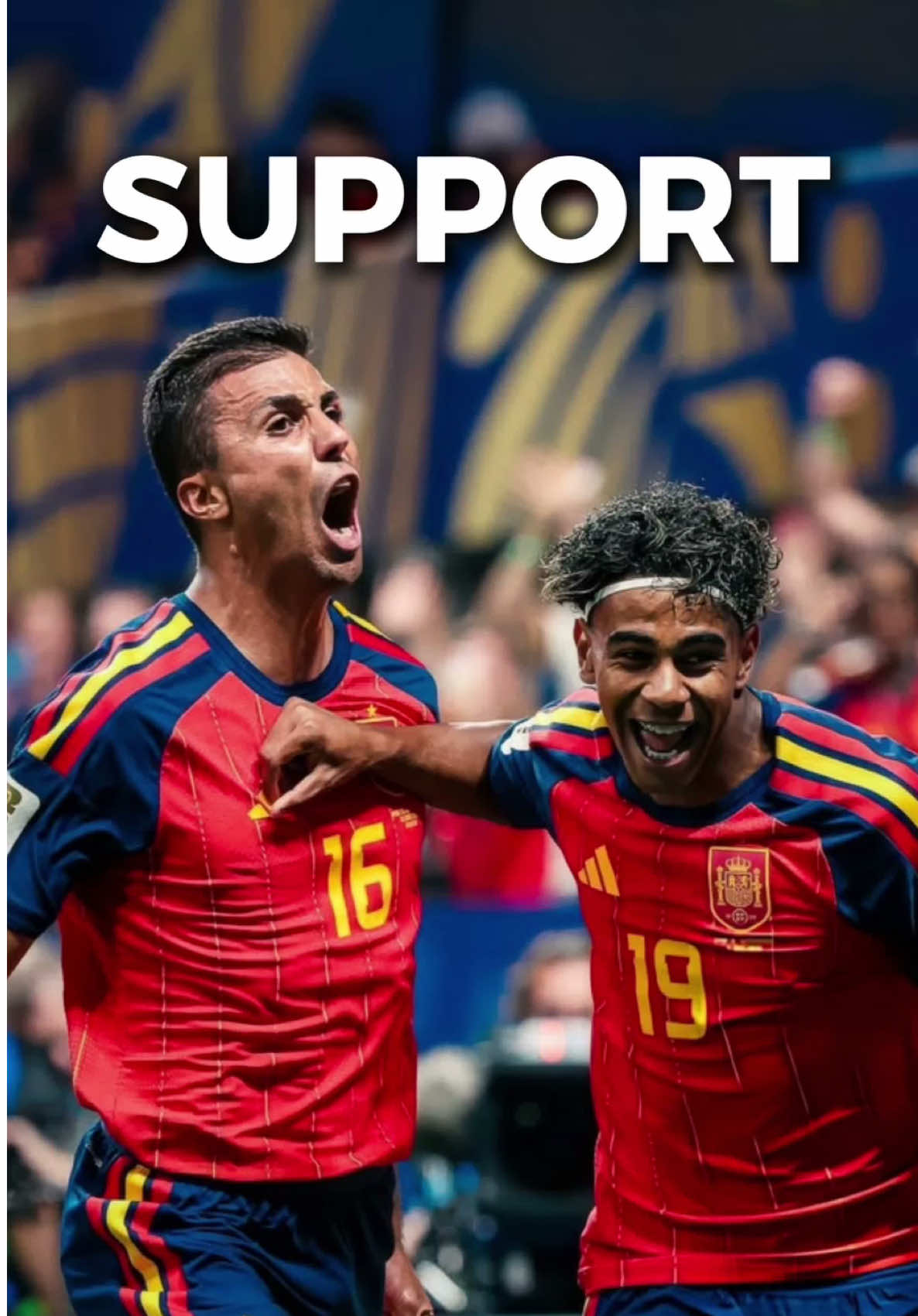
rodri barcelona news rodri barcelona reveal interview

here are the controversial FPL picks that will win you your mini league this season
 Links
Links
 Contact
 App
App


