



World Cup 2026: The numbers that make history



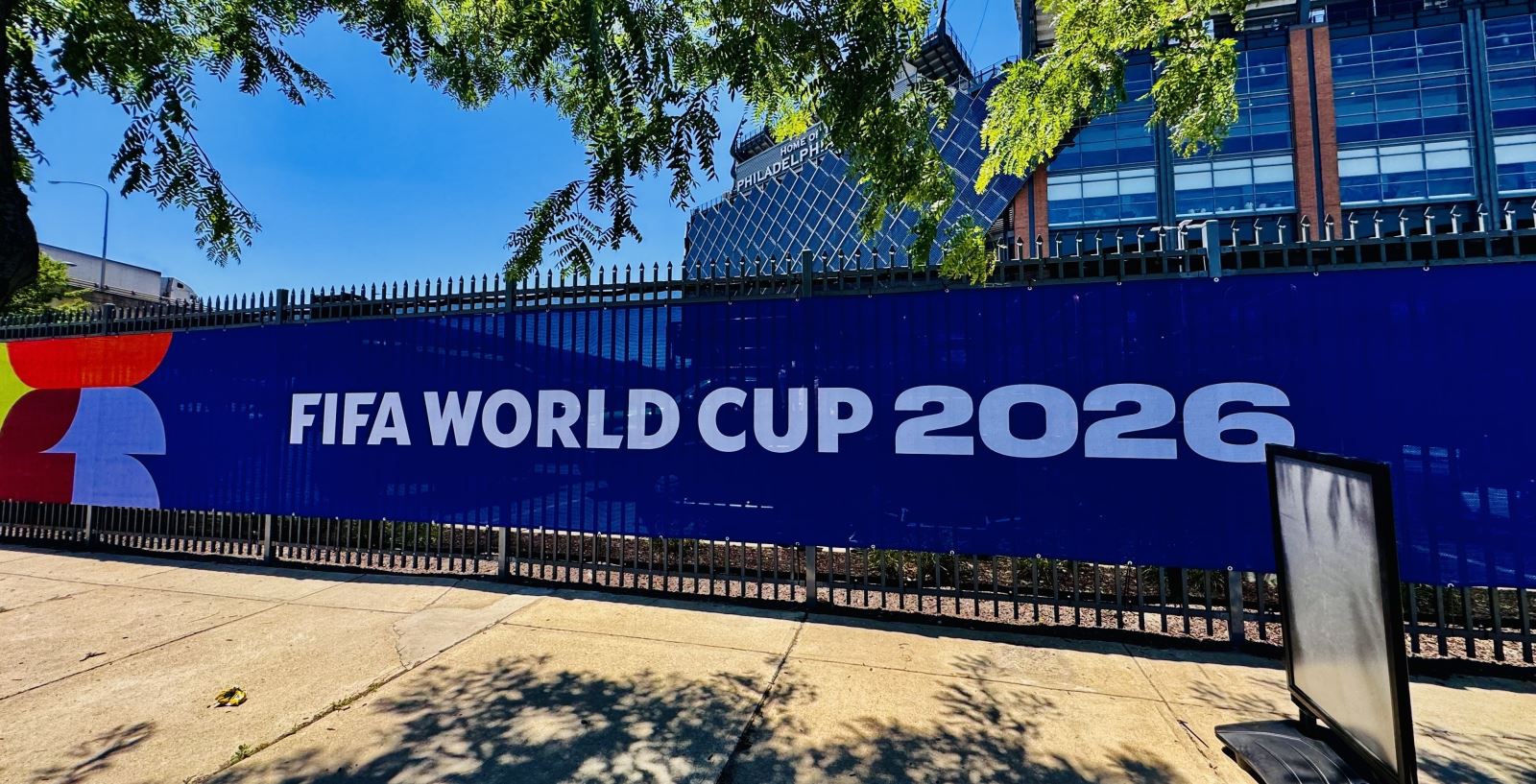
This is the first World Cup to adopt an expanded format, increasing from 32 to 48 teams. The increase in participating teams raises the number of groups from 8 to 12, while also introducing a round of 32 in the knockout stage. Compared to the 64 matches of recent World Cups, this edition features 104 matches—40 more than usual.
The 2026 World Cup is co-hosted by the United States, Canada, and Mexico, becoming the second World Cup in history to be held across multiple countries, following the 2002 tournament in Japan and South Korea.
Of the 16 host stadiums, the United States accounts for 11 venues, Mexico has 3, and Canada has 2. The opening match will take place on June 11 in Mexico City between host nation Mexico and South Africa, while the final will be held at MetLife Stadium in New Jersey (USA) on July 19.
One of the highlights of this year’s tournament is its record-breaking personnel scale. A total of 1,248 players are registered with the 48 teams, representing 449 clubs from 71 countries. Among them, 357 players have previously participated in a World Cup, while 891 are making their debut on the biggest stage in football.
At the club level, Manchester City contributes the most players with 19, followed by Bayern Munich (18), Paris Saint-Germain and Arsenal (both 16), and Barcelona (15).
On an individual level, attention remains focused on two global football icons: Cristiano Ronaldo and Lionel Messi. Both have the opportunity to become the first players in history to appear in six World Cups.
Ronaldo enters the tournament with a record 226 international caps and is the only player to have scored in five different World Cups. Meanwhile, Messi holds the record for the most World Cup appearances with 26 matches.
The race for goals also draws special attention. The World Cup scoring record of 16 goals, held by German legend Miroslav Klose, is under threat, as Messi has 13 goals and Kylian Mbappé has 12, despite being only 27 years old.
After 22 World Cups, only eight nations have ever won the title. Brazil remains the most successful team with five championships, and is the only country to have participated in all 23 World Cups since 1930.
The 2026 World Cup also marks the first time in history that Cape Verde, Curaçao, Jordan, and Uzbekistan have qualified for the greatest football festival, raising the total number of nations that have ever appeared in a World Cup to 84.
According to FIFA statistics, the previous 22 World Cups saw 2,720 goals scored in 964 matches. With the number of matches increasing to 104 this year, experts predict that the record of 172 goals set at the 2022 World Cup will likely be broken.
The generation gap at the tournament is also noteworthy. Scotland goalkeeper Craig Gordon, at 43 years old, is the oldest player, while Mexico midfielder Gilbert Mora, at just 17, is the youngest—creating an age difference of over 25 years between the oldest and youngest players at the 2026 World Cup.
From the number of participating teams, matches, and players to the scale of organization, the 2026 World Cup is not only the largest tournament in FIFA history but is also expected to open a new chapter for world football in the era of global expansion.


Wonderfulshortvideo
Unforgettable EURO moment 🙌



Jude Bellingham. Who else? 🌟

Cristiano and Mateo training

Cristiano's training

an unusual banner

rodri barcelona news rodri barcelona reveal interview

here are the controversial FPL picks that will win you your mini league this season
 Links
Links
 Contact
 App
App


