



Malaysia is considering using a second-string lineup for the ASEAN Cup; could this benefit Vietnam?



The Football Association of Malaysia (FAM) is leaning towards sending the Malaysia U23 team to the ASEAN Hyundai Cup 2026 (ASEAN Cup 2026) instead of the strongest national team.
Malaysian sources indicate that FAM plans to split the squad into two groups: the national team under coach Peter Cklamovski, and the U23 team led by coach Nafuzi Zain for the ASEAN Hyundai Cup 2026.
The main reason stems from the ASEAN Cup 2026 being held from July 24 to August 26, outside FIFA Days. Foreign clubs are not obligated to release players, making it difficult for Malaysia to assemble its strongest squad. Therefore, FAM wants to use the tournament to prepare for the SEA Games and important future youth campaigns.
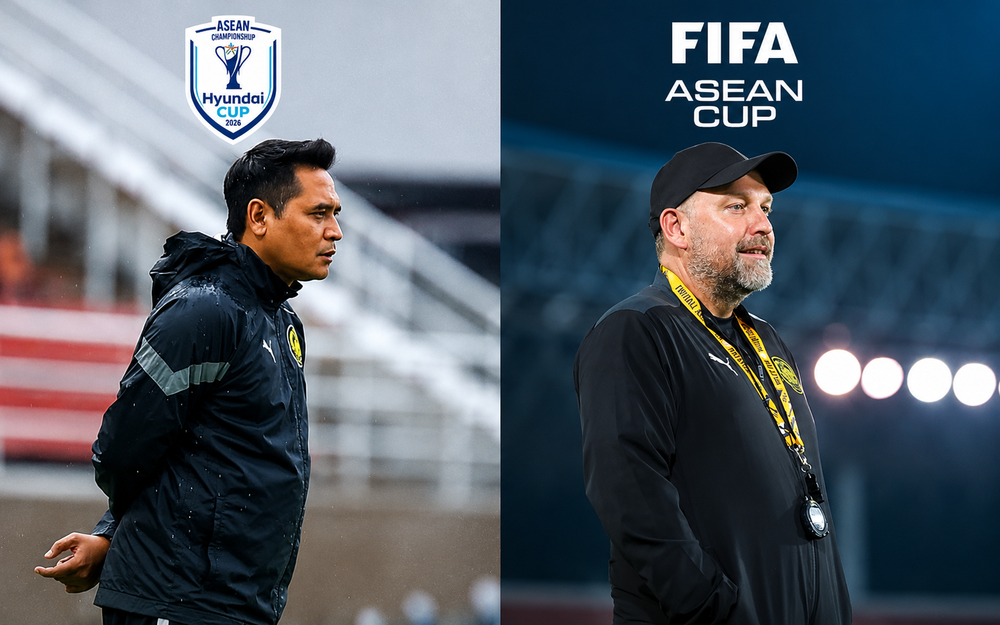
Two candidates for Malaysia's teams at the ASEAN Cup and FIFA Asean Cup. Photo: SNE Sports
If this plan is approved, Malaysia will be placed in Group B alongside Thailand, the Philippines, Myanmar, and Laos. This group is considered quite tough, as Malaysia must directly compete with Thailand for the top spot.
Notably, this is not the first time Malaysia has used a young team in the Southeast Asian championship. Local media view the ASEAN Cup 2026 as an opportunity for coach Nafuzi Zain to test the U23 players ahead of long-term goals, while coach Peter Cklamovski focuses on building the national team for the Asian Cup qualifiers and other international tournaments.
As of June 9, FAM has not yet announced an official squad, but the trend in Malaysian media suggests that Malaysia will likely participate in the ASEAN Cup 2026 with an U23 team led by coach Nafuzi Zain.
After a year and a half since its last edition, the Southeast Asian Championship has returned, marking the 30th anniversary milestone.
Officially named the ASEAN Hyundai Cup 2026, the tournament once again brings together 10 teams competing to crown the champion of Southeast Asian football.
The 16th edition of the region's premier tournament also sees a notable change: for the first time since 1998, it is being held in the summer.
The group stage will be played as a single round-robin from July 24 to August 8. Then, the knockout stage, including semi-finals and two-legged finals, will take place from August 15 to 26.
Vietnam enters the tournament as the reigning champion after winning its third title in history at the most recent edition.
At that time, coach Kim Sang Sik's team defeated Thailand with an aggregate score of 5-3 over two thrilling final legs.
The ten teams are divided into two groups. Each team will play a total of four matches, home and away, in the group stage. The top two from each group advance to the semi-finals. Both semi-finals and finals are held in a two-legged format.
Nine teams have secured direct spots, while the remaining berth was determined after the play-off between Brunei and Timor Leste, which concluded today, June 9.
Group A features defending champion Vietnam along with another former champion, Singapore, a team that has won the title four times.
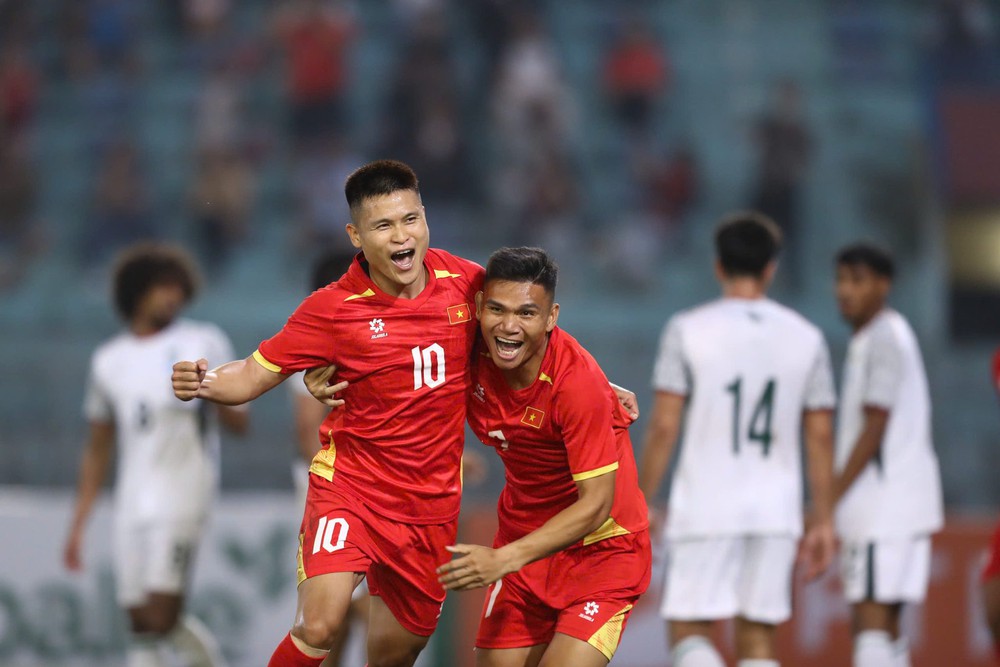
Vietnam competes as the defending champion. Photo: VFF
Meanwhile, Indonesia—a team that has improved significantly recently and is the only Southeast Asian representative to reach the third round of the 2026 World Cup Asian qualifiers—will hope this is the year they end their disappointing streak of six runner-up finishes without a single title.
Cambodia and the winner of the play-off will be the remaining two teams in the group.
In Group B, Thailand, the most successful team in tournament history with seven titles, continues to be regarded as the top contender.
However, Malaysia, the 2010 champion, is also a traditional rival capable of competing.
The Philippines could spring a surprise similar to 2024, when they returned to the semi-finals after a six-year wait. Myanmar and Laos are the other two teams in this group.


Wonderfulshortvideo
Unforgettable EURO moment 🙌


Jude Bellingham. Who else? 🌟

Cristiano and Mateo training
Cristiano's training
an unusual banner
rodri barcelona news rodri barcelona reveal interview
here are the controversial FPL picks that will win you your mini league this season
 Links
Links
 Contact
 App
App


