



The "Biggest" World Cup: Avoiding Humiliation, the Mission of World Cup Newcomers



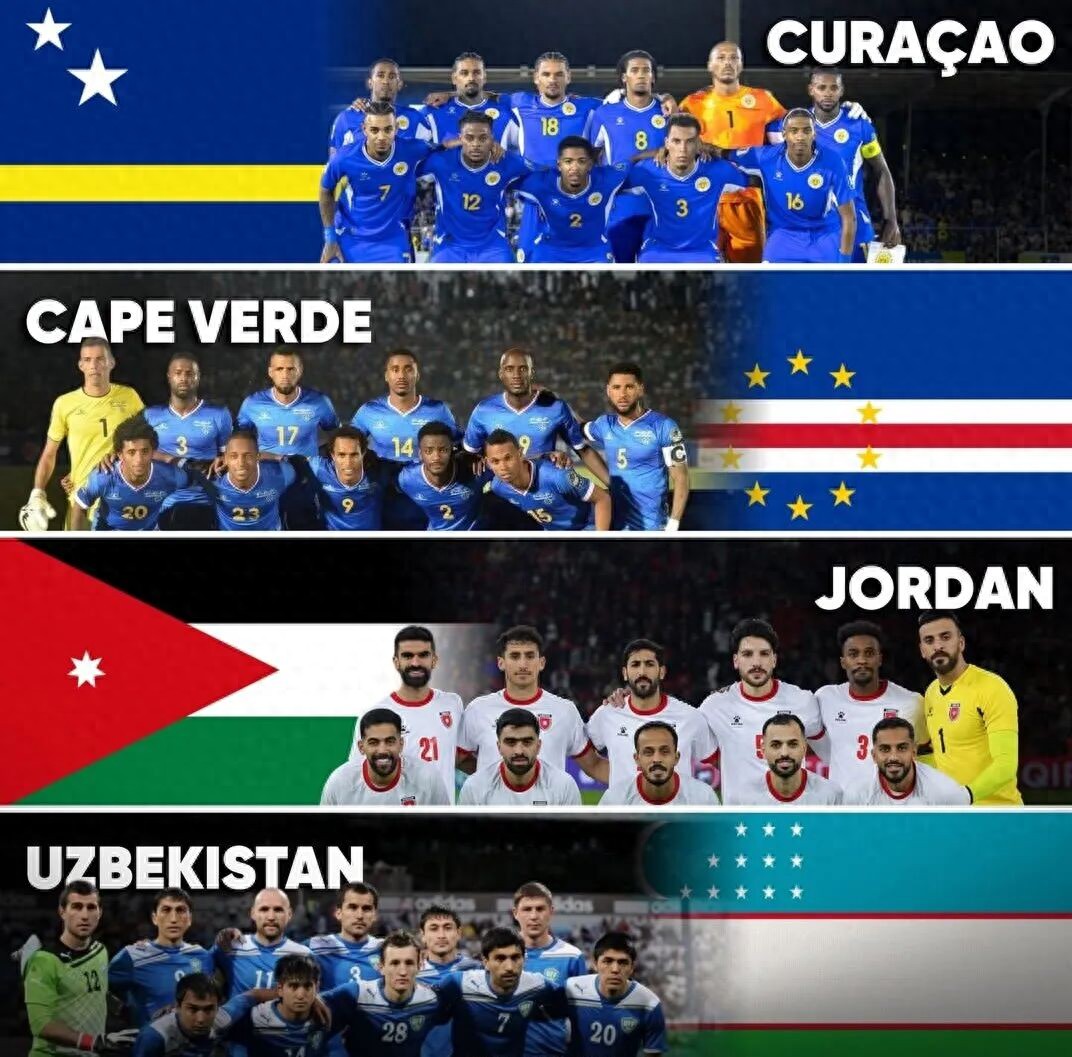
Written by Han Bing With 48 teams, 1,247 players, 16 host cities, an unprecedented 39-day schedule, and 104 matches, the 2026 World Cup in the United States, Mexico, and Canada is the largest in history in terms of participating teams. Due to the 50% expansion in team size, the World Cup has introduced many fresh faces. Curacao, Cape Verde, Jordan, and Uzbekistan are first-time participants. Additionally, 14 teams—Algeria, Bosnia and Herzegovina, Ivory Coast, New Zealand, Paraguay, South Africa, Czech Republic, Turkey, Austria, Norway, Scotland, Iraq, Haiti, and the Democratic Republic of the Congo—are returning after at least 12 years away from the tournament.
These 18 new or nearly-new teams account for 37.5% of all participants. Four years ago in Qatar, there was only one debutant (hosts Qatar) and two teams (Wales and Canada) returning after a 12-year absence. The expansion has significantly increased the number of newcomers and returnees, and the vast disparity in strength among the 48 teams has raised widespread concerns: How can these newcomers defend their dignity on the World Cup stage when they are far inferior in both quality and experience?

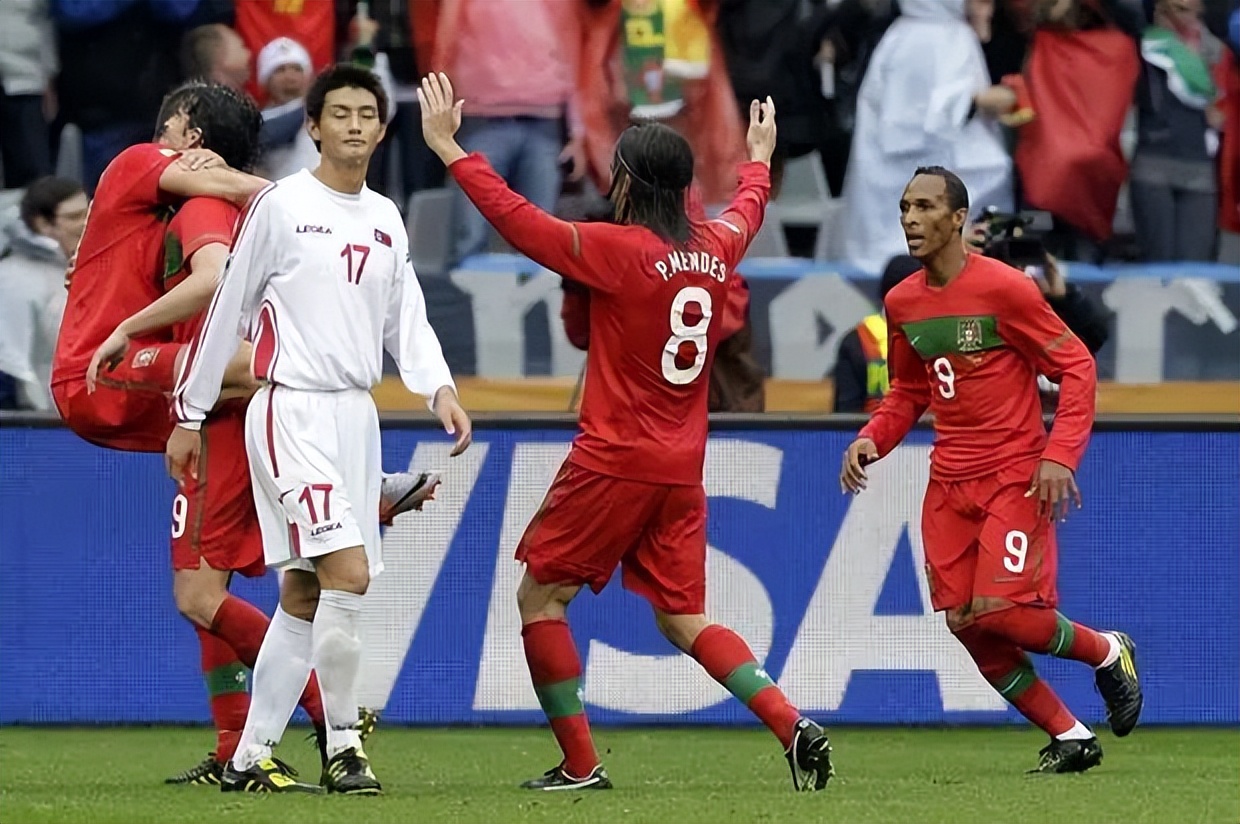
In past World Cups, debutants or long-absent returnees have often suffered shocking blowouts due to lack of experience. In 2018, Panama was crushed 6-1 by England in the group stage. In 2010, North Korea, returning after 44 years, lost 7-0 to Portugal. In 1998, first-timer Jamaica suffered a 5-0 defeat to Argentina. In 1990, debutants UAE lost 5-1 to Germany. In 1982, Hungary demolished debutants El Salvador 10-1, the worst defeat ever for a World Cup newcomer.
Over the past 40 years, Asian powerhouse South Korea made its World Cup debut in 1954, conceding 16 goals in two group matches, losing 9-0 to Hungary and 7-0 to Turkey. South Korea holds the record for the most goals conceded in a group stage by a debutant, surpassing Zaire and Haiti (14 goals each in 1974) and El Salvador (13 goals in 1982). In 1974, African debutants Zaire were crushed 9-0 by Yugoslavia, and CONCACAF debutants Haiti lost 7-1 to Poland. Now, 52 years later, Zaire (renamed the Democratic Republic of the Congo) and Haiti are returning to the World Cup, sparking fears about the performance of these newcomers and returnees.
World Cup debutants, lacking both strength and experience, are likely to suffer heavy defeats if they face top European or South American teams in their opening matches due to an unfavorable schedule. Even regular participants like Costa Rica and Saudi Arabia, from the less competitive CONCACAF and AFC regions, have produced massive scorelines such as 0-7 (2022, against Spain) and 0-8 (2002, against Germany). At the time of those humiliations, Saudi Arabia had only played in three World Cups, and Costa Rica in five.
However, among the 18 newcomers or returnees, "new" does not necessarily mean weak. These teams can be roughly divided into two categories. One category consists of traditional regional powerhouses that previously failed to qualify consistently due to limited slots or a low period—such as Ivory Coast, Algeria, Turkey, Czech Republic, Uzbekistan, and Iraq. The other category includes teams that have benefited from mass naturalization: Curacao, Haiti, Cape Verde, and the Democratic Republic of the Congo, who have upgraded their strength by importing overseas naturalized talents. New Zealand simply took advantage of Oceania's first-ever automatic spot, while Bosnia and Herzegovina sneaked in via two penalty shootout wins in the European play-offs. These latter teams are the most likely to suffer heavy defeats.


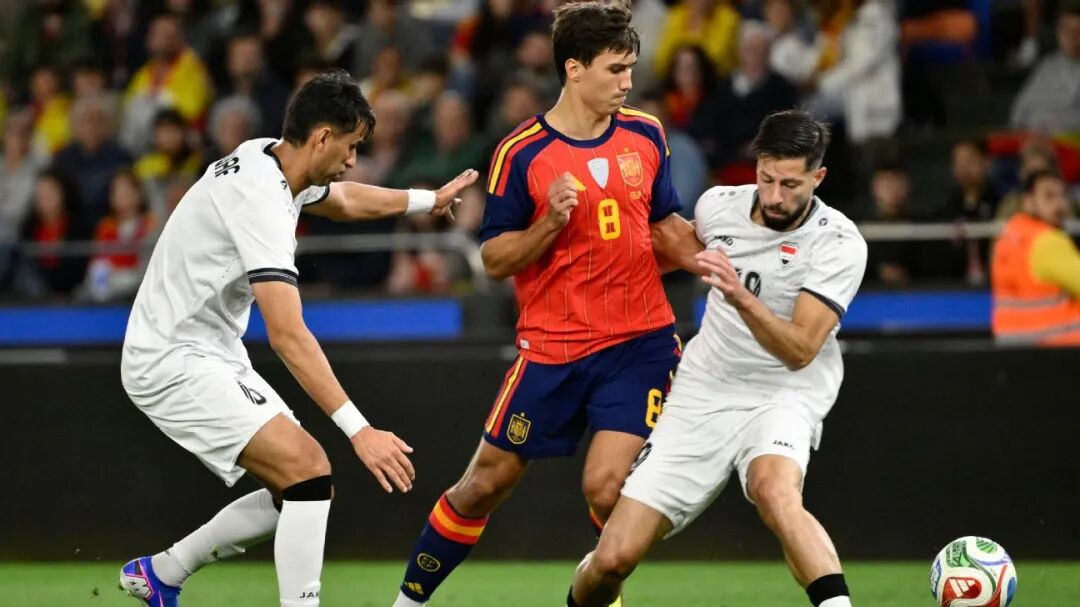
Friendly matches before the World Cup have already given some hints. The performance of these inexperienced newcomers and returnees has been wildly inconsistent. Ivory Coast shocked France 2-1, and Iraq held Spain to a 1-1 draw, both major title contenders stumbling, boosting confidence in the potential of these new forces. However, Iraq's group stage features Norway, France, and Senegal—a daunting schedule that raises concerns.
As for Austria, a second-tier European side, they have won three consecutive matches against World Cup-bound teams this year, performing impressively. Turkey also has three straight wins, though against weaker opponents. The Czech Republic and Bosnia both advanced through the European play-offs via penalty shootouts, and their actual strength is unlikely to exceed expectations. Bosnia has gone four consecutive matches without a win in regulation time and was just held to a draw by low-ranked Panama. In contrast, Scotland, despite low expectations, has impressed with two four-goal victories in pre-tournament friendlies, showing red-hot form.
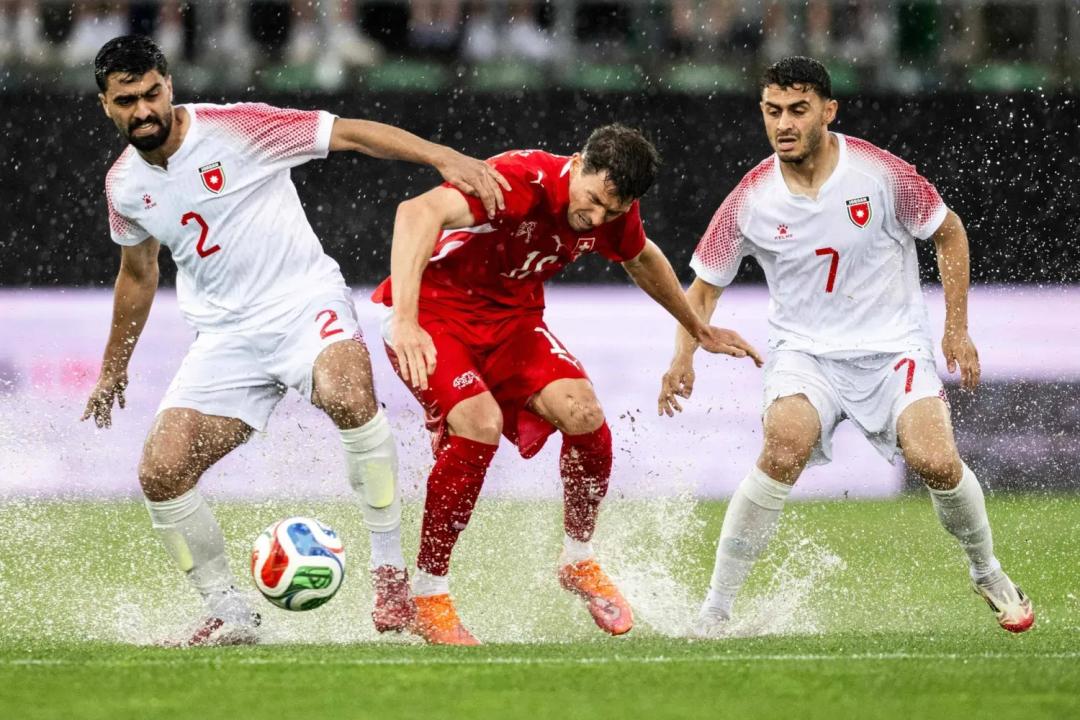
The real concerns lie with the newcomers from less-developed football regions. Historically, major blowout losses by debutants have been concentrated in Asia, Central America, and the Caribbean, and this year Oceania joins the list. Haiti and Uzbekistan have shown decent performances in friendlies, at least defensively. Jordan, the lowest-ranked Asian qualifier in the world, just suffered a 4-1 defeat to second-tier European side Switzerland. Jordan's opening match is against Austria, a team with a similar style to Switzerland, followed by encounters with African and South American powerhouses Algeria and Argentina—a perilous path.
New Zealand has won only once in 11 matches since June last year and just lost 4-0 to Haiti in the United States, offering little hope for the Oceanian representative.
South Africa, relying mainly on domestic players, has gone four matches without a win this year and could not even beat Nicaragua, a team that didn't qualify for the World Cup. They are considered the African team most likely to leave the tournament empty-handed.
Among the four debutants, Curacao and Cape Verde rely almost entirely on naturalized players. Their main problems are tough schedules and insufficient strength. Curacao has lost three friendlies in a row this year, including a defeat to China (who didn't qualify) in March, a 5-1 loss to Australia, and a 4-1 home defeat to third-tier European side Scotland. With two coaching changes in just three months, Curacao—often called the "Netherlands C-team"—will face Germany in their opening match, a team that always gives its all, reminiscent of Saudi Arabia's 0-8 humiliation. Cape Verde's opener is against Spain, another powerhouse that scored seven goals four years ago.
To preserve their dignity, World Cup newcomers must focus on solid defense and lower their expectations, thereby avoiding a tournament riddled with blowouts.



Wonderfulshortvideo
Unforgettable EURO moment 🙌



Jude Bellingham. Who else? 🌟

Cristiano and Mateo training

Cristiano's training

an unusual banner

rodri barcelona news rodri barcelona reveal interview

here are the controversial FPL picks that will win you your mini league this season
 Links
Links
 Contact
 App
App


