



The Most "Expensive" World Cup: A Total Squad Value of 17 Billion Euros—Will It Be Worth the Price?



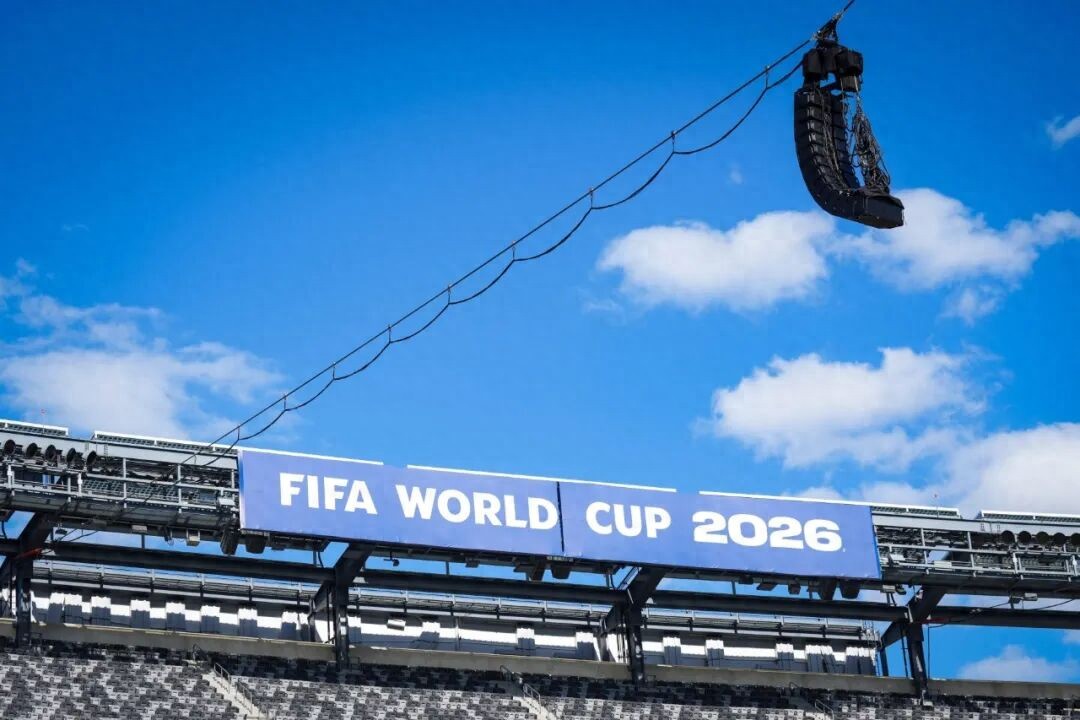
Written by Nan Nan On the eve of the 2026 World Cup in the United States, Canada, and Mexico, a domestic media outlet recorded the actual trip plan of an ordinary Chinese fan. This fan from Shanghai had originally counted on the official FIFA ticket lottery, but after missing out in every round, he was forced to look at the excessively marked-up resale market. To watch Argentina's group stage matches and other key games live in North America, he reluctantly snapped up three high-demand matches at ticket prices reaching thousands of dollars, plus one reasonably priced group-stage ticket, spending over $4,000 on tickets alone. With international flights, accommodation, and meals, his 10-day cross-continent trip cost nearly 90,000 yuan in total.
In fact, amid the exorbitant ticket pricing of this World Cup, such a lavish personal choice is far from an isolated case.
On June 9, the cheapest single ticket for Game 3 of the NBA Finals was $9,365, while the most expensive was $73,498. As early as May this year, a World Cup final ticket was reportedly being resold online for $2.3 million. Behind these sky-high ticket prices lies fans' anticipation for top-tier competitive action, but it also sparks debate over a potential bubble: Can these extravagantly priced, star-studded squads truly deliver the viewing experience fans expect and justify the high expectations—in short, be worth the price?
With the new 48-team expanded format, a total squad value of over 170 billion euros, the two most expensive squads in history (France and England), and the simultaneous appearance of three 200-million-euro mega-stars—Mbappé, Haaland, and Yamal—can this layering of luxury truly match fans' soaring expectations and make the steep ticket prices worthwhile? How will this star-studded tournament shape the dynamics and reshuffle the 2026 Ballon d'Or race? All these questions will be answered in the coming days.
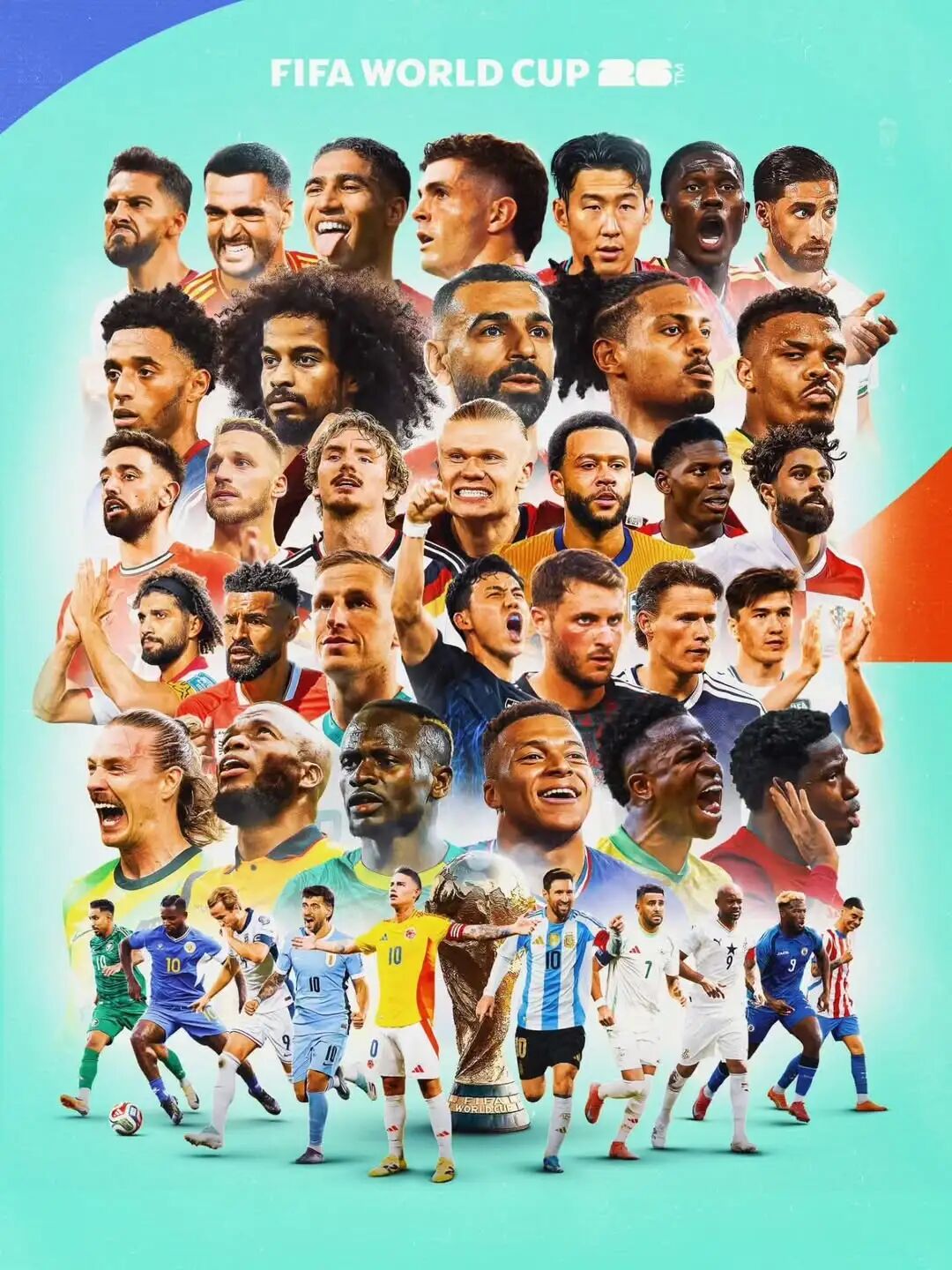

The latest squad value rankings released by Transfermarkt before the tournament set a clear tone for this World Cup. The combined valuation of all 48 participating teams exceeds 170 billion euros, reflecting the maturity of global youth development systems, the explosion of elite talent, and the continuous growth of commercial value. In fact, the luxurious texture of this edition is also built on the new trend of multi-polar competition in football, offering both scarcity and entertainment value.
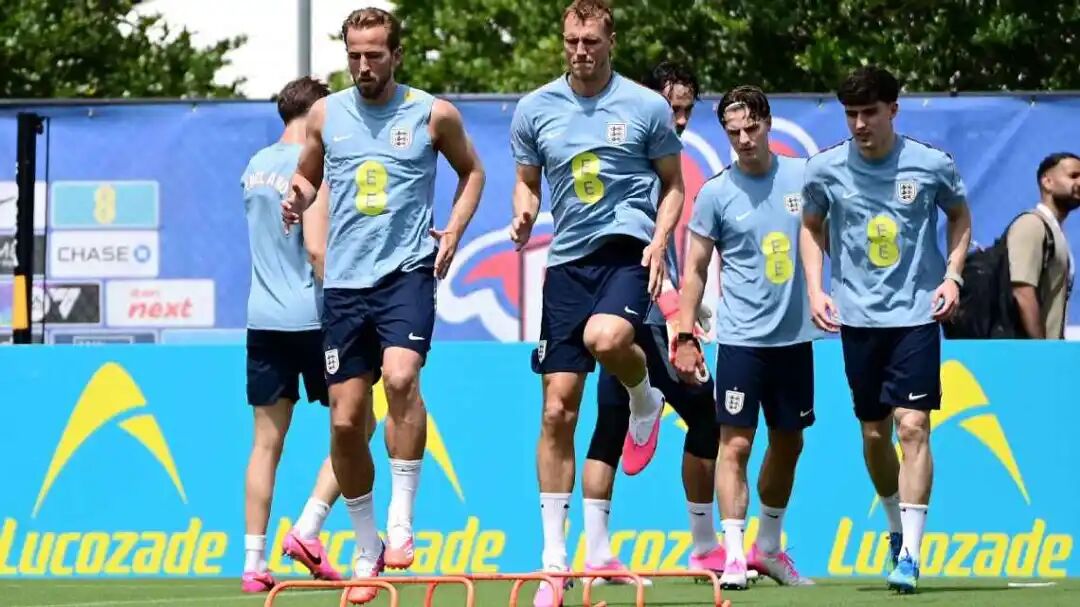
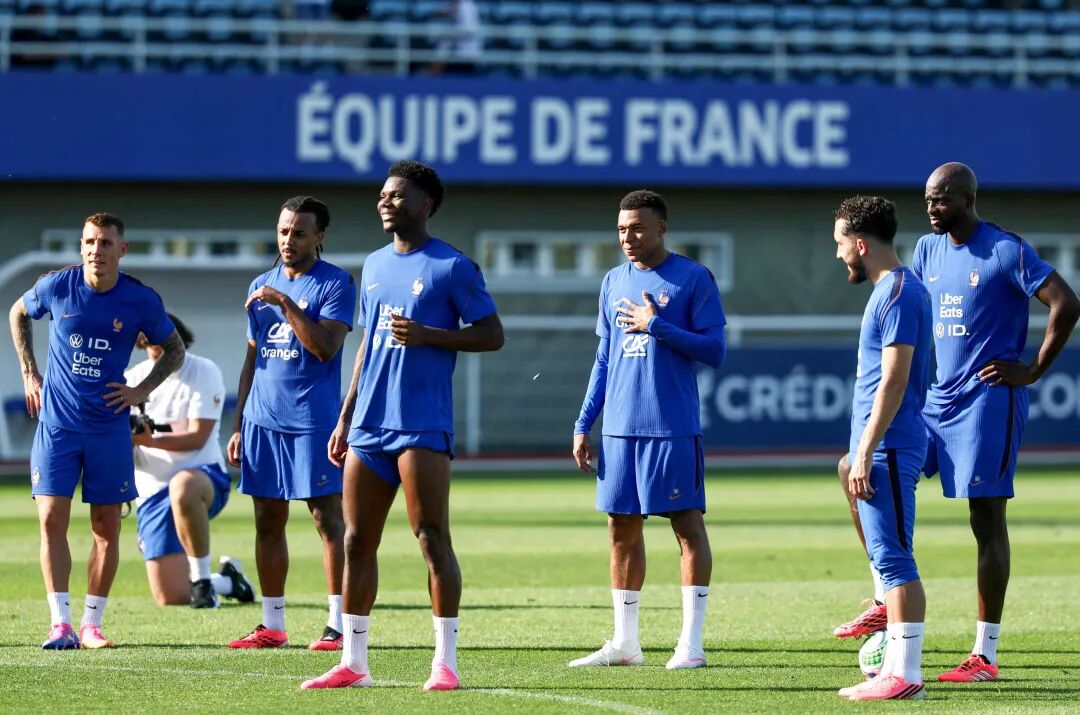
France's squad is valued at 1.52 billion euros, and England at 1.36 billion euros, both setting new records for the most expensive teams in World Cup history. With stars like Mbappé, Tchouaméni, Bellingham, and Kane—each worth over 100 million euros—these two teams boast both incredible squad depth and top-tier individual firepower at the highest level. These two European powerhouses firmly hold the banner of the World Cup's premium squads.
More significantly, this tournament presents an unprecedented scene in football history: three 200-million-euro superstars—Mbappé, Haaland, and Yamal—competing in the same edition. From a tournament veteran who has already played in three World Cups, to a prime goal-scoring machine, to a teenage prodigy who rose to fame early, the simultaneous presence and matchup of these three top talents pushes the star-power buzz of this World Cup close to the peak of the Messi-Ronaldo era.
However, paper valuations never equal on-field results. France coach Didier Deschamps noted in an exclusive FIFA interview: "We have an unprecedented star-studded squad—a lineup of eleven players each worth tens of millions—but football victories are never determined by market value. Only real, gritty performances on the pitch can live up to the expectations behind these high valuations."
After the expansion to 48 teams, the World Cup's competitive landscape has become more diverse and inclusive, but it has also magnified the gap between strong and weak teams. In this edition, the top four European teams account for nearly 30% of the total squad value, and the gap between the highest and lowest-valued teams exceeds 80 times—an extreme contrast. This stark disparity also sharpens the biggest pre-tournament controversy: Can the most expensive World Cup in history shake off accusations of being a bubble and truly justify its exorbitant ticket prices?

The core appeal of football has never been about cold, hard numbers. The high value of top squads sets a baseline for tournament quality, but it is the on-the-spot performances of superstars like Mbappé, Haaland, Yamal, Dembélé, Kane, and Vitinha that raise the ceiling and deliver the true value of those expensive tickets.
In an exclusive interview with *The Times*, legendary manager Sir Alex Ferguson precisely broke down the value differences among the three 200-million-euro stars, highlighting the key narratives of this World Cup. Haaland's 200-million valuation is a testament to his league dominance—a terrifying 52-goal season proves his elite immediate output. Mbappé's core advantage is his unparalleled big-match pedigree: a World Cup winner, he has been honed by multiple top-tier tournaments, with unrivalled composure under pressure and clutch finishing. As for the young prodigy Yamal, he desperately needs a standout World Cup to validate his reputation. Although he performed well at the European Championship two years ago, the World Cup is an entirely different stage.
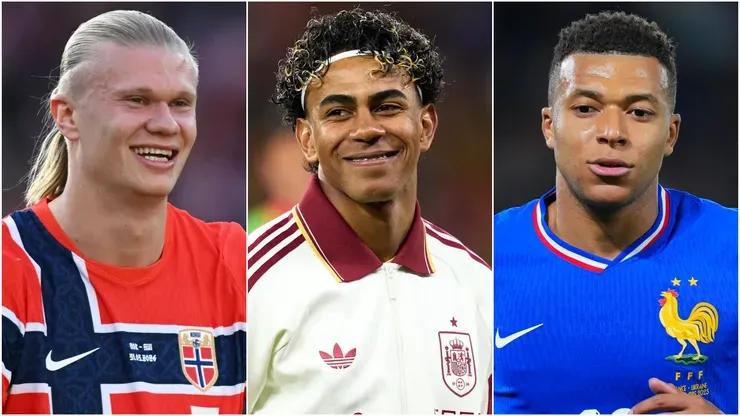
That is precisely why this World Cup has become an exclusive "value test" for these three superstars. For Mbappé, he does not need to prove his tournament ability—he just needs to continue his legendary form and lead France to defend their title, further cementing his status as football's top star. For Haaland, this is his first World Cup—a unique opportunity to break the "strong in leagues, weak in tournaments" stereotype and finally prove himself at the national team level. For 18-year-old Yamal, this is his chance to step out of his league comfort zone, fulfill his potential on the world's biggest stage, and establish himself as a first-line star.
From a team perspective, the top squads—France, England, Spain, Portugal—are the key to realizing the tournament's value. England coach Thomas Tuchel said in an official FA interview: "The only meaning of a star-studded, expensive squad is to repay high expectations with exciting matches and victories, and not let that luxurious lineup become a laughingstock." These pre-tournament favorites must prove through brilliant and consistent performances that their astronomical valuations are not just for show. Otherwise, the bubble of overpriced squads will burst at the first prick.
A senior analyst from Transfermarkt believes: "The 48-team expansion increases the margin for error, dramatically raising the probability of upsets. The team resilience of underdog sides is more than enough to topple top teams worth several or even dozens of times more." The core factor that deflates the valuation bubble and maintains tournament quality is the high-level on-field performances of elite stars—the unpredictable beauty and charm of football. That is what truly makes the World Cup worth the price.
Ultimately, what fans are willing to pay sky-high ticket prices and top-tier hype for is never just a collection of paper valuations. They crave the ultimate blossoming of talent, the joys and sorrows on the pitch, and those moments that go down in history. When a superstar delivers the decisive blow, when a heavyweight clash is thrilling, when new stars keep creating surprises—then the historic 170-billion-euro total valuation transforms from cold numbers into tangible, soul-touching value.
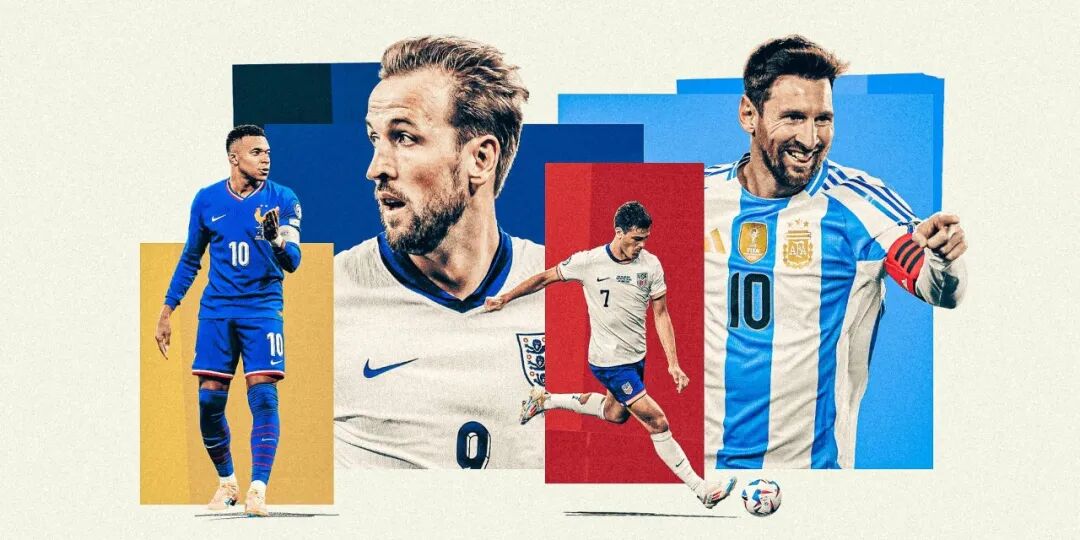

If the performances of star players determine the on-field quality of this World Cup, then the identity of the World Cup champion will very likely directly rewrite the landscape of the 2026 Ballon d'Or race.
As the organizer of the Ballon d'Or, *France Football* has maintained stable and transparent selection criteria for many years. According to the officially published core evaluation standards, the award is judged on three main dimensions: first, the player's individual performance and key contributions over the season; second, team honors and achievements; and third, the player's professionalism and career record. This means that in a year where many stars have marginal differences in club performances and the competition is extremely tight, the quadrennial World Cup becomes the biggest decisive variable that can break the balance, reshuffle rankings, and directly determine the final Ballon d'Or winner.

Mbappé is one of the front-runners for this year's Ballon d'Or and the contender with the most control. With a World Cup win on his resume and a history of dominant tournament performances, as long as he leads France to victory and wins the Golden Boot or Best Player award, even a mediocre club season would give him a massive advantage in the Ballon d'Or race. In contrast, Haaland's only path to becoming a core Ballon d'Or candidate is to lead Norway to their best-ever World Cup result while consistently delivering highlight-worthy stats; otherwise, he will always remain just a contender. The same applies to players like Kane, Rice, and Vitinha. Although Dembélé has two Champions League titles, his performances in this year's knockout stages and final were far less convincing than last year's.
Yamal is the most surprising new variable in this year's Ballon d'Or race. At just 18 years old, he has already displayed elite talent in La Liga and the Champions League, and his 200-million-euro valuation is the highest recognition of his potential in world football. However, his youth and lack of major tournament experience are critical weaknesses. This World Cup is his best platform to formally enter the Ballon d'Or stage. If he can help Spain win the title as a key player, Yamal could even break the record for the youngest Ballon d'Or winner and usher in a new era of his own. The only obstacle is that he must first overcome his injury issues.
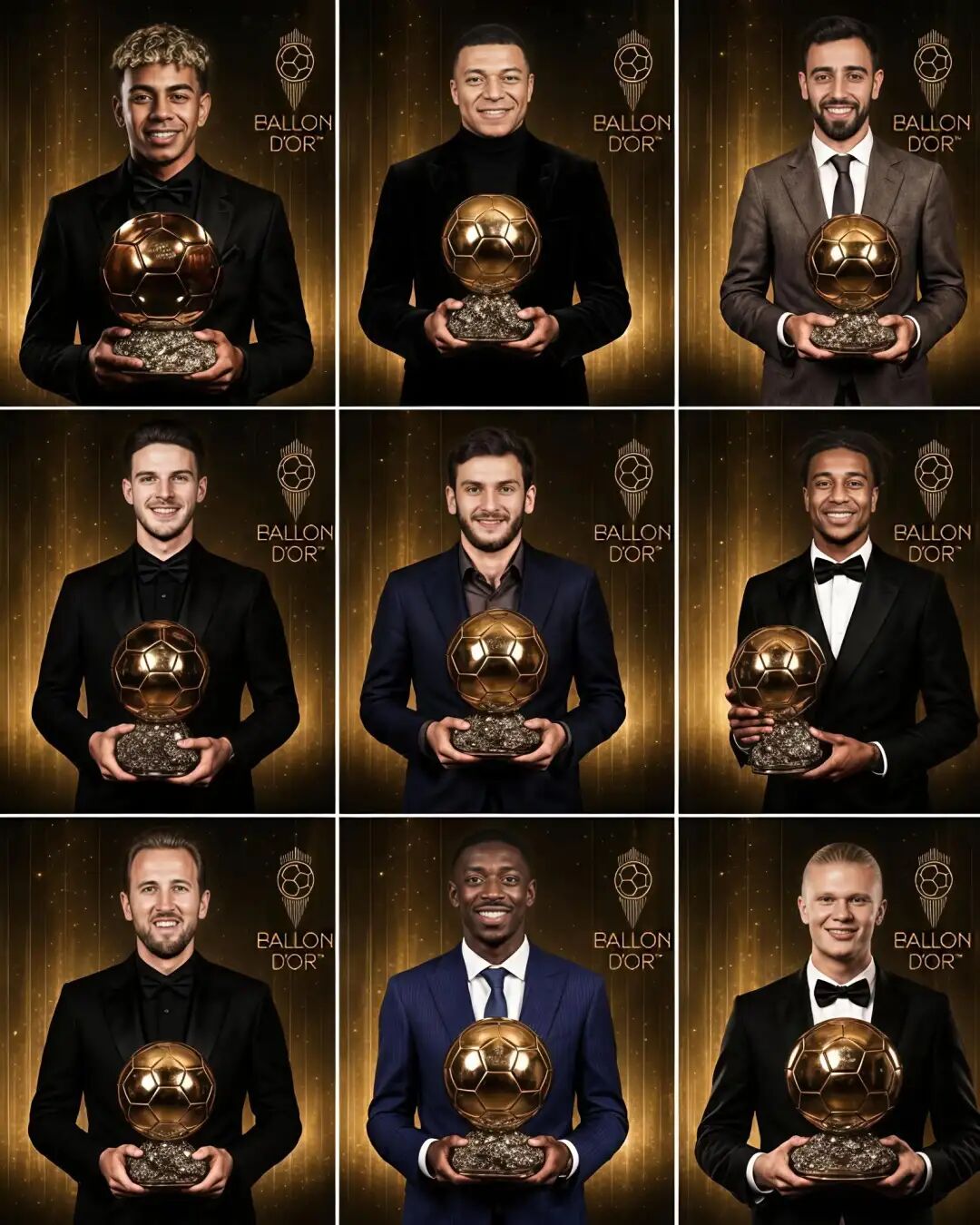
In the post-Messi-Ronaldo era, there is no stable dynasty in football. Every major continental tournament is a pivotal moment for the reshuffling of honors. In years where regular club competitions fail to create significant separation, a phenomenal World Cup performance often carries decisive weight in the Ballon d'Or voting. In 2018, Modrić used his epic runner-up performance at the World Cup to break the long-standing Messi-Ronaldo monopoly and win the Ballon d'Or against the odds.
Each iteration of World Cup squad values reflects a generational shift in football. The 170-billion-euro feast is not merely a commercial bubble—it is a stage for talent evolution and the reshaping of football's landscape. In a sense, this World Cup is already quietly determining the 2026 Ballon d'Or winner and writing a new chapter in world football's order and era.


Wonderfulshortvideo
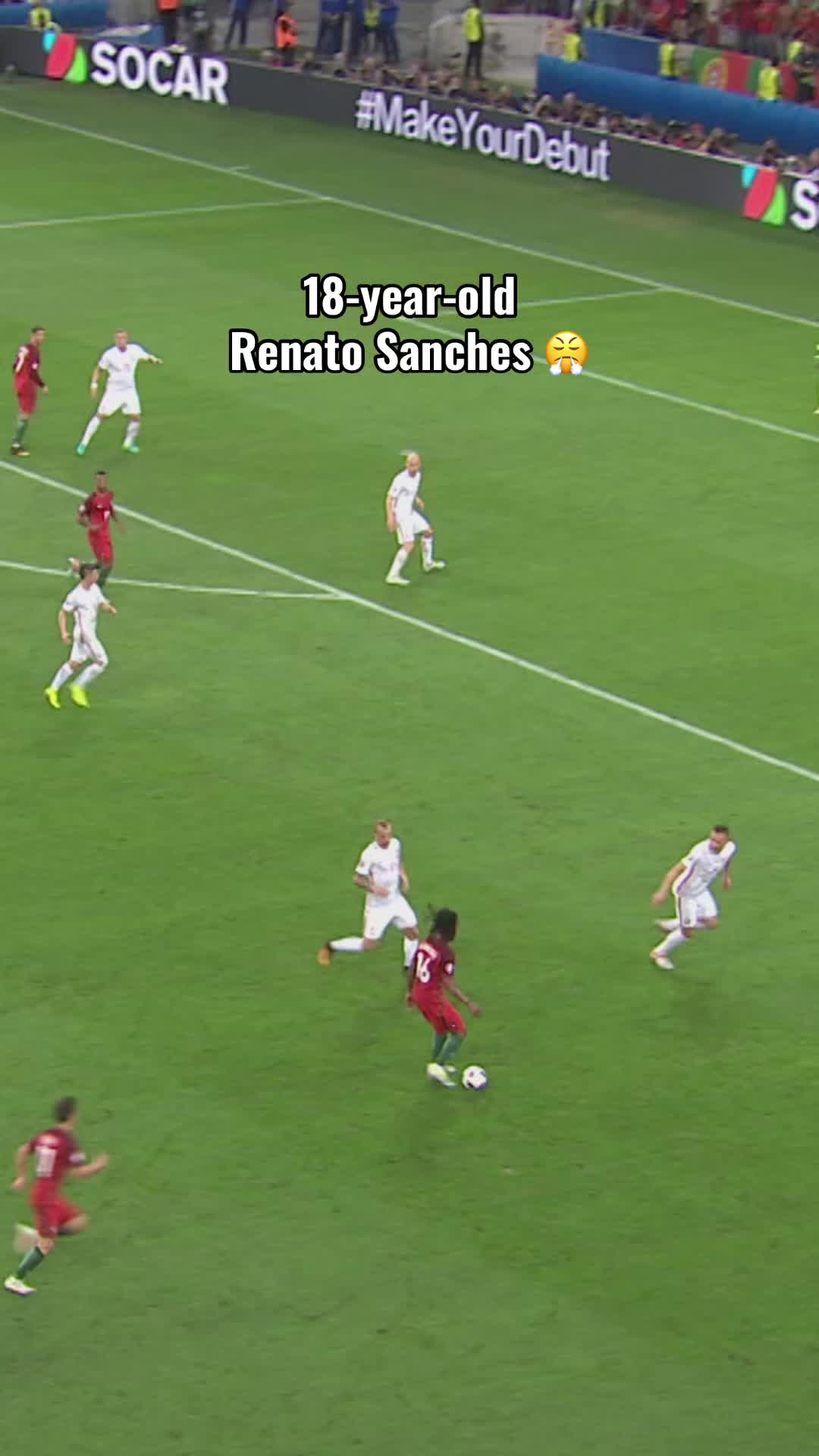
Unforgettable EURO moment 🙌


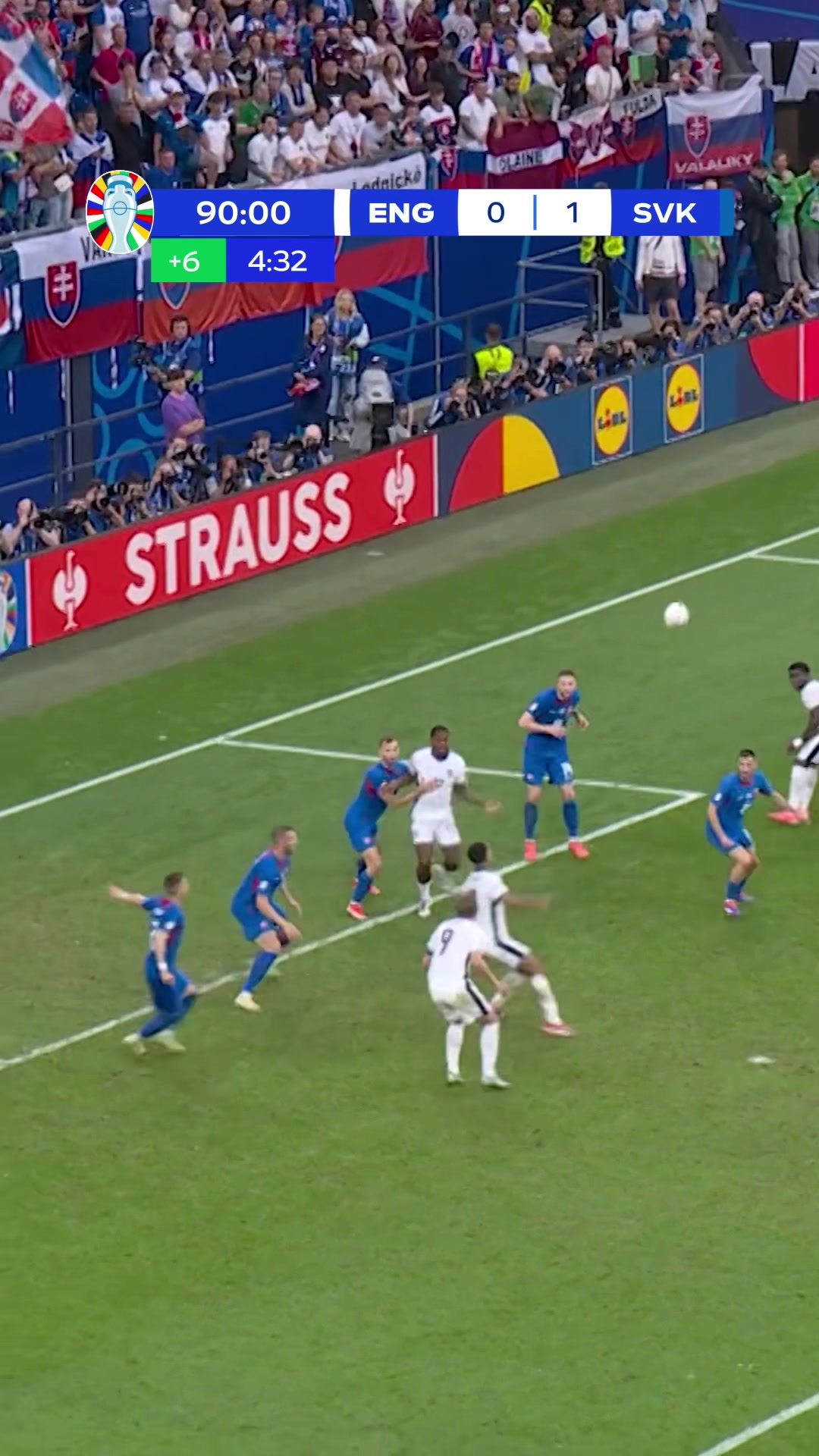
Jude Bellingham. Who else? 🌟

Cristiano and Mateo training

Cristiano's training

an unusual banner
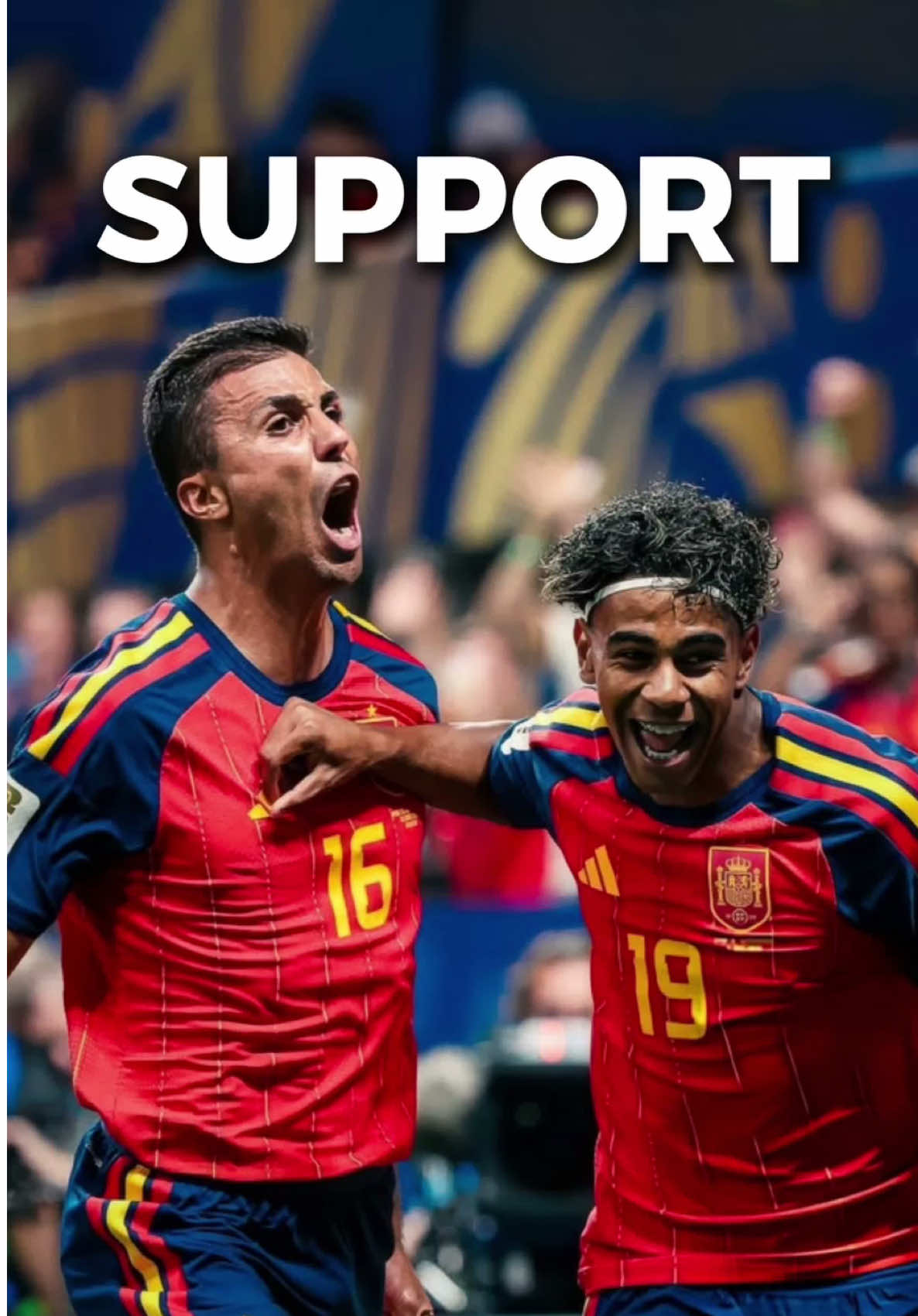
rodri barcelona news rodri barcelona reveal interview
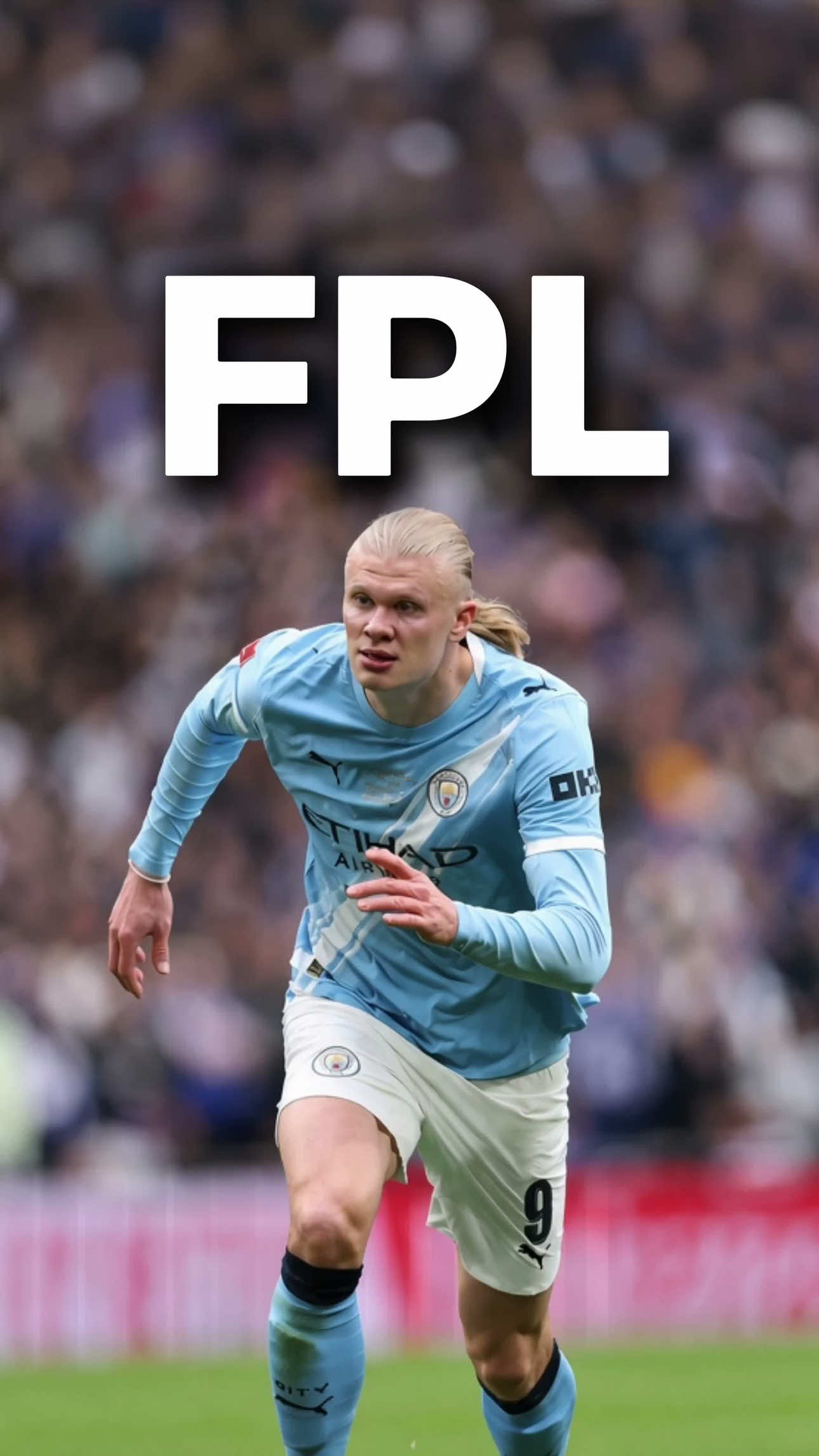
here are the controversial FPL picks that will win you your mini league this season
 Links
Links
 Contact
 App
App


