



The "most exhausting" World Cup: A grueling battle on the move—how exciting can it truly be?



Written by Han Bing Palmer, who has played in major tournament finals for two consecutive summers, is now enjoying his first normal offseason in three years on the island of Ibiza. Though he is disappointed to have been left out of England's squad, at least he no longer has to endure the scorching North American heat and excessive fatigue. However, his club teammates Cucurella, Enzo, Caicedo, and Neto will all be competing in major tournaments for the third straight summer. Even more exhausted are the majority of international players from Paris, who only finished playing in the Champions League final on May 30 and have essentially also participated in the previous two major tournaments.
The International Federation of Professional Footballers (FIFPRO) recommends that players have at least 28 days of rest before a summer tournament. Recommendations are one thing, but reality is harsh. Before last year's Club World Cup in North America, only 14% of players who had taken part in Euro 2024 received 28 days of rest, while among those who played in the Copa América that same year, the figure was even lower at 9%. Worse still, many players got fewer than 20 days of rest after the Club World Cup before the new season began. This year's World Cup marks the third consecutive summer tournament where players have had insufficient rest. Paris Saint-Germain players will begin their third straight summer tournament just 11 days after their Champions League victory celebration, and this time the schedule is even longer, with hotter weather making conditions even more hostile.
The long, intense club season, back-to-back summer tournaments, plus heat, thunderstorms, high altitudes, and extensive travel all make the USA-Mexico-Canada World Cup the most exhausting one ever, without exception. Under these circumstances, how can the quality of the matches be guaranteed?


On May 30 in Budapest, Paris Saint-Germain's Champions League winners celebrated joyfully, but they could only rest briefly before most of them faced an even tougher World Cup. With Euro 2024 and Copa América 2024, the 2025 Club World Cup, and the 2026 World Cup, most of PSG's internationals have played in summer tournaments for three consecutive years, almost without a break. This has pushed their physical limits to the edge. The fatigue from last summer's Club World Cup led to widespread injuries and exhaustion among PSG players at the start of the season. Even though Enrique tried to rotate his key players as much as possible in Ligue 1, it was only a temporary relief.

Midfield core Vitinha has played 145 club matches and 23 international matches over the past three seasons, totaling 168 games—an average of 56 per season. From the end of the 2024 season to the first match of Euro 2024, he only rested 21 days; before the 2025 Club World Cup, his rest was reduced to 15 days; before Portugal's first match in this World Cup, although he had 19 days of rest, he had already reached the Champions League final for two consecutive years and played in summer tournaments for three straight years, meaning his fatigue level has been increasing continuously.
Compared to PSG, which could still widely rotate its squad in the league, the England team—whose key players in the Premier League and European competitions have almost no rest—is the ultimate example of three years without a break. Arsenal played 63 matches this season. As the midfield core for both club and country, Rice has played 158 matches for his club and 16 for England over the past three seasons, totaling 174—an average of 58 per season. Zubimendi, who joined Arsenal last summer, has played 171 matches, and Saliba 170—all marathon-level non-stop schedules exceeding 170 games.
Bayern Munich has played 12 fewer league matches than the Premier League over the past three seasons, yet Kane has still played a combined 171 matches for club and country! But the true "iron men" of the past three seasons come from La Liga. Valverde has played a total of 191 matches, while Atletico Madrid's Argentine international Alvarez has played 190, and if counting the 2024 Paris Olympics, that number rises to 194—an average of nearly 65 matches per season! This is despite both clubs having unstable performances in European and domestic cup competitions over the past three seasons, with fewer matches than PSG. And these stars, who have had almost no rest for three consecutive seasons, will all be participating in the longest-ever World Cup by time span.

According to FIFPRO statistics, at least 160 players are extreme-fatigue cases who have played in summer tournaments for three consecutive years. And most of them are concentrated among title contenders and mid-weight strong teams. Their fitness and form will directly affect how these teams perform in the tournament.

In addition to the unprecedented marathon fatigue of three consecutive summer tournaments, this World Cup also faces the extreme weather that already plagued teams in last year's Club World Cup. The primary issue is high temperatures. This year, due to the El Niño phenomenon, global summer temperatures are generally higher than last year, especially in North America. Last year's Club World Cup saw an average measured temperature of 35°C, with a heat index exceeding 38°C. The accelerated fluid loss caused a sharp increase in player fatigue. In the Juventus vs. Real Madrid match, as many as 10 Juventus players felt unwell and asked to be substituted, even though there were three-minute cooling breaks in each half.

Data shows that World Cup players who play in Europe are clearly not adapted to high temperatures. Taking 28°C as the baseline, for every 1°C increase, players' average running distance drops by at least 1%; if the baseline is 32°C, then for every 1°C increase, the average running distance drops by 2%, and high-intensity running drops by 4% to 6%, directly affecting match quality. The pace of the game slows down, pass accuracy drops by 5% to 8%, and the advantage of traditional European powerhouses is significantly weakened. Moreover, with long stoppages for drinks, substitutions, and player injuries, added time tends to be excessively long, further draining players' energy and disrupting tactical plans. High-temperature matches also increase cases of heat exhaustion, sharply raising the risk of player injuries, leading to a concerning reduction in squad depth as the tournament progresses.
Take last year's Club World Cup as an example: 54% of matches had temperatures above 28°C, which is considered a high-heat risk threshold; 23% of matches reached 30°C, which is an extreme-heat risk threshold; 2 matches had temperatures exceeding 32°C, requiring stoppages. And these temperature figures are only forecast values; due to the enclosed stadium environment and lack of roofs, the actual ground temperature and heat index during play are at least 3°C higher. Those were last year's figures—this summer, temperatures in North America will be even higher.

Besides high temperatures, there is even greater concern about frequent thunderstorms, a force majeure factor never before seen at a World Cup. During last year's Club World Cup, 6 of the 63 matches were delayed or interrupted due to thunderstorms. Two of Benfica's matches were each interrupted for 115 and 150 minutes, taking over 4 hours to complete. After such interruptions, players' physical condition had severely declined, and the quality of the matches was predictable. Furthermore, North American weather forecasts indicate that this summer will see even more thunderstorms than last year, meaning the World Cup could face more matches with long thunderstorm interruptions—a worst-case scenario no one wants to see.



Wonderfulshortvideo
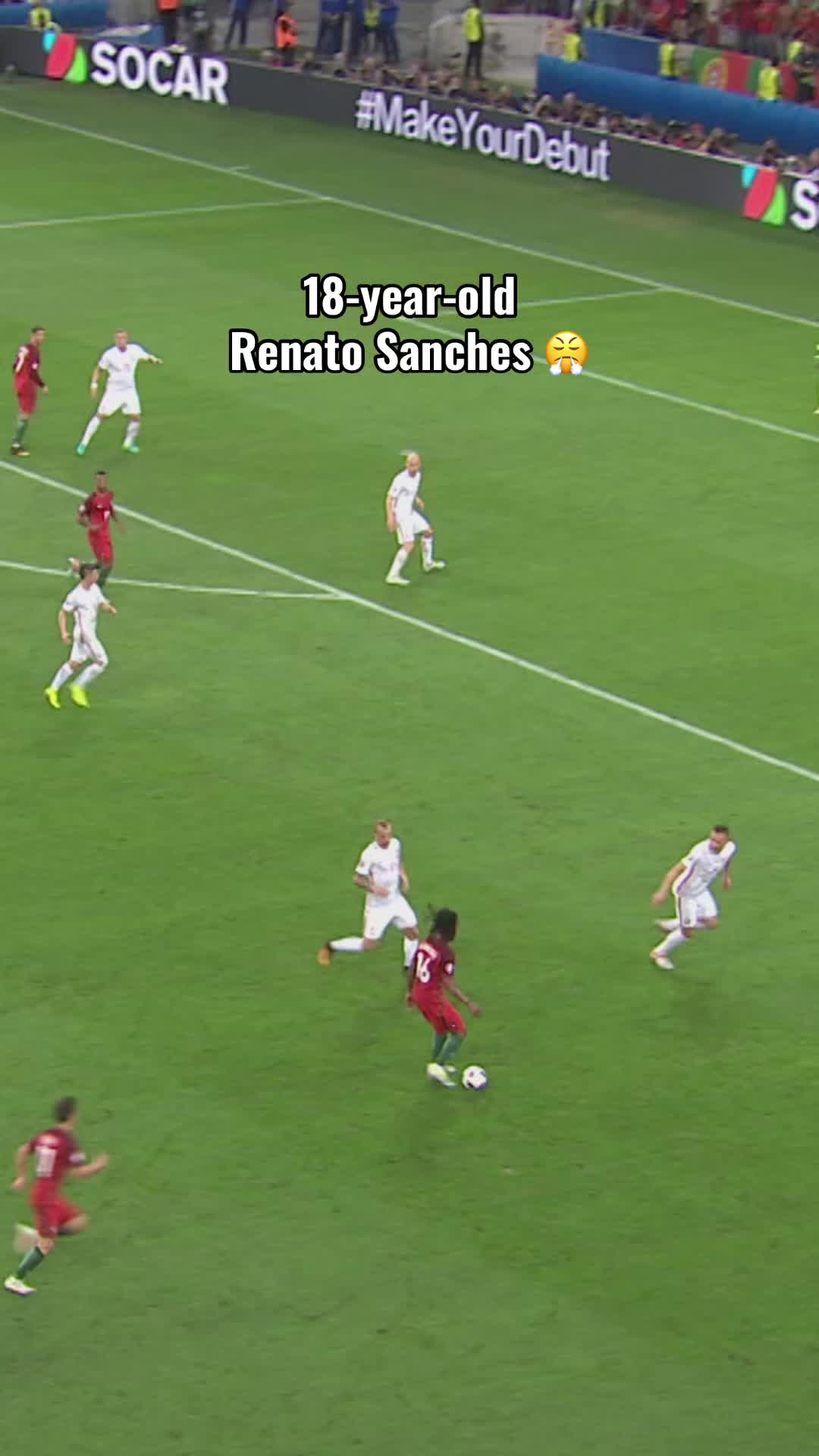
Unforgettable EURO moment 🙌


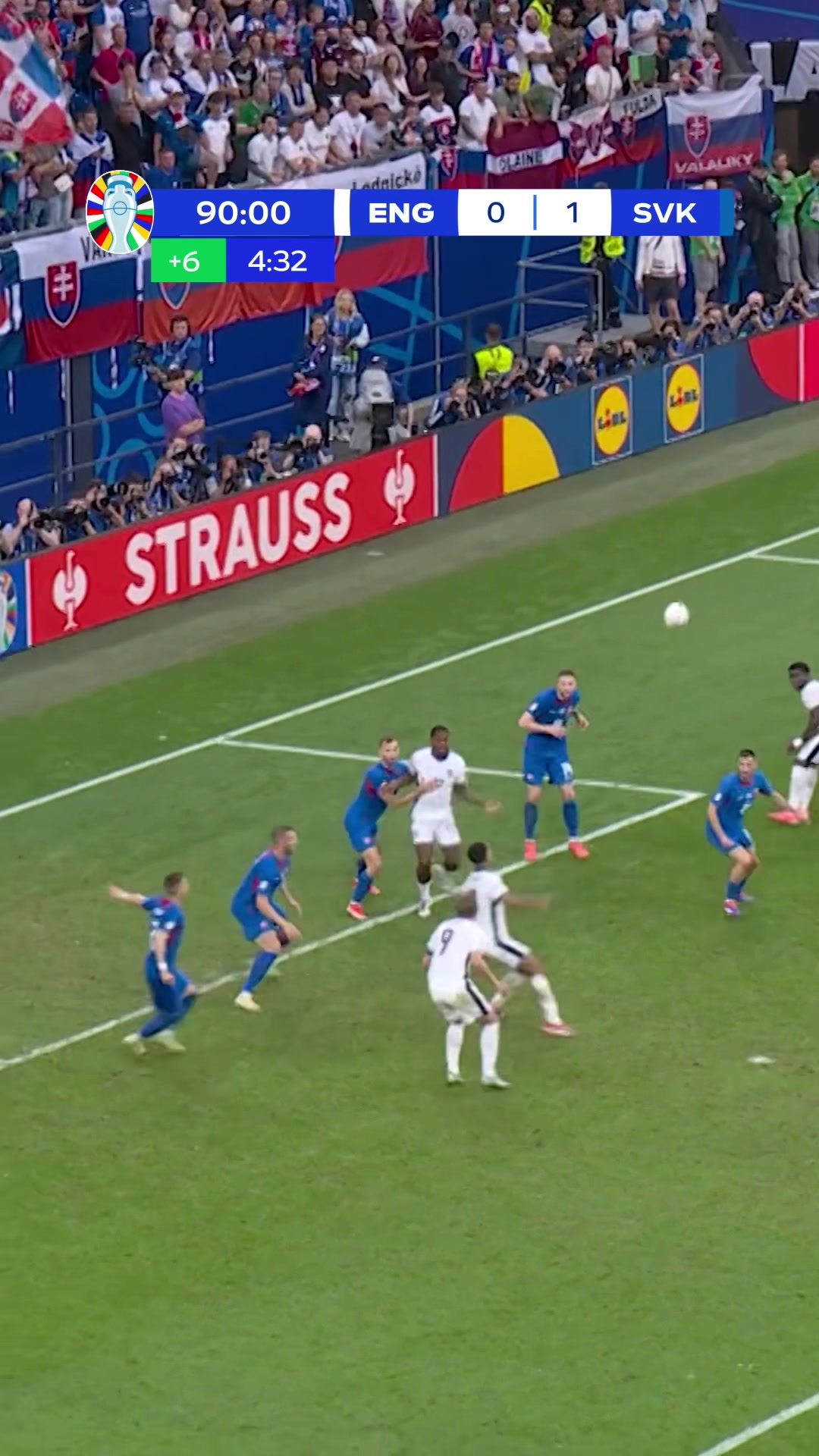
Jude Bellingham. Who else? 🌟

Cristiano and Mateo training

Cristiano's training

an unusual banner
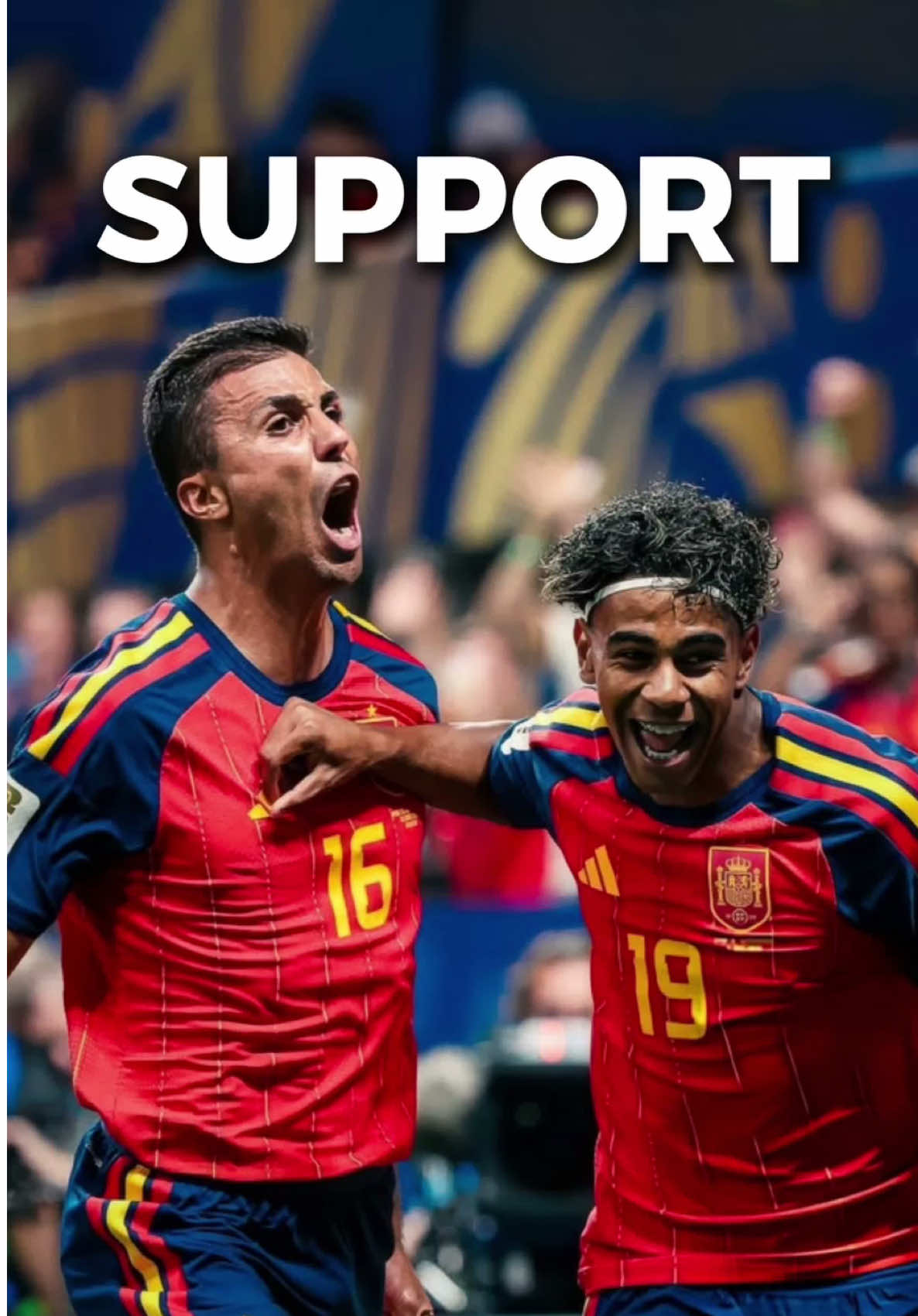
rodri barcelona news rodri barcelona reveal interview

here are the controversial FPL picks that will win you your mini league this season
 Links
Links
 Contact
 App
App


