



With 3 goals and 2 assists in two substitute appearances, Germans exclaim they have found a "new Klose".


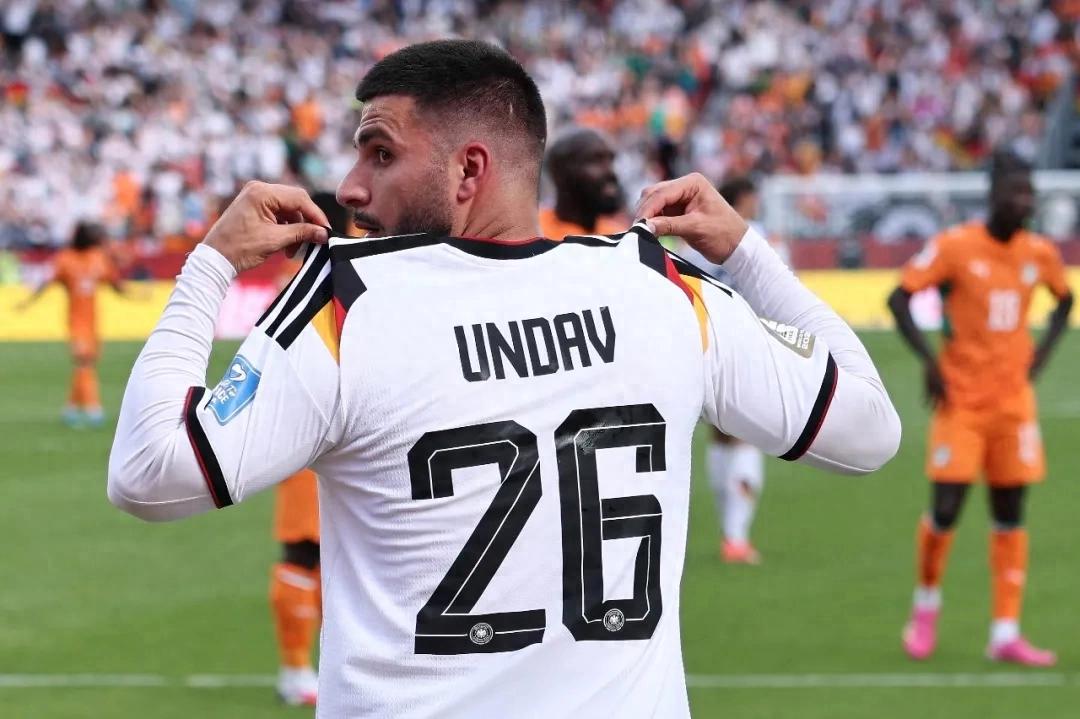
Written by Shen Mo. Coming off the bench to score a brace and overturn Ivory Coast, Undav helped Germany secure their first knockout-stage qualification in three World Cups. Set to turn 30 next month, Undav has not only become a new hero for German football but also a global icon of an underdog story. British media call him the German Vardy, while German media refer to him as Klose's successor. This is not only because he has been involved in five goals in a single World Cup, matching Klose's feat, but also because his career path mirrors Klose's: both started as manual laborers and bloomed late, creating a World Cup miracle for the common man.

The 43,000 spectators at Toronto Stadium witnessed Germany's long‑awaited comeback and World Cup advancement. After thrashing Curacao 7‑1 in the opening match, Germany faced a tough challenge from African powerhouse Ivory Coast in their second game. Kessié breached the German goal in the 30th minute, pulling fans back from the euphoria of the first match into the nightmare of the previous two group‑stage exits. In the 60th minute, German coach Julian Nagelsmann sent on Undav, whom he had "snatched" from Turkey two years earlier, and the move created a new German football record.
Just eight minutes after coming on, Undav equalized by pouncing on a cross from Amiri. In the third minute of stoppage time (90+3:32), Undav turned and fired a shot from a through ball by Nmecha to snatch the winner against Ivory Coast. This decisive goal was the second‑latest match‑winner in German World Cup history, second only to Toni Kroos' 94:44 strike against Sweden in 2018. It also secured Germany's early group‑stage advancement for the first time in two World Cups. When Ecuador later drew 0‑0 with Curacao, Germany even clinched first place in the group.
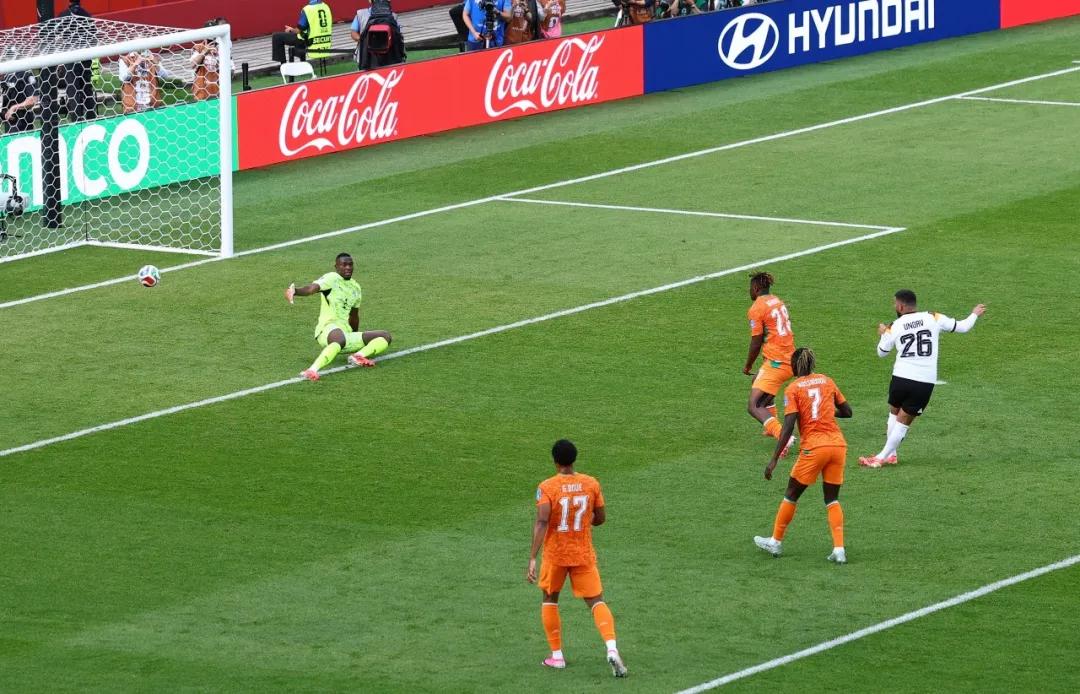
In the first match against Curacao, Undav came off the bench for 26 minutes and contributed one goal and two assists. In the second game against Ivory Coast, he played 30 minutes as a substitute and scored twice. Over the first two World Cup matches, he averaged a goal every 19 minutes and a goal involvement every 11 minutes. In 11 appearances for Germany, he has a total of nine goals and four assists, averaging nearly 1.2 goal contributions per game. With three goals and two assists in the first two World Cup matches, Undav became the sixth player in World Cup history to achieve this, after Moreock (1954), Gerd Müller (1970), Lato (1974), Eké (1986), and Benzema (2014). What sets Undav apart is that he is the only one to accomplish this as a substitute.
Furthermore, with five goal involvements in a single World Cup, Undav is the sixth German player of the 21st century to reach this mark, following Klose (twice), Ballack, Schweinsteiger, Müller, and most recently Kroos. He also matched the record set by Cameroon's Roger Milla in the 1990 World Cup for the most goal involvements by a substitute in a single tournament. While Germany's dramatic comeback and advancement on that Toronto night were astonishing, Undav's numerous records were even more remarkable. The late‑blooming striker had been uncertain about his place in the squad just before the World Cup.
In the end, just as Nagelsmann had decisively snatched Undav from the Turkish FA two years earlier, the young German coach once again made the right "gamble".
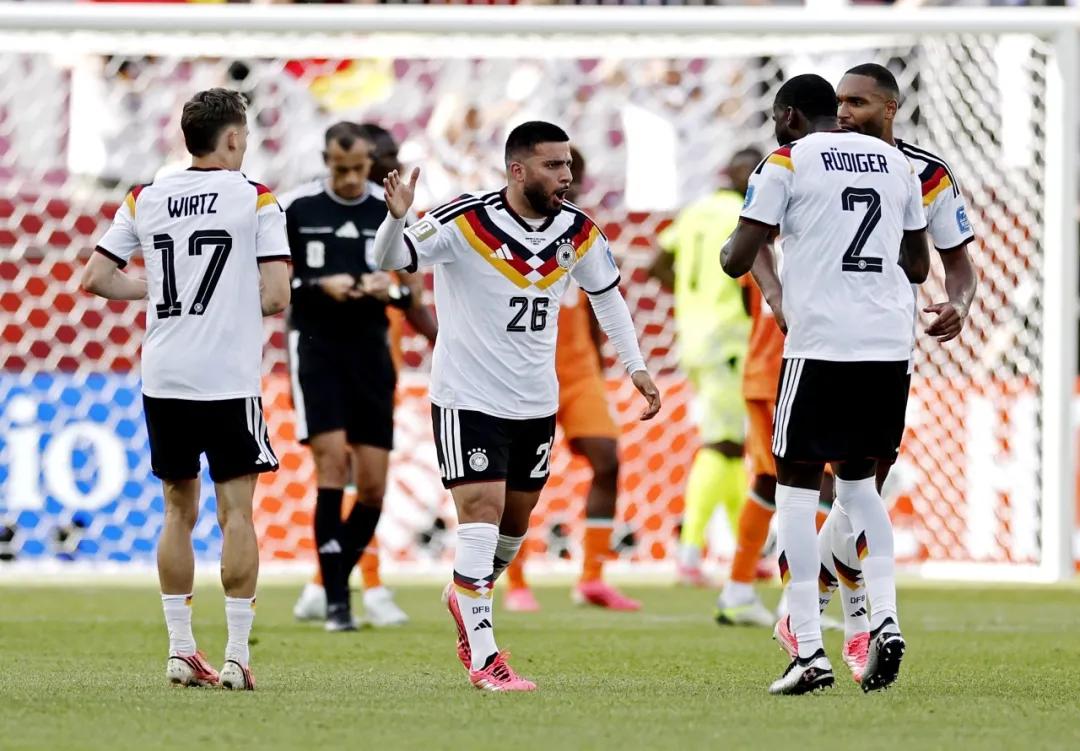

Beyond his substitute goal‑involvement records, Undav also holds unique personal and ethnic distinctions. He is the first German international of Yazidi descent, a new source of pride for Germany's over 200,000 Yazidi immigrants. In the 1980s, Undav's grandfather moved the family from Turkey to Germany. He has five siblings, including his sister Narine, who is also a footballer. Undav started playing at TSV Achim as a child. His brother Rokat, also a footballer, revealed that their childhood saw Undav playing constantly whenever he had free time: "He has hardly changed—just adjusted his diet a bit to stay in professional shape. He still loves telling jokes, enjoys the big‑family atmosphere, and returns to his hometown whenever he has time."
Undav showed his talent before the age of 10. His first coach, Tietgen, once had to substitute him out after he scored 11 goals in a single match, saying, "He was on a completely different level." But his football path was not smooth. After five years, at age 16, he was released by Werder Bremen's youth academy due to his small stature. At 17, he was signed by Havelse, a club in the German fourth‑tier Regionalliga, with a monthly salary of only €260, a win bonus of €120, and a draw bonus of €60.
To convince Undav to join, Havelse's technical director Limbach took an unconventional approach: using his position as principal of a private school in Hanover, he offered Undav a full scholarship and promised to complete his 12‑year compulsory education, persuading his parents to let their son chase his football dream 100 kilometers from home.
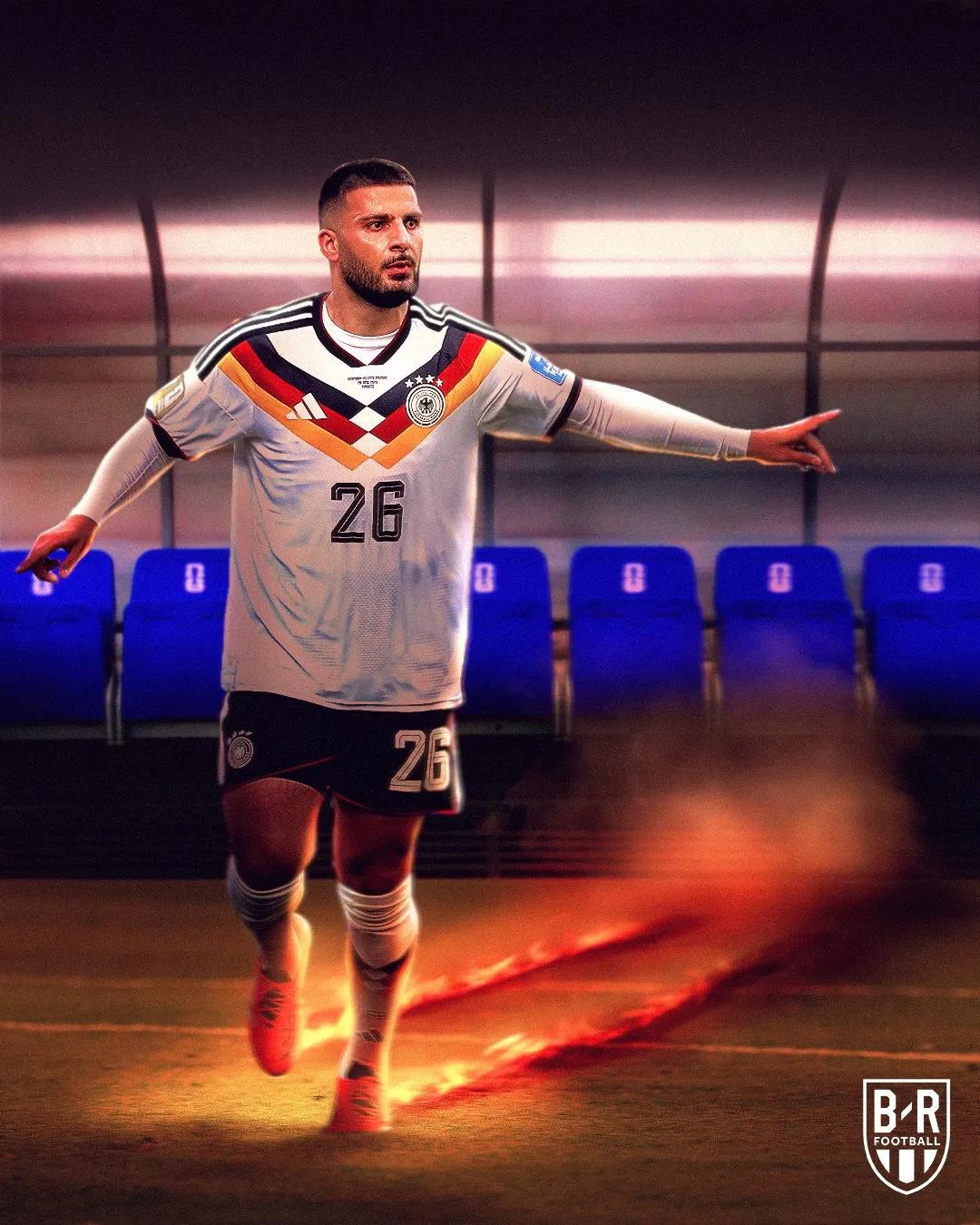
However, the meager income of an amateur player forced Undav to find a part‑time job to support himself. He woke up at 4 a.m. every day, worked as a laser cutter in a local factory for at least eight hours, then attended training and returned home at 8 p.m. This side job paid only up to €600 per month. Combined with his player salary, he earned at least €1,000 monthly to cover basic living expenses without relying on family subsidies.
Undav's football career turned at age 24 when he signed with Belgian second‑division club Union Saint‑Gilloise, finally becoming a professional. In his first season, he scored 17 goals in 26 league matches, helping the team gain promotion. In his subsequent first Belgian top‑flight season, he scored 18 goals and was named Belgian Player of the Year.
But fate continued to test him: in early 2022, he joined English Premier League side Brighton, scoring only eight goals in 30 appearances, including one own goal. In the 2023/24 season, he was loaned to Stuttgart, where 18 Bundesliga goals restored his confidence and drew attention from both the Turkish and German football associations. Undav's grandfather, a Yazidi born in Turkey, made him eligible to play for Turkey. But Nagelsmann acted first, convincing Undav to represent Germany.
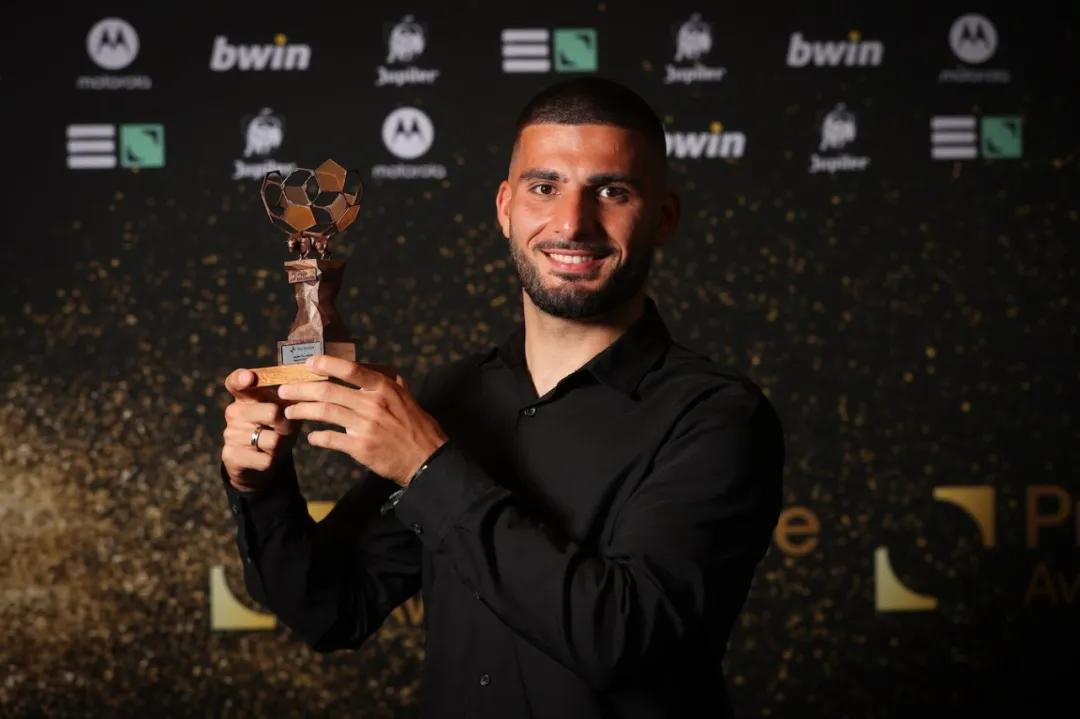
Last season, Undav scored 25 goals in 46 matches. Notably, in a March friendly dubbed the "World Cup list final," Undav scored a 88th‑minute winner against Ghana, which persuaded Nagelsmann to bring him to the tournament. In a May friendly against Finland, Undav scored twice, then in his World Cup debut he had one goal and two assists. With the recent brace against Ivory Coast, he has made the world take notice of this grassroots player who once worked as a lathe operator. The last famous grassroots player, Jamie Vardy, made his World Cup debut at age 30, only slightly younger than Undav, but so far Undav's World Cup achievements far exceed Vardy's.
Off the pitch, Undav is a family man; family is as important to him as football. He frequently video‑calls his relatives to share his football and life. Before the official announcement of the German World Cup squad, Undav's sister Narine already knew her brother would be going to the tournament.
Rising from grassroots, Undav keeps a simple outlook on life. Even though he renewed his contract with Stuttgart before the World Cup, raising his annual salary to €5.5 million, he remains indifferent to luxury goods and fancy cars. Because of the path he has walked, he deeply understands the hardships of working hard, striving for a living, and chasing football dreams.


Wonderfulshortvideo

Cristiano is here to cheer on Al-Nassr today.


rodri barcelona chant rodri barcelona introduction video rodri barcelona news today
Unforgettable EURO moment 🙌
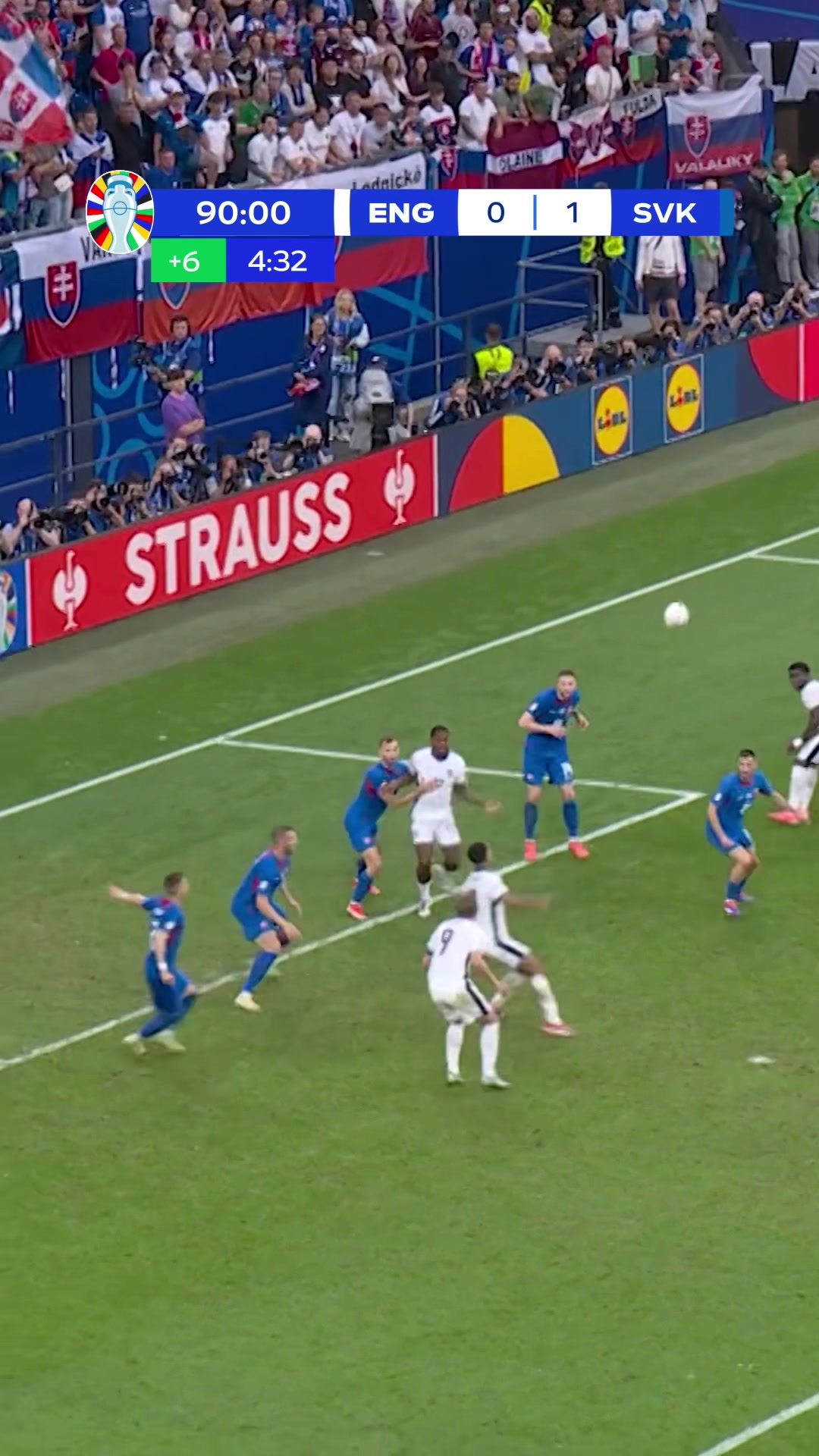
Jude Bellingham. Who else? 🌟
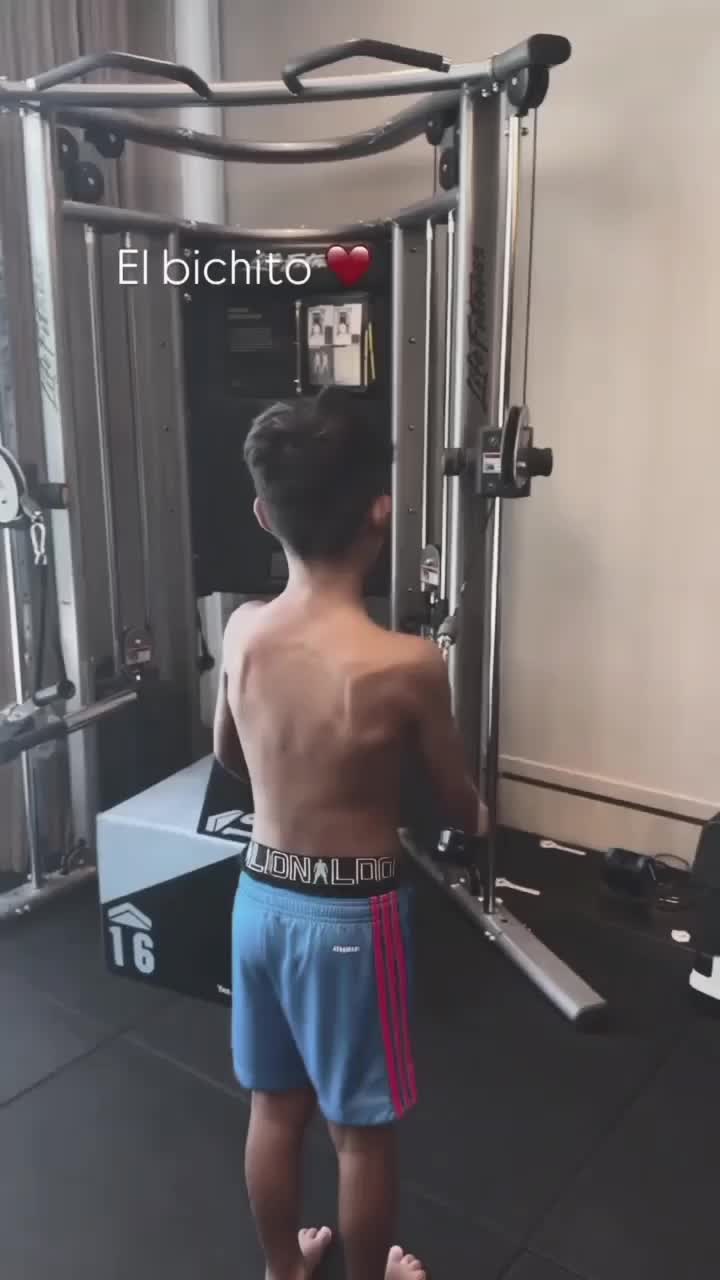
Cristiano and Mateo training
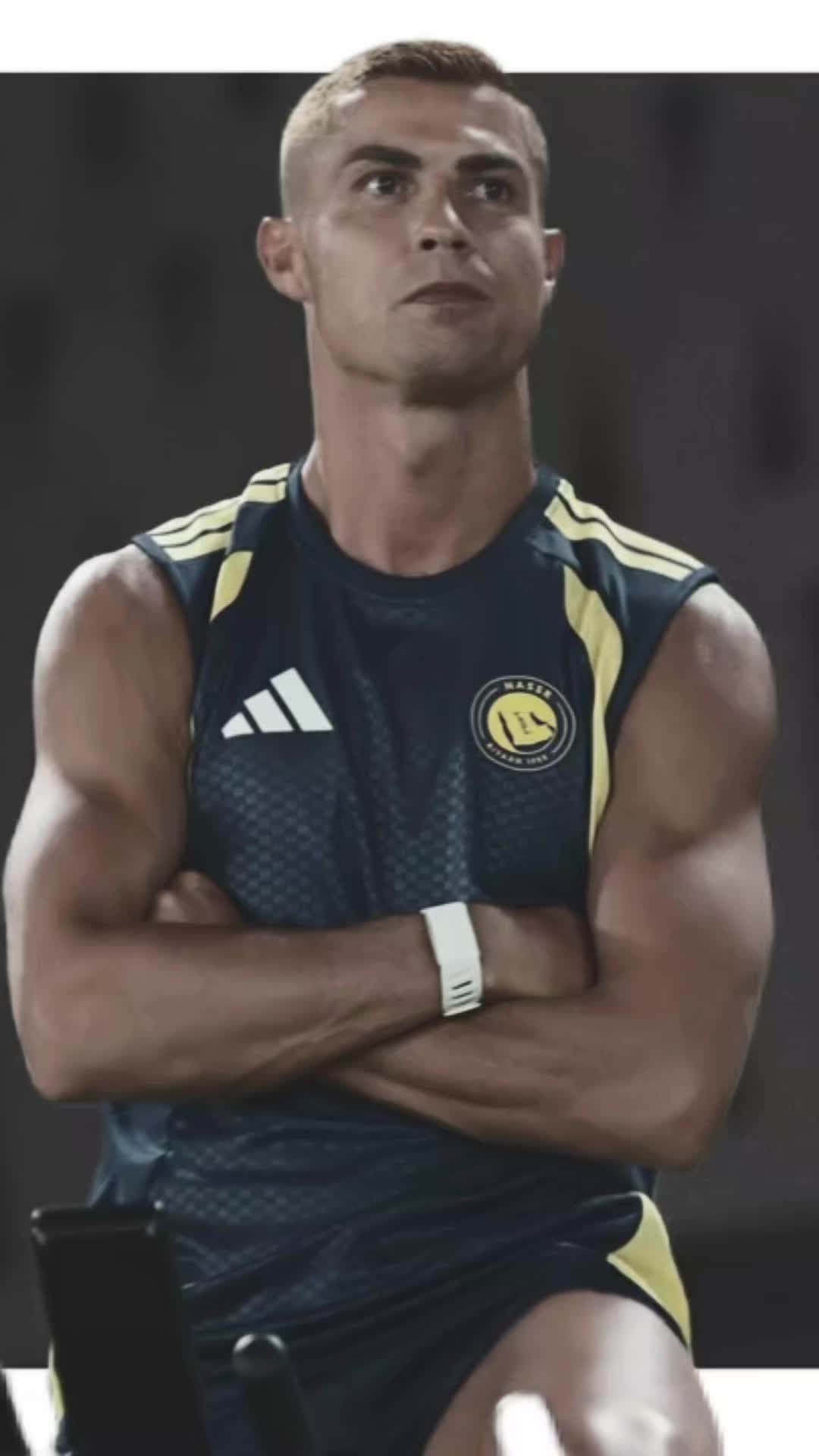
Cristiano's training
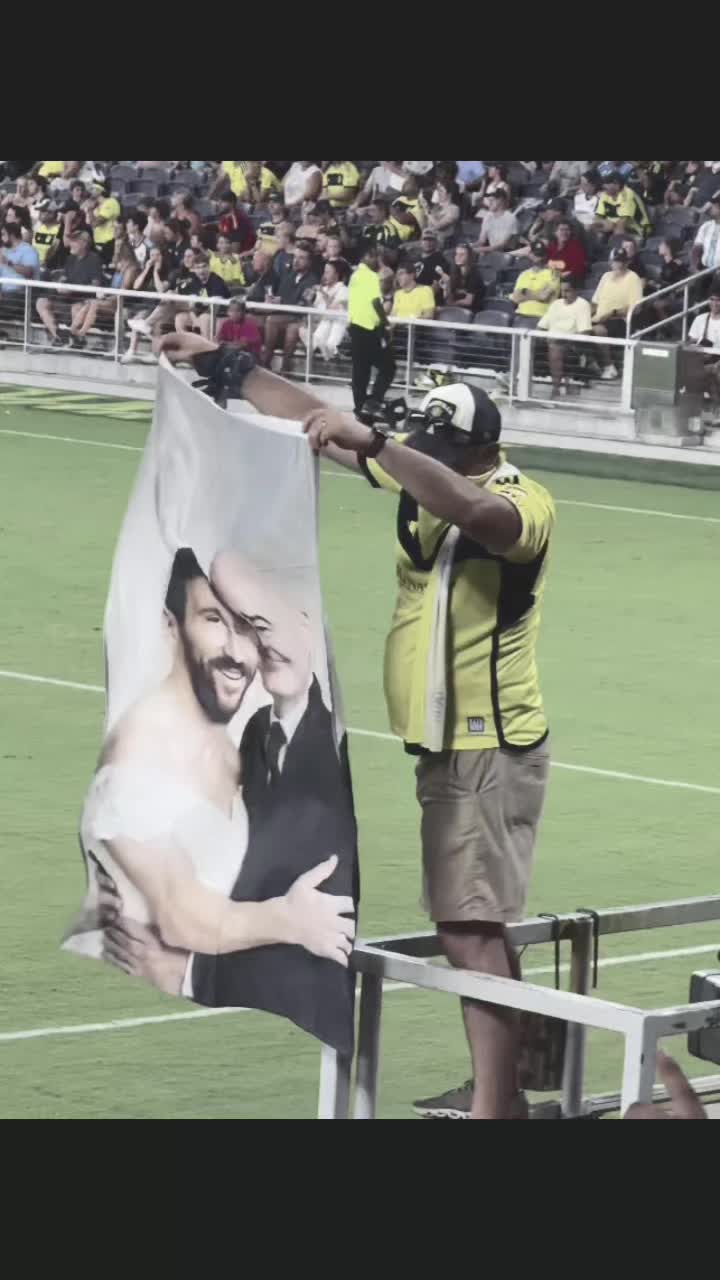
an unusual banner
 Links
Links
 Contact
 App
App


