



Ayase Ueda: Wearing his father's favorite number 18, he starred in Asia's biggest World Cup victory




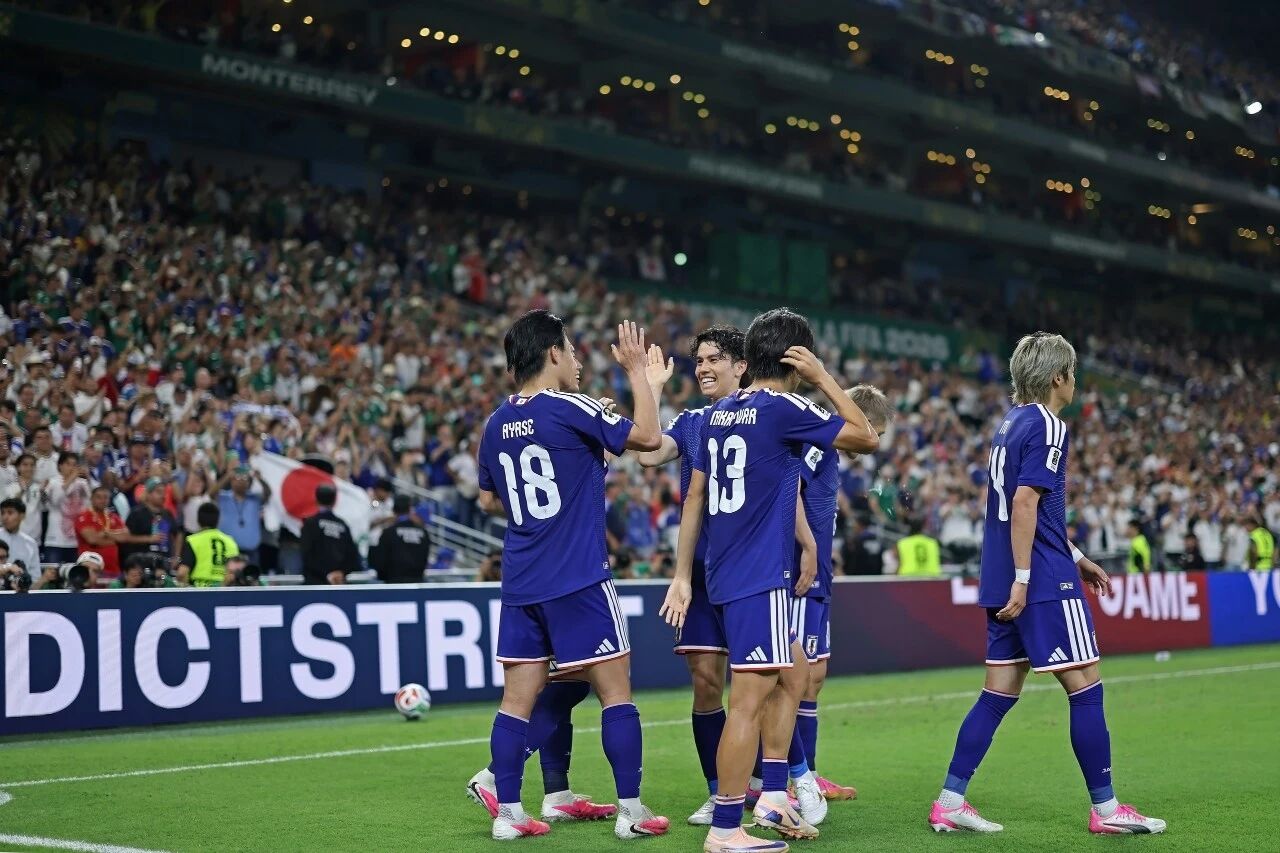
Written by Cai Zonglin 4-0, a technical knockout, a complete victory. Japan calmly defeated Tunisia, creating the biggest margin of victory for an Asian team in World Cup history while also taking a solid step forward in their advancement.
The biggest hero of the match was naturally Ayase Ueda, the current Eredivisie Golden Boot winner, who scored a brace and created three goals. "He is showing the hunger and dominance that a world-class number 9 striker should possess," said head coach Moriyasu Hajime.
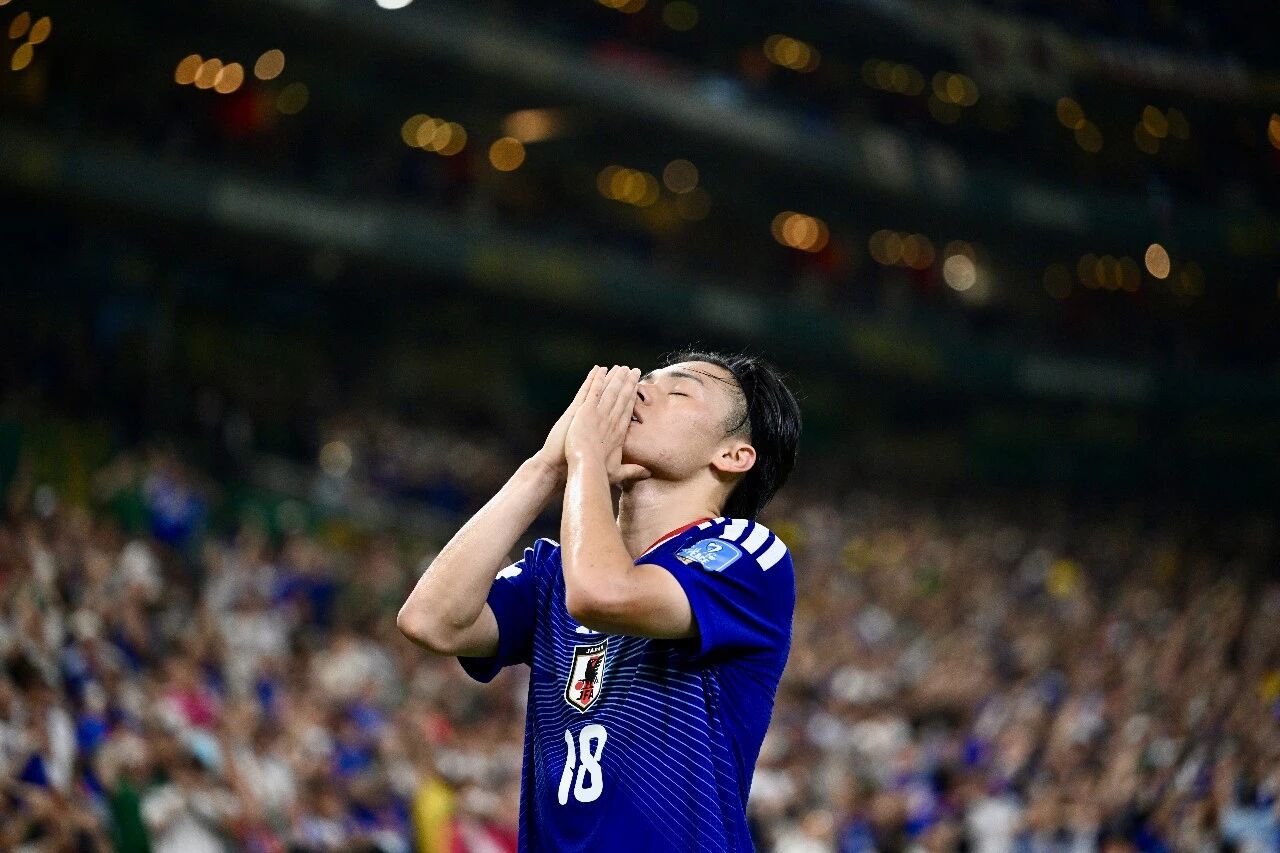
In fact, this "world-class number 9" as called by Moriyasu has indeed been wearing the number 9 jersey symbolizing the main striker for the national team since 2022. But this time in the United States, Canada, and Mexico, he hopes to reintroduce himself to the world as "the number 18 striker who can score and help the team win".

Four years ago in Qatar, in the second group match, Japan faced Costa Rica, the weakest team on paper in the group, but they were the ones who suffered a shocking upset. The ups and downs forced them to fight desperately against Spain in the final round.
With that lesson in mind, after the group draw for this World Cup, the Japanese media generally worried most about their second opponent, Tunisia, which was also the weakest on paper. Japan has now accumulated experience playing against strong European teams and rarely crumbles under tournament pressure, so the result is predictable. But against Tunisia, if the team relaxed, they could easily capsize and find themselves on the brink again in the final round. A reporter on site revealed that during the closed training before the match, captain Ko Itakura unusually gathered the entire team on the sideline for a passionate 5-minute pep talk.
Of course, the injury situation before and after the start of the World Cup left Moriyasu's players with no chance to relax.
Takefusa Kubo was substituted due to injury in the first match against the Netherlands and left the stadium in a wheelchair. Upon returning to the team base in Nashville, the team immediately arranged an MRI for the golden boy, which showed no structural damage. However, as a precaution, Kubo will miss the remaining two group stage matches.
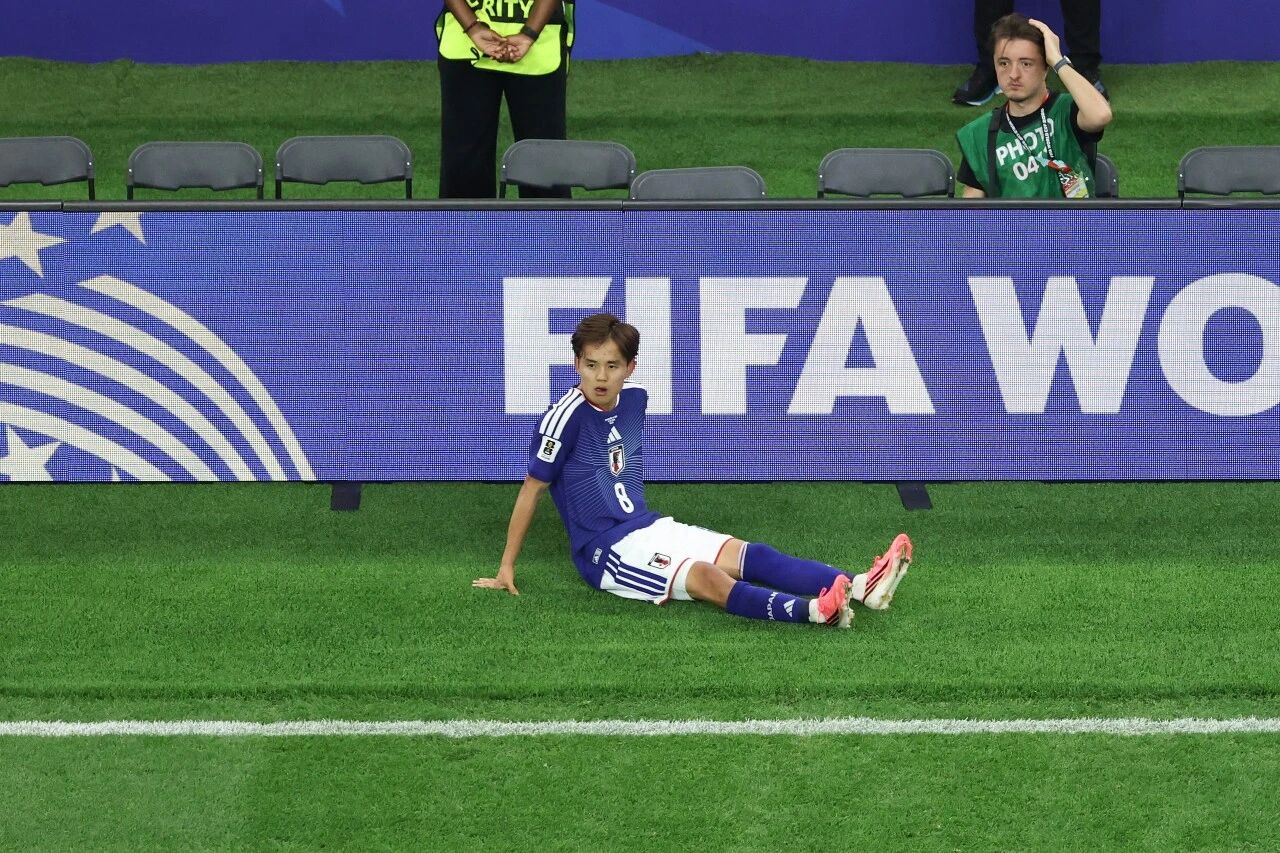
This was a double blow for a Japan team that was already missing Wataru Endo, Kaoru Mitoma, and Takumi Minamino, as these four names are the flagship products of Japanese football. However, Moriyasu showed no concern. "Kubo's absence is regrettable, but based on the absolute principle of protecting players, we will not take risks with him. I want to emphasize that we brought 26 players to North America. There is no such word as 'substitute' in our dictionary. Everyone who steps on the field is a starter-level player capable of deciding the match. You will see a completely different but equally lethal attacking combination."
Moriyasu listened to advice and, as Japanese media had predicted, promoted Ao Tanaka to the starting lineup. Tanaka, one of the former "Kawasaki Trio", wore the number 7 jersey of his close friend Kaoru Mitoma this edition, vowing to fulfill their dreams together. Tanaka is a natural number 6 midfielder, and his presence not only solved the problem of ineffective midfield-to-backline passing that Japan had against the Netherlands in the first match, but also freed Daichi Kamada to return to his attacking core position in the front line.
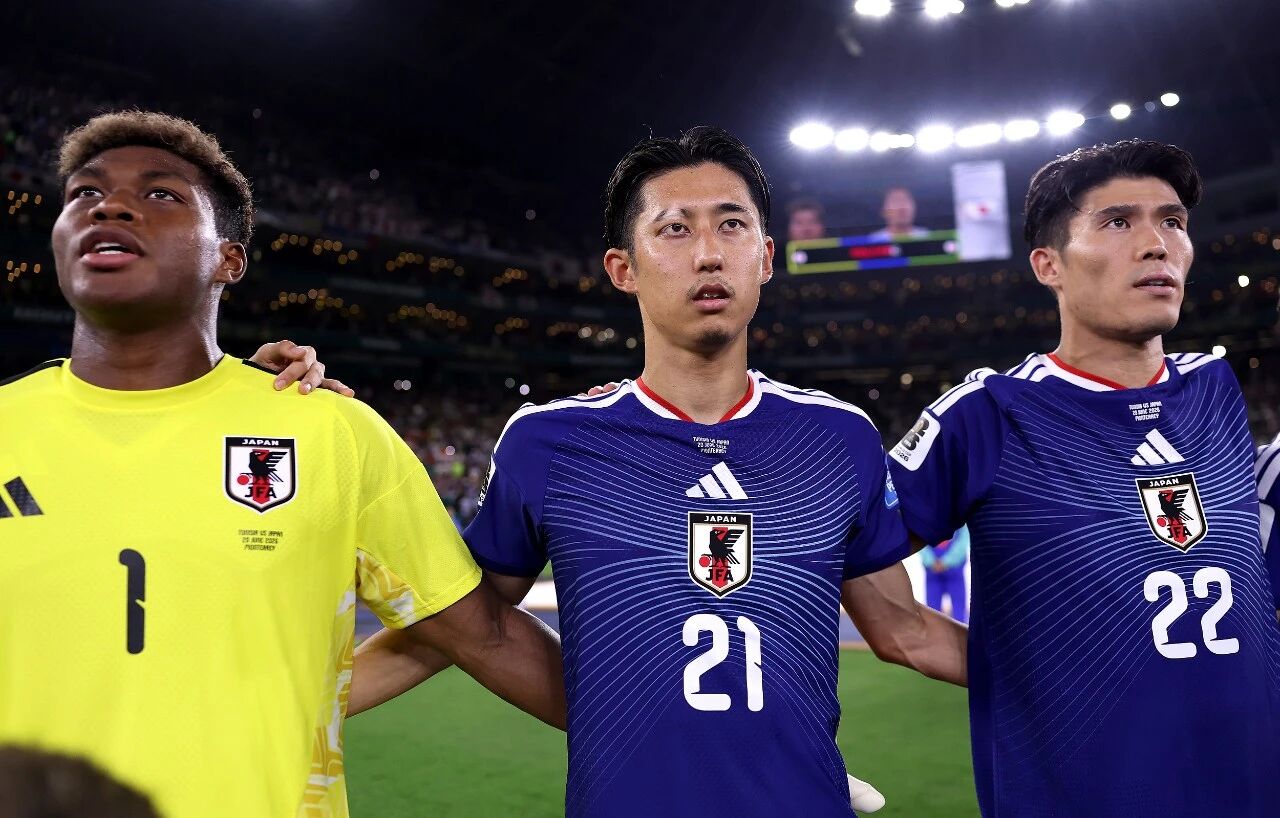
At the same time, Moriyasu deployed the strongest trio of center-backs—Hiroki Ito, Ko Itakura, and Takehiro Tomiyasu—who had been plagued by injuries, in order to give them "rehabilitation" preparation for facing stronger opponents in the future.

When every adjustment by Moriyasu came to fruition, Japan, already superior in strength, naturally took down Tunisia smoothly. But even though they had earned enough praise after the opening match against the Netherlands, the effortless 4-0 victory still exceeded everyone's expectations.
The leading man who scored a brace and added an assist, starring in the biggest victory in Japan's history—and indeed for any Asian team on the World Cup stage—was none other than Ayase Ueda, who Moriyasu said showed "world-class striker level". And the story of Japan's number 18 goes back to August 1998 in Mito City, Ibaraki Prefecture.
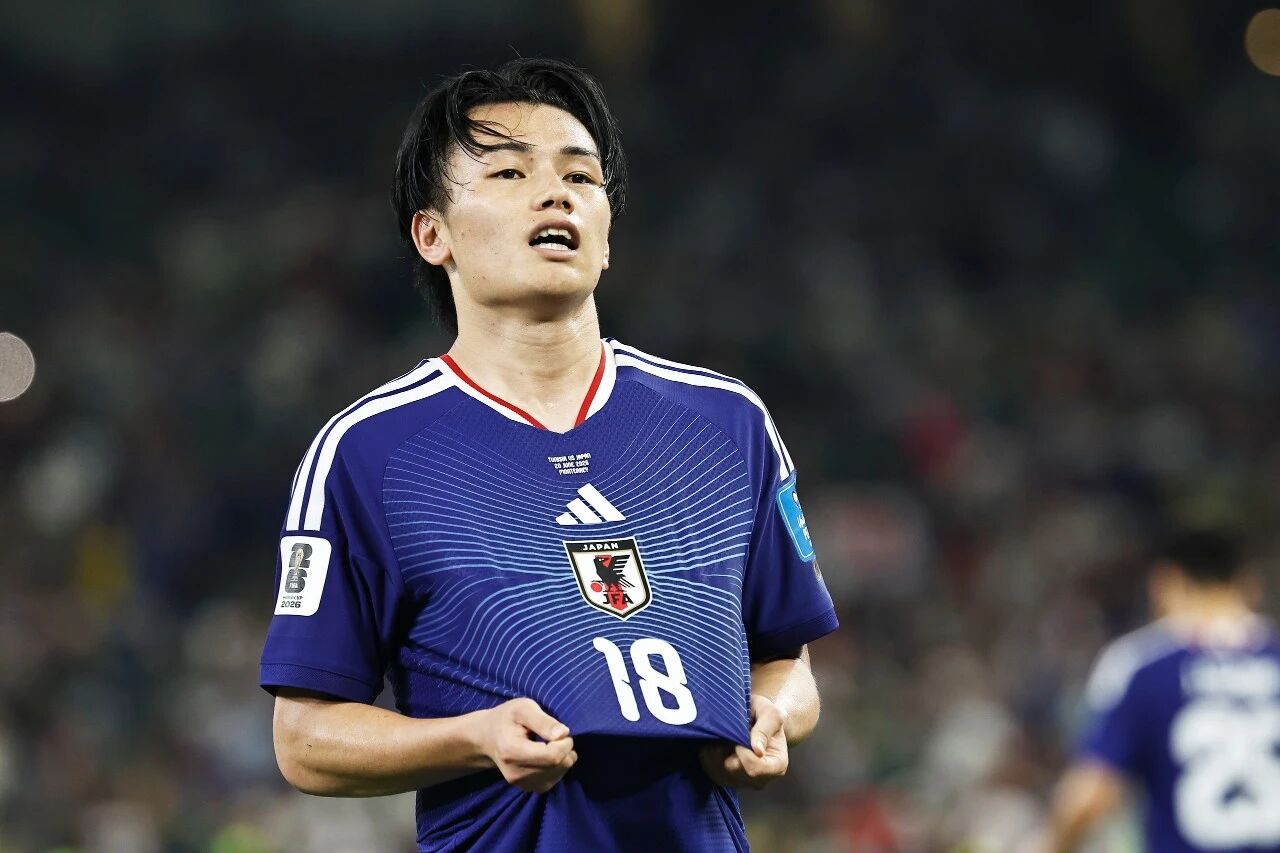
Now 27 years old, Ayase Ueda was born into a football family. His father, Akira Ueda, was a local amateur player in Mito and worked as a coach at a local youth football academy. As early as kindergarten, Ayase would watch his father's matches from the sidelines. Akira's favorite player was the German "Golden Bomber" Jürgen Klinsmann, so his jersey was the number 18 of his idol.
Ayase clearly remembers when he was in first grade, his father, playing as a striker, scored a hat-trick to lead the team to a comeback victory, and the entire team and neighbors celebrated excitedly. "At that moment, I realized that a single goal can bring so much joy to people. I wanted to become a striker like my father and bring happiness to those around me." That number 18 jersey was deeply imprinted in his mind. From then on, Ayase joined the youth academy where his father worked and began his football training.
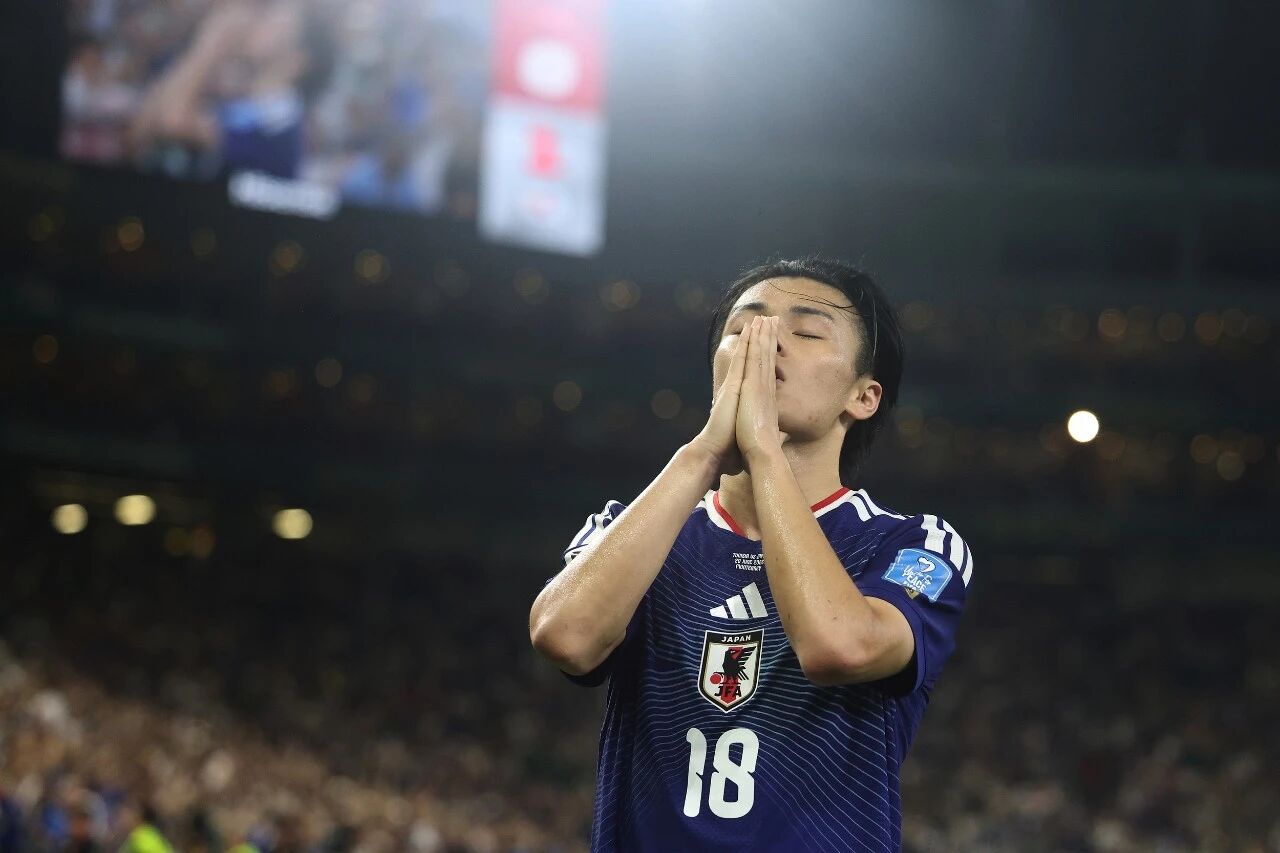

"A striker who can score" has always been Ayase Ueda's goal from childhood to now. He practiced single-mindedly, his mind full of how to score. When his friends competed in juggling, he kept shooting and counting how many balls went into the net. He ignored passing drills and focused all his energy on training that directly led to goals, such as positioning near the penalty area and dribbling in front of goal. Ayase could also recite the characteristics of Europe's top strikers around 2005 as if counting treasures. "Larsson was short but had strong heading ability after moving into the box. I wondered how and where he attracted defenders' attention to make that run. Why did Inzaghi always appear in the right place for loose balls? How did Raúl come up with all those clever moves in front of goal? I watched and thought about how I could do the same."
The path to growth was not smooth. In junior high school, he naturally trained with the most famous local club, Kashima Antlers' youth team, but did not get enough playing opportunities. Due to his short stature and lack of speed, the talent-laden Kashima youth team did not select him, so he had to take the school football route, continuing his studies at Kashima Gakuen High School.
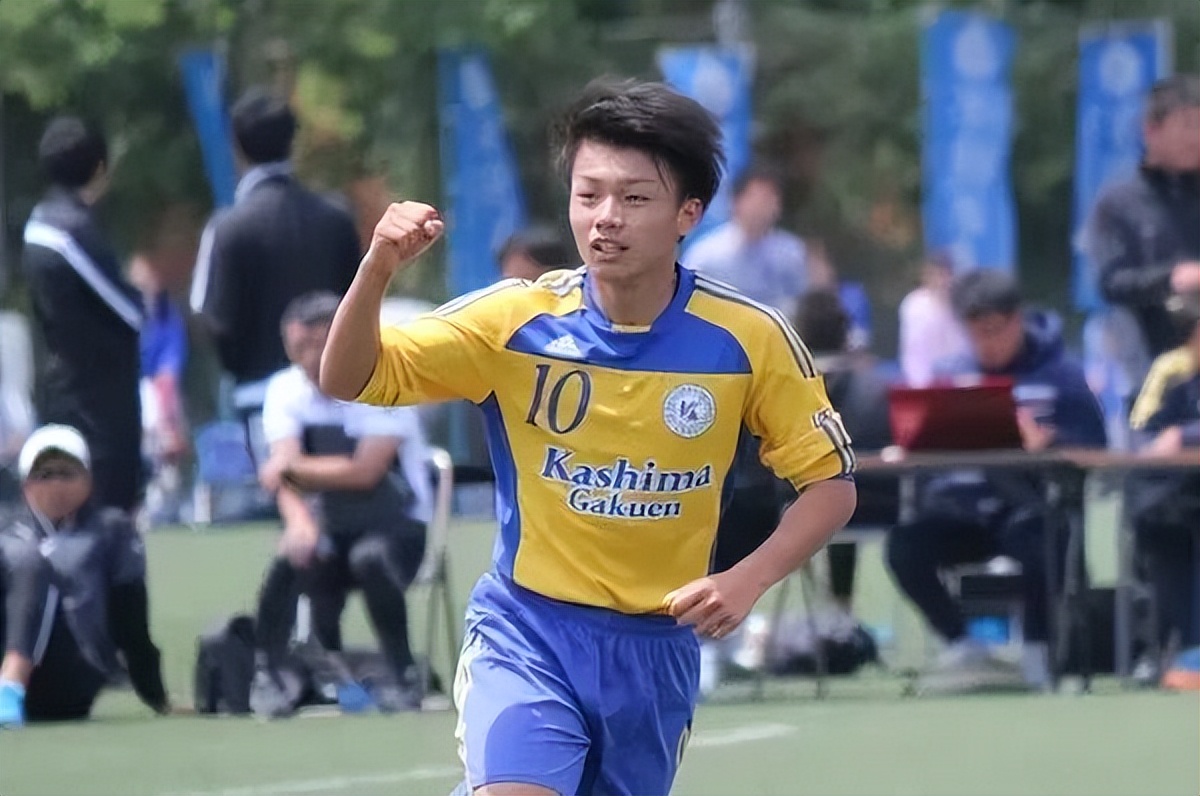
Although he participated in the Japanese high school football tournament, which could lead directly to professional football, after discussing with his family, Ayase decided to attend Hosei University after high school to play college football. Here, after accumulating experience, he exploded. In his freshman season, he scored 15 goals in 27 appearances, winning the Kanto University League Best Newcomer award. In his sophomore season, he led Hosei University to the All-Japan University Football Championship title for the first time in 42 years, earning the Best Striker award and a place in the Best XI.
At that time, Moriyasu, who was already the head coach of the national team and Olympic team, directly called up Ayase to the Japan national team in 2019 for the Copa America, where he made his debut. With this experience, it would have been a waste for Ayase not to pursue professional football. This time, Kashima Antlers broke their convention of not offering contracts to students before their third year and directly gave the 21-year-old Ayase a first-team contract, allowing him to join his hometown's dream club, Japan's top powerhouse.
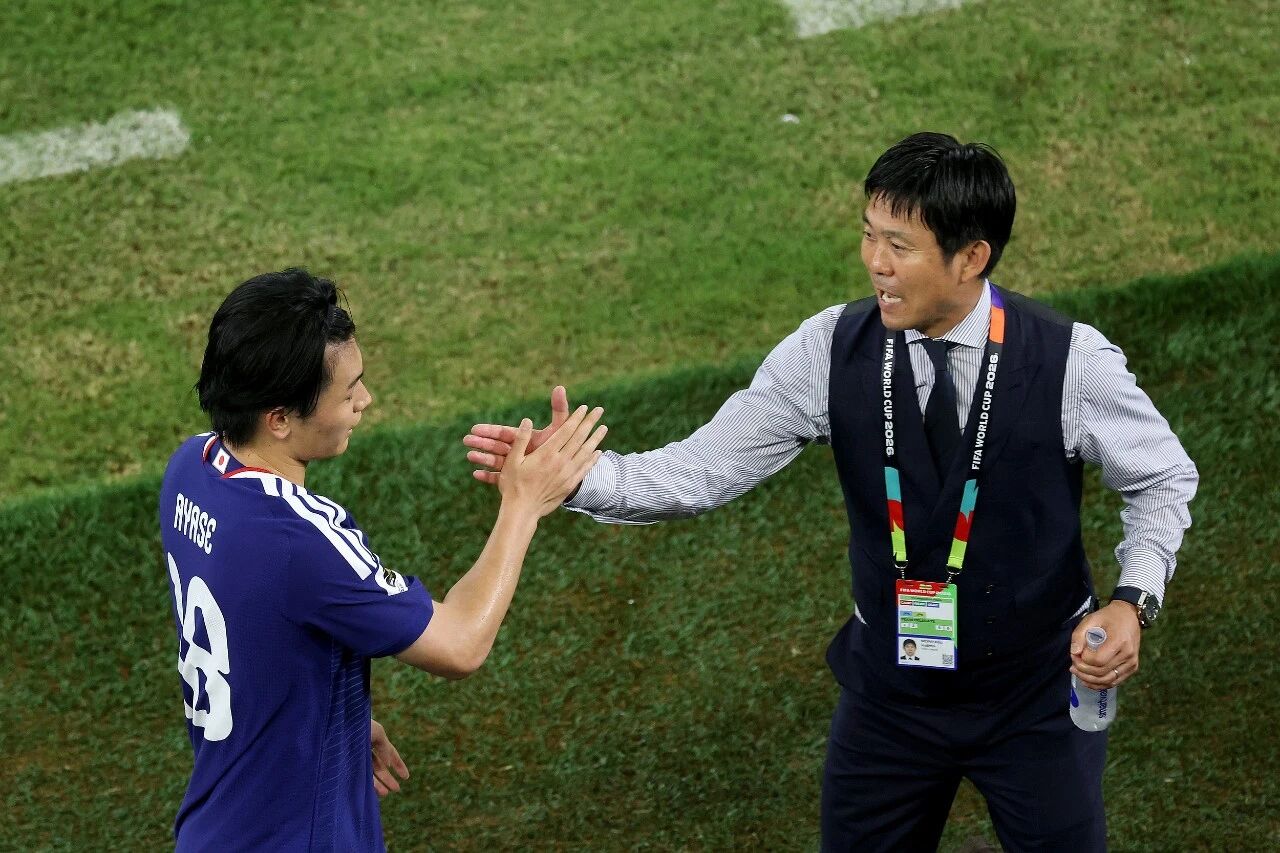
Over the next four years, he made 103 appearances for Kashima Antlers and scored 47 goals. He grew into the most feared domestic striker in the J-League, then, like most Japanese players, began his European career. In 2022, he transferred to Belgian club Cercle Brugge, where he explosively scored 23 goals in 42 matches in his first European season. Eredivisie giant Feyenoord signed him in 2023 for a club-record fee of nearly 10 million euros. In the just-concluded 25/26 season, Ayase Ueda made 31 appearances and scored 25 goals, winning the Eredivisie Golden Boot.
Since 2022, Ayase Ueda has been wearing the number 9 jersey symbolizing the main striker for the national team, but he had been applying to the Japan Football Association to change to the number 18 jersey passed down from his father. This time, he finally got his wish. He always remembers his father's teachings from childhood: scoring is for victory, for the team's championship. "The best striker is the one who helps the team win. I hope my goals make the people around me happy. A goal that makes no one happy is meaningless."
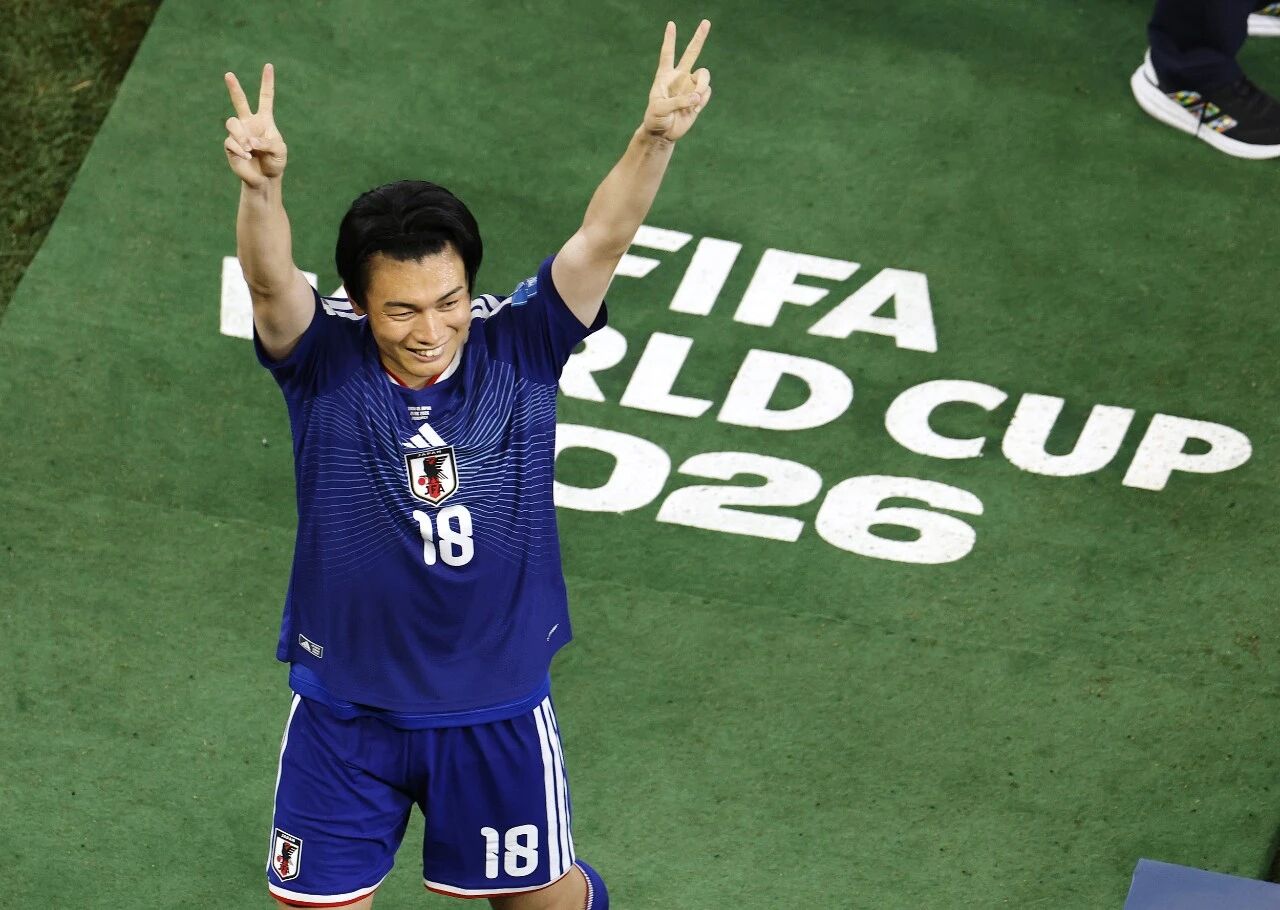
Images | Visual China & IC photo


Wonderfulshortvideo

Cristiano is here to cheer on Al-Nassr today.



rodri barcelona chant rodri barcelona introduction video rodri barcelona news today
Unforgettable EURO moment 🙌
Jude Bellingham. Who else? 🌟

Cristiano and Mateo training

Cristiano's training

an unusual banner
 Links
Links
 Contact
 App
App


