



Why is the World Cup's all-time top scorer record no longer out of reach?


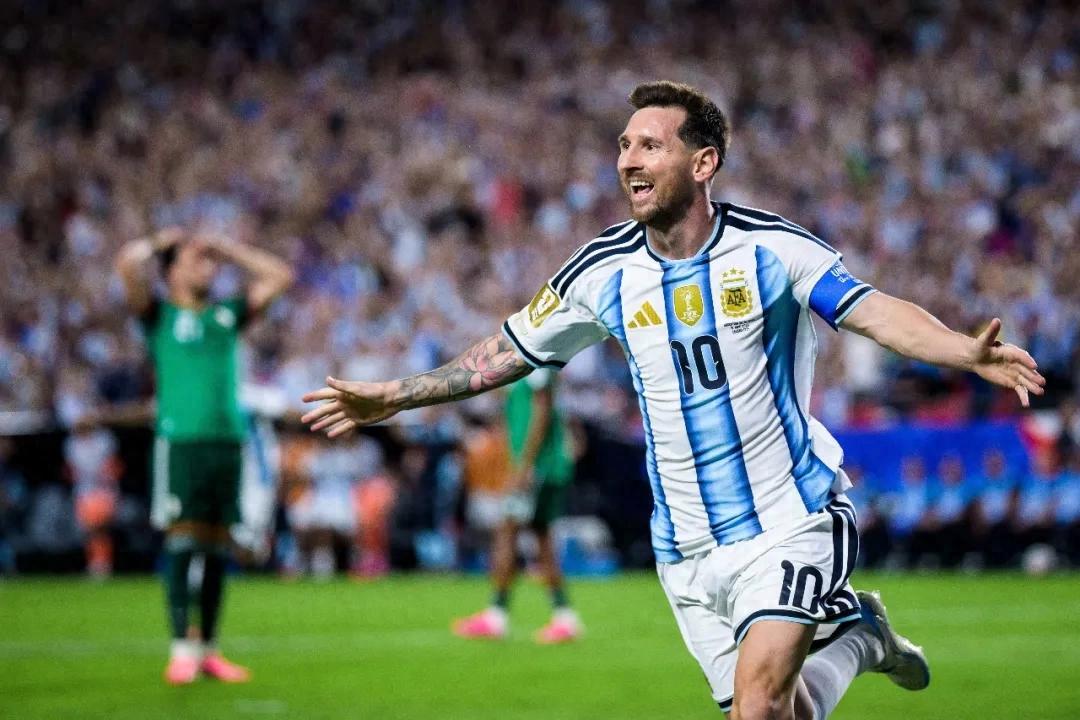
Written by Nan Nan Kansas City, the defending champions' World Cup opener. In the 17th minute, De Paul stole the ball and threaded a pass. The Argentine No. 10 moved to the edge of the box and struck with his left foot, the ball nestling into the bottom corner. No shouts, no wild dash—Messi lifted his shirt to dry his eyes. In the 60th minute, Mac Allister's shot from distance was fumbled by the keeper, and Messi scored the rebound. In the 76th minute, yet again Messi, after controlling a cross from the left, produced his trademark far-post finish—38 years and 357 days old, a hat-trick, 16 World Cup goals, equaling Klose.
When Messi was substituted, the entire stadium rose to applaud, lasting nearly two minutes. He bent down to untie his laces, exchanged a fist bump with Scaloni, and then walked back to the bench barefoot.
Just a few hours earlier, at the MetLife Stadium in New Jersey, Mbappé scored twice in the final half-hour, reaching 14 World Cup goals. He had just overtaken Messi, but Messi's response came swiftly—and ruthlessly.
Two active players closing in on the all-time scoring record in the same tournament—this was unimaginable in the past. But from Ronaldo to Klose, and now to Mbappé and Messi, the World Cup's individual goal record is destined to be broken in 2026. Behind this record lies an entirely new era of football.
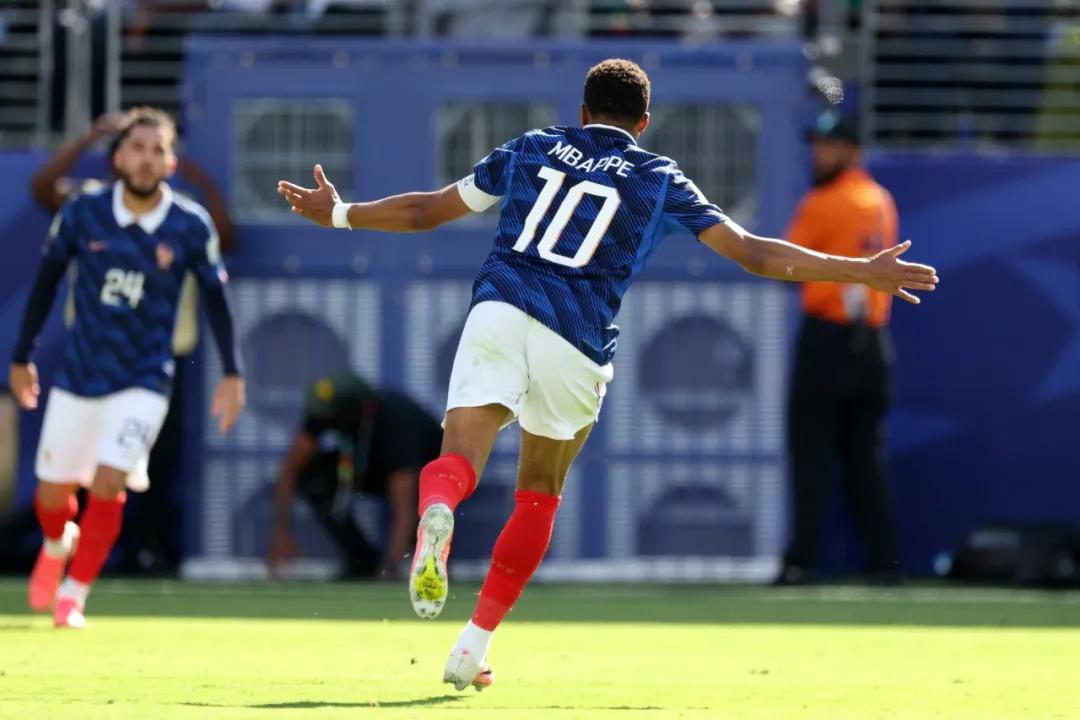

The World Cup all-time goal record was once one of the hardest barriers to break in football. In 1958, Fontaine scored 13 goals in Sweden, with 16 teams participating. Then Pelé's 12 goals spanned four World Cups, still before the expansion to 24 teams. When Ronaldo equaled Pelé in 2002, the tournament had already grown to 32 teams. In 2014, Klose pushed the record to 16 goals in Brazil, setting the ceiling for the 32-team era. From Fontaine to Klose, from 13 to 16 goals, the record took 56 years. Each expansion lowered the barrier to breaking it.
What about 2026? Sixteen more teams, sixteen more group-stage matches. Perhaps the newly qualified teams will park the bus, maybe Cape Verde could frustrate Spain. But it's undeniable that top forwards face far less defensive pressure in the group stage than before. This isn't a striker's luck—it's the structural dividend of World Cup expansion, a gift from the new tournament format.
Opta's data is intriguing. In the first round of the USA-Canada-Mexico group stage, 24 matches produced 75 goals, averaging 3.13 per game—the highest average in a World Cup opening round since 1958. The previous record was 2.67 per game at the 1954 Swiss World Cup, which was also the first tournament after FIFA expanded. Another telling stat: time distribution of goals. The Switzerland vs. Bosnia match had five goals after the 70th minute, a single-game record for goals after the 70th minute in World Cup history.
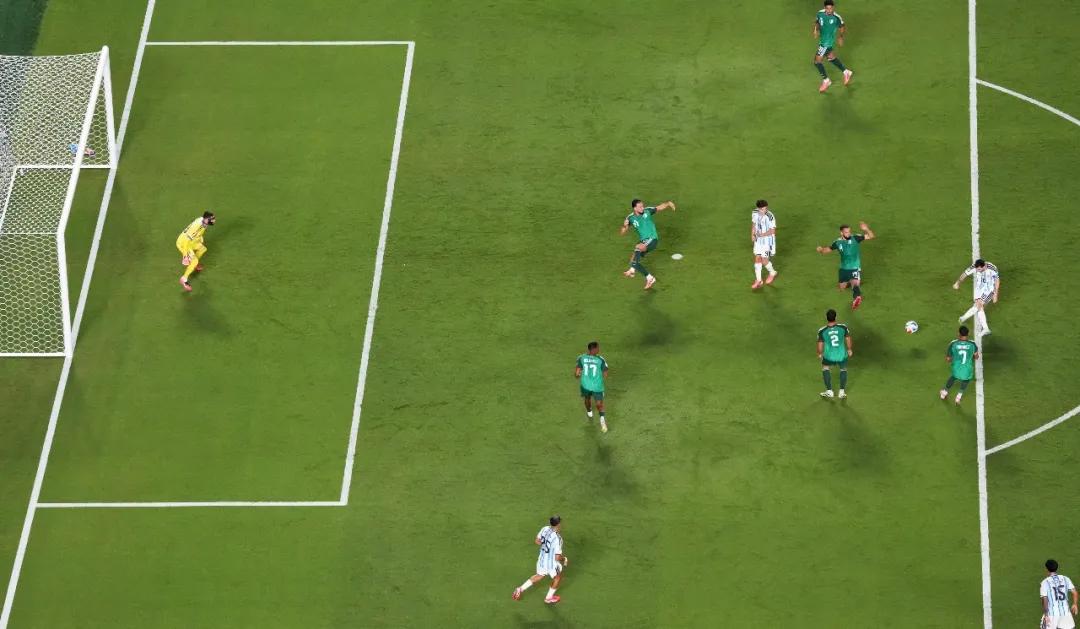
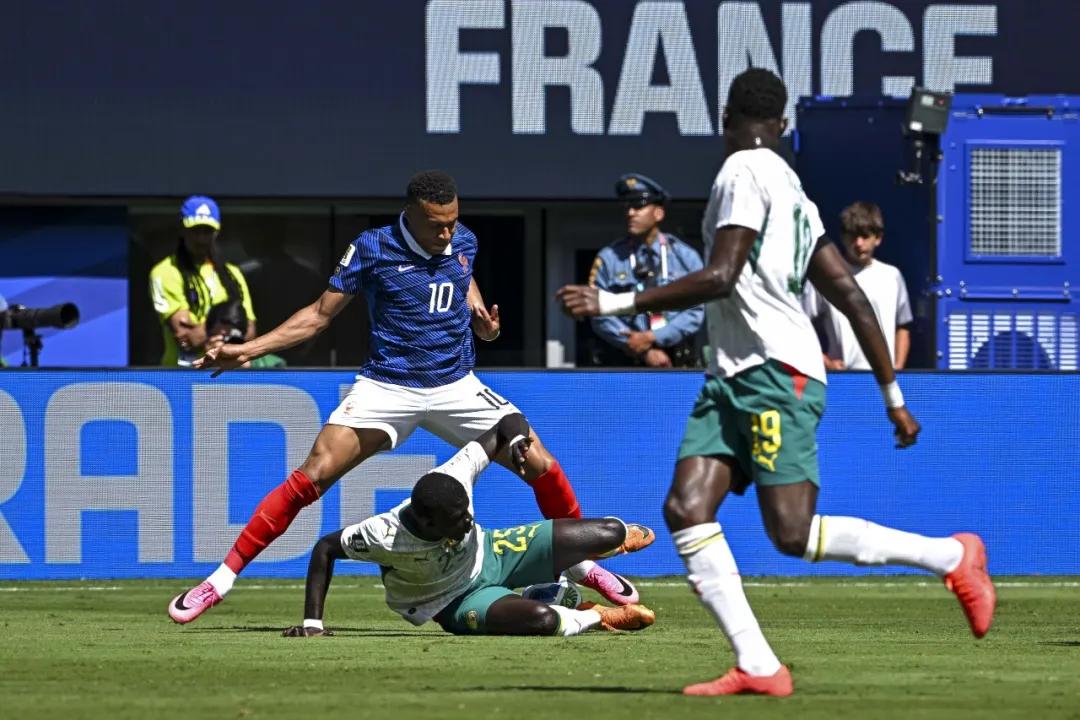
When there's a gap in quality between sides, the last 20 minutes see defenders' positioning drop significantly, while forwards often still have energy. Messi's finish in the 76th minute, Mbappé's worldie in the 7th minute of stoppage time—these aren't coincidences. Senegal's defense was full of gaps in the closing stages, gaps that didn't exist at the start. The reasons are simple: trailing on the scoreboard, and sheer fatigue.
In the press room at MetLife Stadium, one number caught the media's attention: France's high-press intensity was nearly 15% lower than at last year's European Championship. Though the game seemed slow-paced to outsiders, Senegal's defense still showed clear cracks in the final third of the match. It's not that Senegal didn't want to maintain the rhythm—it's that the intensity and heat were draining every player's energy.

At the 1994 US World Cup, 30-year-old Bebeto was already considered an old-timer. Back then, forwards at 33 were close to retiring from the national team. Now? Messi, nearly 39, and Ronaldo, already 41, are still key players for their countries. In the 1994 World Cup, only a handful of players were over 34; in 2026, seeing 35-year-old veterans competing is no longer unusual.
The numbers speak volumes. Over the last three World Cups, the share of goals scored by players aged 30 or older has risen from 28% to 37%. Twenty years ago, fewer than 15% of World Cup forwards were over 30; in 2026, that figure is nearly 30%. A striker can now play from age 25 to 37, participating in four or five World Cups. Twenty years ago, a top forward from a strong football nation could only manage two or three. Those extra one or two tournaments are enough to reshape a player's career totals.
The extension of playing careers stems from advances in sports rehabilitation, refined nutritional management, and scientific training methods—these invisible technologies quietly transform football where most people don't see them. A top player today can compete at a high level for five more years than two decades ago. Those five years include the extra two World Cups they now get to play.
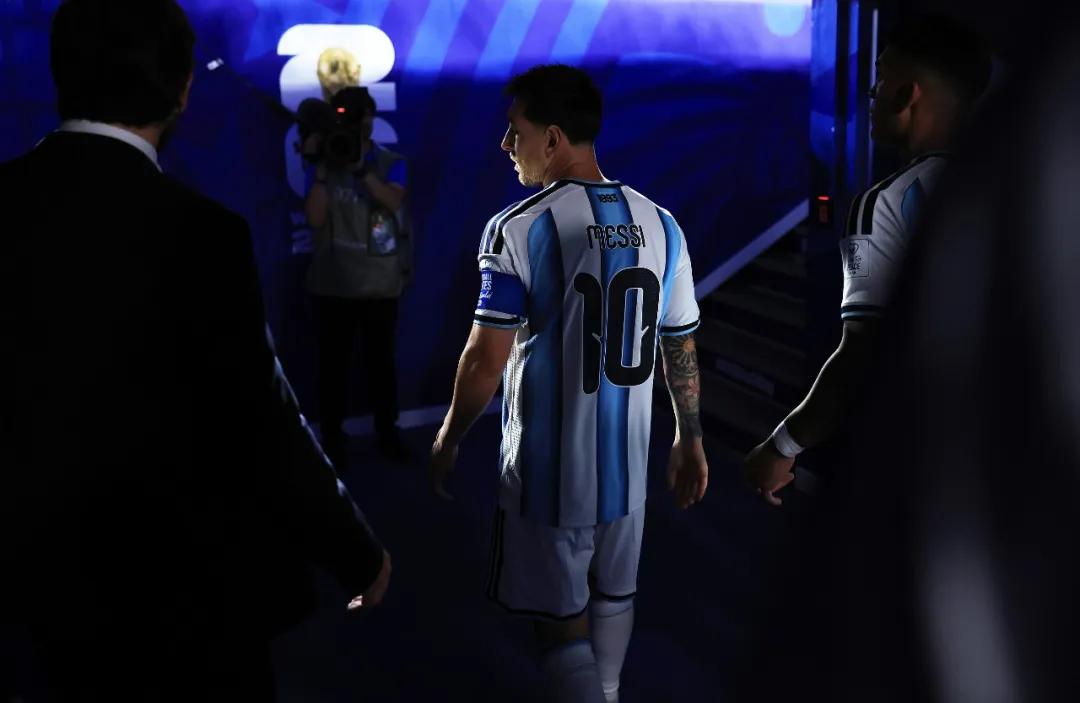
Messi is the best example. When he won the title in 2022, he was already 35—an age at which most forwards have left the top stage. But he didn't just stay; at 38, he scored his first ever World Cup hat-trick. Without career longevity, he wouldn't even have had the chance to equal Klose. The same applies to Ronaldo, the first player to score in five World Cups. Now nearly 41, he still stands on this stage.
Kane represents another case. About to turn 33, he is playing in his third World Cup. With a brace in the opening match, his total World Cup goals have reached 10, equaling Lineker's English record. Kane isn't a talent like Messi. He is a classic modern center-forward—movement, link-up play, finishing—no weaknesses. How long can he play? Given his style and physical maintenance, he has at least one more World Cup ahead. That extra tournament is his chance to reshape England's record.
Mbappé is only 27 now. Theoretically, he has two or three more World Cups ahead. With his current rate of nearly 5 goals per tournament, even if his efficiency declines, breaking 20 goals is just a matter of time. A 27-year-old forward, in the 48-team era, can play three more World Cups. No one knows the ceiling of such cumulative effect.
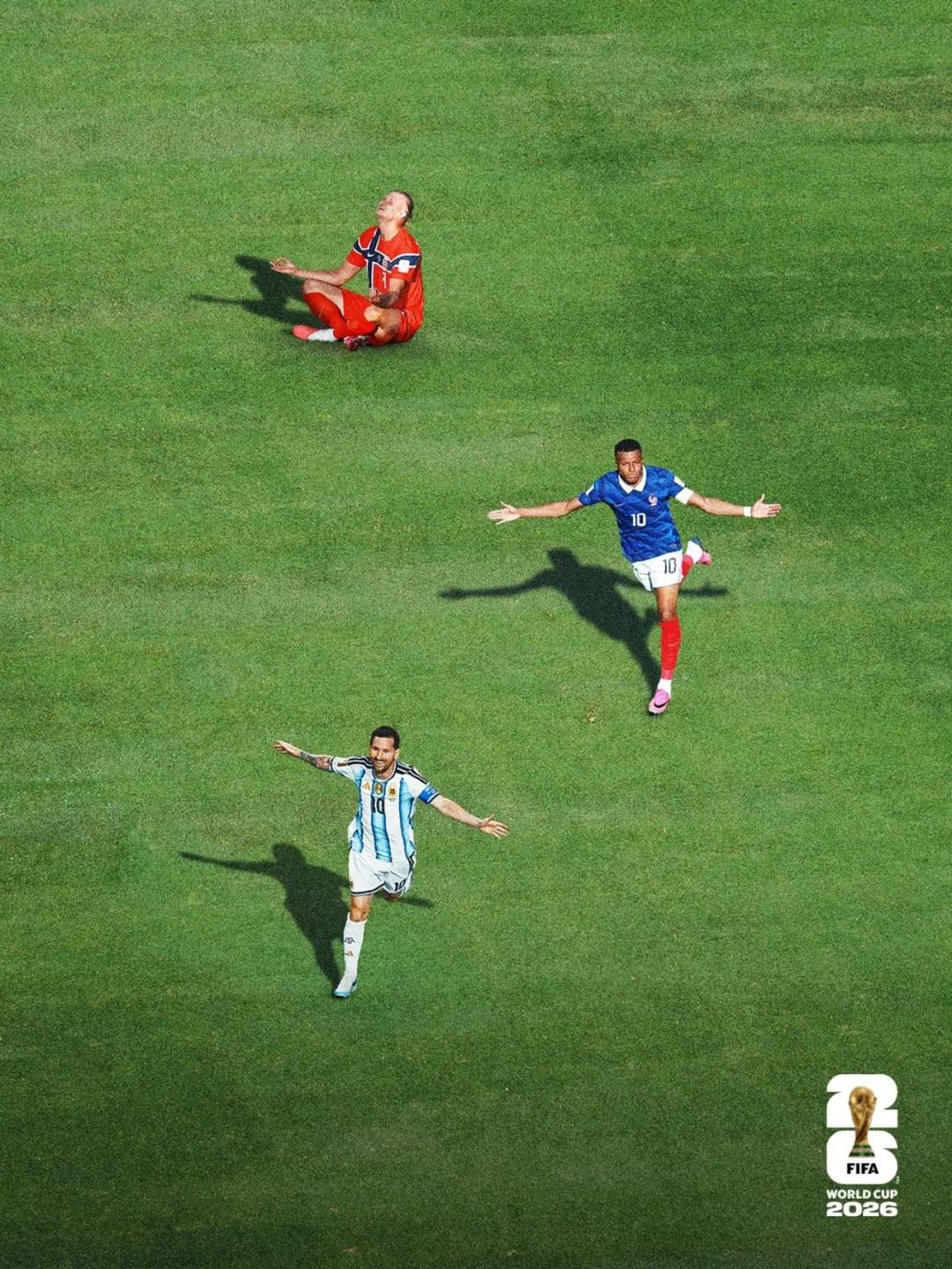
Klose's 16 goals belong to the 32-team era; Pelé's 12 and Fontaine's 13 belong to the 16-team era. Every record bears the imprint of the time it was set. In 2026, no matter what the final total World Cup goals record becomes, it will belong to this era. The record itself hasn't changed, but the soil that nurtures it has.
But the real question isn't who will break the record—it's why this record, once pursued by so many, has become so attainable at this point in time. The answer lies not in Messi's left foot or Mbappé's speed, but in Infantino's expansion plan and the laboratories of sports science. These forces are more enduring and irresistible than any striker, steadily pushing the numbers upward.
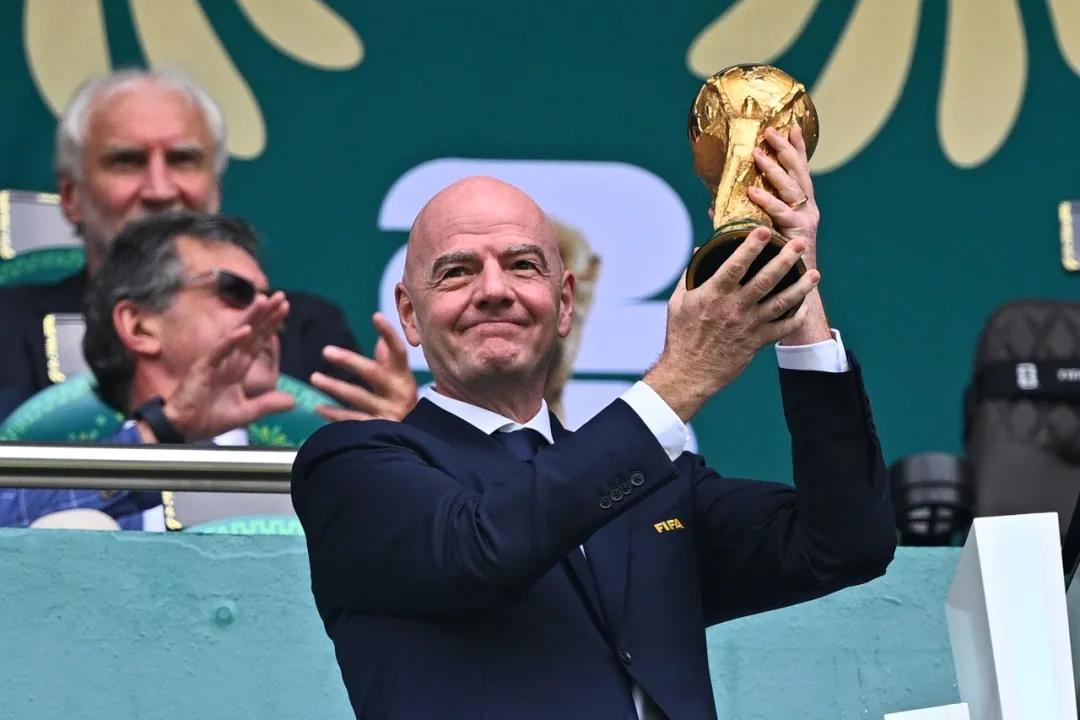

This rise is like inflation. Inflation means that the same number no longer requires the same time. From 2006 to 2024, Messi's 16 goals took six World Cups. Starting in 2018, Mbappé's 14 goals took only three. They are twelve years apart, originally on different dimensions, but the era has driven them toward the same number in 2026.
When Messi was substituted, he sat barefoot on the bench, like a middle-aged man who had just finished a pickup game—not in a hurry to go home, not clinging to the field. After the match, he said the record doesn't mean much—not out of modesty, but because that's his genuine mindset now. Mbappé, when substituted, wore an unreadable face, but his clenched fists said something. He walked through the mixed zone without stopping, heading straight to the tunnel.
Messi has no more desires; he can enjoy the game. Mbappé, on the other hand, is still chasing records because he carries his own pressure.
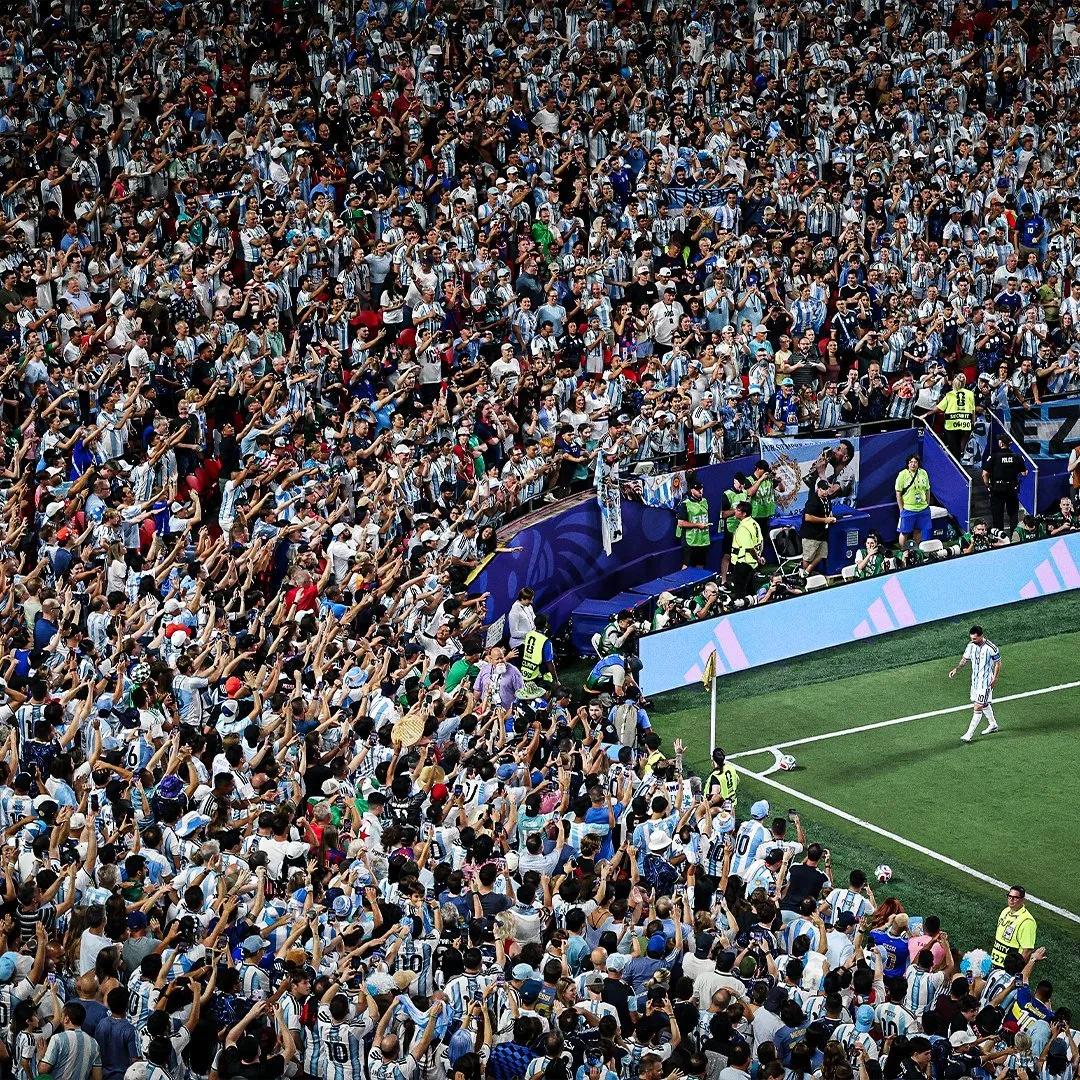
Messi represents the possibility of extreme career longevity—a 38-year-old veteran still scoring a World Cup hat-trick. Mbappé represents the efficiency of the expansion dividend—14 goals in three World Cups, almost unthinkable in the 32-team era.
They seem to be competing, but they are actually on different tracks. After 2026, the World Cup will remain at 48 teams long-term, maybe even expand further. Each tournament will have 16 extra group-stage matches, meaning at least dozens more shooting opportunities. Those chances can be converted into goals, goals accumulate into data, and data spawns new records.
More matches equal more shooting chances; more time equals more accumulation potential. On the future World Cup scoring list, numbers above 20 goals are no longer fantasy. So the once-astonishing all-time World Cup goal record is no longer elevated; that distant number is being brought down by the era and placed within everyone's clear view. Then, the standard of the record is redefined.
This is not disrespect to Messi or Mbappé. On the contrary, it is their talent that makes these profound numbers even clearer. Put simply, great numbers are often born from new systems. The record belongs to the players, but the rate at which it is broken belongs to Infantino and his new World Cup era.
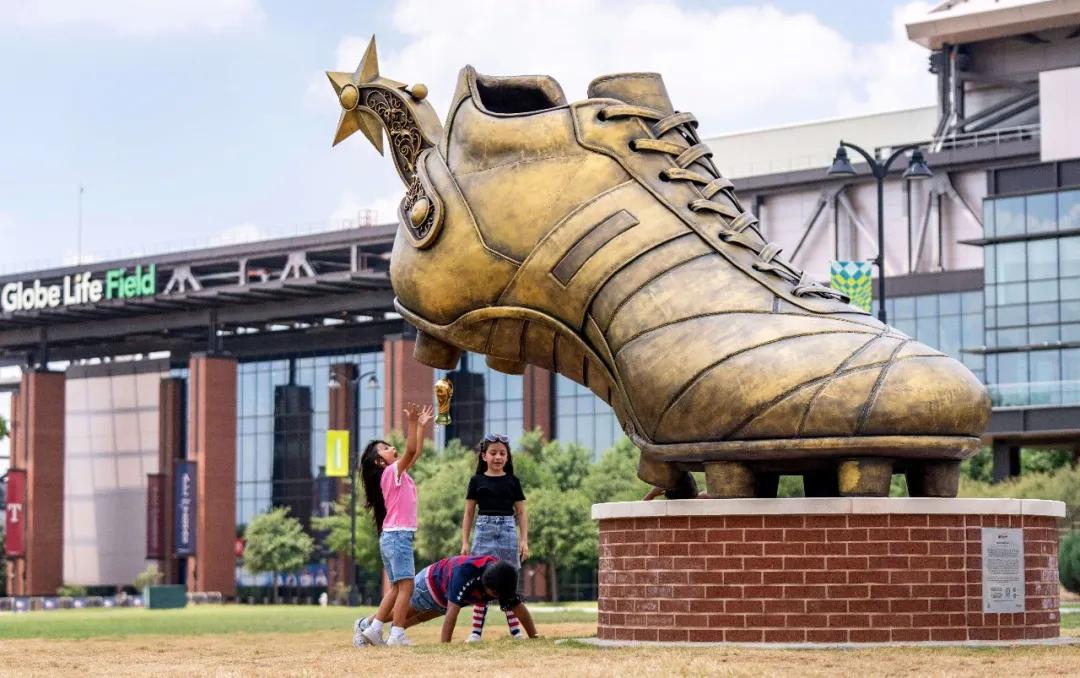


Wonderfulshortvideo

Cristiano is here to cheer on Al-Nassr today.


rodri barcelona chant rodri barcelona introduction video rodri barcelona news today
Unforgettable EURO moment 🙌
Jude Bellingham. Who else? 🌟

Cristiano and Mateo training

Cristiano's training
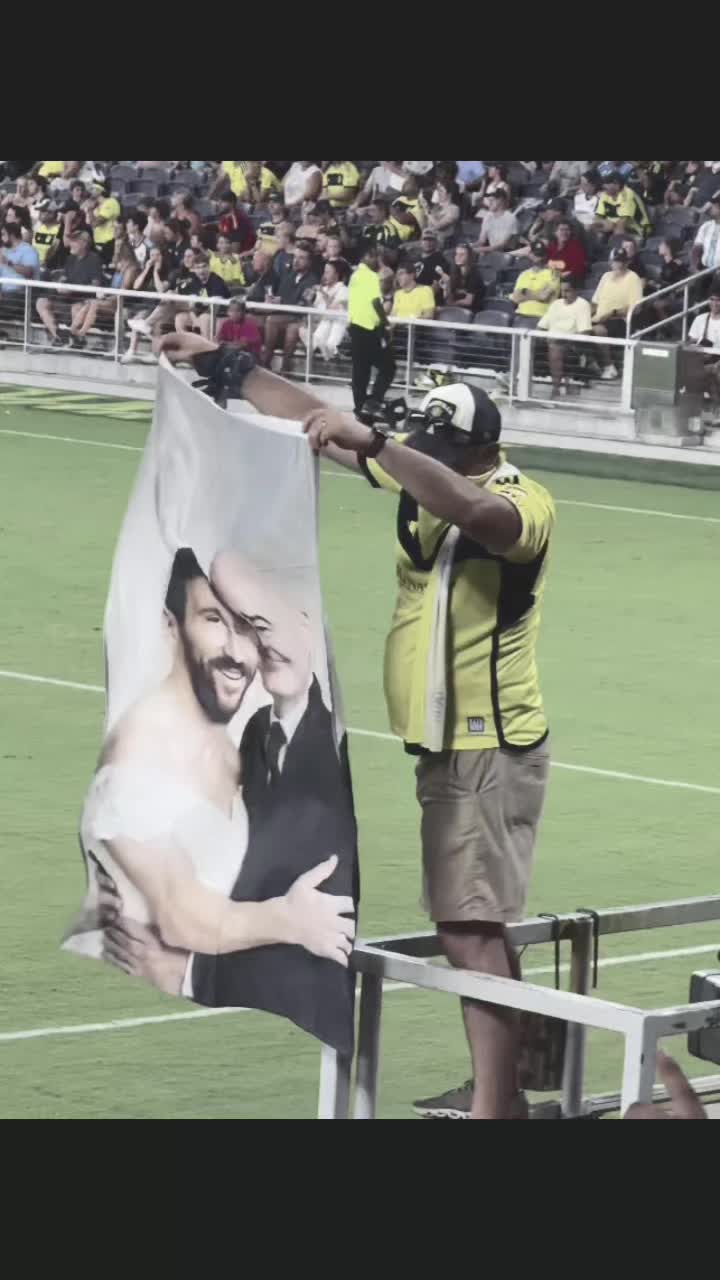
an unusual banner
 Links
Links
 Contact
 App
App


