



The struggles and future of futsal


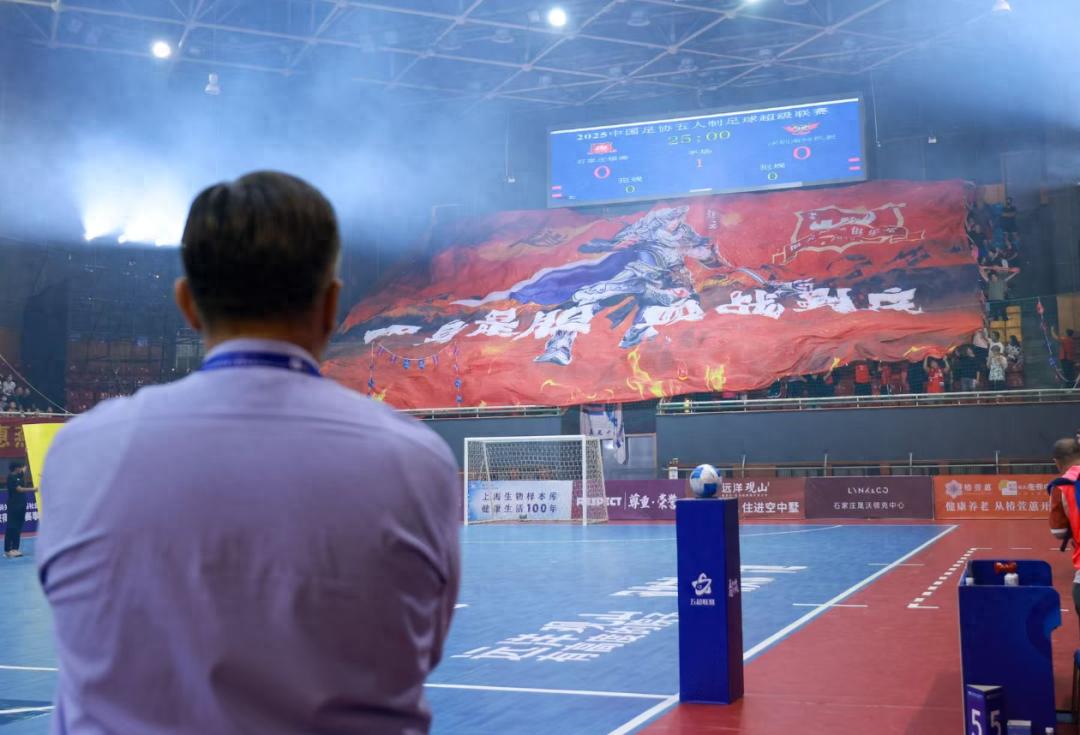
Reported by Chen Yong On June 19, the 2026 CFA Futsal Super League completed its first stage in Heze, and the first stage in Xiong'an New Area will run from June 30 to July 7. The league is in full swing, yet the growth of Chinese futsal is hampered by various difficulties, including fewer clubs in the Super League, a lack of participants, and deteriorating standards. Urgent attention from all sectors is needed for futsal to truly overcome these obstacles and make breakthroughs—this is also a crucial part of China's football revival.

The Futsal Super League officially launched in 2016, with 10 teams in the 2016/2017 season and expanding to 12 in 2018/2019. However, over the years the league has contracted: in the 2025 season there were 12 teams, while the 2026 season initially planned for 11 but ultimately had only 9 participating.
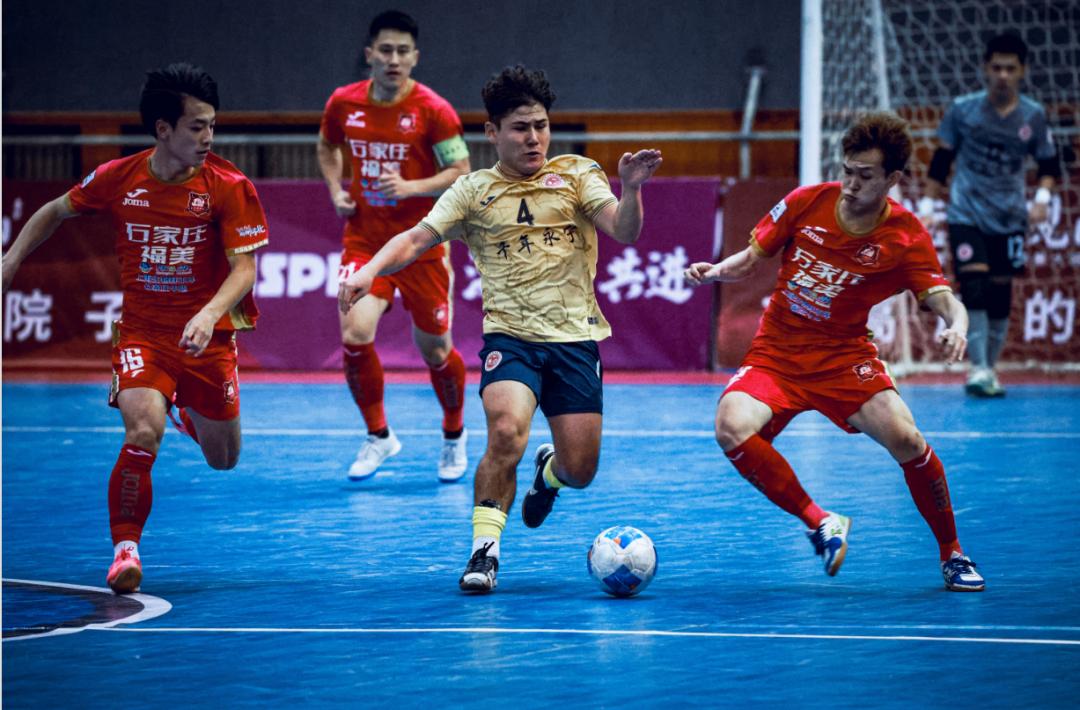
The new season is divided into four stages: the first stage features two tournament-style legs with 9 rounds, held in Heze and Xiong'an New Area; the second stage is home-and-away fixtures; the third stage is a single round-robin among the top six, where the champion will be determined; and the fourth stage is the relegation zone. On June 13 at 11:00 AM, the new season kicked off at Heze Yanwu Tower Gymnasium, where the promoted team Heze Spirit defeated Chongqing Qiaomu 7-0 in the opening match. After four rounds in the Heze leg, Xinjiang Sparta Dongqiu Ge and defending champion Nanling Tielang share the top two spots with perfect records.
Heze Spirit Football Club was founded in 2019 and spent the past three seasons in the China Futsal League (Division A) before winning promotion. "I've loved football since childhood and want to contribute to Heze's football development—I've been pursuing this goal for eight years," said the club's founder, Wang Lei. The reporter learned that the Division A league also suffers from instability, with 15, 21, and 16 clubs participating over the past three seasons, further highlighting the fragility of futsal clubs.
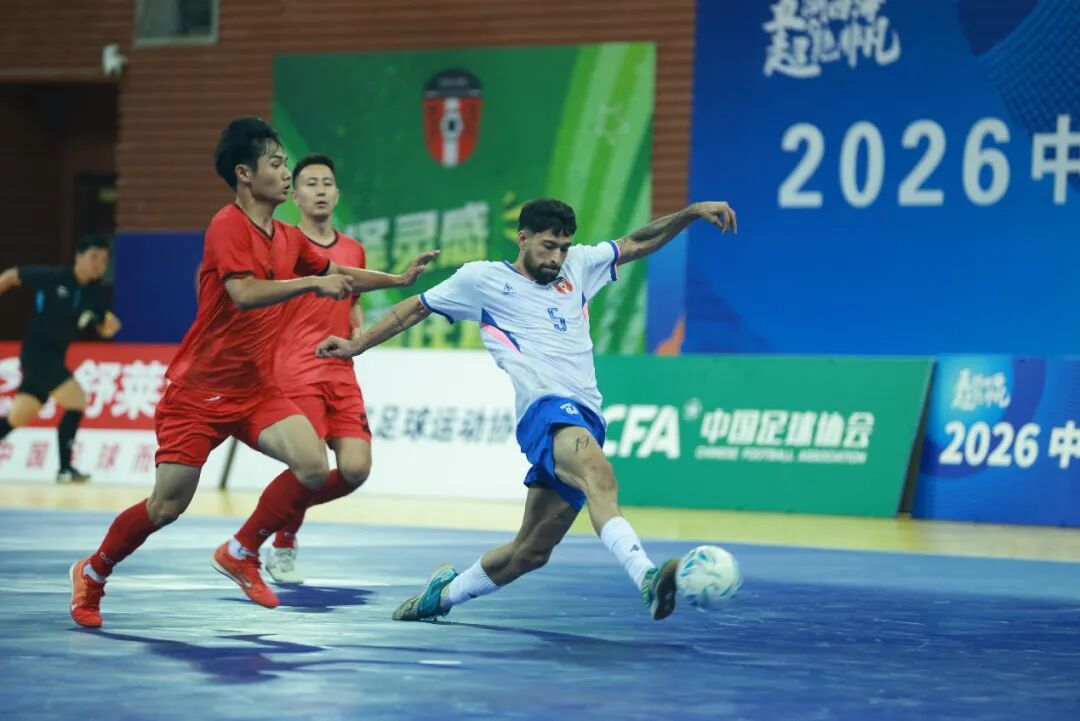
The Chinese FA has taken multiple steps for futsal development, starting with financial support—but relying solely on FA funding is insufficient for rapid growth. Another measure is format innovation, such as this season's four-stage design combining tournaments, home-and-away matches, and tiered rankings, which avoids mixing strong and weak teams. However, the FA's efforts have received limited public response, with fan enthusiasm clearly lacking.
Chinese futsal currently relies on two main pillars: universities and futsal clubs, which are largely isolated from 11-a-side football. The league allows foreign imports, with most clubs opting for Brazilians; based on actual matches, foreign players significantly outperform domestic ones. "11-a-side football also originates from futsal at the primary school level. Although different age groups have separate training systems, even after age 13, futsal's tight-space coordination and quick decision-making still offer training value for 11-a-side football. Many 11-a-side scenarios are very similar to futsal," said Li Jianlei, head coach of the futsal national team, in Heze.

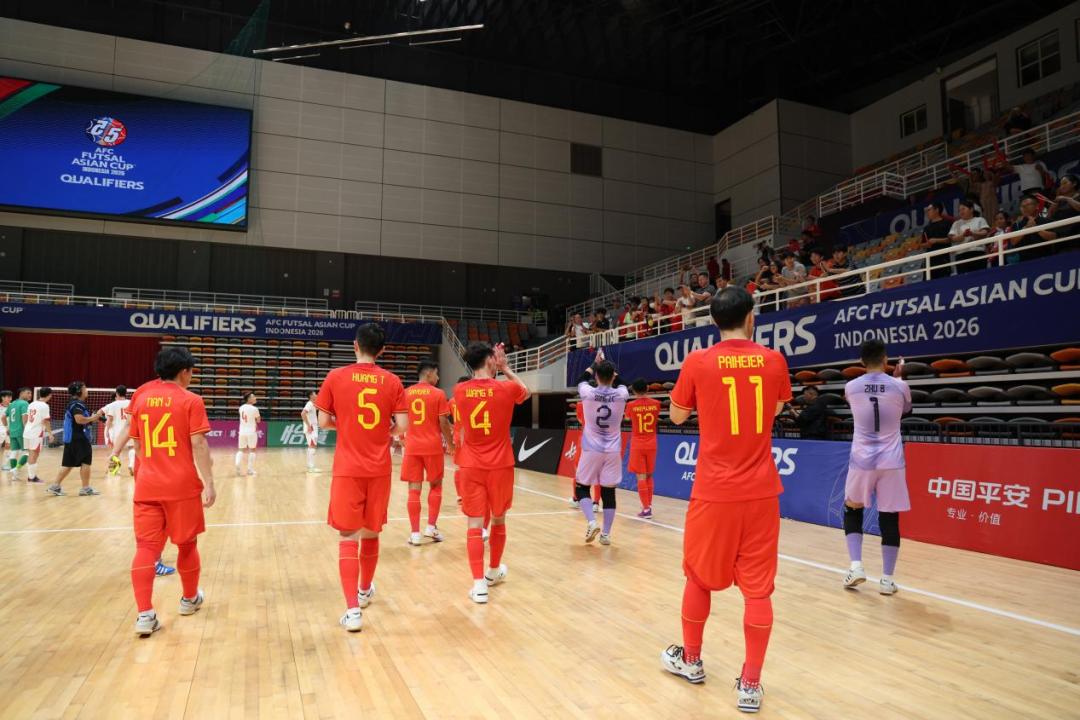
Indoor futsal is an official FIFA competition. FIFA established the Futsal World Cup in 1989 and launched the Women's Futsal World Cup in 2025. The Chinese FA has consistently prioritized futsal development, including overseas training camps and inviting foreign teams to China in recent years. However, due to weak foundations, unstable clubs, and low participation numbers, the national futsal team is also struggling.
At this Heze stage, from the Chinese FA to futsal clubs and players, there is broad agreement that futsal is highly entertaining and less affected by weather, giving it strong potential for promotion. Yet current Chinese football development is overwhelmingly focused on 11-a-side, with no real attention or support for futsal. Interviews revealed that many local governments only back 11-a-side football—primarily men's teams, with women's as a supplement—and have no support or even a clear concept of futsal, making it difficult for futsal clubs to survive.
The second leg of the first stage of the Futsal Super League will be held in Xiong'an New Area. Li Jianlei plans to visit Hebei to thoroughly assess the Hebei Futsal Super League (Hebei Province Futsal Super League) and scout talent. "The Hebei league has opened a completely new avenue for Chinese futsal development. I hear some 18- and 19-year-old players there are performing very well," Li said.
Hebei is one of the few provinces in China that places great emphasis on futsal. Compared to 11-a-side, northern China is well-suited for futsal leagues even in winter. With the rise of city leagues, if several northern provinces prioritize futsal and futsal city leagues, it would be highly significant for the growth of Chinese futsal.
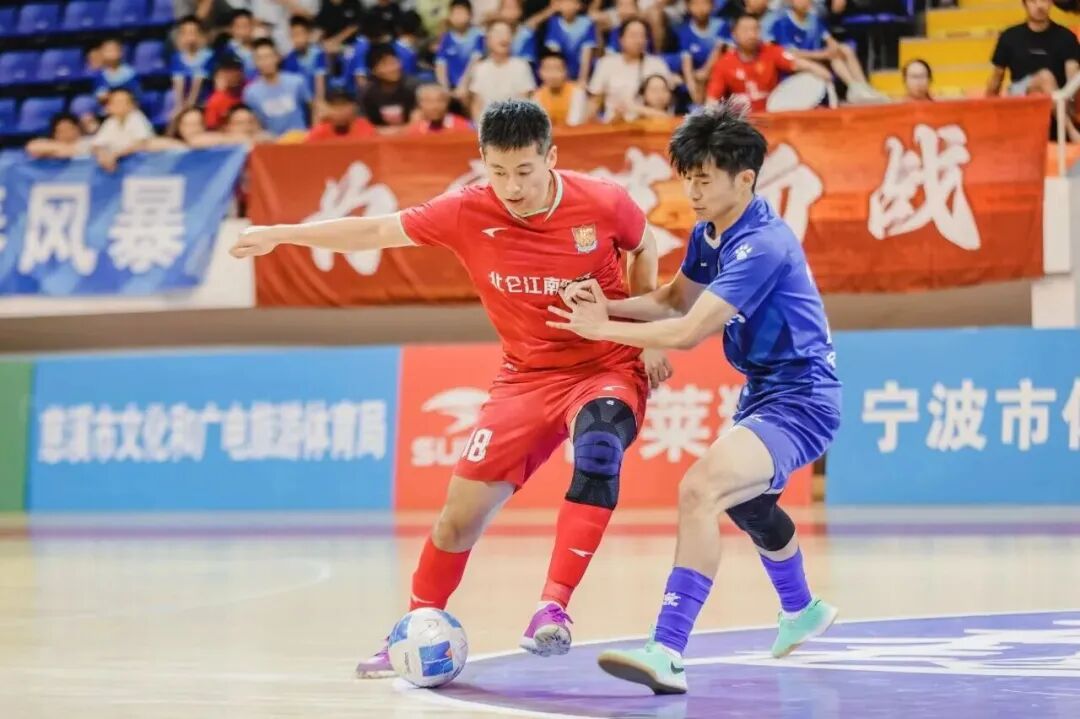
Multiple figures in the futsal field also told reporters that professional clubs from the Super, Division A, and Division B leagues should participate in futsal leagues. Futsal involves lower costs because players are directly compatible, with the main expense being entry fees. Yet it provides more training opportunities for young players—beyond tactical benefits, it also offers more choices and career paths for young footballers.
The Chinese FA once introduced a policy that made fielding a women's team a mandatory condition for professional club admission, but later changed it to a voluntary guideline. Considering the overall structure of Chinese football, the FA could offer professional clubs more flexibility: treat 11-a-side women's football, men's and women's futsal, and men's and women's beach soccer as five options, requiring each club to choose at least one to participate in provincial city leagues and national competitions. If clubs choose multiple options and become football complexes, that would be even more welcome.


Wonderfulshortvideo

WHAT A RACE!🔥



Air Force One has landed! 🐎

HAFFNER GETS THE JOB DONE! 🏆🏇

Will we see any of these picks in your @ITV7 submissions? 👀

Cristiano is here to cheer on Al-Nassr today.

rodri barcelona chant rodri barcelona introduction video rodri barcelona news today
Unforgettable EURO moment 🙌
 Links
Links
 Contact
 App
App


