



2026 World Cup: Spain Clinches Second Title with Narrow Victory



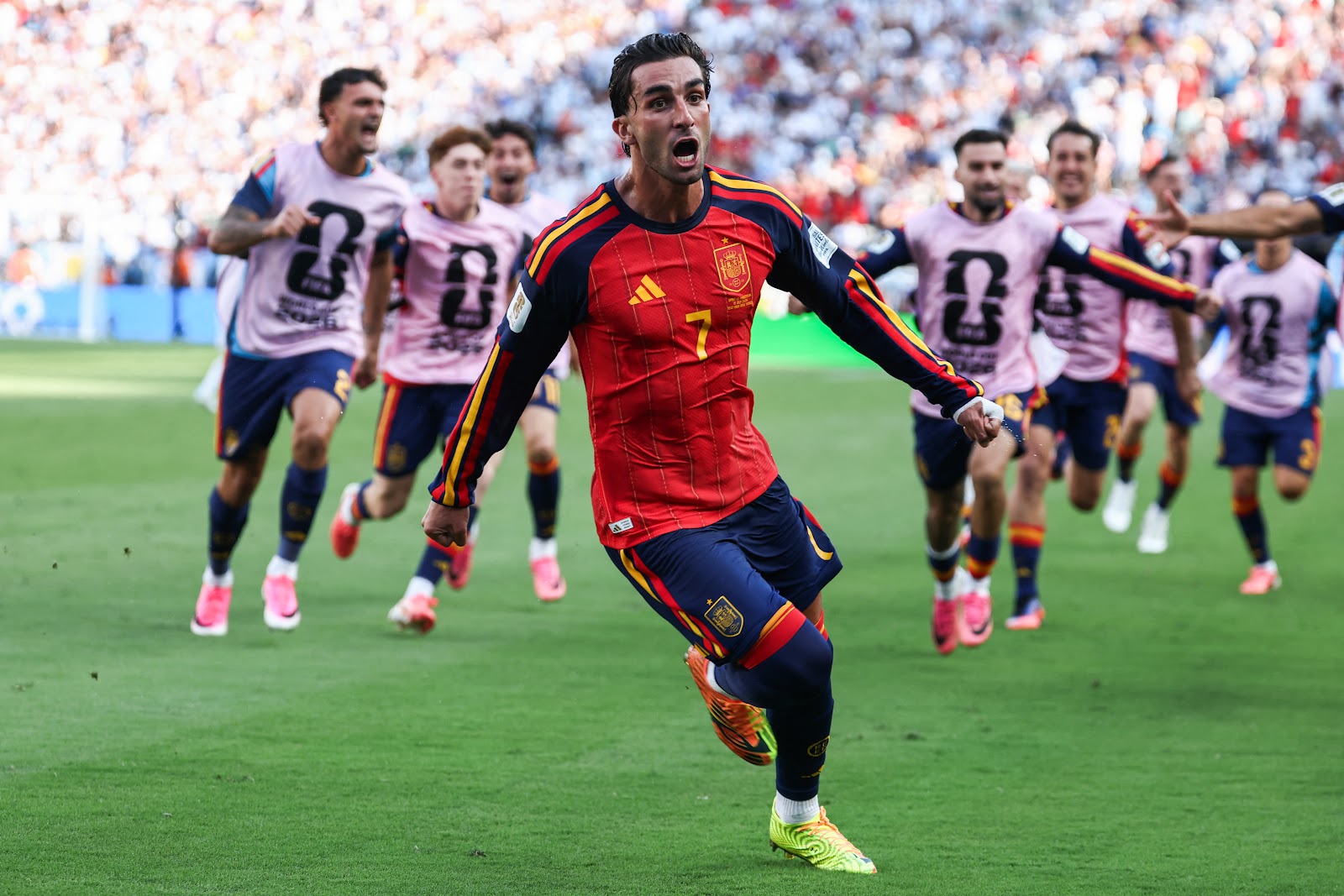
In the first 45 minutes, Spain controlled the game with their usual excellent ball circulation, particularly in midfield, but they did not create many clear chances despite a few penetrations into Argentina's box and three shots on target.
Meanwhile, the defending champions deliberately ceded possession and patiently waited for counterattack opportunities, but Spain's defense remained tight, even though goalkeeper Unai Simon had to rush out of the box several times to intercept potential Argentine attacks. In the 44th minute, Argentina suffered a blow when center-back Lisandro Martínez – who received the only yellow card of the first half – was injured and forced to leave the field, replaced by Nicolás Otamendi.
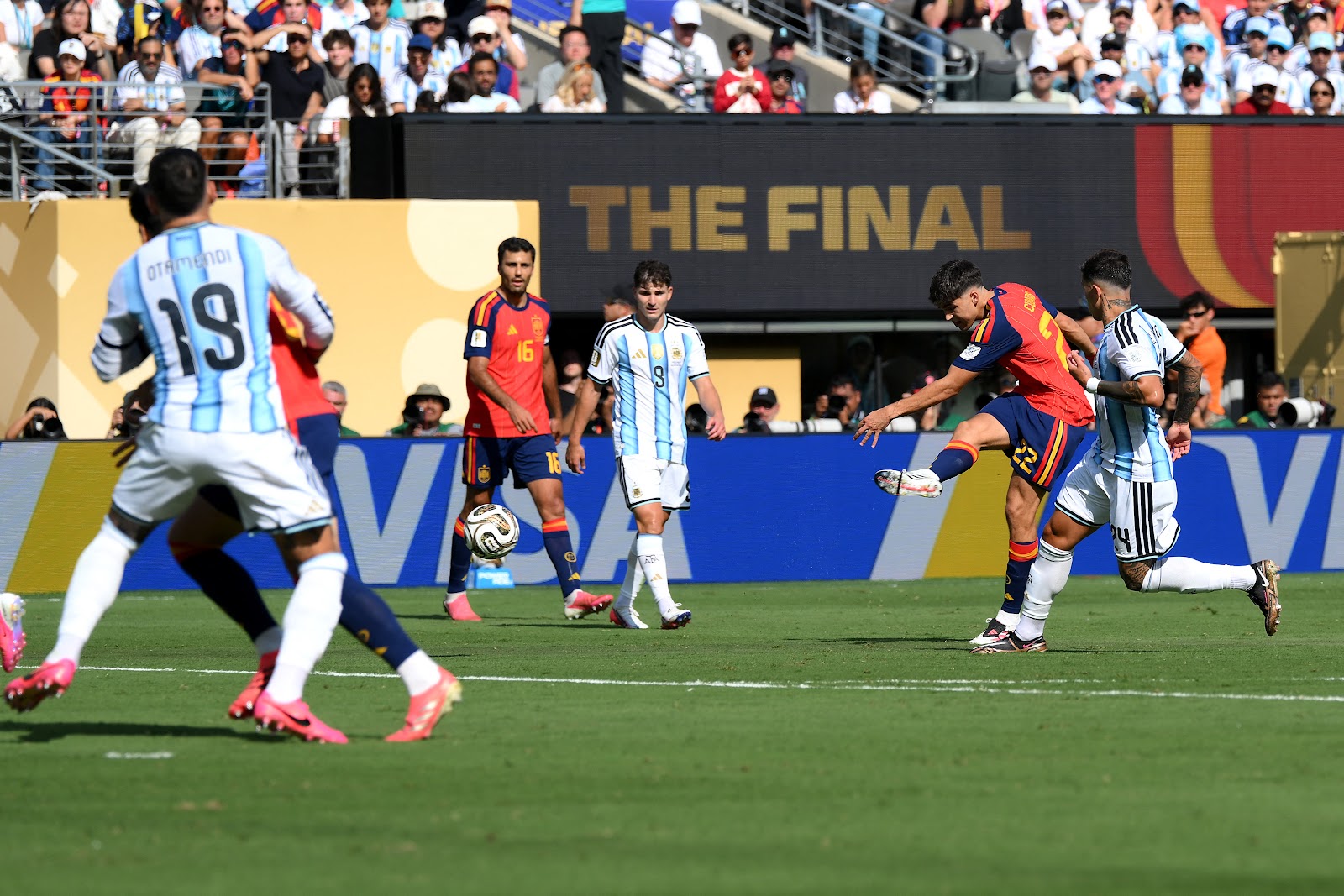
At the start of the second half, Argentina brought on midfielder Leandro Paredes to replace winger Nico González to strengthen the midfield, but the flow of the game remained largely unchanged in the early part of the second half. Spain continued to dominate with their smooth combinations and gradually created more dangerous opportunities. After the hydration break midway through the second half, Argentina used all five substitutions, including being forced to replace the other starting center-back, Cristian Romero, also due to injury.
In the third minute of stoppage time, Argentina were reduced to ten men when midfielder Enzo Fernández received his second yellow card for a challenge on Spain's center-back Pau Cubarsí. The Spanish players increased their suffocating pressure but still could not score in 90 minutes of regular time, forcing the two teams into extra time.
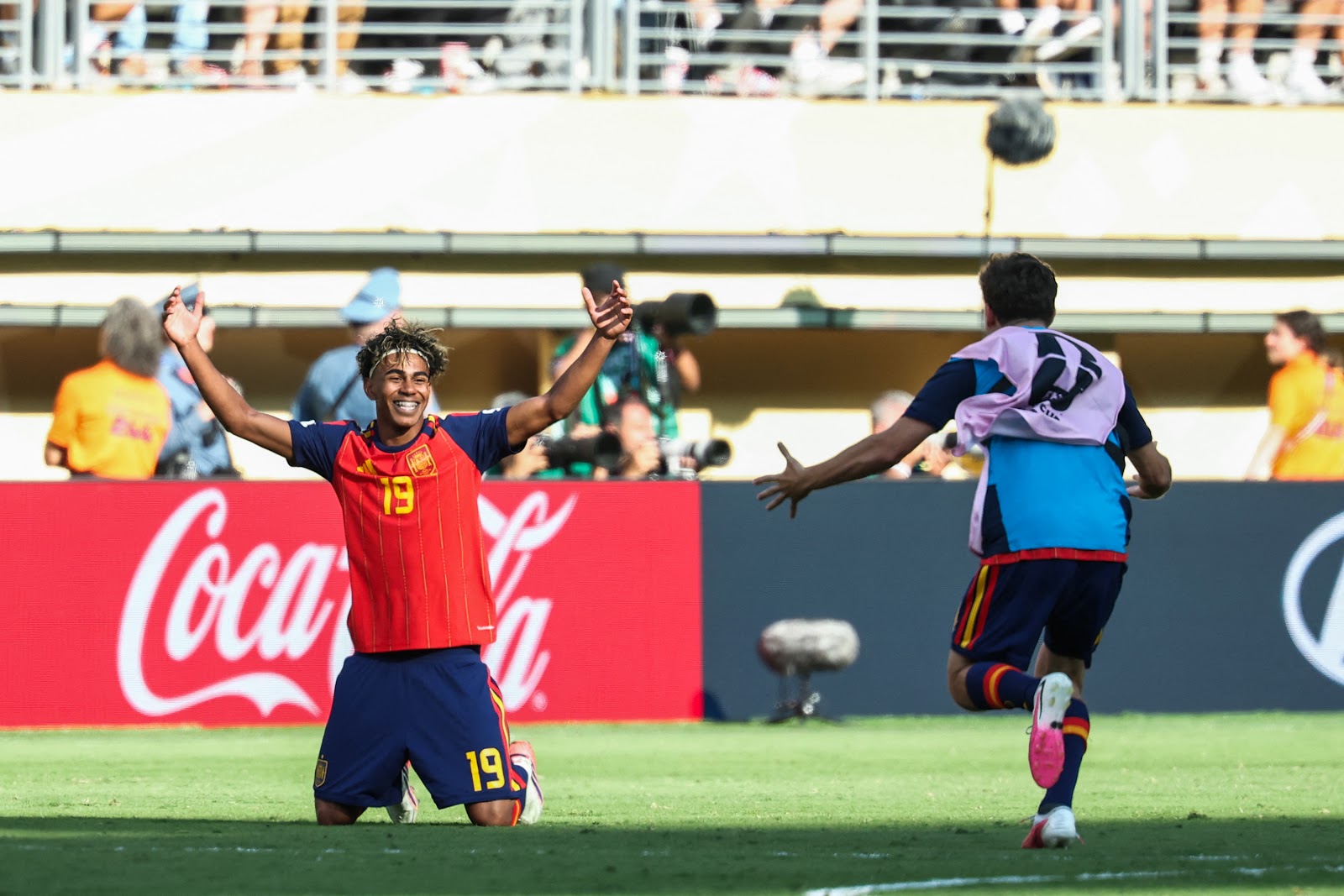
Spain's strikers continued to be thwarted by goalkeeper Emiliano Martínez's outstanding performance in the first extra time. However, in the second minute of the second extra period, substitute striker Ferran Torres fired the ball into the net following a header back from another substitute, Nico Williams. This was the first goal for the Barcelona striker at the 2026 World Cup and Spain's 20th shot of the final.
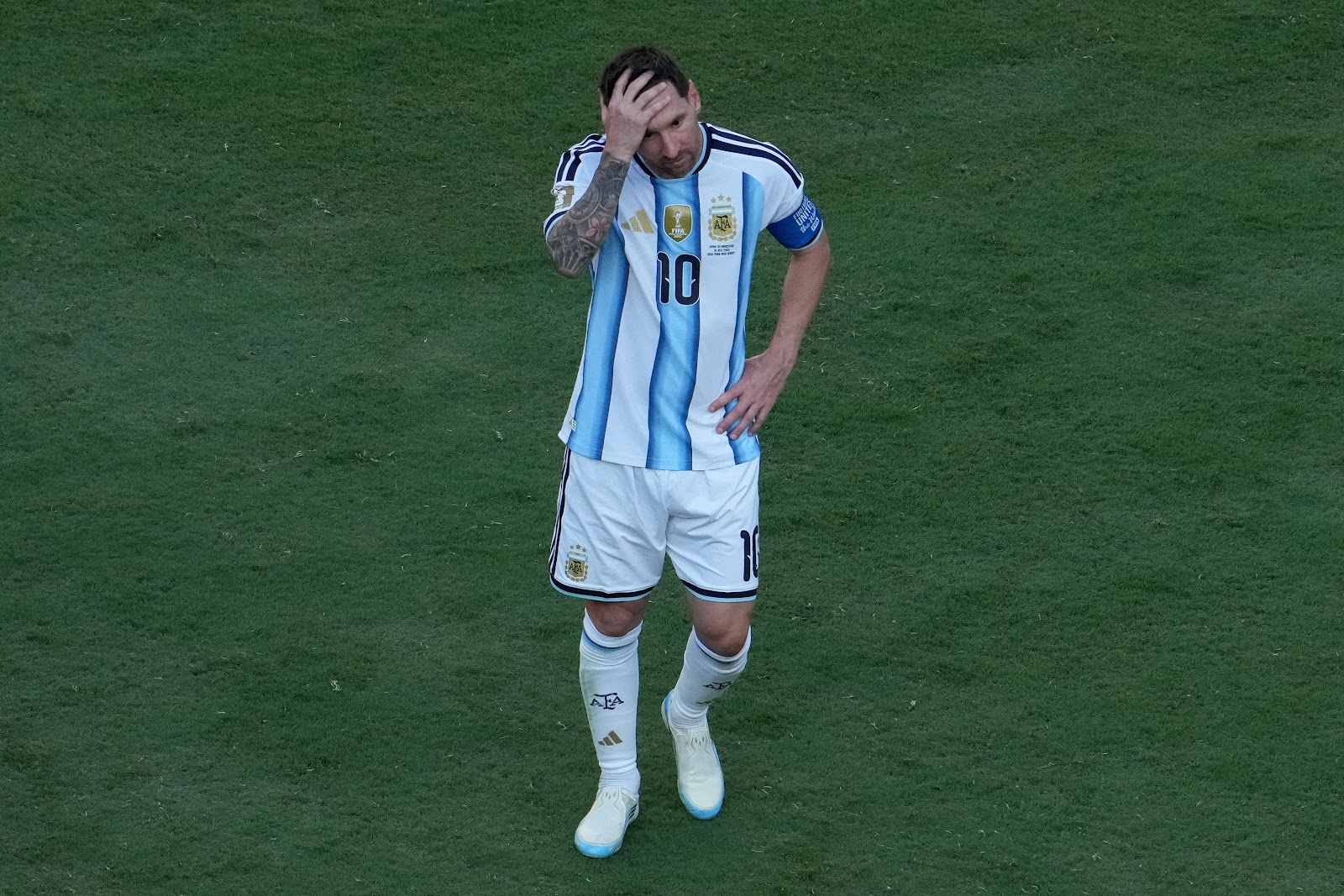
In the remaining time, the Argentine players – the comeback kings of this World Cup – launched attacks and created their first dangerous chances of the final, but reduced to ten men and facing a possession master like Spain, the "tango dancers" could not replicate the miracles they had performed against Egypt and England.
Spain fully deserved to become the new kings of world football with their convincing performances throughout the tournament, overcoming strong opponents like Portugal, Belgium, and France, and defeating the toughest rival in the final match with a dominant display.


Wonderfulshortvideo
vinicius junior transfer real madrid arsenal vini here we go arsenal news today real madrid news today ronaldo real madrid ronaldo edit



A sneak peak at yesterdays opener 👀

Think we might side with Francesca’s idea 😂

The highs & lows of racing 🐎

A different view to yesterday’s Stewards enquiry 👀

Perfectly explained by Francesca 🫶🏻

Keep an eye out for Adaay of Scarlett 👀
 Links
Links
 Contact
 App
App


