



World Cup 2026 and Dreams from Southeast Asia


As the final match in New Jersey concluded, the 2026 World Cup left behind not only the echoes of goals but also established an unprecedented milestone in the scale of a global "mega-event." Looking at this brilliant yet complex success, countries aspiring to host or participate in the World Cup—including Vietnam and other Southeast Asian nations—must seriously reassess their own capabilities and strategies.
The biggest and most obvious beneficiary after every World Cup is FIFA. The organization is expected to announce a record revenue of $15 billion, far exceeding the initial target of $11 billion. To achieve such massive revenue, it operates as a "super-machine" of media, governance, and marketing, perfectly orchestrated. The positive aspect to recognize is that the sports industry is still growing, which provides momentum for still-nascent sports economies like Vietnam.
However, for host countries, evaluating success or failure is far more complex. An independent survey showed that Toronto, where Canada spent about $1 billion in public funds, recorded almost no significant economic benefits during the first half of the tournament.
The same applies to Mexico. Precisely due to concerns about a misaligned cost-benefit equation, Montreal refused to become a host city from the very beginning. That is the nature of every modern "mega-event": whoever holds the commercial rights wins, while the host nation must bear the risks itself.
Southeast Asia has been and will continue to pursue hosting the World Cup, but it must be clear: hosting the World Cup, or any major event, is no longer a matter of ambition or national prestige. It is a calculation of real economic strength and long-term financial risk tolerance, because simply raising the flag to host does not automatically bring immediate benefits. Often, the price to pay lasts for decades after the television cameras have turned off.
Another perspective: we need to "face" the "immensity" of the 2026 World Cup to truly see how vast the gap is between reality and the dream of Vietnamese sports and football. Only by fully appreciating the scale of the World Cup can we realize that organizing or hosting an event is not a matter of "copy & paste" or simply "wanting to learn." Vietnam already has a "wound" to reflect upon—the failed bid to host the 2018 Asian Games. That was a costly lesson: ambition and organizational capacity are two entirely different things. Seeing it fully means we must phase our efforts, chart a roadmap, accumulate suitable conditions, and design the tiers and levels of each event scale we aim to host in the future.
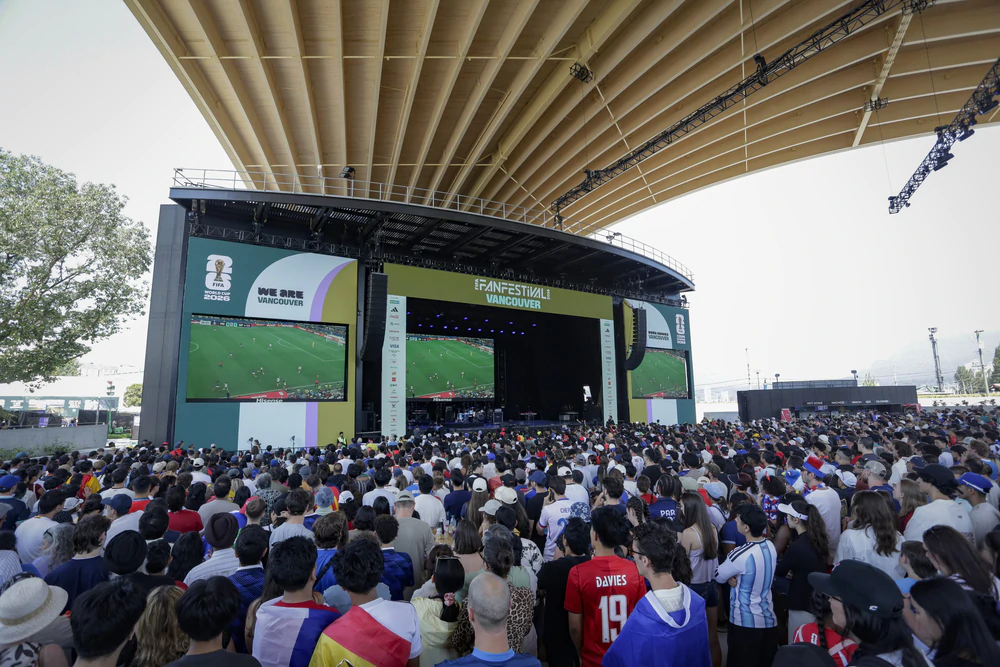
The misaligned cost-benefit equation is always a huge challenge for countries hosting massive events like the World Cup. Photo: Xinhua/VNA
But there is one "legacy" that cannot be delayed: football expertise. If the hosting puzzle or the football industry is a long-term story that can be set aside for more careful calculation, then there is one thing Vietnamese football must learn immediately from the 2026 World Cup—the core values that lie right on the pitch.
The 2026 World Cup showcased the rise of attacking football, with an average scoring rate of 2.92 goals per match, the highest since 1970. Notably, nearly 75% of goals came from open play, reflecting stringent demands on tactics and players' decision-making abilities.
Next comes the human element—youth football, and how a football nation develops its level by helping players access elite playing environments. Do not make promises or shout slogans about milestones if the "human infrastructure" is not on the right track.
A more immediate lesson is tactical identity. In the age of technology, tactics have become the core element for competition. Teams like Argentina and Spain had to play eight matches in just over a month, facing different schools of thought and opponents. They needed tactical flexibility and a footballing mindset from their players. Both factors are equally essential, whether for the top teams or those in the FIFA top 100. More importantly, there are no limits to this. If we fail to learn this, then every World Cup for us will merely be a festival of images and information, coming and going, and that's all.
The 2026 World Cup is a mirror reflecting the development of modern society, where sports intertwine with economics and politics. Vietnam needs to view the World Cup as a yardstick to reassess its own internal strength.
Hosting a major event is a distant goal, but learning how to operate and develop football according to world standards is something that must be done now. Because without a solid foundation in both economics and expertise, the World Cup dream will forever remain a beautiful illusion that can never be reached.


Wonderfulshortvideo
vinicius junior transfer real madrid arsenal vini here we go arsenal news today real madrid news today ronaldo real madrid ronaldo edit



A sneak peak at yesterdays opener 👀

Think we might side with Francesca’s idea 😂

The highs & lows of racing 🐎
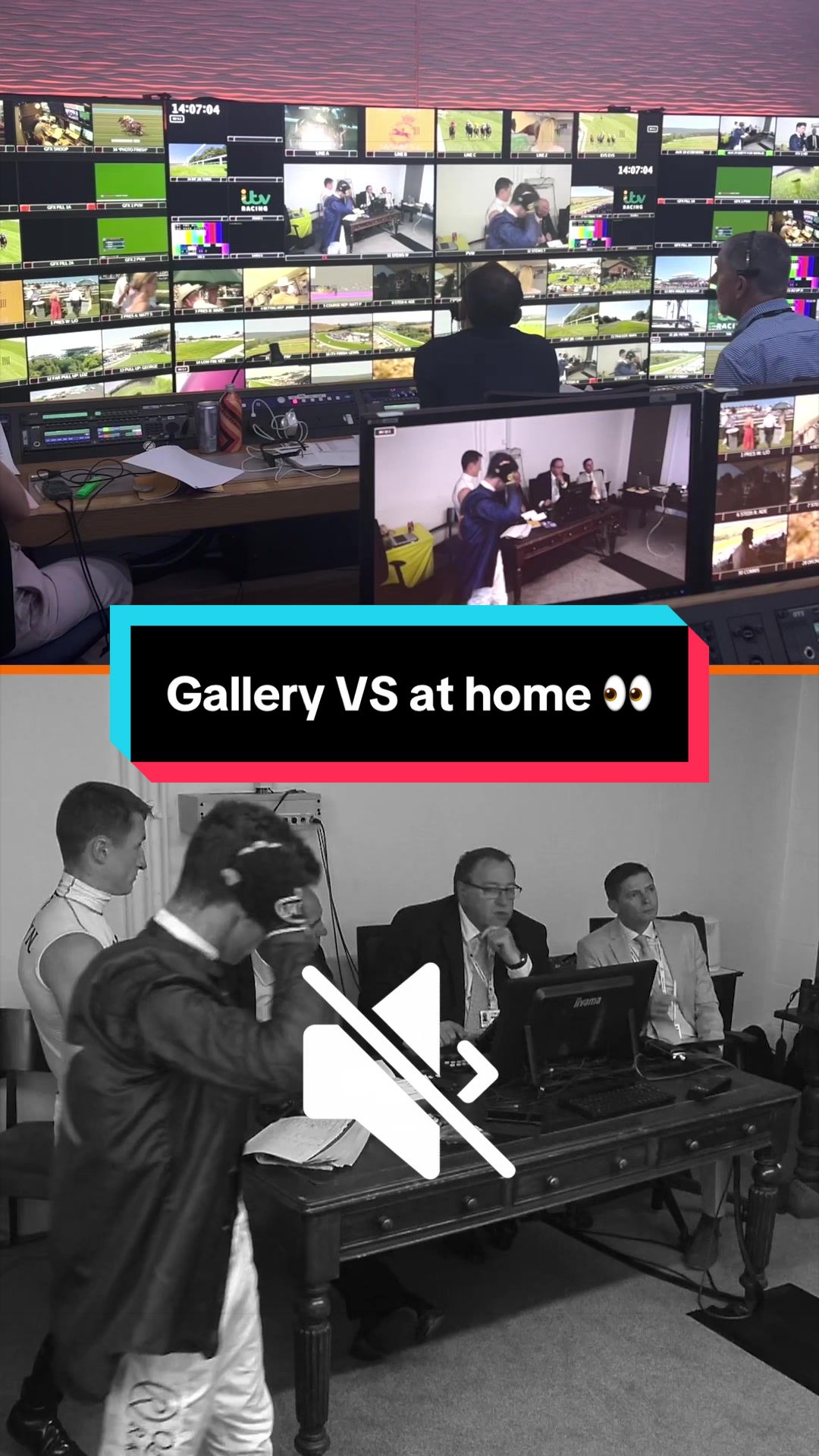
A different view to yesterday’s Stewards enquiry 👀

Perfectly explained by Francesca 🫶🏻

Keep an eye out for Adaay of Scarlett 👀
 Links
Links
 Contact
 App
App


