



Malaysia vs Laos: Sharpening the Attack (8:00 PM on July 28, live on FPT Play)



The 2-1 comeback win against Myanmar helped Malaysia begin their 2026 ASEAN Cup Group B campaign on a positive note. Nevertheless, the "Malayan Tigers" still need to improve in many areas, particularly their ability to capitalize on opportunities.
Tonight's match against Laos in Kuala Lumpur could be the perfect opportunity for Malaysia to refine their attacking moves, ensuring their forward line is in top form before facing tougher challenges in the remaining fixtures of the ASEAN Cup.
Malaysia's attack still has much to work on
In Yangon, Myanmar did not dominate possession or apply overwhelming pressure, but every counterattack from the home side left Malaysia's defense scrambling. More importantly, Malaysia had more of the ball but lacked sharpness in the final third. Numerous attacking moves were cut short by inaccurate passes or subpar finishing.
It wasn't until Paulo Josue stepped up in the second half that Malaysia turned the game around. However, even the away team's two goals did not come from well-structured attacking plays. The equalizer came from a set piece, where Mohamadou Sumareh headed the ball across for Josue to tap in from close range. The decisive goal was scored from the penalty spot after Sumareh himself won the spot kick. This partly reflects the reality that Malaysia has not created many clear-cut chances from open play.
After the match, head coach Tan Cheng Hoe admitted that Malaysia still has many weaknesses. The coach, who led Malaysia to the 2018 AFF Cup final, did not hide the fact that the players are not yet at peak physical condition following the preseason period, and he stated that the team needs one or two more matches to improve their chemistry.
This was also the assessment of Richard Scully, former technical director of the National Football Development Program (NFDP) of Malaysia. According to him, Malaysia had a positive start, but if they continue to perform as they did against Myanmar, they will face difficulties in earning points in upcoming matches. Scully praised the fighting spirit of the "Malayan Tigers" but emphasized that spirit alone is not enough to aim for the championship.
Malaysia boasts a mix of experience and youth. Naturalized players like Paulo Josue, Mohamadou Sumareh, Endrick, and Ezequiel Agüero continue to play key roles. However, the younger players are still in the process of development. The Malaysian squad for the 2026 ASEAN Cup includes nine players who have never been capped for the national team, and ten others with fewer than ten appearances. Notably, the starting defense against Myanmar had a combined total of just 14 caps.
To go far in the ASEAN Cup, Malaysia cannot rely solely on the brilliance of Josue or Sumareh. What they need more is a smoothly functioning attacking system that creates numerous chances and knows how to finish off opponents as soon as possible.
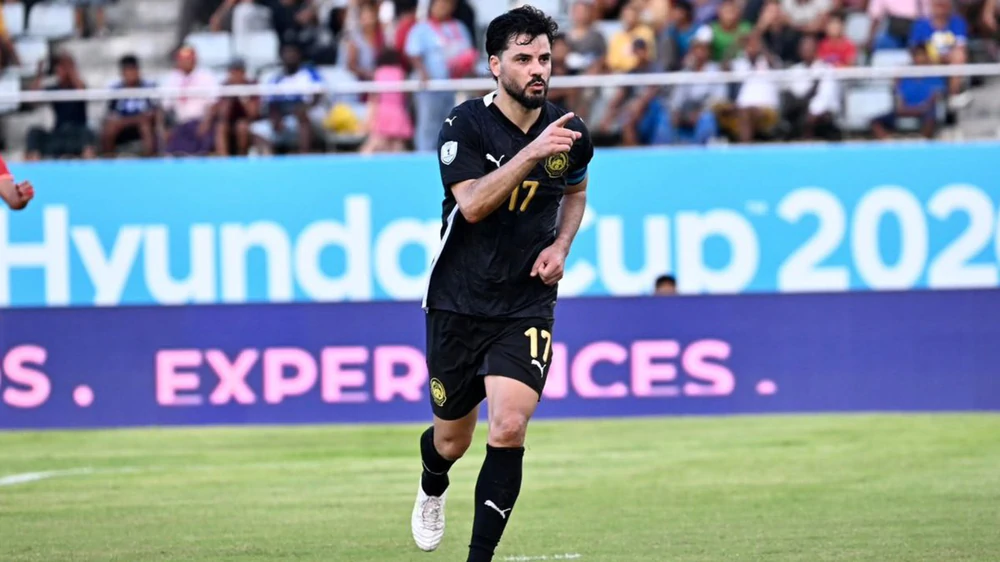
Malaysia cannot depend solely on a veteran like Josue
Laos is the perfect "sparring partner"
Laos just suffered a 0-5 defeat to Thailand in their opening match. The gap in quality between them and the region's top contenders remains significant, especially in defensive organization and handling pressure. This means Malaysia will enjoy a dominant position, controlling possession overwhelmingly and having many opportunities to approach the opponent's goal.
This is exactly what Tan Cheng Hoe needs most right now. Instead of merely aiming for a win, Malaysia should practice different attacking strategies. Combinations through the middle, exploiting the flanks, second-line runs into the box, and the effectiveness of one-touch finishes all need to be tested against a weaker opponent. In particular, coach Tan Cheng Hoe will want to see multiple players scoring rather than relying solely on Paulo Josue. A strong attack is not only measured by the number of goals but also by the diversity in approaches to goal.
Mohamadou Sumareh continues to be a player to watch. Although he did not score against Myanmar, the 32-year-old winger was the game-changer with two direct assists. After years of facing criticism since the 2022 King's Cup, Sumareh has delivered a perfect response with a performance as a "silent hero." If he maintains this form, he will be a crucial source of opportunities for Malaysia's strikers. Alongside Sumareh, Endrick also needs to showcase his playmaking and dead-ball abilities, while the young players must seize the chance to prove they can share the responsibility with their seniors. A win against Laos is a must. But equally important is the opportunity to sharpen the attack in preparation for greater challenges ahead.


Wonderfulshortvideo

vinicius junior transfer real madrid arsenal vini here we go arsenal news today real madrid news today ronaldo real madrid ronaldo edit



A sneak peak at yesterdays opener 👀

Think we might side with Francesca’s idea 😂

The highs & lows of racing 🐎

A different view to yesterday’s Stewards enquiry 👀

Perfectly explained by Francesca 🫶🏻

Keep an eye out for Adaay of Scarlett 👀
 Links
Links
 Contact
 App
App


