



Only by understanding the difficulties faced by the girls can we avoid squandering the "good hand" of women's youth football training.



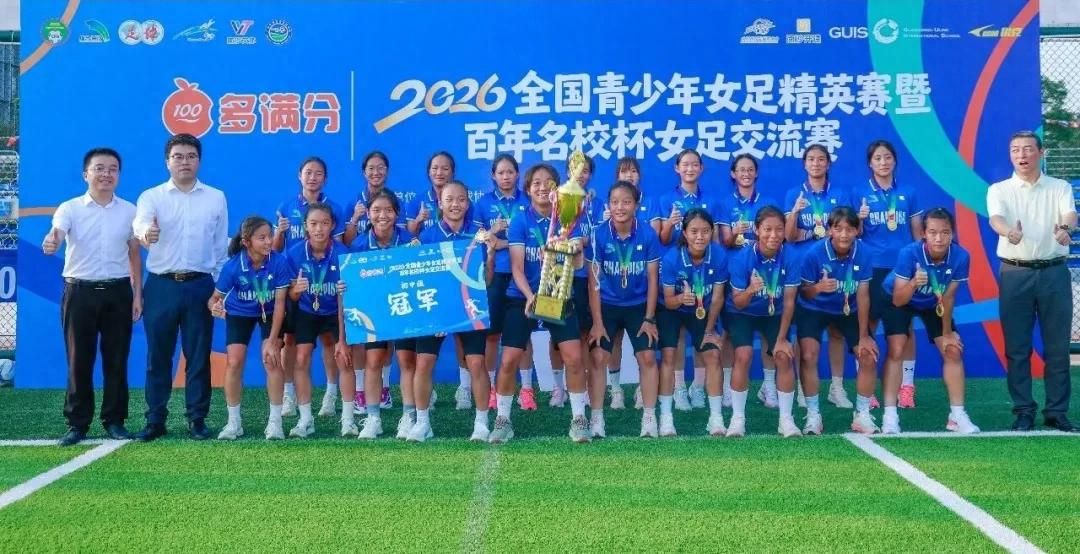
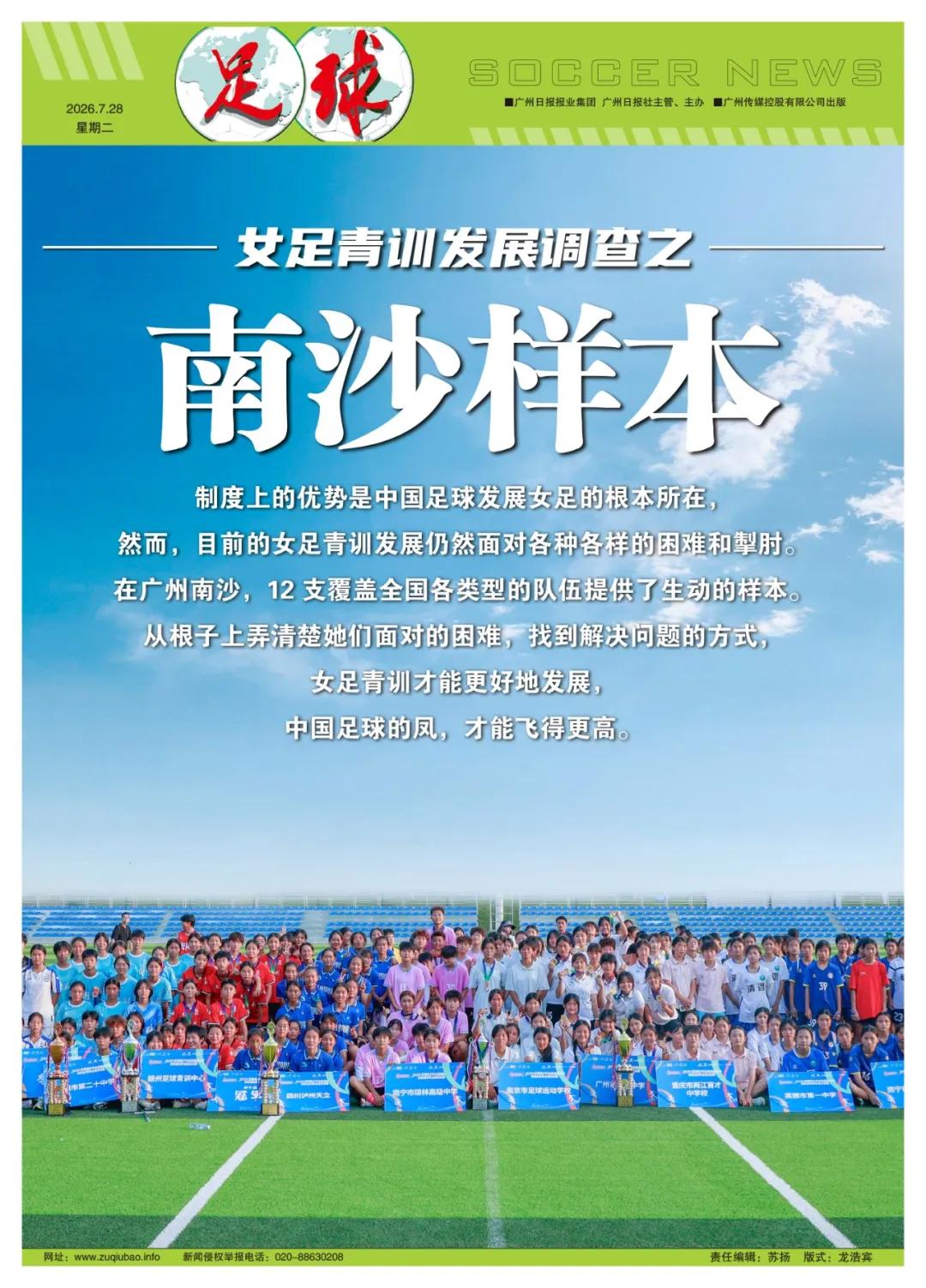
Written by Nan Nan Before Typhoon Red Cloud made landfall, the entire Guangdong region was shrouded in a dry, hot air mass. On July 24, during the award ceremony of the 2026 National Youth Women's Football Elite Tournament and the Centennial Schools Cup Women's Football Exchange, Chen Hua, the coach of the junior high school champions, braved nearly 38°C heat to capture pictures of her team, brimming with smiles and the thrill of winning the championship.
In Nansha, twelve women's football teams from across the country gathered, representing various types: top campus teams, municipal sports school teams, provincial teams under the integration of sports and education, and teams from pilot areas in the western region combining sports and education. This essentially covered all the current categories of women's youth football training in China.
These over 300 girls and dozens of coaches are the most direct participants in the current stage of Chinese women's youth football. This group provides the most vivid Nansha sample for the investigation into the development status of Chinese women's youth football.
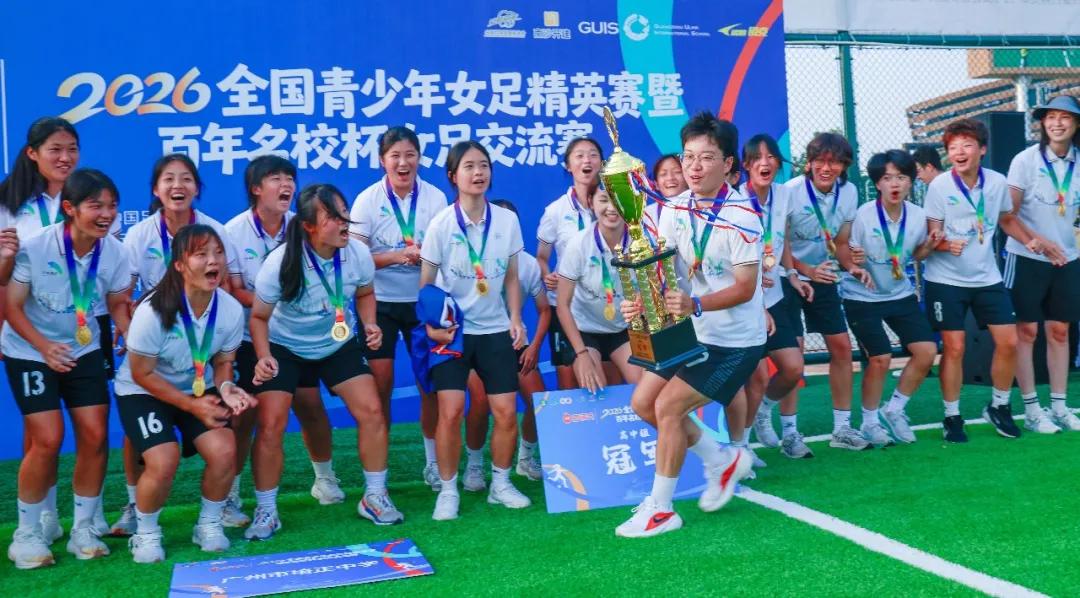

Chen Hua, head coach of Luzhou Tianli School in Sichuan, and Wang Junji, head coach of Chongqing Liangjiang Yucai Middle School, are both former professional athletes. Chen Hua represented Sichuan in the National Games, winning a bronze medal, while Wang Junji was a childhood teammate of Huang Xiyang, sleeping in bunk beds. Both Chen Hua and Wang Junji were asked the same question: compared to when they played, are there more or fewer girls playing football now?
Chen Hua's answer was that there are more. "When we played, there were relatively fewer girls. Now, through football, girls can enter university, and more universities are available for them to choose from. So not only the children but also parents' mindsets are changing." To the same question, Wang Junji gave a different answer and cited an example: "My child's homeroom teacher told me that a few years ago, when asked who wanted to play in the class league, many children raised their hands, both boys and girls. Now, no one volunteers. Many kids have switched to badminton and table tennis."
Both Chen Hua and Wang Junji were talking about the talent pool, but their answers differed because they viewed the issue from different perspectives. Chen Hua was comparing it to over 20 years ago when she participated in the National Games, while Wang Junji was referencing the peak of campus football a few years ago. Both phenomena are real. Over the long term of 20 years, the channels for university high-level sports teams have expanded, and parents' mindsets have changed—these are real increments. However, the contraction Wang Junji observed is also real: many places have limited investment in campus football, and relying solely on the financial support of 38 districts and counties in Chongqing to sustain campus football is unrealistic.
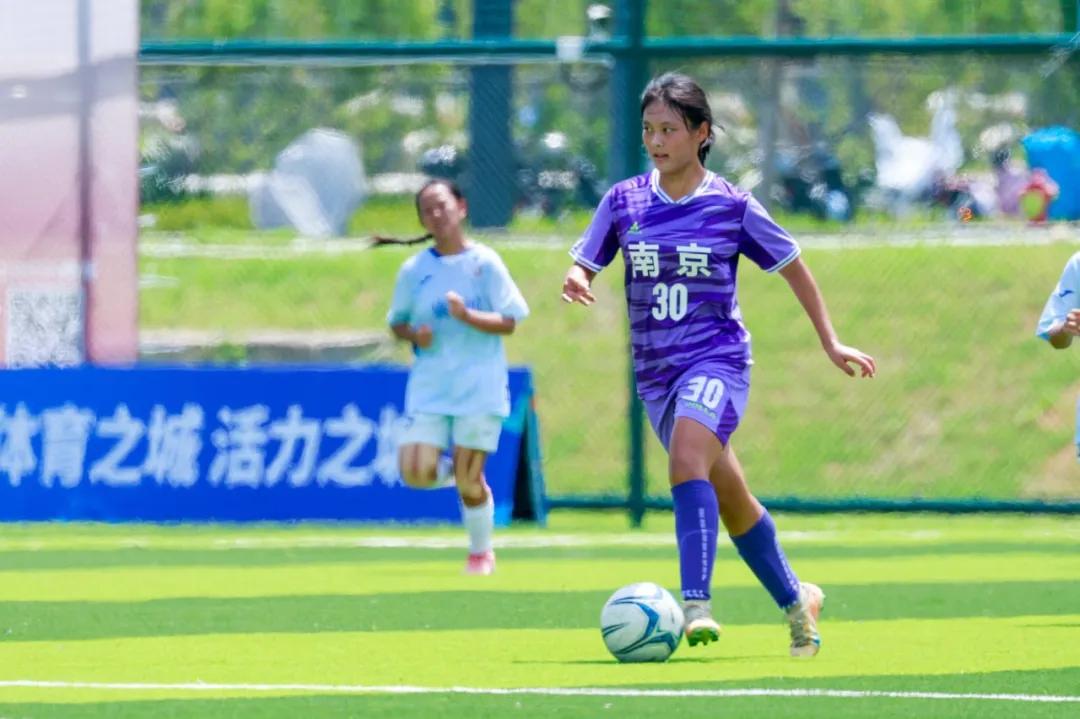
If Sichuan and Chongqing represent the western region, then Jiangsu Province, from the southeastern coast, provides another set of data. According to statistics for the 2009/10 age group, there are only eight teams of this age in the entire province. The reason is not hard to understand: this age group is not in the National Games cycle. If we lower the age group by one level, there are ten teams in Jiangsu, and even more as we go further down, because it aligns with the rigid demand of the National Games. From the perspective of football development, the base of the pyramid should theoretically be much wider than the top, but the rate at which each layer narrows determines how many people eventually remain at the apex. The rigid demand for team formation in the National Games age group becomes the core factor determining the width of a certain layer of the pyramid, while other layers often have to make sacrifices, unless there are top-tier talents in that layer.
Liu Yuxiang, head coach of Nanning Qionglin Senior High School, put it more bluntly: "In Guangxi, we have very few candidates to choose from, and some of those selected may not even be able to come." Li Yi, from Chongqing Banan Middle School, added from another perspective: "Our school isn't very famous, and compared to prestigious schools, we have no advantage. This makes our talent pool even narrower." Almost all coaches are talking about a narrow talent pool, but in different ways—so this is not simply a question of "more or fewer girls playing football," but a problem of structural imbalance.
The data from Zhidan County further illustrates the issue. This northern Shaanxi county is a national dual pilot area for football, with over 6,000 people participating in training year-round, 64 school-level representative teams, and a campus football penetration rate of 30%—a figure that holds up well compared to any county in the country. However, the same document also states: only 21% of township teams participate in the league; a large number of rural talents cannot enter the county-level elite selection pool; 13 township teaching points have no full-time football coaches; and 78.3% of township teachers have not received systematic football-specific training. Within the same county, the gap between urban and rural areas is enormous.
Therefore, the real issue is not the quantity, but where the shortage lies. The answer is: in townships and underdeveloped areas. Let's think from another angle: if the gap in a pyramid is concentrated precisely at the bottom, then every layer above may be affected.
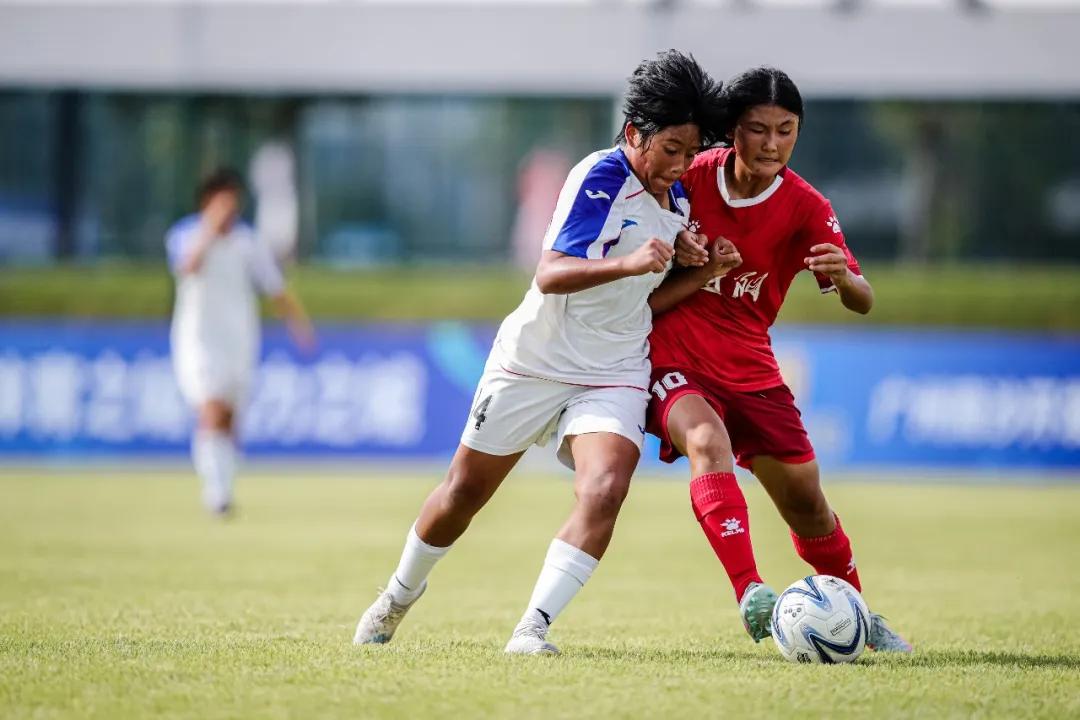

Yingde No.1 Middle School in Qingyuan, Guangdong, once produced Zhao Lihong, one of the representatives of Guangdong women's football during the "Steel Roses" era. This school in the mountainous northern Guangdong region had the most glorious years of women's football, but now their training sessions are split into two halves.
"We spend half the time practicing football, and the other half on the content of the single-exam and single-recruitment system for sports," said Li Tao, the team leader of Yingde No.1 Middle School, his tone calm, as if describing an unavoidable fact. Since Yingde No.1 Middle School only has a high school division, Li Tao has to passively accept players sent up from junior high schools. The coaching staff must spend a year training and integrating the team. Passive acceptance is like relying on the weather: if a batch of good talents comes in, results are good; once a talent gap appears, performance quickly declines.
Starting in 2025, competitions under the education system no longer award athlete grade certificates. Due to the huge gap in strength with strong teams from Guangzhou and Shenzhen, the chances of women's football players obtaining these certificates are getting smaller and smaller. Without a grade certificate, they are not eligible for the single-recruitment system. Without that qualification, these girls who have trained in football for seven or eight years end up with nothing, as if they never trained at all.
"Without the certificate, they actually lose one path. In fact, it's almost meaningless to keep training now," Li Tao said. He mentioned that some students begin to "fake injuries" to avoid training: "They say they hurt here or there, drag their feet during endurance runs, go through the motions during skill drills, and just waste the day's training time." Li Tao can understand the confusion of these girls, but there is little he can do.
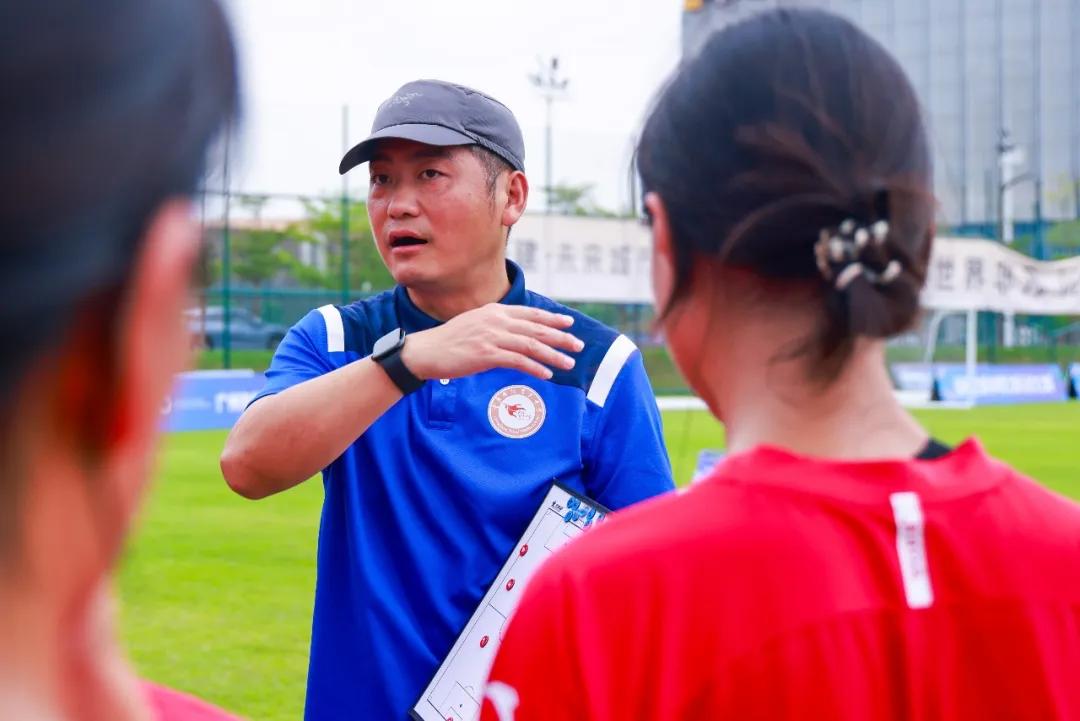
Wang Junji put it more bluntly: the grade certificate is the "Achilles' heel" of the entire campus football youth training system. "Many children play football for two reasons: either to pursue a professional career or to use football to enter higher education. If they can't guarantee a professional path, they should at least have the opportunity to go to university." This statement is harsh, revealing the straightforward logic behind countless families sending their daughters to play football. There is passion and dreams, but they need a certificate as a safety net.
Liu Yuxiang saw the endpoint of this logic. "If we can't get this certificate in the future, fewer and fewer people will play football." The Qionglin Senior High School he coaches still has matches registered with the Guangxi Sports Bureau, such as the city championships, the Champions Cup, and the autonomous region games, which can issue grade certificates. Additionally, his team is strong—this year they narrowly lost on penalties in the quarter-finals of the National High School League Finals to the traditional powerhouse, Licheng No.2 Middle School in Jinan. Precisely because Liu Yuxiang knows he still has opportunities, he can foresee the vicious cycle others are slipping into: "The worse the performance, the fewer the rankings, and the harder it becomes to recruit."
Zhuo Linghua from Guangzhou Peizheng Middle School considers herself "lucky" when describing her post-retirement experience. Zhuo is a former Guangdong women's football player who retired at 23. Now she is the head coach of Peizheng Middle School, holding a card that no other school has: the "Leading Dragon Plan." This is a recruitment policy from the Guangzhou Education Bureau, specifically for Peizheng and Zhixin Middle Schools, which focuses more on elite football skills. The policy relaxes, to some extent, the restrictions on high schools recruiting students with exceptional football talent.
Is it a dead end, or is someone there to support you? That's the difference. In the same campus football system, the athlete grade certificate is the engine driving the system, but also its Achilles' heel. When a single certificate determines whether a child's seven or eight years of investment will pay off, football may no longer be football, but a gamble. If you win the bet, great; if you lose, you might just return to the classroom and never touch football again.
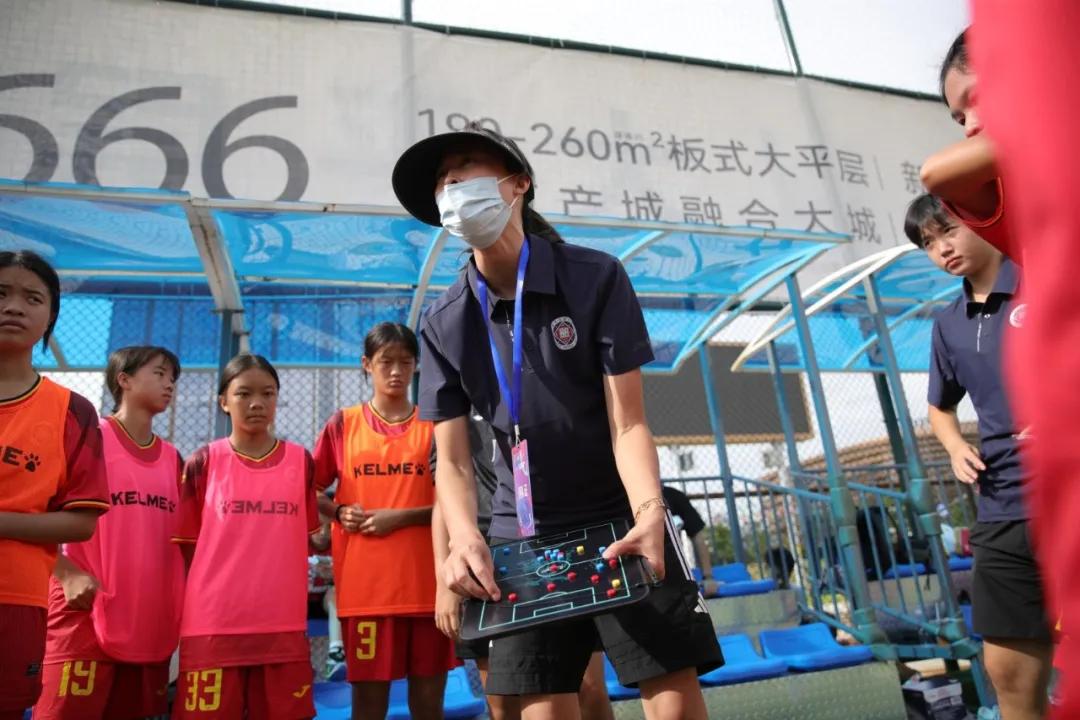

In Nansha, there are active U17 national team players and nearly 20 players who have been selected for national training camps at various levels. But behind this glory lies another layer worth pondering. Many teams are established for the provincial games and National Games. Once that goal is removed, no one knows what the future holds for those girls.
In a team about to compete in the provincial games, many players still don't know that some of them might gradually leave football two weeks later if they are not selected for the province's National Games team. In fact, no matter the province, there are always stronger players, and most cannot make the National Games team. A coach said: "The strong ones can still play in the Women's Second Division or First Division, but the weaker ones can only go back to school to play in the Mayor's Cup or Governor's Cup. For athletes at their level, those games basically don't matter anymore." Seven or eight years of training, and the end result might be "doesn't matter."
In fact, even if they make the National Games team, the girls face an even harsher elimination mechanism. The roster of the national training camp changes little over long periods, cycling through just a few dozen people. In the 28-player U17 women's training camp list announced by the CFA on July 9, there were six new faces, but none exceeded the existing elite athlete list. The harsh reality for most women's youth football players is that if they don't make the national team target list and don't make the National Games team, few people pay attention to their situation.
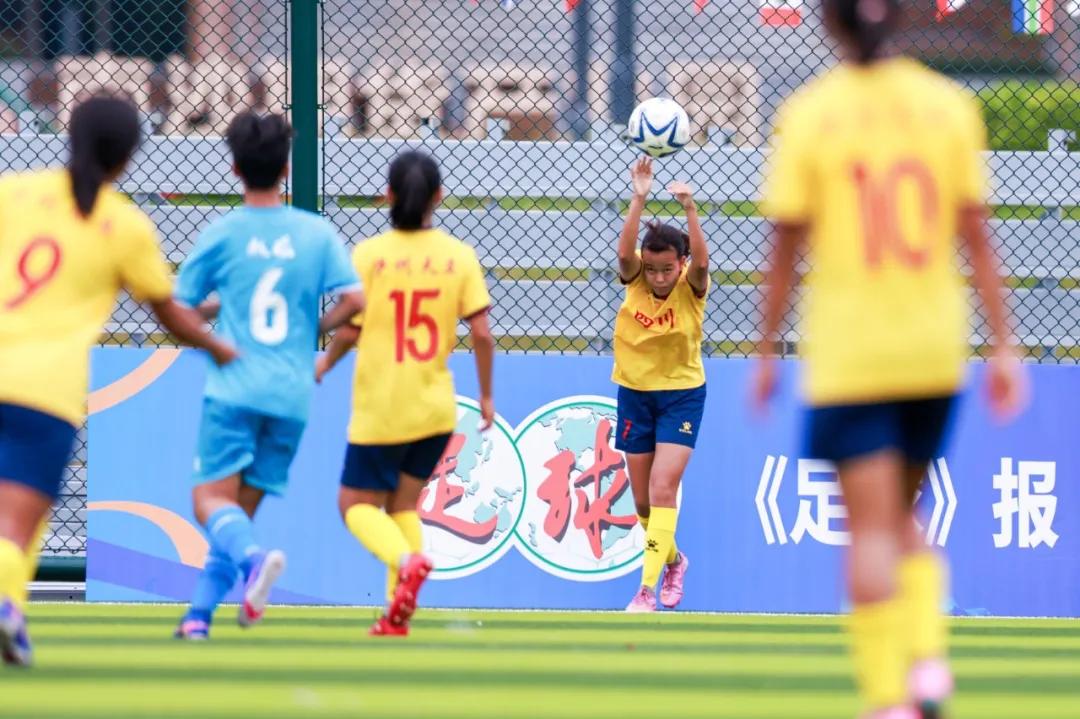
Even more awkwardly, even if they are circled by the national team list, the children and their parents must make choices, not to mention the coaches. A girl from Chen Hua's team was selected for a national team camp, and the training notice was sent to the team. Then Chen Hua encountered difficulties. Normally, a grassroots coach who develops a national team player should feel proud, but the reality forced Chen Hua to utter the words "too difficult."
"The training is aimed at making the national team, but the competition and training camp model definitely affects the child's studies. Parents have their own ideas, and it's really hard to convince them," Chen Hua said. "Too difficult" is not a complaint; it's her confusion. She herself was a professional player, a bronze medalist in the National Games, and she knows the professional path better than anyone. But because she knows it so well, she can better understand the parents.
"I've coached many kids. When they first join the team, they all shout that they want to go to the national team. But by the time they turn 15, they start to hesitate. Some don't have the ability to reach the national team standard; some just want to get into a good university," Chen Hua said. "Having a body full of injuries is not easy for anyone. You have to give up a lot, especially for women—marriage and children are things to consider." Chen Hua herself has walked this path, so she won't say "don't take this path," but she respects everyone's choices.
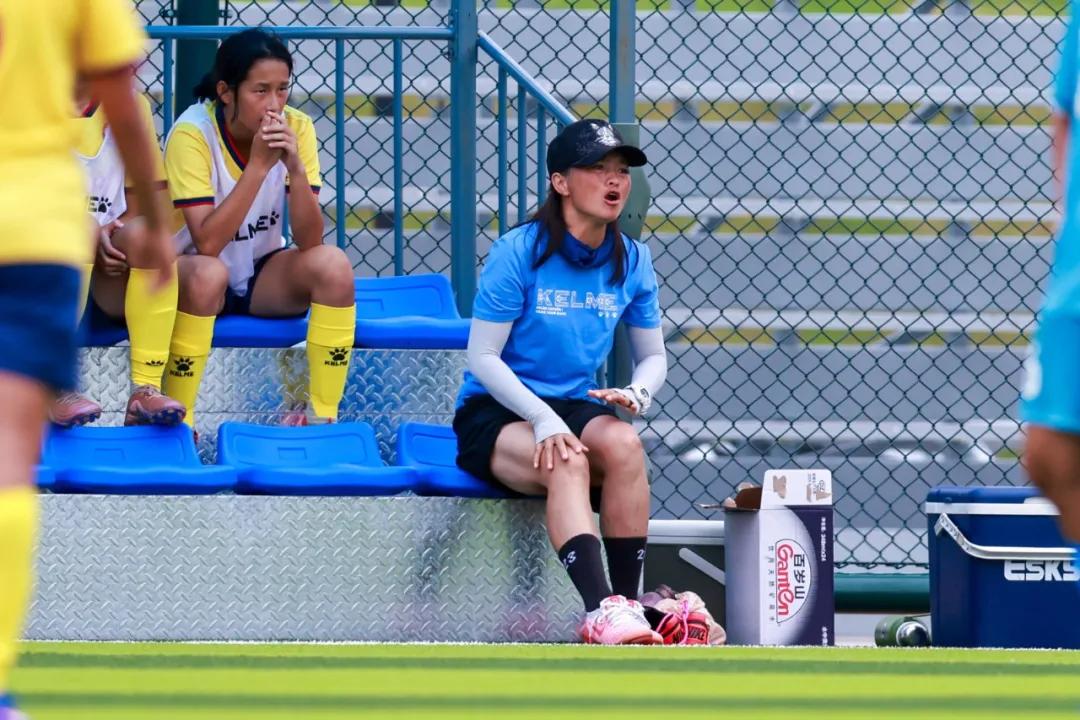

In the past month, Liu Yuxiang hardly went home. Starting in mid-June, he first went to Kunming for the second stage of the Youth Cup, then from Kunming to Dingnan, Jiangxi, for the national high school league finals, then to Yuxi for the National U18 Women's Football Championship. Before coming to Nansha, he took the team back for a week of training, then left again.
This is the direct consequence of the tournament system. Competitions are concentrated in a short period, and coaches and players are exhausted, rushing from one tournament to the next without time to digest the problems exposed in matches. "A whole month of matches—you find some problems, but there's no time to solve them through training. Then you might just solve one problem, and immediately have to deal with the next. When you go out to play matches, you repeat the same mistakes."
The phrase "repeating mistakes" is the biggest cost of the tournament system. In fact, the number of high-level youth women's football matches is not small. Wang Junji calculated that his team plays about 20 to 30 high-level official matches a year, but unfortunately, these are not league matches. "In a tournament format, you might have 6 matches in the first half, 7 in the middle, and 10 in the second half." The 20-plus matches are spread across several tournament-style events, each lasting 10 days. For the remaining 11 months, Wang Junji's team is in training. "Under this format, we cannot have sustained, stable opportunities for high-level matches."
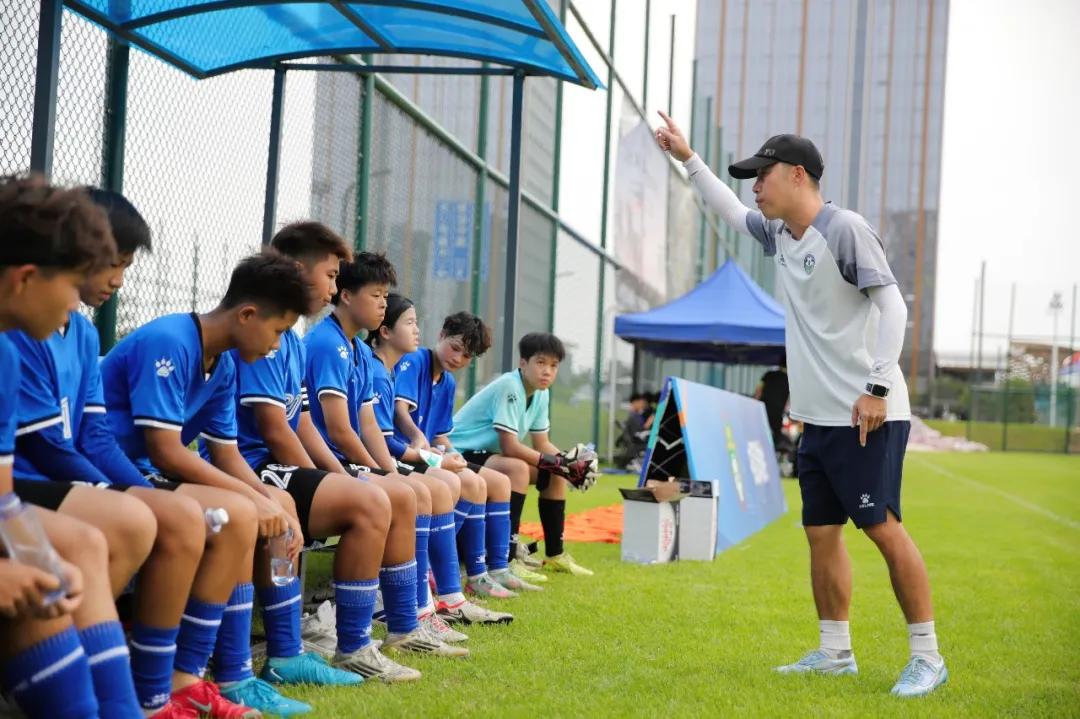
Stability—this is the most essential difference between a league system and a tournament system. In a league, you play once a week, then have time to review, train, and improve. The next match tests the effect of those improvements. In a tournament, you play 6 matches in 10 days, then it's over. Problems remain unresolved, and you repeat them in the next tournament. That's how the "repetition" Liu Yuxiang described comes about.
Chongqing's men's youth football has already begun to change this situation. Wang Junji introduced that the Chongqing Football Association is holding a youth league, allowing men's teams to have matches every week. "Men's football has this trend, but women's football does not yet," he said flatly. Time will change everything, but time is fair: some benefit, and some sacrifice.
Chen Yonglin from Chongqing Banan Middle School did the math. His school's team plays about ten official matches a year, mainly within Chongqing. "This is our first time participating in a tournament of this scale and level, like Nansha," he said. A team that has trained for four or five years is playing outside the province for the first time. Li Yi added only one sentence: "I hope our girls can get more match opportunities."
Sun Wen, Vice Chairman of the Chinese Football Association, said in an interview with Xinhua News Agency in November 2025: "We especially hope that some places can truly establish youth leagues. If a populous province could have five or six elite teams in an age group playing regular matches, coaches could also grow with the team and provide better guidance to players. But for now, it's still relatively more training and less playing, with too few high-quality matches." In fact, many provinces and cities still treat women's youth football as a mere formality: just play 6 matches in 10 days, complete the task, get a ranking, get a certificate, and then go home. As for the problems exposed in matches—the mistakes that will be repeated in the next tournament—few people care besides the coaches.

Wang Junji once suggested to his school leaders that they hire temporary teachers, such as college students specializing in football, to help with training. He thought this would be a win-win move, providing an outlet for football students. The leaders agreed with the idea but did not approve it: "We haven't even solved the problem of language, math, and English teachers." That's the reality.
"We are also troubled by a lack of funds," Wang Junji said. Liangjiang Yucai spends about 100,000 yuan a year on football. 100,000 yuan—can that cover the annual training, matches, equipment, and gear for a women's team spanning both junior and senior high school? Definitely not. "In many cases, parents pay for the trips to matches."
If Liangjiang Yucai represents campus football, then Zhidan County, as a pilot area for the integration of sports and education in the western region, is even more representative. Zhidan County's official report presents another set of figures: the county's cumulative investment in football exceeds 60 million yuan, of which 10 million is specifically for youth training—this is the total accumulated over several years. Averaged annually and distributed across the county's 84 school-level representative teams and over 10 county-level echelon teams, the resources each team receives are easy to imagine. Additionally, the report states: "95% of the county's football undertakings rely on financial input, with narrow channels for social capital participation."
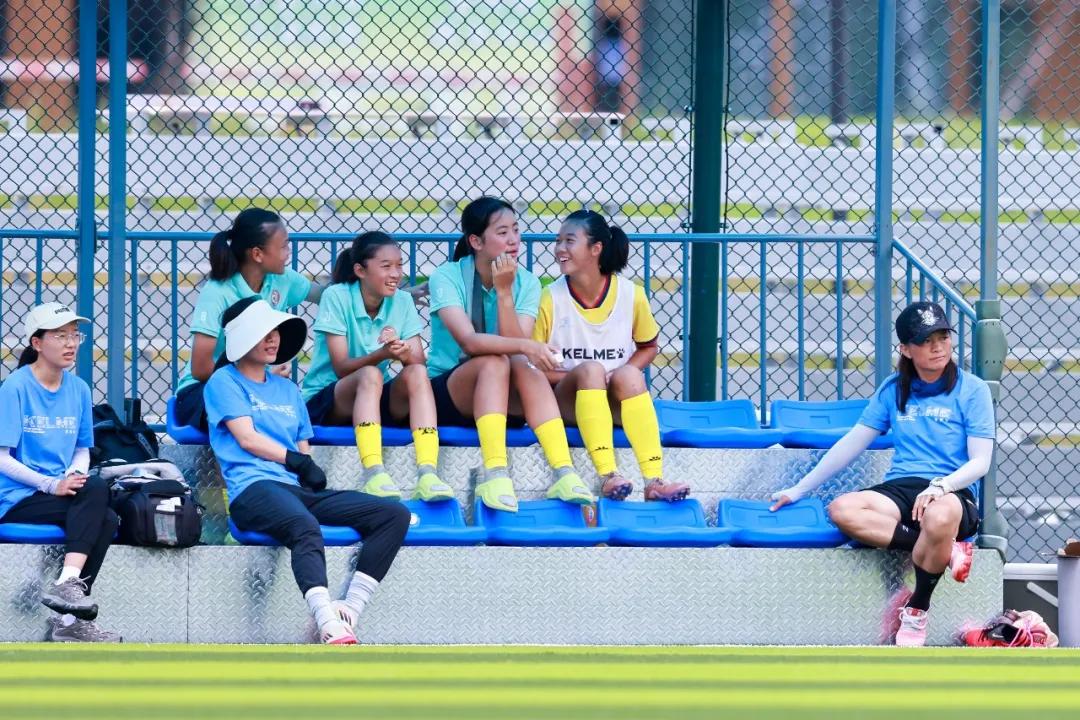
Money is a problem, but the coach problem is more direct than money. Wang Junji's school has only him as a full-time coach for the women's team; the rest are temporary. He wants to hire female coaches, but there are inconveniences in management when a male coach coaches a women's team—no need to elaborate. Nansha provides a direct observation sample. Among the 12 participating teams, only Luzhou Tianli has an all-female coaching staff; Peizheng has a female head coach; the Nanjing team has one female assistant coach; Zhidan has one female team leader and coach; the rest are all male. Chen Wanting, a former head coach of the national women's team, said after the National Games: "It's hard for female coaches to find jobs. Men's teams rarely use us, and there are still so many male coaches in women's teams." Among the 12 Women's Super League teams, only four have female head coaches. If it's like this in the top league, the proportion of female coaches in grassroots youth training can only be lower.
Zhidan County's official report writes most clearly about the plight of grassroots coaches. There are 52 D-level and above certified coaches, which sounds like a lot, but "in the past three years, nine outstanding young full-time coaches have left for Xi'an, Yulin, and other places." The report states the reason: "Policies for coach incentives, rewards, and professional title evaluations are not well-established; details such as professional title preferences and training subsidies have been implemented slowly."
A county in northern Shaanxi, after years of building a relatively complete county-level campus competition system, constructing 37 standard pitches, hiring a Korean coach, and appointing Lee Jang-soo as honorary principal, still lost nine local coaches in three years due to insufficient salary and lack of institutional attractiveness.
In fact, this statement applies to the entire grassroots women's youth training system. A team with an annual budget of 100,000 yuan cannot retain coaches, nor can a team with 800,000 yuan. A coach bluntly said that former professional players are unwilling to coach women's football. Grassroots coaches may not be the most visible problem in the youth training system, but it might be the most fundamental: when there aren't enough people on the training ground, and those who are there are not stable or high-quality enough, all institutional designs will be diluted at the execution level.
Nevertheless, some people continue to dedicate themselves to women's youth football. Chen Hua is one, and so are her assistant coaches. When asked why, she said, "I always feel that as long as we persist, we will see hope." It is precisely because she has seen all the problems that she still persists. This is the true story of the grassroots of our women's youth training: it's not that they haven't encountered difficulties, it's that there are still people persisting in the midst of those difficulties.
It is precisely by understanding these difficulties and phenomena that we can better know how not to waste our institutional advantages in women's football, and how not to squander the good hand we hold.


Wonderfulshortvideo

vinicius junior transfer real madrid arsenal vini here we go arsenal news today real madrid news today ronaldo real madrid ronaldo edit



A sneak peak at yesterdays opener 👀

Think we might side with Francesca’s idea 😂

The highs & lows of racing 🐎

A different view to yesterday’s Stewards enquiry 👀

Perfectly explained by Francesca 🫶🏻

Keep an eye out for Adaay of Scarlett 👀
 Links
Links
 Contact
 App
App


