



Why can Chinese women's football take the lead?



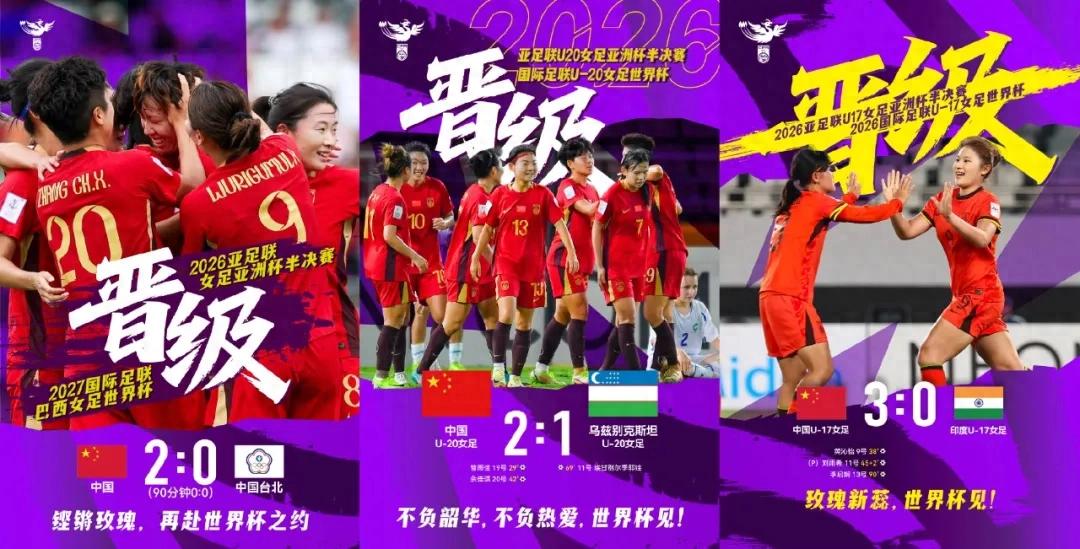
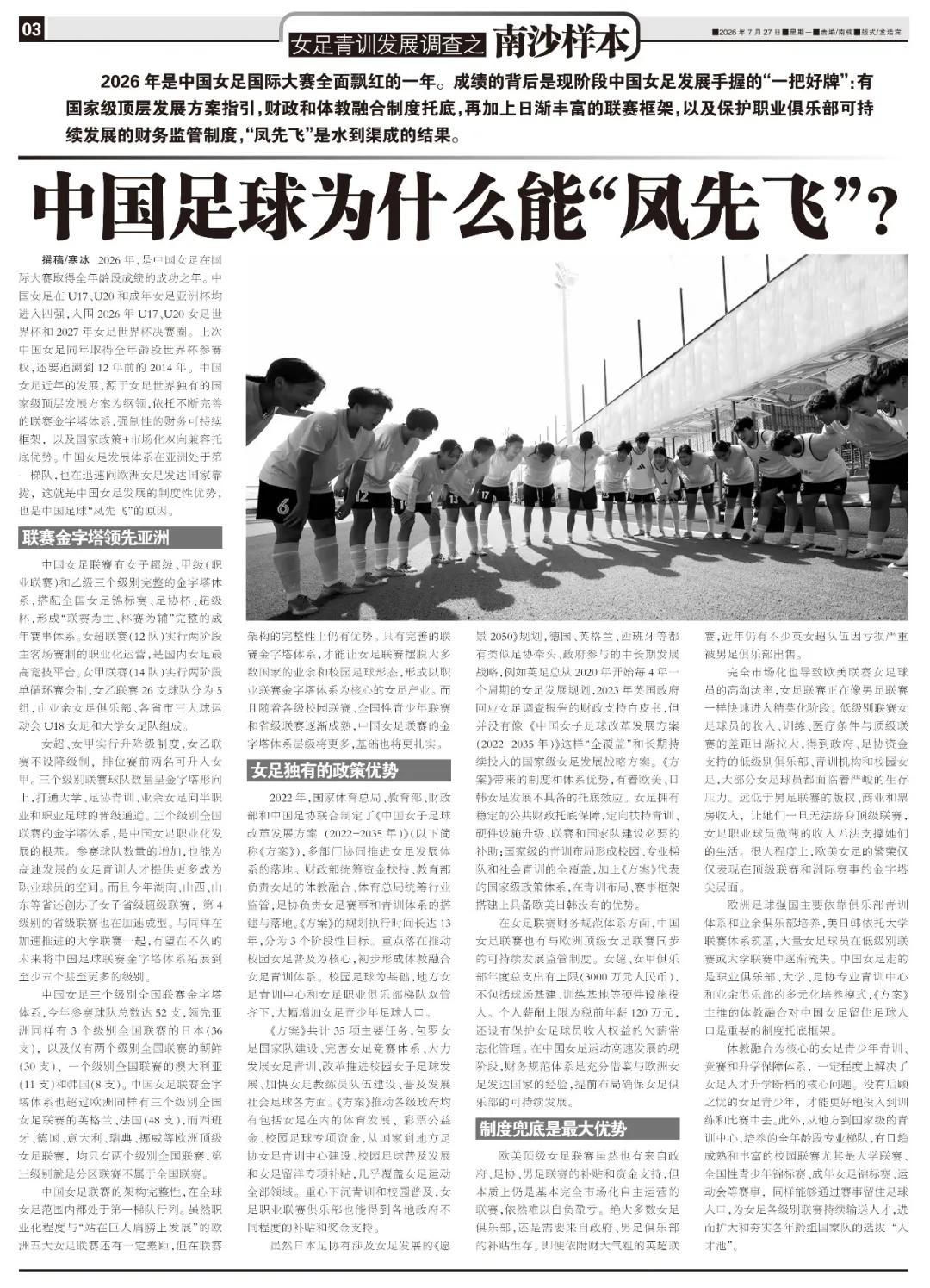
Written by Han Bing 2026 is a triumphant year for Chinese women's football at the international level across all age categories. The Chinese women's teams in the U17, U20, and senior Asian Cups all advanced to the semifinals, earning spots in the 2026 U17 and U20 Women's World Cups and the 2027 Women's World Cup. The previous occasion when Chinese women's football secured World Cup berths for all age groups in the same year dates back to 2014, 12 years ago. The recent progress of Chinese women's football stems from the world's only national-level top-down development plan as its guiding principle, relying on an increasingly complete league pyramid system, a mandatory financial sustainability framework, and a dual-support advantage of national policies and marketization. The Chinese women's football development system is in the top tier of Asia and is rapidly catching up with developed European women's football nations. This institutional advantage is the reason why Chinese women's football can "take the lead."

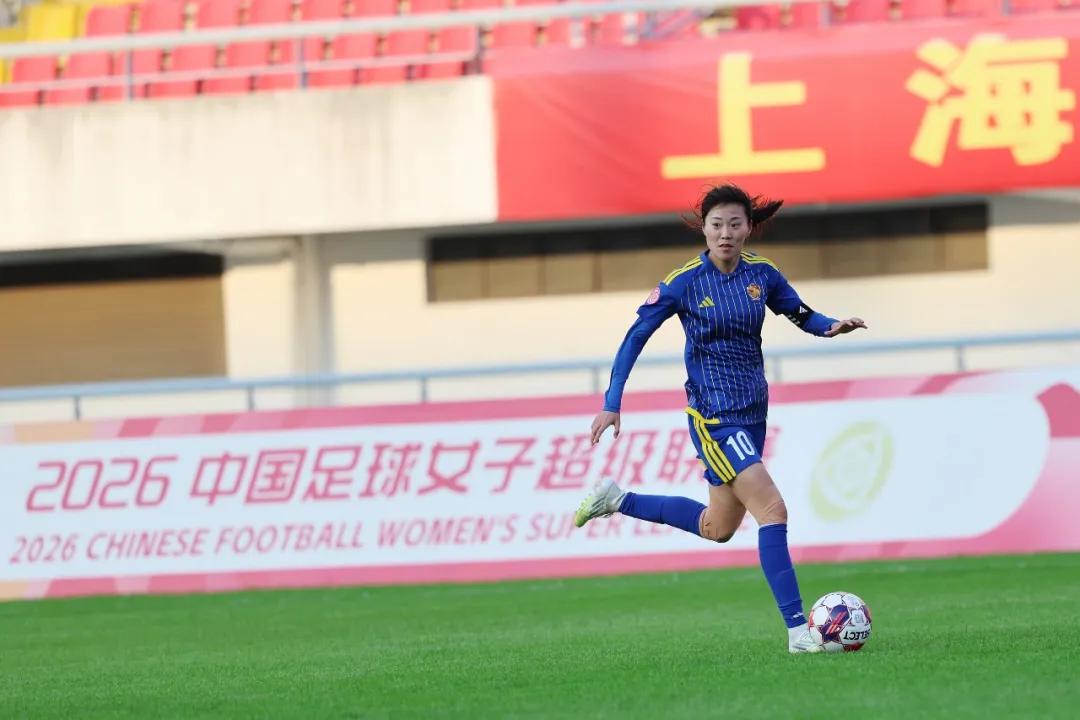
The Chinese women's football league system consists of three tiers: the Women's Super League, the Women's First Division (professional leagues), and the Women's Second Division, forming a complete pyramid. This is supplemented by the National Women's Football Championship, the FA Cup, and the Super Cup, creating a comprehensive adult competition system with "leagues as the mainstay and cups as supplements." The Women's Super League (12 teams) operates with a two-stage home-and-away format as a professional league, serving as the highest platform for women's football in China. The Women's First Division (14 teams) uses a two-stage single round-robin tournament format, while the Women's Second Division comprises 26 teams divided into 5 groups, consisting of amateur women's football clubs, provincial U18 women's teams from the Three Major Ball Games Games, and university women's football teams.
The Women's Super League and Women's First Division implement a promotion and relegation system, while the Women's Second Division has no relegation mechanism; the top two teams in the final ranking can be promoted to the Women's First Division. The number of teams in the three league levels forms an upward pyramid, opening up pathways for universities, FA youth training, and amateur women's football to transition into semi-professional and professional football. This three-tier national league pyramid is the foundation of the professionalization of Chinese women's football. The increase in the number of participating teams also provides more opportunities for the rapidly developing youth talent to become professional players. Moreover, this year, provinces such as Hunan, Shanxi, and Shandong have established provincial women's super leagues, and the fourth-tier provincial leagues are also accelerating their formation. Together with the advancing university leagues, this is expected to expand the Chinese football league pyramid to at least five or more levels in the near future.
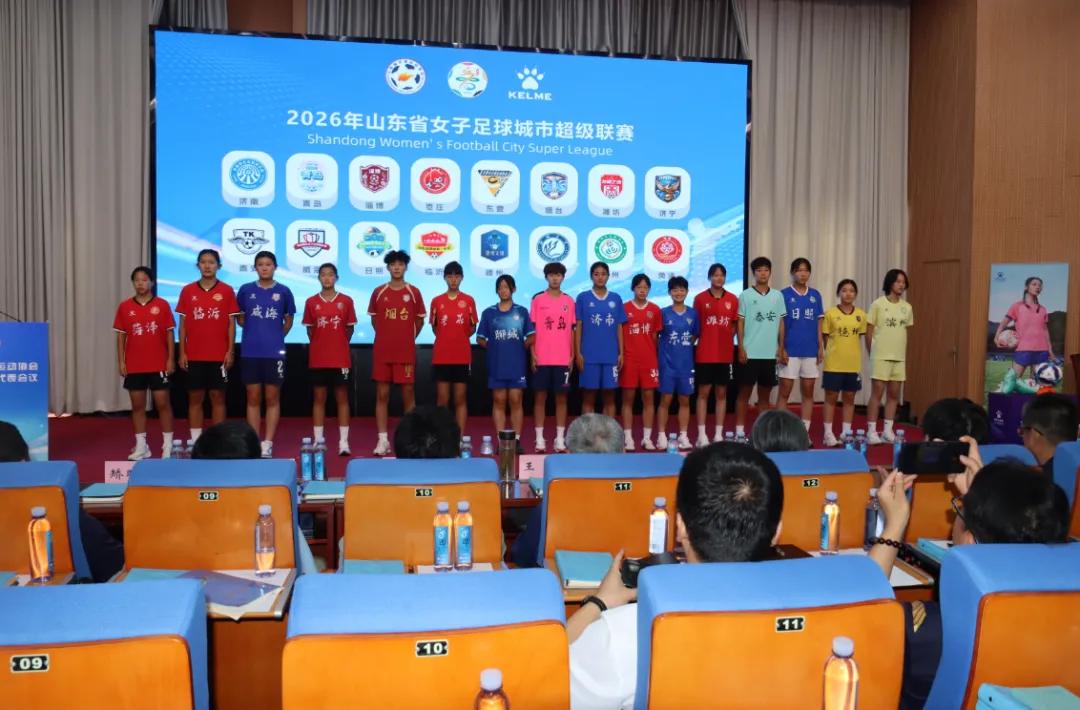
The Chinese women's football three-tier national league pyramid includes a total of 52 teams this year, surpassing Japan (36 teams), which also has three national league levels, as well as North Korea (30 teams, two national league levels), Australia (11 teams, one national league level), and South Korea (8 teams, one national league level). The Chinese women's football league pyramid also exceeds that of European countries with three national women's league levels, such as England and France (48 teams each), while top European women's football leagues in Spain, Germany, Italy, Sweden, and Norway only have two national league levels, with the third level being regional leagues that are not part of the national system.
The structural completeness of the Chinese women's football league places it in the top tier globally. Although there is still a gap in professionalization compared to the top five European women's football leagues, which have developed on the shoulders of their male counterparts, China still has an advantage in the completeness of the league structure. Only a well-established league pyramid system can lift women's football out of the amateur and campus football forms seen in most countries and build a women's football industry centered on a professional league pyramid. As various campus leagues, national youth leagues, and provincial leagues mature, the pyramid of the Chinese women's football league will have more levels and a stronger foundation.

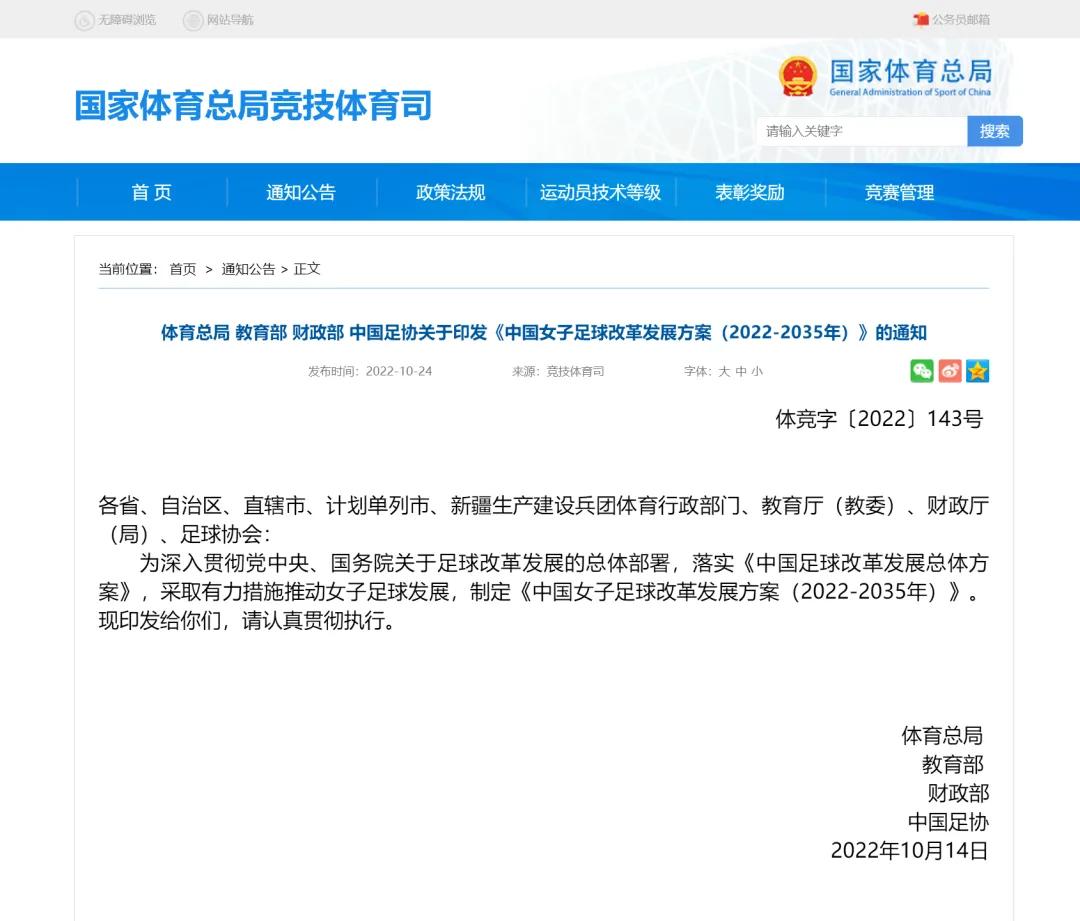
In 2022, the General Administration of Sport of China, the Ministry of Education, the Ministry of Finance, and the Chinese Football Association jointly formulated the "Chinese Women's Football Reform and Development Plan (2022-2035)" (hereinafter referred to as the "Plan"), with multiple departments working together to implement the women's football development system. The Ministry of Finance coordinates fund allocation, the Ministry of Education manages the integration of sports and education for women's football, the General Administration of Sport oversees industry regulation, and the CFA is responsible for establishing and implementing women's football events and youth training systems. The Plan's execution timeline spans 13 years and is divided into three phased goals. The focus is on promoting the popularization of campus women's football as the core, initially forming a youth training system that integrates sports and education. With campus football as the foundation, local women's football youth training centers and professional club youth teams work together to significantly increase the youth football population of women's football.
The Plan includes 35 main tasks covering all aspects: building national women's football teams, improving the women's football competition system, vigorously developing youth training, reforming and promoting campus women's football development, accelerating the construction of women's football coaching staff, and popularizing social football. The Plan ensures that governments at all levels allocate funds for sports development, including women's football, as well as lottery public welfare funds and campus football special funds. These funds support the construction of women's football youth training centers from national to local levels, the popularization and development of campus football, and special subsidies for overseas training of women's football players, covering almost all areas of women's football. With the focus on grassroots youth training and campus popularization, women's professional league clubs also receive varying degrees of subsidies and bonuses from local governments.
Although the Japan Football Association has a "Vision 2050" plan for women's football development, and countries like Germany, England, and Spain have similar medium-to-long-term strategies led by football associations with government participation—for example, the English FA's four-year cycle of women's football development plans starting in 2020, and the UK government's 2023 white paper on financial support in response to the women's football report—none of these are as comprehensive and long-term as the "Chinese Women's Football Reform and Development Plan (2022-2035)." The institutional and systemic advantages brought by the Plan provide a safety net that is absent in the development of women's football in Europe, the United States, Japan, and South Korea. Women's football in China benefits from stable public financial support, targeted subsidies for youth training, infrastructure upgrades, and necessary assistance for league and national team construction. The national-level youth training layout covers campus, professional echelons, and social youth training comprehensively. Combined with the national policy system represented by the Plan, this gives China an edge over Europe, the United States, Japan, and South Korea in terms of youth training distribution and event framework construction.
In terms of financial regulatory systems for women's football leagues, the Chinese women's football league also has a sustainable development supervision system that aligns with the top European women's football leagues. The annual total expenditure of Women's Super League and Women's First Division clubs is capped at 30 million RMB, excluding investments in stadium infrastructure, training bases, and other hardware facilities. The individual salary cap is 1.2 million RMB before tax, and there is a regular management mechanism for unpaid wages to protect the income rights of women's football players. During the current rapid development phase of Chinese women's football, this financial regulatory system draws on the experience of developed European women's football countries and is established in advance to ensure the sustainable development of women's football clubs.

Although top European and American women's football leagues also receive subsidies and financial support from governments, football associations, and men's leagues, they are essentially fully market-oriented leagues that still struggle to be self-sufficient. Most women's football clubs still rely on subsidies from governments and men's football clubs to survive. Even with the support of the lucrative English Premier League, many FA Women's Super League clubs have been sold by their men's clubs due to severe losses in recent years.
Full marketization has also led to a high elimination rate among women's football players in European and American leagues, with women's football rapidly entering an elite stage similar to men's football. The gap in income, training, and medical conditions between players in lower-tier leagues and those in top leagues is widening. Most women's football players in lower-level clubs, youth training institutions, and campus teams that receive financial support from governments and football associations face severe financial pressure. With far lower revenue from broadcasting rights, commercial deals, and ticket sales compared to men's football, once they fail to reach the top league, the meager income of professional women's football players cannot support their lives. To a large extent, the prosperity of women's football in Europe and America is only reflected at the top of the pyramid in top-tier leagues and international competitions.
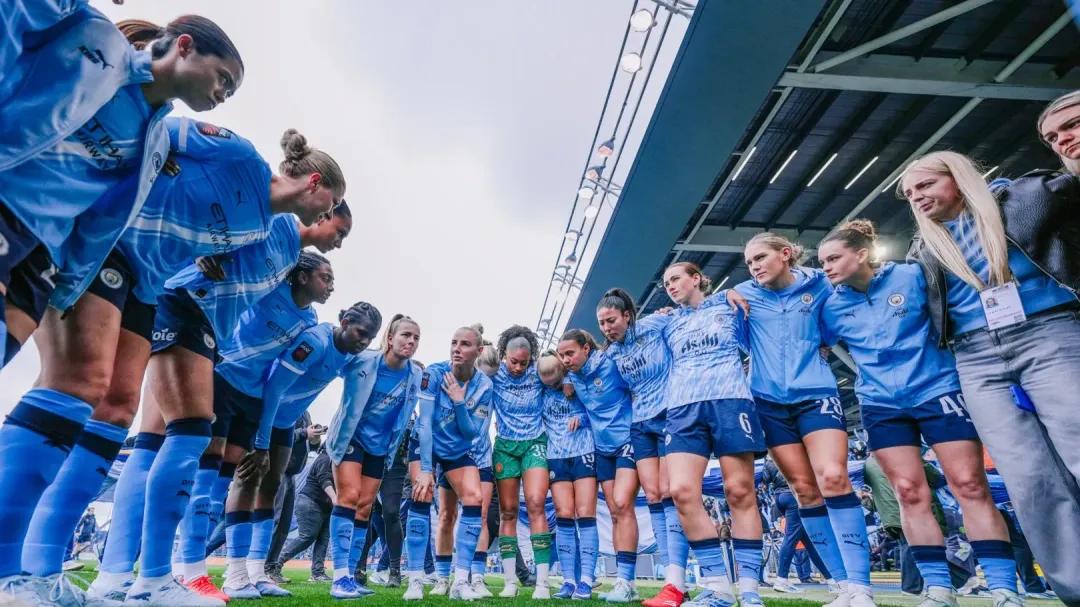
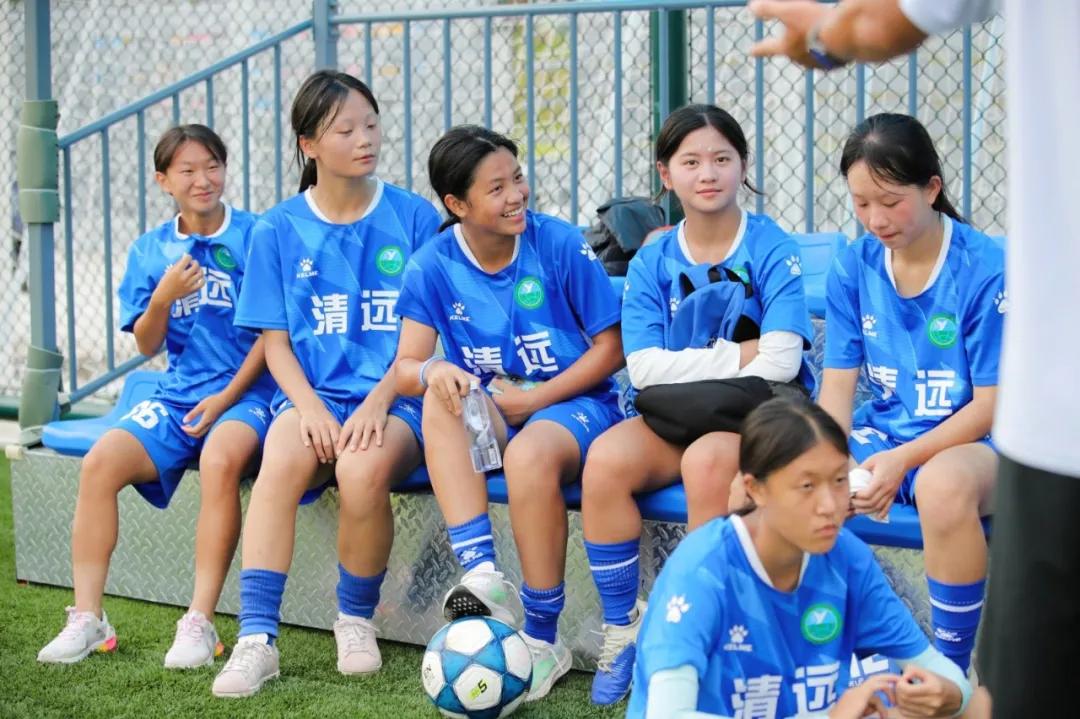
European football powerhouses mainly rely on club youth training systems and amateur clubs, while the United States, Japan, and South Korea base their foundations on university league systems. Many women's football players gradually drop out in lower-level leagues or university leagues. China's women's football adopts a diversified training model involving professional clubs, universities, FA professional youth training centers, and amateur clubs. The sports-education integration promoted by the Plan is an important institutional safety net for retaining the women's football population in China.
The sports-education integration-centered youth training, competition, and academic advancement system for women's football players has, to some extent, solved the core problem of talent dropout after secondary school. Only when young women's football players have no worries about their academic future can they better devote themselves to training and competitions. In addition, the professional echelons at all ages cultivated by local and national youth training centers, along with increasingly mature and diverse campus leagues—especially university leagues, national youth championships, adult women's football championships, and sports games—can also retain the football population through events. These continuously supply talent to women's football leagues at all levels, thereby expanding and consolidating the "talent pool" for national team selection across all age groups.


Wonderfulshortvideo

vinicius junior transfer real madrid arsenal vini here we go arsenal news today real madrid news today ronaldo real madrid ronaldo edit



A sneak peak at yesterdays opener 👀

Think we might side with Francesca’s idea 😂

The highs & lows of racing 🐎

A different view to yesterday’s Stewards enquiry 👀

Perfectly explained by Francesca 🫶🏻

Keep an eye out for Adaay of Scarlett 👀
 Links
Links
 Contact
 App
App


