



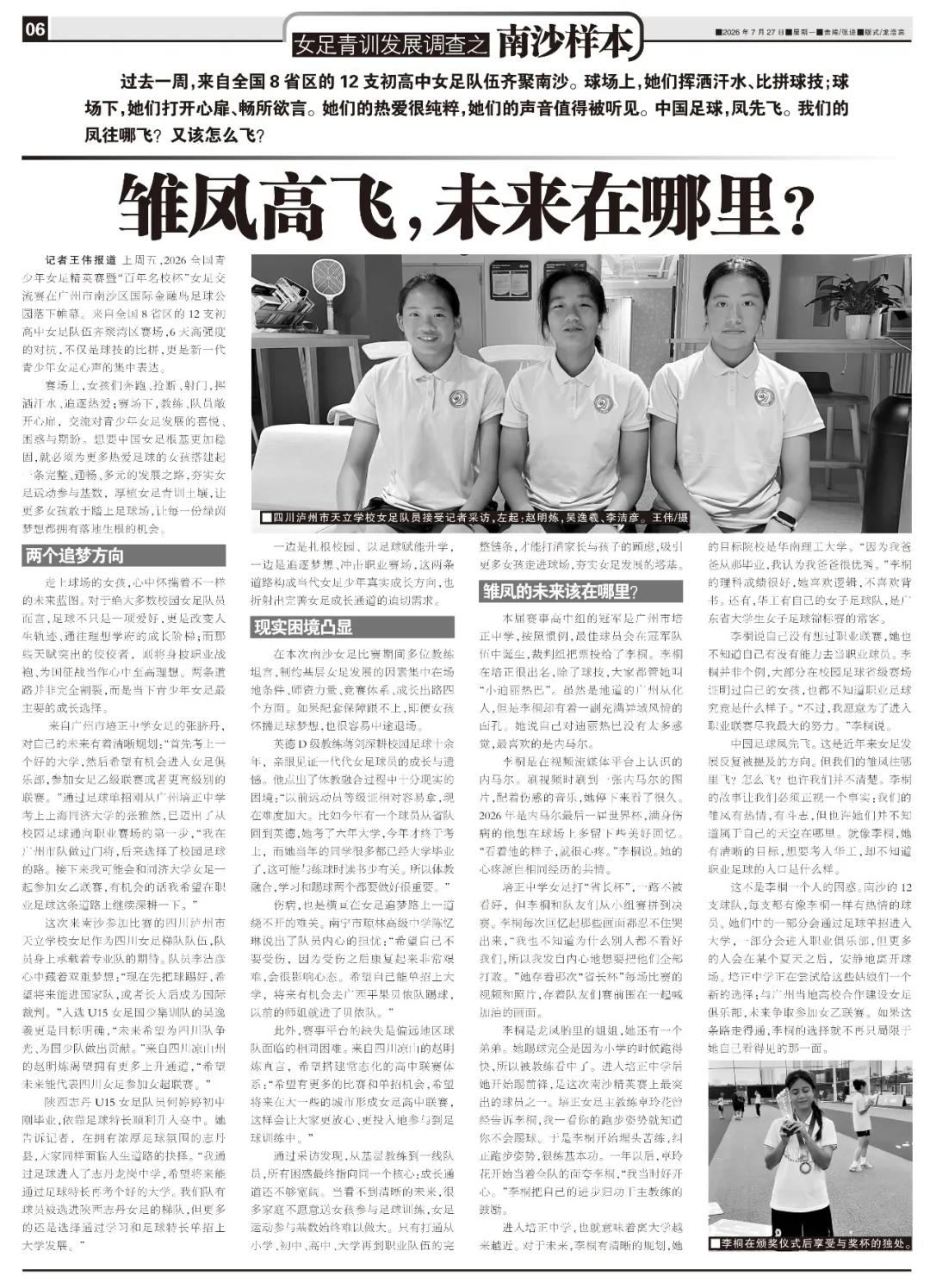
Where does the young phoenix soar into the future?



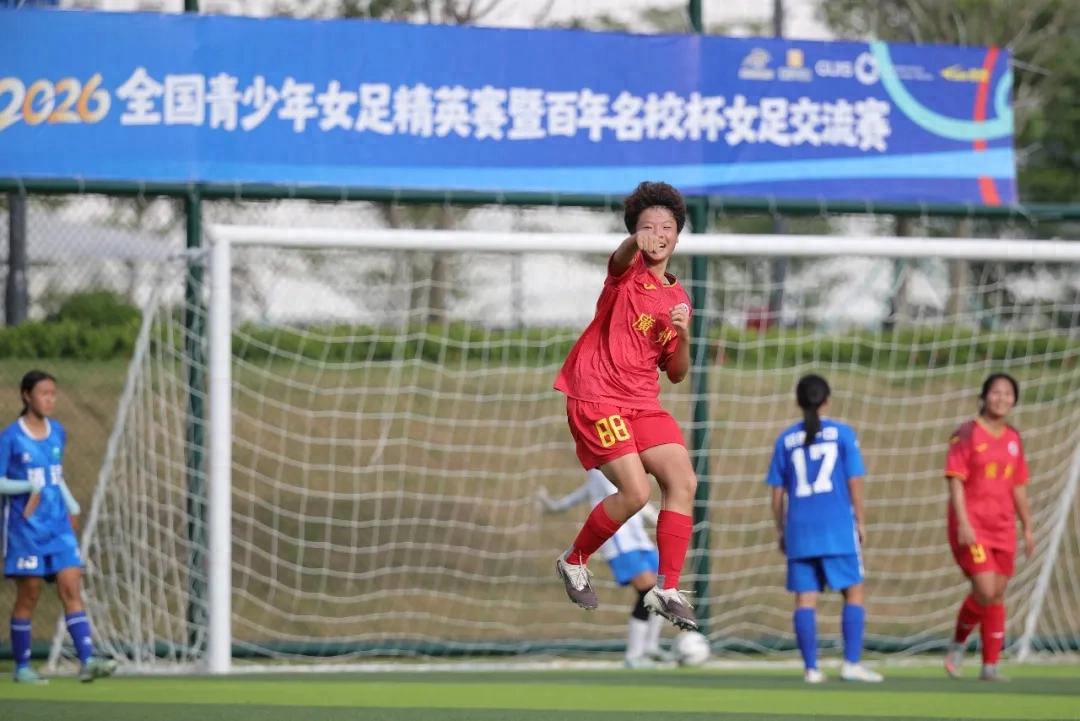
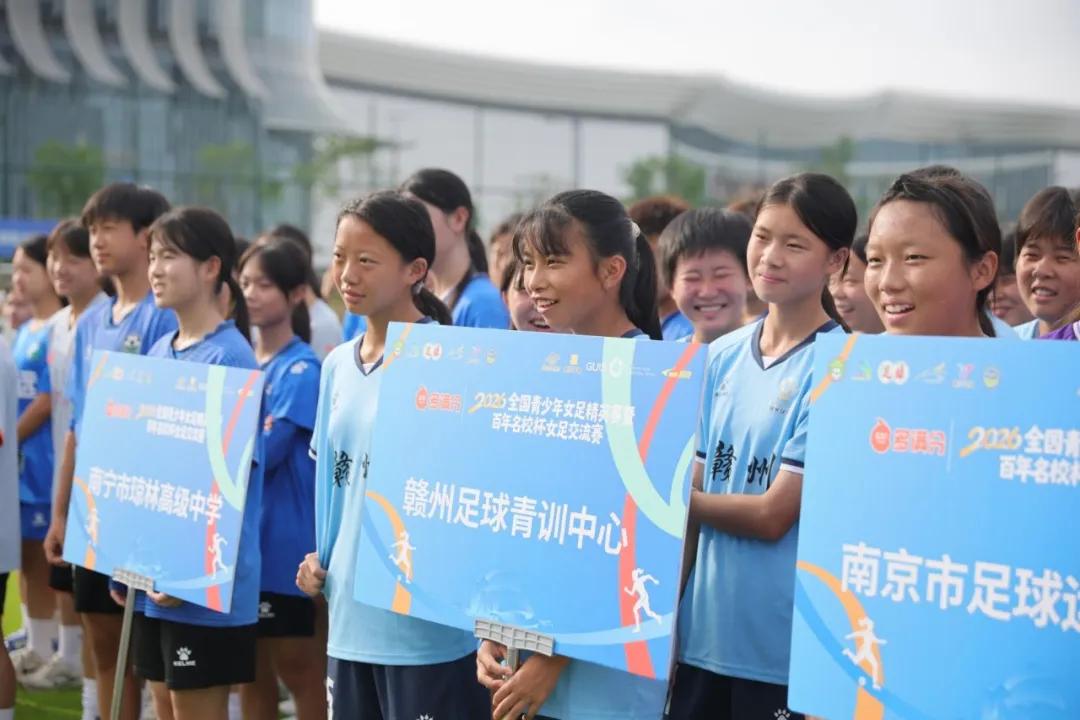
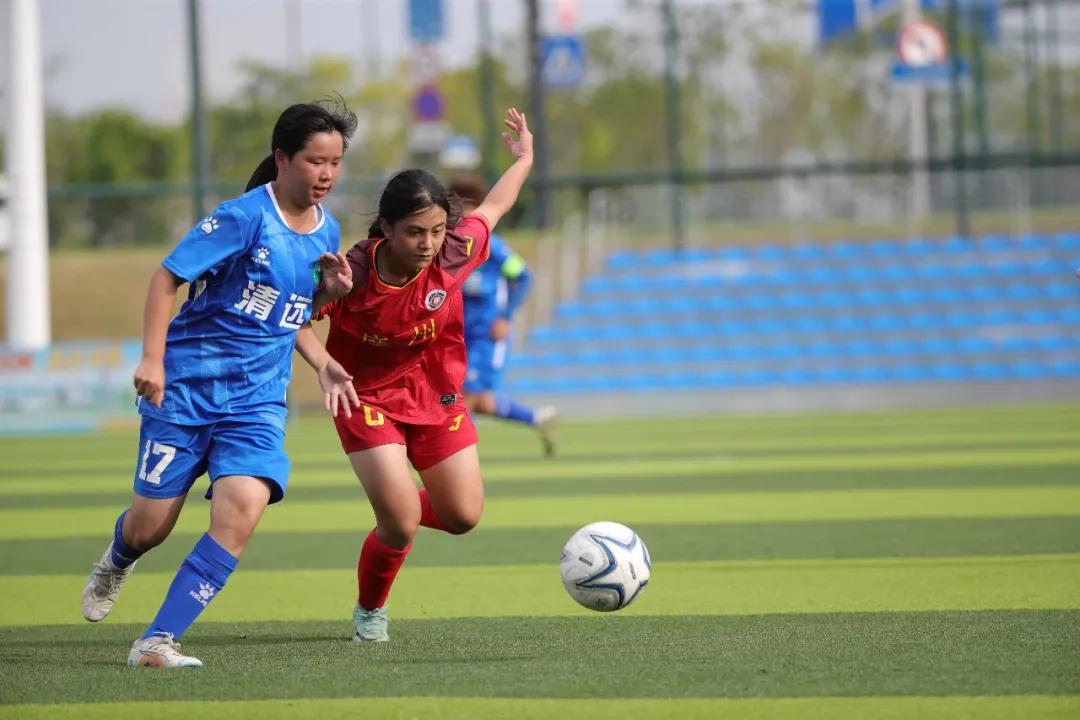
Reported by journalist Wang Wei Last Friday, the 2026 National Youth Women's Football Elite Tournament and the "Century-Old School Cup" Women's Football Exchange Tournament wrapped up at the International Financial Island Football Park in Nansha District, Guangzhou. Twelve junior and senior high school women's football teams from eight provinces and regions assembled in the bay area arena. The six days of intense matchups were not just about competing in skills but also represented a concentrated expression of the aspirations of the new generation of young women footballers.
On the pitch, the girls ran, tackled, and shot, sweating and chasing their passion; off the pitch, coaches and players opened up, sharing their joys, doubts, and hopes for the development of youth women's football. To build a stronger foundation for Chinese women's football, it is essential to create a complete, smooth, and diversified path for more girls who love the sport, expand the base of women's football participation, deepen the soil for women's football training, and enable more girls to step onto the football field, giving every dream on the green pitch a chance to take root and grow.
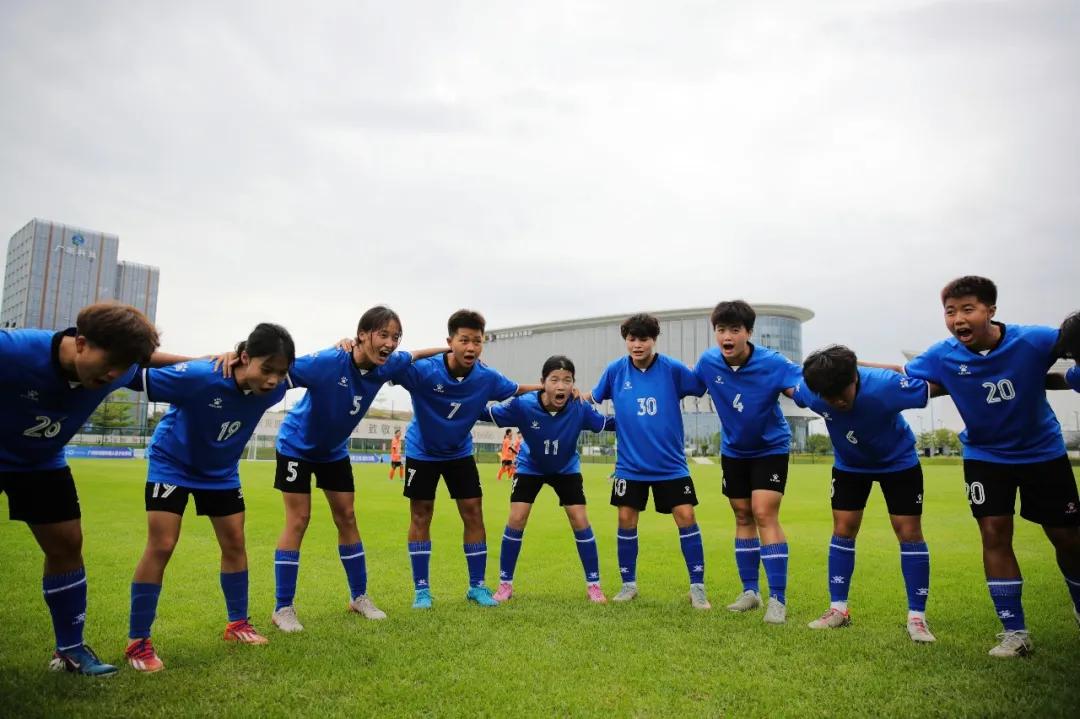

The girls who step onto the field carry different visions for the future. For most school-based female football players, football is not just a hobby—it is a ladder to change their life trajectory and gain admission to prestigious schools. For those with exceptional talent, wearing a professional jersey and representing the country is their highest ideal. These two paths are not entirely separate but represent the main growth choices for today's young women footballers.
Zhang Qidan, from the women's football team of Guangzhou Peizheng Middle School, has a clear plan for her future: "First, I want to get into a good university, and then I hope to have an opportunity to join a women's football club and participate in the Women's Second Division League or a higher-level league."
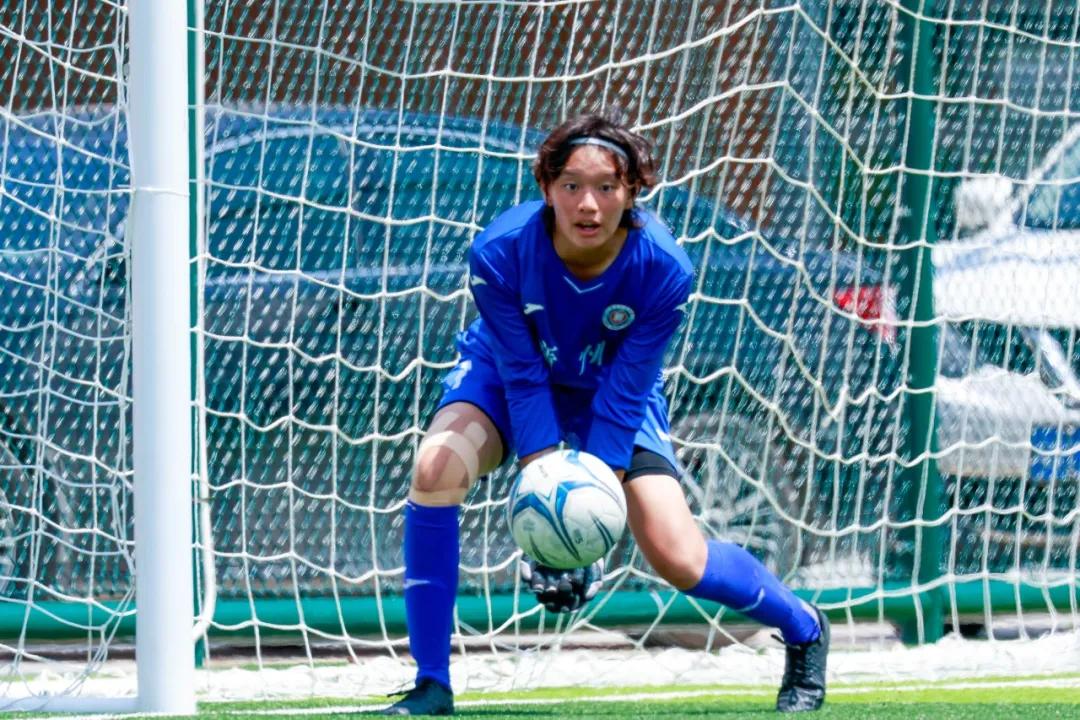
Zhang Yaran, who recently entered Tongji University in Shanghai through the football single recruitment program from Guangzhou Peizheng Middle School, has already taken the first step from campus football to the professional arena. "I worked as a goalkeeper in the Guangzhou city team, but later I chose the path of campus football. Now I might join the Tongji University women's football team in the Women's Second Division League. If I get the chance, I'd like to keep exploring the professional football route."
The women's football team from Luzhou Tianli School in Sichuan, which participated in the Nansha tournament as a feeder team for the Sichuan women's team, carries the expectations of professional teams. Player Li Jieyan has a dual dream: "For now, I want to focus on playing well and hope to make it to the national team in the future, or maybe become an international referee." Wu Yixi, who has been selected for the U15 Women's National Training Camp, has a clear goal: "I hope to bring glory to the Sichuan team and contribute to the national youth team." Zhao Minglian, from Liangshan Prefecture in Sichuan, longs for more advancement opportunities: "I hope to represent Sichuan's women's team in the Women's Super League one day."
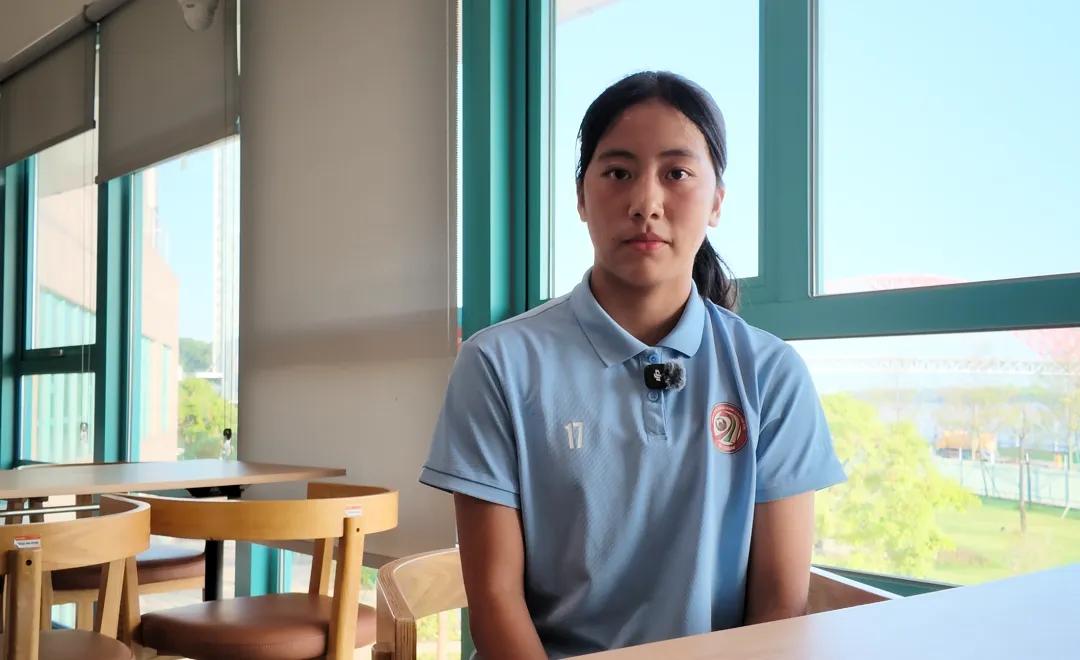
He Tingting, a player from the Shaanxi Zhidan U15 women's team, just graduated from junior high and entered senior high thanks to her football skills. She told reporters that in Zhidan County, which has a strong football culture, everyone faces life choices. "I got into Zhidan Longgang Middle School through football, and I hope to get into a good university in the future through football. Some of our teammates were selected for the Shaanxi Zhidan women's team's feeder program, but most choose to go to university through the single recruitment path that combines academics and football."
On one side, rooted in campus life, leveraging football to advance education; on the other, chasing dreams and aiming for the professional stage—these two roads represent the real growth directions of contemporary young female footballers and also reflect the urgent need to improve the pathways for women's football development.
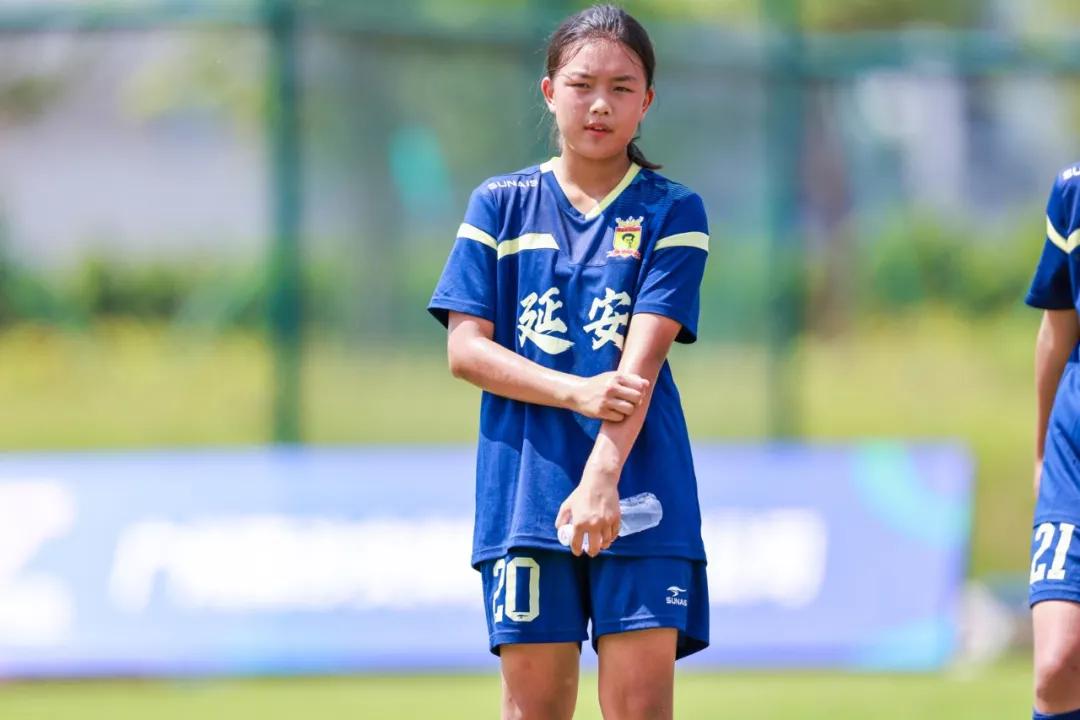

During the Nansha women's football tournament, many coaches admitted that the factors limiting grassroots women's football development are concentrated in four areas: venue conditions, coaching resources, competition systems, and career pathways. If the supporting measures are insufficient, even girls with football dreams may easily drop out midway.
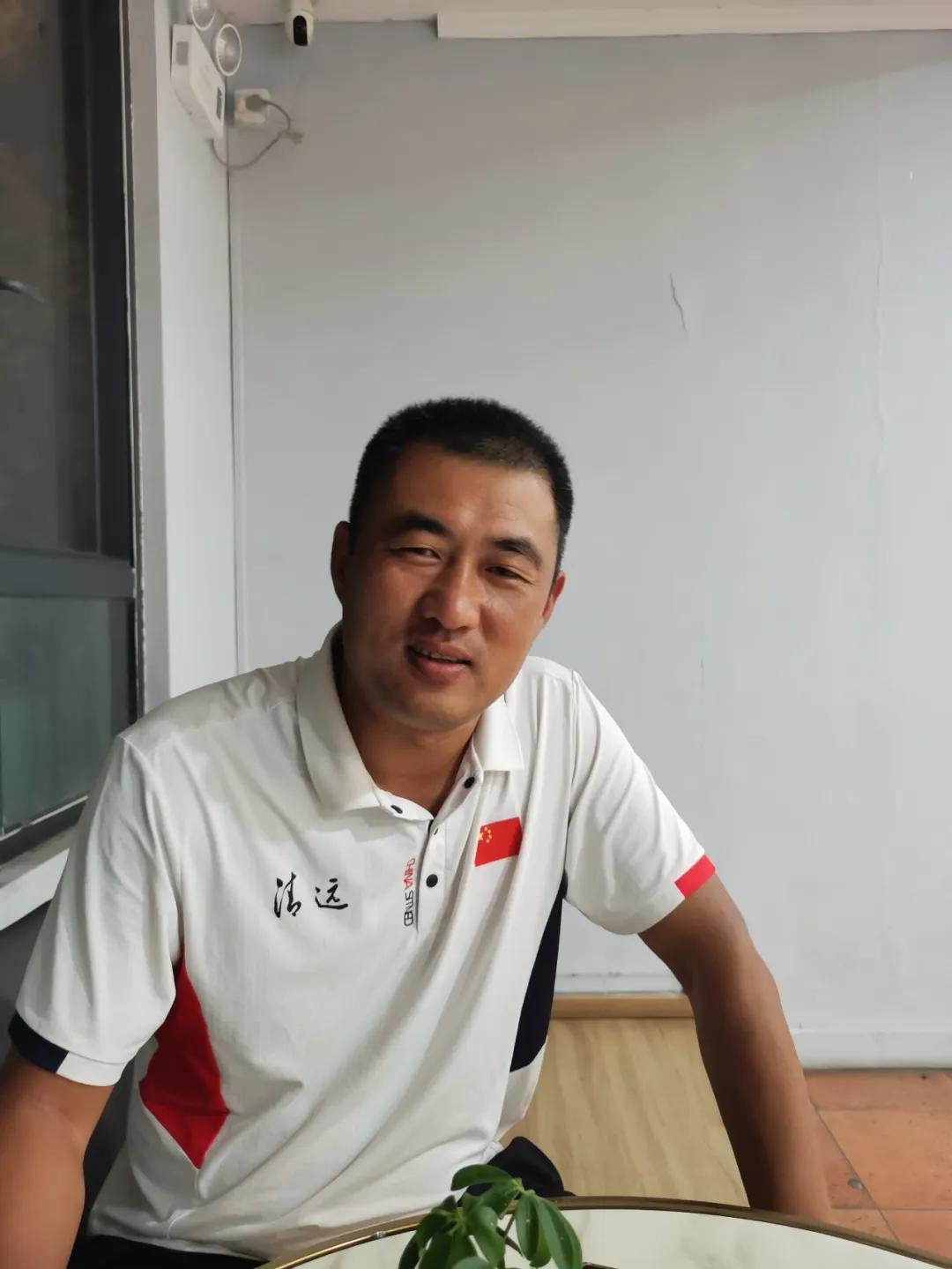
Jiang Jian, a D-level coach from Yingde, has been deeply involved in campus football for over a decade, witnessing the growth and regrets of generations of female football players. He highlighted a very realistic dilemma in the integration of sports and education: "In the past, it was relatively easier to get an athlete's grade certificate, but now it's harder. For example, this year, a player returned from the provincial team to Yingde. She spent six years trying to get into university and finally succeeded this year, while her classmates from back then have already graduated. This might be related to the fact that she spent less time studying while training. So in the integration of sports and education, it's crucial to do well both in study and training."
Injury is another unavoidable obstacle on the path to pursuing women's football. Chen Yilin, from Nanning Qionglin Senior High School, expressed the inner worries of the players: "I hope I don't get injured, because recovery after an injury is very difficult and can really affect your mindset. I hope to get into university through the single recruitment program and eventually have a chance to play for the Guangxi Pingguo Beinong team, like some of my seniors did."
In addition, the lack of competition platforms is a common difficulty faced by teams from remote areas. Zhao Minglian from Liangshan in Sichuan said directly, "I hope a regular high school league system can be established. I want more matches and single recruitment opportunities. If a women's high school league is formed in larger cities, everyone would be more confident and dedicated to training."
Through interviews, it became clear that from grassroots coaches to frontline players, all the confusion points to one core issue: the growth pathways are not broad enough. When there is no clear vision for the future, many families are reluctant to send their girls to football training, making it difficult to expand the base of women's football participation. Only by establishing a complete chain from primary school, middle school, high school, and university to professional teams can the concerns of parents and children be alleviated, attracting more girls to the pitch and strengthening the foundation of women's football development.

The high school champion of this tournament was Guangzhou Peizheng Middle School. By tradition, the best player is chosen from the championship team, and the referees voted for Li Tong. Li Tong is well-known at Peizheng, not only for her skills but also because everyone calls her "Little Dilraba." Although she is a native of Conghua, Guangzhou, she has an exotic face. She says she doesn't feel much about Dilraba; her favorite player is Neymar.
Li Tong got to know Neymar through video streaming platforms. While scrolling through videos, she came across a picture of Neymar with melancholic music and stopped to watch for a long time. 2026 is Neymar's last World Cup, and he, plagued by injuries, wants to leave more good memories on the pitch. "Looking at him, I just feel sorry for him," Li Tong said. Her sympathy comes from shared experiences of similar struggles.
Football Newspaper
, Like
238
Peizheng Middle School's women's team played in the "Governor's Cup" and was underestimated all the way, but Li Tong and her teammates fought from the group stage to the final. Every time Li Tong recalls those moments, she can't help but cry. "I don't know why others didn't think much of us, so I was determined to beat them all." She keeps videos and photos of every game from that "Governor's Cup," including the scenes of teammates huddling together and shouting encouragement before matches.
Li Tong is the older sister in a pair of twins; she has a younger brother. She started playing football simply because she was fast in elementary school and caught the coach's eye. After entering Peizheng Middle School, she began playing as a forward and became one of the most outstanding players in this Nansha elite tournament. Peizheng's head coach, Zhuo Linghua, once told Li Tong, "I can tell from your running posture that you don't know how to play football." So Li Tong began to train hard, correcting her running form and working on basic skills. A year later, Zhuo Linghua started praising Li Tong in front of the whole team. "I was so happy," Li Tong said. She attributes her improvement to the encouragement of her head coach.
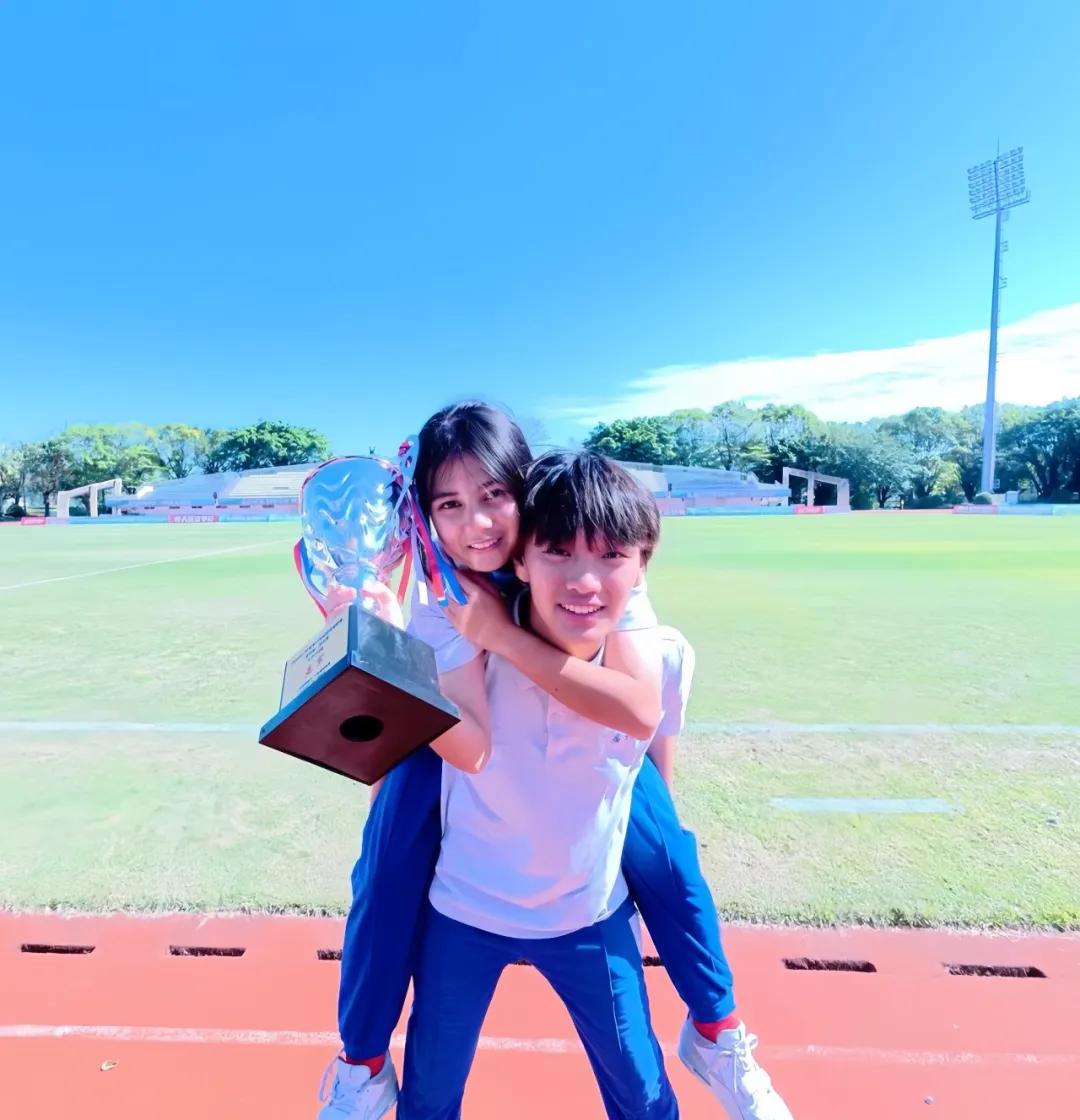
Entering Peizheng Middle School means getting closer to college. Li Tong has a clear plan for the future; her target university is South China University of Technology (SCUT). "Because my father graduated from there, and I think he is excellent." Li Tong is good at science; she likes logic and dislikes memorization. Also, SCUT has its own women's football team, which is a regular participant in the Guangdong University Women's Football Championship.
Li Tong says she has never thought about turning professional, and she doesn't know if she has the ability to become a professional player. Li Tong is not an exception; most girls who have proven themselves at the provincial level in campus football also don't know what professional football really looks like. "But I am willing to do my best to make it into the professional league," Li Tong said.
"Let the Chinese football phoenix fly first." This is a direction repeatedly mentioned in the development of women's football in recent years. But where should our young phoenixes fly? And how? Perhaps we are not clear. Li Tong's story forces us to confront a fact: our young phoenixes have passion and determination, but maybe they don't know where their sky is. Like Li Tong, she has a clear goal—to get into SCUT—but she doesn't know what the entry point to professional football looks like.
This is not just Li Tong's confusion. Among the 12 teams in Nansha, every team has passionate players like Li Tong. Some of them will enter universities through football single recruitment, some will join professional clubs, but many more will quietly leave the pitch after one summer. Peizheng Middle School is trying to give these girls a new option: partnering with a local university in Guangzhou to build a women's football club, with the goal of eventually participating in the Women's Second Division League. If this path works, Li Tong's choices will no longer be limited to what she can see on her own.


Wonderfulshortvideo

vinicius junior transfer real madrid arsenal vini here we go arsenal news today real madrid news today ronaldo real madrid ronaldo edit



A sneak peak at yesterdays opener 👀

Think we might side with Francesca’s idea 😂

The highs & lows of racing 🐎

A different view to yesterday’s Stewards enquiry 👀

Perfectly explained by Francesca 🫶🏻

Keep an eye out for Adaay of Scarlett 👀
 Links
Links
 Contact
 App
App


