



Neymar's 16-year Brazil career ends, bidding farewell to the "last samba" star



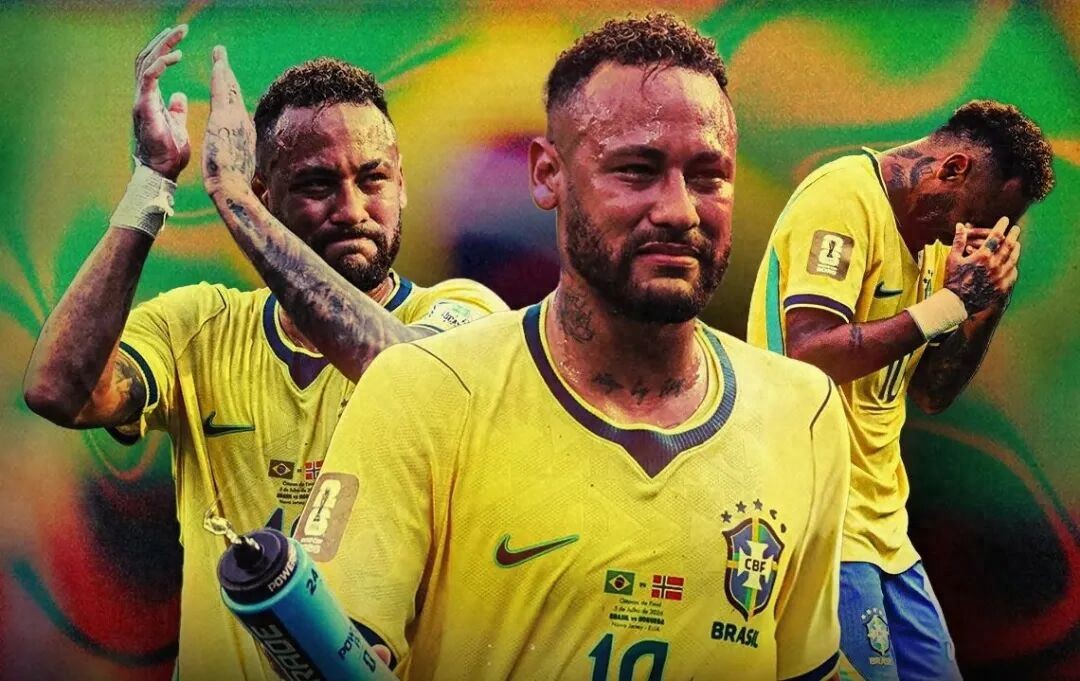
Written by Han Bing On July 28 local time, Neymar stated in an interview that his time with the Brazilian national team is over. His career with Brazil started at the MetLife Stadium and also concluded at the same venue. The beginning was the end—a story that began with optimism and closed with disillusionment. For him, this constitutes the full tragic destiny of his samba football journey.
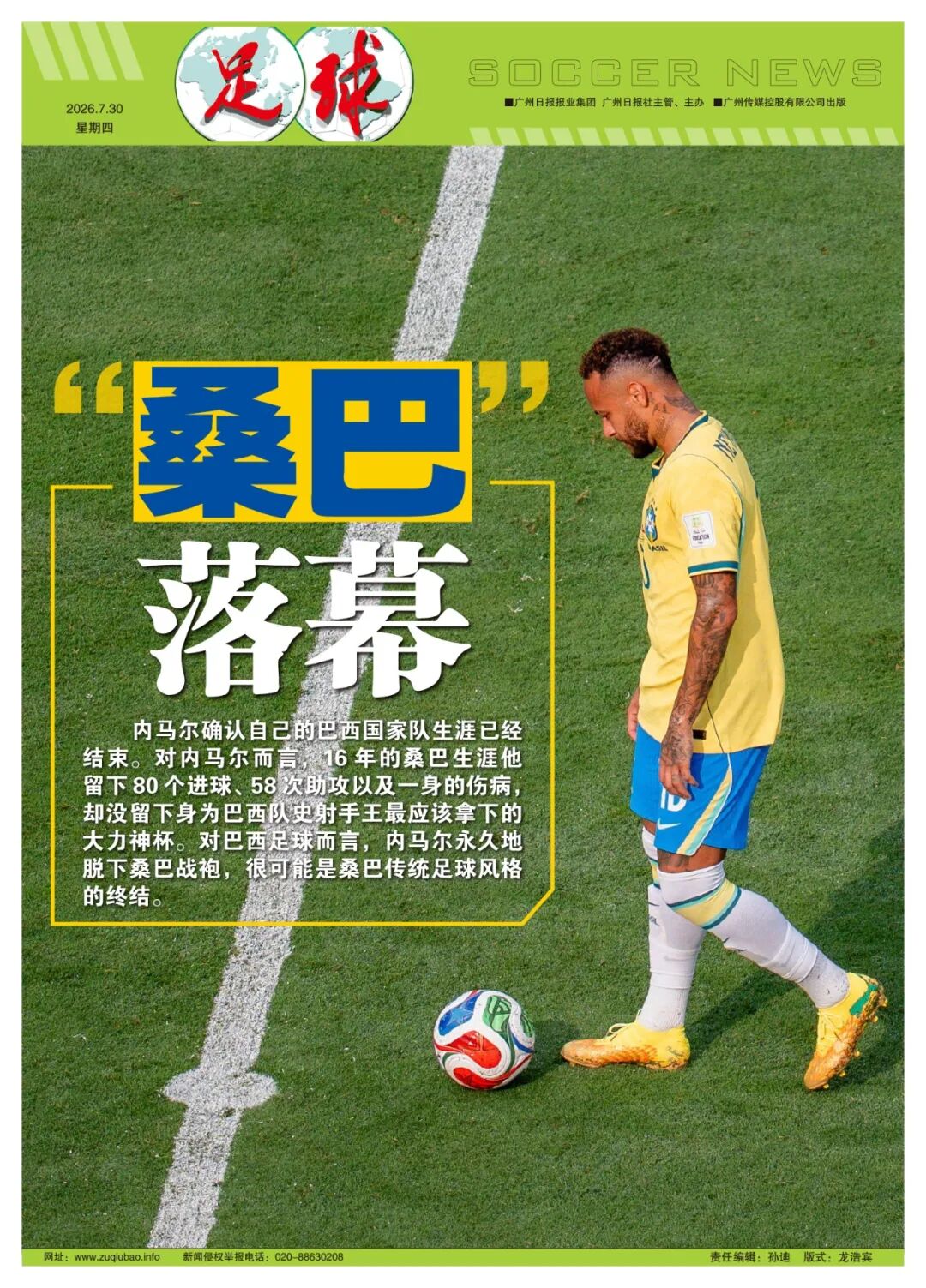
For 16 years, all of Brazil pinned their hopes on Neymar, expecting him to become the third samba king after Pelé and Ronaldo to lift the World Cup for the Seleção. Unfortunately, his 16-year samba career left him with 130 appearances, 80 goals, 58 assists, and a body full of injuries, but not the coveted trophy that Brazil's all-time top scorer most deserved.
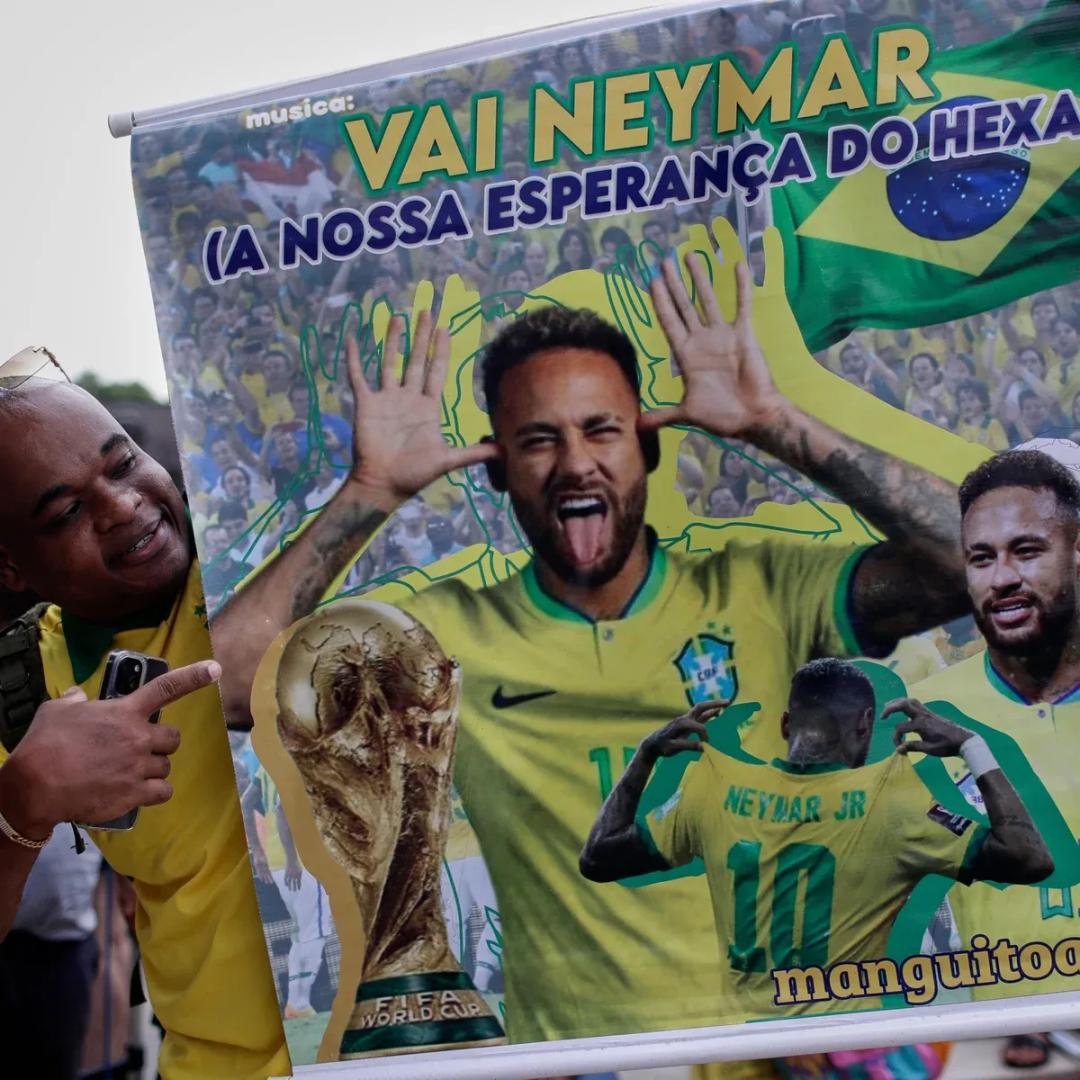
For Brazilian football, Neymar's permanent removal of the yellow jersey likely signals the end of the traditional samba style. The last dance of the samba king on the pitch essentially declares that the samba style—rooted in artistry, rhythm, and improvisation—has become an unfillable void in an era of high discipline and tactical organization. The purely joyful samba stars who used sublime technique to enjoy football may well cease to exist after Neymar. The future of Brazilian football, whether it be Vinícius Jr., Rodrygo, Endrick, or Estêvão, are all just "customized" products from the European football star assembly line, differing from other European players only in being born in Brazil.
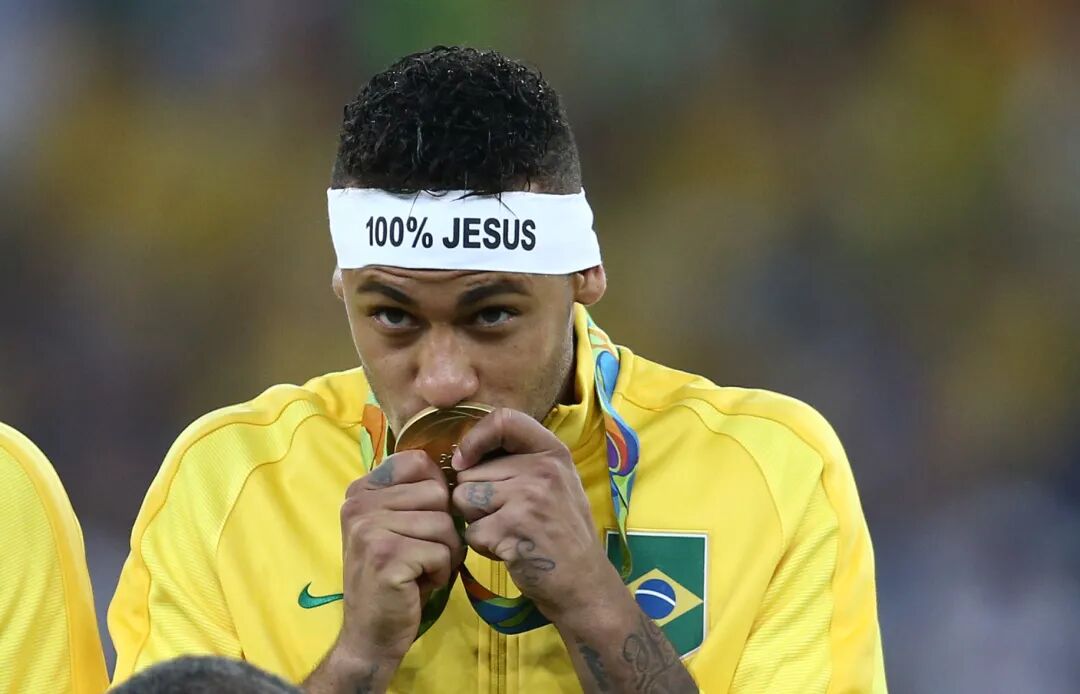
Without the overwhelming expectation and heavy burden of the World Cup trophy, Neymar's 16 years with Brazil could actually be considered a success. In 2016, as captain, he won the Olympic gold medal in men's football, completing the final piece of the grand slam for Brazil in major international tournaments. In 2013, he also helped Brazil win the FIFA Confederations Cup.
Neymar's number of appearances for Brazil is second only to Cafu (142), and his goal tally surpasses Pelé (77). If not for persistent injuries, he could have achieved even better statistics. Neymar is the only Brazilian player besides Pelé to have participated in four World Cups and scored in all of them, with his goals and assists recorded in the national history books. Unfortunately, fate did not grant him a World Cup title like Pelé's.
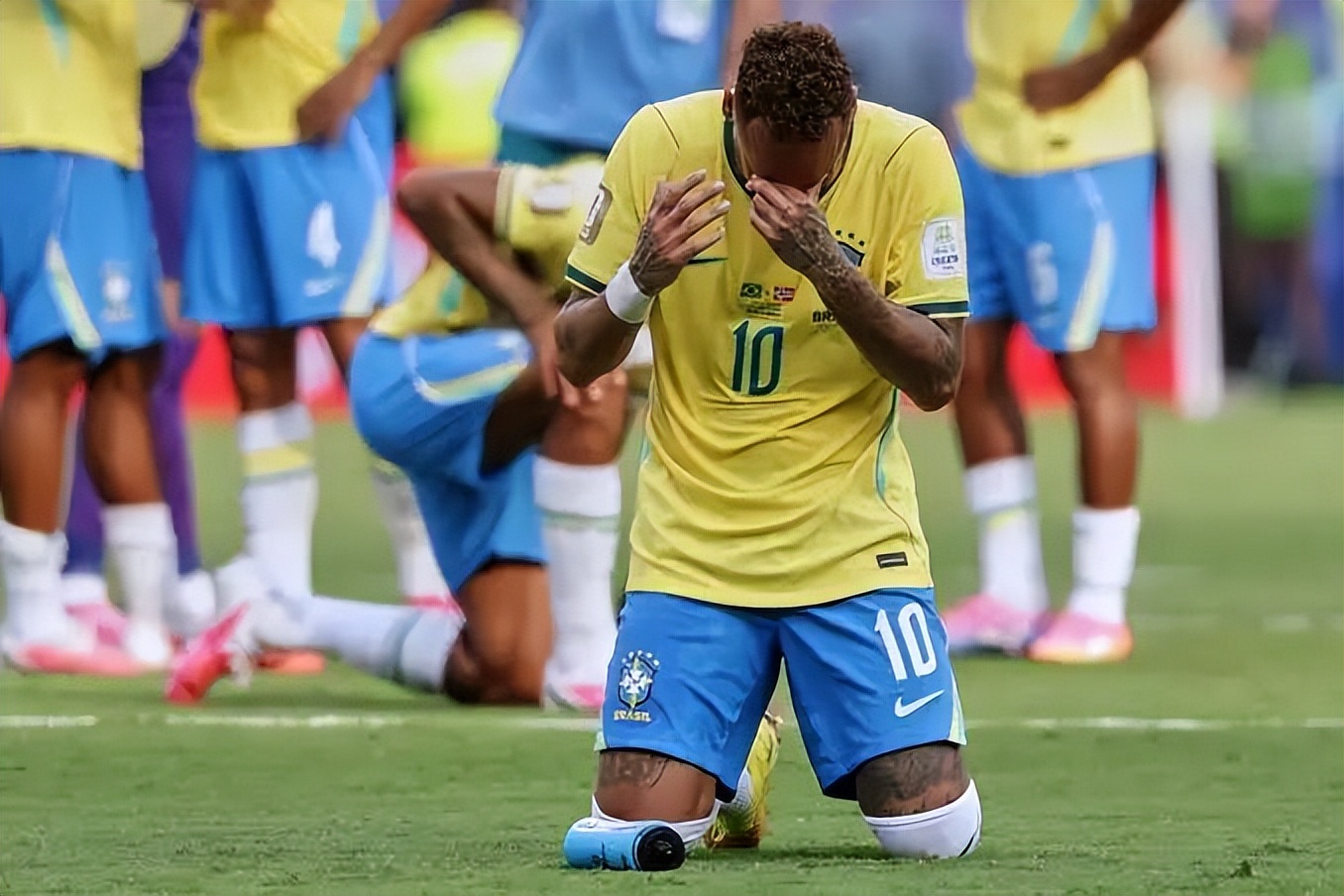
At 34, Neymar ultimately could not withstand the dual pressures of age and injury: "I gave my youth and life, always fighting for Brazil and making history. But now my time with the national team is over; I don't want to continue." People still cannot forget the heart-wrenching scene of him kneeling in pain at the MetLife Stadium—a torment walking on thin ice between genius and fragility, joy and sorrow.
Neymar's career with Brazil was a huge physical and psychological cost of carrying a nation's expectations, especially the serious injury during the 2014 World Cup, which wrote an unavoidable tragic footnote to his samba journey. After four consecutive World Cup campaigns that yielded nothing, we may have just witnessed the last truly pure samba magic on the World Cup stage. The carnival of Brazilian joyful football has ended; Neymar merely lost his beloved yellow jersey, but Brazil lost its last dancer on the green pitch.
Before Neymar, as the "3R" gradually faded, Brazilian football was experiencing unprecedented confusion. Although the early 21st-century Brazil team was strong, it lacked the talent that defined the joyful football tradition. It was Neymar's emergence that restored the soul of both elegance and rhythm to Brazilians—he once again showed the world the joy, inspiration, and artistic creativity of football. This retro individual expression on the pitch challenged the entire strict, systematized modern football world.
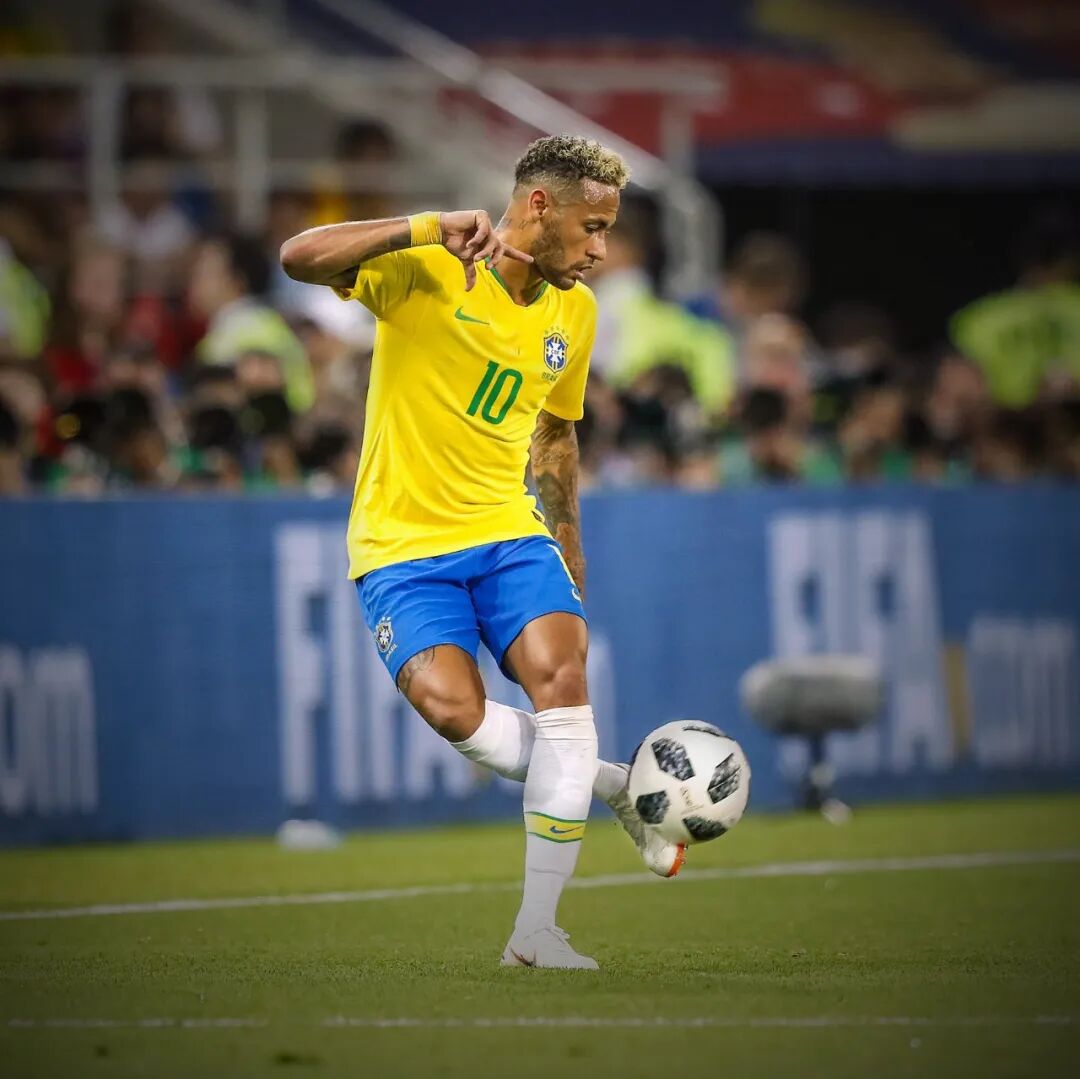
At his peak, Neymar was regarded as the "performer" who best represented the charm of Brazilian football, the last heir of the legendary No. 10 shirt. He made football feel less like a competition and more like a joyful celebration, a vibrant dance between a man and the ball. However, the yellow jersey of Brazil was both a blessing and an overly heavy burden. His World Cup journey was like a three-act tragedy accompanied by injuries: starting with hope, ending with injury, and suffering in the midst of widespread criticism.
The Brazilian Football Confederation has already begun arranging a dignified farewell match for Neymar with the national team, hoping to find a world-class opponent during the November international window to make the farewell grand enough. But for the world of football, what is lost is not just a top superstar, but a kind of joy that has not been "disciplined" by the modern football assembly line. Neymar was the last football artist capable of "entertaining fans" in Brazilian football, a player who prioritized the beauty of movements over results. His ball control and dribbling stand in stark contrast to the new generation of Brazilian wingers like Vinícius Jr., who are born solely for speed, efficiency, and tactical discipline.
It is Neymar who reminds us that football can simply be a form of artistic expression. Without Neymar's samba football, there is a little less pure joy, a little less unpredictable magic, and even less natural vitality.


Wonderfulshortvideo
vinicius junior transfer real madrid arsenal vini here we go arsenal news today real madrid news today ronaldo real madrid ronaldo edit



A sneak peak at yesterdays opener 👀

Think we might side with Francesca’s idea 😂

The highs & lows of racing 🐎

A different view to yesterday’s Stewards enquiry 👀

Perfectly explained by Francesca 🫶🏻

Keep an eye out for Adaay of Scarlett 👀
 Links
Links
 Contact
 App
App


