



ASEAN Cup 2026: The Achilles' Heel of the Title Contenders



Vietnam, Indonesia, and Thailand all started the 2026 ASEAN Cup with dominant wins to prove their status as title contenders. But actually, every team has its own "Achilles' heel"...
1. If we only consider attacking quality, Vietnam is arguably the most exciting team to watch. The trio of Nguyen Xuan Son, Nguyen Dinh Bac, and Do Hoang Hen combine seamlessly, forming an attack that is both fast and physically strong, with sharp finishing. Behind them are Nguyen Quang Hai and Nguyen Hoang Duc—two midfielders who can dictate the tempo and make a difference with decisive passes. Not to mention, Nguyen Tai Loc will return from injury, meaning the attacking power of Coach Kim Sang Sik's squad could be elevated to an even higher level.
But the paradox lies precisely in that midfield.
Quang Hai and Hoang Duc are both excellent playmakers, yet neither is a true defensive midfielder. They excel at holding the ball, orchestrating play, escaping pressure, and creating chances, but they are not the type to "clean up" space in front of the defense. Meanwhile, Le Pham Thanh Long is the only option resembling a ball-winning midfielder, but he is rarely used and lacks the outstanding tackling skills to become a reliable shield.
When facing Timor-Leste, the gap in quality meant the space between the midfield and defense was hardly exploited. But against Indonesia or Thailand—teams with midfielders capable of rapid transitions—the equation will be completely different. Whenever Hoang Duc or Quang Hai push forward, the area in front of the three center-backs could become an ideal target for the opposition to attack.
In other words, Vietnam does not lack players who can create opportunities. What they are missing is a player who specializes in destroying the opponent's opportunities.
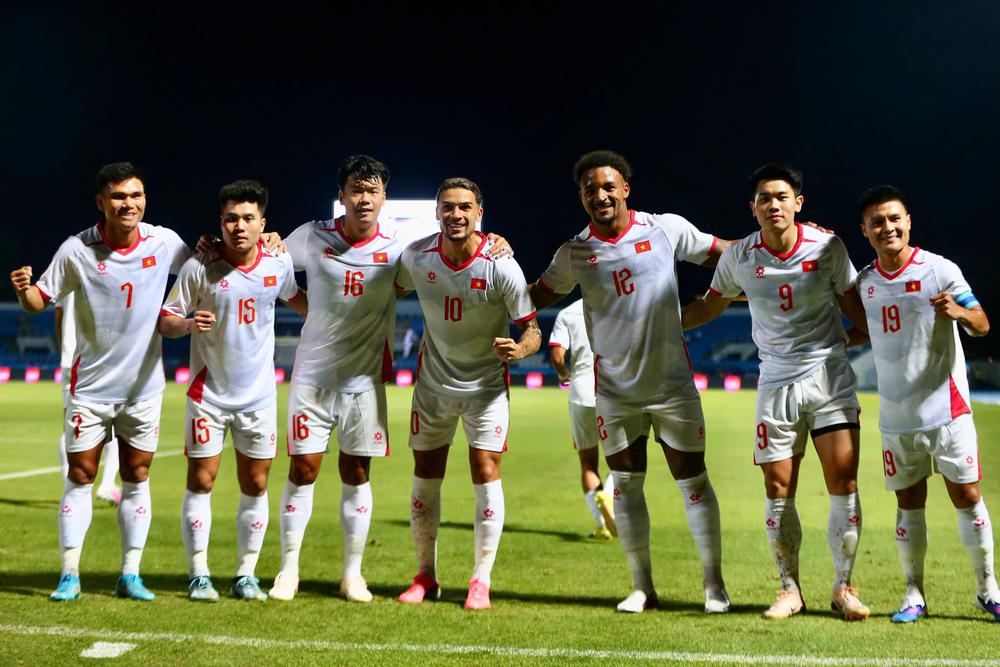
Vietnam has only one defensive midfielder, Le Pham Thanh Long, but he is rarely used. Photo: VFF
2. Indonesia, Vietnam's group-stage rival, still boasts a formidable midfield, led by the excellent playmaker Thom Haye and a host of quality naturalized players. They dominate possession, transition quickly, and can overwhelm most Southeast Asian opponents. Meanwhile, Mitchell Baker made an impressive debut with a hat-trick. However, just one moment of distraction from goalkeeper Nadeo Argawinata is enough to make the entire defensive system brittle.
The goal conceded against Cambodia recalls a long-standing issue for Nadeo: inconsistent mental composure. A team can forgive a center-back's mistake because teammates can still cover. But when the error comes from the goalkeeper, the price is usually a goal. In knockout matches, a single mishandling could erase all the advantages Indonesia builds over 90 minutes.
Meanwhile, Thailand presents a different concern—quieter but no less dangerous. The 5-0 win over Laos looks impressive, but the opponent was down to ten men early on. More notably, many Thai players visibly faded in the last 15 minutes. Cramps appeared, movement intensity dropped, and the pressing rhythm could no longer be sustained. Even former national team player Sarayoot Chaikamdee publicly questioned why the Thai players' stamina declined so quickly.
The "War Elephants" squad currently has several experienced players, but they are no longer in their prime. Physical fitness will determine their ability to maintain their style of play. If this issue is not addressed, Thailand could lose their edge against younger, more energetic opponents like Vietnam or Indonesia. The 2026 ASEAN Cup title will go to the team that best hides its weaknesses. Because in big matches, sometimes a gap in front of the defense, a goalkeeping error, or a few minutes of fatigue at the end of the game can decide the fate of an entire tournament.


Wonderfulshortvideo

vinicius junior transfer real madrid arsenal vini here we go arsenal news today real madrid news today ronaldo real madrid ronaldo edit



A sneak peak at yesterdays opener 👀

Think we might side with Francesca’s idea 😂

The highs & lows of racing 🐎
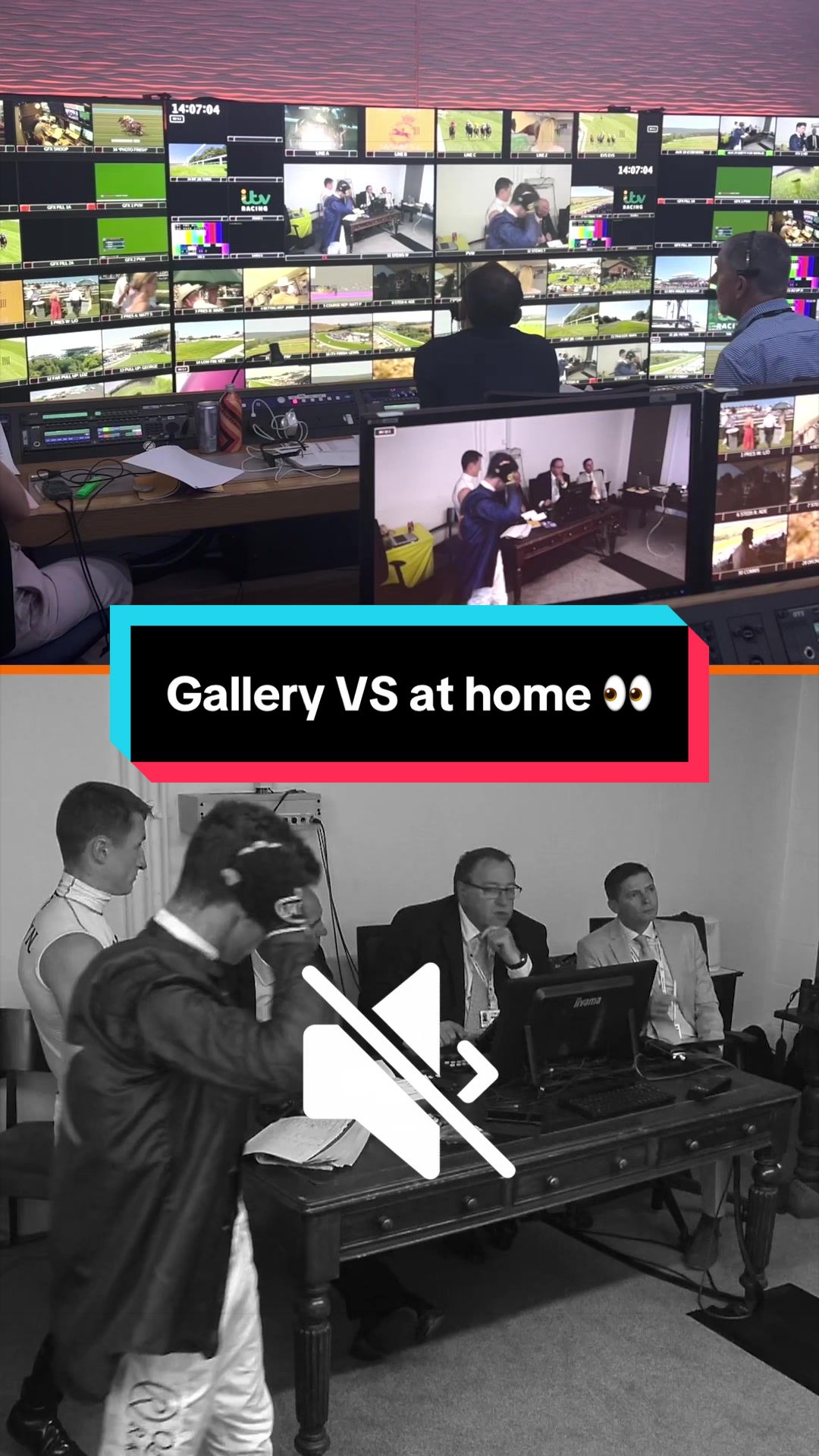
A different view to yesterday’s Stewards enquiry 👀

Perfectly explained by Francesca 🫶🏻

Keep an eye out for Adaay of Scarlett 👀
 Links
Links
 Contact
 App
App


