



Manchester United's three "glass men" face a tough season! Carrick's biggest hidden danger exposed, Tottenham once had 27 injuries


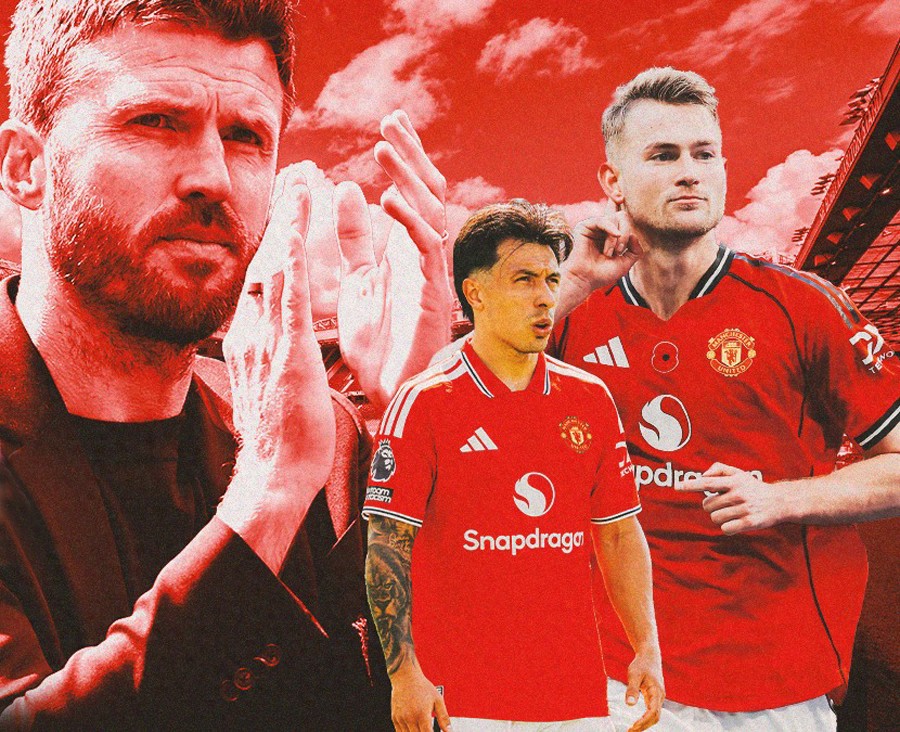
Manchester United announced five new arrivals in the summer transfer window, but only three of them are for the first team. Under Carrick, the team finished third in the Premier League last season, but they only played 40 games across all competitions, the lowest in over a century since the 1914/15 season. With mostly one game a week, Carrick could rely on his regular starters, keeping players fit and injury-free. But that advantage is gone next season.
For comparison, Chelsea played 59 matches last season and finished only 10th in the Premier League; Tottenham played 52 games in all competitions and narrowly avoided relegation on the final matchday, finishing 17th for the second consecutive year.
Playing more matches does not necessarily mean poor league performance, but it requires sufficient squad depth. Take champions Arsenal, for example: they not only won the Premier League but also reached the Champions League and League Cup finals. However, Arteta has a deep squad; the Gunners do not have an exceptionally outstanding core player, and the team is quite balanced.
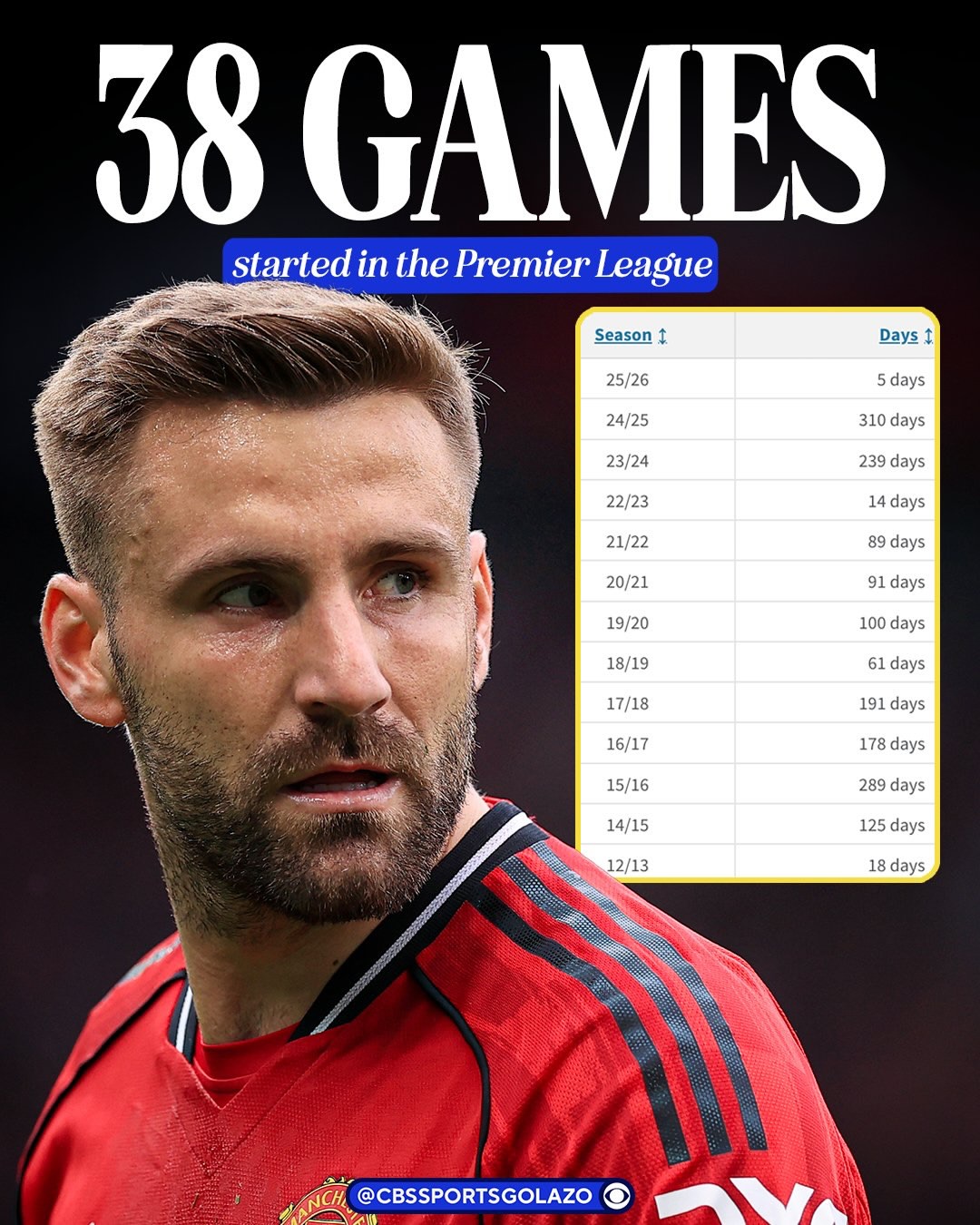
Like Manchester United last season, playing fewer matches allowed the team to rotate less, have a full week between games, and reduce the risk of player injuries. The biggest beneficiary was 31-year-old "Red Devil Carlos" Luke Shaw, who for the first time in his career missed no games due to injury and started every league match.
But don't expect Luke Shaw to continue like this with two games a week. Last season he was close to injury several times and was substituted early. It was only because there were no European midweek matches that he could rest and eventually avoid actual injury.
The other two "glass men" of Manchester United were not so lucky. De Ligt initially also started every game and played full matches like Luke Shaw early in the season. But at the end of November, the Dutch center-back, who had just been named Player of the Month, suffered a back injury and has been out ever since. This week, De Ligt posted a video of himself doing fitness training, delighting Manchester United fans. However, people should not get too excited, because De Ligt has been close to returning several times in the past six months but never succeeded.
Lisandro Martinez, who is supposed to partner De Ligt as Manchester United's starting center-back, is another "injury-prone man" in the squad. Licha was substituted at halftime in the World Cup final due to a thigh muscle strain, which was considered not serious and could recover before the new season. However, having played through the entire summer tournament, he did not participate in a full pre-season training, and the injury risk for the new season worries many fans.
Insufficient squad depth is likely to cause some important players to be overworked, thereby increasing the risk of injury. For example, last season, Tottenham had as many as 27 different players missing games due to injury, which was one of the reasons for their poor performance. Manchester United can learn from this.
Next season, Tottenham and Chelsea will be without European competition, in the same position as Manchester United last season, while United and eight other Premier League clubs will participate in the Champions League, Europa League, and Conference League respectively. The European draw will take place at the end of September. Manchester United will play at least 48 matches next season, and if they advance in cup competitions, they can easily approach 60 games.
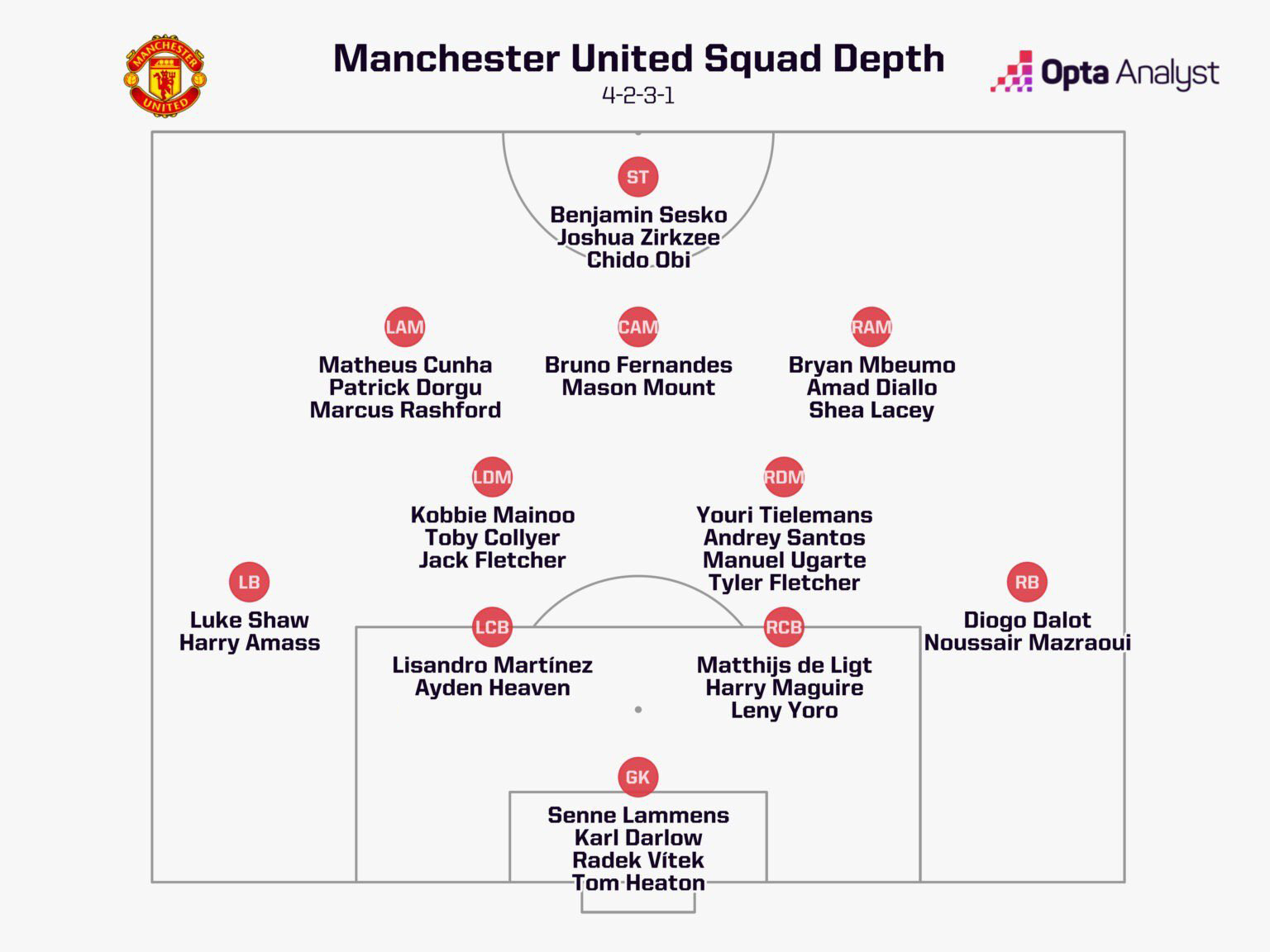
At the moment, only two midfielders and a backup goalkeeper have been bought, which is clearly insufficient to cope with Manchester United's increased number of games. Carrick needs a deeper bench. Interestingly, the Manchester United manager, who only took office in January, is the second most senior manager among the Premier League's top six! Only Arteta has been in charge longer; Manchester City, Chelsea, and Liverpool all changed managers in the summer, while Tottenham's De Zerbi took over later than Carrick last season.


Wonderfulshortvideo
vinicius junior transfer real madrid arsenal vini here we go arsenal news today real madrid news today ronaldo real madrid ronaldo edit



A sneak peak at yesterdays opener 👀

Think we might side with Francesca’s idea 😂

The highs & lows of racing 🐎

A different view to yesterday’s Stewards enquiry 👀

Perfectly explained by Francesca 🫶🏻

Keep an eye out for Adaay of Scarlett 👀
 Links
Links
 Contact
 App
App


