



The Big Six have spent £2.8 billion on 'poaching' players from the rest of the Premier League.



The Big Six are now targeting players who have already been tested in the Premier League, generating huge sums of money while deepening the divide between clubs.
Transfer market Premier League is witnessing a clear trend: the big clubs are no longer chasing stars from Europe but instead buying players who have already proven themselves in the league.
According to Sky Sports statistics, the six Big Six clubs – Arsenal, Manchester City, Liverpool, Manchester United, Chelsea, and Tottenham – have spent a total of £2.8 billion on buying players from other Premier League clubs outside this group since the summer of 2016. Last season alone, the figure reached a record £647 million, and this summer of 2026 has already reached £420 million even though the transfer window is not yet closed.

As a result, internal cash flow has increased at an unprecedented rate. The total value of deals between Premier League clubs reached £1.29 billion last season, the highest in history. The proportion of transfer money spent on players already in the league has also risen to 41% this summer, compared to a record low of 14% in the 2018/19 season.
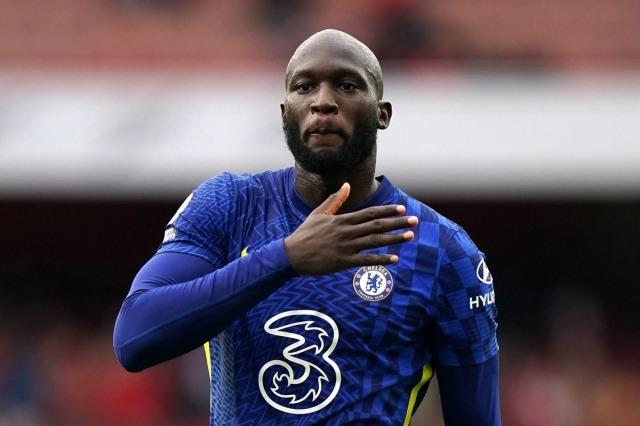
Chelsea is at the center of this cycle. Since 2016, the London club has spent £862 million buying players from fellow Premier League rivals, mostly after BlueCo took over the club in 2022. The Brighton–Chelsea transfer pipeline has a total value of £263 million, the highest in the Premier League. Chelsea has also spent £222 million on Leicester players and £156 million in deals with Aston Villa.
On the surface, this looks like a "draining" process where wealthy clubs constantly take the best players from the rest. However, this flow is two-way. Chelsea has also earned £683 million from selling players to other Premier League clubs since the 2016/17 season. For smaller clubs, selling a star for a high price is the fastest way to create financial room, reinvest, and meet cost control regulations.
The reason Big Six prioritize "domestic goods" is quite clear. Players already accustomed to the pace, physicality, and pressure of the Premier League usually have a lower adaptation risk. In return, this safety drives up transfer fees. The average value of big-ticket deals has now reached £68 million, while six of the ten most expensive contracts this summer of 2026 are deals between clubs in the Premier League.
This trend is creating a special cycle: clubs outside the Big Six develop players, sell them at high prices, and then reinvest; while the powerful group uses their financial strength to buy proven products.
The money stays in the Premier League, helping the entire league maintain its superior financial strength. However, the ability to retain stars between the two tiers of the league is increasingly unequal. Teams outside the Big Six can make large profits, but they also constantly have to rebuild their squads after each transfer window.


Wonderfulshortvideo

vinicius junior transfer real madrid arsenal vini here we go arsenal news today real madrid news today ronaldo real madrid ronaldo edit



A sneak peak at yesterdays opener 👀

Think we might side with Francesca’s idea 😂

The highs & lows of racing 🐎

A different view to yesterday’s Stewards enquiry 👀

Perfectly explained by Francesca 🫶🏻

Keep an eye out for Adaay of Scarlett 👀
 Links
Links
 Contact
 App
App


