



"Money for Immunity"? Chelsea's £10 Million "Buy" a Reprieve, "Suspended Sentence" Becomes a New Trend



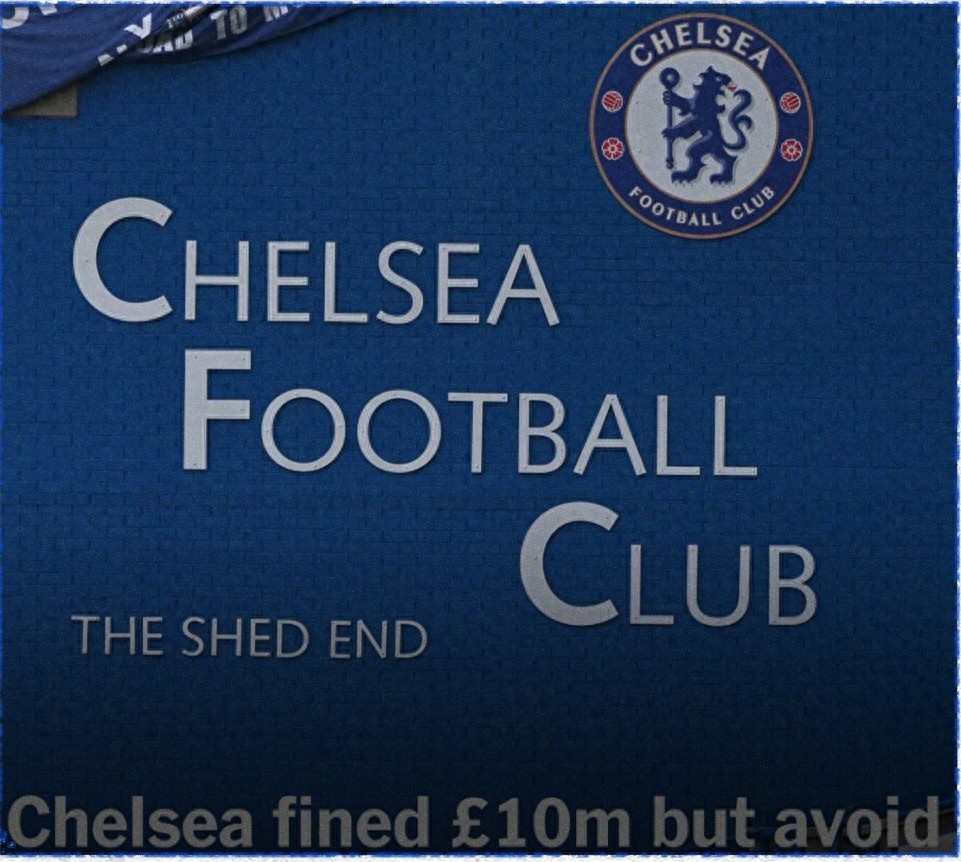
In the realm of athletic competition, fairness and regulations are supposed to be non-negotiable boundaries. Yet, when the FA declared that Chelsea had been fined £10 million for 74 alleged violations while dodging the severe penalty of a six-point deduction, numerous supporters sighed: in the high-stakes game of top-level football, if the price is right, even the rules can be put on a payment plan.
The source of this controversy traces back to the era when Abramovich owned Chelsea. The FA alleged that between 2009 and 2022, the club made secret payments to unlicensed agents and third parties during transfers of stars like Hazard and Willian. Faced with up to 74 charges, the independent regulatory commission initially imposed a harsh penalty: a six-point deduction in the league and a £10 million fine. In the fiercely competitive Premier League, six points often mean the difference between European qualification and survival in the relegation battle.
However, Chelsea's current owners adopted a "voluntary confession" strategy after taking over, disclosing thousands of documents to the regulators and showing a so-called "high degree of cooperation." Based on this attitude of "leniency for confession," Chelsea successfully overturned the decision on appeal. The appeals committee eventually revoked the six-point deduction and replaced it with a "transfer ban for two consecutive windows," but the key point is that this ban is also "suspended."
According to The Times, this "suspended sentence" mechanism means that as long as Chelsea does not commit similar violations before the end of June 2027, they can sign players normally this summer and in January 2027. In other words, the £10 million fine essentially became an expensive "get-out-of-jail-free card." As long as they pay on time and behave during the probation period, Chelsea's competitive operations will not be materially affected.
This ruling quickly sparked heated discussion and mockery among fans. Some joked that it was "buying points with money," because compared to an actual points deduction, £10 million is just a drop in the bucket for the wealthy Blues. Some fans sharply pointed out that a new trend of "suspended sentences" seems to be spreading in football today. Even red cards at the World Cup can be suspended — precedents have been set, so nothing is surprising anymore.
From the Premier League's previous fine of £10.75 million and a two-year suspended transfer ban on Chelsea, to the FA's multimillion-pound fine this time, regulators seem to have reached a tacit understanding: as long as the club is willing to "cut its losses" and invest the fine in grassroots football development, and the current management can distance itself from the "old regime's debts," then the harshest sports sanctions (such as points deductions or immediate bans) can often be mitigated.
This model of "fines instead of punishment" may to some extent protect the league's commercial value and appeal, preventing a cliff-edge collapse of a top club due to points deductions. However, it also raises deep concerns about fairness. If the cost of violations is merely paying a "protection fee," then for those small and medium-sized clubs that strictly follow financial rules and budget carefully, does this mean another form of injustice?
Chelsea's narrow escape undoubtedly sounds an alarm for compliance in football, but it also leaves a complex question: when "suspended sentences" become the standard fallback after violations, how much deterrent power do the rules actually have? In the future, whether the Blues can truly stay clean during the probation period, and how the regulatory balance in football can find equilibrium between "heavy punishment" and "fairness," will be the focus of everyone's attention.
Watch the Premier League on Migu Video!


Wonderfulshortvideo
vinicius junior transfer real madrid arsenal vini here we go arsenal news today real madrid news today ronaldo real madrid ronaldo edit



A sneak peak at yesterdays opener 👀

Think we might side with Francesca’s idea 😂
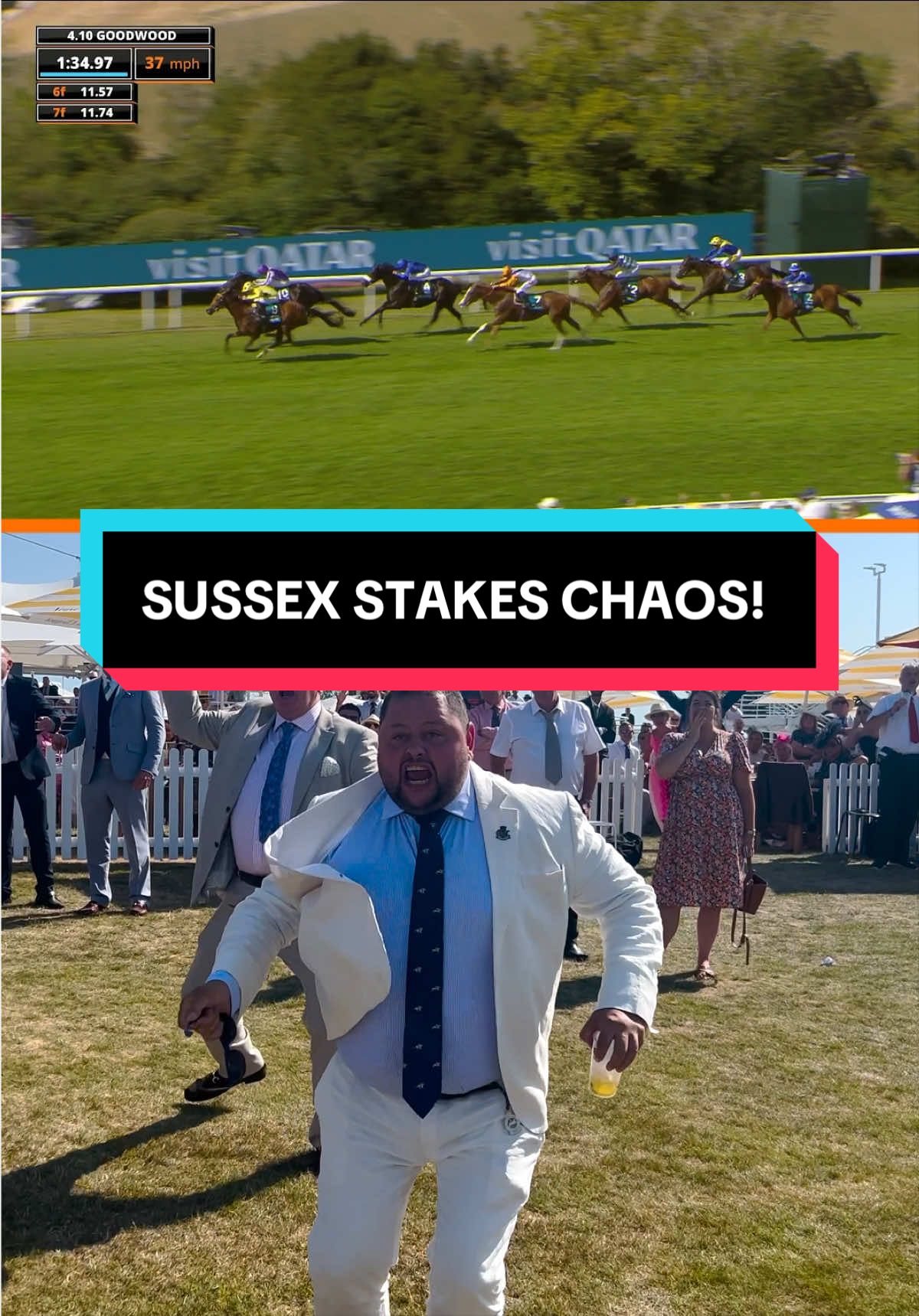
The highs & lows of racing 🐎

A different view to yesterday’s Stewards enquiry 👀
Perfectly explained by Francesca 🫶🏻

Keep an eye out for Adaay of Scarlett 👀
 Links
Links
 Contact
 App
App


