



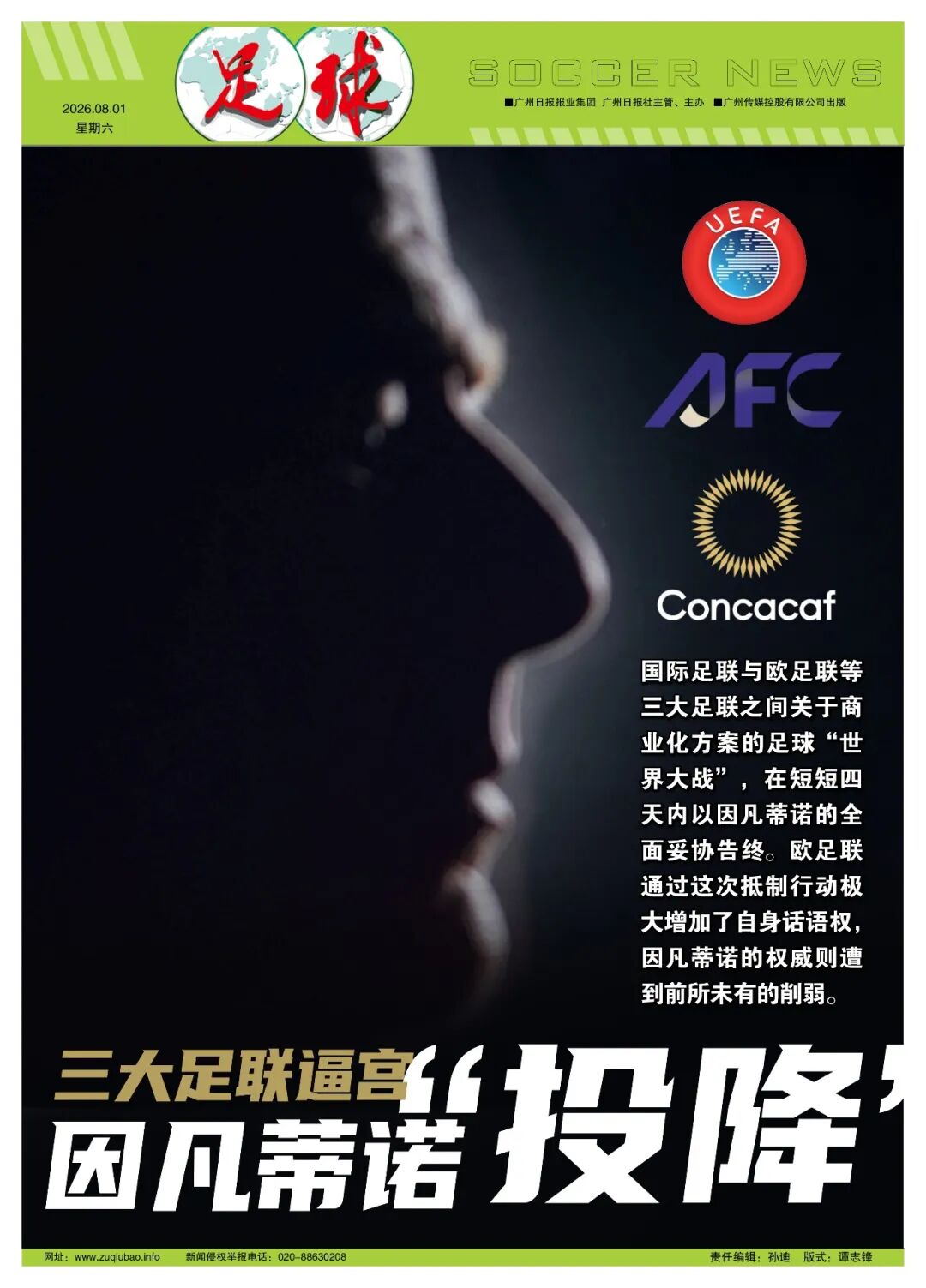
The "World War" of football ends dramatically: three confederations jointly force Infantino to "surrender"



Written by Han Bing Is this just another familiar conflict between FIFA and UEFA? No. As the Times, which first broke the news of FIFA's "commercialization" plan, put it, this is a "world war" of football. After opposition from the three confederations of Europe, North/Central America, and Asia, internal divisions among FIFA's top executives, and even doubts from investor Thrive Capital, this "football war" came and went quickly: just four days after its launch, Infantino had to announce the plan would "not be pursued further." Like the European Super League five years ago, the more greed-driven and arrogant the approach, the quicker and more complete the failure.
Although Infantino has temporarily compromised, the "world war" of football has only ended its first round: Infantino merely abandoned the more radical and blatant "commercialization" plan. In his statement announcing the plan was "not being pursued further," he planted a seed: in the coming days and weeks, he will focus on pushing for the expansion of the World Cup to 64 teams first, thereby securing his position as FIFA president and retaining the power to continue confronting UEFA.
A "world war" appears to be over, but the power struggles and battles for influence in world football never cease.
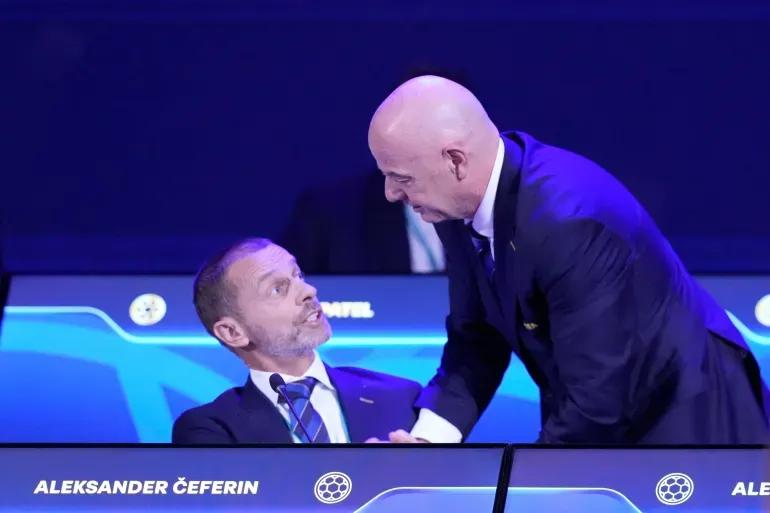

This is the most serious boycott of the World Cup since its inception in 1930. Within just 48 hours of the plan's announcement, opposition spread from Europe to the entire globe.
Late on July 28, just hours after FIFA officially announced the "commercialization" plan, UEFA quickly issued a statement opposing it and said it would convene an emergency meeting to discuss countermeasures. Late on July 30, UEFA was the first to publish a statement on its website, stating that all 55 member associations unanimously adopted a resolution: as long as FIFA's plan to sell World Cup equity continued to advance, all national teams under UEFA would resolutely refuse to participate in any FIFA competitions. The first target of boycott was the U20 Women's World Cup in Poland on September 5, which had 24 participating teams, six of them from UEFA. If they withdrew, it would be the first World Cup event in the Infantino era unable to be held normally due to a team boycott.
Concacaf then also issued a statement, with all 41 member associations unanimously rejecting the plan. On the afternoon of July 31, the Asian Football Confederation (AFC) also joined the opposition, meaning 136 associations opposed, accounting for 64.9% of FIFA's member associations. UEFA, Concacaf, and the AFC formed an opposition alliance, while CAF and OFC announced they would convene meetings to discuss the issue. Only CONMEBOL did not make an official statement. Brazilian media reported that CONMEBOL's delay was due to internal divisions: Brazil and two other associations opposed it, but others held different views.
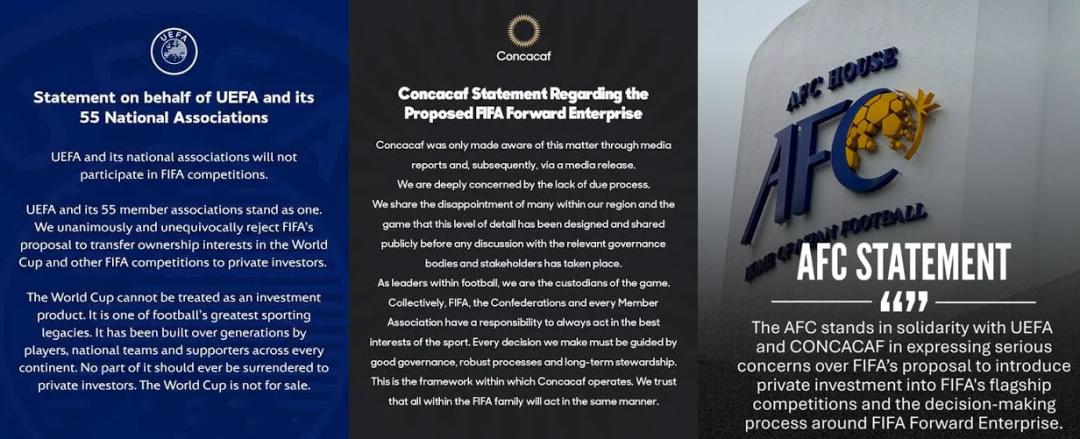
Although Infantino still arrogantly demanded that member associations respond by September 19 whether they agreed to the "plan," nearly two-thirds of associations clearly opposed it. This plan, a private deal between Infantino and the Trump family, could no longer be implemented through FIFA's procedures. In addition, FIFPRO also publicly opposed it, meaning the plan faced a full boycott from professional players.
Furthermore, Infantino faced overwhelming opposition from member associations, triggering a fatal chain reaction. FIFA's top management began to split: Infantino's close ally, senior FIFA advisor Cordeiro, resigned at "lightning speed" in protest, and CEO Lammour publicly criticized the plan for showing "a severe lack of respect" for FIFA's statutes and members. The real blow came from the intended investor, Thrive Capital, which also expressed doubts about whether the plan could be implemented.
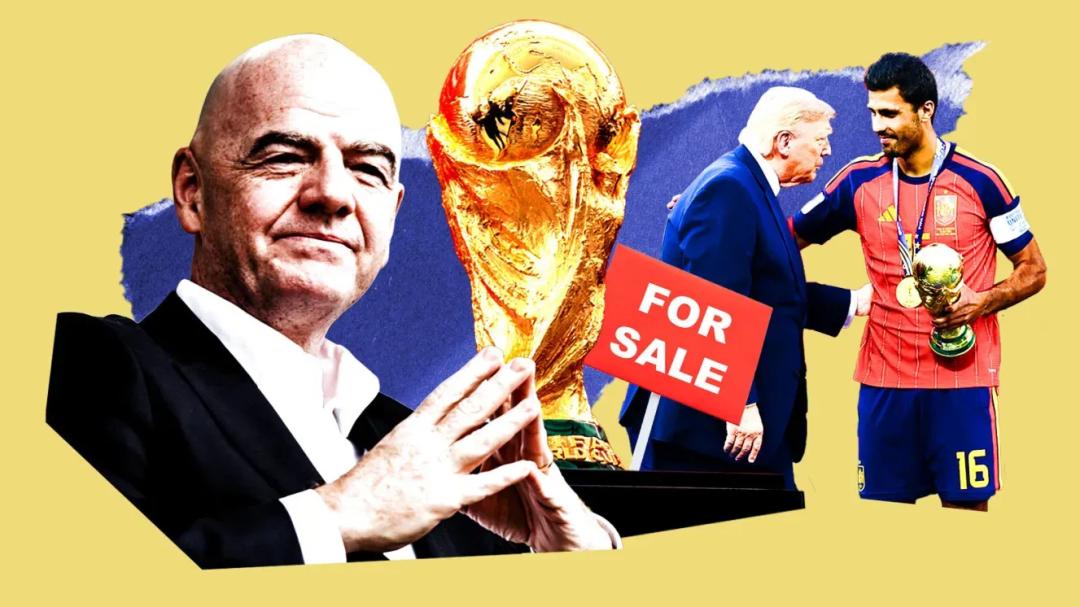
Against the backdrop of a complete shift in attitudes from member associations, FIFA executives, and investors, a deserted Infantino could only announce in the early hours of August 1 that FIFA's "commercialization" plan would not be pursued further. Thus, from the late night of July 28 when FIFA officially announced it, the plan that Infantino had forcefully pushed lasted just over three days, less than 75 hours, before quickly collapsing. Five years ago, UEFA took just over two days, a total of 58 hours, to defeat the European Super League; five years later, UEFA needed only 17 more hours to win the "world war" of football against FIFA.

Although UEFA, together with Concacaf and the AFC, quickly ended Infantino's FIFA "commercialization" plan, this "world war" of football between the two confederations over the management of world football is not yet fully concluded. Through this battle, UEFA has gained unprecedented influence in world football and has also recognized the necessity and possibility of unseating Infantino. European media generally report that UEFA has decided to field a strong candidate to challenge Infantino.
Although Paris Saint-Germain president Nasser Al-Khelaifi declined the invitation, UEFA will find another candidate and provide full support. Concacaf president Montagliani, a Canadian, is also considered a hot candidate. He is a close friend of Ancelotti, had close ties with Pelé and Maradona during their lifetimes, and has built strong relationships with Middle Eastern football oil capital by inviting Saudi Arabia to participate in the Gold Cup. AFC president Salman and FIFA Secretary General Grafström are also listed as candidates.
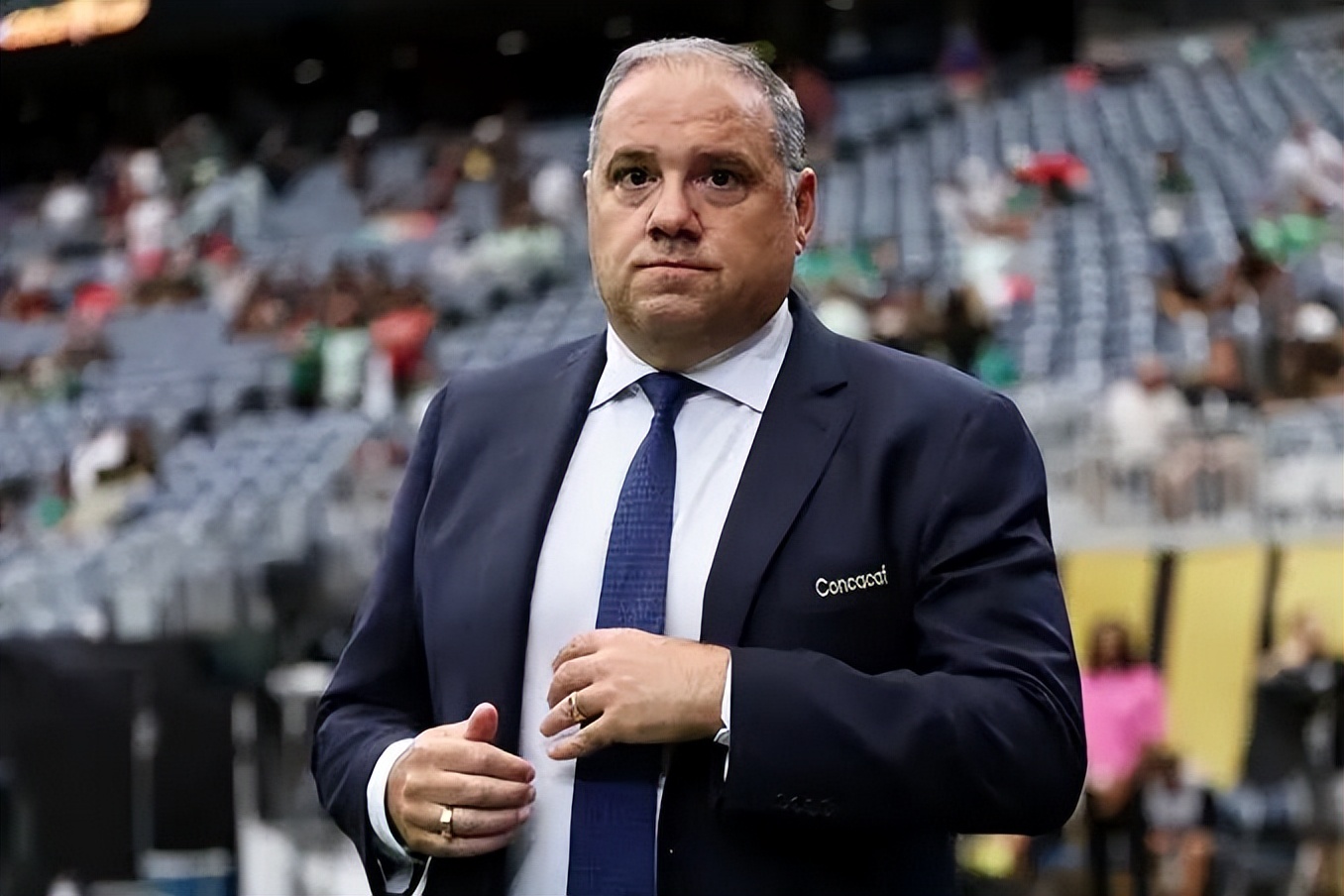
Concacaf president Montagliani
Infantino, who originally had no challengers, was expected to be re-elected unopposed as FIFA president in March next year. However, the "plan" triggered opposition from three confederations, and British media also revealed that Infantino had another plan, also undiscussed, to force through the World Cup expansion as early as August 14. After the disastrous failure of the "commercialization" plan, quickly pushing the World Cup expansion plan seems unlikely to succeed, and Infantino's re-election faces a major crisis.
This overly autocratic and high-profile "commercialization" plan has completely shaken Infantino's foundation. The opposition of Cordeiro and Lammour has dismantled Infantino's "inner circle" of FIFA executives. British media report that FIFA Secretary General Grafström is already seeking to unseat Infantino, and his core team is no longer his solid support. Additionally, when the FIFA "commercialization" plan was mentioned, Trump also distanced himself from Infantino after the situation became clear, saying he had no prior knowledge of the matter.
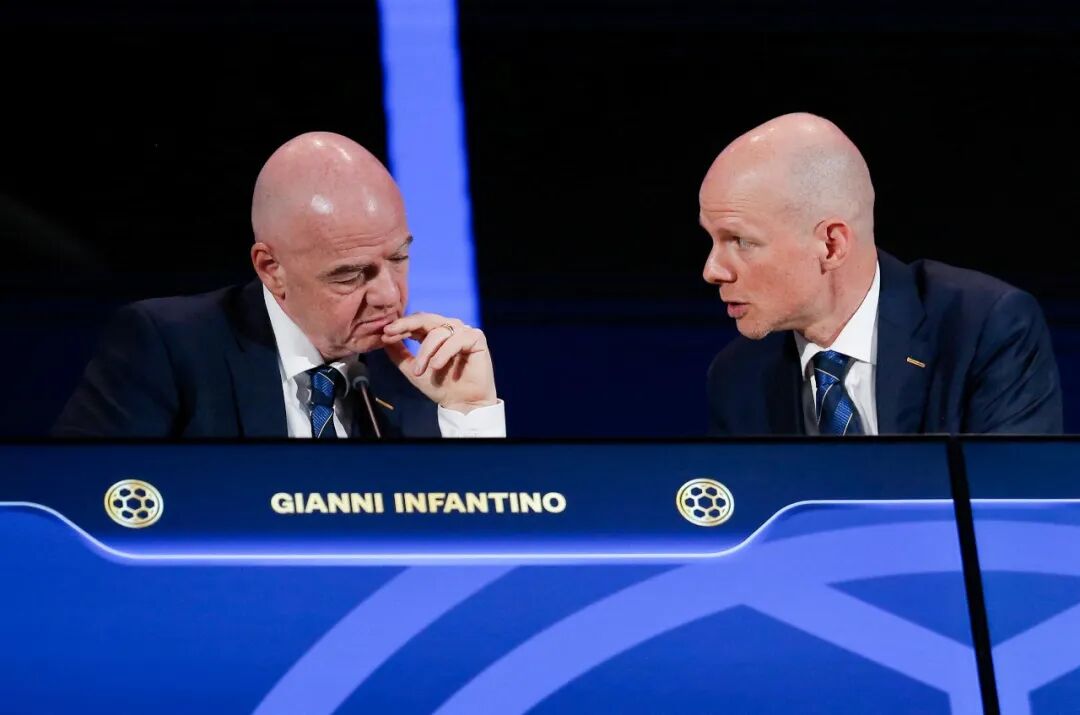
Infantino and Grafström
After the disastrous failure of the "commercialization" plan, Infantino's most urgent task is to ensure the smooth passage of the World Cup expansion plan. Although UEFA and the AFC have previously clearly opposed expansion, at least CONMEBOL and CAF still support it. Using the World Cup expansion to win back the support of smaller and medium-sized associations is Infantino's "decisive battle" to retreat in order to advance and strive to keep his position as FIFA president. But obviously, UEFA, which has already won a quick victory, will not give Infantino another chance to use his position to pursue personal ambitions.
The biggest challenge of the Infantino era has not only just begun; it has even reached the moment of a decisive battle.


Wonderfulshortvideo
vinicius junior transfer real madrid arsenal vini here we go arsenal news today real madrid news today ronaldo real madrid ronaldo edit



A sneak peak at yesterdays opener 👀
Think we might side with Francesca’s idea 😂
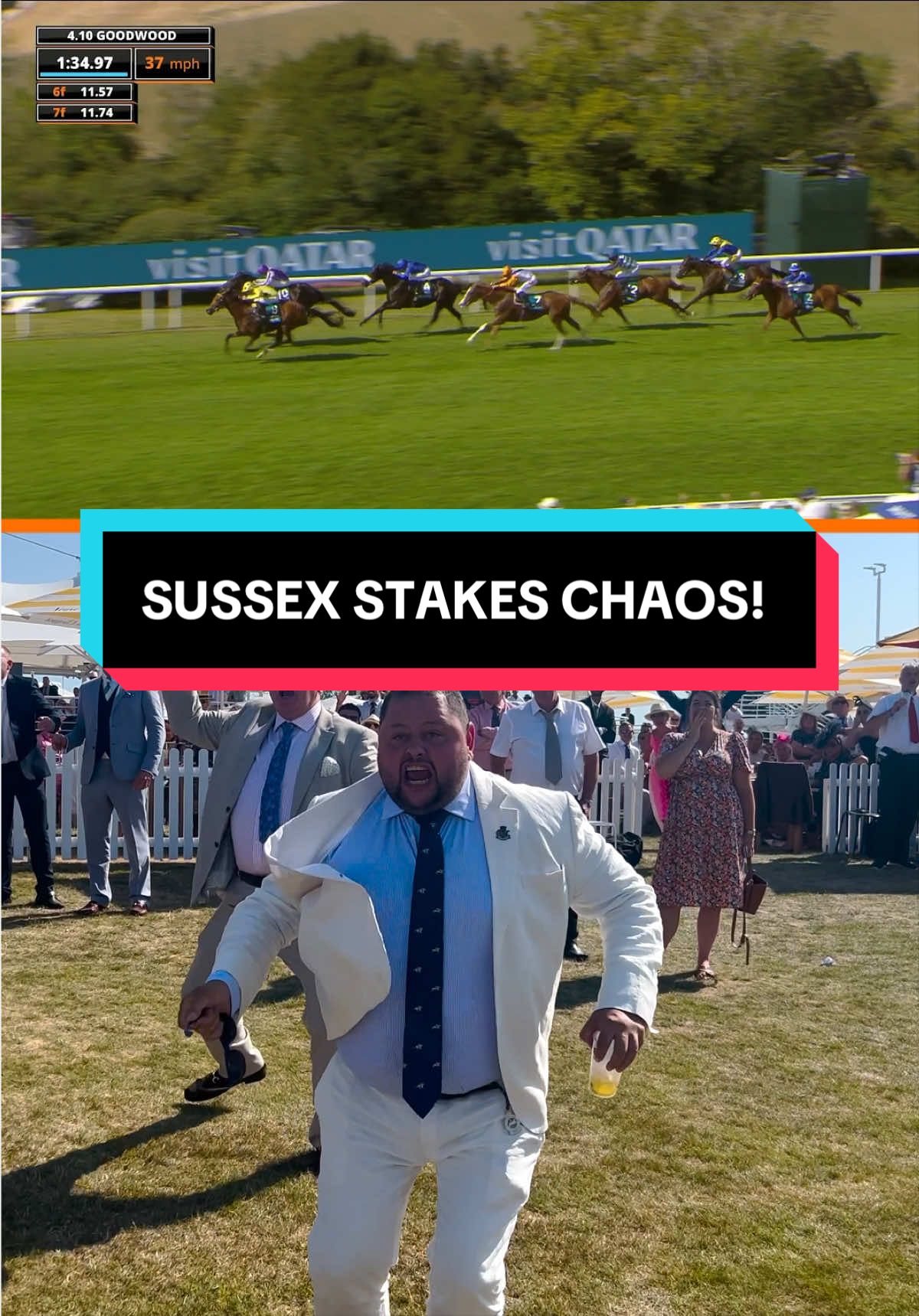
The highs & lows of racing 🐎
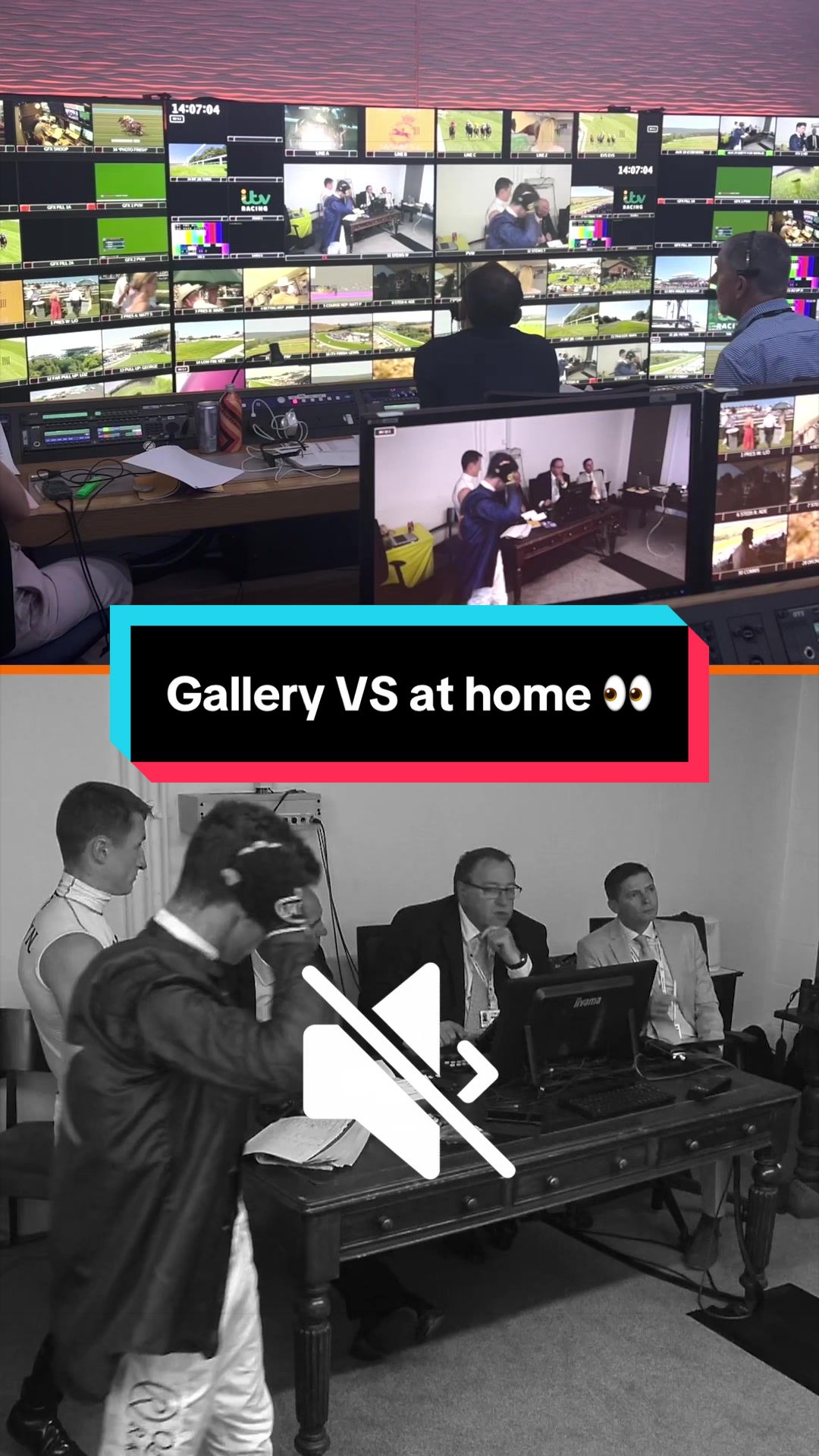
A different view to yesterday’s Stewards enquiry 👀

Perfectly explained by Francesca 🫶🏻
Keep an eye out for Adaay of Scarlett 👀
 Links
Links
 Contact
 App
App


