



Baresi Passes Away: A Lifetime Guarding the Rossoneri, Legend Eternal


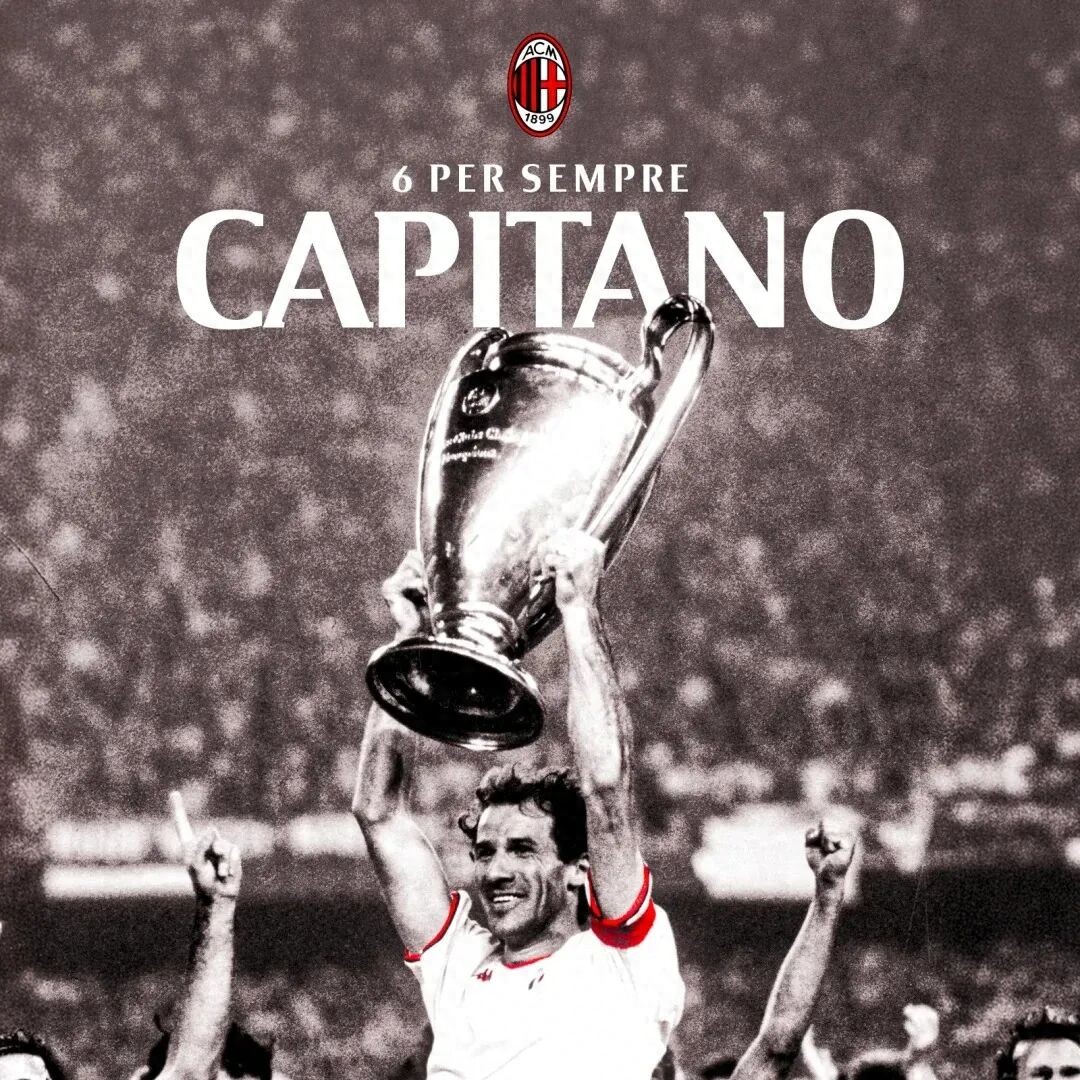
Written by Han Bing On July 31, the football world in Milan and Italy was plunged into mourning—after a long battle with illness, Franco Baresi, the dual legend of Milan and Italian football, passed away at the age of 66.
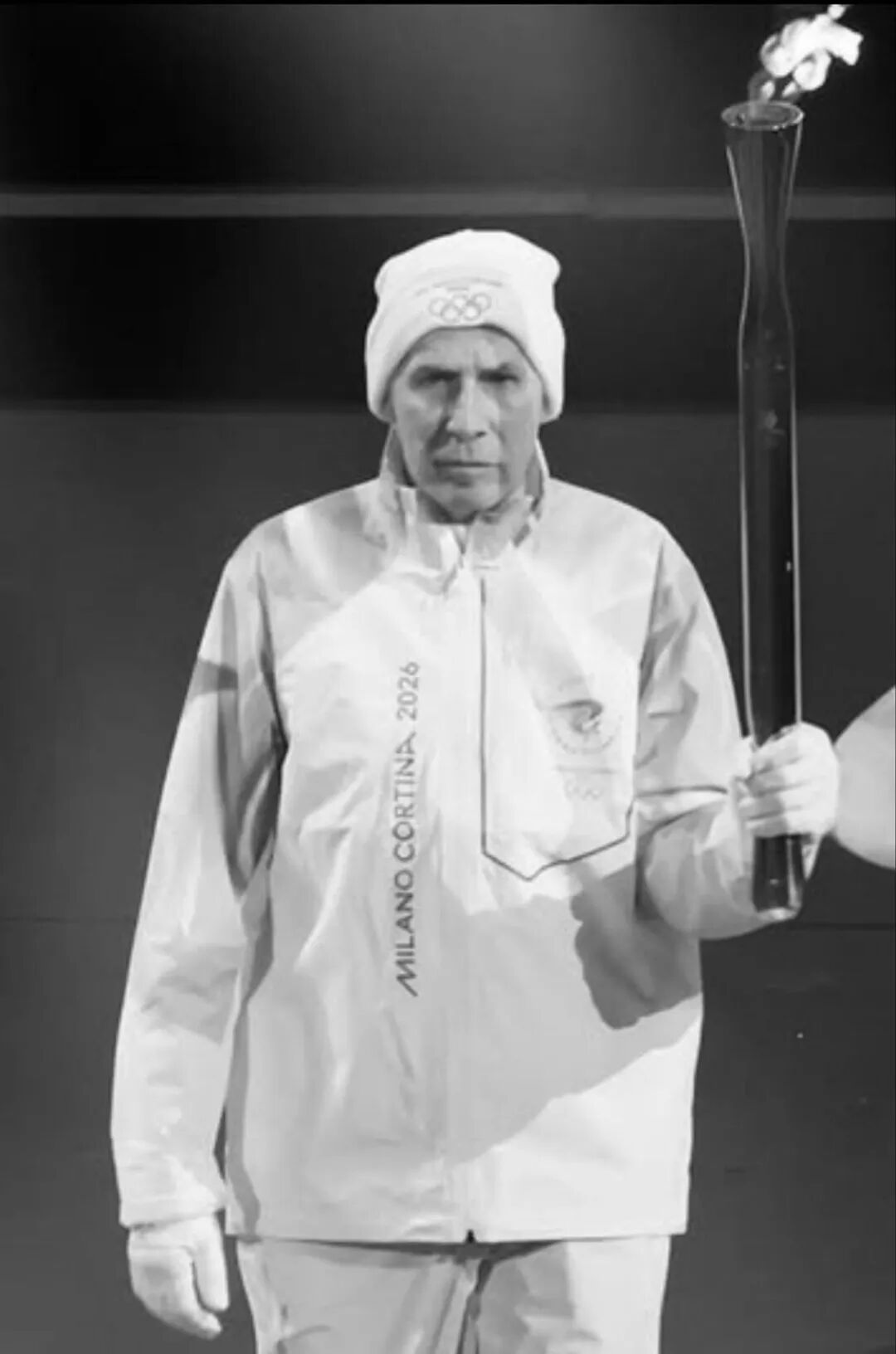
During the opening ceremony of the Milan-Cortina Winter Olympics this February, Baresi was still one of the torchbearers, appearing alongside his former Inter Milan rival and Italian national teammate Giuseppe Bergomi. Milan showed the world two city football icons representing loyalty. Unexpectedly, just half a year later, Baresi passed away.
When people look back on Baresi's great life, beyond admiring his redefinition of the libero position, it is more about his loyalty to Milan. This loyalty began during Milan's darkest days in the early 1980s and remained unchanged through the glory and ups and downs of the Berlusconi era, truly precious.
Baresi and his brother Giuseppe had an unfortunate childhood, losing both parents within three years and becoming orphans at 14. The brothers then went to Inter for trials together; the elder brother was kept and became an Inter legend, while Franco was rejected for being too small and thin. He then went through three more trials and ended up at AC Milan, where the team's masseur Marcotti called him "Piscinin" (little skinny one). However, this small defender, who ultimately stood only 1.76m tall, became the greatest defender in Rossoneri history.
The libero position was pioneered by Italian coach Gipo Viani in the late 1940s, inspired by the tactics of Austrian coach Hugo Meisl in the 1930s, who placed a defender behind the defensive line to specifically mark the opponent's striker. In the 1970s, Franz Beckenbauer was the epitome of the sweeper, and Baresi perfectly inherited his mantle, earning the nickname "Kaiser Franz" (the German transliteration of Franco).
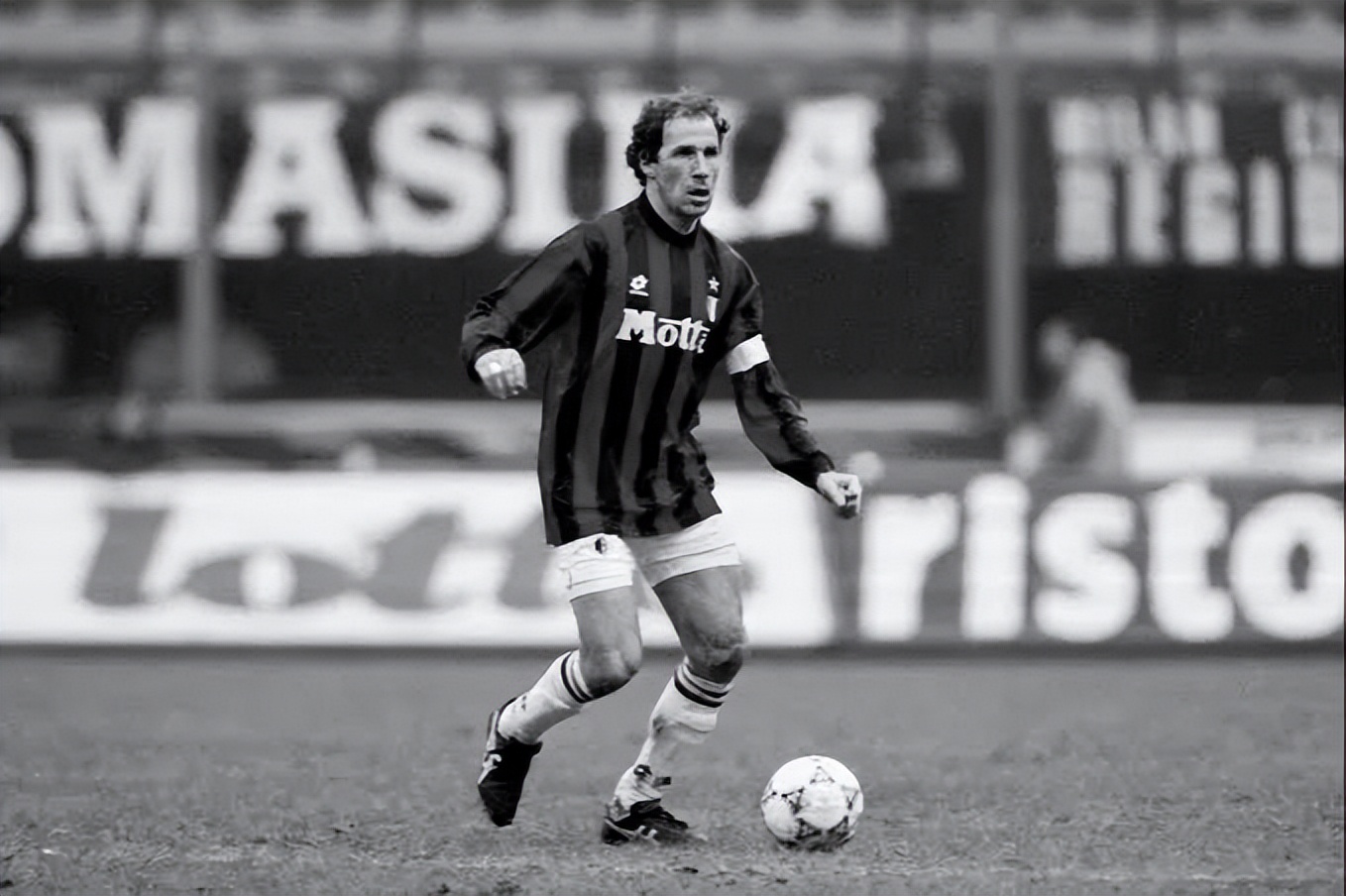
La Gazzetta dello Sport's assessment of Baresi was objective, fair, and authoritative: Baresi is the most classic and elegant libero in world football. His technical qualities, physical confrontation, game vision, anticipation, attacking awareness, and overall command of the defense, combined with his trademark tackles, made him the most complete central defender in history. Baresi was a genius in anticipating opponents' intentions, often moving forward into midfield to intercept passes precisely, becoming the starting point of attacks and helping his team gain numerical superiority.
At 22, Baresi became the captain of Milan. In the 1989 Ballon d'Or voting, he lost to teammate Marco van Basten by just 49 votes, but the European football world widely believed he fully deserved the trophy. Baresi was also the Italian defender who came closest to winning the award at that time since the Ballon d'Or was established.
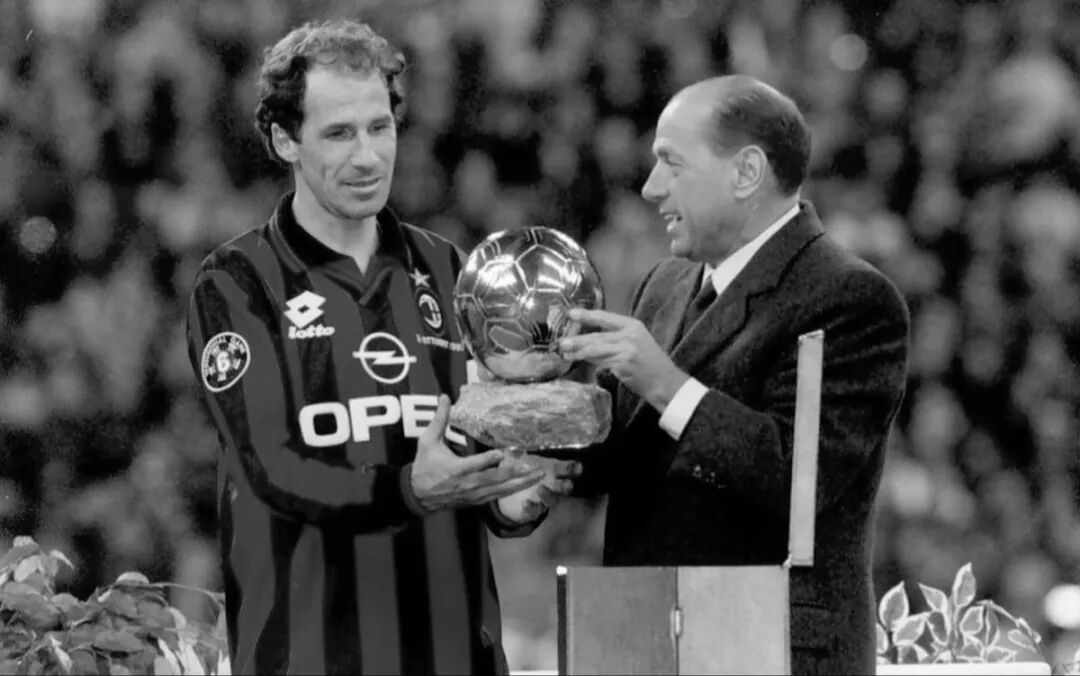
In 1997, Berlusconi specially presented Baresi with a commemorative version of the Ballon d'Or before a friendly match
At his peak, Baresi, along with Alessandro Costacurta, Paolo Maldini, and Mauro Tassotti, formed the defensive line that was the core of Sacchi's defensive revolution. Together they created Milan's 58-match unbeaten streak, earning Capello's Milan the nickname "Gli Invincibili" (The Invincibles). In the 1994 World Cup, Baresi also created the miracle of "iron will": after suffering a knee meniscus injury in the group stage and undergoing surgery, he played the full 120 minutes of the final just 25 days later.
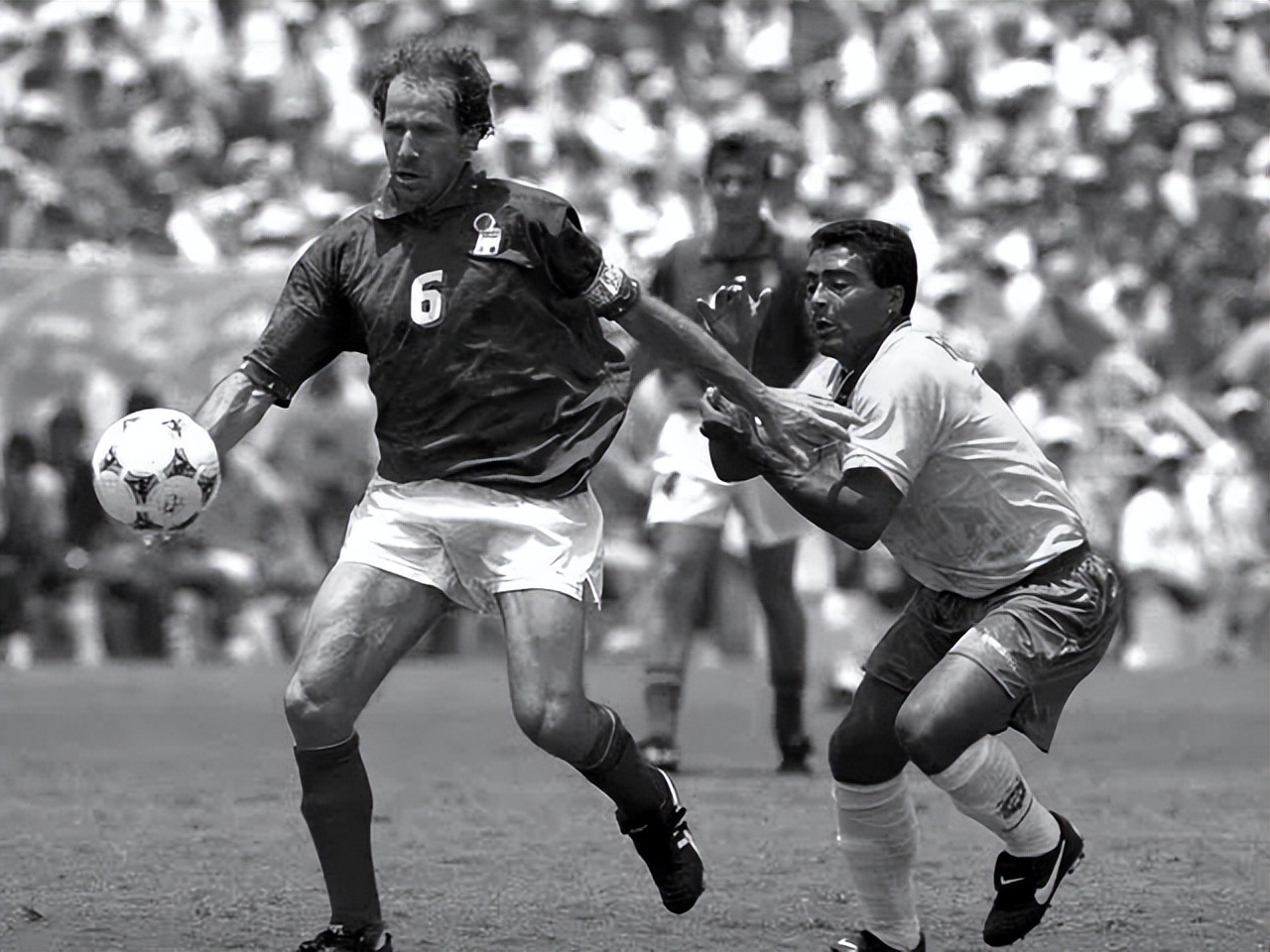
On and off the pitch, Baresi rarely spoke; he expressed himself through his body language: always moving forward, full of drive. Baresi liked to wear long-sleeved shirts and would pull the jersey out to almost completely cover his shorts—as his aggressive movements caused the loose jersey to flutter like a flag in the wind. This became a "fashion" among young football fans at the time.
Baresi also had an almost precocious and rarely erroneous offside trap judgment; his raised arm signaling offside was like a remote control for the linesman, also a iconic personal symbol. Baresi had almost no highlight moments that could be made into a compilation, yet he seemed to be everywhere.
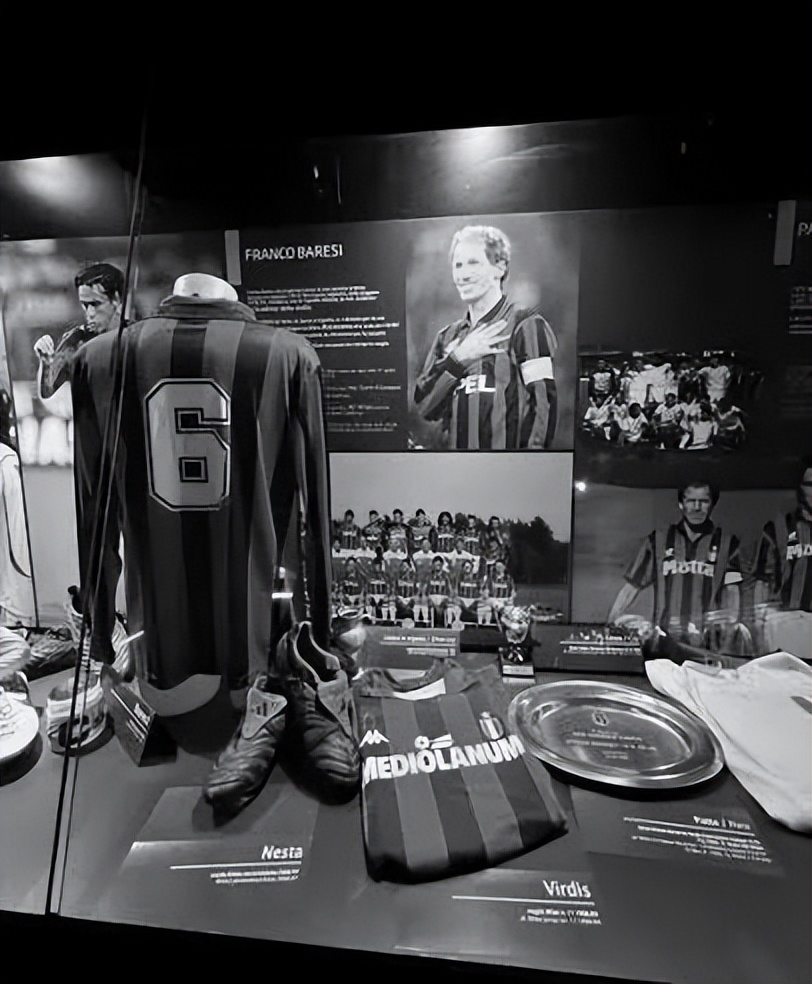
Serie A did not introduce fixed shirt numbers and surnames until 1995, but even without Baresi's surname, everyone knew who the number 6 belonged to and what it meant. In 1997, on the day Baresi retired, AC Milan announced that his number 6 jersey would be permanently retired. Unlike Maldini's number 3, which could be inherited by descendants, Baresi's number 6 retirement was permanent. Because of his loyalty, he gave eternal meaning to the number 6—in the early 1980s, when Milan was relegated twice in two years during the darkest times, Baresi never left.
Many legends' stories come from championship glory, but Baresi was different. His legend, beyond honors, is more about loyalty—loyalty that runs in the blood
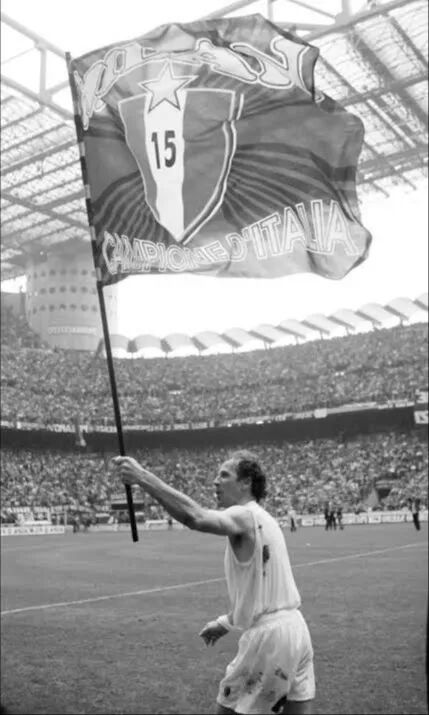


Wonderfulshortvideo
vinicius junior transfer real madrid arsenal vini here we go arsenal news today real madrid news today ronaldo real madrid ronaldo edit



A sneak peak at yesterdays opener 👀
Think we might side with Francesca’s idea 😂

The highs & lows of racing 🐎

A different view to yesterday’s Stewards enquiry 👀

Perfectly explained by Francesca 🫶🏻

Keep an eye out for Adaay of Scarlett 👀
 Links
Links
 Contact
 App
App


