



Coach Kim Sang Sik changes to beat Indonesia



After the first two matchdays of Group A in the 2026 ASEAN Cup, the situation has changed significantly compared to the initial expectations of the Vietnam national team. The away trip to Indonesia's Pakansari Stadium on August 3 has become a decisive match, and it is also the time when the South Korean coach may have to change his approach.
In the upcoming clash with Indonesia, all factors indicate that the team ofCoach John Herdmanis the one with more advantages.
The home team has the advantage in points, plays in front of tens of thousands of passionate fans at Pakansari, and possesses a well-balanced squad.
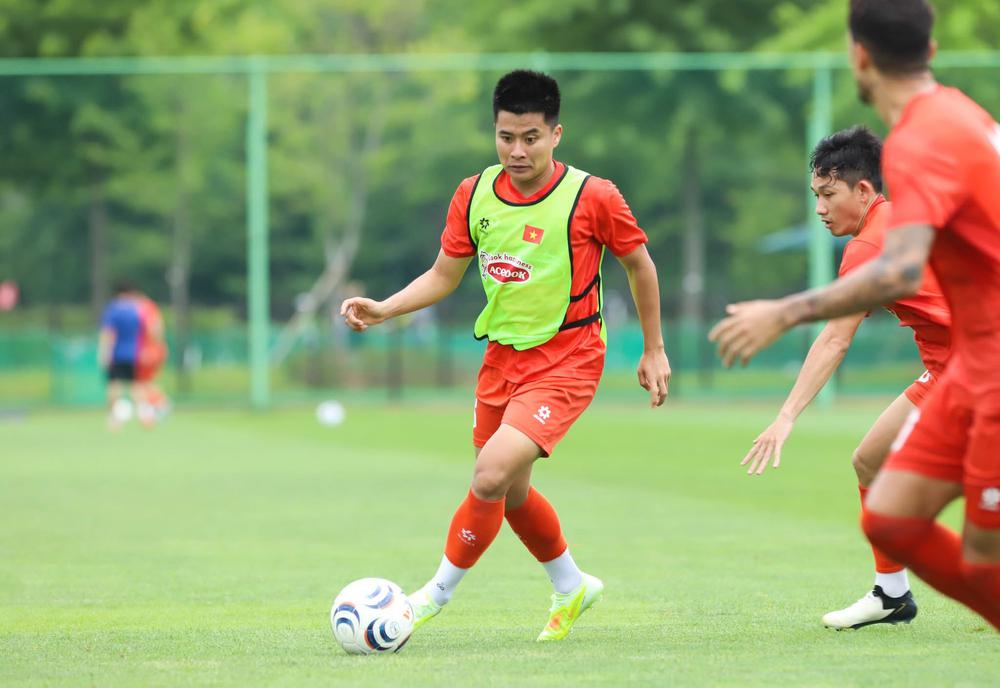
Thành Long may be given a chance by Coach Kim Sang Sik at Pakansari Stadium. Photo: VFF
More importantly, Indonesia is no longer a team that relies solely on youth or fighting spirit as it did a few years ago.
The hosts haveThom Hayeas their midfield orchestrator, Mitchell Baker as the spearhead in attack, along with a host of players who can create changes from the bench.
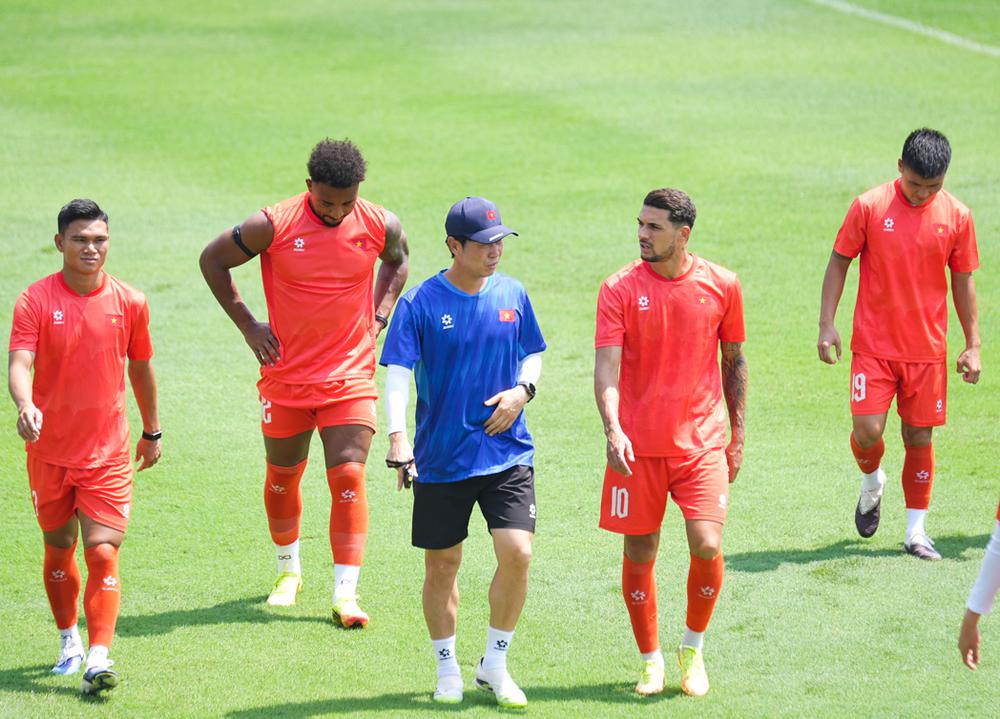
The Vietnam national team aims for a positive result on Indonesian soil. Photo: VFF
In that context, ifVietnamstill chooses to play a high line and press aggressively from the start as they did against Singapore, the risk of falling into Indonesia's counterattack trap is very high.
Coach Kim Sang Sik, therefore, may need to accept a reality: Vietnam should enter the match as the underdog. This does not mean abandoning the goal of winning, but rather choosing a more appropriate approach.
One of the biggest challenges for Coach Kim Sang Sik lies in the midfield area. After the first two matches, the duo of Quang Hải and Hoàng Đức have shown very good ball control and playmaking ability against weaker opponents.
However, when facing teams with strong physical battles and constant pressure, like Singapore or upcoming Indonesia, both struggle to maintain their influence.
The limitation is not in individual skill but in playing characteristics. Quang Hải and Hoàng Đức are both inclined towards creativity and attack, while the Vietnam team lacks a true defensive midfielder to help recover balls and provide cover from a distance.
That is why Thành Long could become a very worthwhile card to consider. Against a conductor like Thom Haye, who has proven his class by controlling the game and delivering decisive passes, Vietnam needs a player capable of tracking him closely and limiting the playing space of the Dutch-born midfielder.
If Thom Haye is allowed to play freely in the central corridor, Indonesia will easily launch attacks out wide or create conditions for Mitchell Baker to exploit his aerial ability. Conversely, if Haye is cut off from his surrounding satellites, Indonesia's strength will certainly diminish significantly.
Another important point is ball possession. Many people think that holding the ball means attacking, but in this match, keeping the ball is also an effective way to defend. When the ball is at Vietnam's feet, Indonesia will have fewer opportunities to build pressure, and Coach Kim Sang Sik's defense will also reduce the strain from the opponent's fast-paced attacks.
If the match remains balanced after 60 or 70 minutes, that may be the time for Coach Kim Sang Sik to bring in fast and unpredictable players to make a difference. In fact, Indonesia is not a team without weaknesses.
That is the opportunity for Vietnam to exploit if they are patient enough. Coach Kim Sang Sik has often shown that he can adjust his tactics according to each opponent. Pakansari could be the moment for the South Korean coach to once again demonstrate that ability.
The Vietnam national team does not need to prove they are stronger than Indonesia by charging forward to attack from the start. What is needed is composure, pragmatism, and the courage to turn decisive moments into advantages.


Wonderfulshortvideo
vinicius junior transfer real madrid arsenal vini here we go arsenal news today real madrid news today ronaldo real madrid ronaldo edit



A sneak peak at yesterdays opener 👀
Think we might side with Francesca’s idea 😂

The highs & lows of racing 🐎
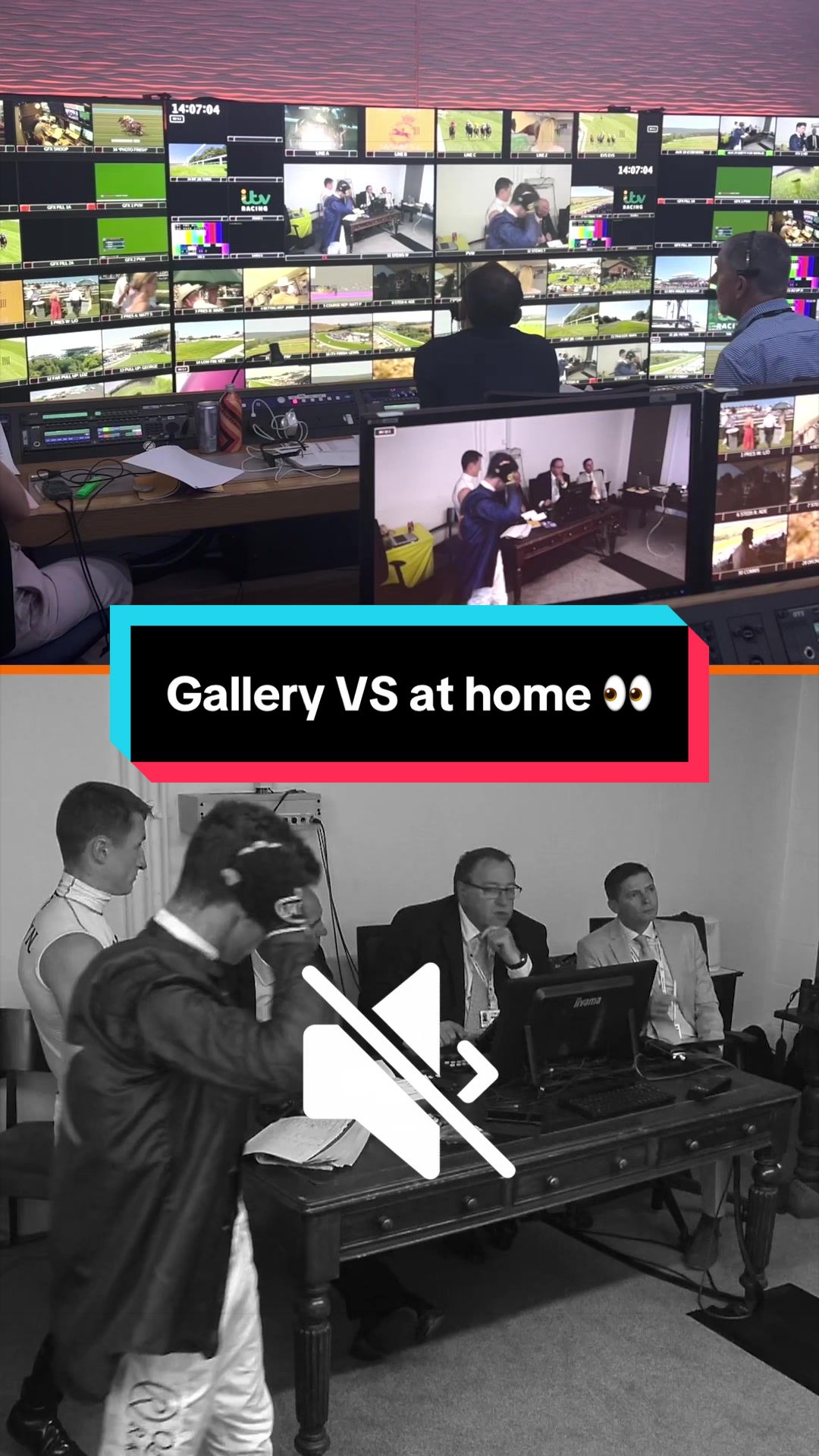
A different view to yesterday’s Stewards enquiry 👀
Perfectly explained by Francesca 🫶🏻

Keep an eye out for Adaay of Scarlett 👀
 Links
Links
 Contact
 App
App


