



The third path of sports-education integration! Through? All roads lead to Rome!




Reported by Chief Reporter Chen Yong On July 31, the 2026 Third Century Elite Football Exchange Tournament (Century Cup) for the high school boys' division began at Qingdao Preschool Education College. This non-high school vocational college was chosen because it is a key driver of the national vocational football sports management program at the higher education level and the football sports program at the secondary level, and it is one of the first six pilot football vocational colleges in the country.
Within China's sports-education integration and articulation system, football vocational education actually serves as a third path, alongside the main "631" articulation to undergraduate "football sports" majors and the elite guarantee system of "3+4" secondary-undergraduate articulation at new-style football schools. It contributes to China's football revitalization through its practical education philosophy and safety net that aligns with the essence of vocational education.
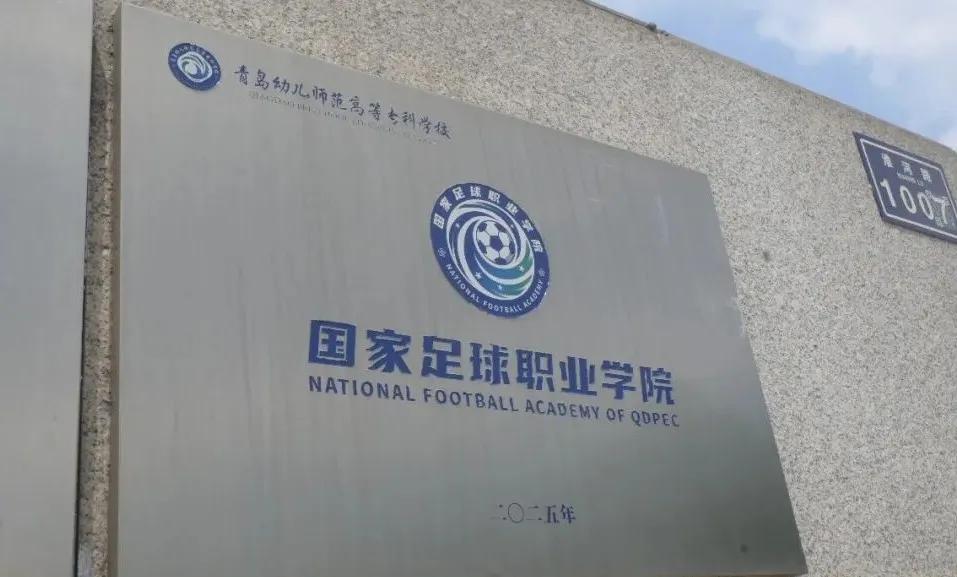

Primary, junior high, senior high, undergraduate, and 3+4 articulation
Youth football support and elite support
For Chinese football, the core of campus football is the "631" articulation system, along with the establishment of undergraduate football sports majors that began with this system. The "631" system addresses the "retirement at age 12" and "retirement at age 15" phenomena, while undergraduate football sports majors truly ease parents' concerns. The pathway from primary school to junior high to senior high to undergraduate is the main line of China's education system and naturally the main line of sports-education integration in Chinese football.
With this system in place, the role of campus football in Chinese football becomes clear: first, it provides mass participation, which is essential for building a true pyramid; second, it serves as a guarantee system for Chinese youth training.
Because the systematic planning and construction plan are clear, there is almost no issue in understanding across regions. The "631" articulation uses districts and counties as basic units. For undergraduate football sports majors, the Ministry of Education initially set up 30 universities, then 11 more in the second batch, and 27 more in the third batch, totaling 68 universities offering football sports majors. This is not only the only undergraduate major set for a single sport in China, but it is also noteworthy for the great effort the Ministry of Education has put into promoting it.
Beyond this main line, Chinese football is currently building another path: new-style football schools and the "3+4" secondary-undergraduate articulation.
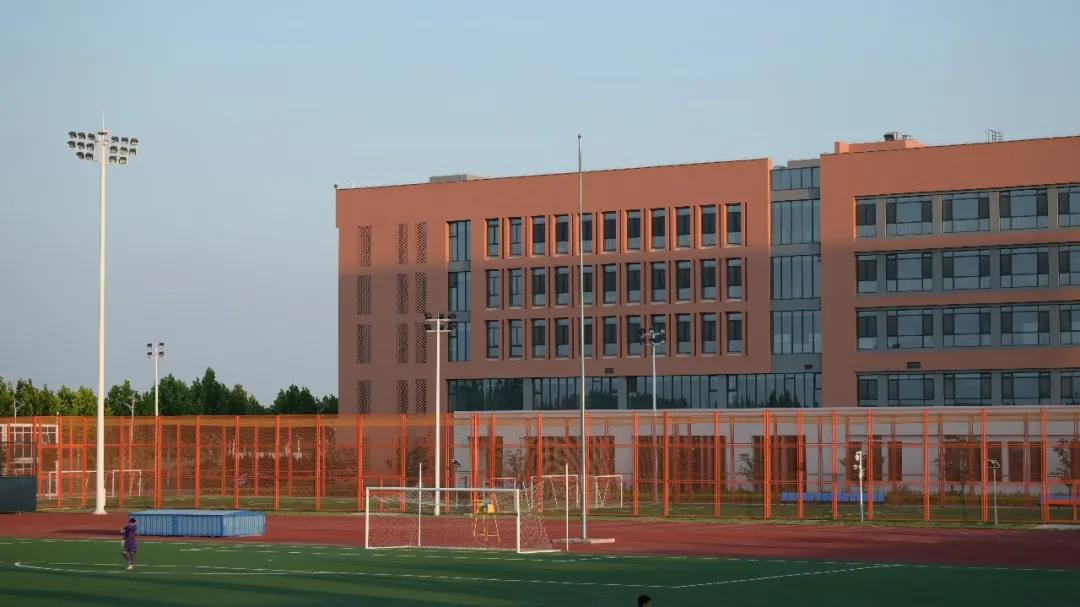
This system focuses on elite youth training and support. New-style football schools target secondary vocational schools, with core components being secondary sports schools. The "3+4" builds a new articulation system on this basis. This channel is set up to create a long-term training mechanism for elite youth—a seven-year articulation allows elite youth footballers to focus on improving their football skills while also continuing to develop their cultural literacy and overall quality.
Another function of this system is to provide a safety net for elite players. Elite youth training also has a high elimination rate, so players who eventually cannot advance to professional leagues can still have a safety net and smoothly enter university. It should be noted that this branch has some deviations at the local and implementation levels, which need to be improved in the future.
This main line and this branch can be understood as follows: on the youth football pathway, the "631" articulation to undergraduate football sports majors focuses on providing support for all young people who enter football, while the new-style football school "3+4" articulation focuses on supporting elite youth training.
Next, we introduce the third path of sports-education integration and articulation: football vocational education and the "3+2" (secondary-higher vocational and higher vocational-undergraduate) series of articulation systems. This is the strongest support outside the main line of sports-education integration from primary to undergraduate.
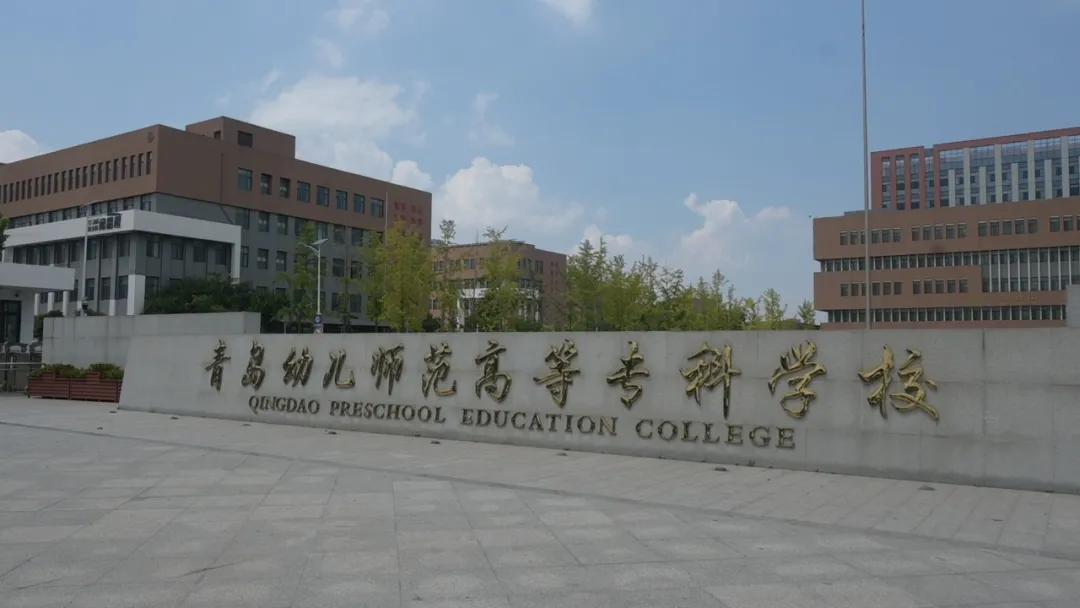

The essence of football vocational education
Youth football support and elite support
Not all high school students can enter undergraduate football sports majors or sports training majors (football direction), or enter undergraduate institutions in other ways. Not all secondary vocational football sports programs can achieve "3+4" secondary-undergraduate articulation. Therefore, the vocational education branch emerges. The football vocational education at secondary and higher vocational levels is essentially the final safety net for Chinese youth football—this is the easiest to understand.
However, the final safety net of football vocational education is not just about giving a vocational diploma or allowing entry into university through the "3+2" higher vocational-undergraduate articulation. The real safety net must still achieve genuine educational functions, cultivating talents who can truly contribute to Chinese football.
Currently, systematic design is underway for Chinese football vocational education: in 2024, the higher vocational football sports management major and the secondary vocational football sports major were established, with enrollment starting in 2025. In 2025, the pilot construction of football vocational colleges began, with the first six selected: Qingdao Preschool Education College, Fujian Sports Vocational and Technical College, Wuhan City Vocational College, Sichuan Sports Vocational College, Guangzhou Sports Vocational and Technical College, and Xinjiang Sports Vocational and Technical College. In 2026, a new batch of national "football vocational college" pilots is also being promoted.
In this systematic construction, the safety net and educational functions are driven by the core practical teaching of higher vocational institutions, along with higher-level professional forces to ensure quality. Currently, the Vocational Education and Adult Education Department of the Ministry of Education has very strict requirements for football vocational colleges to ensure that the concept of football vocational education is not confused, the path does not deviate, and it truly fulfills the safety net and educational role, contributing to the revitalization of Chinese football.
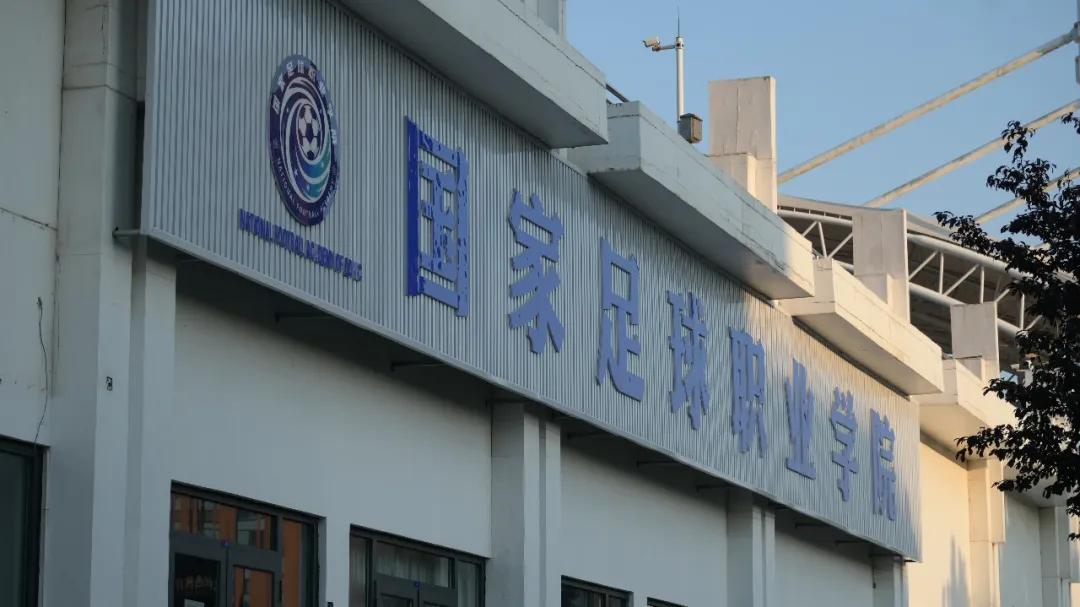

A more systematic college system
More integrated, more professional, and more distinctive
Football vocational education and new-style football schools, the "3+4" secondary-undergraduate articulation system and the "3+2" secondary-higher vocational articulation system, although clearly different in function, share commonalities in the construction of the college system, especially facing the constraints of insufficient sports colleges and uneven distribution. Therefore, football vocational education especially needs a "more integrated" characteristic.
Currently, for the revitalization of Chinese football, two basic principles are leveraging the advantages of the national system and combining a proactive government with an effective market. The input and support from the sports and education departments for football, especially in youth football and elite youth training, are very critical. This itself is a reflection of resource and policy integration.
First, there is a shortage of sports colleges. Among the four levels of sports colleges—undergraduate sports colleges (sports institutes), higher vocational sports colleges (sports vocational colleges), secondary vocational sports schools (sports schools), and amateur sports schools—statistics show that there are currently 16 undergraduate sports institutes in China (15 of them public), 22–23 higher vocational sports colleges (13 public), and many provinces, municipalities, and autonomous regions have not established a configuration of "sports vocational college + sports institute." In addition, according to local annual reports and related data, there are about 100–120 independent secondary vocational sports schools, while there are 333 prefecture-level administrative divisions across the country, accounting for only about 1/3. Even western pilot cities for youth training, such as Ganzhou, do not have an independent secondary vocational sports school.
Therefore, in the construction of football vocational education and new-style football schools, the problem of insufficient and uneven distribution of sports colleges troubles provinces, cities, and prefectures. Promoting the construction of sports institutes, sports vocational colleges, and sports schools is naturally the direction. For example, Ili Kazakh Autonomous Prefecture, another western pilot, has a secondary vocational sports school but hopes to have a higher vocational sports college. However, unless a new sports vocational college is established, current policies do not support direct upgrading. In comparison, integration or reorganization might be easier. In terms of integration, Zhangjiakou Ice and Snow and Football Sports School was transformed from a nearly abandoned secondary vocational school and has shown good results in youth football training and supporting Zhangjiakou's football development in recent years.
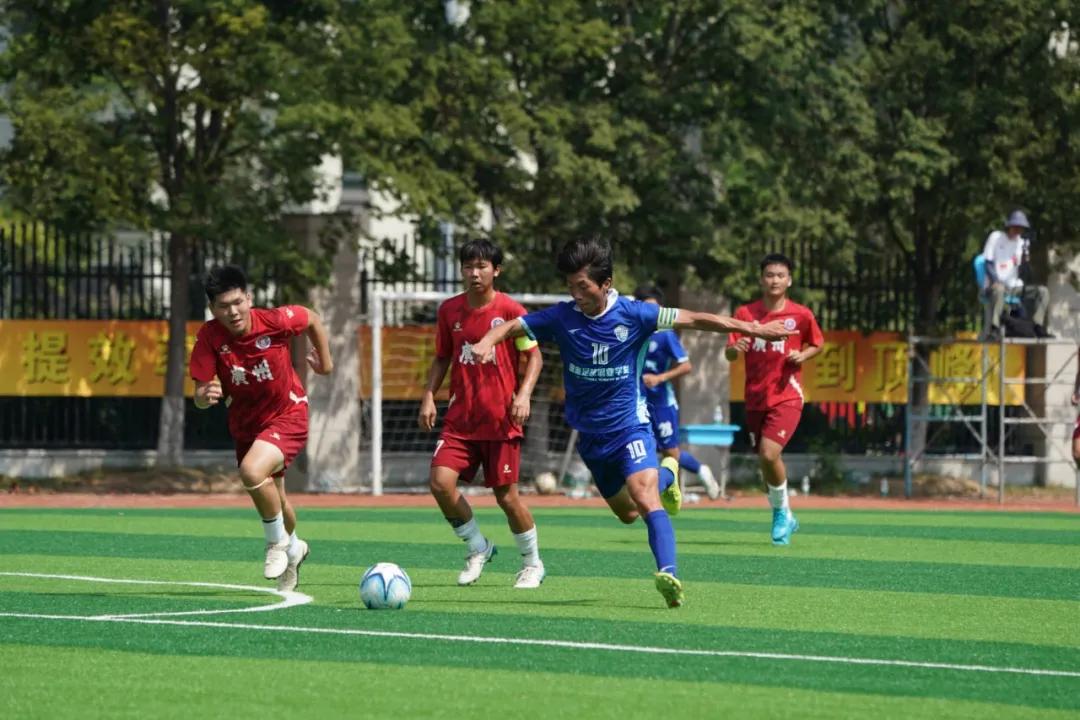
Setting up (secondary) sports academies in regular secondary vocational schools and regular higher vocational colleges is currently being piloted. For example, there are only 16 undergraduate sports institutes nationwide, but 68 undergraduate institutions have set up football sports majors. Among the first six national football vocational college pilots, Qingdao Preschool Education College and Wuhan City Vocational College are regular higher vocational colleges. The issue is that sports colleges are more managed by the sports system, while regular colleges are more managed by the education system. Coordination between the two departments and whether support is equal are key.
"More professional" is beyond doubt, and we will elaborate later. "More distinctive" means that related football industry directions can be developed according to local conditions, such as Qingdao Preschool Education College's cooperation with Taishan Sports Industry Group, targeting multiple football industries including football fields and facilities, as well as football rehabilitation medicine. "More distinctive" also applies to football projects. Currently, youth football development in China mainly focuses on men's 11-a-side, with consideration for women's 11-a-side. Football vocational colleges can target women's football, men's and women's futsal, beach football, and other projects. They can develop into professional teams or even semi-professional teams, and can even cooperate to professionalize. Qingdao Preschool Education College hired Li Jianlei, the head coach of the national futsal team, based on this direction.
"Futsal and 11-a-side football are actually connected. The small-area coordination and quick decision-making characteristics of futsal are still valuable for training and growth in 11-a-side football. Sun Chenxi was previously selected for the national futsal youth team, but this did not diminish his growth in 11-a-side football. On the contrary, he recently joined the U17 national team and performed well," Li Jianlei told reporters.
Chinese football vocational education has only been around for three years and is just getting started. As long as it finds the right direction and stays grounded, it can contribute even more to the revitalization of Chinese football. Just as the Ministry of Education's Vocational Education Department requires: football vocational education must not become a low-end version of undergraduate football sports education. In other words, it must provide a solid safety net and more professional education.


Wonderfulshortvideo
vinicius junior transfer real madrid arsenal vini here we go arsenal news today real madrid news today ronaldo real madrid ronaldo edit



A sneak peak at yesterdays opener 👀
Think we might side with Francesca’s idea 😂

The highs & lows of racing 🐎
A different view to yesterday’s Stewards enquiry 👀

Perfectly explained by Francesca 🫶🏻

Keep an eye out for Adaay of Scarlett 👀
 Links
Links
 Contact
 App
App


