



Yuechao: Regular Season Achieves "Win-Win for All," Playoffs Aim to "Optimize and Increase"!



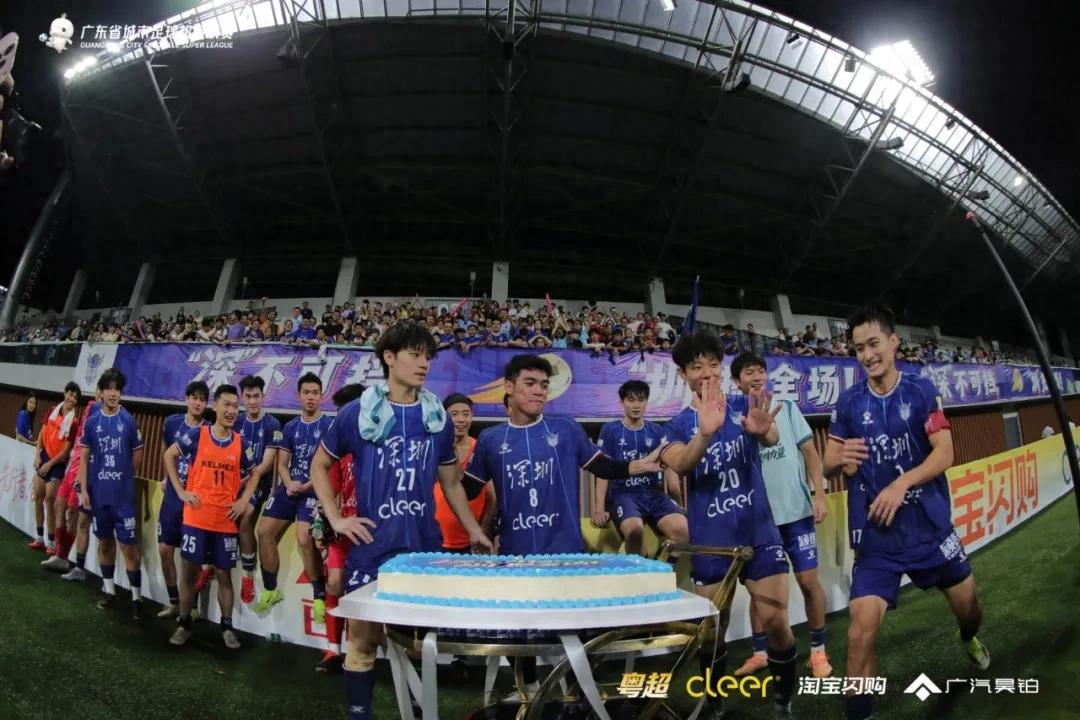
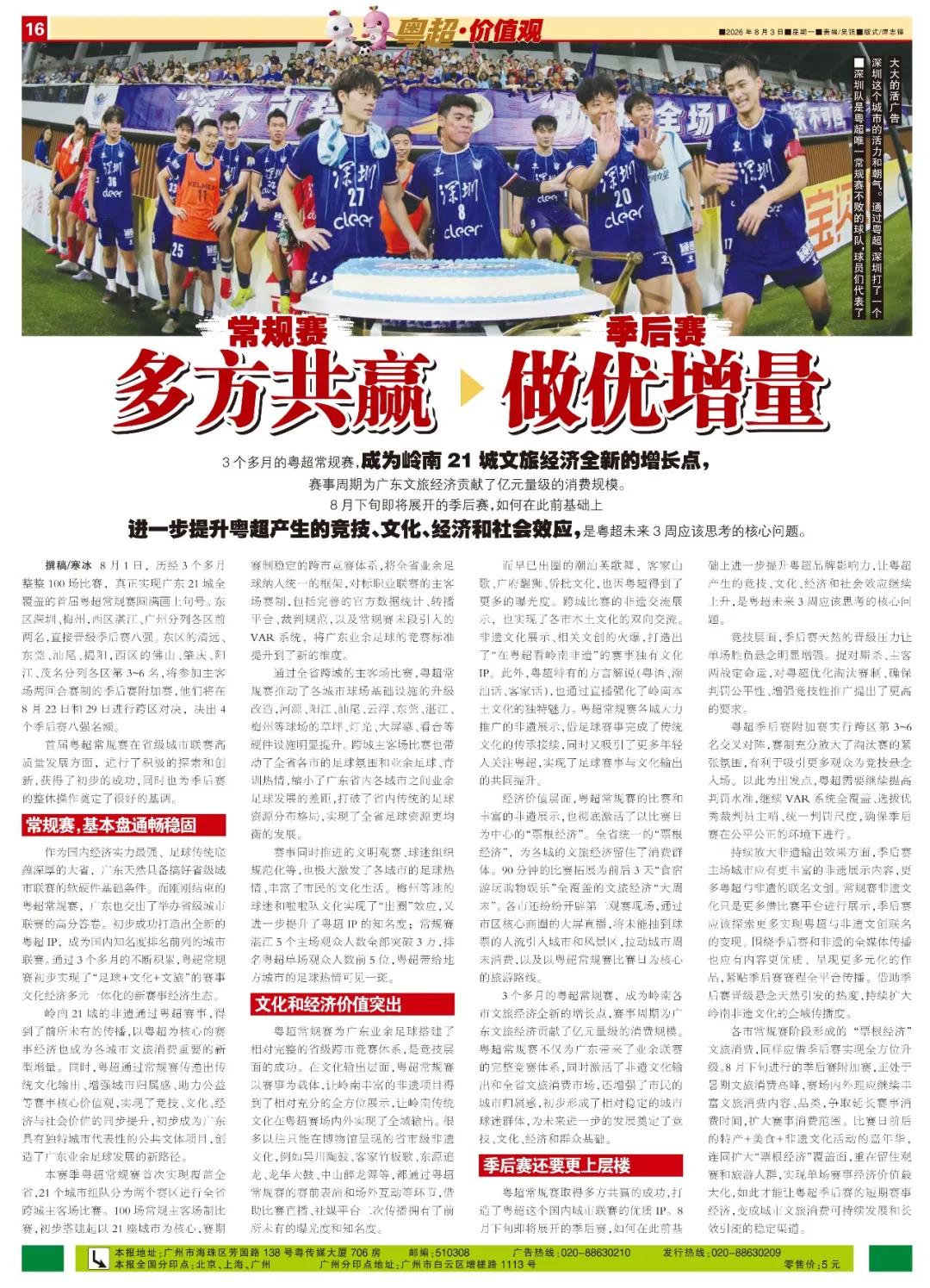
Written by Han Bing. On August 1, after more than three months and exactly 100 matches, the first Yuechao regular season, which truly covered all 21 cities in Guangdong, came to a successful conclusion. In the Eastern Division, Shenzhen and Meizhou, and in the Western Division, Zhanjiang and Guangzhou finished in the top two spots, directly advancing to the playoff quarterfinals. The teams ranked 3rd to 6th in each division—Qingyuan, Dongguan, Shanwei, Jieyang in the East, and Foshan, Zhaoqing, Yangjiang, Maoming in the West—will compete in a two-legged playoff qualifier. They will face opponents from the other division on August 22 and 29, with four spots in the playoff quarterfinals at stake.
The inaugural Yuechao regular season has actively explored and innovated in the high-quality development of provincial city leagues, achieving initial success and setting a solid foundation for the overall operation of the playoffs.
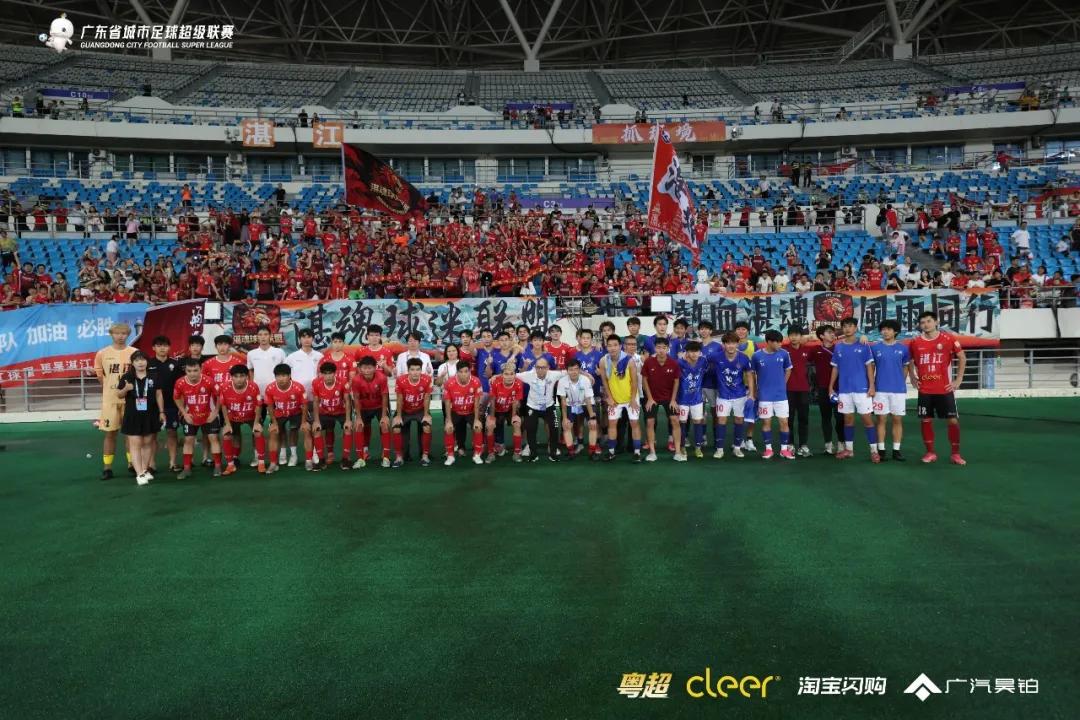

As a province with the strongest economic power and a deep football tradition in China, Guangdong naturally possesses the necessary hardware and software conditions to run a successful provincial city league. With the just-concluded Yuechao regular season, Guangdong has delivered an outstanding performance in hosting such a league. It has initially established the new Yuechao IP, becoming one of the top city leagues in domestic recognition. Through over three months of continuous accumulation, the Yuechao regular season has initially realized a new multi-integrated event economy ecosystem of "football + culture + cultural tourism."
The intangible cultural heritage of the 21 cities in Lingnan has gained unprecedented exposure through the Yuechao events. The event economy centered on Yuechao has become a significant new driver of cultural tourism consumption in each city. At the same time, through the regular season, Yuechao has conveyed core values such as traditional cultural export, enhanced city belonging, and support for public welfare. It has achieved simultaneous improvement in competitive, cultural, economic, and social values, initially becoming a unique public cultural and sports project representing the cities of Guangdong, and creating a new path for the development of amateur football in the province.
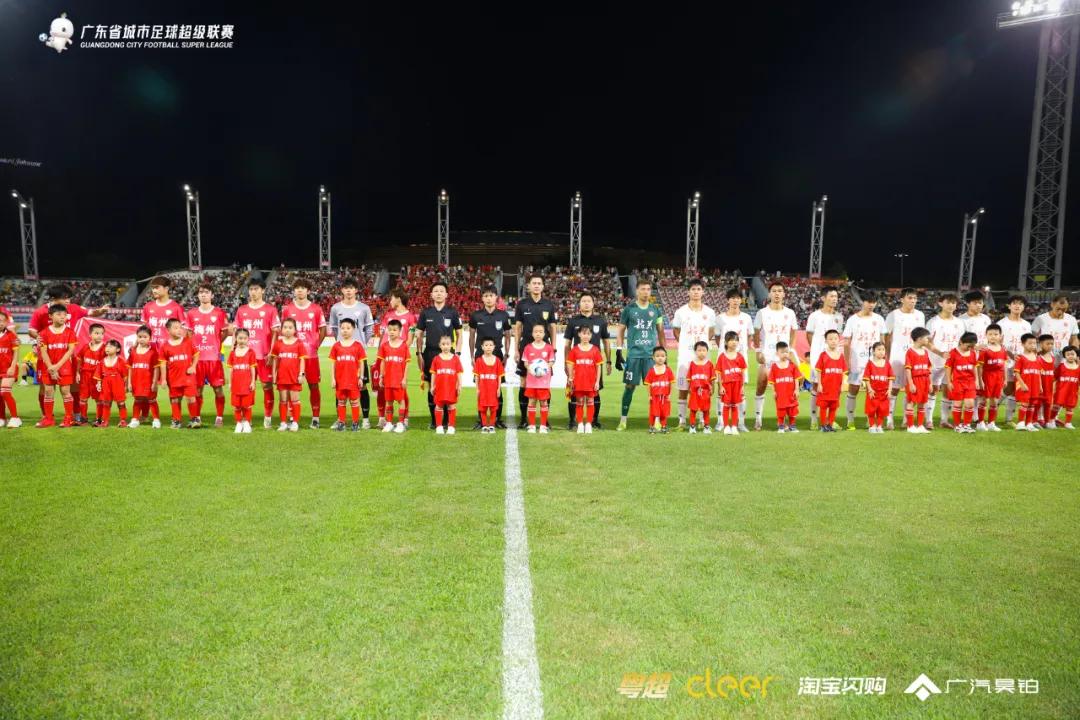
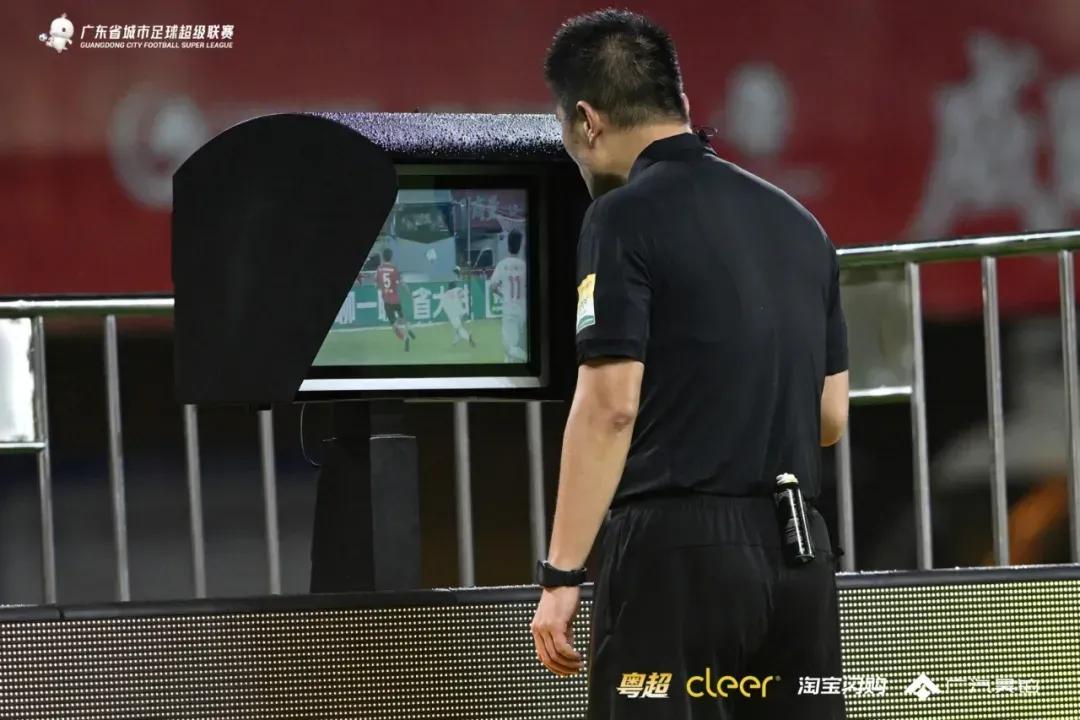
This season's Yuechao regular season covered the entire province for the first time. Teams from 21 cities were divided into two divisions and played cross-city home-and-away matches across the province. The 100 regular-season home-and-away matches initially established a cross-city competition system centered on the 21 cities, with stable schedules and formats. This system unified amateur football across the province under a common framework, mirroring the professional league's home-and-away format, and included comprehensive official statistics, broadcasting platforms, referee standards, and the introduction of VAR at the end of the regular season, elevating the competition standards of Guangdong amateur football to a new level.
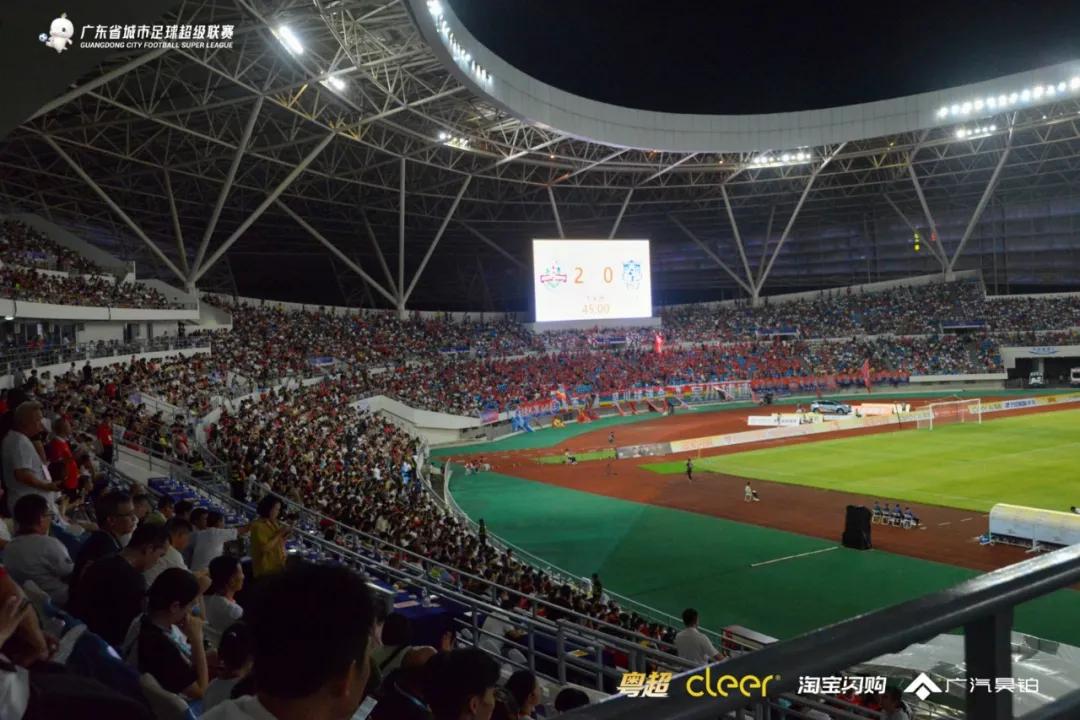
Through cross-city home-and-away matches across the province, the Yuechao regular season promoted the upgrading of stadium infrastructure in various cities. The turf, lighting, big screens, and stands in stadiums such as those in Heyuan, Yangjiang, Shanwei, Yunfu, Dongguan, Zhanjiang, and Meizhou saw significant improvements. The cross-city home-and-away matches also boosted the football atmosphere, amateur football, and youth training enthusiasm across the province, narrowing the gap in amateur football development between cities, breaking the traditional distribution pattern of football resources within the province, and achieving a more balanced development of football resources across Guangdong.
The simultaneous promotion of civilized spectating and standardized fan organization also greatly stimulated football enthusiasm in each city and enriched the cultural life of citizens. The fan and cheerleading culture in places like Meizhou achieved a "breakout" effect, further enhancing the popularity of the Yuechao IP. In Zhanjiang, all five home matches during the regular season drew over 30,000 spectators each, demonstrating the football passion that Yuechao brought to local cities.

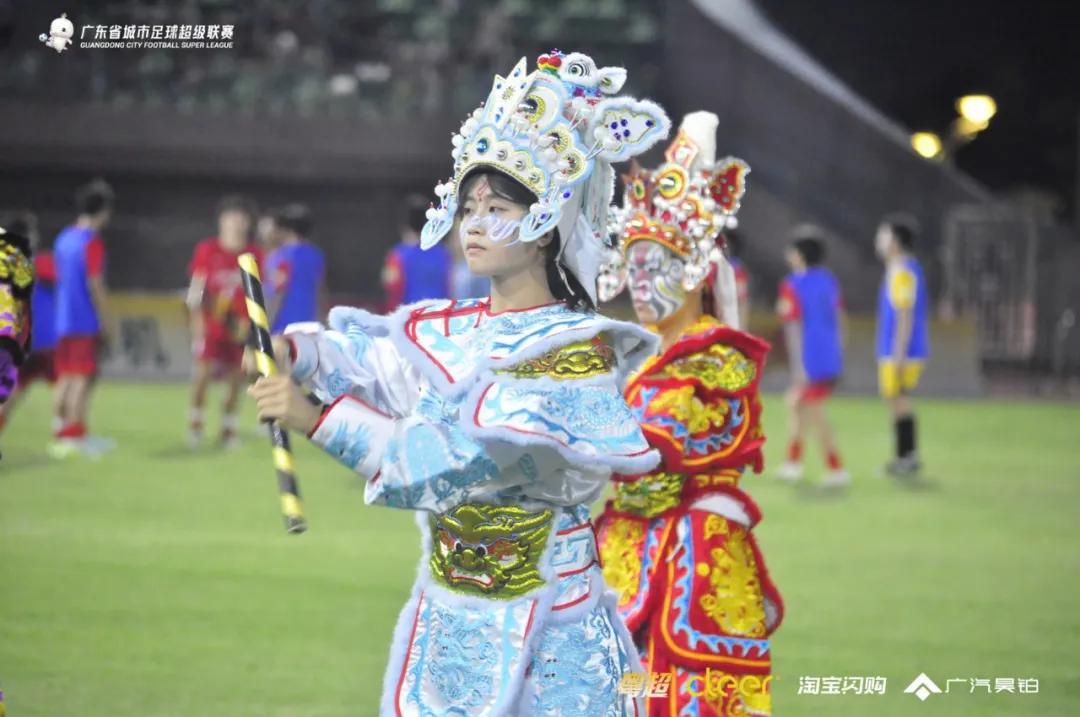
The Yuechao regular season established a relatively complete provincial cross-city competition system for Guangdong amateur football, representing a competitive success. On the cultural export front, using the event as a carrier, the regular season provided a relatively full and all-round display of the rich intangible cultural heritage of Lingnan, enabling the Lingnan traditional culture to achieve overall export both inside and outside the Yuechao venues. Many provincial and municipal intangible cultural heritage items that could only be seen in museums before, such as Wuchuan pottery drums, Hakka bamboo clappers, Dongyuan chasing dragons, Longhua big drums, and Zhongshan drunken dragon dance, gained unprecedented exposure and popularity through pre-match performances, off-field interactions, live broadcasts, and secondary dissemination on social media platforms.
Meanwhile, the already well-known Chaoshan Yingge dance, Hakka folk songs, Cantonese lion dance, and Qiaopi culture also gained more exposure through Yuechao. The cross-city exchanges and displays of intangible cultural heritage during matches facilitated two-way cultural exchange between cities. The popularity of heritage displays and related cultural creative products has created a unique cultural IP for the event: "Watch Lingnan Intangible Heritage at Yuechao." Additionally, Yuechao's distinctive dialect commentary (Cantonese, Teochew, Hakka) further strengthened the unique charm of Lingnan local culture through live broadcasts. The extensive promotion of intangible cultural heritage displays by various cities during the Yuechao regular season, leveraging football events, helped sustain traditional cultural heritage while attracting more young people to Yuechao, achieving a mutual enhancement of football events and cultural output.
On the economic value front, the Yuechao regular season matches and rich intangible cultural heritage displays fully activated the "ticket stub economy" centered on match days. The province-wide unified "ticket stub economy" helped retain consumer groups for each city's cultural tourism economy. The 90-minute match was expanded into a three-day "big weekend" covering dining, accommodation, sightseeing, shopping, and entertainment. Various cities also set up second viewing venues, using large screens in city-center commercial districts to broadcast live matches, drawing those who couldn't get tickets into the city and scenic spots, boosting weekend consumption, and creating tourism routes centered on Yuechao regular season match days.
The more than three months of the Yuechao regular season became a new growth point for the cultural tourism economy of Lingnan cities, contributing a consumption scale of hundreds of millions of yuan to Guangdong's cultural tourism economy during the event period. The Yuechao regular season not only brought a complete competition system for amateur leagues to Guangdong but also revitalized the export of intangible cultural heritage and the province's cultural tourism consumption market. It also strengthened citizens' sense of city belonging, initially forming relatively stable city fan bases, laying a foundation for further development in competition, culture, economy, and public support.
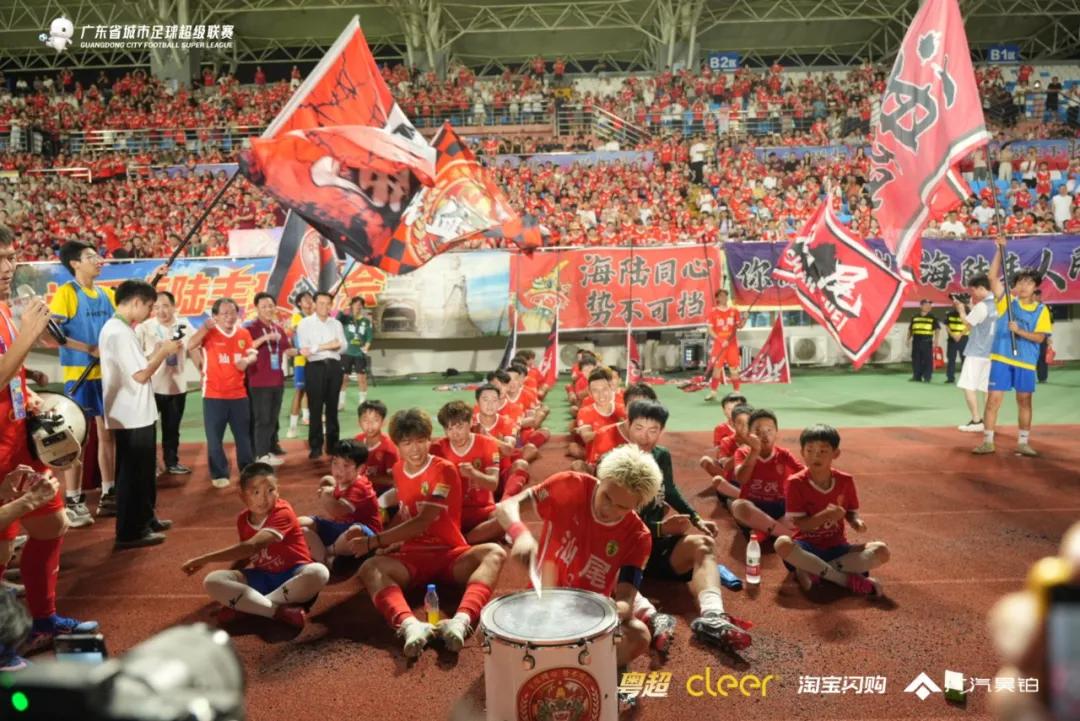

The Yuechao regular season achieved a win-win success for all parties, establishing Yuechao as a high-quality IP for domestic city leagues. With the playoffs set to begin in late August, the core question for Yuechao in the next three weeks is how to further enhance the brand influence of Yuechao on the existing foundation and continue to elevate the competitive, cultural, economic, and social effects generated by Yuechao.
On the competitive level, the natural pressure of advancement in the playoffs significantly heightens the suspense of each match. The head-to-head battles, with fate decided over two home-and-away legs, place higher demands on Yuechao to optimize the knockout format, ensure fair officiating, and enhance the promotion of competitiveness.
The Yuechao playoff qualifiers feature cross-division matchups between teams ranked 3rd to 6th. This format fully amplifies the tension of elimination matches, helping attract more spectators drawn by the competitive suspense. Starting from this point, Yuechao needs to continue improving officiating standards, maintaining full VAR system coverage, selecting excellent referees for key matches, and unifying penalty standards to ensure the playoffs are conducted in a fair and just environment.
To continuously amplify the effect of intangible cultural heritage export, the playoff host cities should offer richer heritage display content and more co-branded cultural creative products between Yuechao and heritage. In the regular season, heritage was mainly showcased through the match platform; the playoffs should explore more ways to monetize the co-branding of Yuechao and heritage cultural products. The omnimedia coverage around the playoffs and heritage should also feature higher-quality and more diverse content, closely following the playoff schedule and spreading across all platforms. Leveraging the natural heat generated by the playoff advancement suspense, Lingnan heritage should continue to expand its province-wide dissemination.
The "ticket stub economy" cultural tourism consumption formed during the regular season in each city should also be upgraded comprehensively through the playoffs. The playoff qualifiers in late August coincide with the peak summer cultural tourism consumption season. Both inside and outside the venues, the content and categories of cultural tourism consumption should be further enriched, aiming to extend the event consumption time and expand the consumption scope. A carnival of local specialties, cuisine, and intangible cultural heritage activities around match days, together with expanding the coverage of the "ticket stub economy," should focus on retaining spectators and tourists, maximizing the economic value of each single match. Only then can the short-term event economy of the Yuechao playoffs become a stable channel for sustainable development and long-term traffic attraction in urban cultural tourism consumption.


Wonderfulshortvideo

vinicius junior transfer real madrid arsenal vini here we go arsenal news today real madrid news today ronaldo real madrid ronaldo edit



A sneak peak at yesterdays opener 👀

Think we might side with Francesca’s idea 😂

The highs & lows of racing 🐎
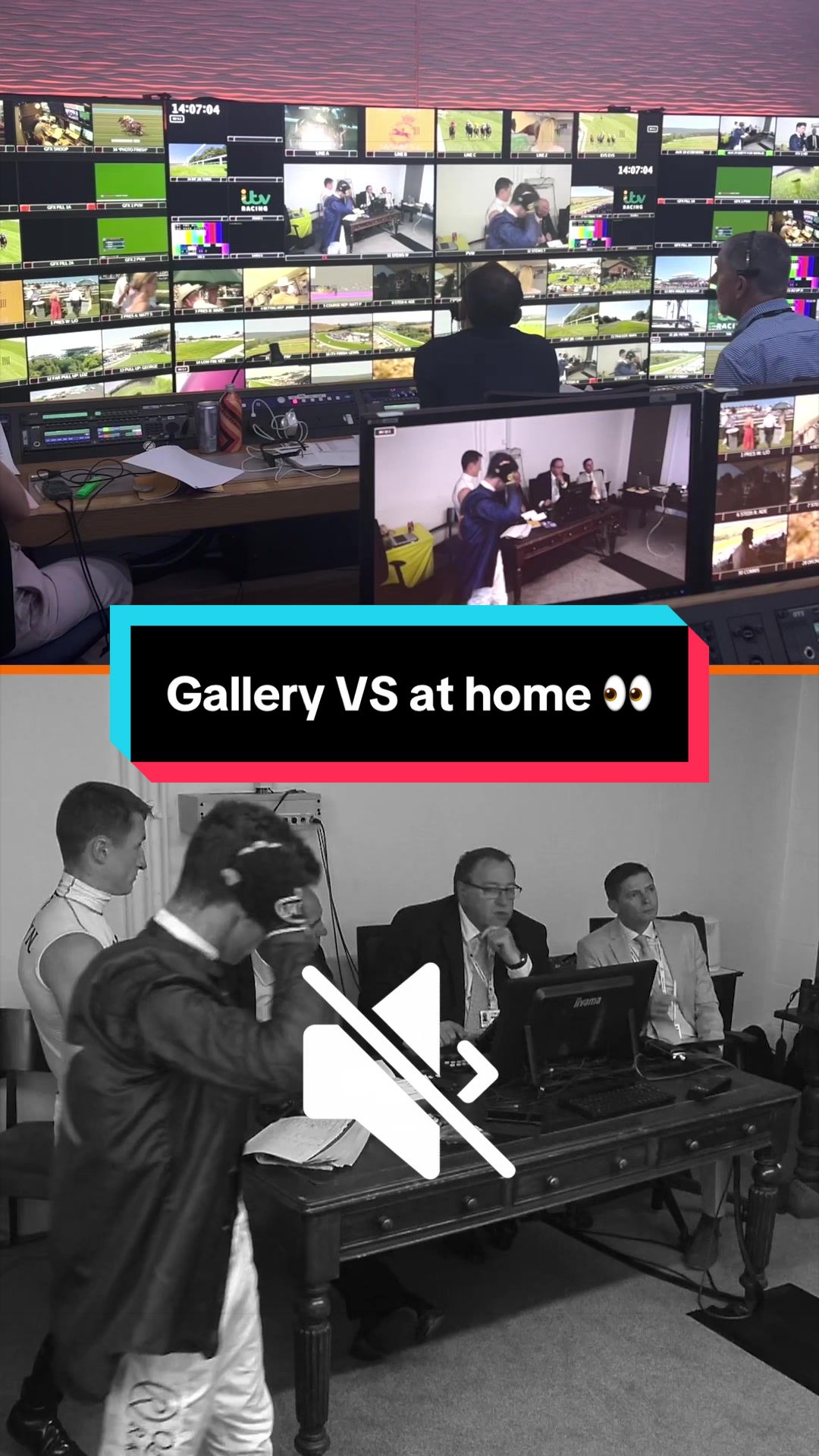
A different view to yesterday’s Stewards enquiry 👀

Perfectly explained by Francesca 🫶🏻

Keep an eye out for Adaay of Scarlett 👀
 Links
Links
 Contact
 App
App


