



Infantino is deep in a recall crisis, Trump vows to "do everything possible" to support him



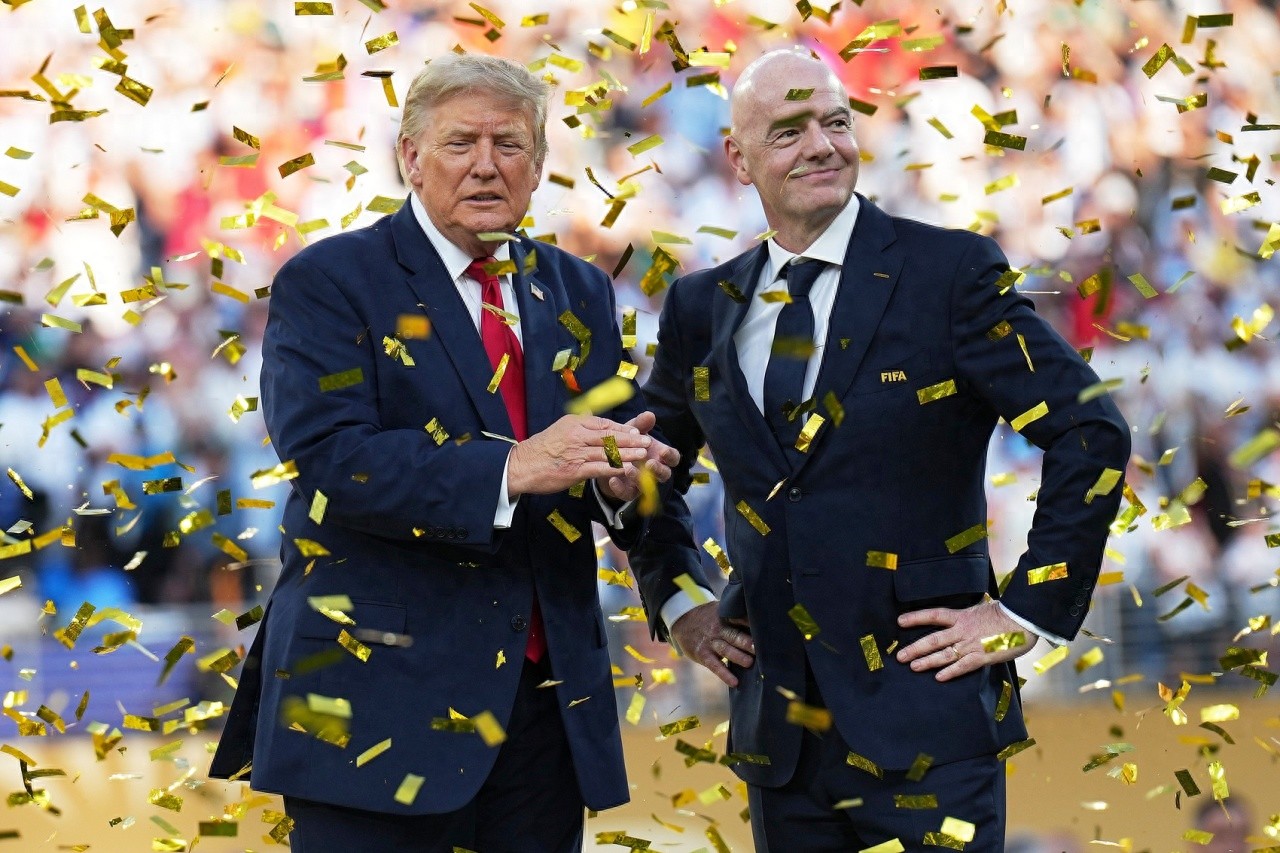
According to the latest revelations from the British newspaper The Telegraph, FIFA President Gianni Infantino is facing the most severe crisis of his tenure since taking office, and U.S. President Donald Trump has explicitly stated that he will "do everything possible" to keep the embattled football chief in power. This highly dramatic political endorsement not only thrusts Infantino into the global spotlight of public opinion but also raises strong doubts about whether the relationship between the two has degenerated into a mutually beneficial alliance of "like attracts like."
Infantino's crisis originates from his highly controversial plan to "sell World Cup shares." This plan attempts to package the commercial rights of core events like the World Cup and open them to private capital. However, this behind-the-scenes maneuver, viewed by outsiders as "turning football's cultural heritage into a financial product," not only bypassed consultations with continental football confederations but is also accused of paving the way for Infantino to secure a "glorious transformation" with an annual salary of tens of millions of dollars. Facing collective pressure from UEFA, the AFC, and CONCACAF, Infantino's electoral base is rapidly collapsing, and the initiation of recall proceedings seems only a matter of time.
It is precisely in this desperate situation of being besieged on all sides that Trump's "support" appears particularly conspicuous. Insiders reveal that Trump is willing to lend a hand because Infantino helped the United States host "the best World Cup ever," and Trump himself has a great fondness for this "loyal" ally. However, this political endorsement based on personal friendship is precisely the focus of external criticism.
Looking back at their past interactions, from Infantino giving red and yellow cards at their first meeting in 2018 and joking that they "might be useful when dealing with the media," to awarding Trump the "FIFA Peace Award" at last year's World Cup draw ceremony to compensate for his failure to win the Nobel Peace Prize, and then to the current share sale plan allegedly involving the Trump family's capital, their relationship has long surpassed normal interactions between political entities and sports organizations. Even more criticized is that during the World Cup, a phone call from Trump could allow American player Balogun, who had received a red card, to escape suspension, openly trampling on the principle of sports fairness.
Now, as Infantino faces the fate of being ousted due to the "share sale" scandal, he has chosen to seek help from the Trump administration, and is even reported to have arranged a private meeting with U.S. Secretary of State Rubio. This move has been sarcastically described by the media as a dark comedy of "a thief accused of theft going to the victim's house to ask for shelter." Moreover, Trump initially downplayed the scandal by saying he "never spoke with Infantino," but now vows to do "everything possible" to help. This contradictory attitude further reveals the political calculations behind this "rescue."
For Trump, Infantino is not only his proxy in the sports world but also part of his political legacy. Keeping Infantino in power means preserving the extension of "America First" in the sports field. For Infantino, Trump's support is his last bargaining chip against opponents like UEFA.
This crisis triggered by "selling shares" has ultimately evolved into an ultimate showdown between sports independence and political intervention. When the president of FIFA needs to rely on a country's president's "everything possible" to keep his position, the governance system of world football is already riddled with problems. Is this a mutual admiration between two political allies, or a "like attracts like" division of spoils among the powerful? The answer may already be written in the rules that have been trampled and the votes that have been bought.
Watch football on Migu Video!


Wonderfulshortvideo
vinicius junior transfer real madrid arsenal vini here we go arsenal news today real madrid news today ronaldo real madrid ronaldo edit


A sneak peak at yesterdays opener 👀
Think we might side with Francesca’s idea 😂
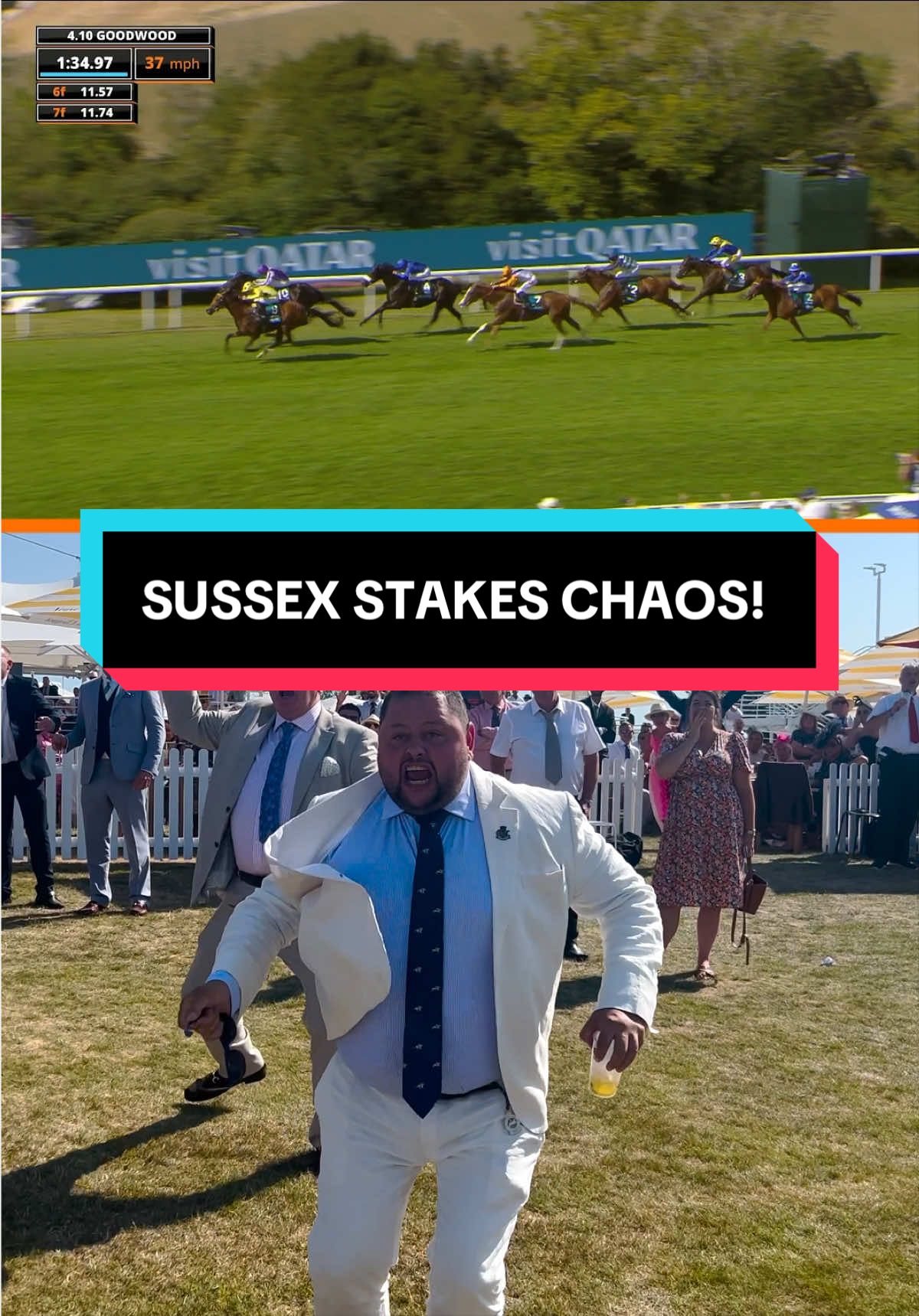
The highs & lows of racing 🐎
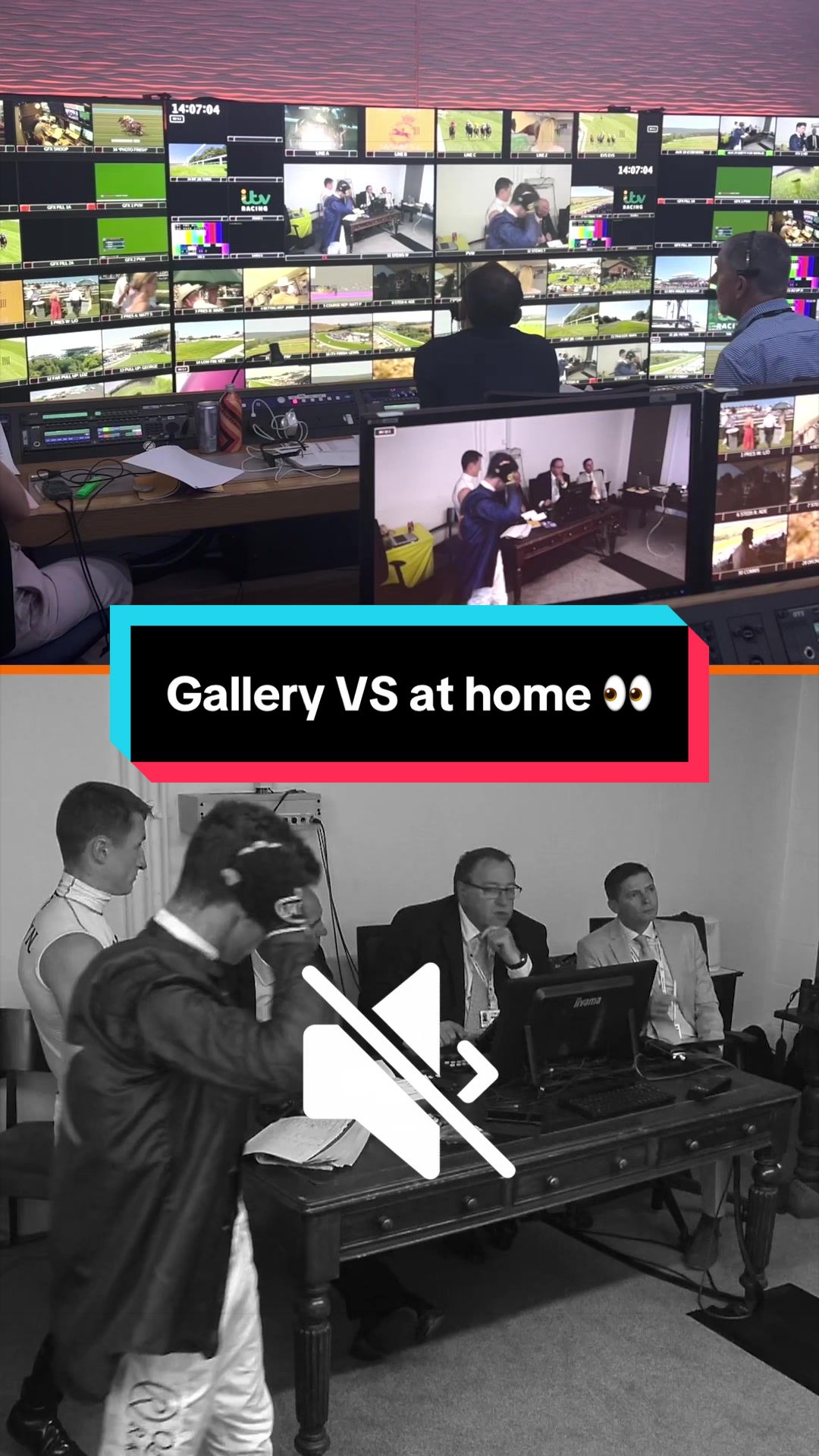
A different view to yesterday’s Stewards enquiry 👀
Perfectly explained by Francesca 🫶🏻
Keep an eye out for Adaay of Scarlett 👀
 Links
Links
 Contact
 App
App


